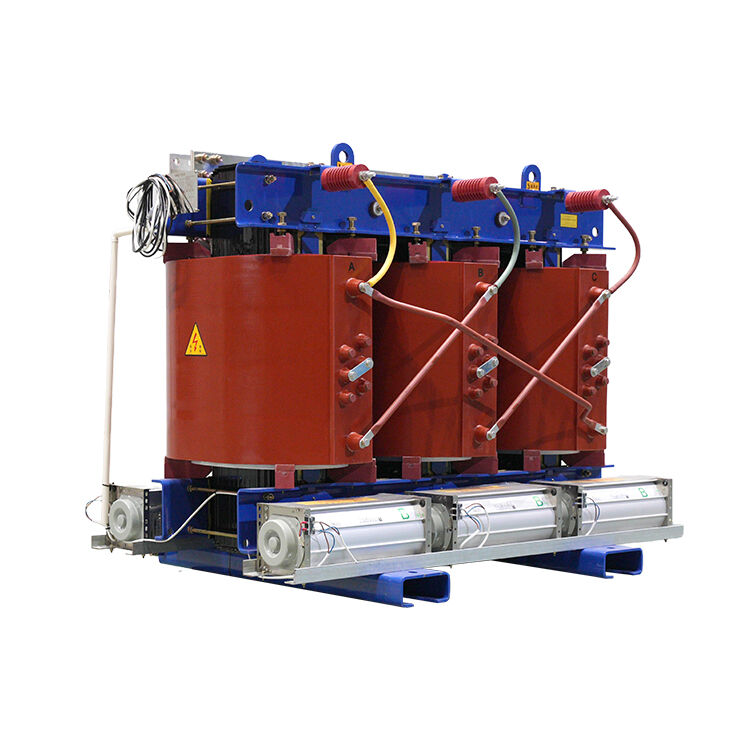
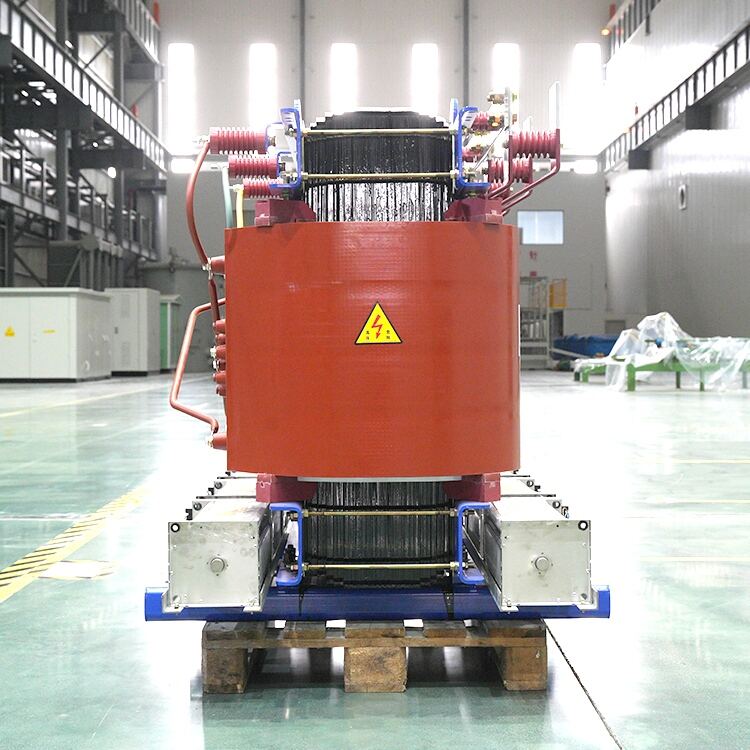
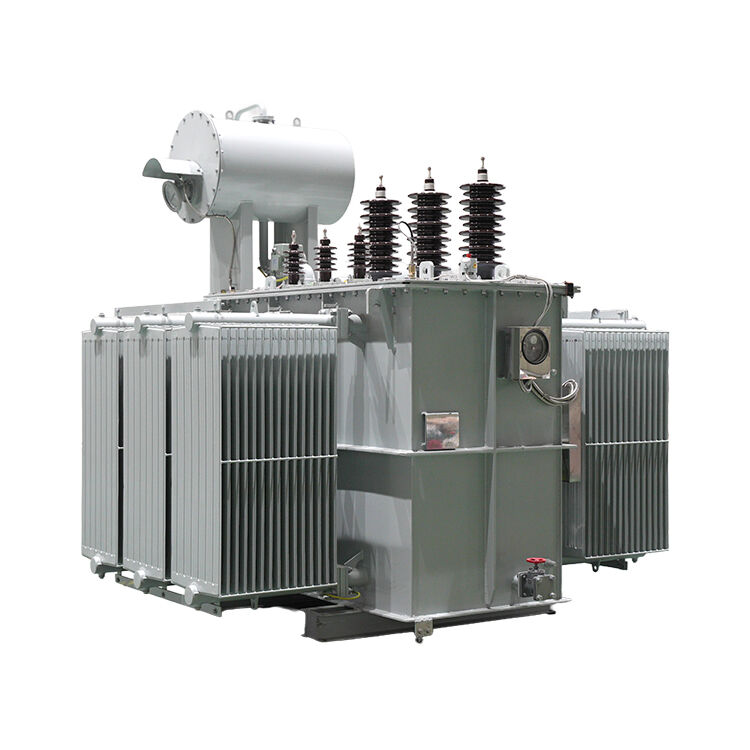
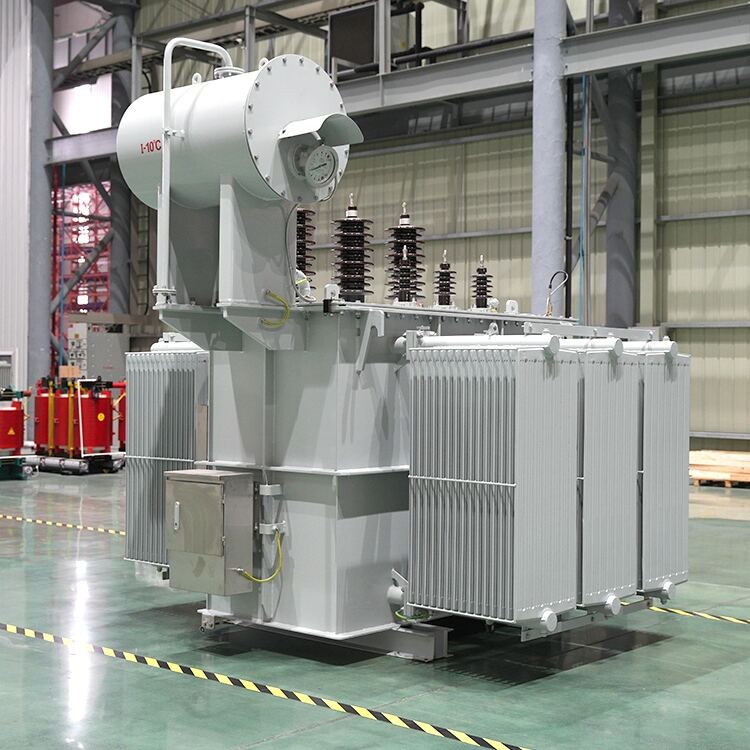
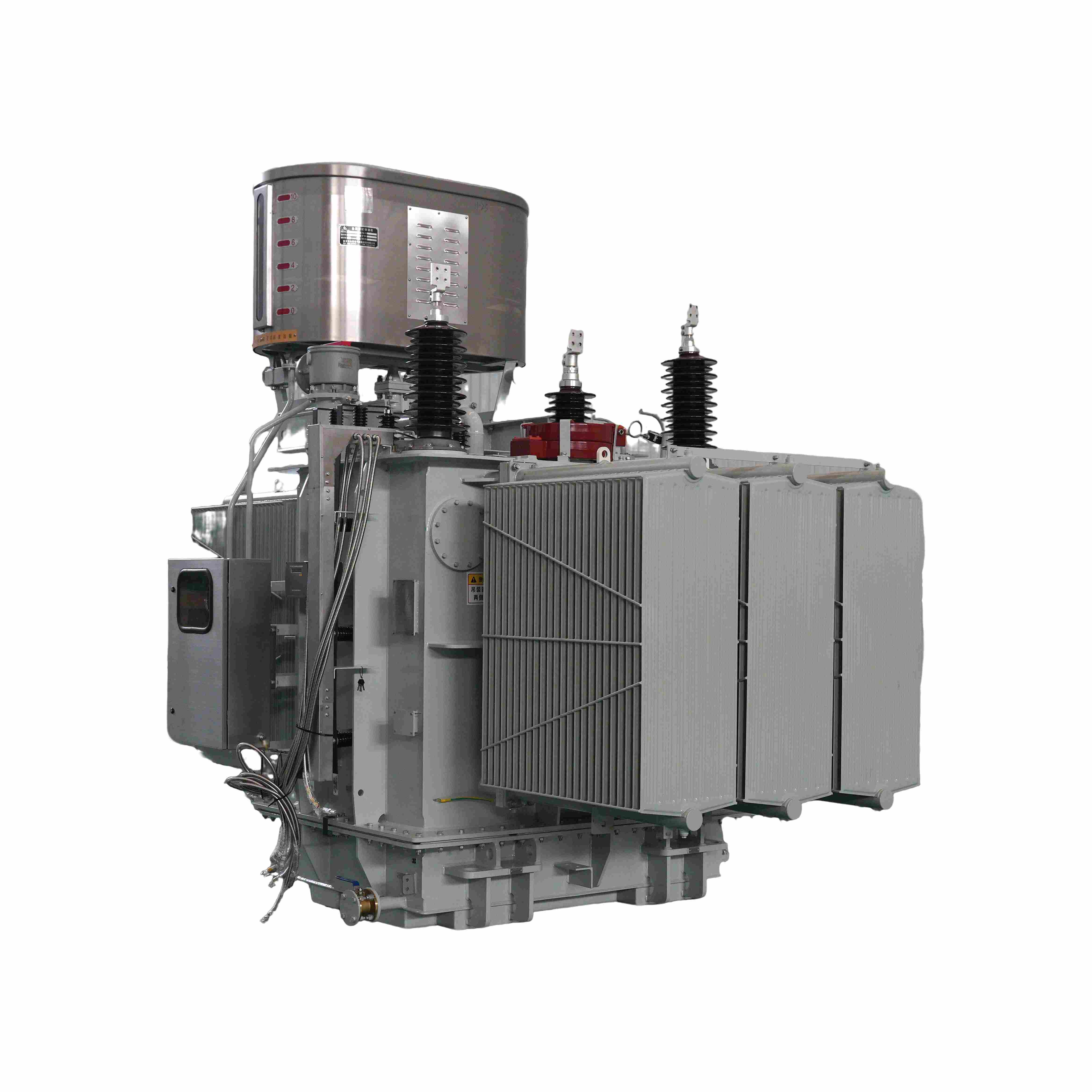
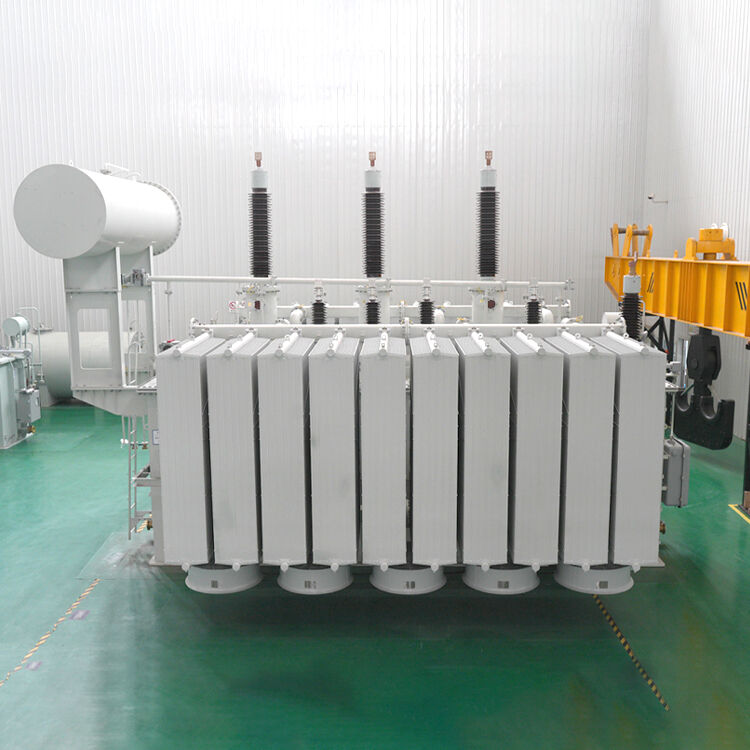
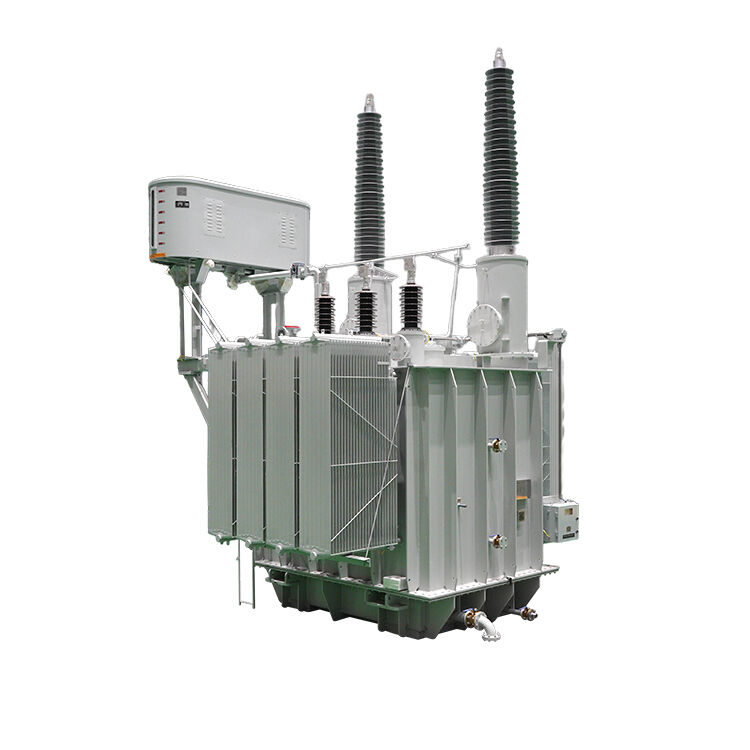
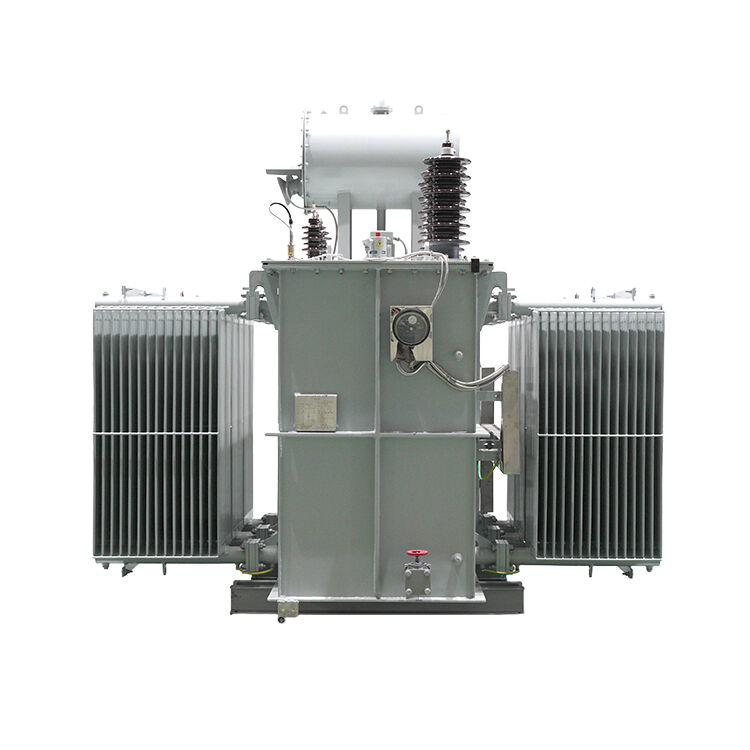
main transformer for distribution network
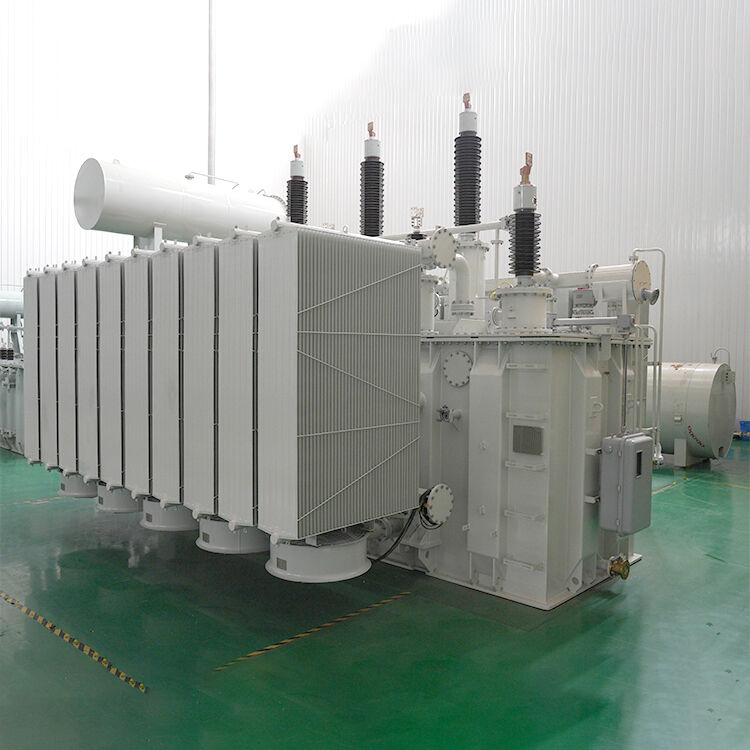
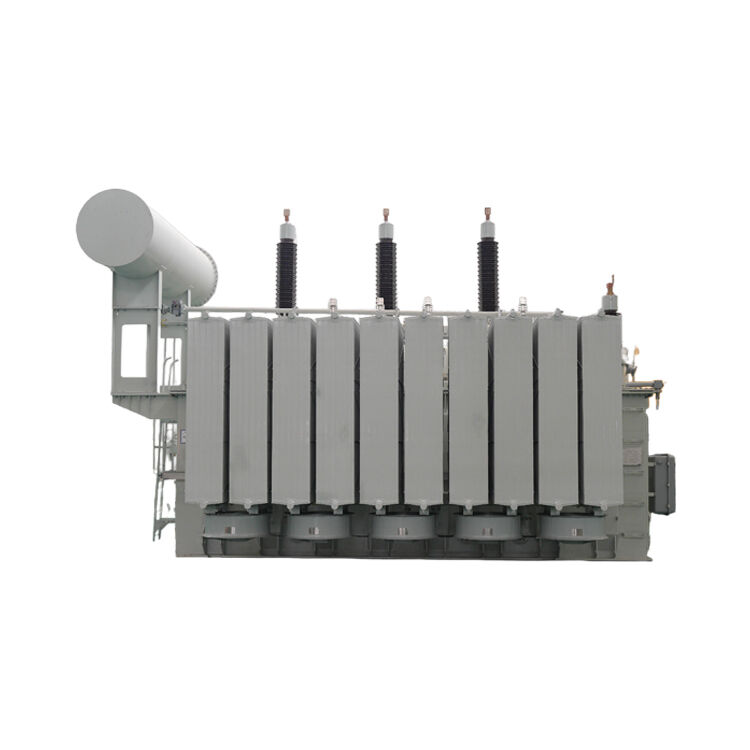
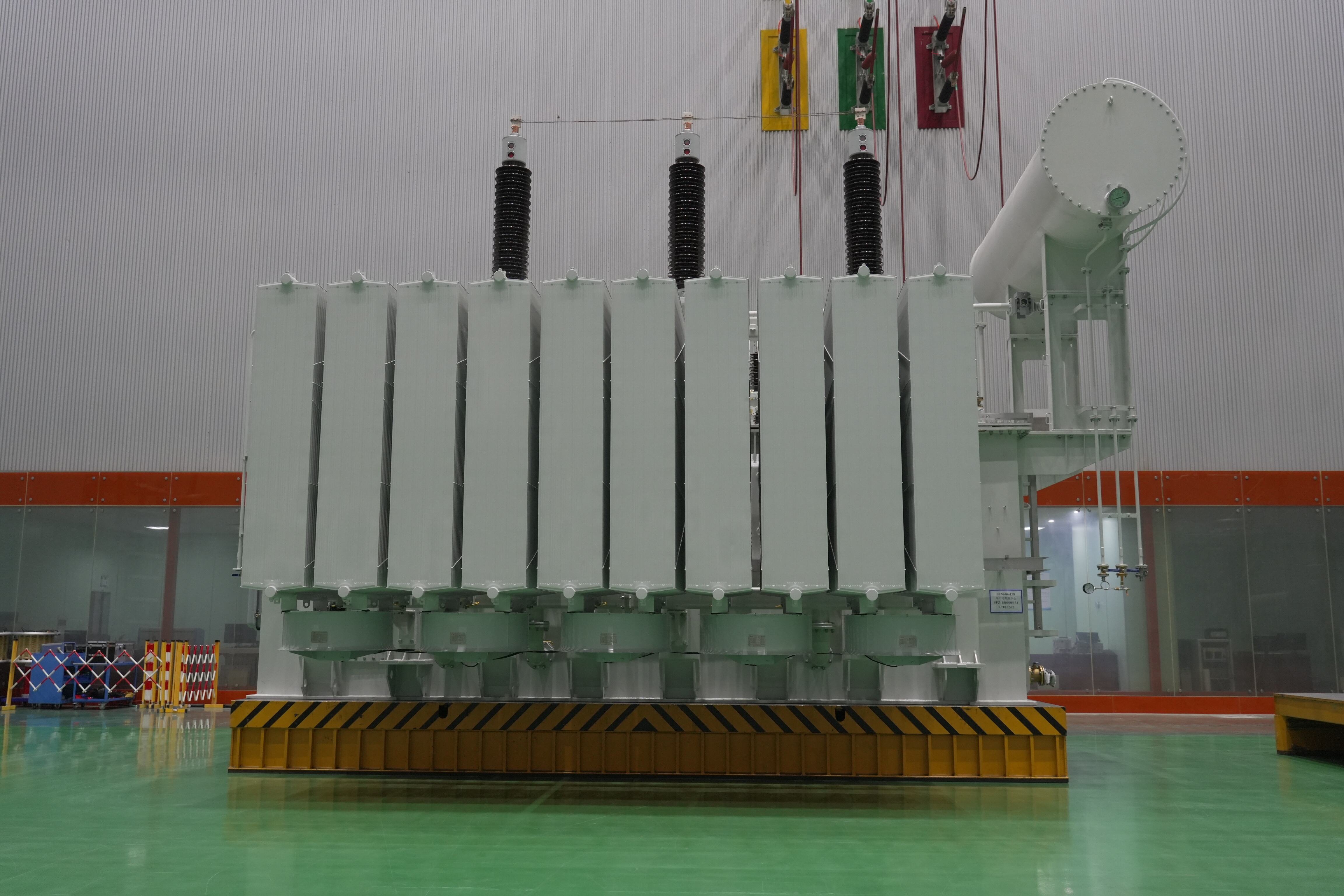
The main transformer for distribution network serves as a critical component in electrical power systems, acting as the primary interface between high-voltage transmission lines and medium-voltage distribution circuits. This essential equipment performs voltage transformation, typically stepping down electricity from transmission levels of 69kV to 138kV down to distribution voltages ranging from 4kV to 35kV. The main transformer for distribution network operates on electromagnetic induction principles, utilizing primary and secondary windings wrapped around a laminated steel core to achieve efficient voltage conversion. Modern distribution network transformers incorporate advanced insulation systems, often using mineral oil or synthetic fluids for cooling and electrical isolation. These transformers feature robust construction with weather-resistant enclosures designed to withstand environmental challenges including temperature fluctuations, moisture, and mechanical stress. The main transformer for distribution network includes sophisticated protection systems such as differential relays, overcurrent protection, and temperature monitoring devices that ensure safe operation and prevent equipment damage. Load tap changers are frequently integrated into these transformers, allowing voltage regulation under varying load conditions to maintain optimal power quality. The magnetic core design utilizes high-grade silicon steel laminations that minimize energy losses and reduce operational costs. Advanced cooling systems, including forced air or oil circulation, maintain optimal operating temperatures even during peak demand periods. The main transformer for distribution network typically ranges from 10MVA to 100MVA capacity, accommodating diverse utility requirements. Smart monitoring capabilities enable remote diagnostics and predictive maintenance, reducing downtime and extending equipment lifespan. These transformers comply with international standards including IEEE, IEC, and ANSI specifications, ensuring reliable performance and safety. The modular design facilitates transportation and installation while maintaining structural integrity and electrical performance throughout the operational lifetime.
 EN
EN