Smart Grid Integration and Digital Connectivity
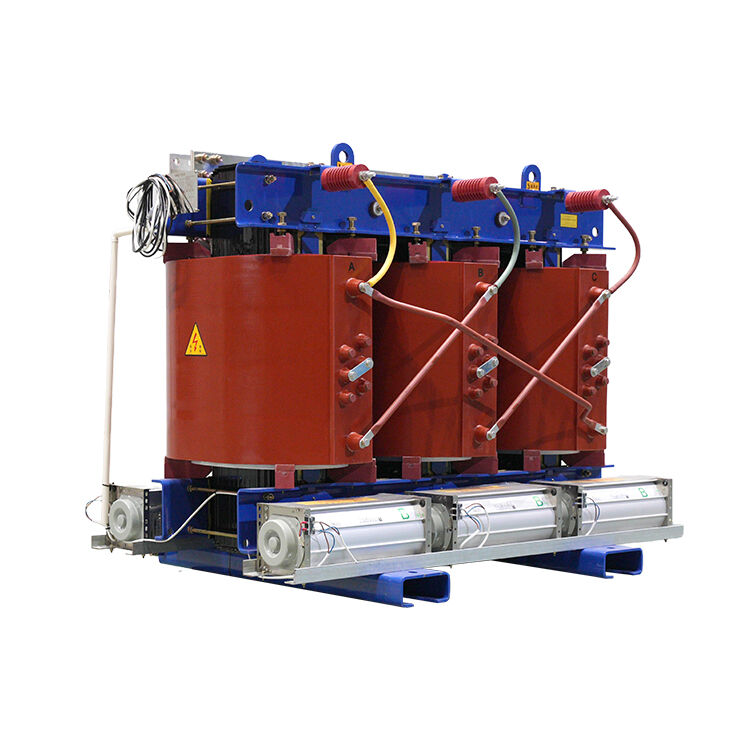
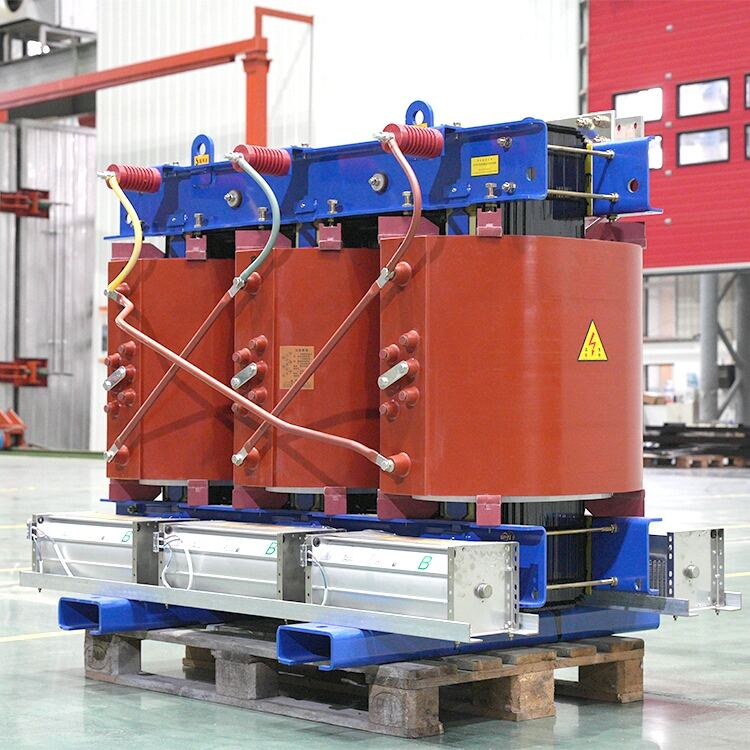
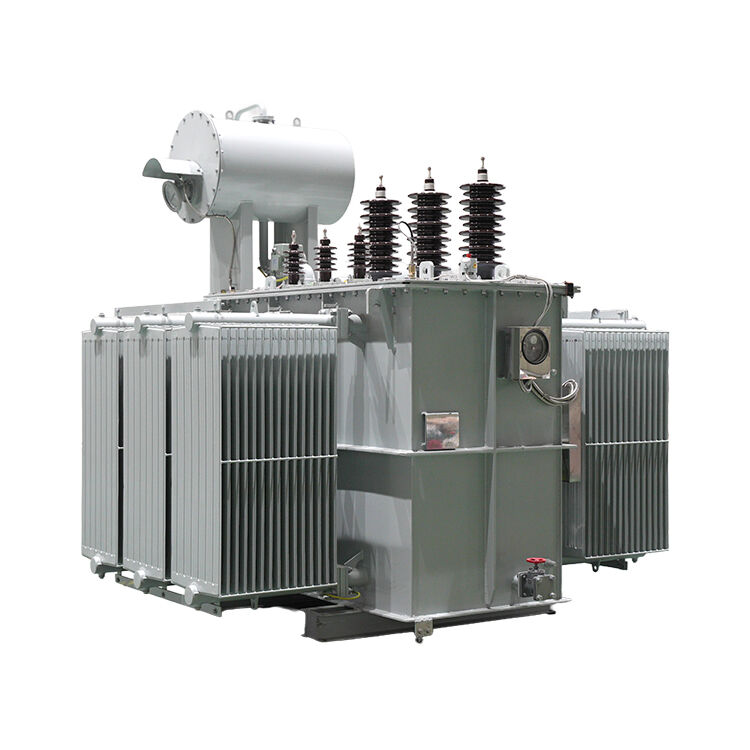
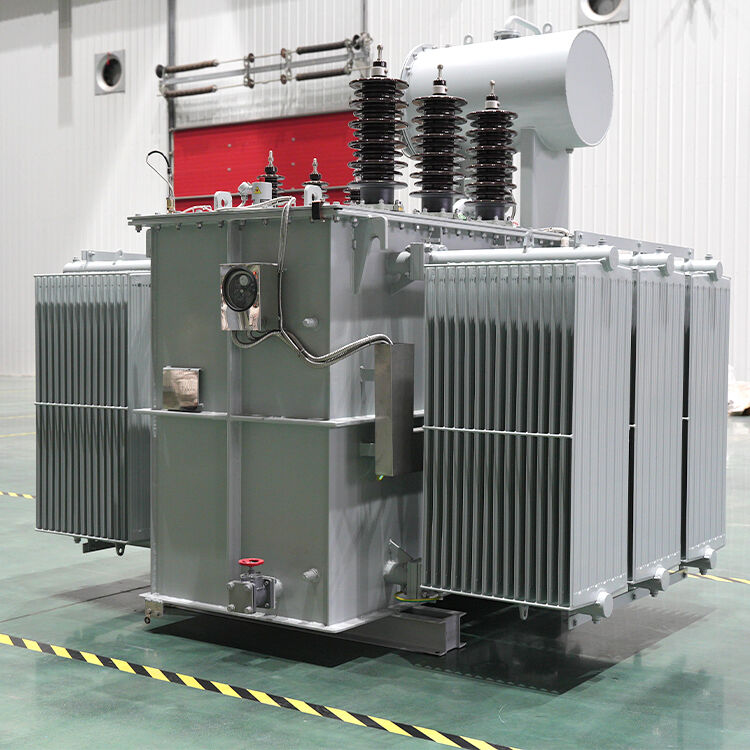
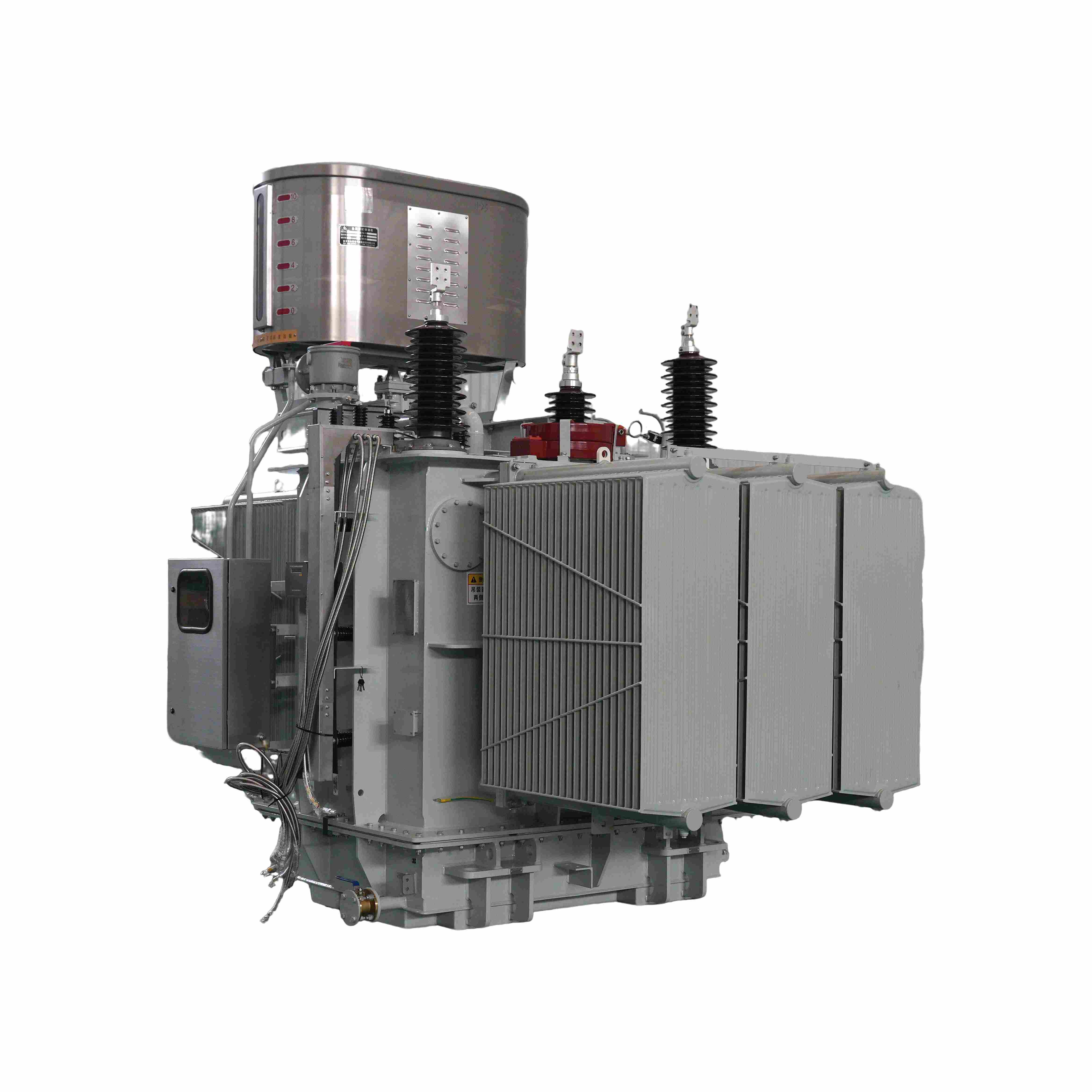
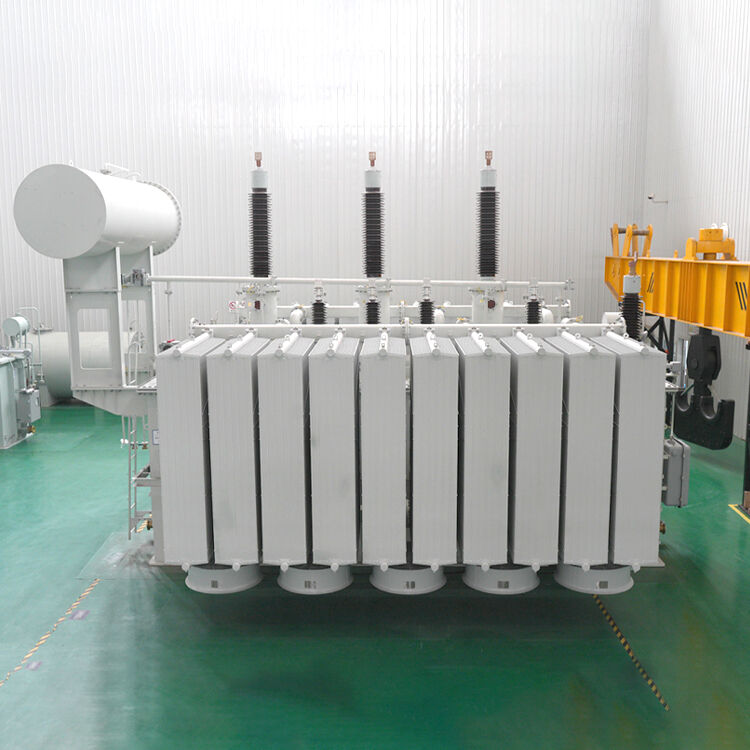
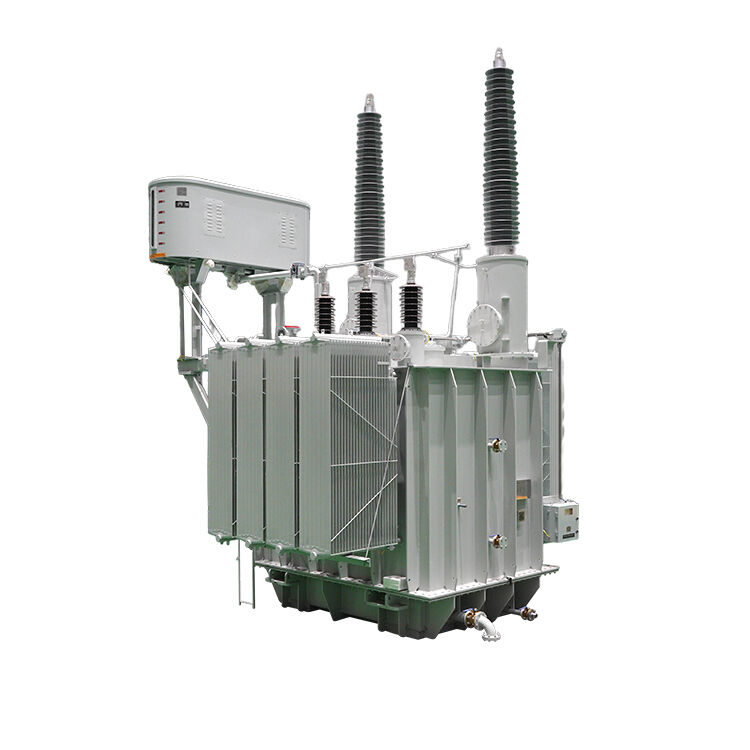
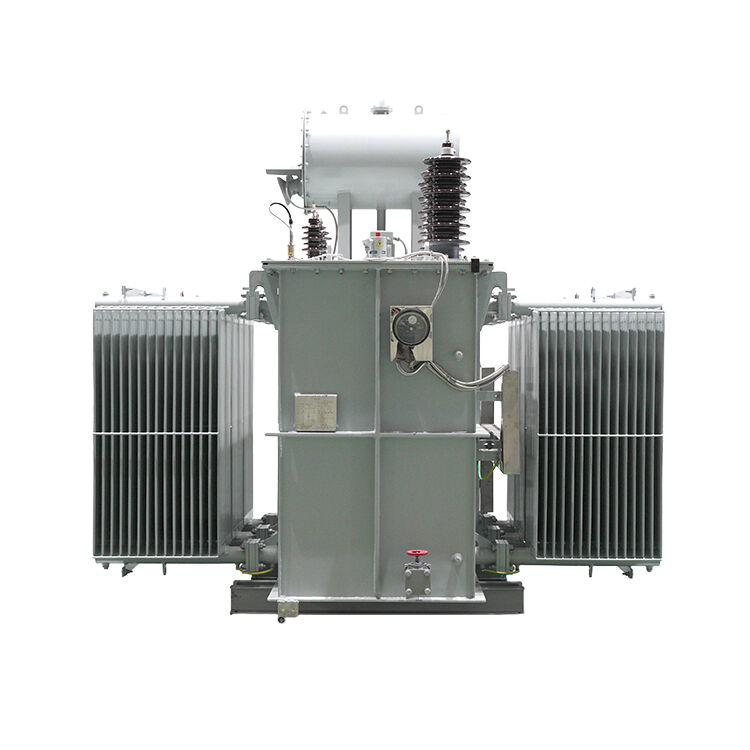
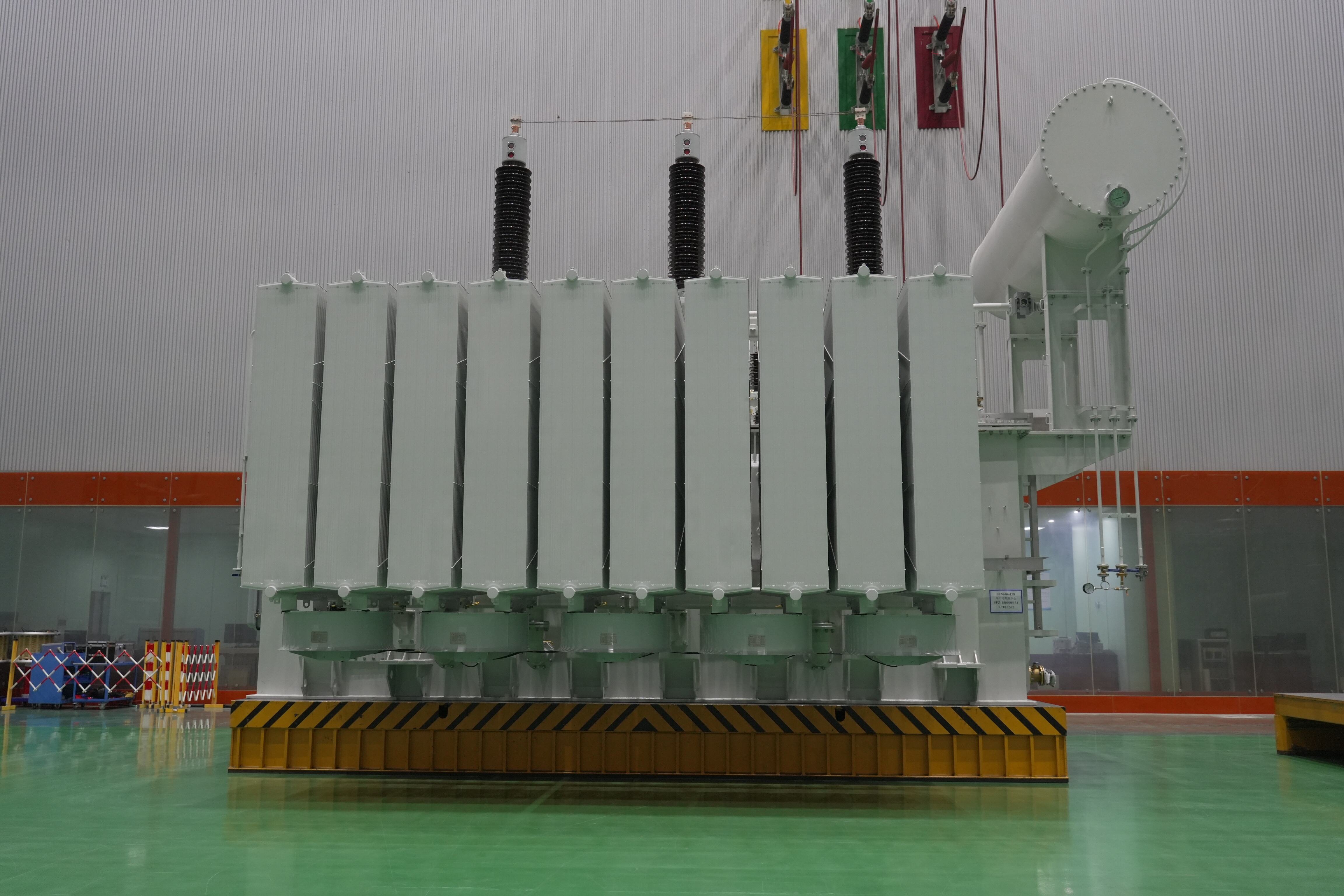
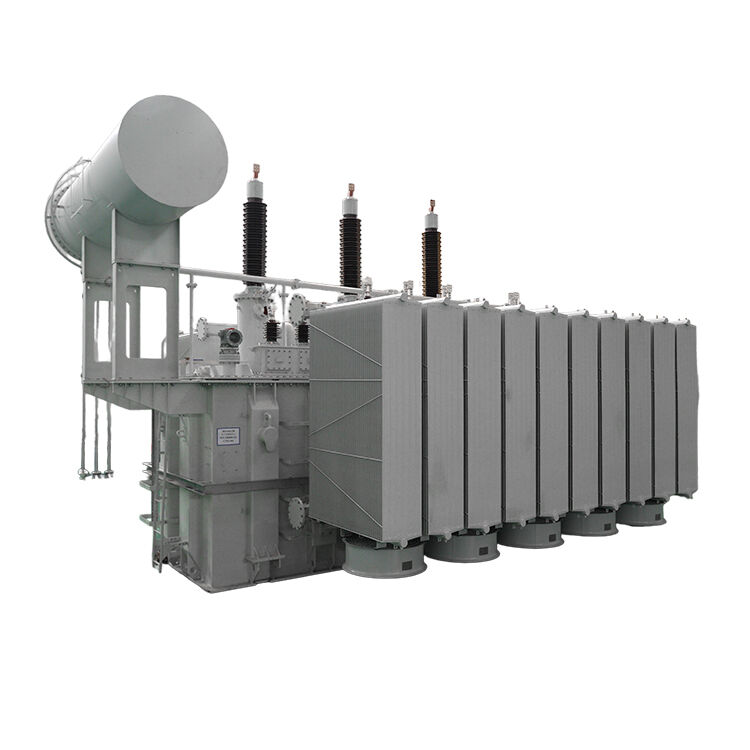
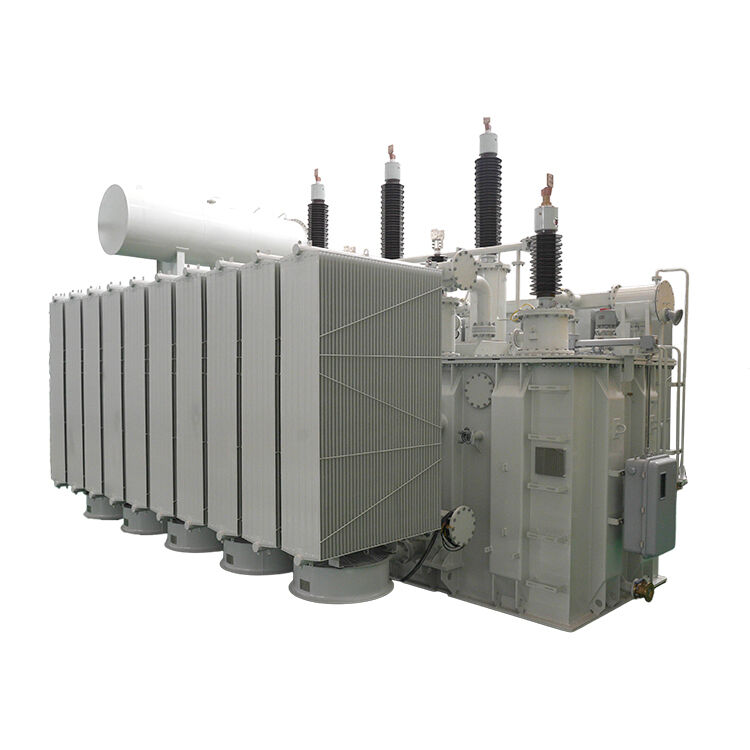
The main transformer for renewable energy features comprehensive digital integration capabilities that seamlessly connect renewable energy installations with modern smart grid infrastructure and energy management systems. These advanced connectivity features enable real-time data exchange between the transformer and grid control centers, facilitating optimal power flow management and system stability maintenance. Digital communication protocols integrated into the main transformer for renewable energy support various industry standards, ensuring compatibility with existing utility infrastructure and future technology upgrades. The smart integration capabilities provide operators with detailed operational insights, including load patterns, efficiency metrics, and predictive maintenance indicators that optimize both performance and maintenance scheduling. Advanced sensors embedded within the main transformer for renewable energy continuously monitor critical parameters such as temperature, vibration, oil quality, and electrical characteristics, transmitting this data to centralized monitoring systems for analysis and decision-making. This continuous monitoring enables proactive maintenance strategies that prevent unexpected failures and extend equipment lifespan, reducing total cost of ownership for renewable energy projects. The digital connectivity facilitates remote operation capabilities, allowing operators to adjust transformer settings, monitor performance, and diagnose issues from central control rooms, reducing the need for on-site personnel and associated operational costs. Integration with weather forecasting systems enables the main transformer for renewable energy to anticipate load variations and optimize settings accordingly, improving overall system efficiency and grid stability. The smart grid connectivity supports advanced grid services, including frequency regulation, voltage support, and demand response programs that can generate additional revenue streams for renewable energy operators. Cybersecurity features protect digital communication channels and control systems from potential threats, ensuring secure operation in increasingly connected energy networks. Data analytics capabilities process operational information to identify optimization opportunities and predict future maintenance needs, supporting informed decision-making and strategic planning for renewable energy installations.
 EN
EN