Dry Type Main Transformer: Advanced Electrical Solutions for Modern Infrastructure

Get a Free Quote

Our representative will contact you soon.
Email
WhatsApp/Mobile
Name
Company Name
Message
0/1000

dry type main transformer

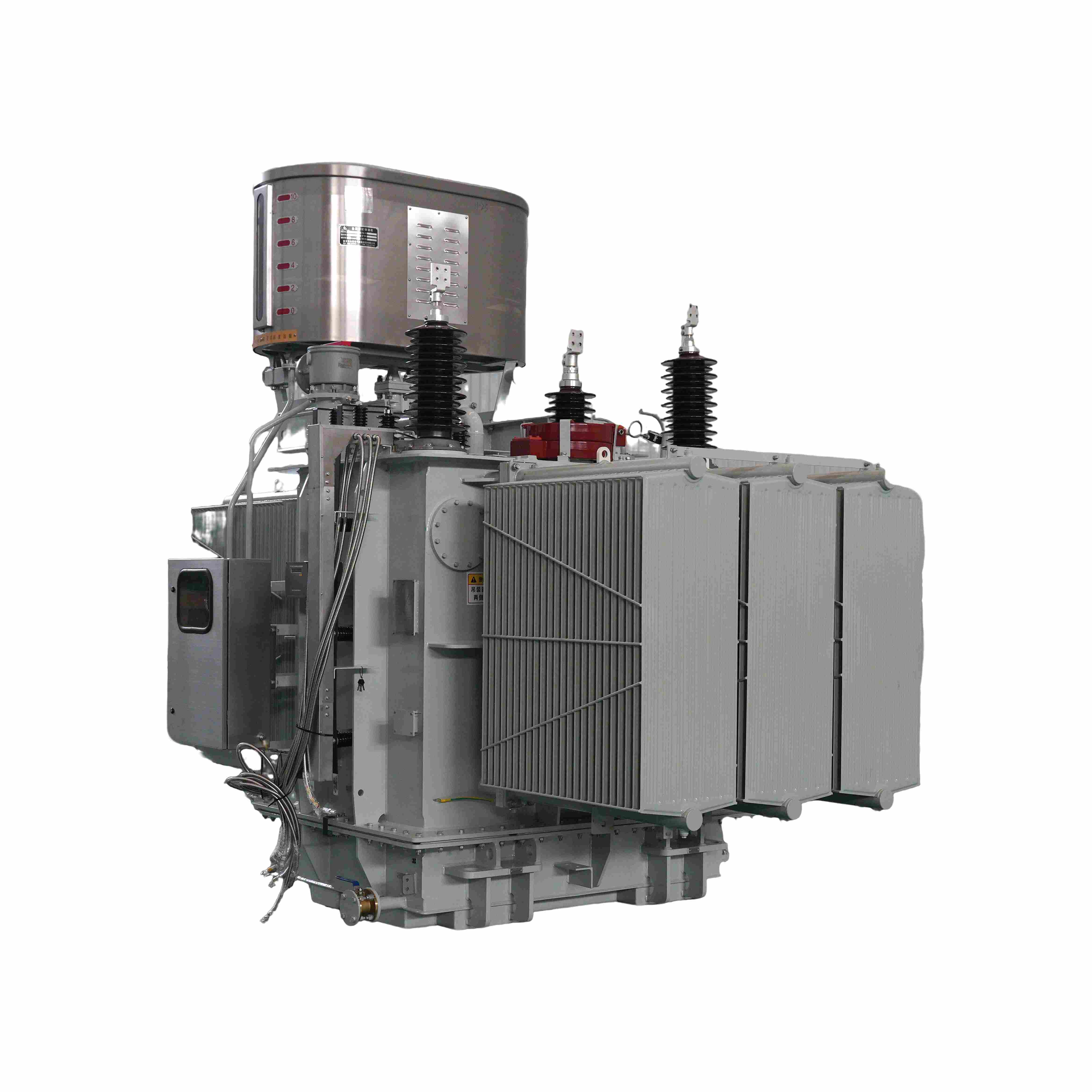
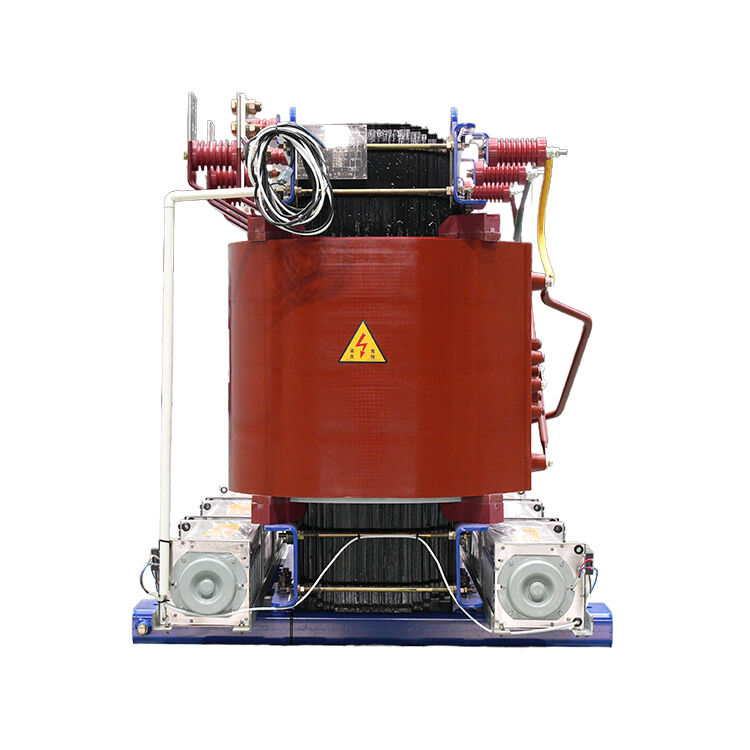
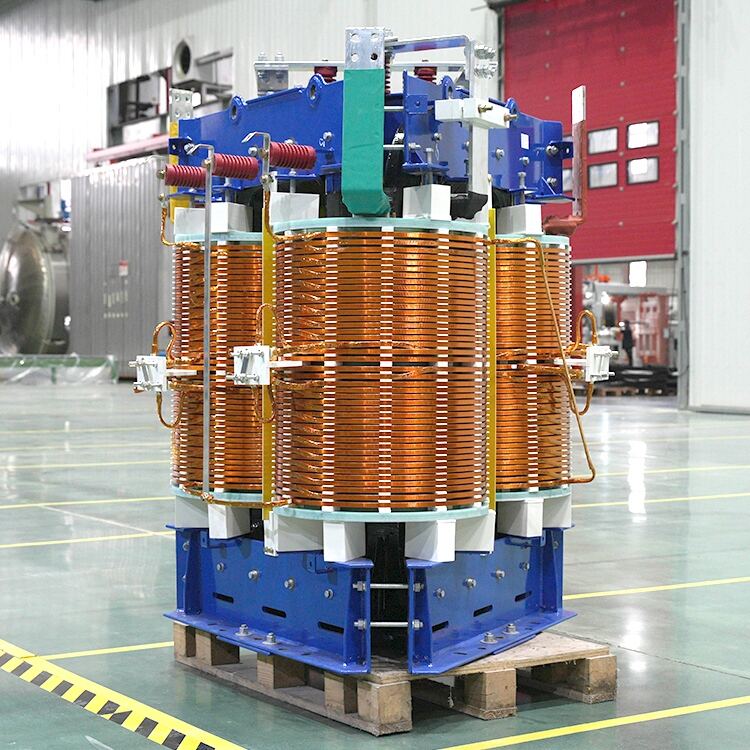
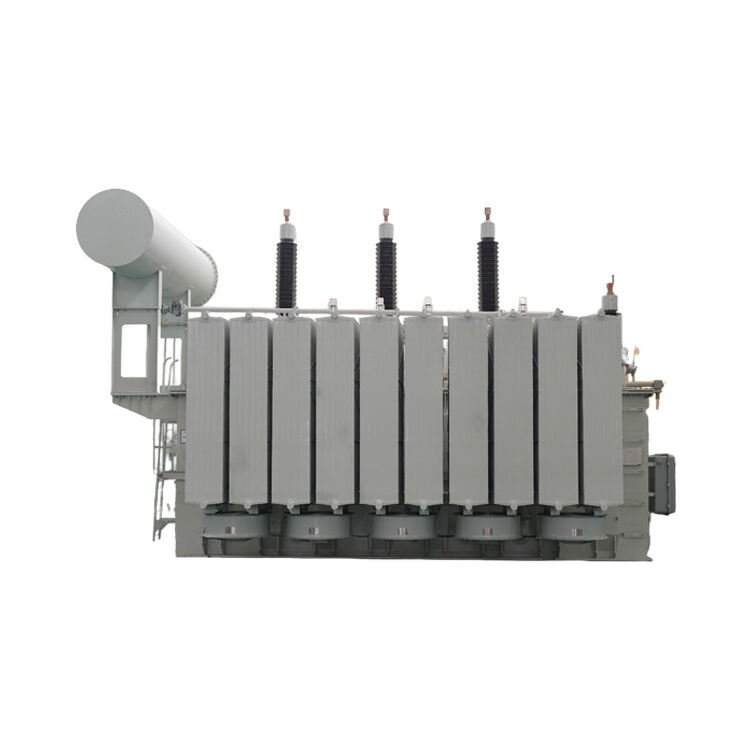
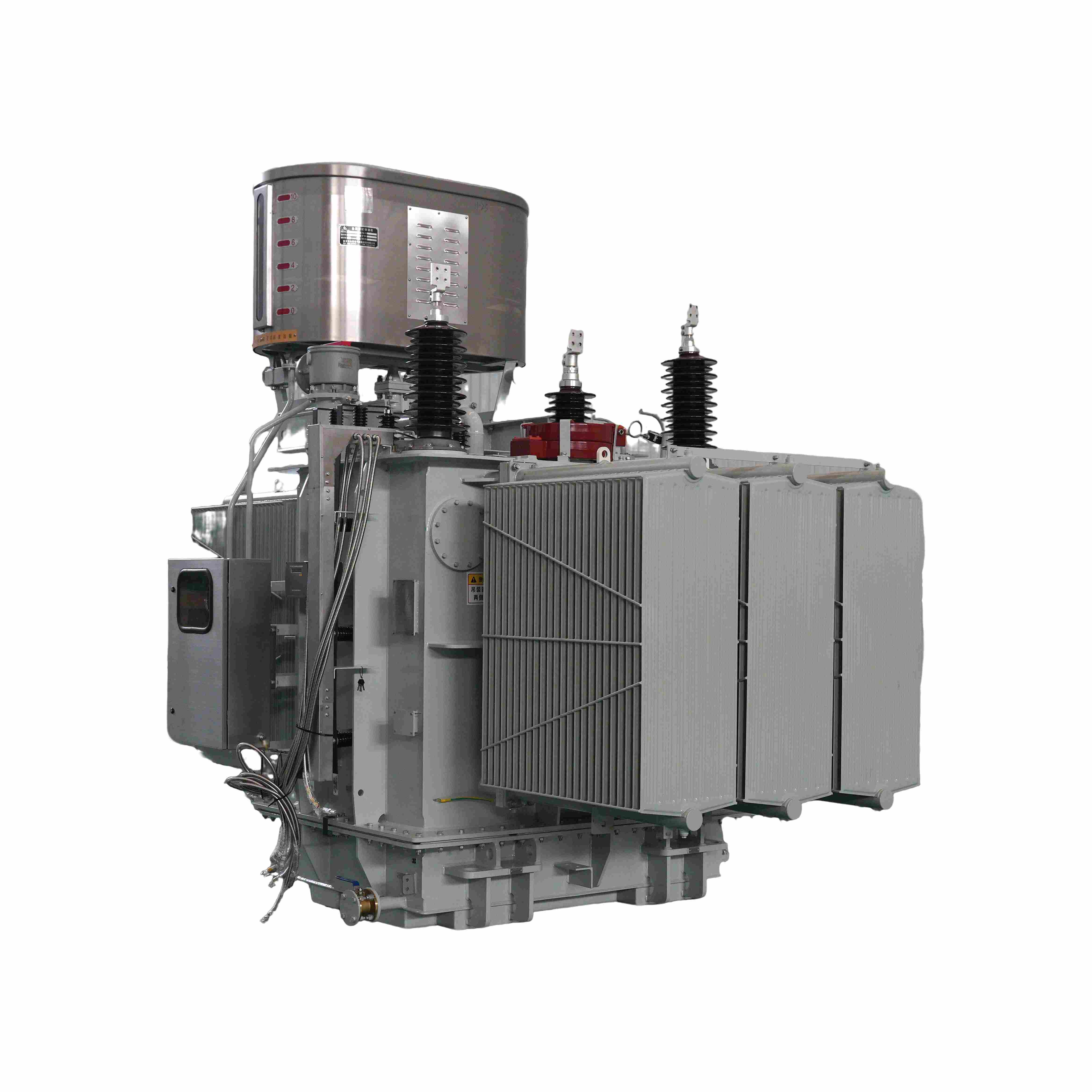
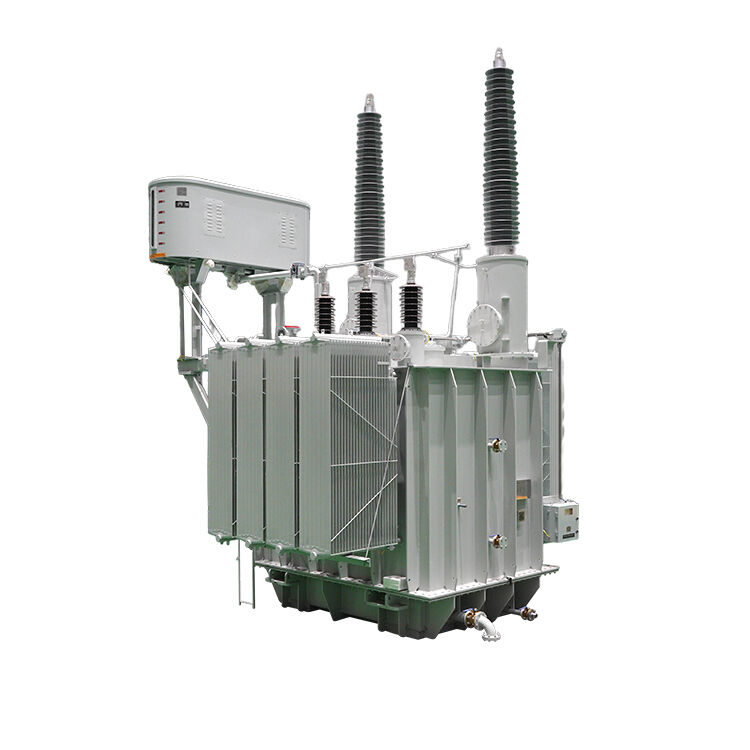
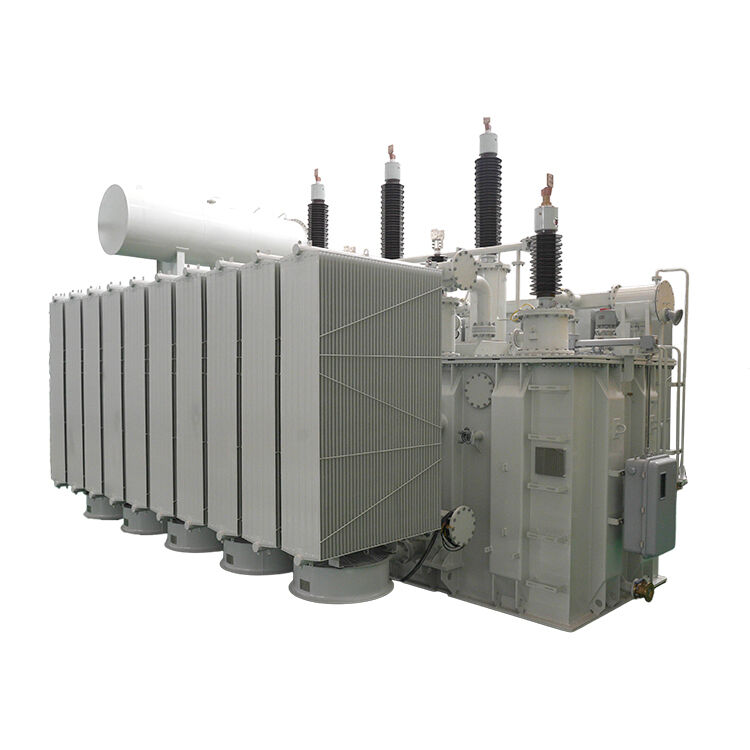
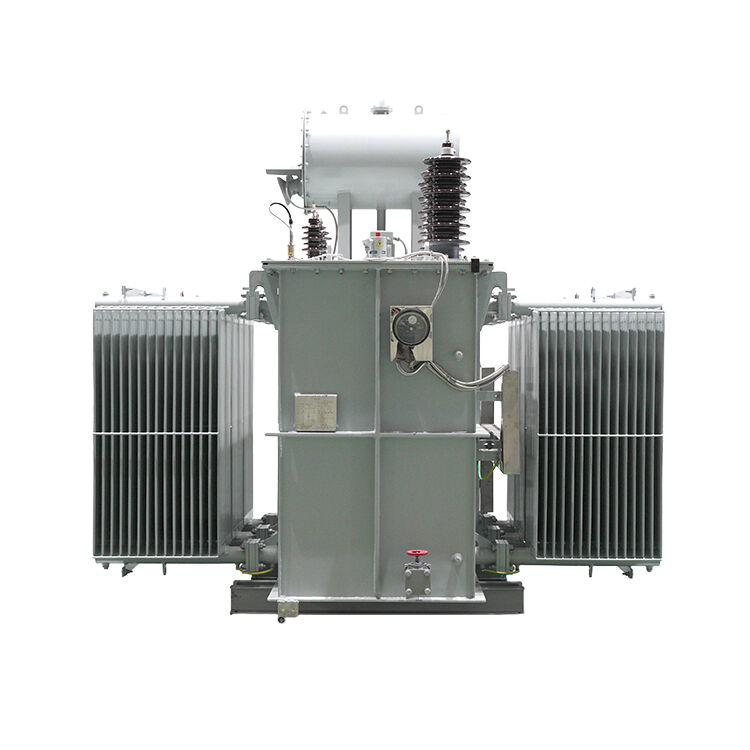
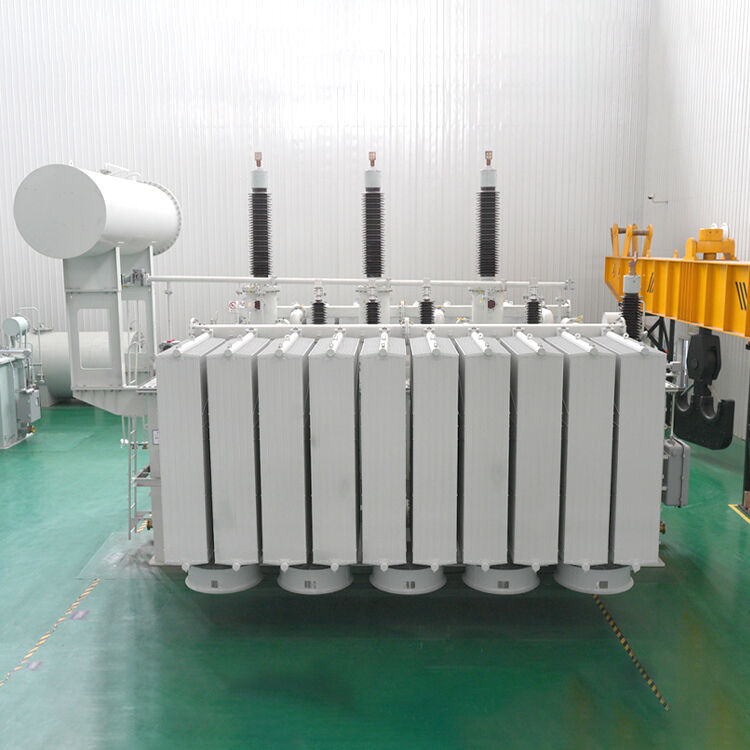
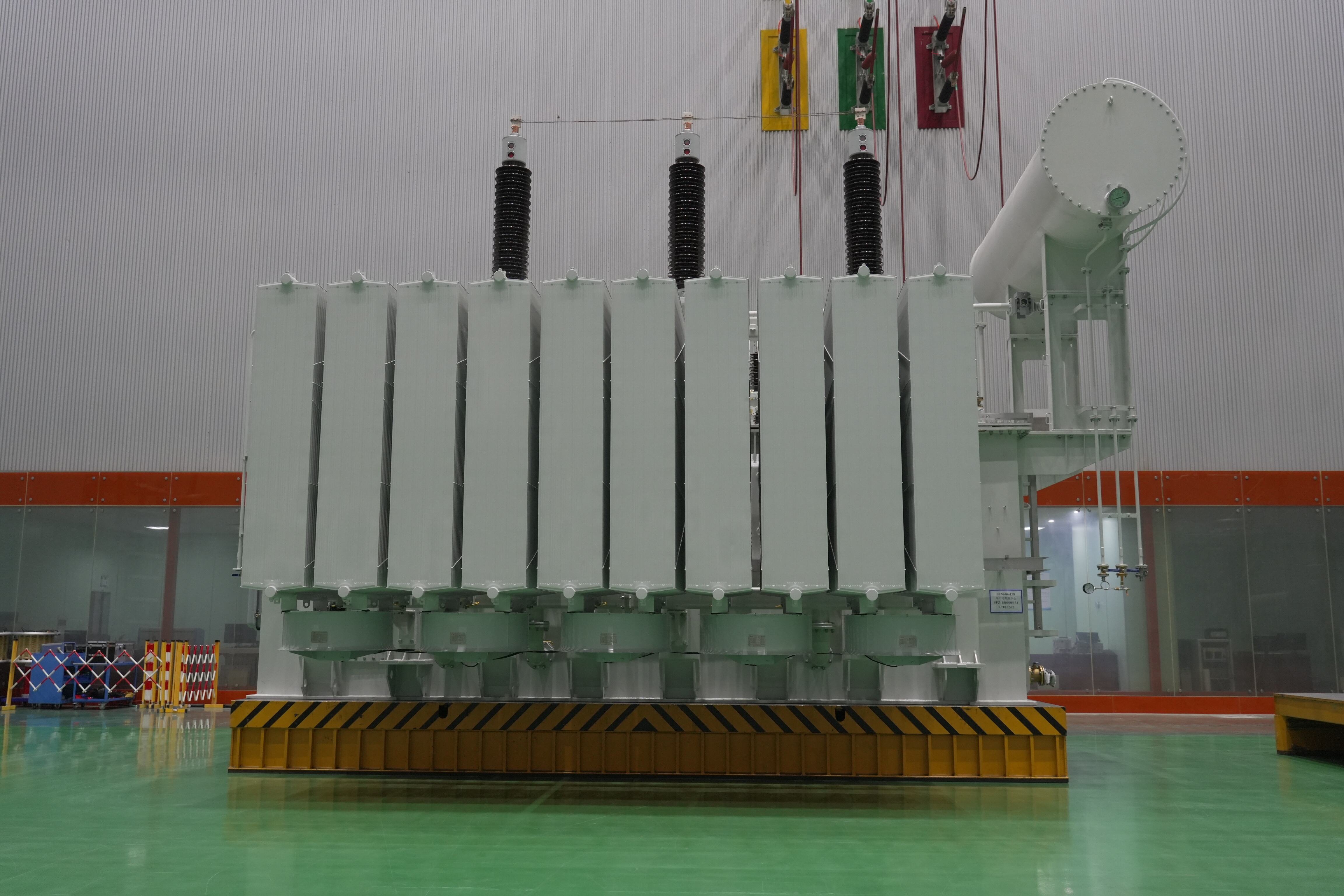
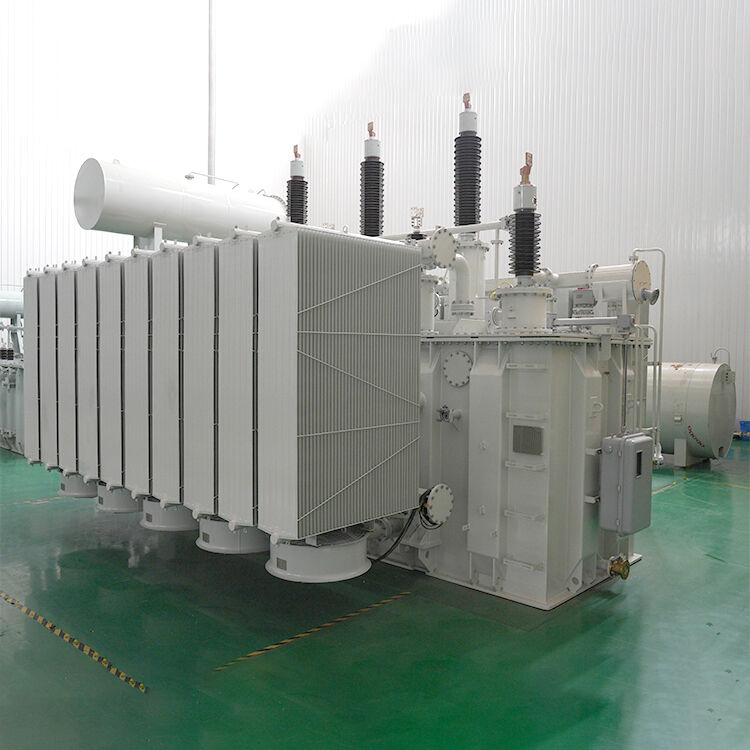
The dry type main transformer represents a pivotal advancement in electrical power distribution technology, serving as a cornerstone component in modern electrical infrastructure systems. Unlike traditional oil-filled transformers, this innovative equipment utilizes air or cast resin insulation instead of liquid dielectrics, fundamentally changing how electrical energy gets converted and distributed across various voltage levels. The dry type main transformer operates by employing electromagnetic induction principles to step voltage up or down according to specific application requirements, making it essential for power plants, substations, industrial facilities, and commercial buildings. Its primary function involves converting high-voltage electricity from transmission lines into lower voltages suitable for distribution networks, or vice versa, depending on system needs. The technological architecture incorporates advanced insulation materials, typically epoxy resin or vacuum pressure impregnation systems, which eliminate fire hazards associated with oil-based alternatives while maintaining excellent electrical performance characteristics. These transformers feature robust construction with laminated steel cores and copper or aluminum windings, engineered to withstand harsh environmental conditions and electrical stresses. Temperature management systems integrate sophisticated cooling mechanisms, including natural air circulation or forced ventilation, ensuring optimal operating temperatures under varying load conditions. Modern dry type main transformer designs incorporate digital monitoring capabilities, enabling real-time performance tracking, predictive maintenance scheduling, and remote diagnostics. Applications span across multiple sectors including renewable energy installations, data centers, hospitals, educational institutions, and manufacturing plants where safety, reliability, and environmental considerations take precedence. The versatility of these transformers allows for indoor and outdoor installations, making them suitable for urban environments where space constraints and safety regulations demand compact, fire-resistant solutions that deliver consistent performance throughout their operational lifespan.

New Product Recommendations

The dry type main transformer delivers numerous compelling advantages that make it the preferred choice for modern electrical installations across diverse applications. Safety represents the most significant benefit, as these transformers eliminate fire and explosion risks associated with oil-filled alternatives, making them ideal for installation in populated areas, commercial buildings, and sensitive environments like hospitals and schools. The absence of flammable liquids means no risk of oil leaks, spills, or contamination, protecting both personnel and the surrounding environment from potential hazards. Maintenance requirements are dramatically reduced compared to oil-filled units, as there is no need for oil testing, filtering, or replacement procedures that typically consume significant time and resources. This translates into lower operational costs and reduced downtime, allowing facility managers to allocate maintenance budgets more effectively while ensuring continuous power supply reliability. Environmental friendliness stands out as another major advantage, since dry type main transformers produce no toxic emissions and require no special disposal procedures for hazardous materials at end-of-life, supporting corporate sustainability goals and regulatory compliance. Installation flexibility surpasses traditional alternatives, as these units can be placed directly inside buildings without requiring separate oil containment systems, fire suppression equipment, or extensive ventilation arrangements, significantly reducing installation costs and space requirements. The compact design enables placement in areas where oil-filled transformers would be prohibited due to building codes or safety regulations. Performance reliability remains exceptionally high due to advanced insulation materials and construction techniques that resist moisture, dust, and other environmental contaminants that might compromise traditional transformer operation. Temperature stability is superior because modern cooling systems and thermal management technologies prevent overheating while maintaining optimal efficiency levels across varying load conditions. The dry type main transformer also offers excellent electrical characteristics, including low partial discharge levels, high dielectric strength, and stable performance over extended periods, ensuring consistent power quality for connected equipment. Cost-effectiveness becomes apparent when considering total ownership expenses, including reduced insurance premiums, simplified installation procedures, minimal maintenance requirements, and longer service life expectancy compared to oil-filled alternatives, making these transformers an intelligent long-term investment for any electrical infrastructure project.

Tips And Tricks

What Is a Transformer and How Does It Improve Power System Efficiency?

02

Jan

What Is a Transformer and How Does It Improve Power System Efficiency?

A transformer represents one of the most critical components in modern electrical power systems, serving as the backbone for efficient energy transmission and distribution across vast networks. These electromagnetic devices enable the seamless conver...
View More
Why Are Transformers Critical for Industrial Power Distribution Systems?

14

Jan

Why Are Transformers Critical for Industrial Power Distribution Systems?

Industrial power distribution systems form the backbone of modern manufacturing, commercial facilities, and critical infrastructure operations. At the heart of these complex networks lies a fundamental component that ensures safe, efficient, and reli...
View More
How Do Transformers Support Grid Stability in Large-Scale Power Networks?

20

Jan

How Do Transformers Support Grid Stability in Large-Scale Power Networks?

Large-scale power networks form the backbone of modern electrical infrastructure, requiring sophisticated equipment to maintain stability and reliability across vast geographical areas. Power transformers play a crucial role in these complex systems ...
View More
What Should Utilities Consider When Selecting a Transformer Supplier?

26

Jan

What Should Utilities Consider When Selecting a Transformer Supplier?

Selecting the right supplier for power infrastructure represents one of the most critical decisions utility companies face in today's rapidly evolving energy landscape. The process of choosing a power transformer supplier requires careful evaluation ...
View More

Get a Free Quote

Our representative will contact you soon.
Email
WhatsApp/Mobile
Name
Company Name
Message
0/1000

dry type main transformer

Superior Fire Safety and Environmental Protection

Superior Fire Safety and Environmental Protection

The dry type main transformer sets the industry standard for fire safety and environmental protection, addressing critical concerns that have long challenged electrical infrastructure planners and facility managers worldwide. Unlike traditional oil-filled transformers that contain thousands of gallons of flammable dielectric fluid, the dry type main transformer eliminates fire hazards entirely through innovative insulation technology that relies on solid materials rather than combustible liquids. This fundamental design difference means that even under extreme fault conditions, these transformers cannot ignite or spread fires, making them the only viable option for installations in high-risk environments such as hospitals, schools, airports, and densely populated urban areas where public safety takes absolute priority. The environmental benefits extend far beyond fire prevention, as dry type main transformers produce zero toxic emissions during normal operation and require no special handling procedures for hazardous waste disposal at the end of their service life. This characteristic aligns perfectly with increasingly stringent environmental regulations and corporate sustainability initiatives that demand responsible electrical infrastructure choices. The absence of oil also eliminates risks of soil and groundwater contamination that can result from oil leaks or spills, protecting ecosystems and reducing potential liability for facility owners. Modern dry type main transformer designs incorporate advanced epoxy resin or cast resin insulation systems that provide superior electrical performance while maintaining complete environmental compatibility. These materials resist moisture absorption, UV radiation, and chemical exposure, ensuring long-term reliability without compromising environmental safety standards. The manufacturing process itself generates minimal environmental impact compared to oil-filled alternatives, as it eliminates the need for oil refining, transportation, and storage infrastructure that contributes to carbon emissions and environmental degradation. For organizations committed to achieving carbon neutrality or LEED certification, the dry type main transformer represents an essential component that supports these goals while delivering exceptional electrical performance and reliability that exceeds traditional alternatives in virtually every measurable parameter.
Minimal Maintenance Requirements and Operational Efficiency

Minimal Maintenance Requirements and Operational Efficiency

The dry type main transformer revolutionizes maintenance paradigms in electrical infrastructure through its inherently simple design that eliminates complex maintenance procedures associated with traditional oil-filled equipment. This maintenance advantage translates into substantial cost savings and improved operational efficiency for facility managers who no longer need to schedule regular oil testing, filtration, degassing, or replacement procedures that typically consume significant maintenance budgets and require specialized technicians. The solid insulation system used in dry type main transformers requires only basic visual inspections and routine cleaning to maintain peak performance throughout the equipment's operational lifespan, dramatically reducing both planned and unplanned maintenance activities. Unlike oil-filled transformers that require continuous monitoring of oil quality, moisture content, dissolved gas analysis, and temperature regulation systems, the dry type main transformer operates reliably with minimal intervention, freeing maintenance personnel to focus on other critical infrastructure components. The robust construction and advanced materials used in these transformers resist degradation from environmental factors such as humidity, dust, and temperature fluctuations that often necessitate frequent maintenance in traditional equipment. Predictive maintenance capabilities integrated into modern dry type main transformer designs enable condition-based monitoring that identifies potential issues before they develop into costly failures, further reducing unexpected downtime and maintenance expenses. The operational efficiency extends beyond maintenance savings to include superior performance characteristics such as lower losses, better voltage regulation, and improved power factor correction that contribute to overall system efficiency and reduced energy costs. Digital monitoring systems provide real-time data on key performance indicators, enabling facility managers to optimize loading conditions and identify opportunities for energy savings that compound over the transformer's service life. The streamlined maintenance requirements also reduce safety risks for personnel, as there is no need to handle hazardous oil products or work with pressurized systems that pose occupational health hazards. This safety benefit translates into lower insurance costs, reduced liability exposure, and improved workplace safety records that benefit both employees and organizations. The combination of minimal maintenance requirements, enhanced safety features, and superior operational efficiency makes the dry type main transformer the most cost-effective solution for modern electrical infrastructure applications.
Versatile Installation Options and Space Optimization

Versatile Installation Options and Space Optimization

The dry type main transformer delivers unparalleled installation flexibility and space optimization capabilities that address the growing challenges of modern electrical infrastructure development in increasingly constrained urban environments. Unlike oil-filled transformers that require extensive safety infrastructure including oil containment systems, fire suppression equipment, separate ventilation facilities, and substantial clearance distances, the dry type main transformer can be installed directly within buildings, basements, rooftops, and other confined spaces without compromising safety or performance standards. This installation versatility enables architects and engineers to integrate electrical infrastructure seamlessly into building designs without sacrificing valuable real estate or compromising aesthetic considerations that are crucial in commercial and residential developments. The compact footprint of dry type main transformers, combined with their ability to operate safely in close proximity to occupied spaces, makes them the ideal solution for urban installations where land costs and space constraints drive design decisions. Modern dry type main transformer designs accommodate various mounting configurations including pad-mounted, pole-mounted, and indoor installations, providing engineers with maximum flexibility to adapt to site-specific requirements and constraints. The elimination of oil containment requirements significantly reduces the total installation footprint, as there is no need for oil collection systems, spill prevention equipment, or specialized drainage infrastructure that typically adds substantial cost and complexity to traditional transformer installations. Ventilation requirements are minimal compared to oil-filled alternatives, as dry type main transformers rely on natural air circulation or simple forced-air cooling systems that integrate easily into existing building HVAC infrastructure without requiring separate ventilation systems. The installation process itself is streamlined and cost-effective, as these transformers arrive ready for connection without requiring oil filling, commissioning procedures, or specialized handling equipment that adds time and expense to project schedules. Transportation advantages include reduced weight and elimination of hazardous material handling requirements that simplify logistics and reduce shipping costs, particularly for remote or difficult-to-access installation sites. The modular design of many dry type main transformer systems enables future expansion or reconfiguration without major infrastructure modifications, providing long-term flexibility that adapts to changing electrical demands. This adaptability is particularly valuable in dynamic environments such as data centers, industrial facilities, and commercial complexes where electrical requirements evolve over time, making the dry type main transformer an investment that continues to deliver value throughout its extended service life while maximizing utilization of available space and infrastructure resources.

Get a Free Quote

Our representative will contact you soon.
Email
WhatsApp/Mobile
Name
Company Name
Message
0/1000