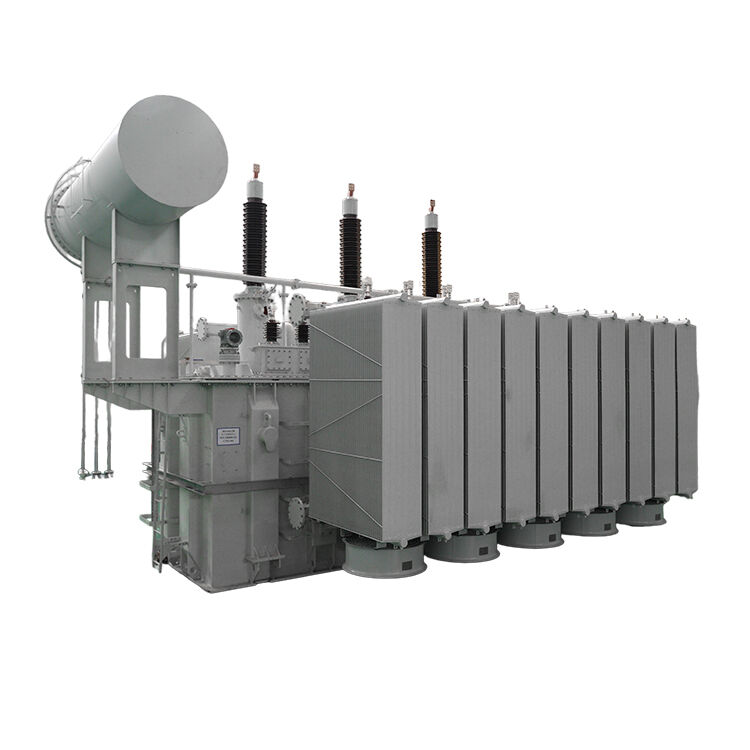
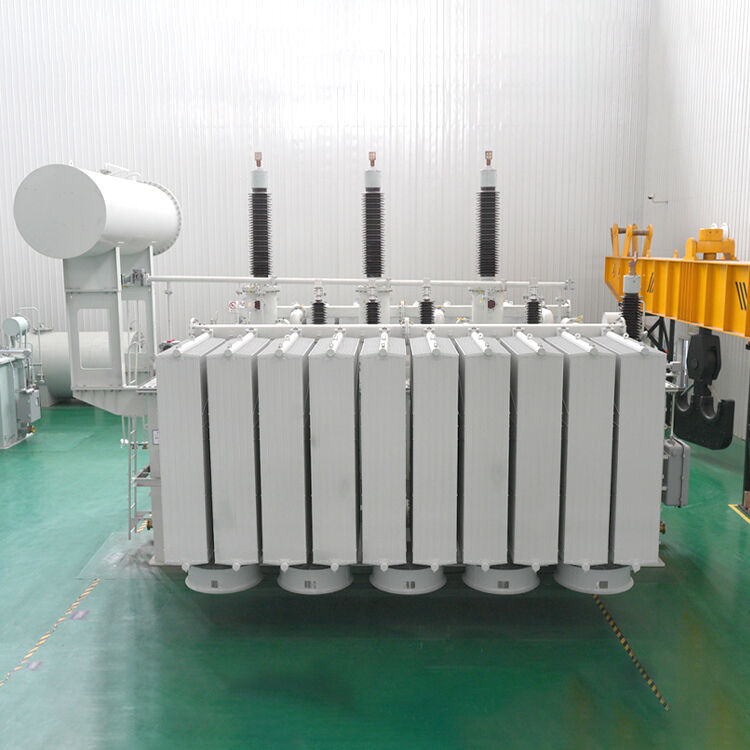
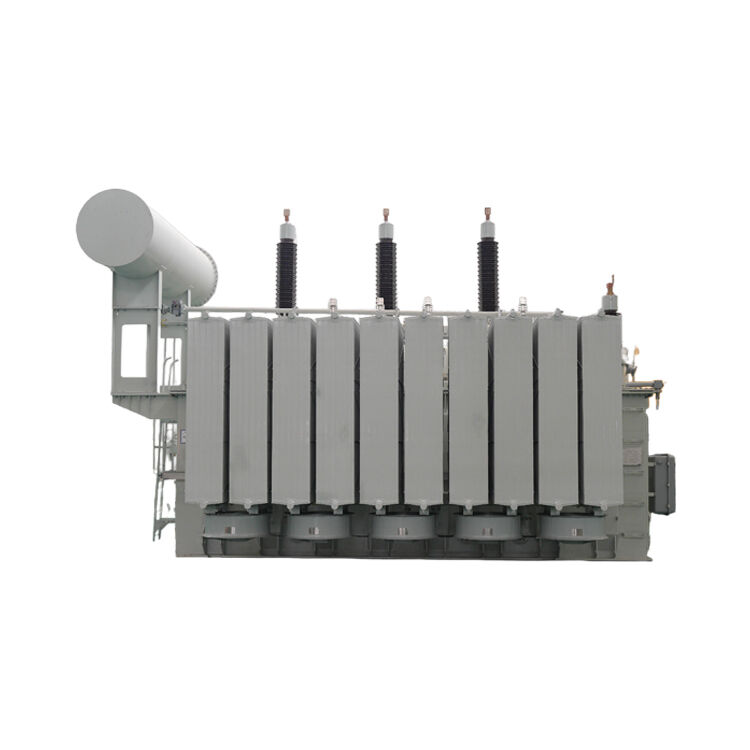
ventilated main transformer
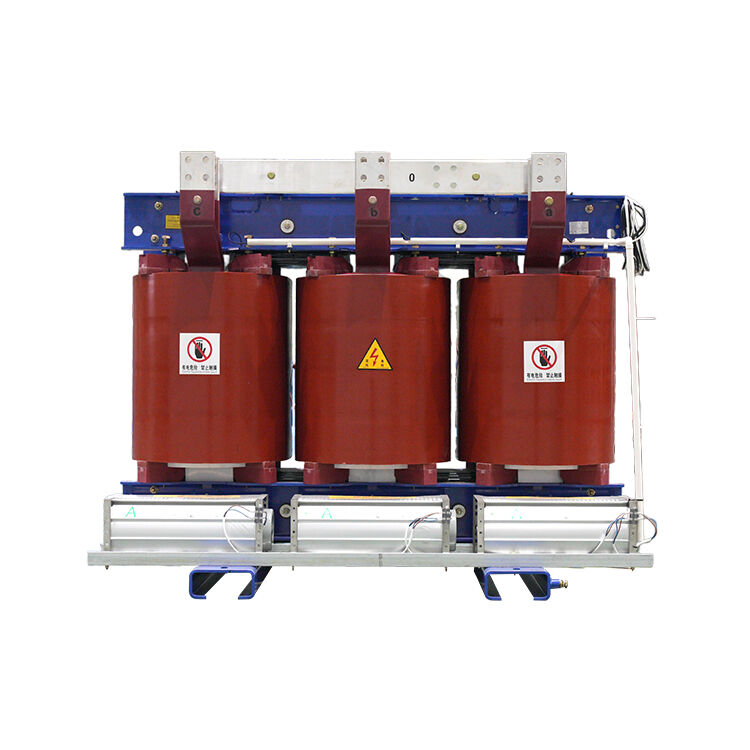
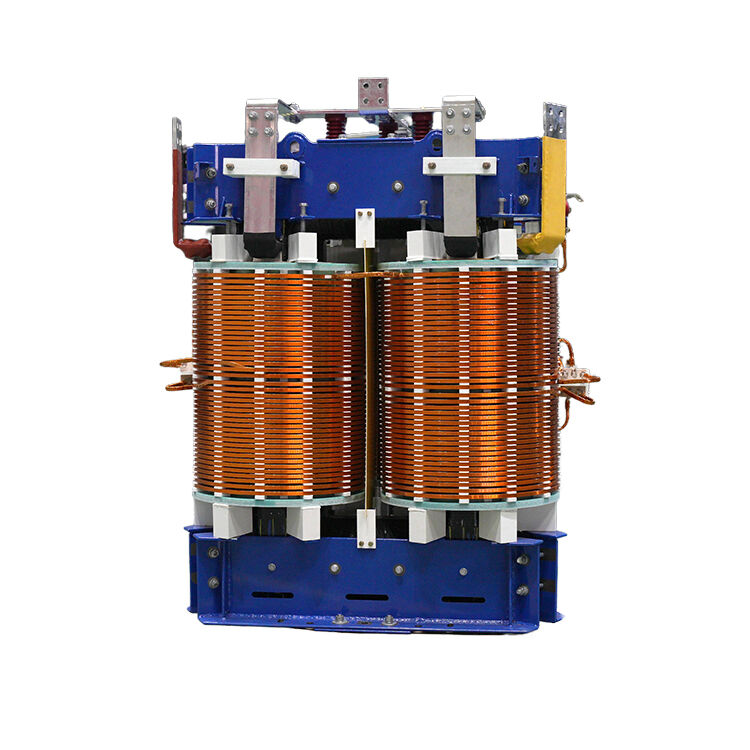
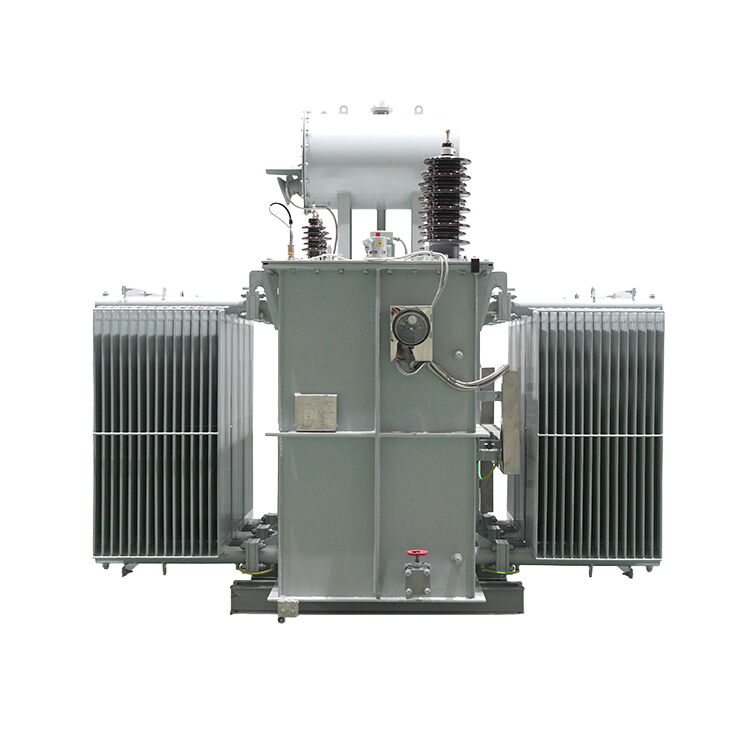
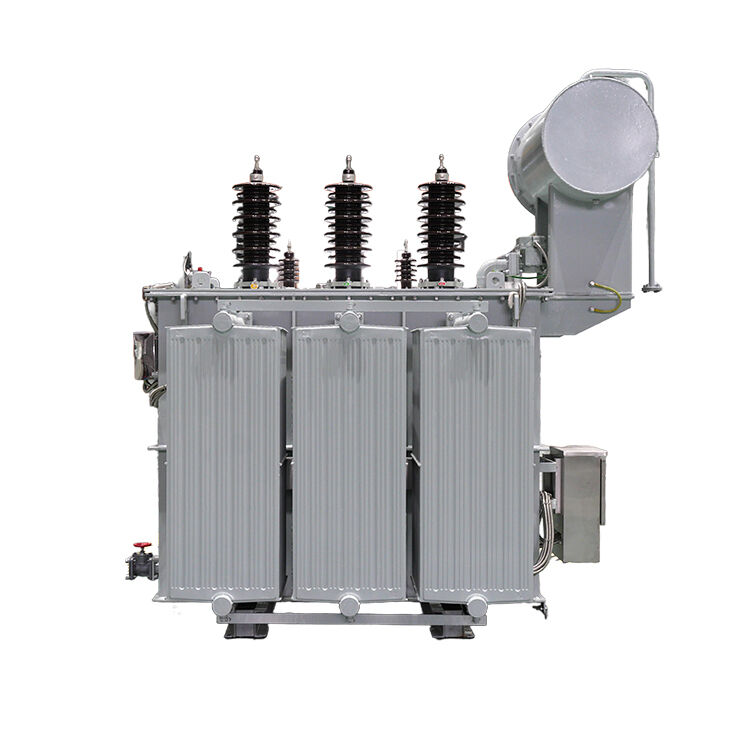
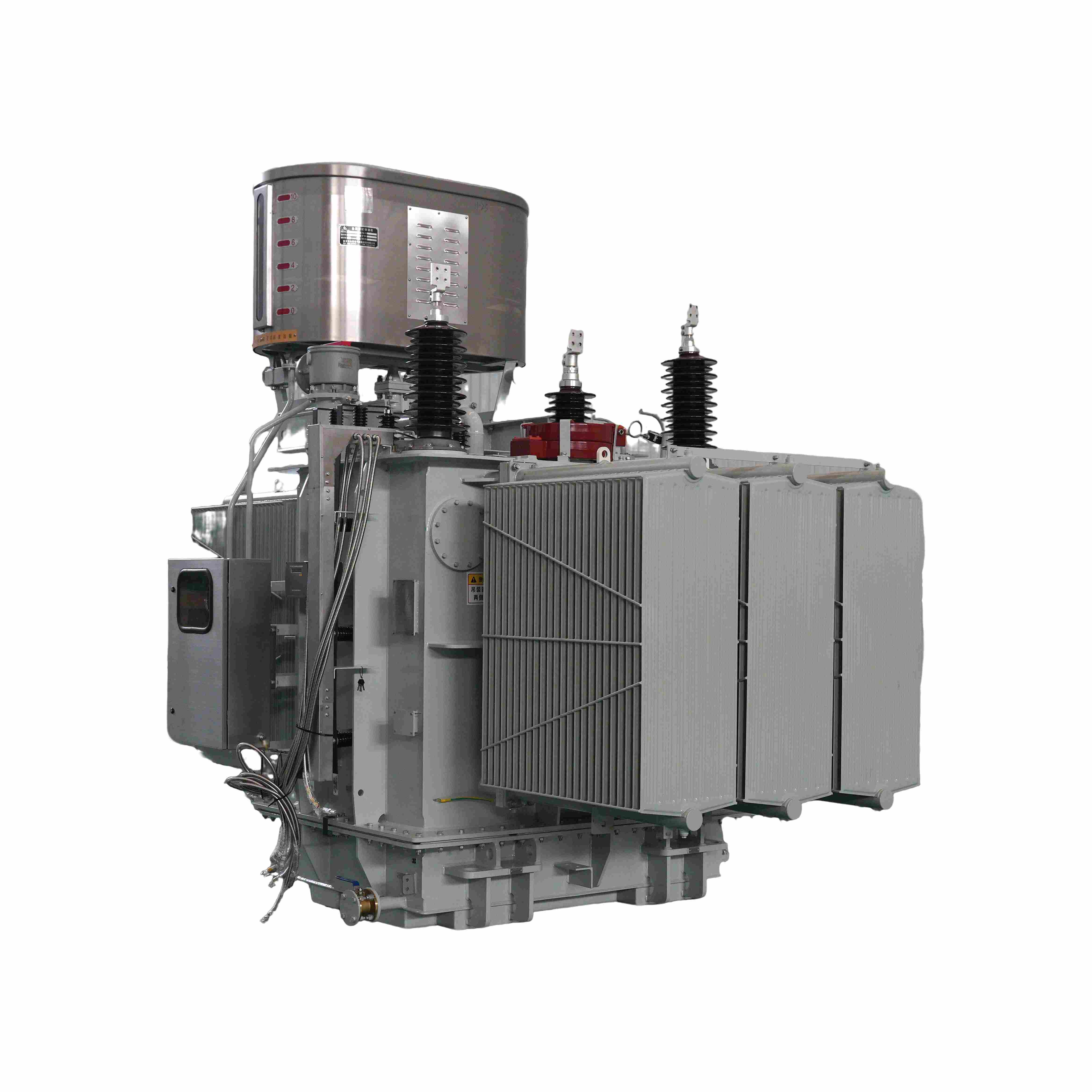
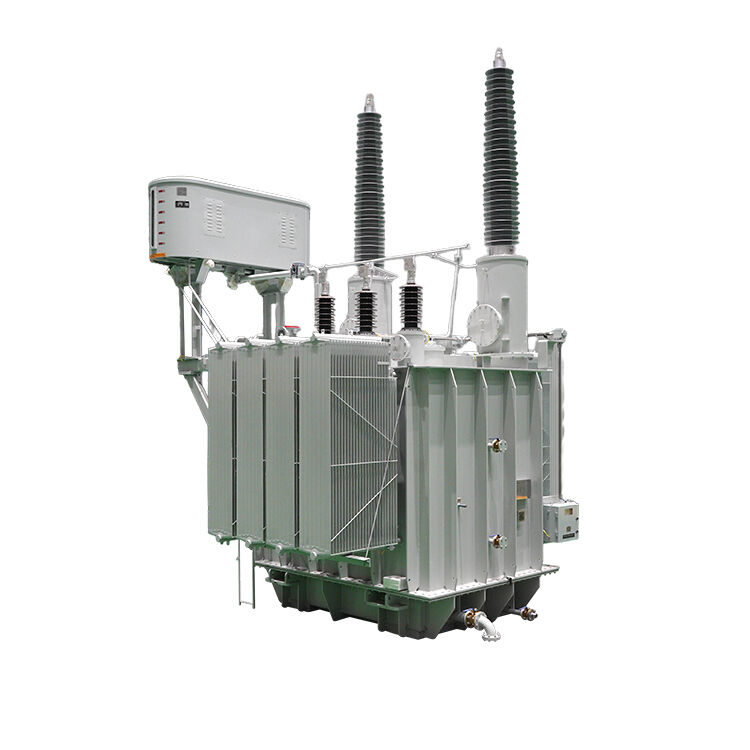
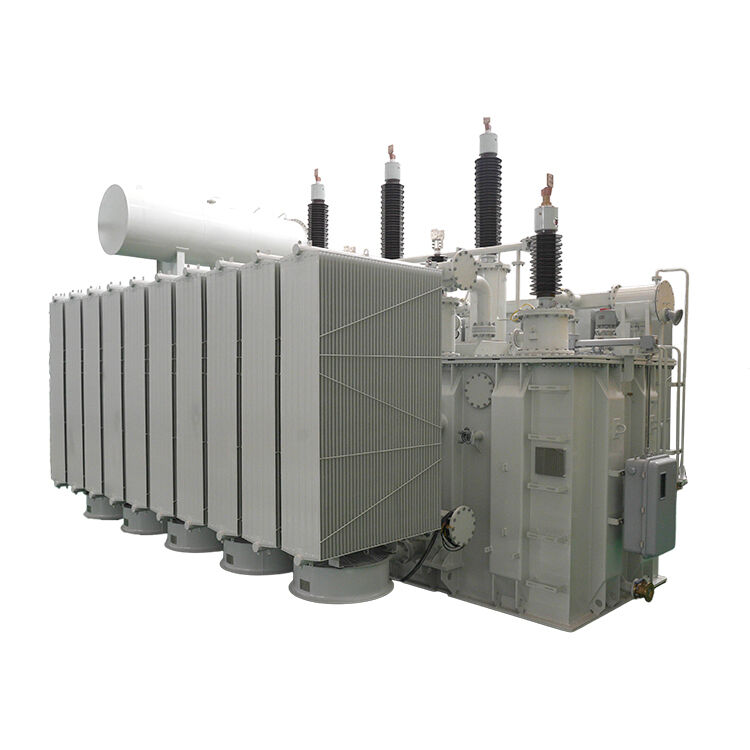
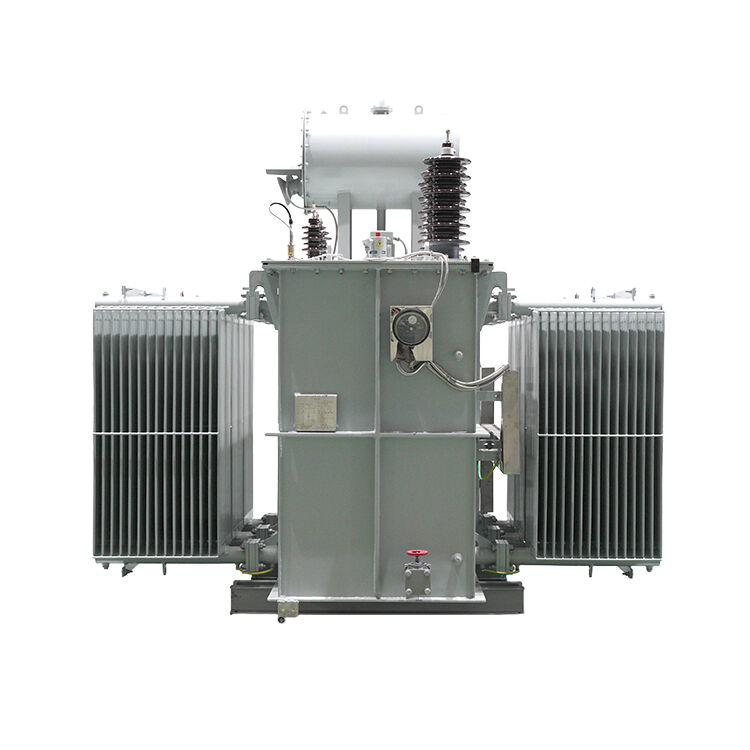
The ventilated main transformer represents a critical piece of electrical infrastructure designed to efficiently manage power distribution across electrical grids and industrial facilities. This sophisticated electrical equipment operates by utilizing natural or forced air circulation to maintain optimal operating temperatures, ensuring reliable performance under demanding conditions. The ventilated main transformer serves as the primary link between high-voltage transmission systems and lower-voltage distribution networks, making it essential for power utilities, manufacturing plants, and commercial facilities requiring stable electrical supply. The core function of a ventilated main transformer involves stepping voltage levels up or down through electromagnetic induction, utilizing primary and secondary windings wrapped around a laminated steel core. The ventilation system incorporates strategically placed cooling fans, air ducts, and heat dissipation elements that work together to prevent overheating during heavy load conditions. Advanced temperature monitoring systems continuously track internal conditions, automatically adjusting cooling mechanisms to maintain safe operating parameters. Modern ventilated main transformer units feature robust construction with weather-resistant enclosures, allowing for outdoor installation while protecting sensitive components from environmental factors. The technological architecture includes sophisticated insulation materials, high-grade copper or aluminum conductors, and precision-engineered cooling systems that maximize efficiency while minimizing energy losses. These transformers typically handle power ratings ranging from several hundred kilowatts to multiple megawatts, making them suitable for diverse applications including power generation facilities, industrial complexes, commercial buildings, and utility substations. The ventilated design offers superior thermal management compared to sealed alternatives, enabling sustained operation at higher load capacities without compromising safety or longevity. Installation flexibility allows for both indoor and outdoor deployment, with customizable configurations to meet specific site requirements and electrical specifications.
 EN
EN