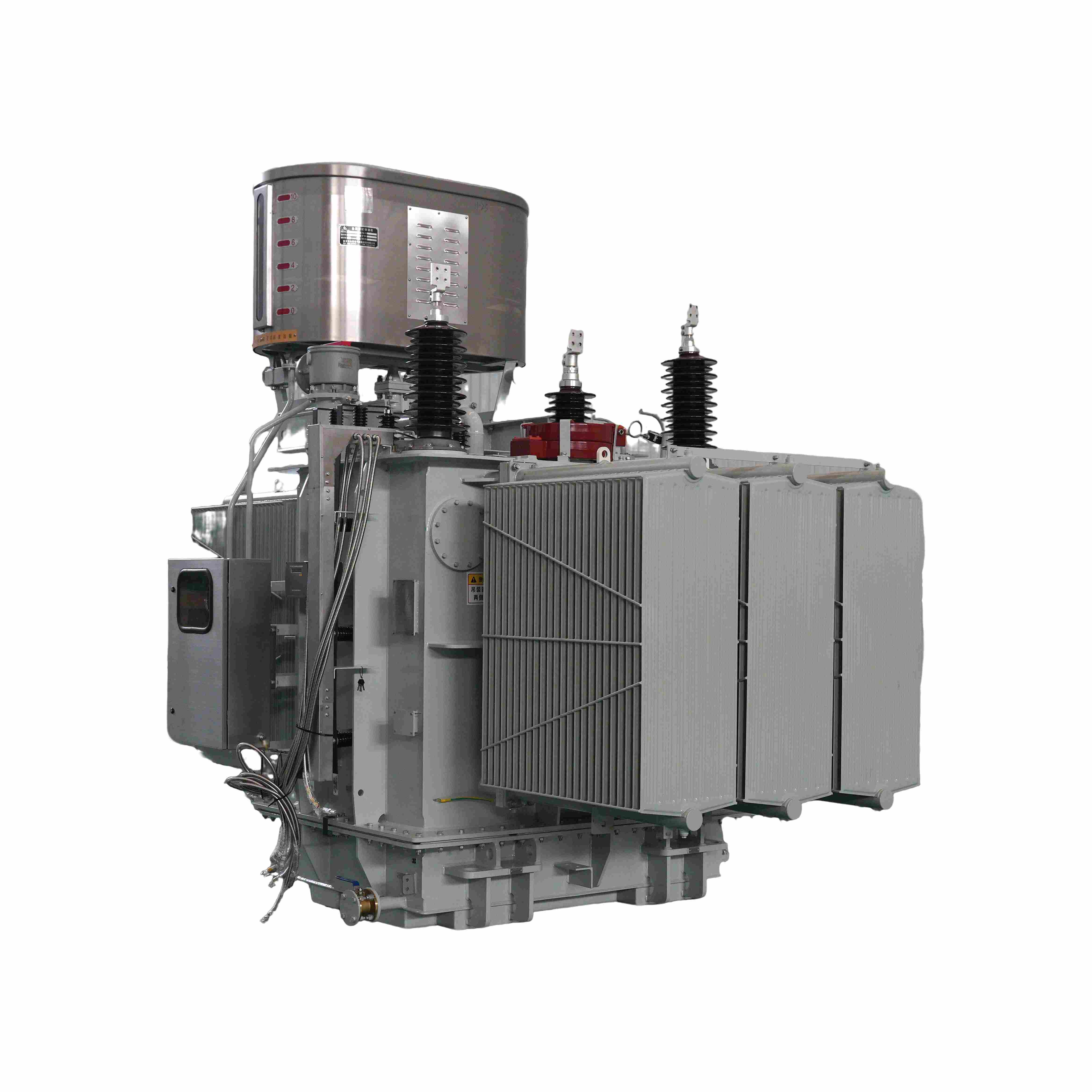
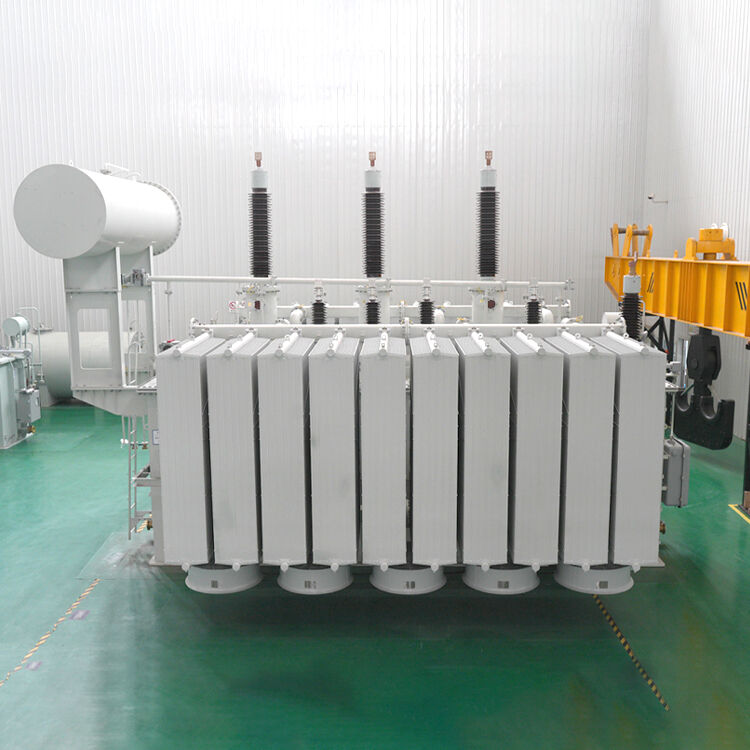
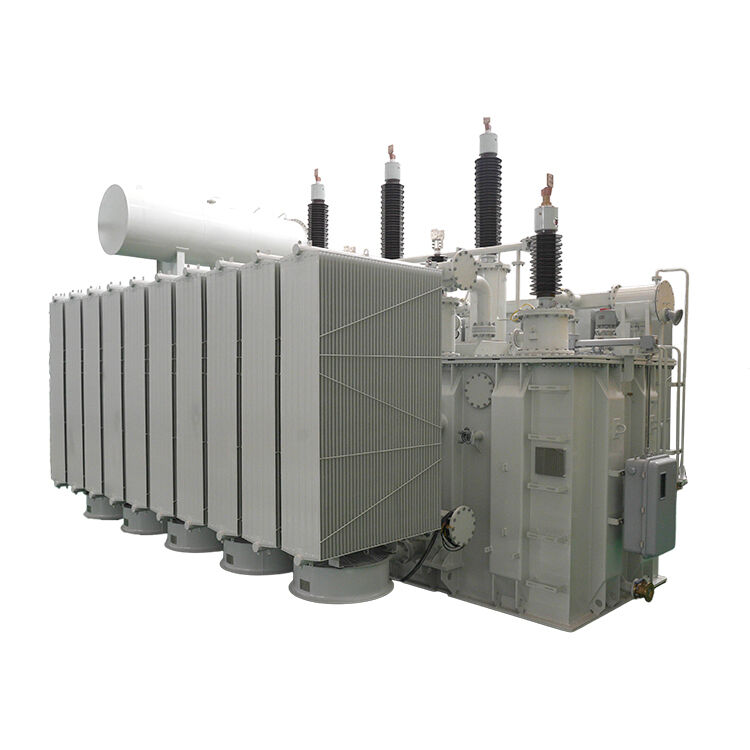
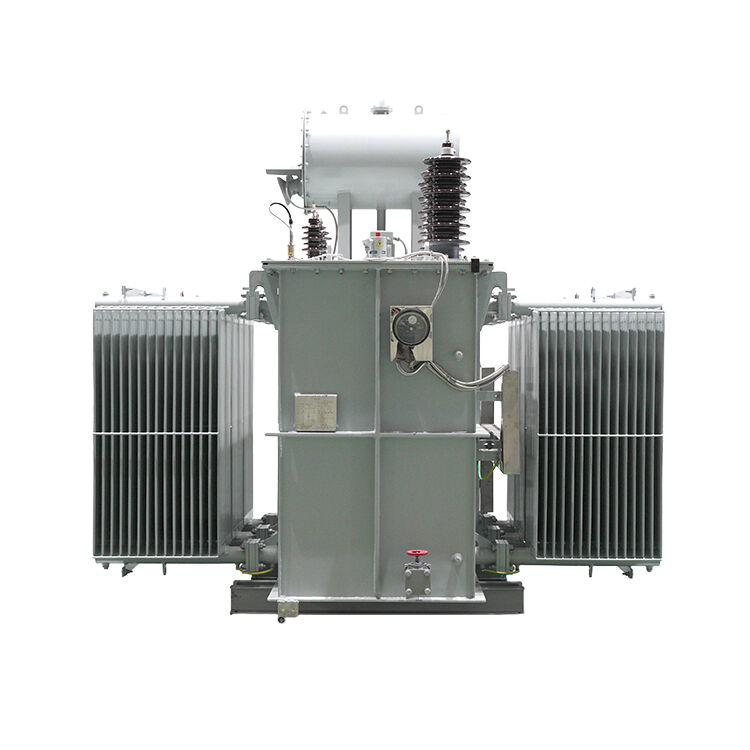
power transformer price
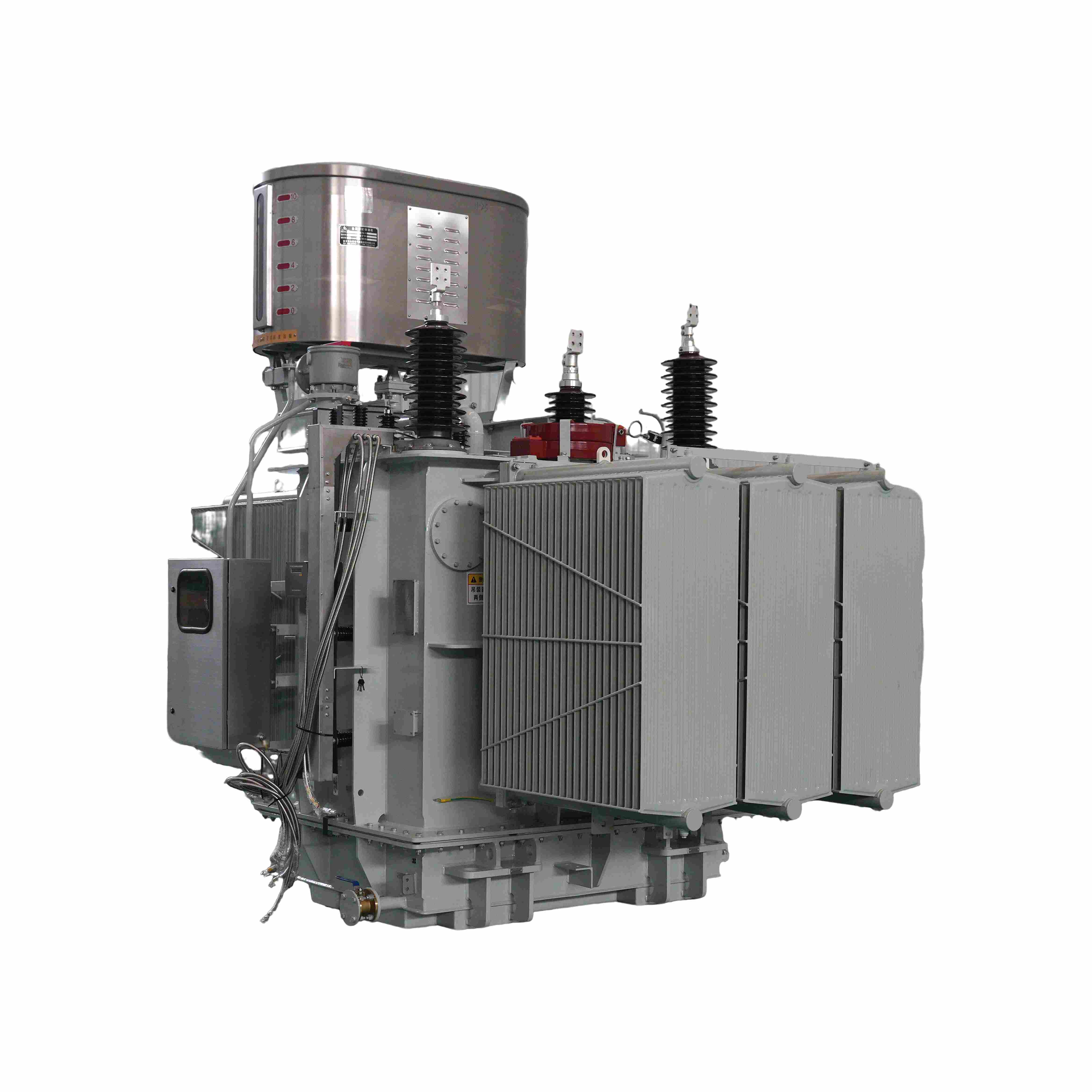
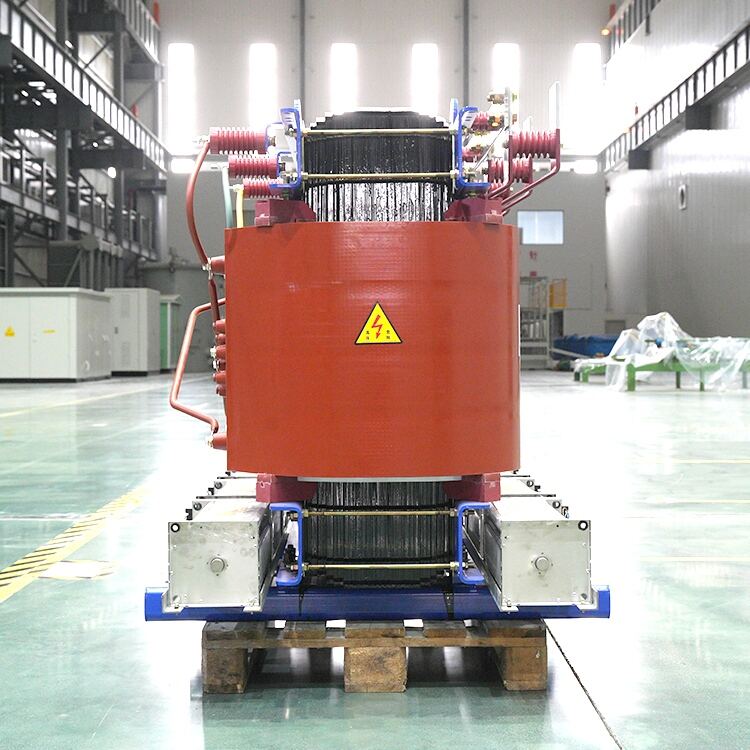
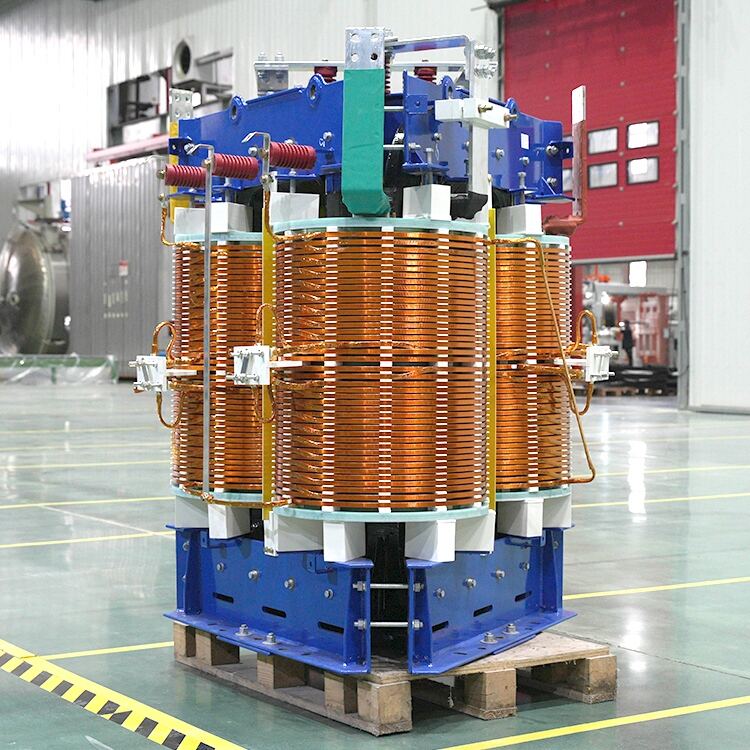
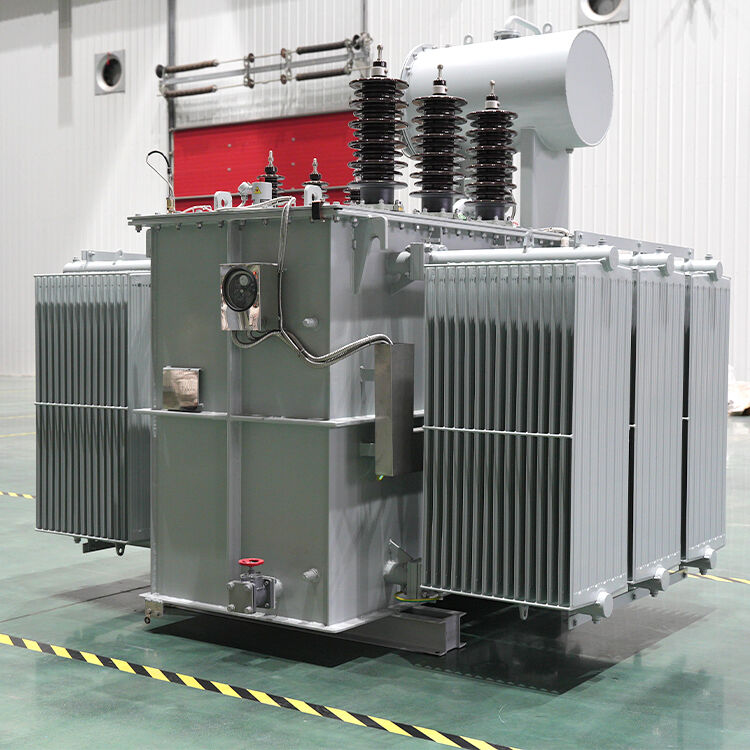
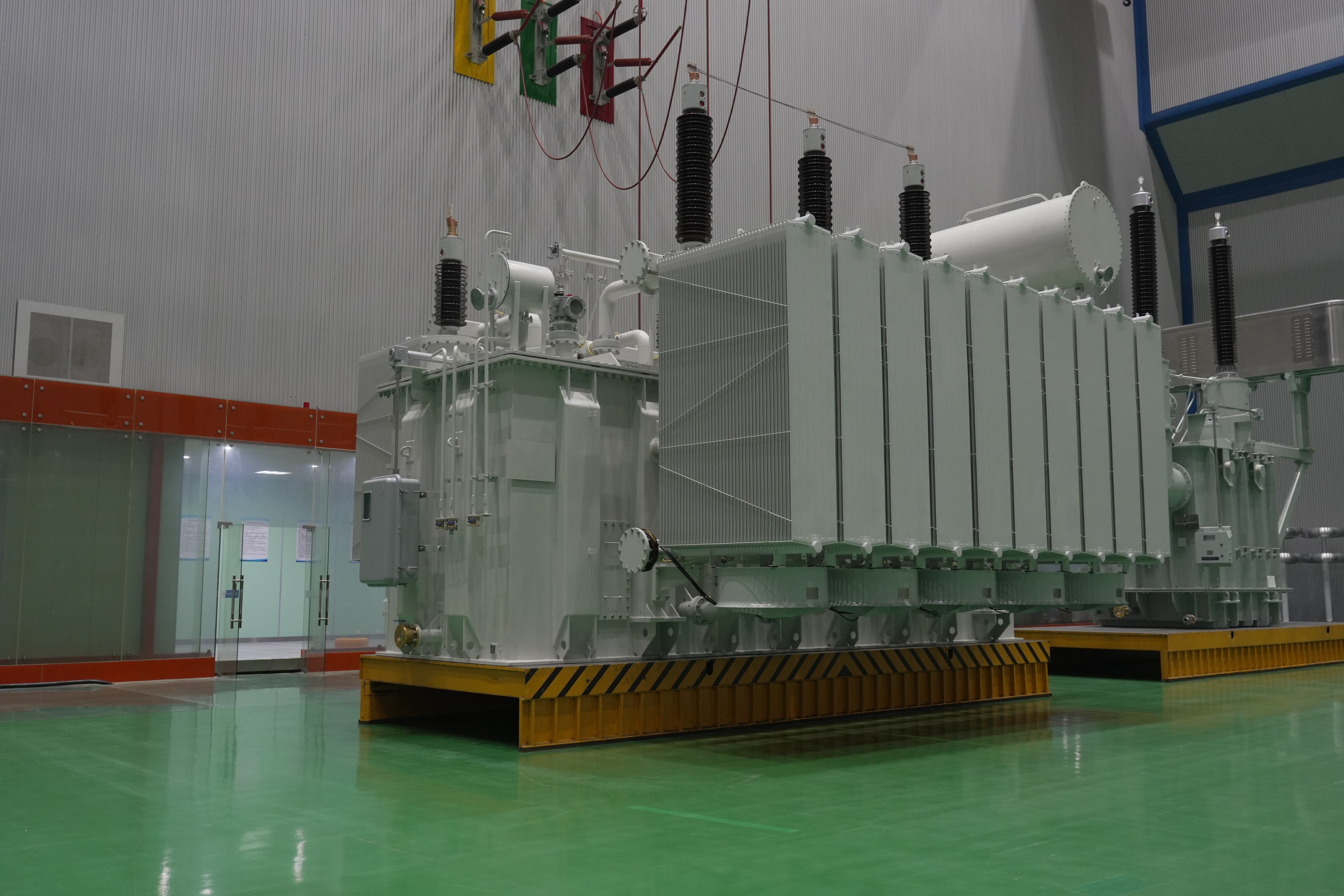
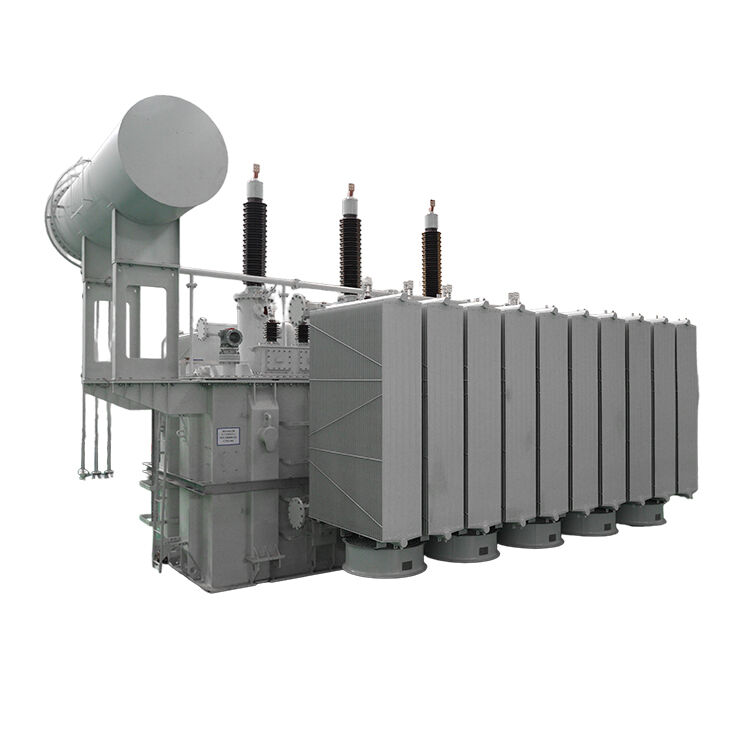
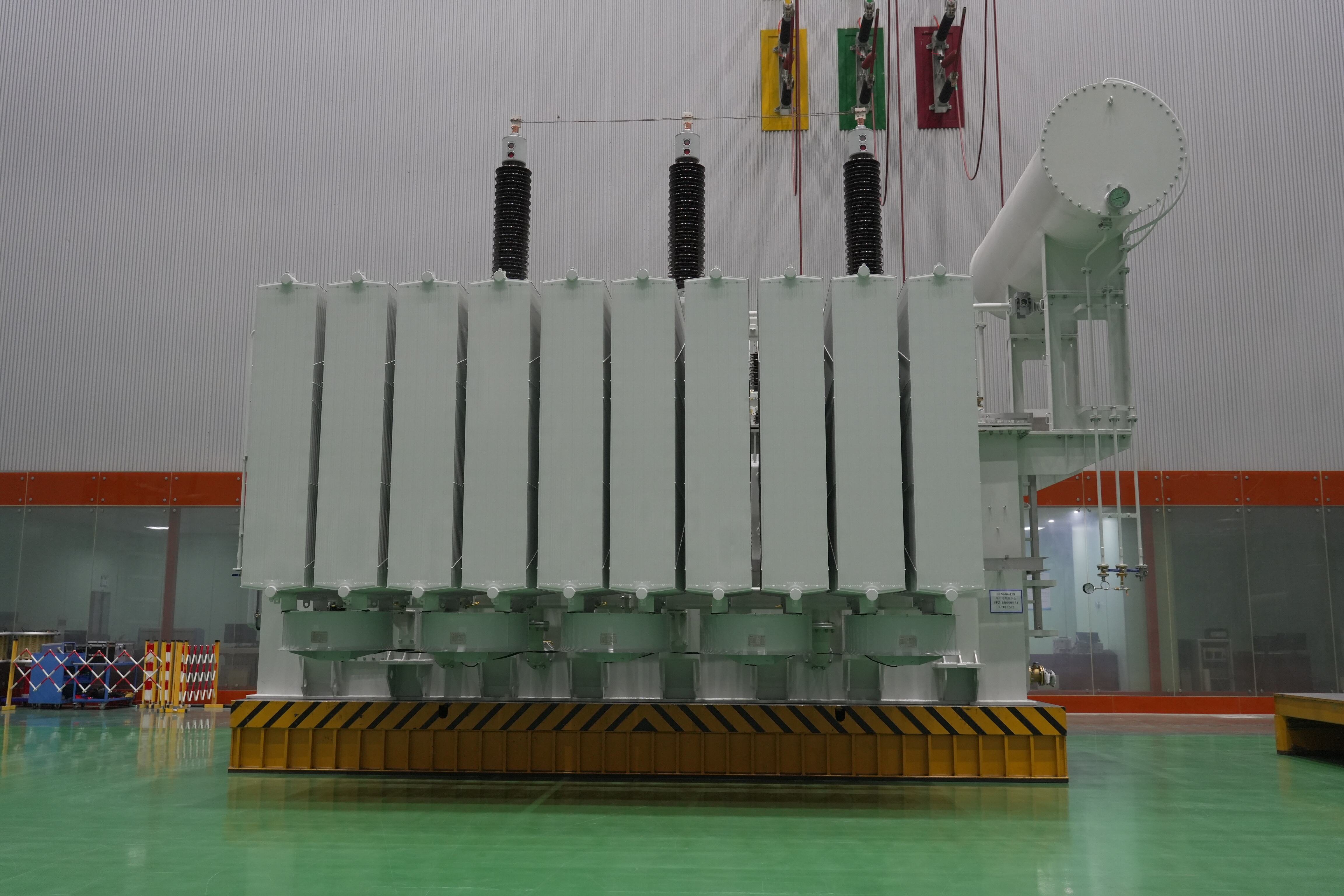
Understanding power transformer price involves examining the comprehensive value proposition of electrical distribution equipment that serves as the backbone of modern energy infrastructure. Power transformers represent critical components that enable voltage conversion between different electrical systems, making them essential for efficient power transmission and distribution networks. The power transformer price reflects not only the initial equipment cost but also encompasses long-term operational efficiency, reliability standards, and technological sophistication that directly impact electrical system performance. These sophisticated electrical devices facilitate voltage step-up and step-down operations, allowing electricity generated at power plants to travel efficiently through transmission lines before reaching end consumers at appropriate voltage levels. The technological features embedded within modern power transformers include advanced insulation systems, cooling mechanisms, protection circuits, and monitoring capabilities that justify their market positioning. Power transformer price considerations must account for various specifications including power rating capacity, voltage transformation ratios, efficiency ratings, environmental compliance standards, and specialized design requirements for specific applications. Industrial facilities, utility companies, commercial buildings, and renewable energy installations rely heavily on power transformers to maintain stable electrical supply systems. The applications span across diverse sectors including manufacturing plants, data centers, hospitals, educational institutions, and residential complexes where reliable power conversion remains paramount. When evaluating power transformer price, customers must consider factors such as load requirements, installation environment, maintenance accessibility, safety certifications, and future expansion capabilities. Modern power transformers incorporate smart grid technologies, remote monitoring systems, and predictive maintenance features that enhance operational reliability while reducing long-term ownership costs. The price structure typically reflects quality materials, precision manufacturing processes, comprehensive testing procedures, and warranty provisions that ensure dependable performance throughout the equipment lifecycle.
 EN
EN