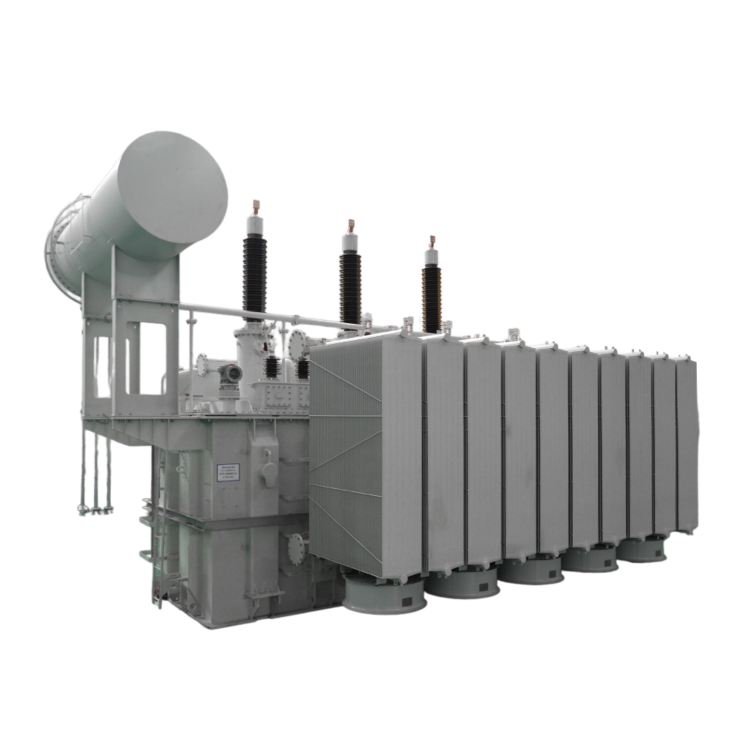
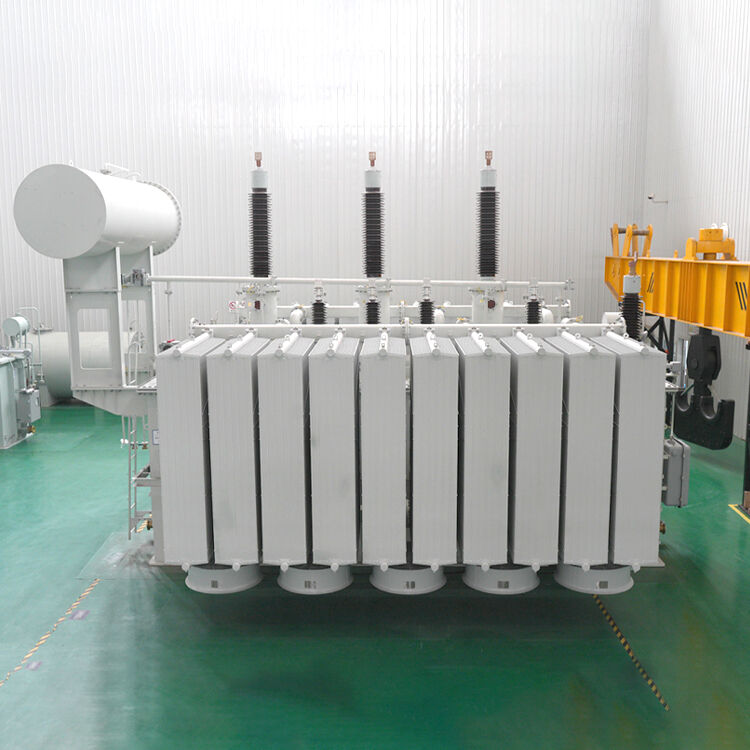
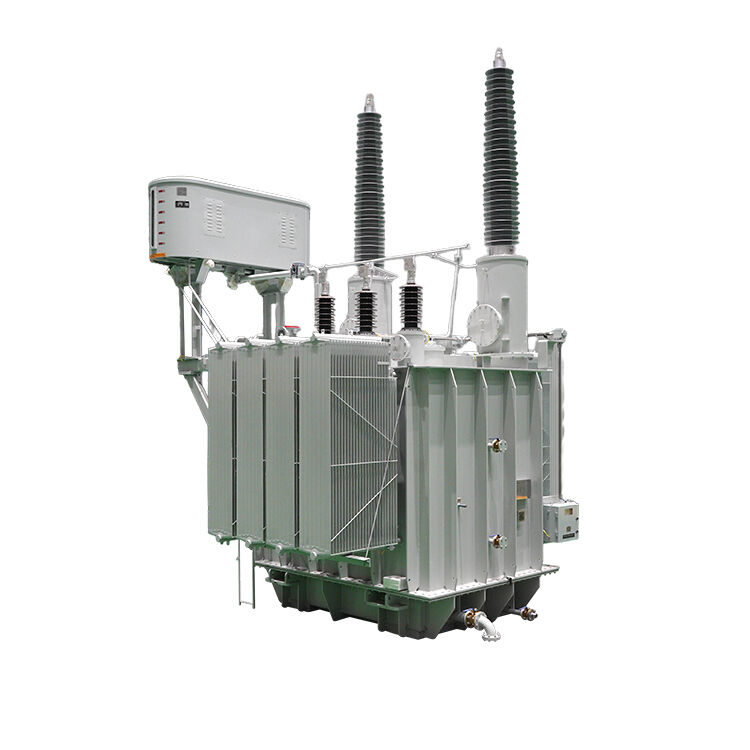
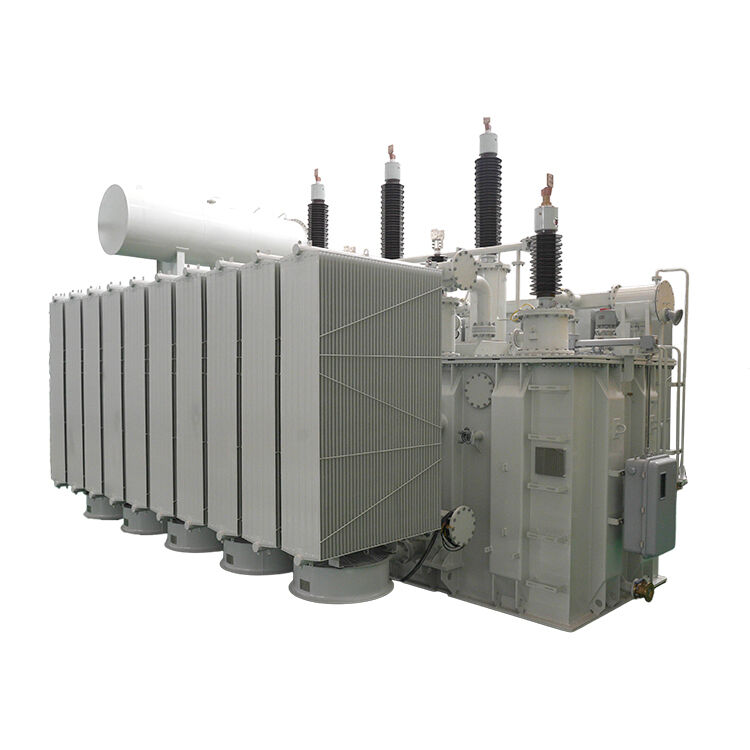
Primary Winding of Transformer: Advanced Design, Safety Features, and Versatile Applications

Get a Free Quote

Our representative will contact you soon.
Email
WhatsApp/Mobile
Name
Company Name
Message
0/1000

primary winding of a transformer

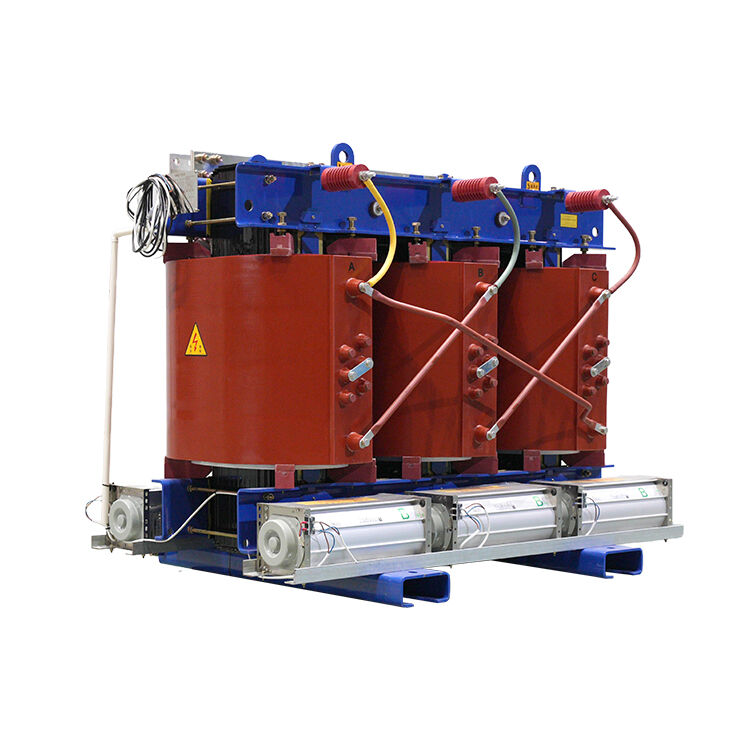
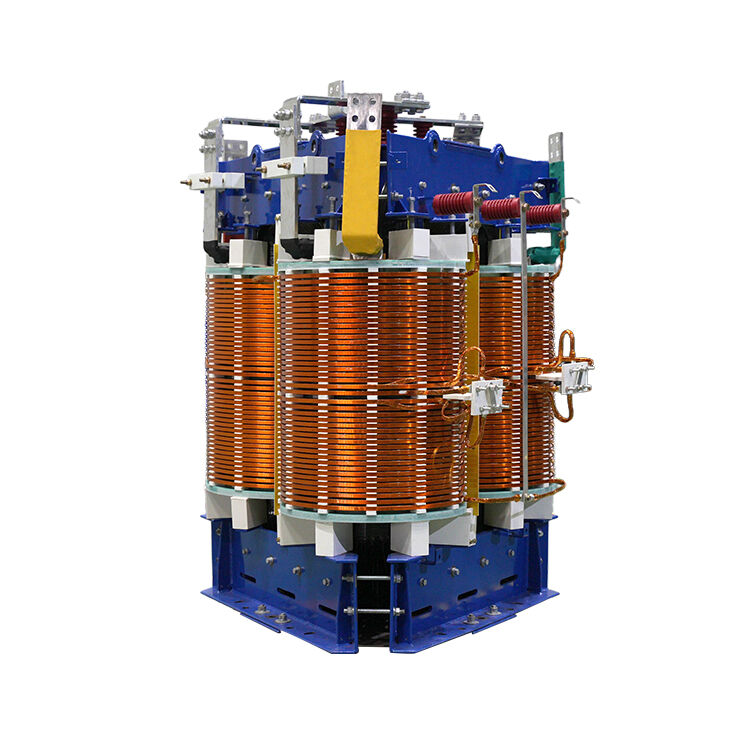
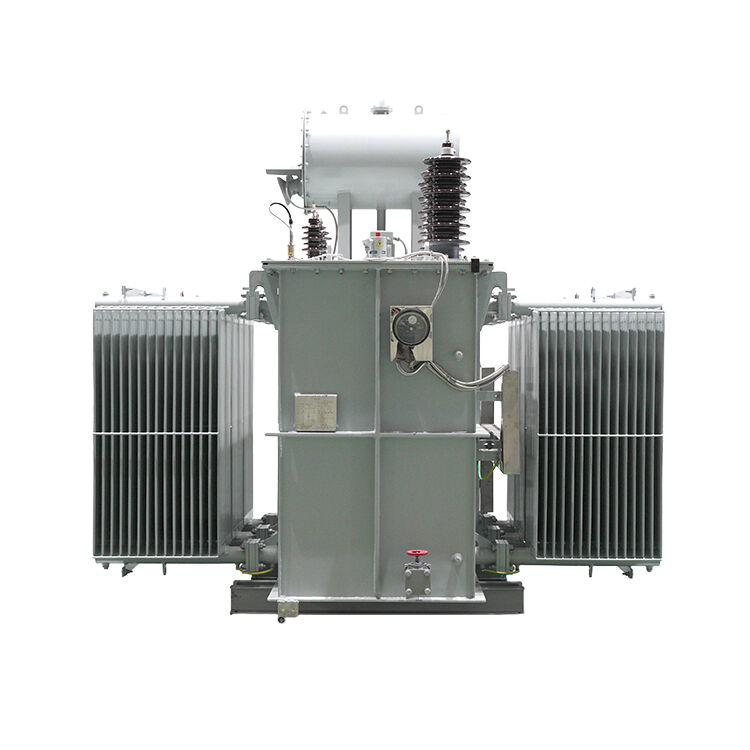
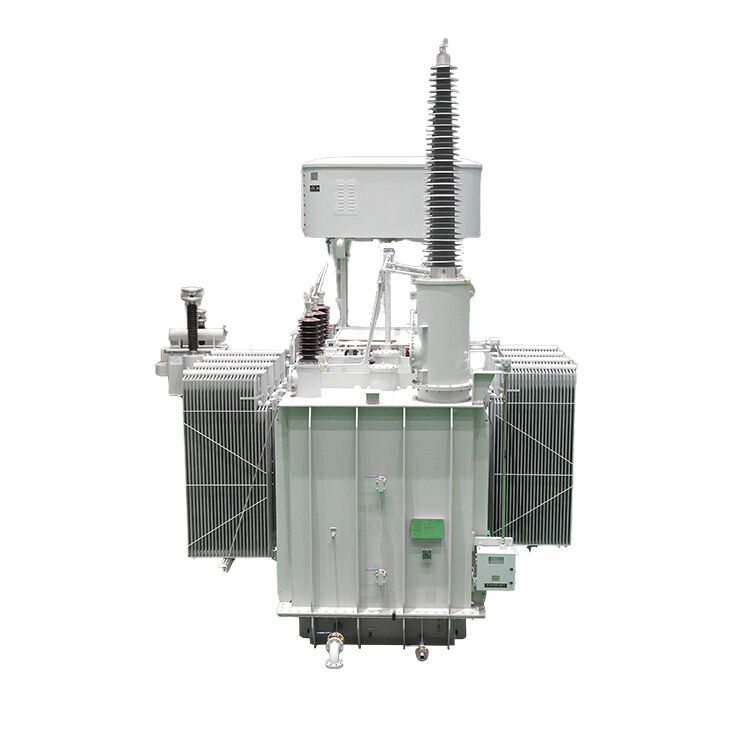
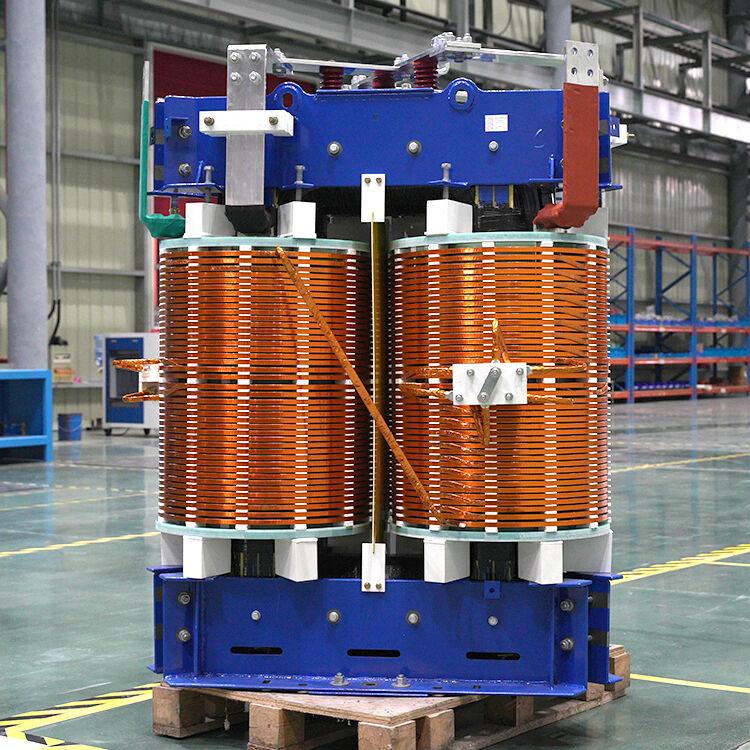
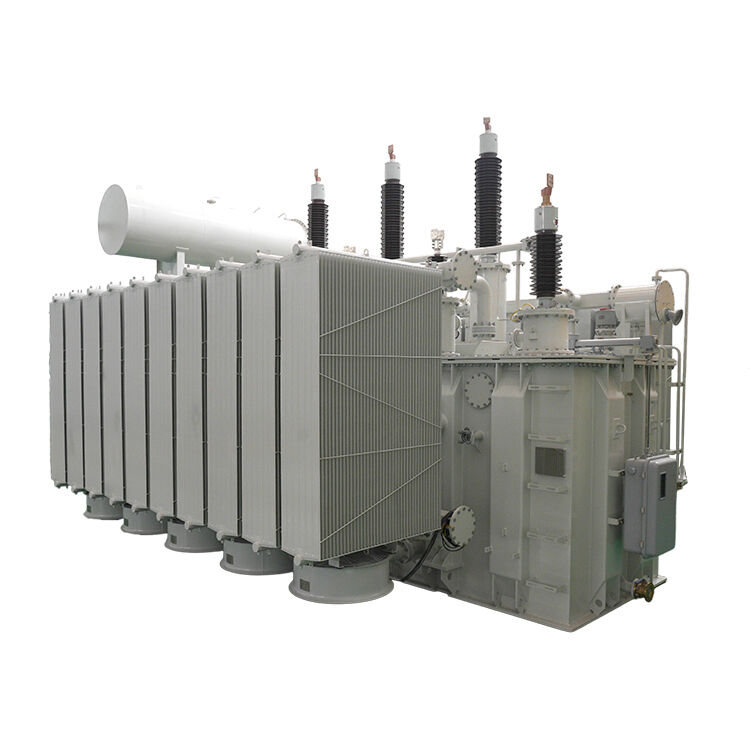
The primary winding of a transformer serves as the fundamental input component that receives electrical energy from the power source and initiates the electromagnetic induction process. This essential element consists of insulated copper or aluminum wire wound around the transformer core, creating a coil that generates the magnetic field necessary for voltage transformation. The primary winding of a transformer operates by converting electrical energy into magnetic energy, which then transfers to the secondary winding through electromagnetic coupling. Modern primary windings incorporate advanced insulation materials and precise winding techniques to ensure optimal performance and safety standards. The technological features of the primary winding include controlled impedance characteristics, temperature-resistant insulation systems, and carefully calculated turn ratios that determine the transformation ratio. These windings utilize high-grade conductor materials that minimize resistive losses while maintaining excellent thermal conductivity. The primary winding of a transformer employs sophisticated layer winding or helical winding techniques, depending on the specific application requirements and voltage levels. Applications span across power distribution networks, industrial machinery, electronic devices, and renewable energy systems. In power substations, the primary winding handles high-voltage transmission, while in consumer electronics, it manages lower voltage requirements. The primary winding of a transformer plays a crucial role in electrical isolation, providing galvanic separation between input and output circuits for enhanced safety. Manufacturing processes involve precision winding machines that ensure uniform wire spacing and tension control. Quality control measures include insulation resistance testing, turn-to-turn fault detection, and thermal performance validation. The primary winding design considerations encompass current density calculations, voltage stress distribution, and cooling requirements to prevent overheating and ensure reliable operation throughout the transformer lifecycle.

New Product Releases

The primary winding of a transformer delivers exceptional energy efficiency by minimizing power losses through advanced conductor materials and optimized winding configurations. This efficiency translates into reduced electricity costs and lower environmental impact for businesses and consumers alike. The primary winding creates a reliable electrical connection that maintains stable voltage levels even under varying load conditions, ensuring consistent power delivery to connected equipment. Safety represents another significant advantage, as the primary winding of a transformer provides complete electrical isolation between input and output circuits, protecting sensitive equipment from voltage surges and ground faults. This isolation capability eliminates the risk of electrical shock and equipment damage, making transformers essential for industrial and residential applications. The durability of modern primary windings ensures long-term performance with minimal maintenance requirements, reducing operational costs and downtime. High-quality insulation materials resist moisture, chemicals, and temperature extremes, extending the transformer lifespan significantly. The primary winding of a transformer offers excellent voltage regulation capabilities, automatically adjusting to load variations while maintaining output stability. This feature protects connected devices from voltage fluctuations that could cause malfunction or permanent damage. Versatility stands out as another key benefit, with primary windings designed to accommodate various voltage levels and power ratings to meet diverse application needs. The primary winding supports both step-up and step-down voltage transformation, enabling efficient power distribution across different voltage requirements. Cost-effectiveness emerges through reduced infrastructure needs, as a single transformer with properly designed primary winding can serve multiple voltage requirements simultaneously. The primary winding of a transformer enables compact installation footprints compared to alternative voltage conversion methods, saving valuable space in electrical panels and substations. Modern primary windings incorporate smart monitoring capabilities that provide real-time performance data, enabling predictive maintenance and preventing unexpected failures. These windings support high-frequency operation in switching power supplies, improving overall system efficiency and reducing component size requirements.

Tips And Tricks

How Does a Transformer Work in High Voltage Power Transmission?

08

Jan

How Does a Transformer Work in High Voltage Power Transmission?

High voltage power transmission systems form the backbone of modern electrical grids, enabling electricity to travel efficiently across vast distances. At the heart of these complex networks lies the power transformer, a crucial piece of equipment th...
View More
Why Are Transformers Critical for Industrial Power Distribution Systems?

14

Jan

Why Are Transformers Critical for Industrial Power Distribution Systems?

Industrial power distribution systems form the backbone of modern manufacturing, commercial facilities, and critical infrastructure operations. At the heart of these complex networks lies a fundamental component that ensures safe, efficient, and reli...
View More
How Do Transformers Support Grid Stability in Large-Scale Power Networks?

20

Jan

How Do Transformers Support Grid Stability in Large-Scale Power Networks?

Large-scale power networks form the backbone of modern electrical infrastructure, requiring sophisticated equipment to maintain stability and reliability across vast geographical areas. Power transformers play a crucial role in these complex systems ...
View More
What Should Utilities Consider When Selecting a Transformer Supplier?

26

Jan

What Should Utilities Consider When Selecting a Transformer Supplier?

Selecting the right supplier for power infrastructure represents one of the most critical decisions utility companies face in today's rapidly evolving energy landscape. The process of choosing a power transformer supplier requires careful evaluation ...
View More

Get a Free Quote

Our representative will contact you soon.
Email
WhatsApp/Mobile
Name
Company Name
Message
0/1000

primary winding of a transformer

Superior Electromagnetic Performance and Energy Efficiency

Superior Electromagnetic Performance and Energy Efficiency

The primary winding of a transformer demonstrates exceptional electromagnetic performance through its precisely engineered design that maximizes energy transfer efficiency while minimizing losses. This superior performance stems from the careful selection of conductor materials, typically high-purity copper or aluminum, which offer optimal electrical conductivity and thermal characteristics. The primary winding utilizes advanced winding techniques that ensure uniform magnetic field distribution throughout the core, eliminating hot spots and reducing energy waste. The electromagnetic coupling between primary and secondary windings achieves efficiency rates exceeding 95% in modern transformer designs, directly translating into substantial energy savings for end users. The primary winding of a transformer incorporates low-loss core materials such as grain-oriented silicon steel or amorphous metal alloys that further enhance magnetic flux transfer efficiency. The precise turn ratio calculations ensure optimal voltage transformation while maintaining high power factor operation, reducing reactive power consumption and improving overall system efficiency. Modern primary windings feature reduced eddy current losses through the use of insulated laminated conductors and optimized winding geometry. The thermal management system integrated into the primary winding design prevents overheating and maintains consistent performance across varying load conditions. This thermal stability extends the transformer lifespan while preserving efficiency levels throughout the operational cycle. The primary winding of a transformer supports high-frequency operation capabilities, enabling compact designs for switching power supplies and reducing overall system size and weight. Advanced insulation materials used in primary windings provide excellent dielectric properties while maintaining flexibility and thermal resistance, ensuring reliable operation in demanding environments. The electromagnetic shielding incorporated into primary winding designs reduces interference and improves signal quality in sensitive electronic applications. Quality control processes during primary winding manufacturing ensure consistent magnetic characteristics and electrical parameters, guaranteeing predictable performance across production batches.
Advanced Safety Features and Electrical Isolation

Advanced Safety Features and Electrical Isolation

The primary winding of a transformer provides comprehensive electrical isolation and safety features that protect both equipment and personnel from electrical hazards. This isolation capability creates a galvanic barrier between input and output circuits, preventing dangerous voltage transfer and ground loops that could damage sensitive electronic components. The primary winding incorporates multiple layers of high-voltage insulation materials, including polyester films, pressboard barriers, and specialized varnishes that withstand extreme electrical stress conditions. These insulation systems undergo rigorous testing to ensure compliance with international safety standards such as IEC and UL requirements. The primary winding of a transformer features surge protection capabilities through careful design of insulation coordination and impulse voltage withstand characteristics. This protection shields connected equipment from lightning strikes, switching surges, and other transient overvoltages that commonly occur in electrical systems. The physical construction of primary windings includes reinforced insulation at critical stress points where voltage gradients are highest, preventing breakdown and ensuring long-term reliability. Safety certifications for primary windings encompass fire resistance testing, ensuring that insulation materials will not propagate flames in case of electrical faults or overheating conditions. The primary winding design incorporates fault detection capabilities that enable protective devices to quickly isolate faulty circuits, minimizing damage and preventing safety hazards. Ground fault isolation provided by the primary winding of a transformer eliminates dangerous current paths that could create shock hazards for maintenance personnel. The robust construction of primary windings includes mechanical reinforcement to withstand short-circuit forces and vibrations without compromising electrical integrity. Environmental sealing options for primary windings protect against moisture ingress and contamination in outdoor or harsh industrial environments. The primary winding of a transformer supports various grounding configurations that enhance system safety while maintaining proper electrical operation. Regular monitoring and diagnostic capabilities built into modern primary windings enable early detection of insulation degradation and potential safety issues before they become critical.
Versatile Applications and Customization Options

Versatile Applications and Customization Options

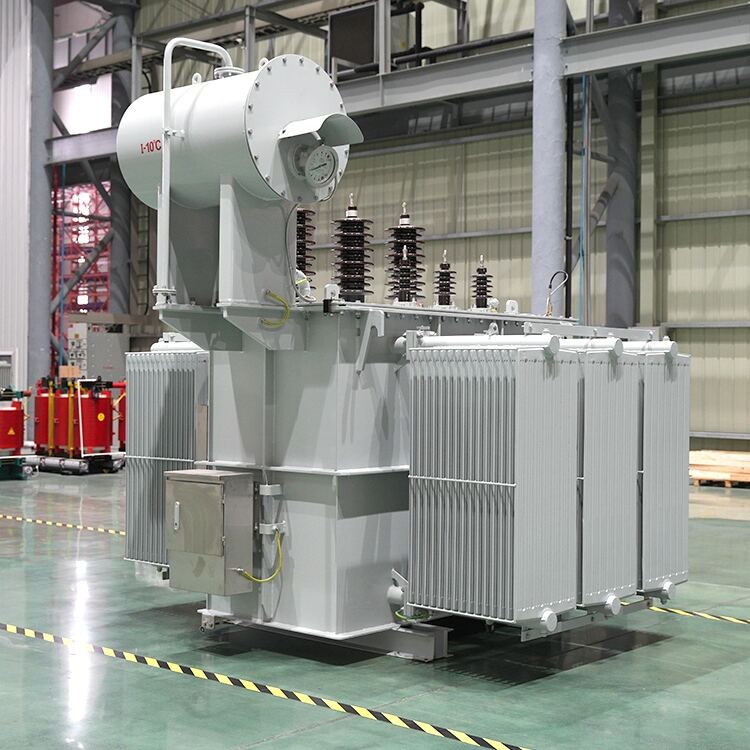
The primary winding of a transformer offers exceptional versatility through its adaptable design that accommodates diverse voltage levels, power ratings, and application requirements across multiple industries. This flexibility enables manufacturers to create customized solutions for specific customer needs while maintaining standardized manufacturing processes and quality control procedures. The primary winding supports various connection configurations including star, delta, and zigzag arrangements, providing options for different voltage and current distribution schemes. Industrial applications benefit from primary windings designed to handle high-power loads, harsh environmental conditions, and continuous duty cycles without performance degradation. The primary winding of a transformer can be configured for single-phase or three-phase operation, supporting both residential and commercial power distribution requirements. Specialized primary windings serve unique applications such as furnace transformers, rectifier transformers, and instrument transformers, each optimized for specific operational characteristics. The modular design approach for primary windings enables easy maintenance and replacement without requiring complete transformer replacement, reducing lifecycle costs and minimizing downtime. Frequency response characteristics of primary windings can be tailored for specific applications, from power frequency transformers operating at 50-60 Hz to high-frequency switching transformers operating at kilohertz ranges. The primary winding of a transformer supports various cooling methods including air natural, air forced, oil natural, and oil forced cooling systems, enabling operation in different environmental conditions and power density requirements. Voltage regulation capabilities can be enhanced through tap changer integration with primary windings, providing adjustable voltage output to compensate for supply variations and load changes. The primary winding design accommodates special features such as electrostatic shielding, harmonic filtering, and noise reduction capabilities for sensitive electronic applications. Marine and aerospace applications utilize specially designed primary windings with enhanced vibration resistance, corrosion protection, and compact form factors to meet stringent space and weight constraints. The primary winding of a transformer can incorporate smart sensor technology for condition monitoring, predictive maintenance, and remote diagnostics, improving reliability and reducing maintenance costs for critical applications.

Get a Free Quote

Our representative will contact you soon.
Email
WhatsApp/Mobile
Name
Company Name
Message
0/1000