Railway Electrical Transformer: Advanced Power Solutions for Modern Rail Systems

Get a Free Quote

Our representative will contact you soon.
Email
WhatsApp/Mobile
Name
Company Name
Message
0/1000

railway electrical transformer

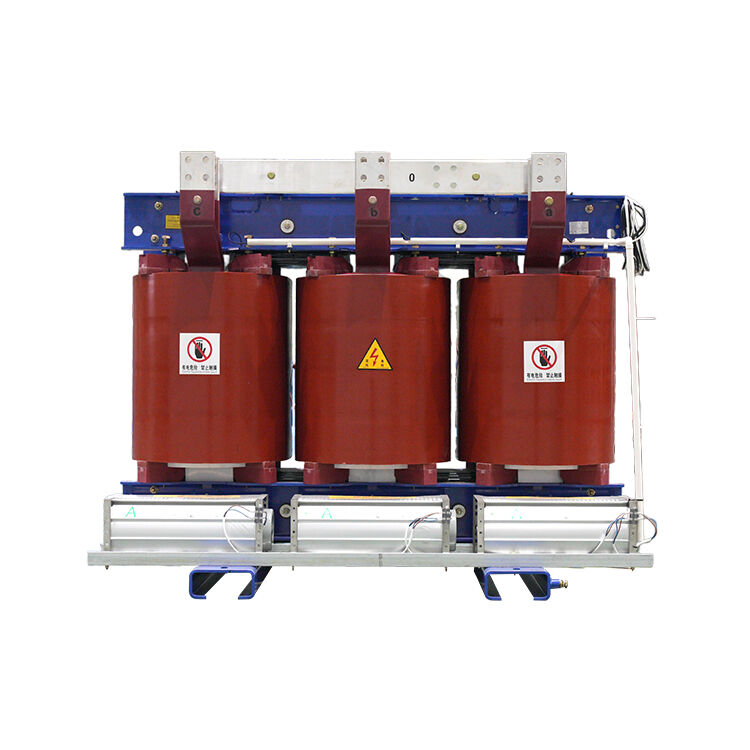
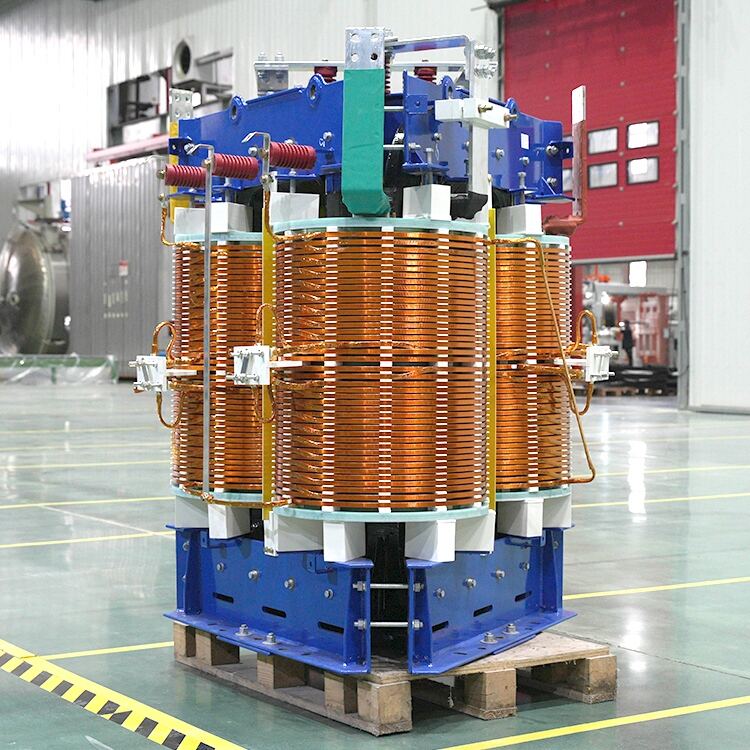
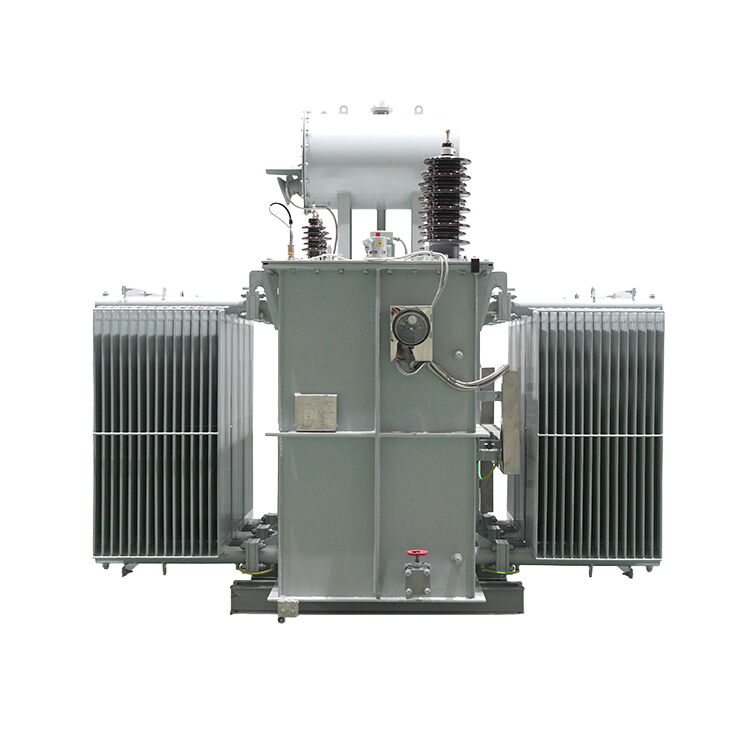
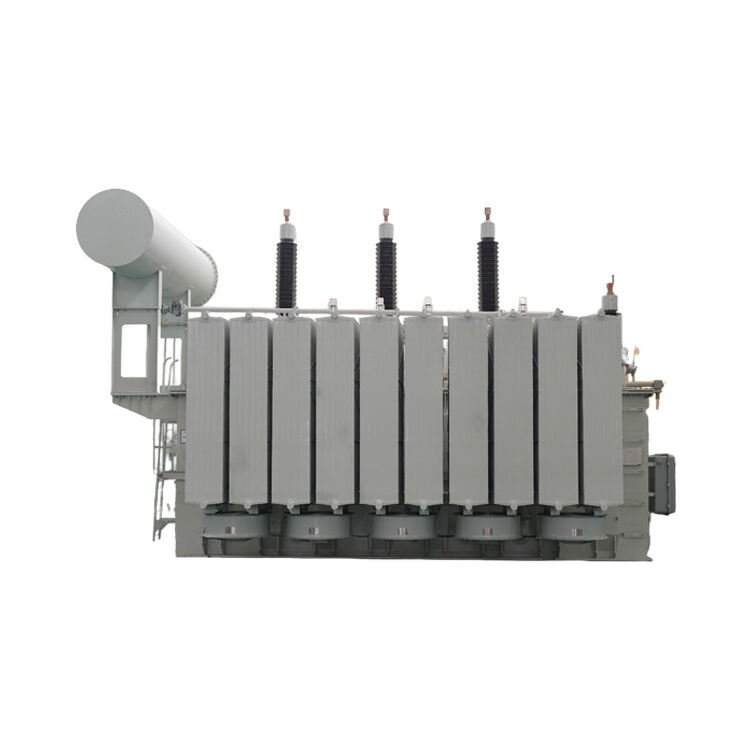
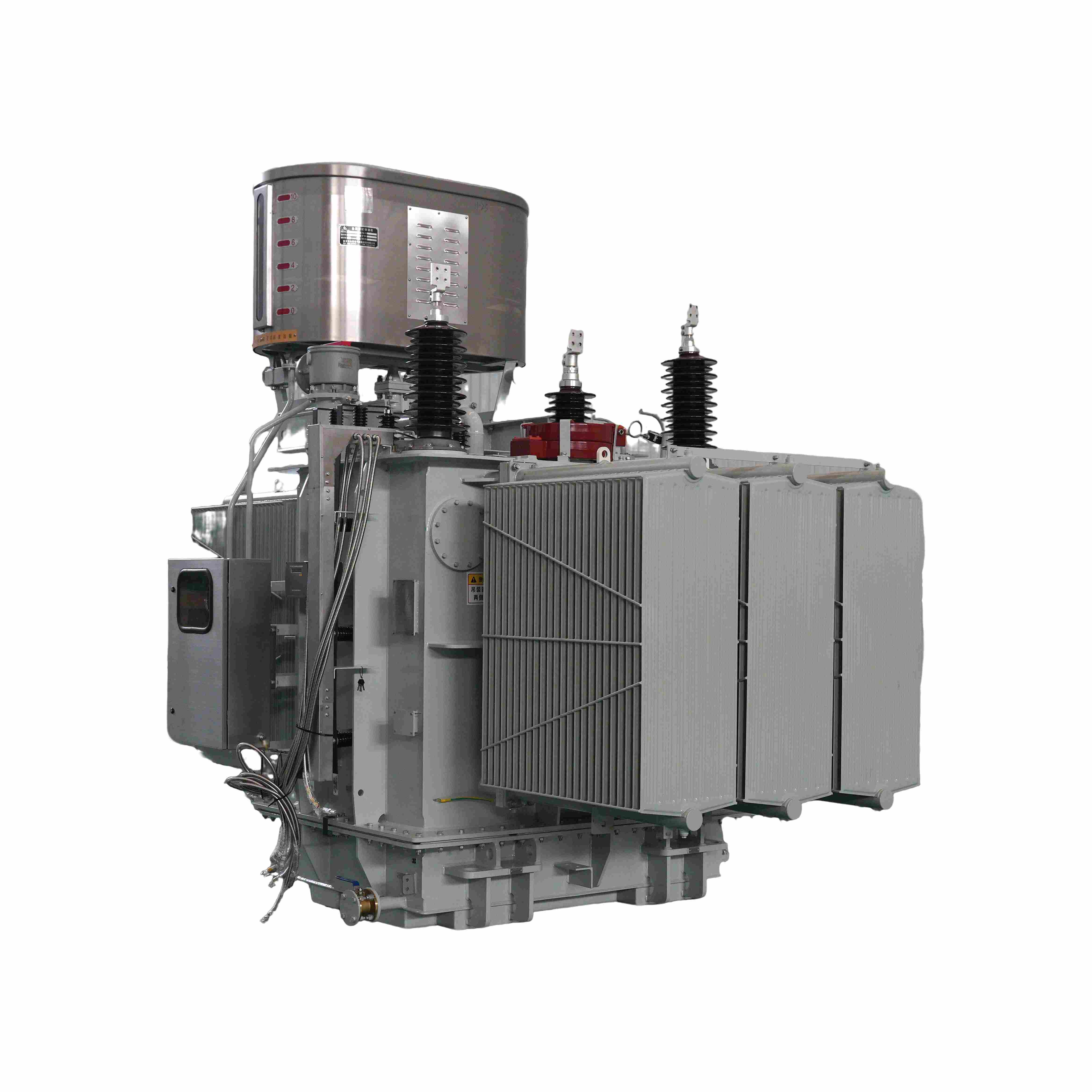
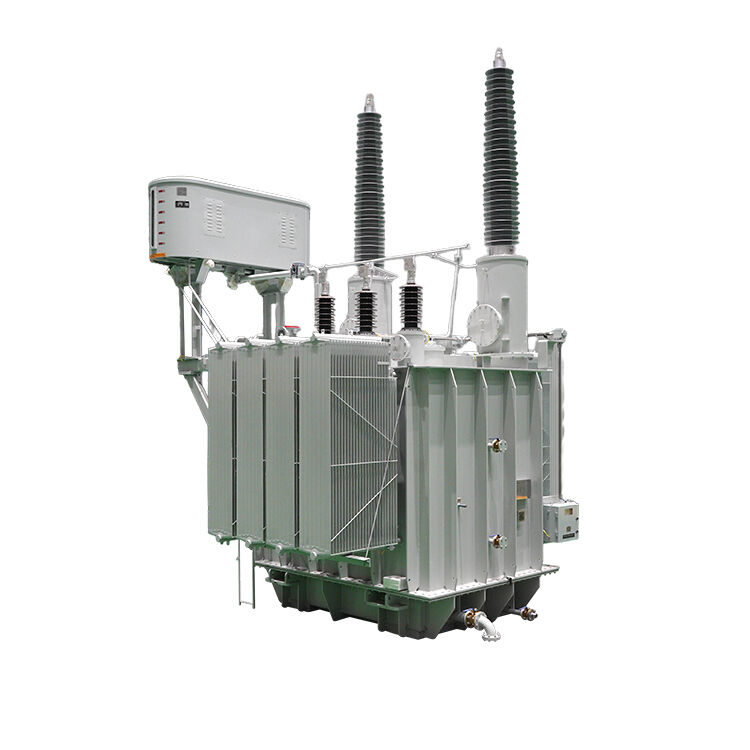
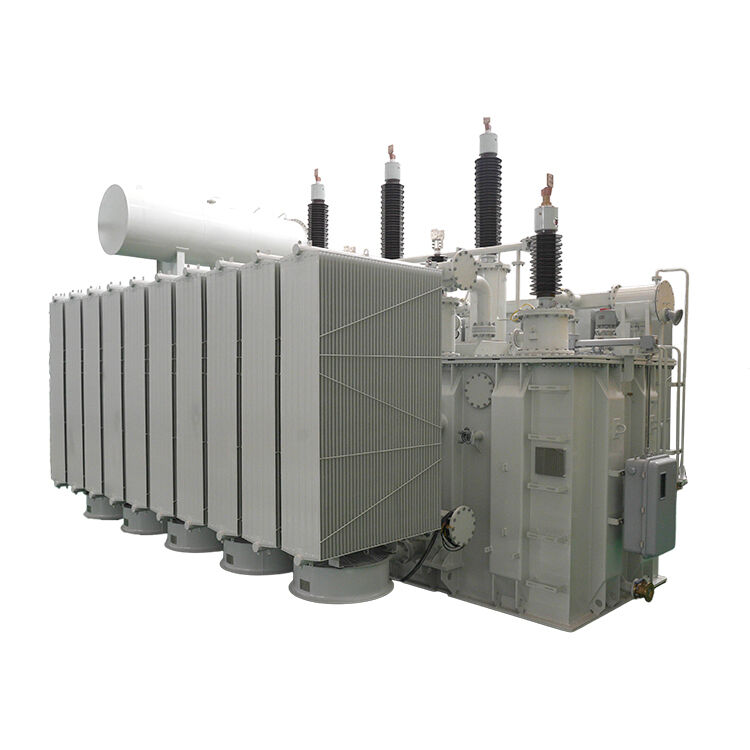
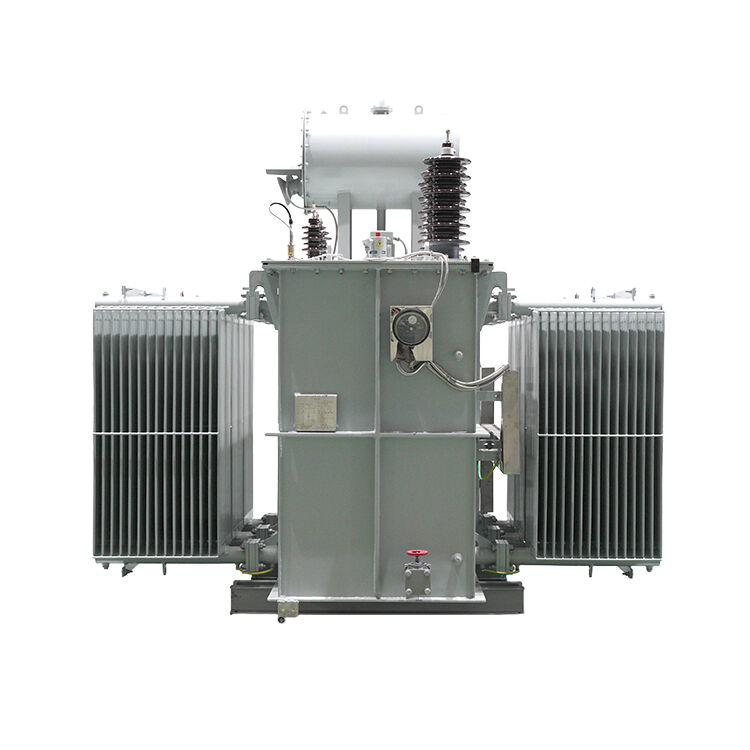
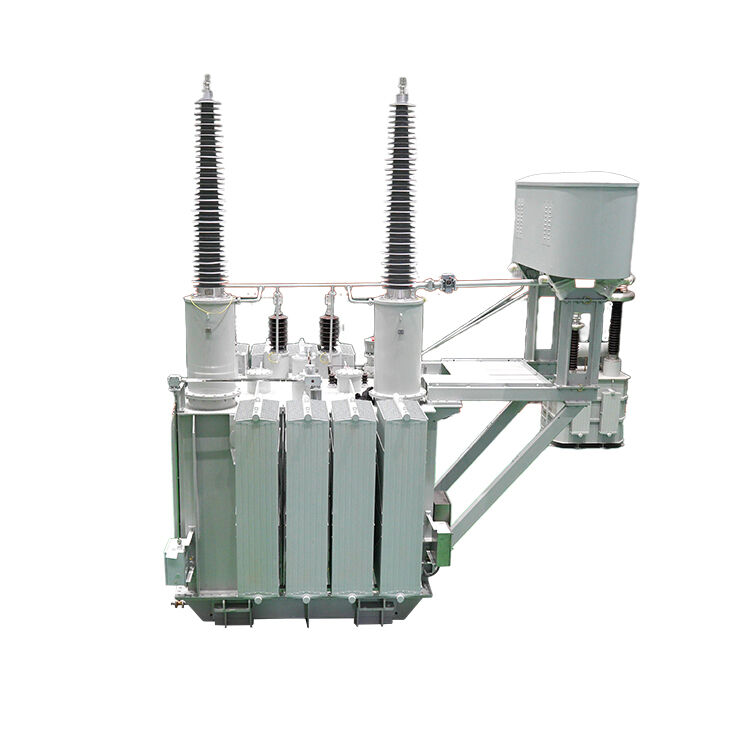
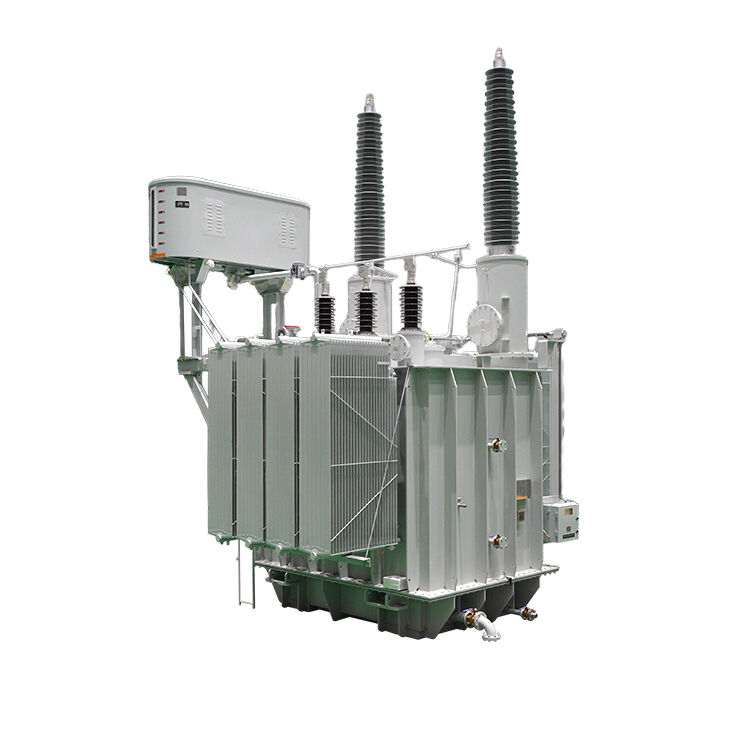
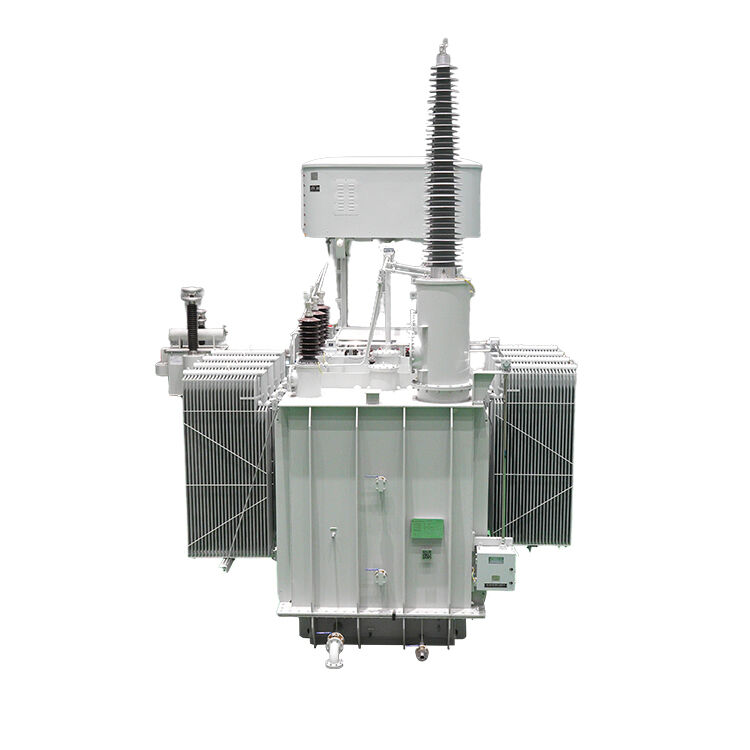
A railway electrical transformer represents a critical component in modern rail transportation infrastructure, serving as the essential link between high-voltage electrical supply systems and the operational requirements of electric trains. This sophisticated piece of equipment functions primarily to convert alternating current electricity from overhead power lines or third rails into appropriate voltage levels suitable for train propulsion systems, lighting, heating, ventilation, and various onboard electronic systems. The railway electrical transformer operates on electromagnetic induction principles, utilizing primary and secondary windings wrapped around a magnetic core to achieve precise voltage transformation while maintaining electrical isolation between input and output circuits. These transformers are specifically engineered to withstand the demanding operational environment of railway applications, including constant vibration, temperature fluctuations, electromagnetic interference, and mechanical stress encountered during train movement. Modern railway electrical transformers incorporate advanced insulation materials, robust cooling systems, and sophisticated protection mechanisms to ensure reliable performance across diverse operating conditions. The design specifications typically include features such as traction motor supply capability, auxiliary power distribution, battery charging functionality, and compliance with international railway safety standards. These transformers support various voltage configurations depending on regional electrical infrastructure, commonly handling primary voltages ranging from 15kV to 25kV AC systems, while providing secondary outputs optimized for specific train components. The integration of smart monitoring systems enables real-time performance assessment, predictive maintenance scheduling, and enhanced operational efficiency. Railway electrical transformers play a pivotal role in enabling sustainable transportation solutions by facilitating the efficient utilization of electrical energy, reducing carbon emissions compared to diesel-powered alternatives, and supporting the electrification initiatives pursued by transportation authorities worldwide. Their technological advancement continues to drive improvements in energy efficiency, weight reduction, and enhanced reliability standards.

New Product Recommendations

Railway electrical transformers deliver substantial benefits that directly impact operational efficiency and cost-effectiveness for transportation operators. These transformers provide exceptional energy conversion efficiency, typically achieving 95-98% efficiency rates, which translates to reduced energy consumption and lower operational costs over the equipment's lifespan. The robust construction ensures extended service life, often exceeding 25 years with proper maintenance, delivering excellent return on investment through reliable performance and minimal replacement requirements. Advanced protection systems integrated into railway electrical transformers prevent damage from electrical faults, overvoltage conditions, and short circuits, significantly reducing downtime and maintenance expenses while protecting connected equipment. The compact design optimizes space utilization within train configurations, allowing for more efficient vehicle layouts and increased passenger capacity or cargo space. Modern railway electrical transformers incorporate intelligent monitoring capabilities that enable predictive maintenance strategies, reducing unexpected failures and associated repair costs while extending component life through optimal operating conditions. These transformers support multiple voltage outputs simultaneously, eliminating the need for separate conversion equipment and reducing system complexity, installation costs, and maintenance requirements. The lightweight construction achieved through advanced materials and innovative design reduces overall train weight, improving acceleration performance, reducing track wear, and decreasing energy consumption during operation. Excellent electromagnetic compatibility ensures seamless integration with existing railway infrastructure and rolling stock systems without causing interference issues. The transformers operate quietly, contributing to improved passenger comfort and reduced noise pollution in urban environments. Enhanced safety features include automatic shutdown mechanisms, fire-resistant materials, and explosion-proof designs that protect personnel and equipment during emergency situations. Standardized interfaces facilitate easy installation and replacement procedures, reducing maintenance time and labor costs. The transformers demonstrate superior performance across wide temperature ranges, ensuring consistent operation in diverse climatic conditions without performance degradation. Compliance with international railway standards ensures compatibility with global railway systems and simplifies procurement processes for international operators.

Latest News

What Is a Transformer and How Does It Improve Power System Efficiency?

02

Jan

What Is a Transformer and How Does It Improve Power System Efficiency?

A transformer represents one of the most critical components in modern electrical power systems, serving as the backbone for efficient energy transmission and distribution across vast networks. These electromagnetic devices enable the seamless conver...
View More
Why Are Transformers Critical for Industrial Power Distribution Systems?

14

Jan

Why Are Transformers Critical for Industrial Power Distribution Systems?

Industrial power distribution systems form the backbone of modern manufacturing, commercial facilities, and critical infrastructure operations. At the heart of these complex networks lies a fundamental component that ensures safe, efficient, and reli...
View More
How Do Transformers Support Grid Stability in Large-Scale Power Networks?

20

Jan

How Do Transformers Support Grid Stability in Large-Scale Power Networks?

Large-scale power networks form the backbone of modern electrical infrastructure, requiring sophisticated equipment to maintain stability and reliability across vast geographical areas. Power transformers play a crucial role in these complex systems ...
View More
What Should Utilities Consider When Selecting a Transformer Supplier?

26

Jan

What Should Utilities Consider When Selecting a Transformer Supplier?

Selecting the right supplier for power infrastructure represents one of the most critical decisions utility companies face in today's rapidly evolving energy landscape. The process of choosing a power transformer supplier requires careful evaluation ...
View More

Get a Free Quote

Our representative will contact you soon.
Email
WhatsApp/Mobile
Name
Company Name
Message
0/1000

railway electrical transformer

Advanced Electromagnetic Design for Superior Performance

Advanced Electromagnetic Design for Superior Performance

The railway electrical transformer incorporates cutting-edge electromagnetic design principles that deliver exceptional performance characteristics essential for demanding rail transportation applications. This advanced design utilizes high-grade silicon steel laminations in the magnetic core construction, significantly reducing eddy current losses and hysteresis effects while maximizing energy transfer efficiency. The carefully optimized winding configuration employs premium copper conductors arranged in precisely calculated geometries to minimize leakage inductance and ensure uniform current distribution throughout the transformer structure. This sophisticated electromagnetic design enables the railway electrical transformer to maintain consistent voltage regulation across varying load conditions, ensuring stable power delivery to critical train systems regardless of operational demands. The innovative core design incorporates step-lap joints and advanced lamination techniques that reduce magnetic flux leakage and audible noise generation, contributing to quieter operation and improved passenger comfort. Specialized insulation systems utilizing high-temperature polymer materials and vacuum-impregnated resins provide exceptional dielectric strength while maintaining compact dimensions essential for railway applications. The electromagnetic optimization extends to harmonic mitigation capabilities, where the transformer design actively reduces total harmonic distortion in the electrical supply, protecting sensitive electronic equipment and improving overall system power quality. Advanced finite element analysis during the design phase ensures optimal magnetic field distribution, eliminating hot spots and extending component lifespan through uniform thermal loading. The electromagnetic design incorporates surge protection mechanisms that safeguard against lightning strikes and switching transients commonly encountered in railway electrical systems. This comprehensive electromagnetic engineering approach results in superior efficiency ratings exceeding industry standards, reduced maintenance requirements, and enhanced reliability that translates to lower total cost of ownership for railway operators while ensuring consistent, high-quality electrical power delivery to modern electric trains.
Robust Environmental Protection and Durability Features

Robust Environmental Protection and Durability Features

Railway electrical transformers are engineered with comprehensive environmental protection and durability features specifically designed to withstand the harsh operating conditions encountered in rail transportation environments. The robust enclosure construction utilizes corrosion-resistant materials and protective coatings that provide exceptional resistance to moisture, salt spray, chemical exposure, and temperature extremes commonly experienced in railway operations. Advanced sealing systems incorporating multiple gasket layers and pressure equalization mechanisms prevent moisture ingress while accommodating thermal expansion and contraction cycles without compromising protection integrity. The transformer housing features reinforced mounting structures designed to absorb and dissipate mechanical vibrations and shock loads generated during train acceleration, braking, and track irregularities, ensuring internal component protection and maintaining electrical connections over extended service periods. Specialized cooling systems integrated into the railway electrical transformer design provide efficient heat dissipation through optimized airflow patterns, enhanced surface area configurations, and temperature-controlled ventilation systems that maintain optimal operating temperatures across diverse climatic conditions. The durability features include impact-resistant external surfaces capable of withstanding debris strikes and maintenance handling while maintaining structural integrity throughout the equipment's operational life. Advanced fire protection systems incorporate flame-retardant materials and automatic suppression mechanisms that prevent fire propagation and protect surrounding equipment in emergency situations. The environmental protection extends to electromagnetic interference shielding that prevents external electrical disturbances from affecting transformer operation while containing internal electromagnetic emissions within acceptable limits. Comprehensive testing protocols validate the transformer's ability to operate reliably in temperature ranges from -40°C to +70°C, humidity levels up to 95%, and altitude conditions exceeding 2000 meters above sea level. The robust design incorporates redundant protection systems that provide multiple layers of safety against electrical faults, mechanical damage, and environmental hazards, ensuring continuous operation and minimizing service interruptions that could impact railway schedules and passenger safety.
Intelligent Monitoring and Predictive Maintenance Capabilities

Intelligent Monitoring and Predictive Maintenance Capabilities

Modern railway electrical transformers incorporate sophisticated intelligent monitoring and predictive maintenance capabilities that revolutionize equipment management and operational efficiency for railway operators. These advanced systems utilize integrated sensor networks that continuously monitor critical parameters including temperature distribution, vibration levels, electrical characteristics, insulation condition, and cooling system performance, providing real-time visibility into transformer health and operational status. The intelligent monitoring system employs advanced algorithms and machine learning techniques to analyze collected data patterns, identify potential issues before they develop into serious problems, and recommend optimal maintenance schedules based on actual equipment condition rather than predetermined time intervals. This predictive maintenance approach significantly reduces unexpected failures, minimizes service disruptions, and extends equipment lifespan through proactive intervention strategies. The railway electrical transformer monitoring system features remote connectivity capabilities that enable centralized monitoring of multiple units across extensive railway networks, allowing maintenance teams to efficiently allocate resources and coordinate repair activities. Comprehensive diagnostic capabilities include partial discharge detection, dissolved gas analysis simulation, thermal imaging integration, and electrical signature analysis that provide detailed insights into transformer condition and performance trends. The intelligent system generates automated alerts and notifications when operating parameters exceed predefined thresholds, enabling rapid response to potential issues and preventing catastrophic failures that could compromise railway safety and operations. Advanced data logging capabilities maintain comprehensive historical records of transformer performance, facilitating trend analysis, warranty validation, and regulatory compliance documentation. The monitoring system integrates seamlessly with existing railway management systems, providing unified visibility into electrical infrastructure status and enabling coordinated maintenance planning across multiple subsystems. Customizable reporting features generate detailed performance summaries, maintenance recommendations, and compliance documentation that support informed decision-making and regulatory requirements. The predictive maintenance capabilities enable condition-based replacement strategies that optimize capital expenditure timing and minimize total cost of ownership while ensuring reliable electrical power delivery to modern railway systems.

Get a Free Quote

Our representative will contact you soon.
Email
WhatsApp/Mobile
Name
Company Name
Message
0/1000