railway transformer
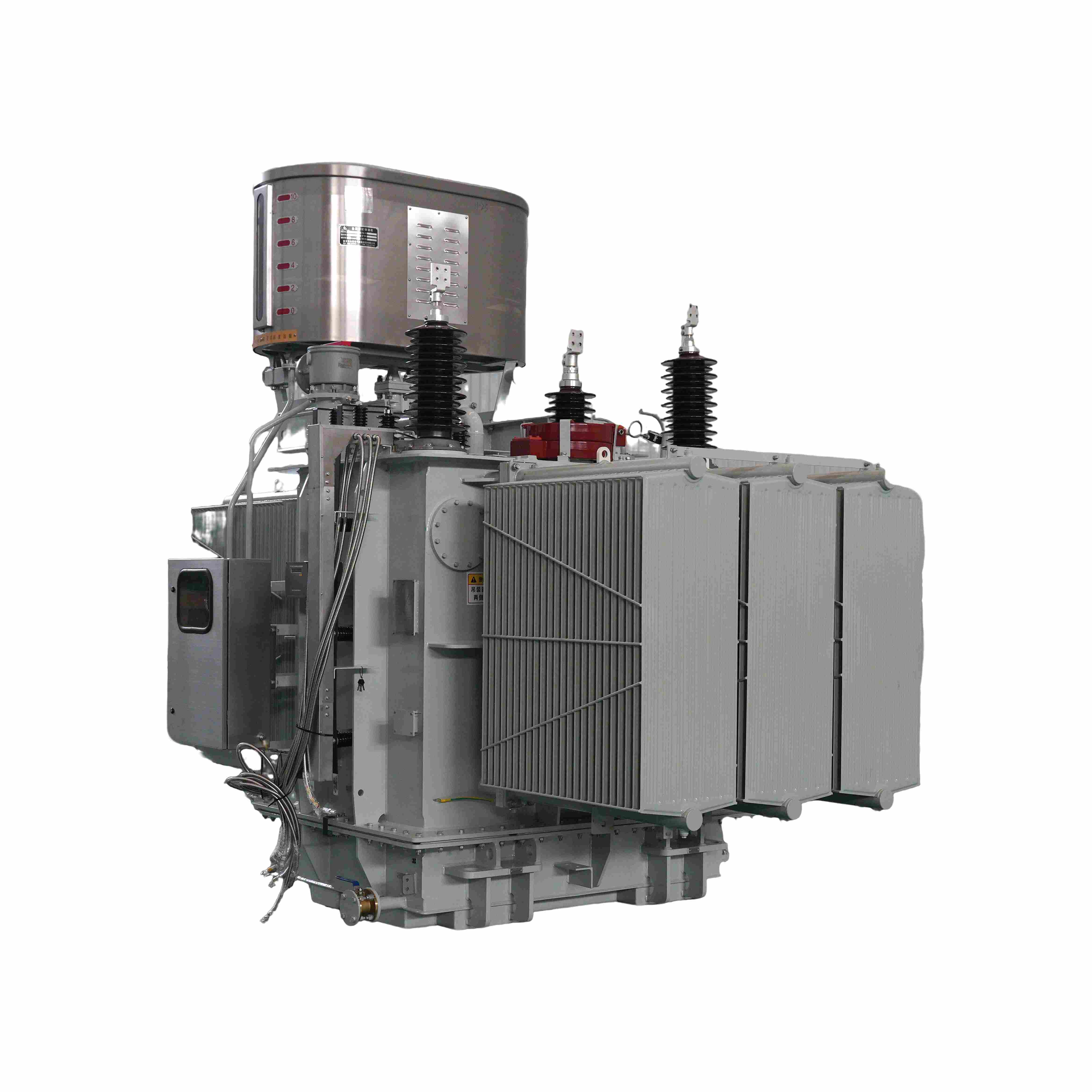
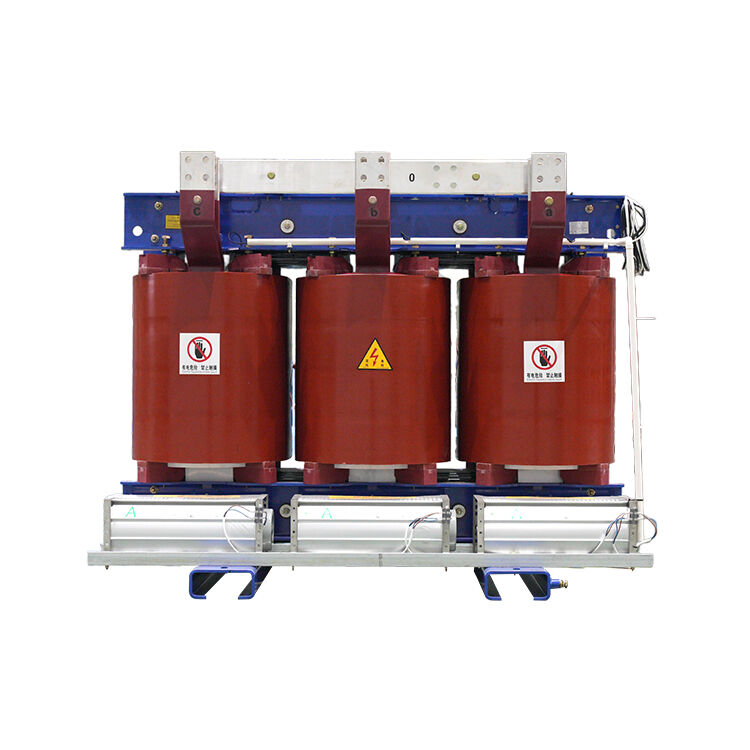
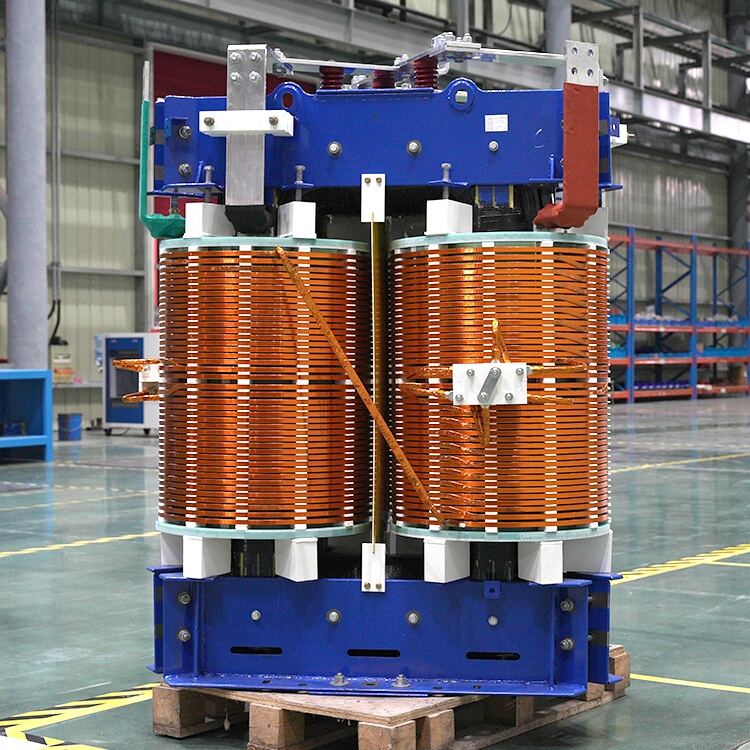
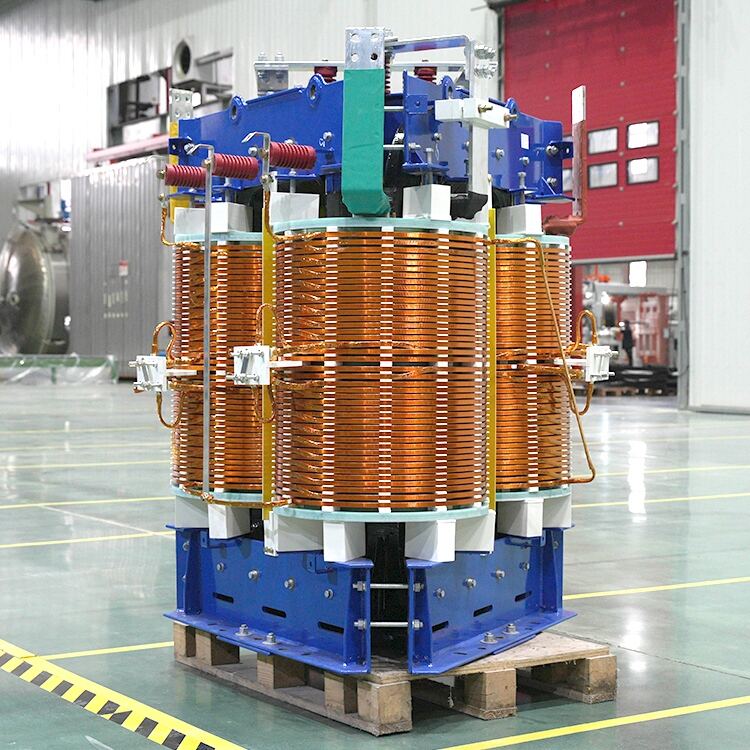
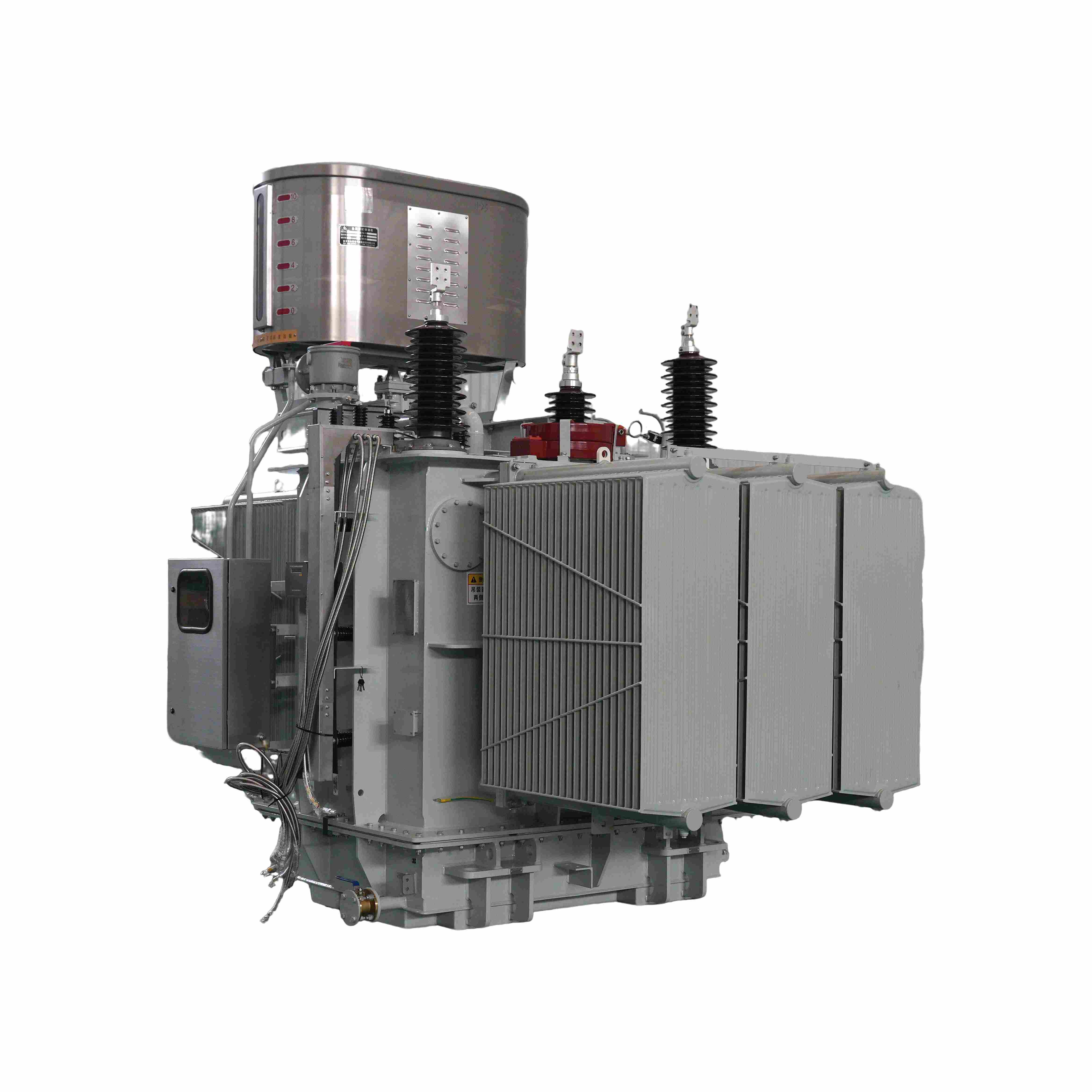
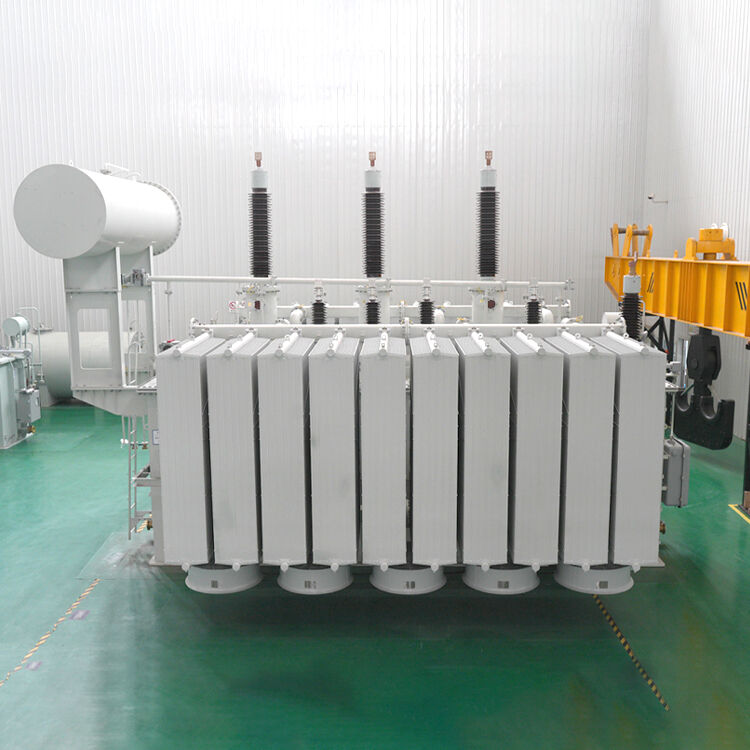
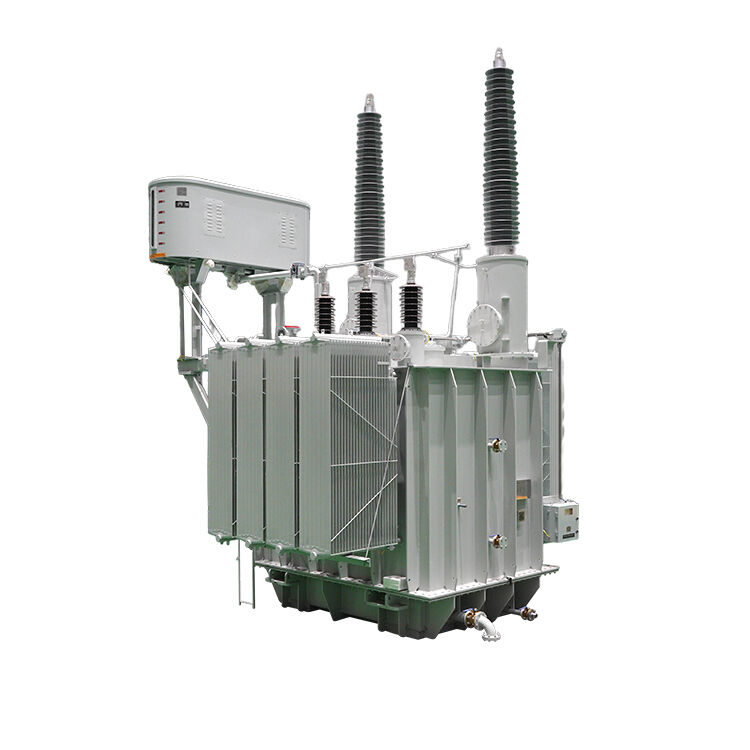
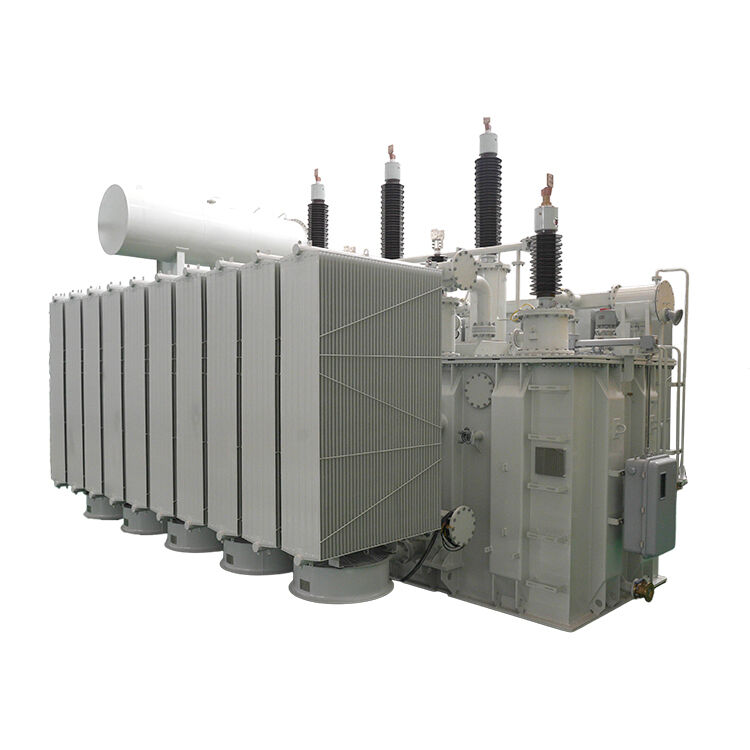
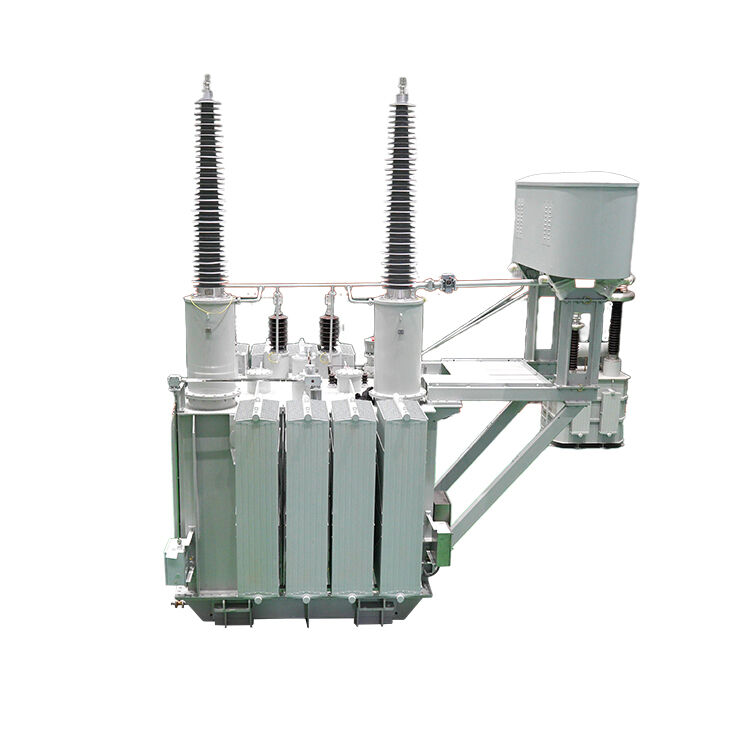
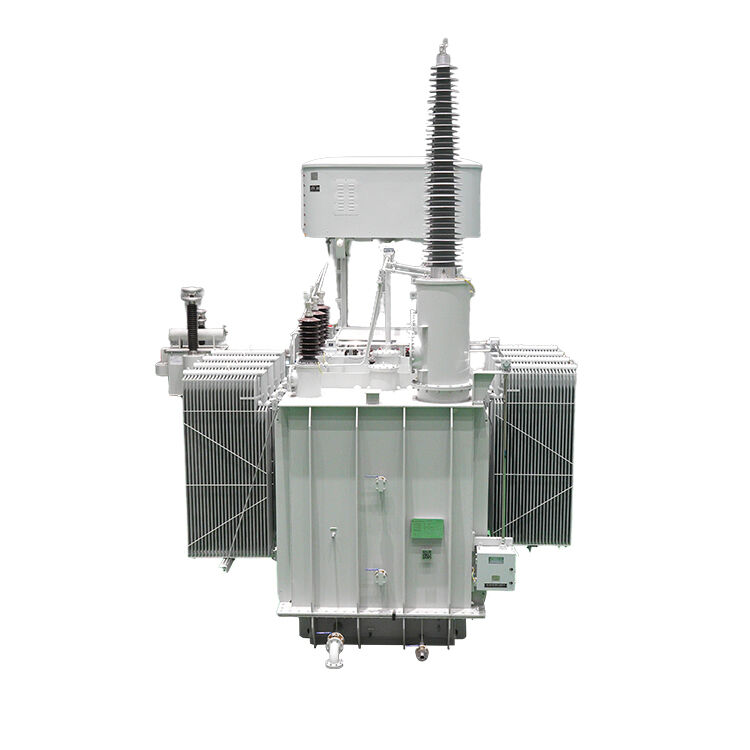
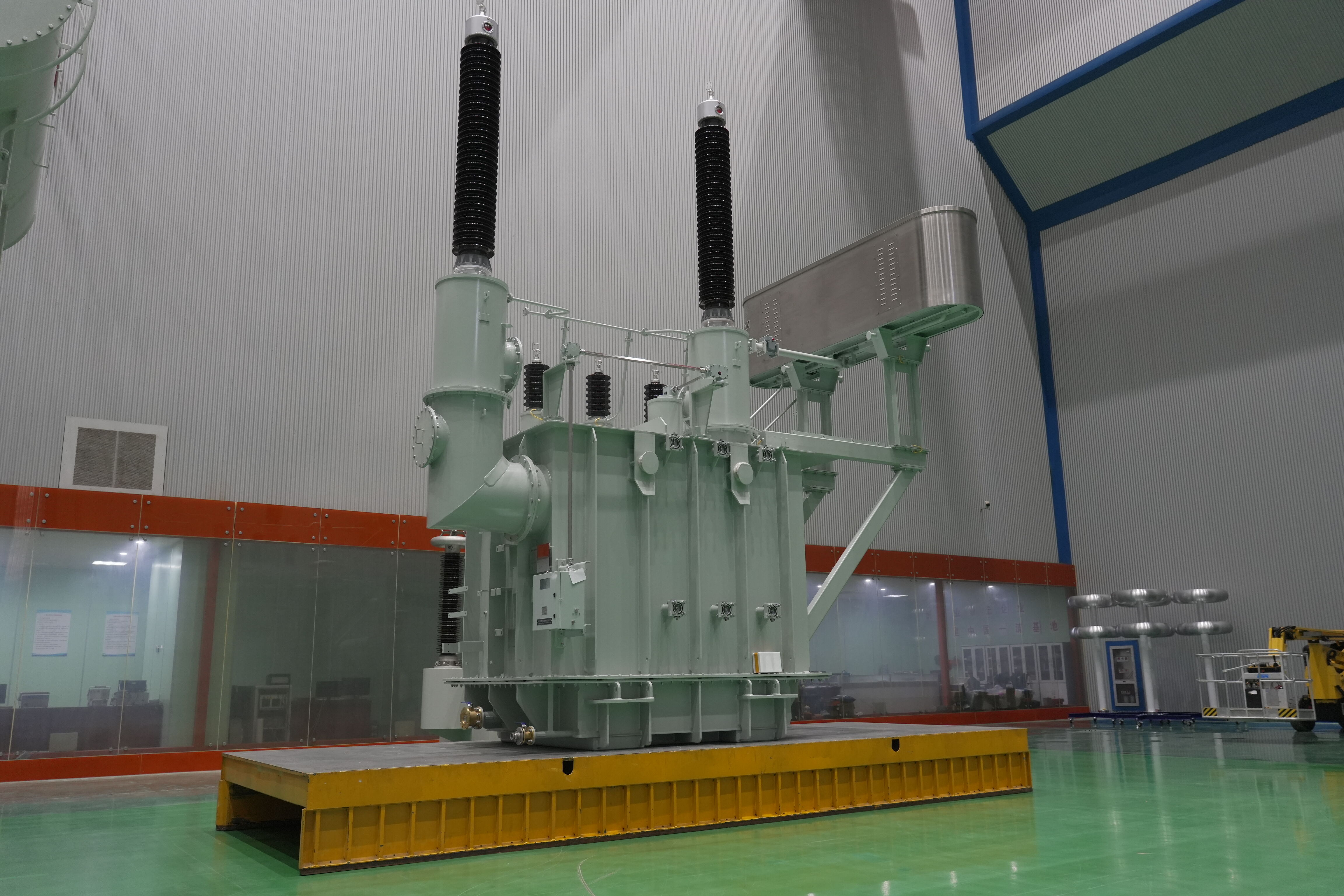
Railway transformers represent critical electrical infrastructure components designed specifically for rail transportation systems. These specialized power conversion devices manage electrical energy distribution across various railway applications, from urban transit networks to high-speed intercity rail lines. The primary function of a railway transformer involves converting electrical voltage levels to match specific operational requirements of different railway systems. Modern railway transformers typically handle power conversion between grid supply voltages and traction system voltages, ensuring efficient energy transfer while maintaining system stability. These units incorporate advanced magnetic core technology, utilizing high-grade silicon steel laminations that minimize energy losses during operation. The technological architecture includes primary and secondary windings carefully engineered to withstand harsh environmental conditions common in railway environments. Railway transformers feature robust insulation systems capable of handling extreme temperature variations, moisture exposure, and mechanical vibrations inherent in rail operations. Advanced cooling mechanisms, including forced air or liquid cooling systems, maintain optimal operating temperatures during peak load conditions. Protection systems integrated within railway transformers include overcurrent protection, thermal monitoring, and fault detection capabilities that ensure safe operation and prevent costly equipment damage. These transformers serve multiple applications including traction power supply, auxiliary power systems, signaling equipment, and station facilities. In electrified railway systems, railway transformers enable the conversion of high-voltage transmission power to appropriate levels for train operation, typically converting from grid voltages of 110kV or 220kV down to traction voltages of 25kV, 15kV, or 750V depending on system specifications. The modular design approach allows railway transformers to accommodate various power ratings and voltage configurations, making them suitable for diverse railway infrastructure projects worldwide.
 EN
EN