Step Down Distribution Transformer: Complete Guide to High-Efficiency Power Solutions

Get a Free Quote

Our representative will contact you soon.
Email
WhatsApp/Mobile
Name
Company Name
Message
0/1000

step down distribution transformer

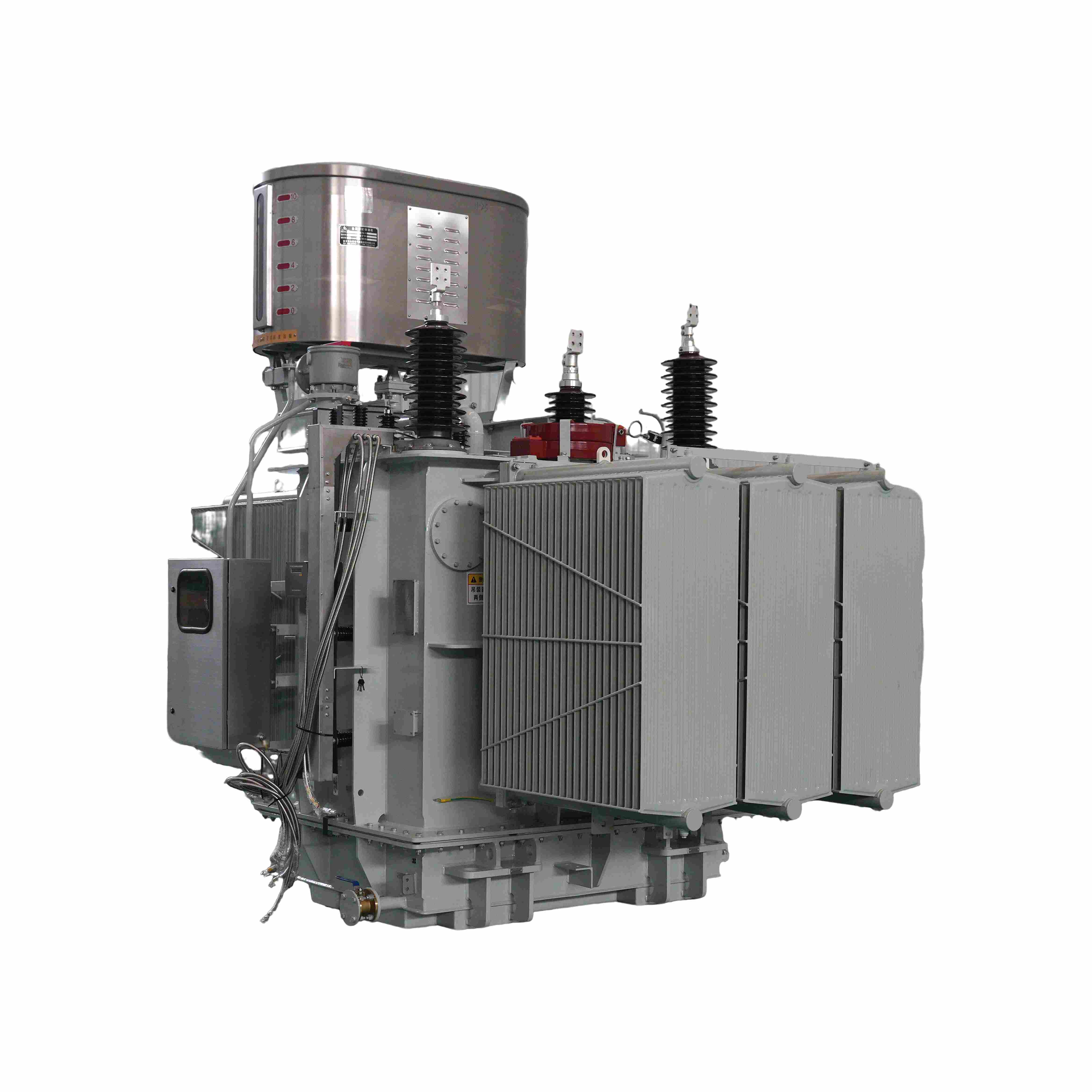
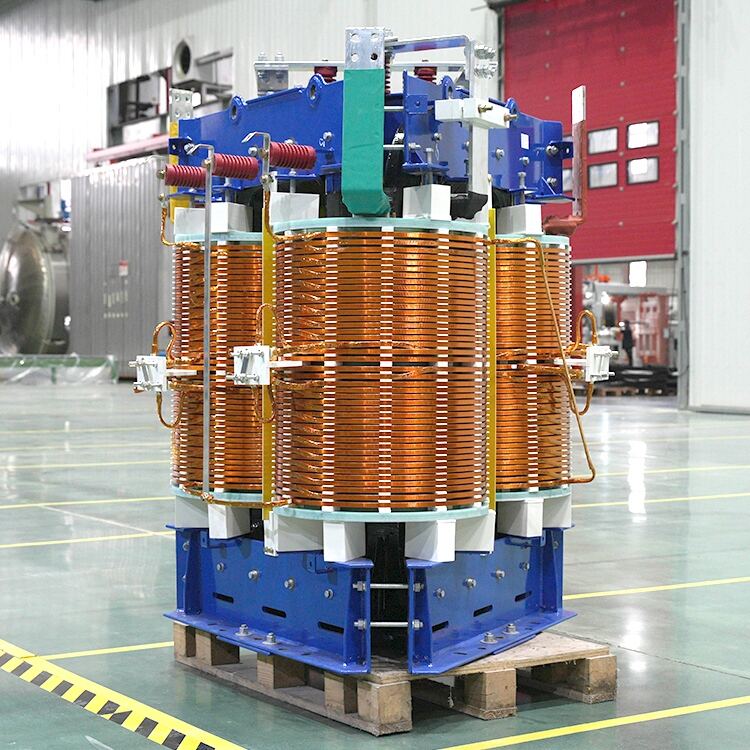
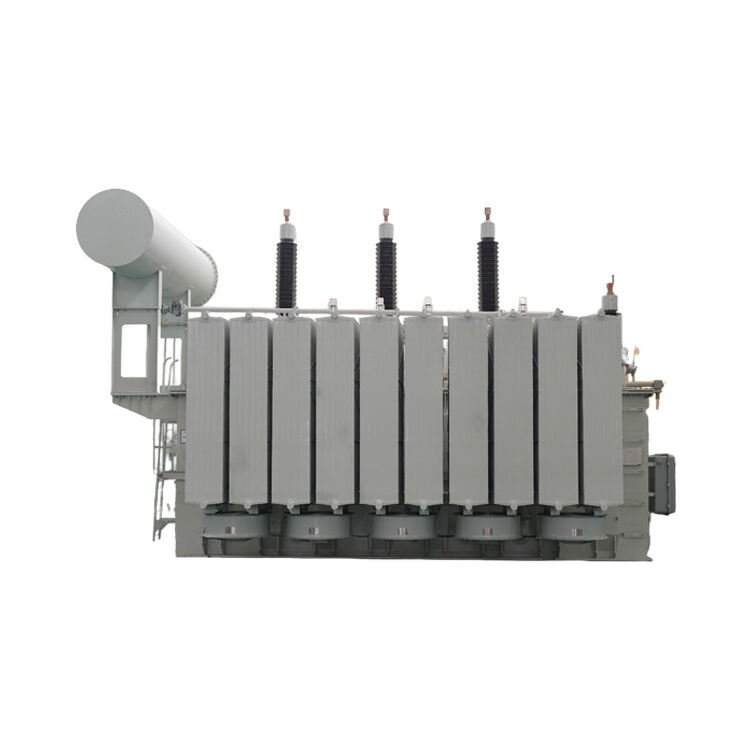
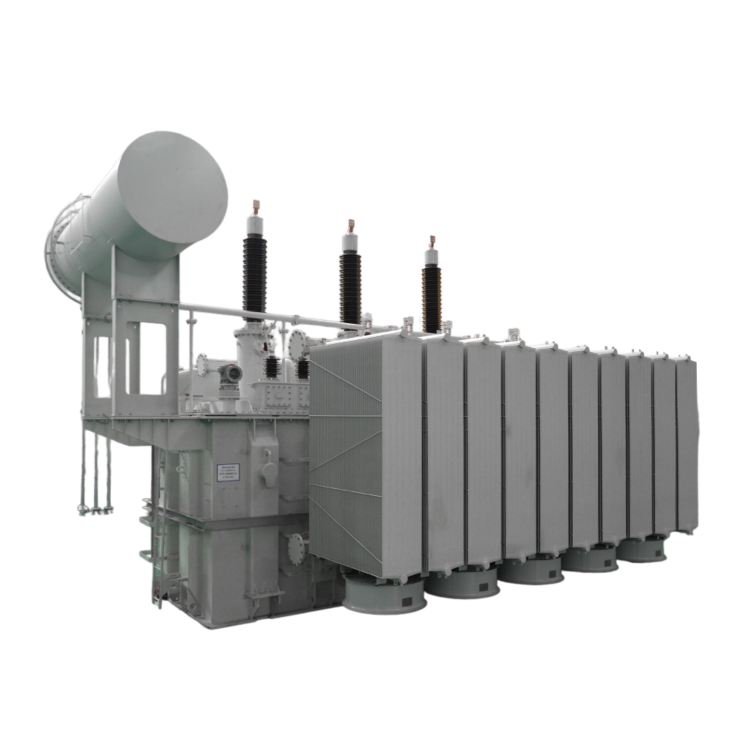
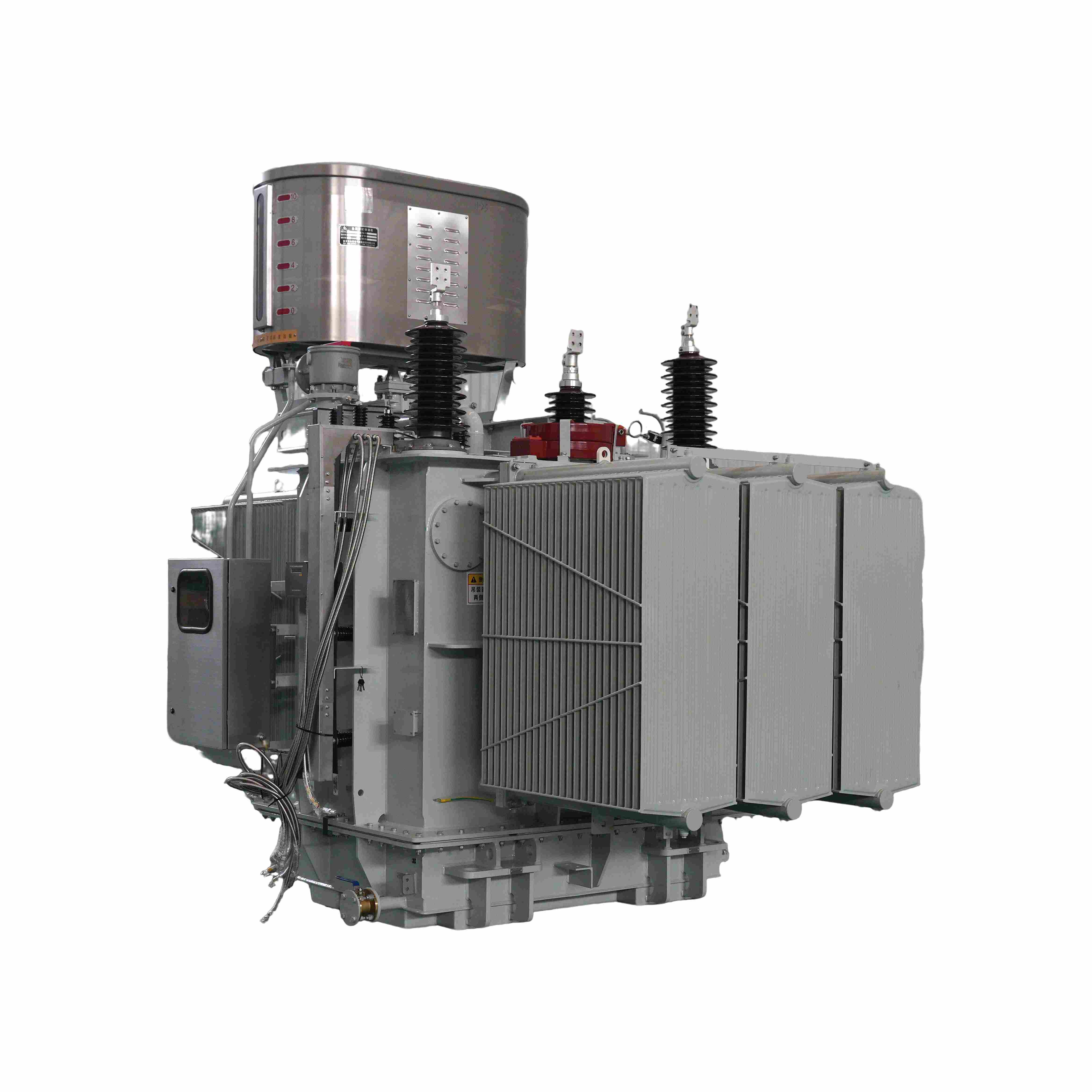
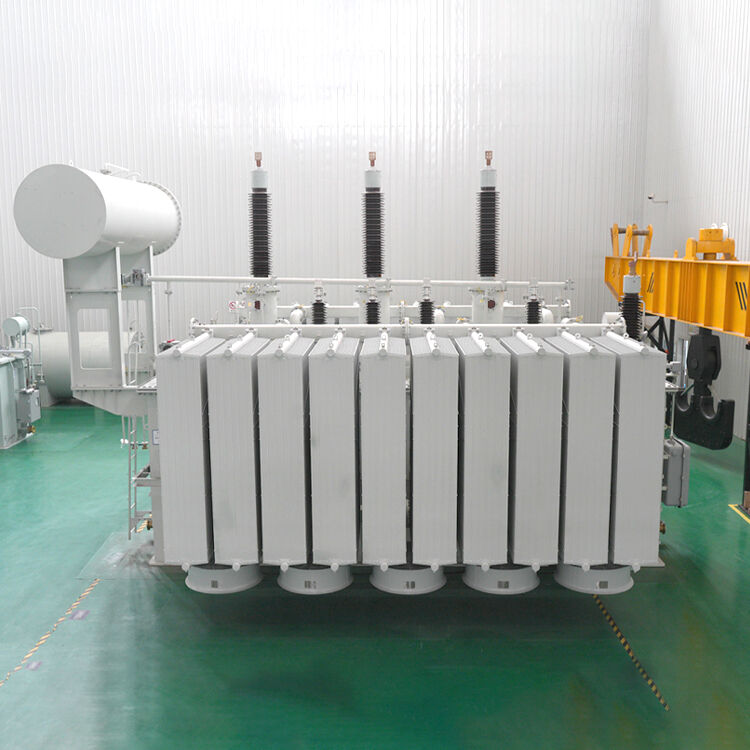
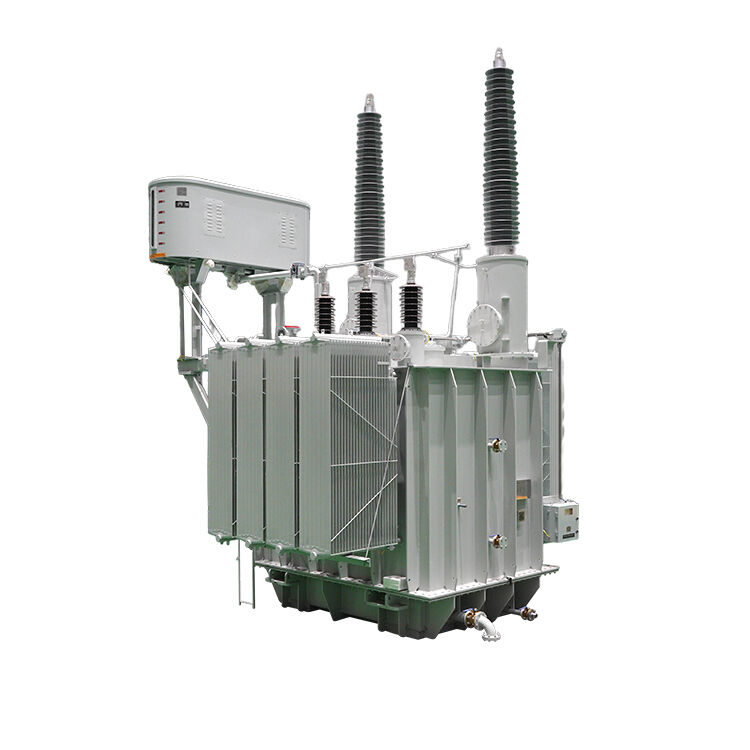
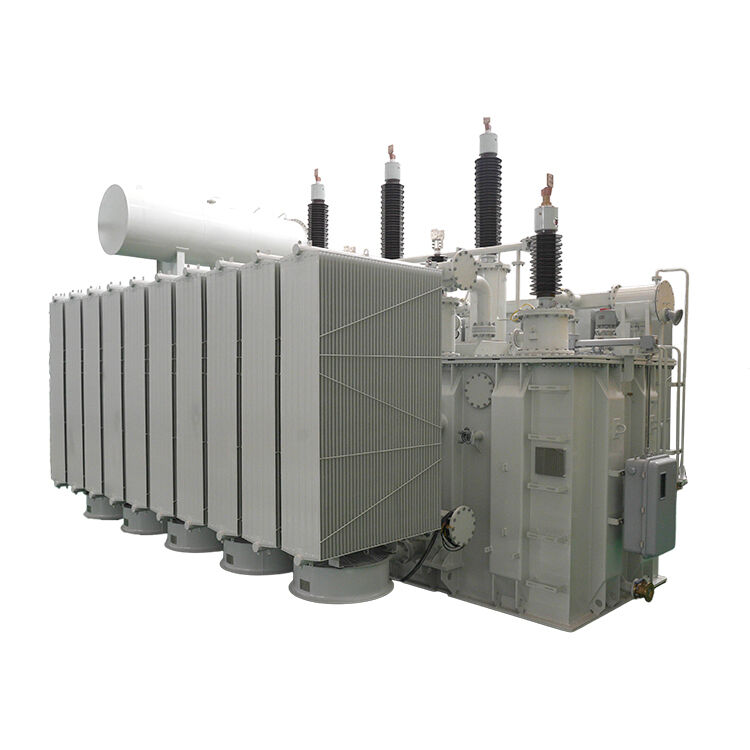
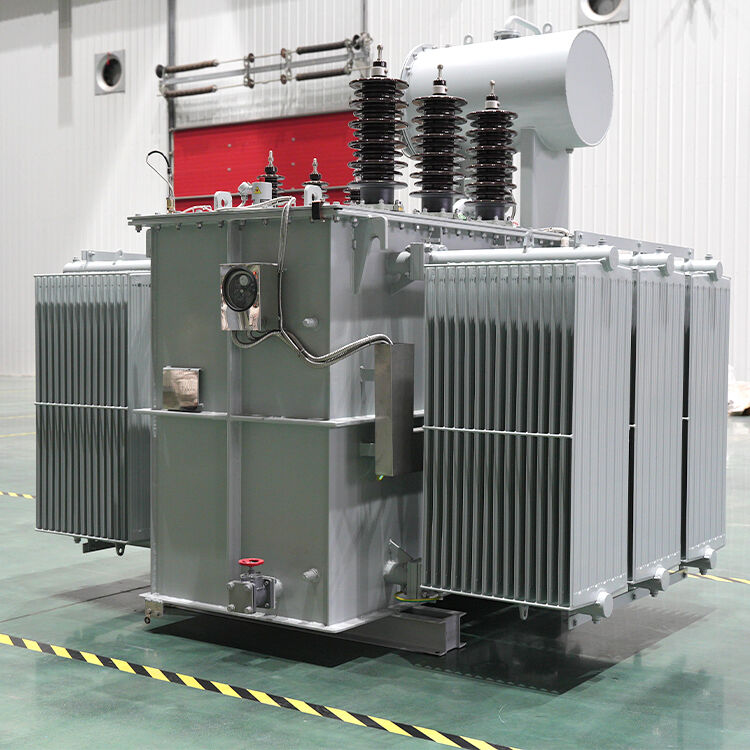
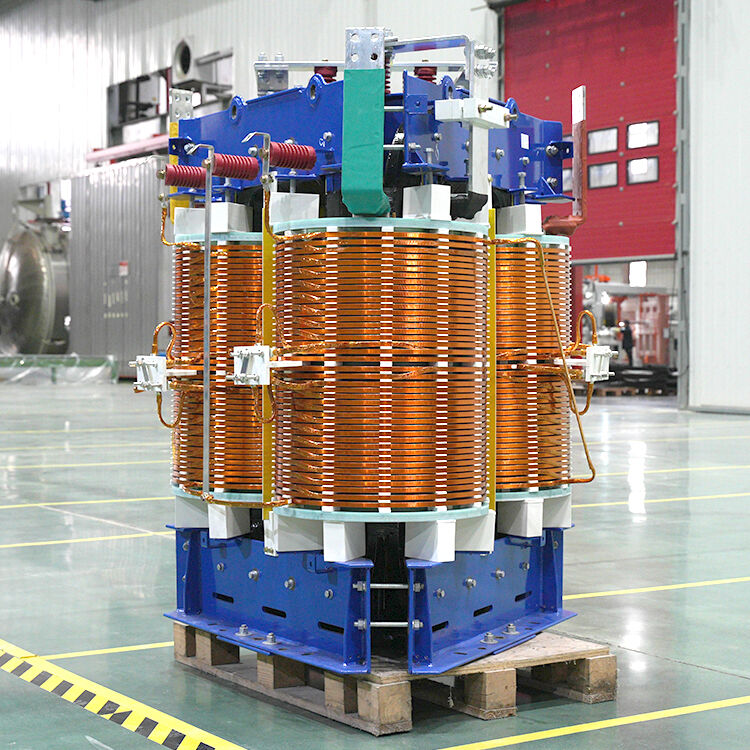
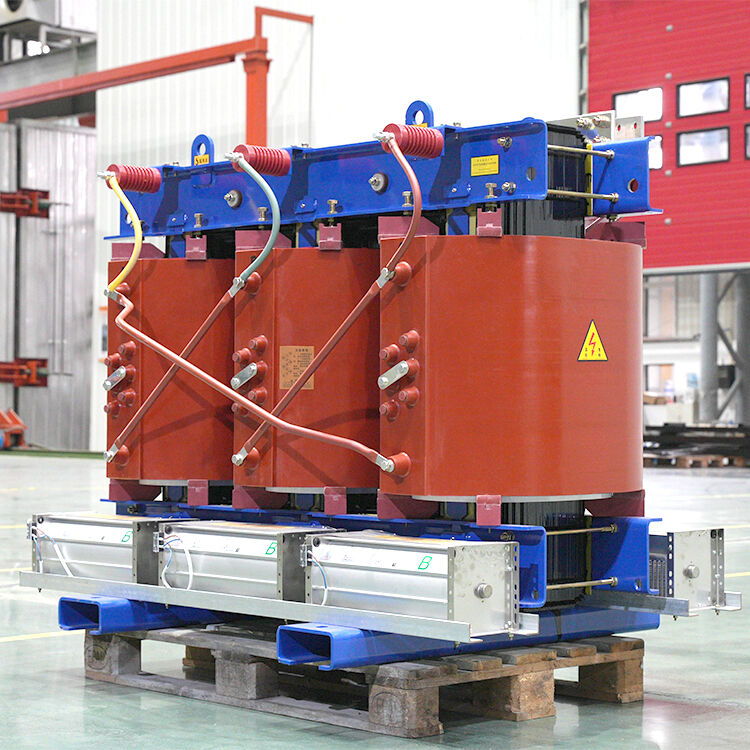
A step down distribution transformer serves as a critical component in electrical power systems, designed to reduce high voltage electricity to lower, more manageable levels for safe distribution to end users. This essential piece of equipment operates on the fundamental principle of electromagnetic induction, utilizing primary and secondary windings wound around a laminated steel core to achieve voltage transformation. The step down distribution transformer typically receives electricity at transmission voltages ranging from 4kV to 35kV and converts it to distribution voltages between 120V and 480V, making it suitable for residential, commercial, and light industrial applications. The technological features of modern step down distribution transformers include advanced insulation systems, temperature monitoring capabilities, and enhanced cooling mechanisms that ensure optimal performance under varying load conditions. These transformers incorporate high-grade electrical steel cores that minimize energy losses through reduced hysteresis and eddy current effects. The winding configuration utilizes copper or aluminum conductors with specialized insulation materials that withstand electrical stress and environmental conditions. Protection systems integrated into step down distribution transformers include overcurrent protection, overvoltage protection, and thermal protection to prevent damage from fault conditions. The compact design of these transformers allows for installation in various environments, from outdoor substations to indoor electrical rooms. Applications for step down distribution transformers span across multiple sectors including residential neighborhoods, shopping centers, office buildings, manufacturing facilities, and infrastructure projects. In residential applications, these transformers supply power to homes and apartment complexes, ensuring stable voltage levels for household appliances and lighting systems. Commercial establishments rely on step down distribution transformers to power HVAC systems, lighting, computers, and other essential equipment. Industrial facilities utilize these transformers to operate machinery, production equipment, and facility systems while maintaining power quality standards required for sensitive electronic devices.

New Product Releases

Step down distribution transformers offer numerous practical benefits that make them indispensable for modern electrical infrastructure. The primary advantage lies in their ability to provide safe voltage levels for end-user consumption, eliminating the risks associated with high-voltage electricity while maintaining efficient power transmission. These transformers significantly reduce electrical hazards by converting dangerous high voltages into safe, manageable levels that comply with local electrical codes and safety standards. Energy efficiency represents another major advantage, as modern step down distribution transformers achieve efficiency ratings exceeding 98 percent, minimizing power losses during the voltage conversion process. This high efficiency translates into reduced operating costs and lower environmental impact through decreased energy consumption. The reliability of step down distribution transformers ensures continuous power supply to critical applications, with many units operating trouble-free for decades with proper maintenance. Their robust construction withstands harsh environmental conditions including temperature fluctuations, moisture, and electrical disturbances, providing consistent performance throughout their operational lifespan. Cost-effectiveness emerges as a significant benefit, as these transformers offer long-term value through their extended service life, minimal maintenance requirements, and high reliability ratings. The standardized designs and widespread availability of step down distribution transformers result in competitive pricing and readily available replacement parts when needed. Installation flexibility allows these transformers to be mounted in various configurations including pad-mounted, pole-mounted, and vault installations, accommodating diverse site requirements and space constraints. The compact footprint of modern step down distribution transformers maximizes available space while delivering required power capacity. Load handling capabilities enable these transformers to accommodate varying electrical demands throughout the day, automatically adjusting to load changes without manual intervention. Protection features built into step down distribution transformers safeguard connected equipment from voltage fluctuations, surges, and other electrical anomalies that could cause damage or downtime. The standardized voltage outputs ensure compatibility with standard electrical equipment and appliances, eliminating the need for additional voltage conversion equipment. Maintenance requirements remain minimal due to the sealed construction and high-quality materials used in manufacturing, reducing ongoing operational costs and service interruptions.

Practical Tips

What Is a Transformer and How Does It Improve Power System Efficiency?

02

Jan

What Is a Transformer and How Does It Improve Power System Efficiency?

A transformer represents one of the most critical components in modern electrical power systems, serving as the backbone for efficient energy transmission and distribution across vast networks. These electromagnetic devices enable the seamless conver...
View More
How Does a Transformer Work in High Voltage Power Transmission?

08

Jan

How Does a Transformer Work in High Voltage Power Transmission?

High voltage power transmission systems form the backbone of modern electrical grids, enabling electricity to travel efficiently across vast distances. At the heart of these complex networks lies the power transformer, a crucial piece of equipment th...
View More
Why Are Transformers Critical for Industrial Power Distribution Systems?

14

Jan

Why Are Transformers Critical for Industrial Power Distribution Systems?

Industrial power distribution systems form the backbone of modern manufacturing, commercial facilities, and critical infrastructure operations. At the heart of these complex networks lies a fundamental component that ensures safe, efficient, and reli...
View More
How Do Transformers Support Grid Stability in Large-Scale Power Networks?

20

Jan

How Do Transformers Support Grid Stability in Large-Scale Power Networks?

Large-scale power networks form the backbone of modern electrical infrastructure, requiring sophisticated equipment to maintain stability and reliability across vast geographical areas. Power transformers play a crucial role in these complex systems ...
View More

Get a Free Quote

Our representative will contact you soon.
Email
WhatsApp/Mobile
Name
Company Name
Message
0/1000

step down distribution transformer

Superior Energy Efficiency and Cost Savings

Superior Energy Efficiency and Cost Savings

Step down distribution transformers deliver exceptional energy efficiency that directly translates into substantial cost savings for property owners and facility managers. Modern units achieve efficiency ratings between 98 and 99.5 percent, meaning less than two percent of electrical energy is lost during the voltage conversion process. This remarkable efficiency stems from advanced core materials, optimized winding designs, and precision manufacturing techniques that minimize both no-load and load losses. The high-grade electrical steel cores feature reduced hysteresis losses through specialized grain orientation and advanced annealing processes, while eddy current losses remain minimal due to optimal lamination thickness and insulation. The precision-wound copper or aluminum conductors utilize optimized cross-sectional areas and insulation systems that reduce I²R losses during normal operation. These efficiency improvements compound over the transformer's operational lifetime, typically spanning 25 to 30 years, resulting in significant energy cost reductions. For a typical commercial installation, the annual energy savings from a high-efficiency step down distribution transformer can amount to thousands of dollars compared to older, less efficient units. The reduced energy consumption also contributes to lower peak demand charges, further enhancing the economic benefits. Environmental benefits accompany the financial advantages, as higher efficiency translates to reduced carbon footprint and decreased strain on electrical generation resources. The superior efficiency also results in lower operating temperatures, which extends component life and reduces cooling requirements in indoor installations. Many utility companies offer rebates and incentives for installing high-efficiency step down distribution transformers, providing additional upfront cost savings that improve project economics. The combination of reduced operating costs, extended equipment life, and potential utility incentives makes high-efficiency step down distribution transformers an excellent investment for any electrical infrastructure project.
Robust Design and Exceptional Reliability

Robust Design and Exceptional Reliability

The robust construction and exceptional reliability of step down distribution transformers make them the preferred choice for critical power distribution applications where downtime cannot be tolerated. These transformers feature heavy-duty tank construction using corrosion-resistant materials that withstand decades of exposure to harsh environmental conditions including extreme temperatures, humidity, salt air, and industrial pollutants. The sealed tank design prevents moisture ingress and contamination while maintaining optimal insulation integrity throughout the unit's service life. Internal components undergo rigorous quality control testing including insulation resistance measurements, turns ratio verification, and impulse testing to ensure reliable performance under all operating conditions. The laminated steel core construction utilizes interlocked joints and specialized clamping systems that prevent loosening and maintain structural integrity under thermal cycling and mechanical stress. Winding systems employ proven designs with adequate bracing and support structures that resist short-circuit forces and thermal expansion stresses. Advanced insulation materials including mineral oil, dry-type compounds, or gas insulation provide superior dielectric strength and thermal stability for long-term reliability. Built-in protection systems monitor critical parameters including temperature, pressure, and oil level to provide early warning of potential issues before they result in failure. Many step down distribution transformers include automatic load tap changers that maintain voltage regulation under varying load conditions, ensuring consistent power quality to connected equipment. The modular design approach facilitates maintenance and component replacement when necessary, minimizing service interruption duration. Comprehensive factory testing including routine tests, type tests, and special tests validates the reliability and performance characteristics before shipment. Field installation support and commissioning services ensure proper setup and initial operation, while ongoing maintenance programs help maintain peak performance throughout the transformer's operational life. Statistical reliability data demonstrates that properly maintained step down distribution transformers achieve availability rates exceeding 99.9 percent, making them suitable for the most demanding applications.
Versatile Installation Options and Space Optimization

Versatile Installation Options and Space Optimization

Step down distribution transformers offer unmatched versatility in installation configurations, enabling optimal space utilization and seamless integration into diverse electrical infrastructure projects. The multiple mounting options include pad-mounted, pole-mounted, platform-mounted, and vault installations, each designed to meet specific site requirements and space constraints while maintaining safety and accessibility standards. Pad-mounted configurations provide ground-level installation with tamper-resistant enclosures that blend seamlessly into urban and suburban environments while offering easy access for maintenance and inspection activities. The compact footprint of modern pad-mounted step down distribution transformers maximizes available space for other site improvements while meeting setback requirements and safety clearances. Pole-mounted installations offer elevated positioning that conserves ground space and provides protection from flooding while maintaining visual aesthetics in residential and commercial areas. These installations utilize specialized mounting hardware and guy wire systems engineered to withstand wind loads and seismic forces according to local building codes and utility standards. Vault installations enable underground placement that completely eliminates visual impact while providing secure, weatherproof housing for the step down distribution transformer and associated switchgear. The modular vault designs accommodate various transformer sizes and configurations while providing adequate ventilation and drainage for optimal operating conditions. Platform installations offer elevated mounting solutions for industrial facilities and commercial buildings where space optimization and equipment protection are paramount considerations. The standardized dimensions and connection points of step down distribution transformers facilitate integration with existing electrical infrastructure and future expansion projects without major modifications. Cooling system options including natural air cooling, forced air cooling, and oil circulation systems adapt to specific environmental conditions and loading requirements while maintaining optimal operating temperatures. The compact design incorporates advanced materials and manufacturing techniques that achieve higher power density without compromising performance or reliability characteristics. Installation flexibility extends to electrical connections with multiple termination options including bushing-type terminals, cable connections, and busway interfaces that accommodate various distribution schemes and voltage levels. Pre-engineered installation kits and standardized foundation designs reduce installation time and costs while ensuring proper mechanical support and electrical isolation for safe operation.

Get a Free Quote

Our representative will contact you soon.
Email
WhatsApp/Mobile
Name
Company Name
Message
0/1000