Dry Type Distribution Transformers: Superior Safety, Efficiency & Reliability Solutions

Get a Free Quote

Our representative will contact you soon.
Email
WhatsApp/Mobile
Name
Company Name
Message
0/1000

dry type distribution transformer

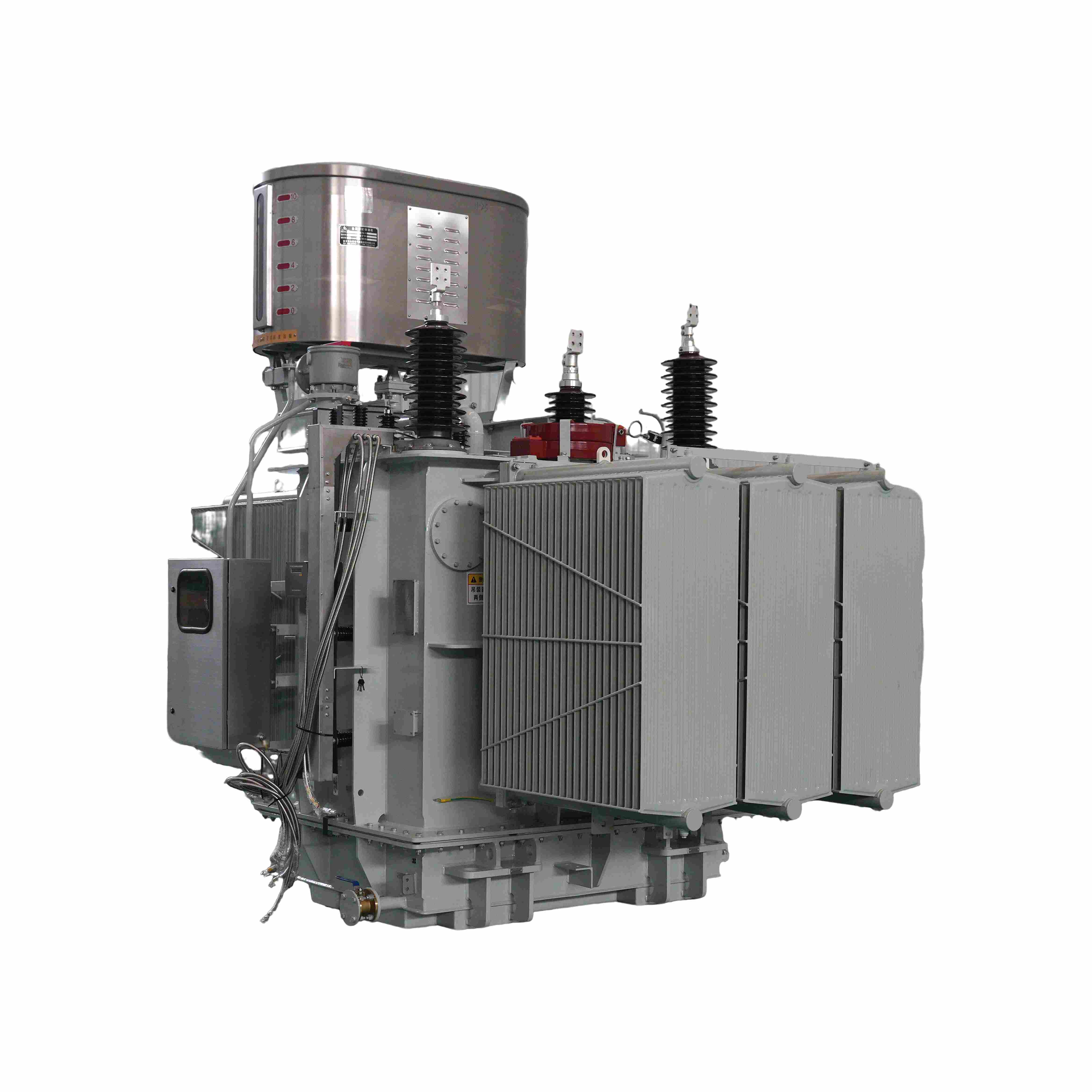
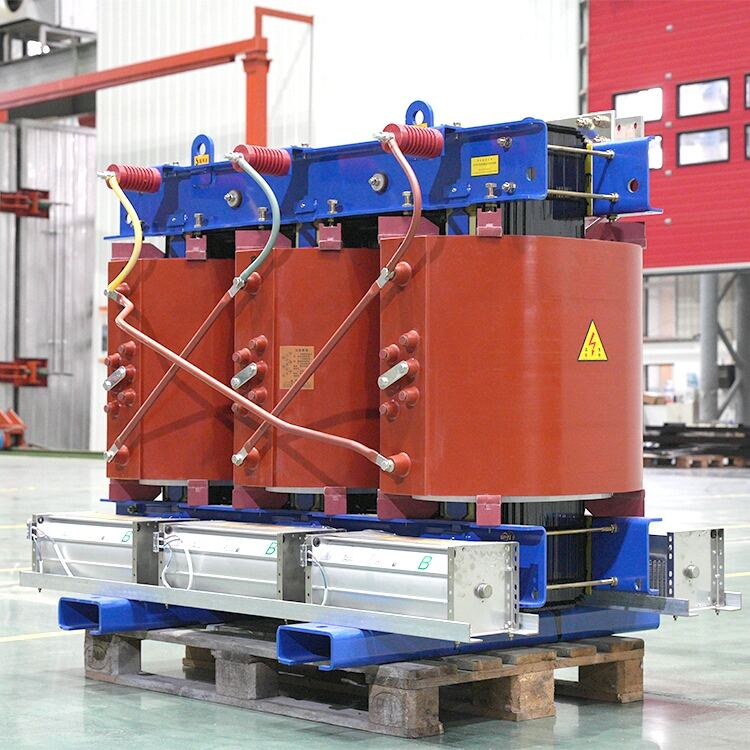
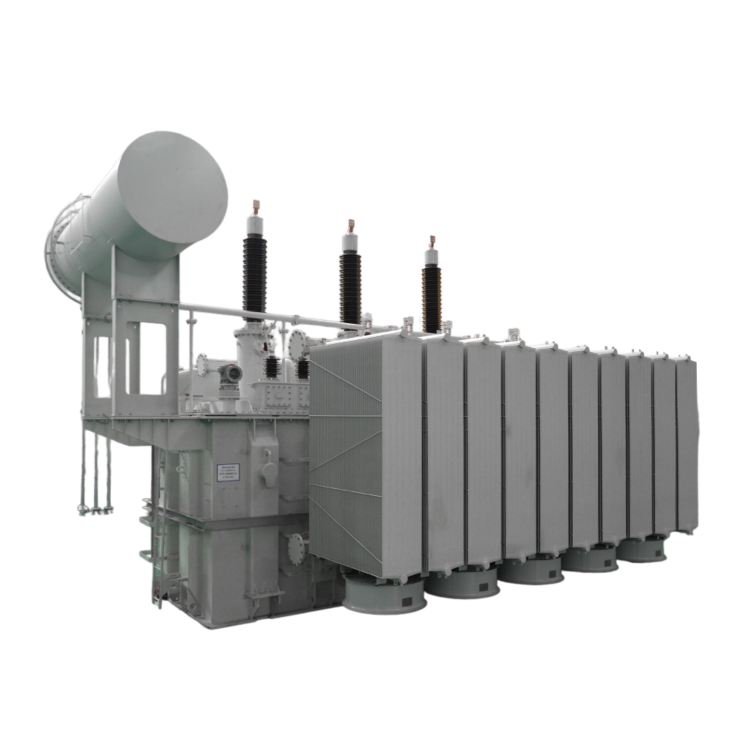
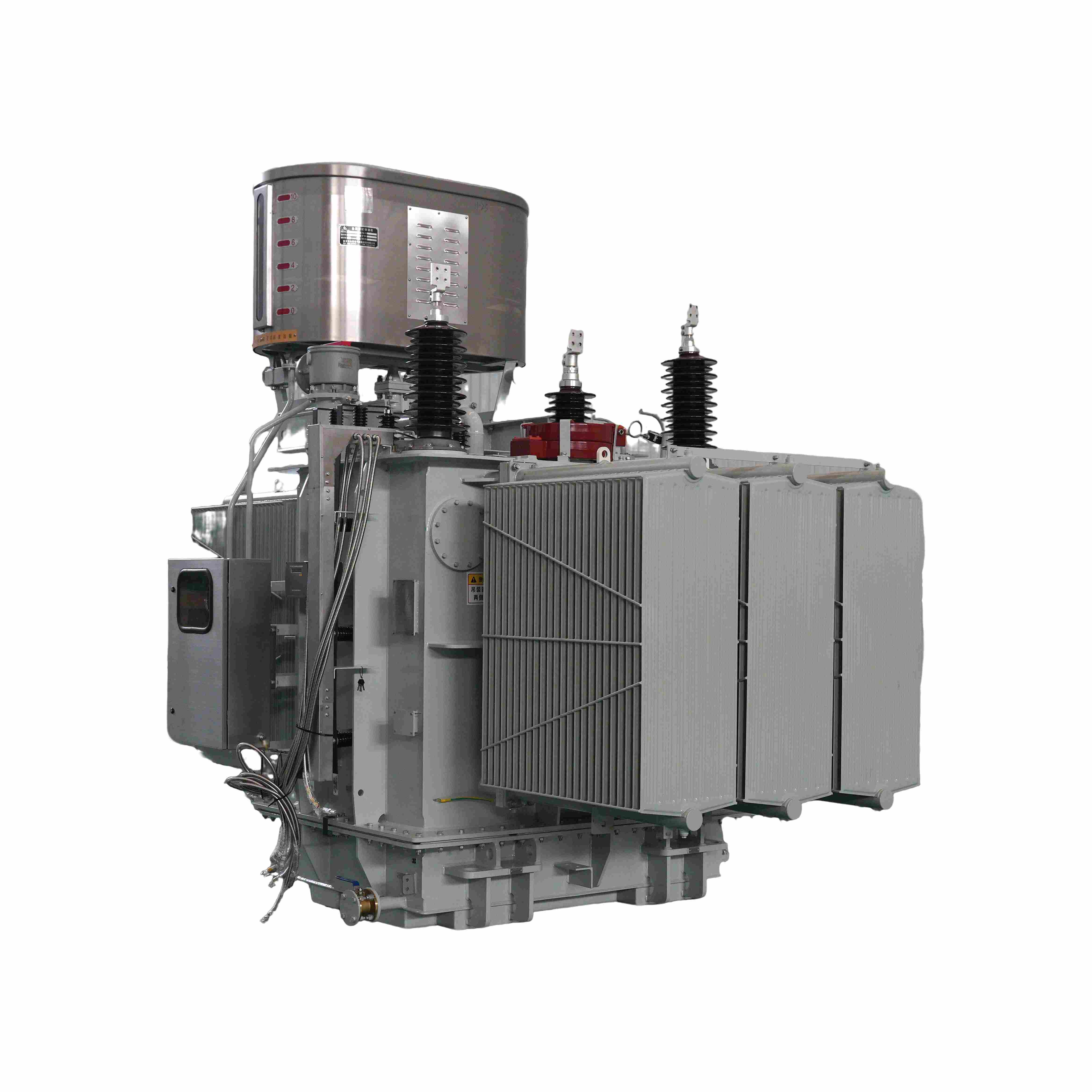
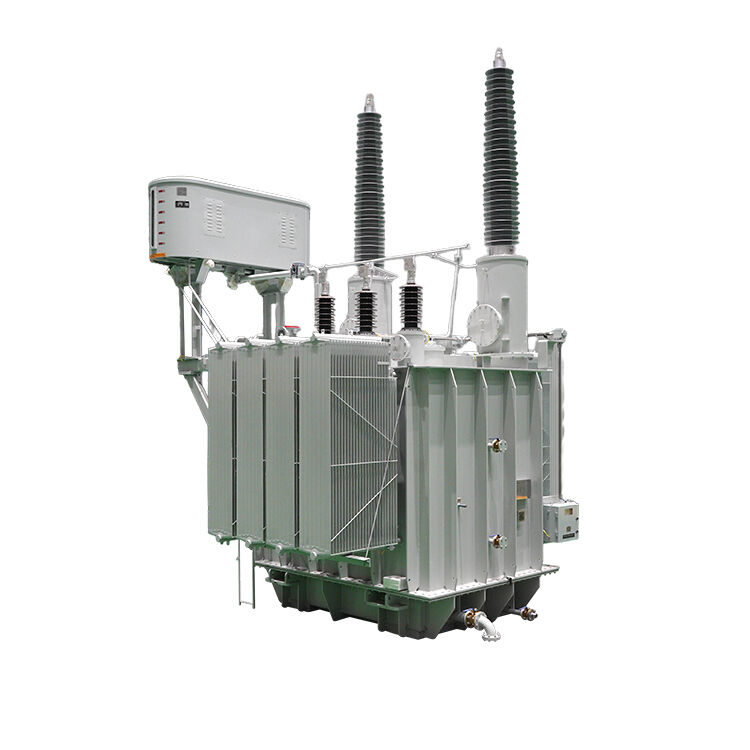
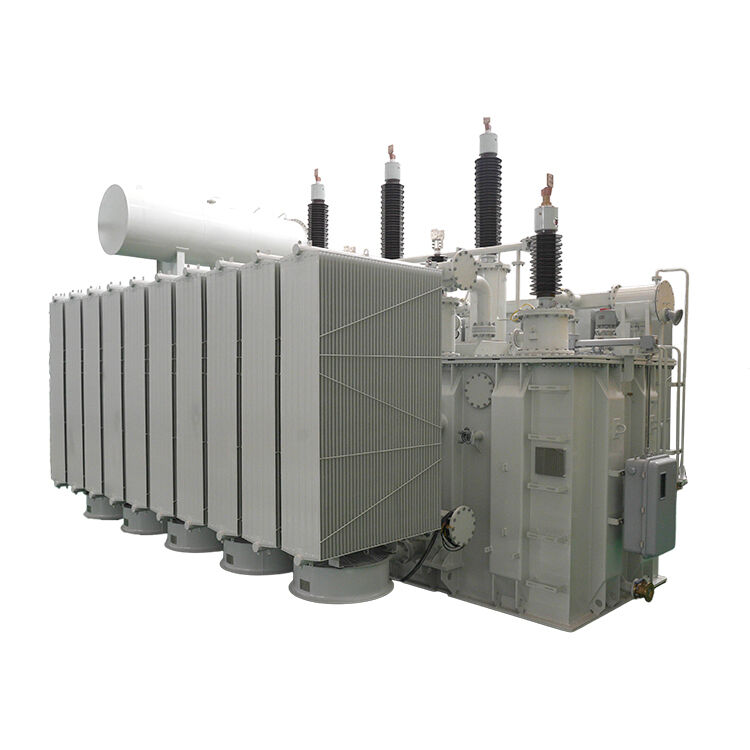
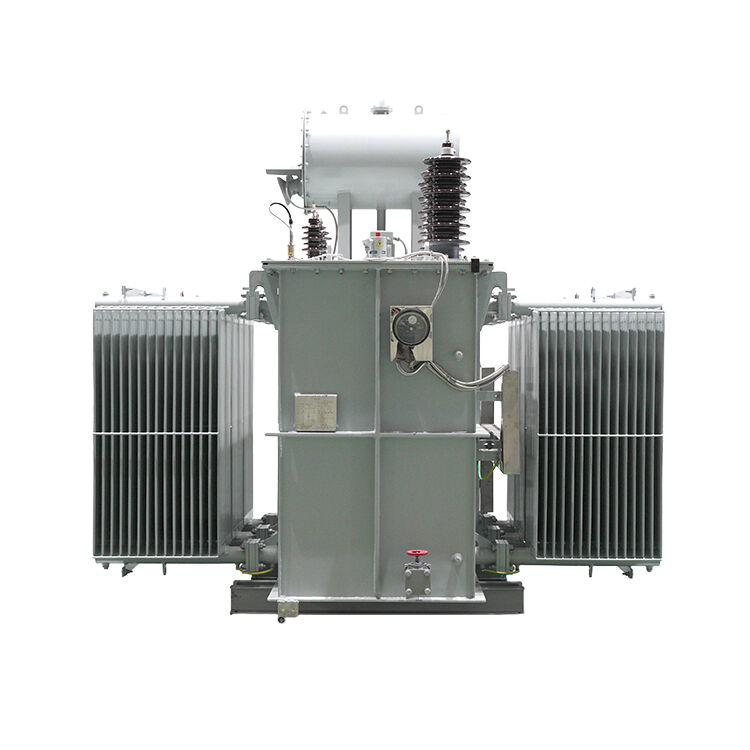
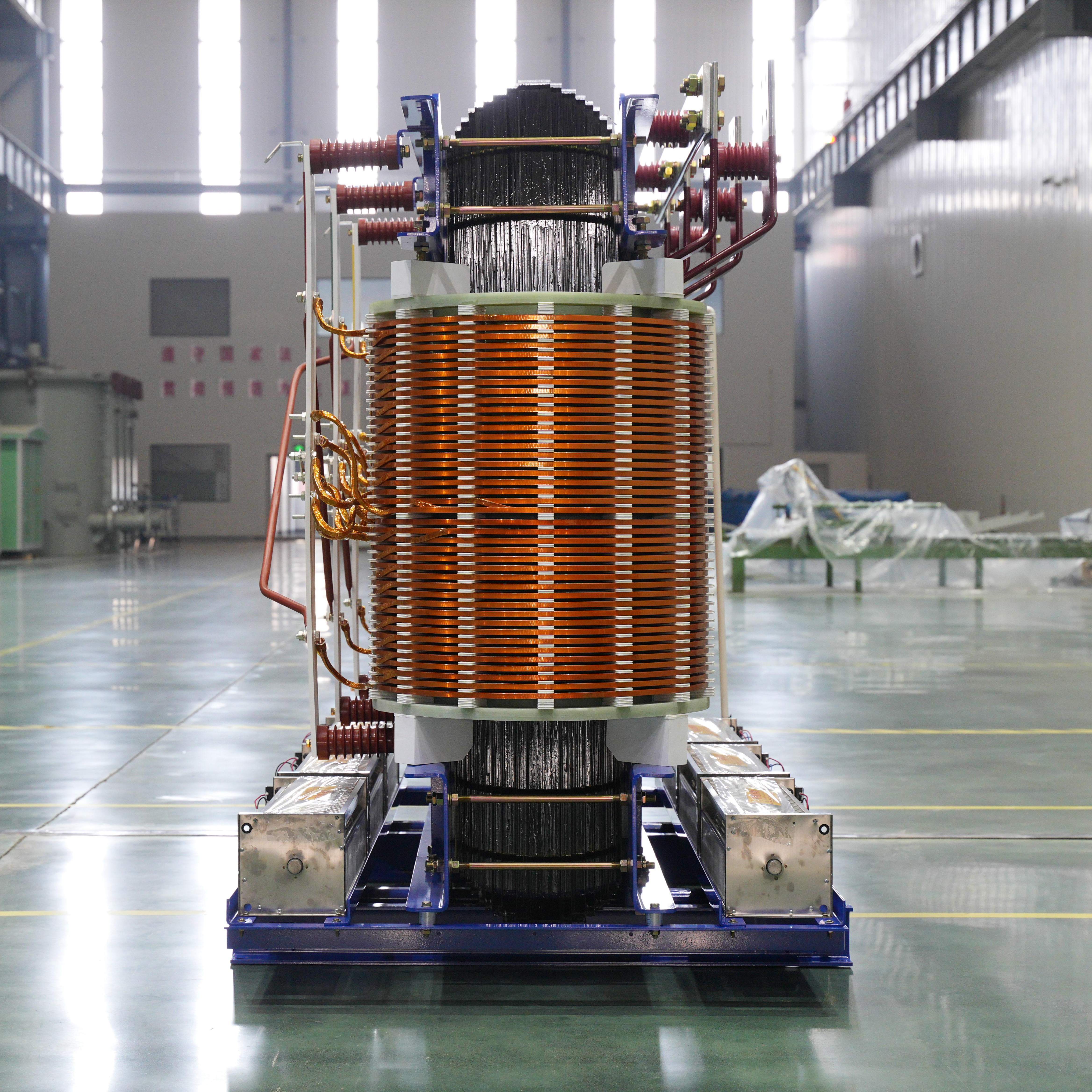
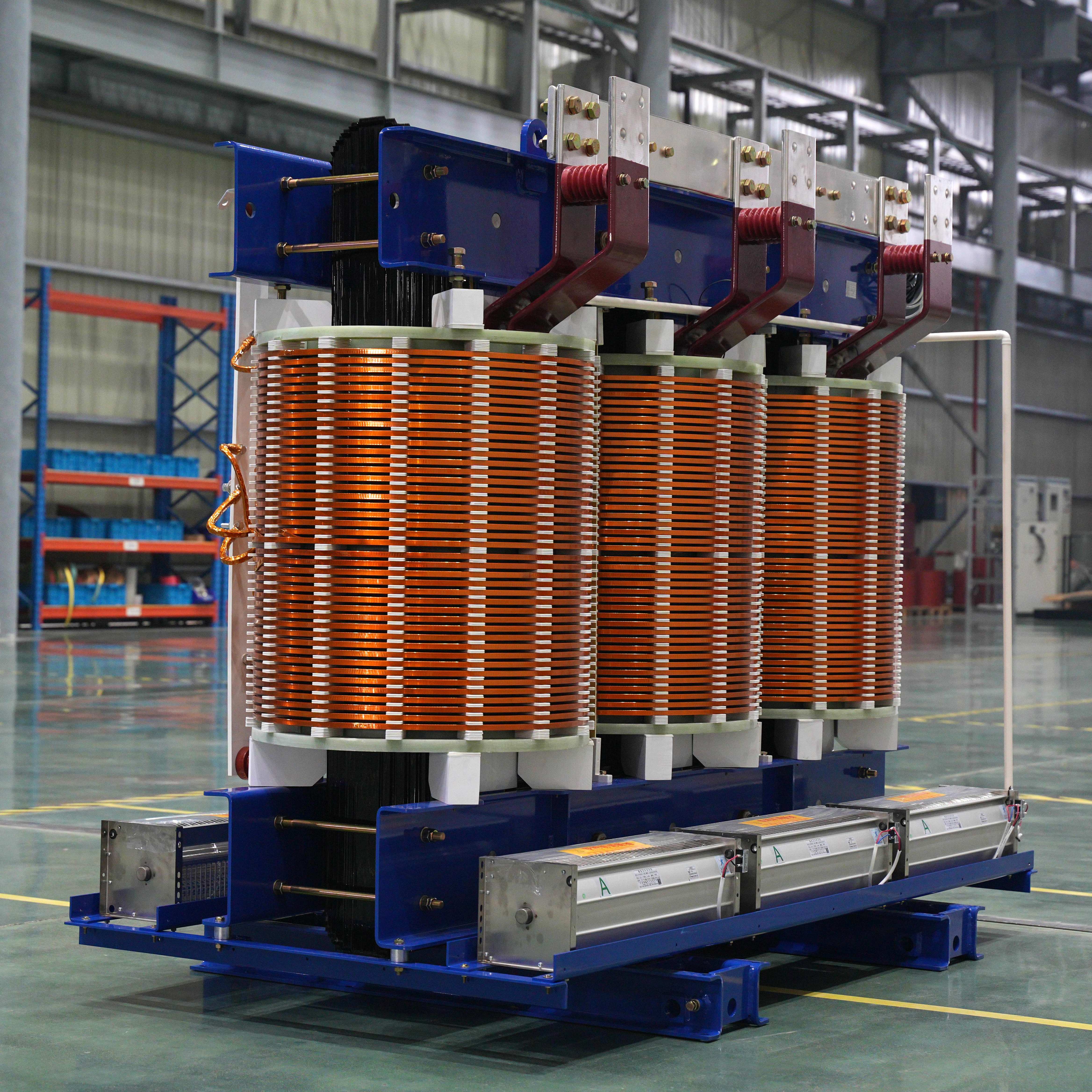
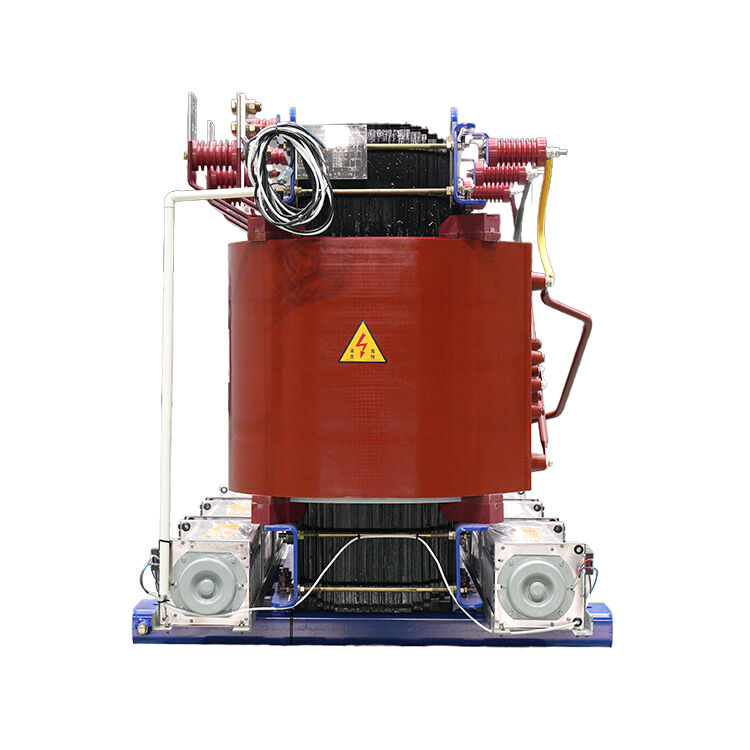
A dry type distribution transformer represents a crucial component in modern electrical infrastructure, serving as the primary means of voltage conversion in power distribution networks. Unlike oil-filled transformers, this innovative electrical equipment utilizes air or gas as the cooling and insulating medium, eliminating the need for liquid dielectrics. The dry type distribution transformer operates by electromagnetic induction principles, stepping down high voltage electricity to lower, more manageable levels suitable for commercial, industrial, and residential applications. These transformers typically handle voltage ranges from 4.16kV to 35kV on the primary side, converting to standard secondary voltages such as 480V, 208V, or 120V. The core construction features high-grade silicon steel laminations that minimize energy losses, while the windings employ either aluminum or copper conductors encased in specialized insulation materials. Modern dry type distribution transformers incorporate advanced cooling systems, including natural air circulation or forced air cooling mechanisms, ensuring optimal operating temperatures and extended equipment lifespan. The magnetic circuit design maximizes efficiency while reducing no-load losses, making these transformers environmentally conscious choices for sustainable electrical systems. Installation flexibility stands as a defining characteristic, as these units can be mounted indoors or outdoors without requiring specialized containment structures. The absence of flammable liquids significantly reduces fire hazards, making dry type distribution transformers ideal for installations in populated areas, hospitals, schools, and high-rise buildings. Temperature monitoring systems and protective relays ensure safe operation under varying load conditions, while compact designs facilitate integration into space-constrained electrical rooms and substations throughout urban and industrial environments.

Popular Products

Dry type distribution transformers offer compelling advantages that make them superior choices for numerous electrical applications across diverse industries and installations. Safety represents the most significant benefit, as these transformers eliminate fire and explosion risks associated with oil-filled alternatives. The absence of flammable liquids means no risk of oil spills, groundwater contamination, or environmental damage, making dry type distribution transformers environmentally responsible solutions for modern power systems. Installation costs decrease substantially since these units require no oil containment systems, fire suppression equipment, or specialized foundations designed to handle liquid dielectrics. Maintenance requirements drop dramatically compared to liquid-filled transformers, as operators need not monitor oil quality, replace degraded insulation fluids, or conduct regular oil testing procedures. This reduced maintenance translates directly into lower operational costs and improved system reliability over the transformer's service life. Indoor installation capabilities expand placement options significantly, allowing engineers to position dry type distribution transformers in basements, mechanical rooms, and other enclosed spaces where oil-filled units would pose unacceptable risks. The compact footprint optimizes space utilization in urban environments where real estate costs make efficient space usage economically critical. Overload capacity provides operational flexibility, as dry type distribution transformers can handle temporary load increases without immediate damage, unlike oil-filled units that may suffer permanent degradation from thermal stress. Environmental compliance becomes straightforward since these transformers contain no hazardous materials requiring special disposal procedures or regulatory oversight. Transportation costs remain minimal due to lighter weights and simplified shipping requirements without concerns about liquid spillage during transit. Temperature performance excels in extreme climates, as dry type distribution transformers operate effectively in both hot and cold environments without liquid freezing or expansion issues. Reliability increases through robust construction that withstands vibration, mechanical stress, and environmental conditions that might compromise oil-filled alternatives. Quick installation procedures reduce project timelines, as dry type distribution transformers arrive ready for immediate connection without preliminary testing or oil processing requirements, enabling faster project completion and earlier system energization.

Practical Tips

What Is a Transformer and How Does It Improve Power System Efficiency?

02

Jan

What Is a Transformer and How Does It Improve Power System Efficiency?

A transformer represents one of the most critical components in modern electrical power systems, serving as the backbone for efficient energy transmission and distribution across vast networks. These electromagnetic devices enable the seamless conver...
View More
Why Are Transformers Critical for Industrial Power Distribution Systems?

14

Jan

Why Are Transformers Critical for Industrial Power Distribution Systems?

Industrial power distribution systems form the backbone of modern manufacturing, commercial facilities, and critical infrastructure operations. At the heart of these complex networks lies a fundamental component that ensures safe, efficient, and reli...
View More
How Do Transformers Support Grid Stability in Large-Scale Power Networks?

20

Jan

How Do Transformers Support Grid Stability in Large-Scale Power Networks?

Large-scale power networks form the backbone of modern electrical infrastructure, requiring sophisticated equipment to maintain stability and reliability across vast geographical areas. Power transformers play a crucial role in these complex systems ...
View More
What Should Utilities Consider When Selecting a Transformer Supplier?

26

Jan

What Should Utilities Consider When Selecting a Transformer Supplier?

Selecting the right supplier for power infrastructure represents one of the most critical decisions utility companies face in today's rapidly evolving energy landscape. The process of choosing a power transformer supplier requires careful evaluation ...
View More

Get a Free Quote

Our representative will contact you soon.
Email
WhatsApp/Mobile
Name
Company Name
Message
0/1000

dry type distribution transformer

Superior Safety and Environmental Protection

Superior Safety and Environmental Protection

The exceptional safety profile of dry type distribution transformers stems from their fundamental design philosophy that eliminates liquid dielectrics entirely from the electrical system. This revolutionary approach removes the primary fire and explosion hazards associated with traditional oil-filled transformers, creating inherently safer electrical installations for personnel and property protection. The absence of flammable liquids means no risk of catastrophic fires that could spread rapidly through electrical facilities, making dry type distribution transformers ideal for installations in hospitals, schools, office buildings, and residential complexes where human safety takes absolute priority. Environmental protection benefits extend far beyond immediate safety concerns, as these transformers prevent potential soil and groundwater contamination that could result from oil leaks or spills in traditional transformer installations. The elimination of hazardous liquid disposal requirements simplifies end-of-life processing, reducing environmental impact and regulatory compliance costs throughout the equipment lifecycle. Indoor installation capabilities transform facility design possibilities, allowing engineers to place dry type distribution transformers in basements, parking garages, and mechanical rooms without extensive ventilation systems or fire suppression equipment required for oil-filled alternatives. This installation flexibility proves particularly valuable in dense urban environments where outdoor transformer placement faces space constraints and zoning restrictions. The robust construction withstands environmental challenges including temperature fluctuations, humidity variations, and seismic activity without risk of liquid leakage that could compromise electrical integrity or create safety hazards. Advanced insulation materials provide superior dielectric strength while maintaining stability across wide temperature ranges, ensuring consistent performance without degradation concerns associated with liquid dielectric aging. Safety monitoring systems integrated into modern dry type distribution transformers provide real-time temperature and load monitoring, enabling predictive maintenance strategies that prevent equipment failure and extend service life while maintaining optimal safety margins throughout operational periods.
Outstanding Operational Efficiency and Reliability

Outstanding Operational Efficiency and Reliability

Dry type distribution transformers deliver exceptional operational efficiency through advanced magnetic circuit designs and premium materials that minimize energy losses while maximizing power transfer capabilities. The sophisticated core construction utilizes high-grade silicon steel laminations with optimized grain orientation that reduces hysteresis and eddy current losses, achieving efficiency ratings exceeding 98 percent in many applications. This superior efficiency translates directly into reduced operating costs, lower carbon footprints, and improved overall system performance that benefits both utility companies and end users throughout the equipment's service life. Load handling capabilities demonstrate remarkable flexibility, as dry type distribution transformers can accommodate temporary overloads without immediate damage or performance degradation, unlike oil-filled alternatives that may suffer permanent efficiency loss from thermal stress. The natural cooling characteristics provide consistent temperature regulation through convection and radiation heat transfer, eliminating dependence on mechanical cooling systems that could fail and compromise transformer operation. Reliability stems from simplified construction with fewer components subject to failure, reduced maintenance requirements, and elimination of oil-related problems such as contamination, oxidation, or moisture absorption that plague liquid-filled transformers. Predictable performance characteristics ensure stable voltage regulation across varying load conditions, maintaining power quality essential for sensitive electronic equipment and industrial processes. The absence of moving parts in the cooling system eliminates mechanical wear concerns, while solid insulation materials resist degradation from environmental factors that could affect liquid dielectrics over time. Advanced monitoring capabilities enable condition-based maintenance strategies that optimize operational efficiency while preventing unexpected failures through early detection of developing problems. Temperature management systems automatically adjust cooling airflow in forced-air units, maintaining optimal operating conditions that extend equipment life while preserving peak efficiency ratings. Quality construction standards ensure consistent performance throughout rated operational periods, with typical service lives exceeding 30 years when properly installed and maintained according to manufacturer specifications and industry best practices.
Cost-Effective Installation and Maintenance Solutions

Cost-Effective Installation and Maintenance Solutions

The economic advantages of dry type distribution transformers become evident immediately during installation planning, as these units eliminate numerous costly requirements associated with oil-filled alternatives while providing superior long-term value propositions. Installation cost reductions begin with simplified foundation requirements, as dry type distribution transformers need no oil containment systems, spill prevention equipment, or specialized concrete pads designed to manage liquid dielectric concerns. The lighter weight characteristics reduce crane requirements and structural support costs, particularly beneficial in rooftop installations or elevated mounting situations where weight limitations constrain equipment selection. Transportation logistics become straightforward without concerns about oil spillage during shipping, eliminating specialized handling requirements and associated insurance costs that increase project expenses for liquid-filled transformers. Reduced installation timeframes translate into lower labor costs and faster project completion schedules, as dry type distribution transformers arrive ready for immediate connection without preliminary testing, oil processing, or system commissioning procedures required for oil-filled units. Maintenance cost advantages accumulate throughout the equipment lifecycle, as dry type distribution transformers require minimal routine service compared to oil-filled alternatives that need regular oil testing, filtration, and replacement procedures. The absence of oil sampling, laboratory analysis, and fluid management eliminates ongoing operational expenses while reducing maintenance personnel requirements and specialized equipment investments. Facility modifications become unnecessary, as dry type distribution transformers operate effectively in existing electrical rooms without ventilation upgrades, fire suppression systems, or environmental monitoring equipment mandated for oil-filled installations. Regulatory compliance costs decrease significantly since dry type distribution transformers avoid environmental regulations governing hazardous material storage, handling, and disposal that apply to liquid-filled equipment. Insurance premiums often reflect reduced fire and environmental risks, providing additional cost savings that improve total cost of ownership calculations over the transformer's operational life. Emergency response preparations simplify without flammable liquid concerns, reducing training requirements and specialized firefighting equipment needs that create ongoing operational expenses for facilities with oil-filled transformers installed in their electrical distribution systems.

Get a Free Quote

Our representative will contact you soon.
Email
WhatsApp/Mobile
Name
Company Name
Message
0/1000