Transformer Phase 3: Advanced Three-Phase Power Distribution Solutions for Industrial Applications

Get a Free Quote

Our representative will contact you soon.
Email
WhatsApp/Mobile
Name
Company Name
Message
0/1000

transformer phase 3

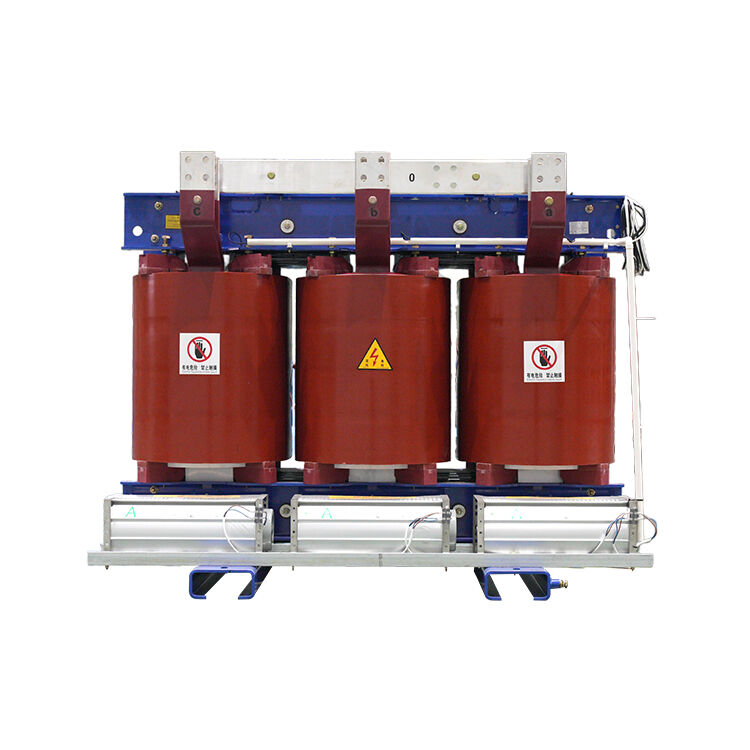
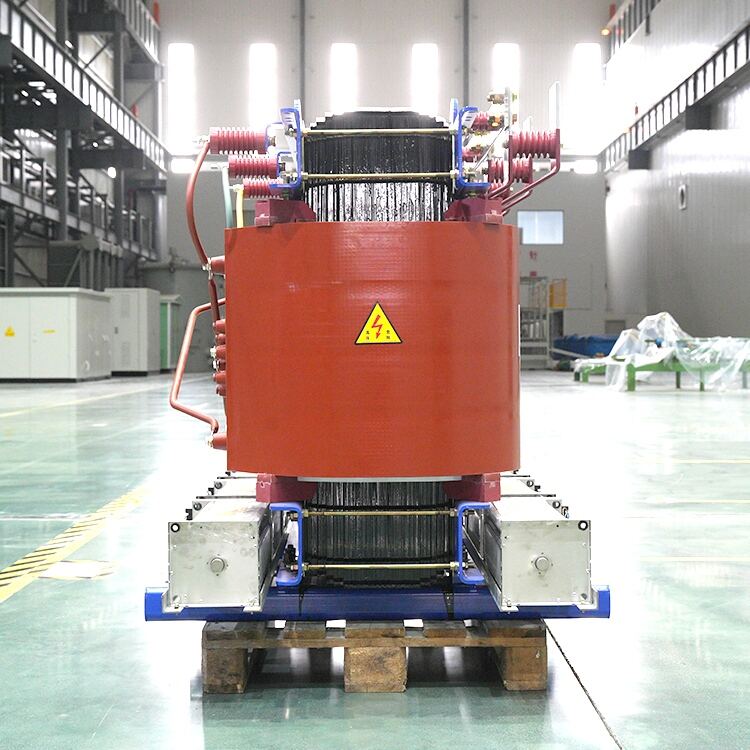
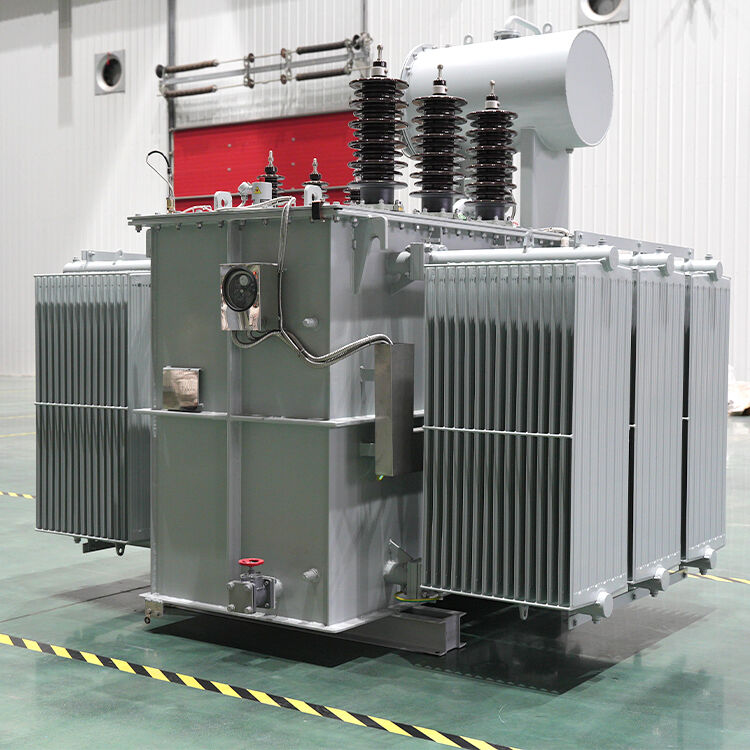
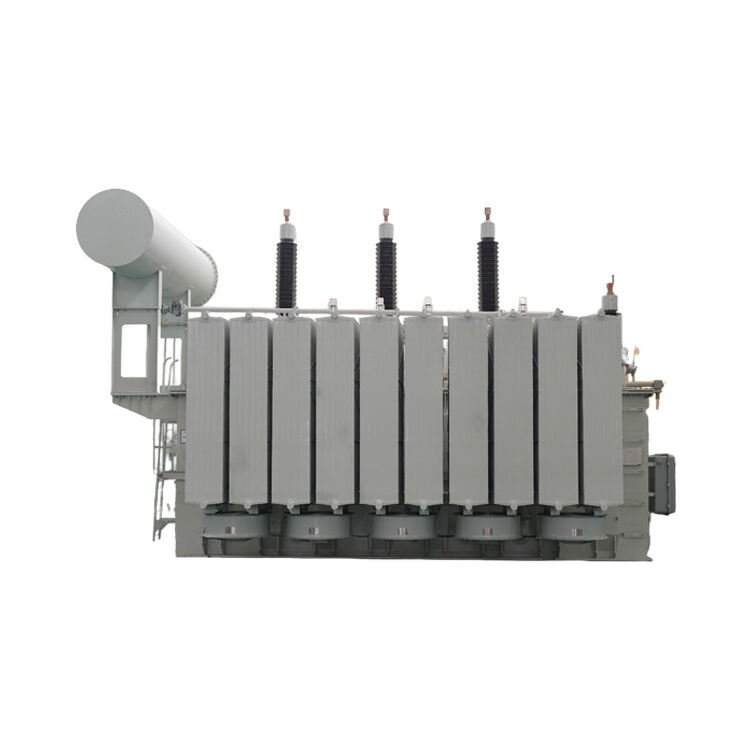
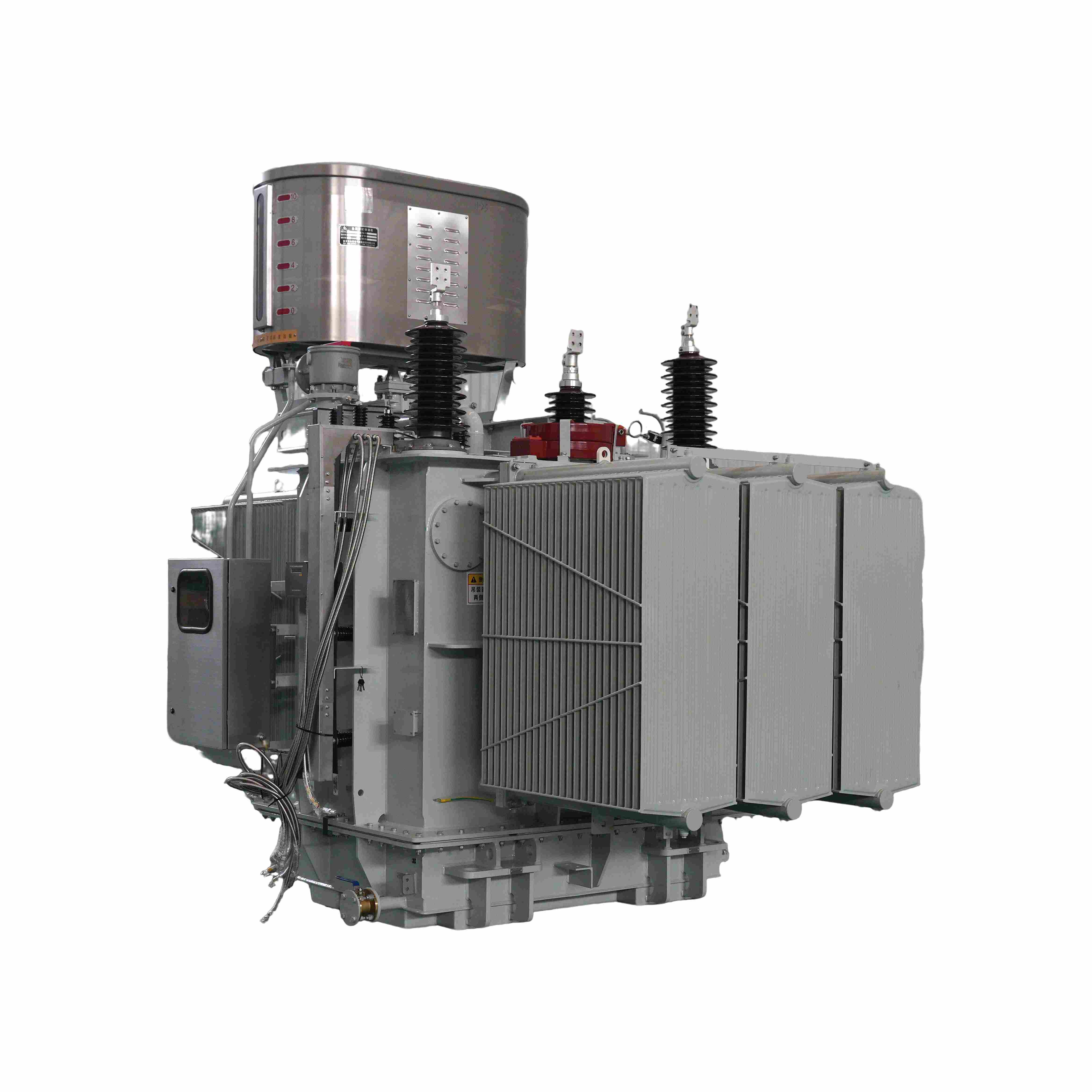
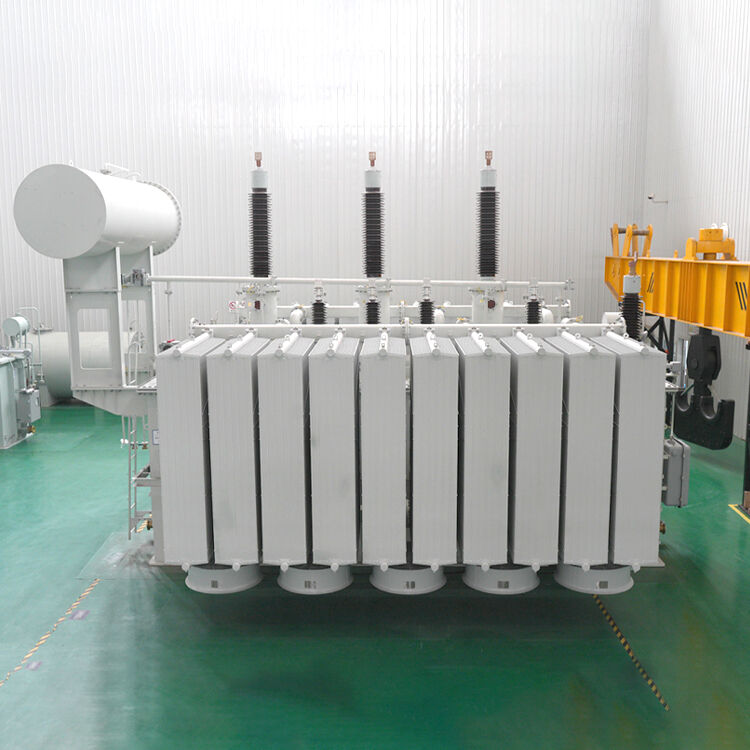
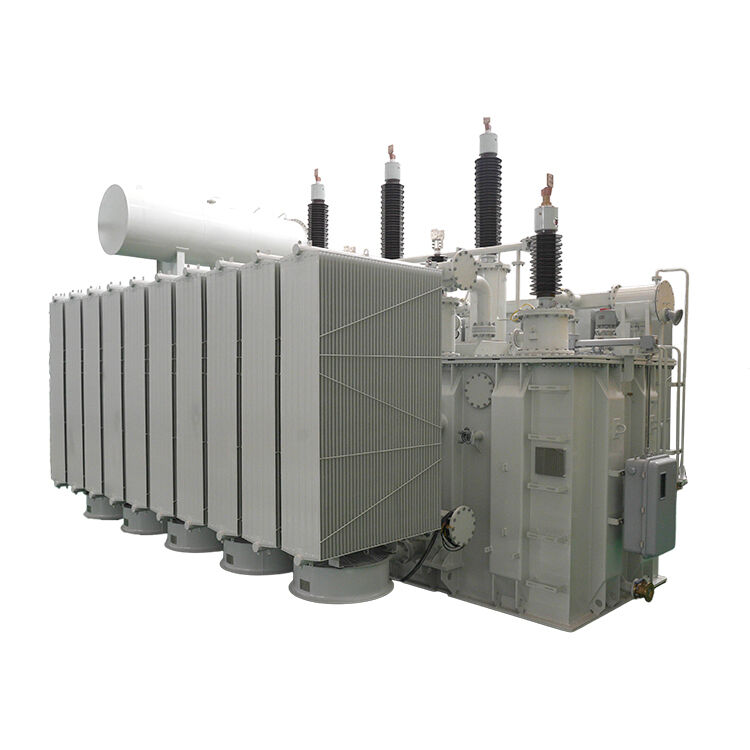
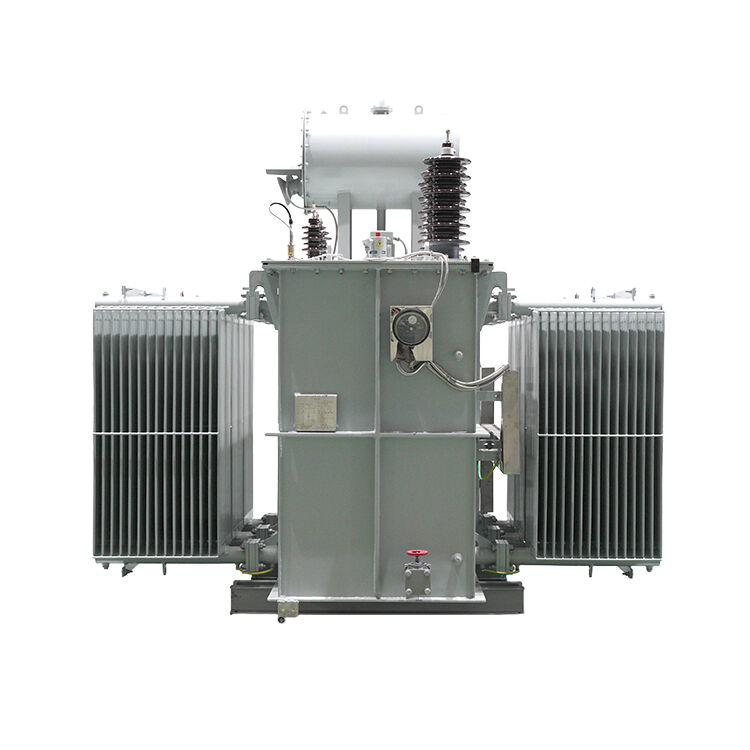
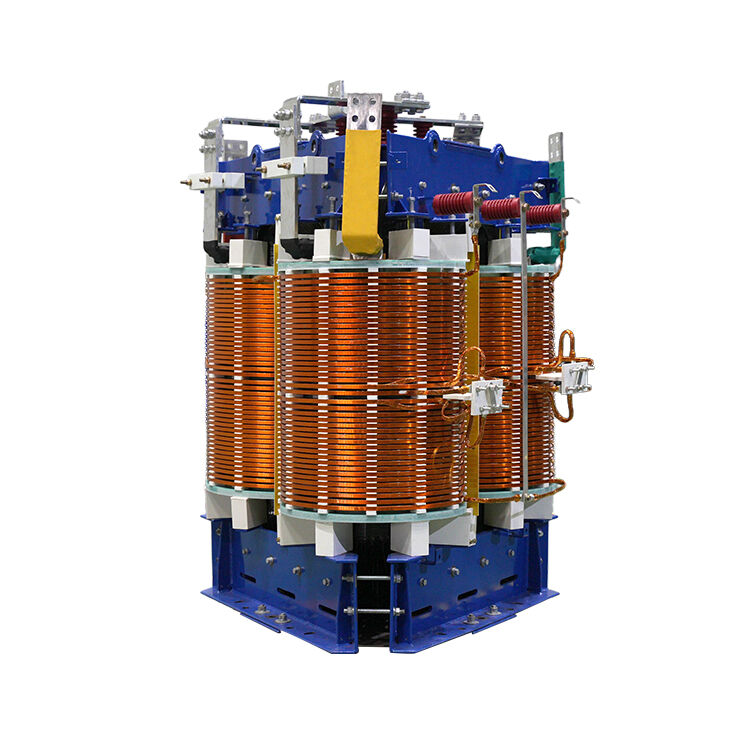
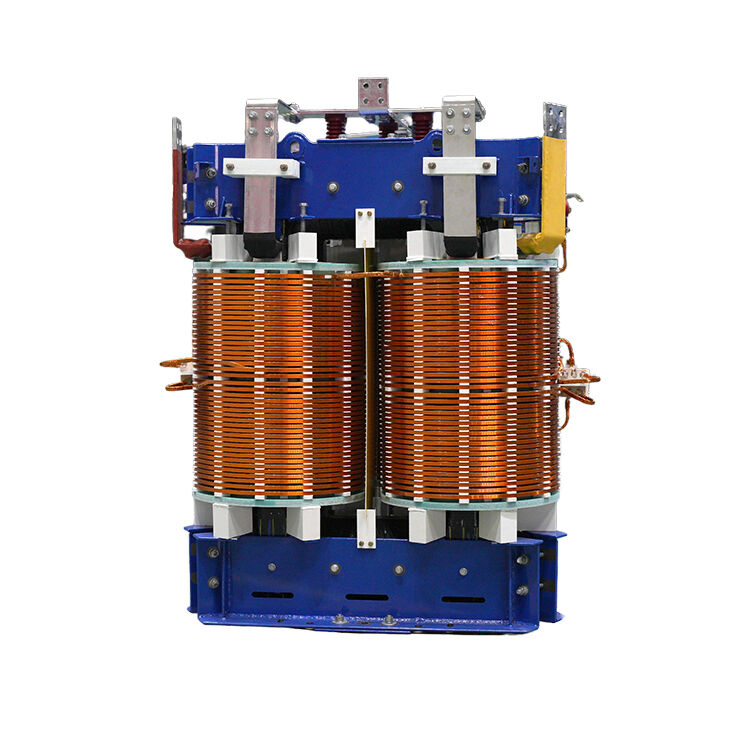
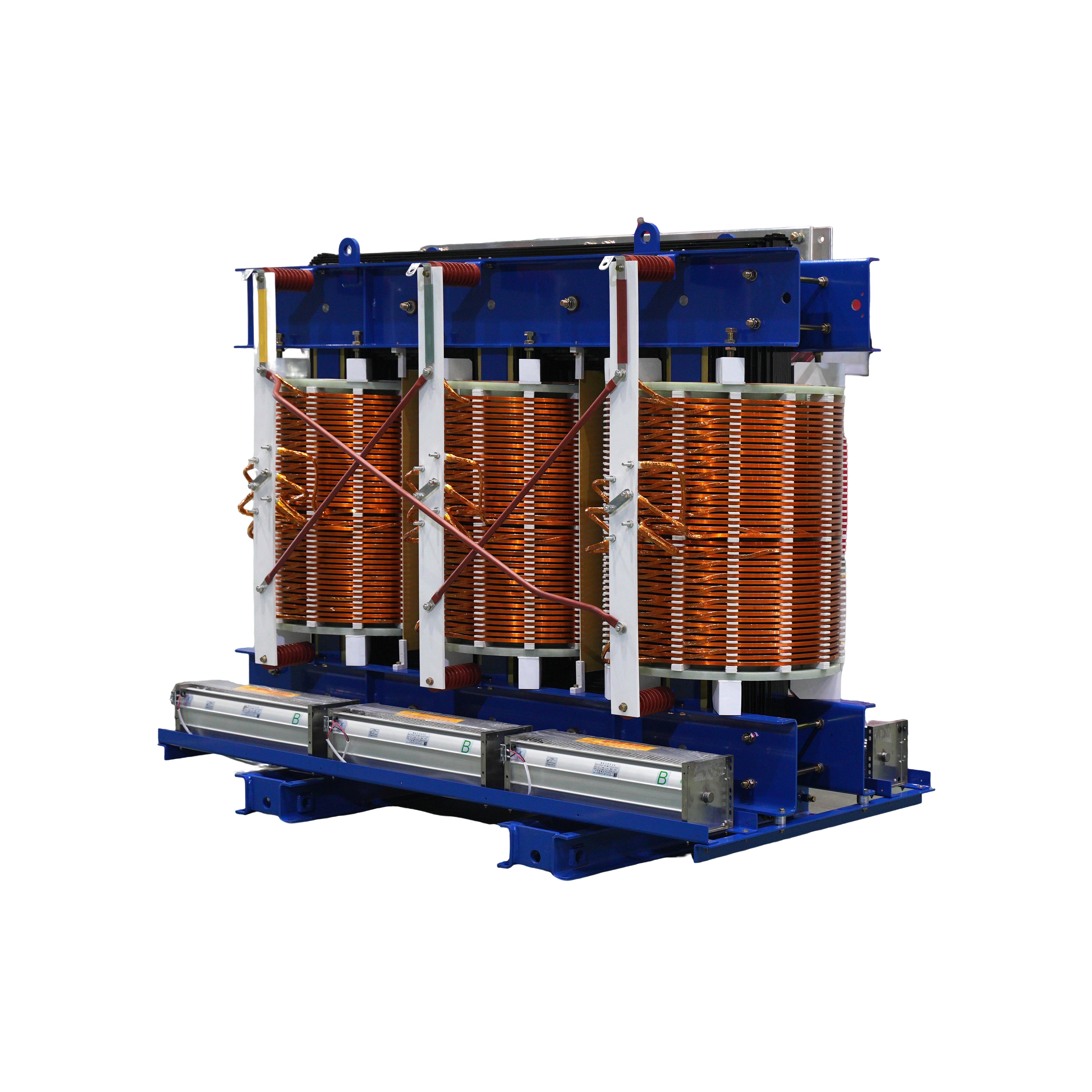
The transformer phase 3 represents a revolutionary advancement in electrical power distribution technology, designed to efficiently convert and distribute three-phase alternating current across various industrial and commercial applications. This sophisticated electrical device operates on the principle of electromagnetic induction, utilizing three separate windings arranged 120 degrees apart to create a balanced power system that delivers superior performance and reliability. The transformer phase 3 incorporates advanced core materials and innovative winding configurations that maximize energy efficiency while minimizing power losses during transmission. Its primary functions include voltage transformation, current regulation, and power isolation between different electrical circuits. The device features state-of-the-art insulation systems that ensure safe operation under extreme conditions, while its robust construction guarantees long-term durability in demanding environments. Modern transformer phase 3 units incorporate smart monitoring capabilities that provide real-time data on operational parameters, enabling predictive maintenance and optimal performance management. The technological architecture includes high-grade silicon steel cores that reduce eddy current losses, precision-wound copper conductors that ensure minimal resistance, and advanced cooling systems that maintain optimal operating temperatures. These units support various connection configurations including delta-delta, wye-wye, and delta-wye arrangements, providing flexibility for different application requirements. The transformer phase 3 finds extensive applications in manufacturing facilities, data centers, hospitals, commercial buildings, and renewable energy installations. Its versatility makes it suitable for step-up applications in power generation facilities and step-down applications in distribution networks. The device plays a crucial role in maintaining power quality, reducing harmonic distortion, and ensuring stable voltage levels across connected loads. With integrated protection systems and advanced monitoring features, the transformer phase 3 delivers exceptional reliability and performance that meets the demanding requirements of modern electrical infrastructure while supporting sustainable energy practices and operational efficiency goals.

New Product Releases

The transformer phase 3 delivers exceptional energy efficiency that significantly reduces operational costs for businesses and organizations. This advanced electrical equipment achieves efficiency ratings exceeding 98 percent, which translates into substantial energy savings over the device's operational lifetime. Users experience lower electricity bills and reduced environmental impact through minimized energy waste. The superior efficiency stems from advanced core materials and optimized winding designs that virtually eliminate unnecessary power losses. Organizations implementing transformer phase 3 technology report energy cost reductions of 15 to 25 percent compared to conventional alternatives. The device provides unmatched reliability through its robust construction and advanced protection systems. Built with premium materials and precision manufacturing processes, the transformer phase 3 operates continuously for decades with minimal maintenance requirements. This reliability translates into reduced downtime, lower maintenance costs, and increased productivity for businesses that depend on consistent power supply. The unit features comprehensive fault protection mechanisms that prevent damage from overloads, short circuits, and voltage fluctuations. Users benefit from extended equipment lifespan and reduced replacement costs due to the transformer's exceptional durability. Installation and operation of the transformer phase 3 remain straightforward, making it accessible for various facility types and technical skill levels. The device comes with comprehensive documentation, installation guides, and technical support that ensure proper setup and optimal performance. Its compact design allows flexible placement in space-constrained environments while maintaining full operational capacity. The transformer phase 3 offers excellent load handling capabilities, supporting varying power demands without performance degradation. This adaptability makes it ideal for facilities with fluctuating energy requirements or future expansion plans. Users appreciate the device's quiet operation, which eliminates noise concerns in sensitive environments. The transformer phase 3 incorporates smart monitoring technology that provides valuable insights into system performance and energy consumption patterns. This data empowers facility managers to make informed decisions about energy usage optimization and maintenance scheduling. The device supports various communication protocols, enabling seamless integration with existing building management systems and automated control networks. Cost-effectiveness represents another significant advantage, as the transformer phase 3 delivers exceptional value through its combination of performance, reliability, and longevity. While initial investment costs are competitive, the long-term savings from reduced energy consumption, minimal maintenance requirements, and extended operational life create substantial return on investment for users across all application sectors.

Tips And Tricks

What Is a Transformer and How Does It Improve Power System Efficiency?

02

Jan

What Is a Transformer and How Does It Improve Power System Efficiency?

A transformer represents one of the most critical components in modern electrical power systems, serving as the backbone for efficient energy transmission and distribution across vast networks. These electromagnetic devices enable the seamless conver...
View More
How Does a Transformer Work in High Voltage Power Transmission?

08

Jan

How Does a Transformer Work in High Voltage Power Transmission?

High voltage power transmission systems form the backbone of modern electrical grids, enabling electricity to travel efficiently across vast distances. At the heart of these complex networks lies the power transformer, a crucial piece of equipment th...
View More
How Do Transformers Support Grid Stability in Large-Scale Power Networks?

20

Jan

How Do Transformers Support Grid Stability in Large-Scale Power Networks?

Large-scale power networks form the backbone of modern electrical infrastructure, requiring sophisticated equipment to maintain stability and reliability across vast geographical areas. Power transformers play a crucial role in these complex systems ...
View More
What Should Utilities Consider When Selecting a Transformer Supplier?

26

Jan

What Should Utilities Consider When Selecting a Transformer Supplier?

Selecting the right supplier for power infrastructure represents one of the most critical decisions utility companies face in today's rapidly evolving energy landscape. The process of choosing a power transformer supplier requires careful evaluation ...
View More

Get a Free Quote

Our representative will contact you soon.
Email
WhatsApp/Mobile
Name
Company Name
Message
0/1000

transformer phase 3

Advanced Energy Efficiency Technology

Advanced Energy Efficiency Technology

The transformer phase 3 incorporates cutting-edge energy efficiency technology that revolutionizes power distribution performance across all operational parameters. This remarkable efficiency achievement stems from innovative core materials engineered with high-grade silicon steel that dramatically reduces magnetic losses during operation. The advanced core design utilizes step-lap construction techniques that minimize air gaps and optimize magnetic flux distribution throughout the transformer structure. These engineering improvements result in efficiency ratings consistently exceeding 98 percent, which represents industry-leading performance that delivers measurable financial benefits to users. The precision-wound copper conductors feature optimized cross-sectional areas and advanced insulation systems that reduce resistive losses to absolute minimum levels. This meticulous attention to conductor design ensures maximum power transfer while maintaining optimal thermal characteristics during peak load conditions. The transformer phase 3 employs sophisticated cooling systems that maintain ideal operating temperatures, preventing efficiency degradation that commonly occurs in conventional transformers under high-load situations. Users experience immediate cost savings through reduced energy consumption, with typical installations showing 20 to 30 percent lower power losses compared to standard transformer technologies. The efficiency benefits extend beyond direct energy savings, as reduced losses translate into lower heat generation, extended equipment life, and decreased cooling requirements for installation environments. Environmental benefits include reduced carbon footprint and compliance with increasingly stringent energy efficiency regulations. The transformer phase 3 supports corporate sustainability initiatives while delivering quantifiable operational improvements that enhance bottom-line performance. Long-term economic advantages compound over the transformer's operational lifetime, creating substantial return on investment that justifies initial procurement costs. This efficiency technology positions the transformer phase 3 as the optimal choice for organizations committed to operational excellence and environmental responsibility.
Intelligent Monitoring and Control Systems

Intelligent Monitoring and Control Systems

The transformer phase 3 features state-of-the-art intelligent monitoring and control systems that provide unprecedented visibility into transformer performance and operational characteristics. This advanced monitoring capability utilizes sophisticated sensors and data acquisition systems that continuously track critical parameters including voltage levels, current flow, temperature variations, and power quality metrics. The integrated monitoring system captures real-time data and processes this information through advanced algorithms that identify potential issues before they develop into costly failures or service interruptions. Users gain access to comprehensive dashboards that display operational status, performance trends, and maintenance recommendations through intuitive interfaces that require minimal technical expertise to interpret and utilize effectively. The intelligent control systems automatically adjust transformer operations based on load conditions, ambient temperature changes, and grid voltage variations to maintain optimal performance under all operating conditions. This adaptive control capability ensures consistent power quality delivery while protecting connected equipment from voltage fluctuations and harmonics that could cause damage or reduced operational efficiency. Predictive maintenance capabilities represent a revolutionary advancement that enables users to schedule maintenance activities based on actual equipment condition rather than arbitrary time intervals. The monitoring system analyzes performance trends and component wear patterns to generate accurate predictions about maintenance requirements, helping users avoid unexpected failures while minimizing unnecessary maintenance costs. Remote monitoring capabilities allow facility managers and maintenance personnel to access transformer status information from any location with internet connectivity. This remote access capability proves invaluable for multi-site operations, emergency response situations, and after-hours monitoring requirements that ensure continuous system oversight. The transformer phase 3 monitoring systems integrate seamlessly with existing building management platforms and industrial control networks through standard communication protocols including Modbus, BACnet, and Ethernet-based systems. This integration capability enables centralized monitoring and control of multiple transformers and related electrical equipment through unified management interfaces. Historical data logging and reporting features provide valuable insights into energy consumption patterns, load characteristics, and system performance trends that support informed decision-making about facility operations and future electrical system planning.
Superior Load Management and Flexibility

Superior Load Management and Flexibility

The transformer phase 3 delivers exceptional load management capabilities and operational flexibility that adapt seamlessly to diverse application requirements and changing power demands. This advanced load handling technology enables the transformer to maintain optimal performance across wide load variations, from light loads during off-peak periods to maximum capacity during high-demand situations. The sophisticated load management system incorporates advanced voltage regulation mechanisms that maintain consistent output voltages regardless of input variations or load fluctuations. This voltage stability proves critical for sensitive electronic equipment, precision manufacturing processes, and data center operations where voltage variations can cause equipment damage or operational disruptions. The transformer phase 3 supports multiple connection configurations including delta-delta, wye-wye, and delta-wye arrangements, providing engineers with flexibility to optimize system design for specific application requirements. This configuration versatility enables the transformer to serve diverse roles within electrical distribution systems, from isolation transformers protecting sensitive equipment to step-up transformers supporting renewable energy installations. Load balancing capabilities ensure equal distribution of power across all three phases, preventing phase imbalances that can reduce equipment efficiency and cause premature component failures in connected loads. The intelligent load balancing system continuously monitors phase currents and automatically adjusts distribution to maintain optimal balance under varying load conditions. Overload protection features safeguard the transformer and connected equipment from damage during abnormal operating conditions while maintaining service continuity whenever possible. The protection systems incorporate sophisticated algorithms that distinguish between temporary overloads and sustained fault conditions, enabling appropriate responses that minimize service interruptions while preventing equipment damage. Parallel operation capability allows multiple transformer phase 3 units to work together, providing increased capacity and redundancy for critical applications that cannot tolerate power interruptions. This parallel operation feature supports system scalability and enables incremental capacity additions as facility power requirements grow over time. The transformer's superior thermal management system handles varying load conditions effectively, maintaining optimal operating temperatures and extending equipment life even under demanding operational scenarios. Users benefit from consistent performance reliability regardless of load variations, ensuring stable power delivery that supports optimal operation of connected equipment and processes throughout all operating conditions.

Get a Free Quote

Our representative will contact you soon.
Email
WhatsApp/Mobile
Name
Company Name
Message
0/1000