Main Transformer for Power Plant - High Efficiency Power Generation Solutions

Get a Free Quote

Our representative will contact you soon.
Email
WhatsApp/Mobile
Name
Company Name
Message
0/1000

main transformer for power plant

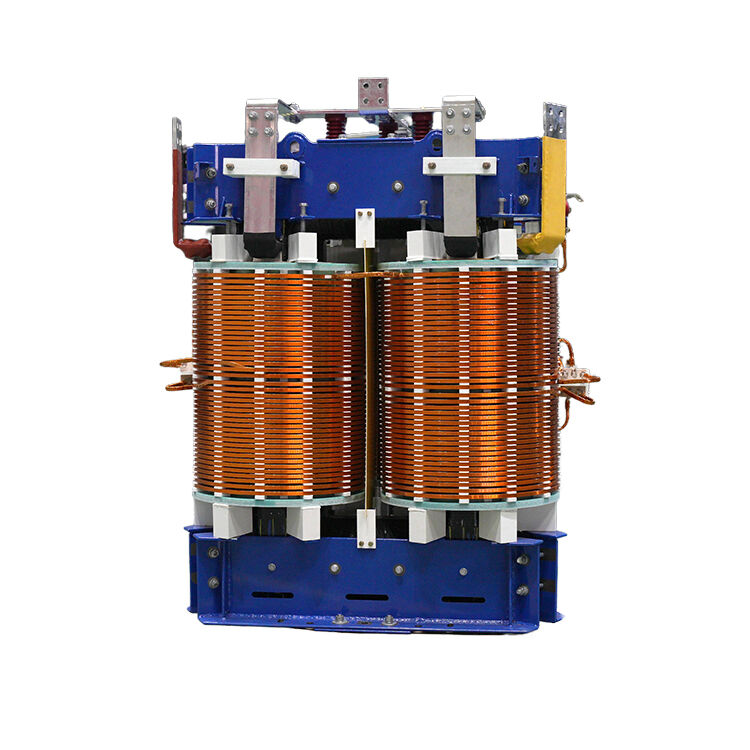
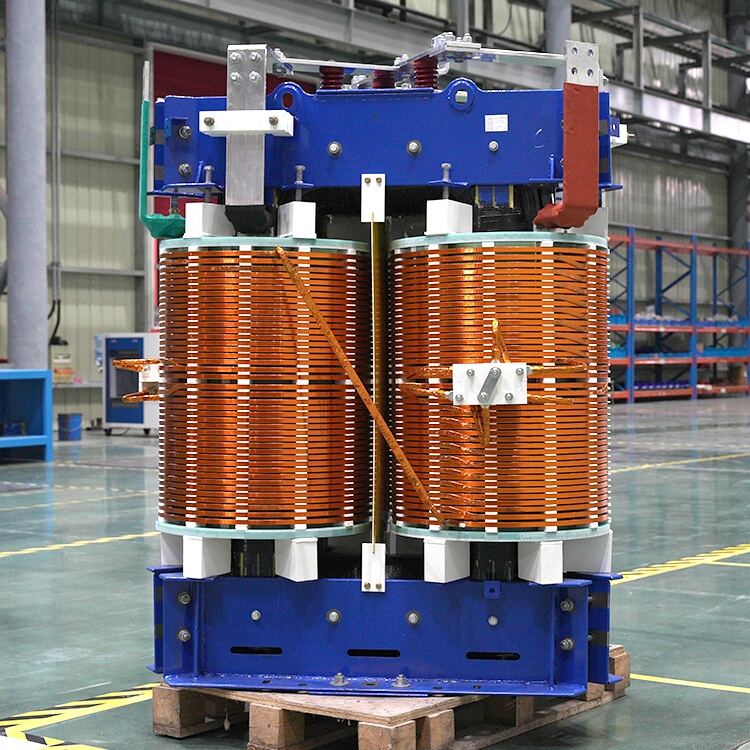
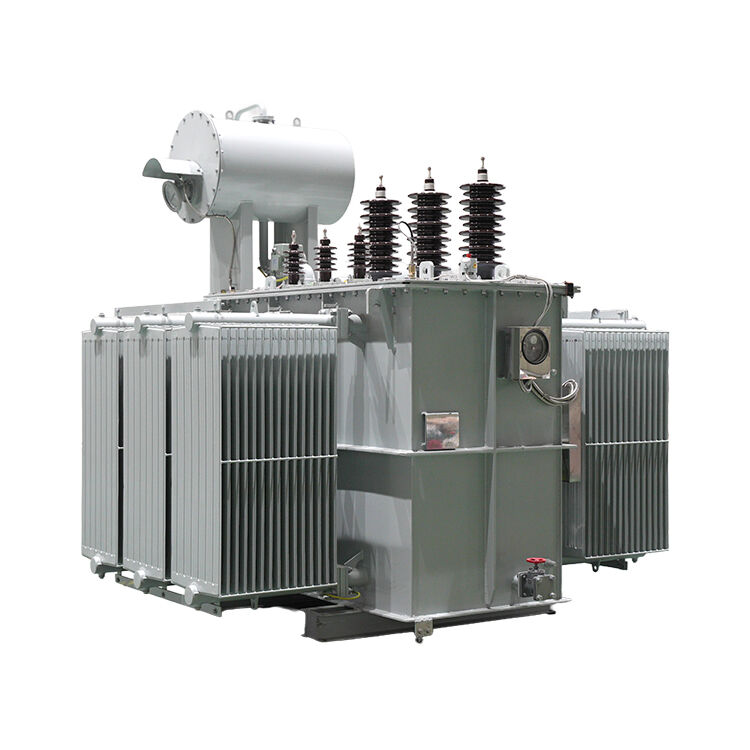
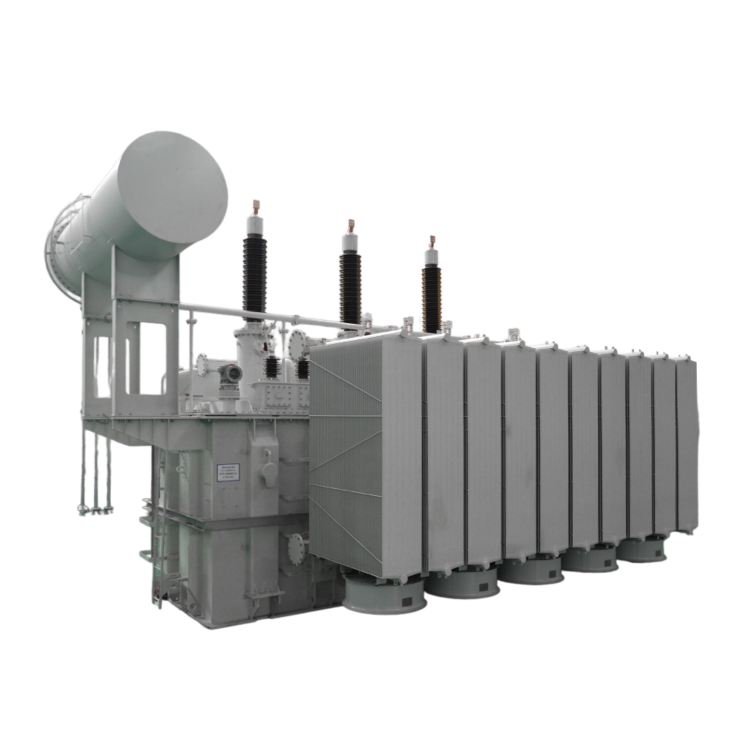
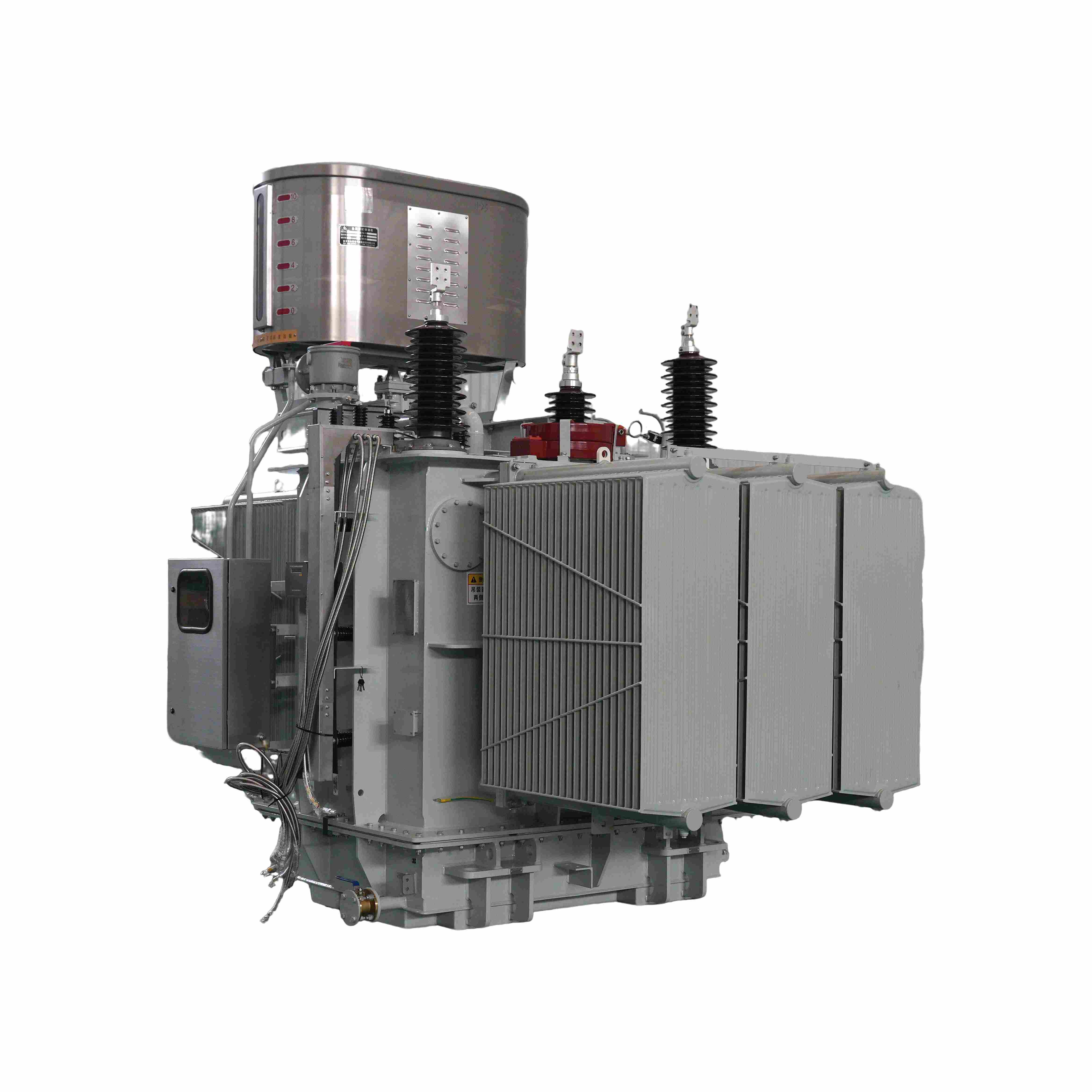
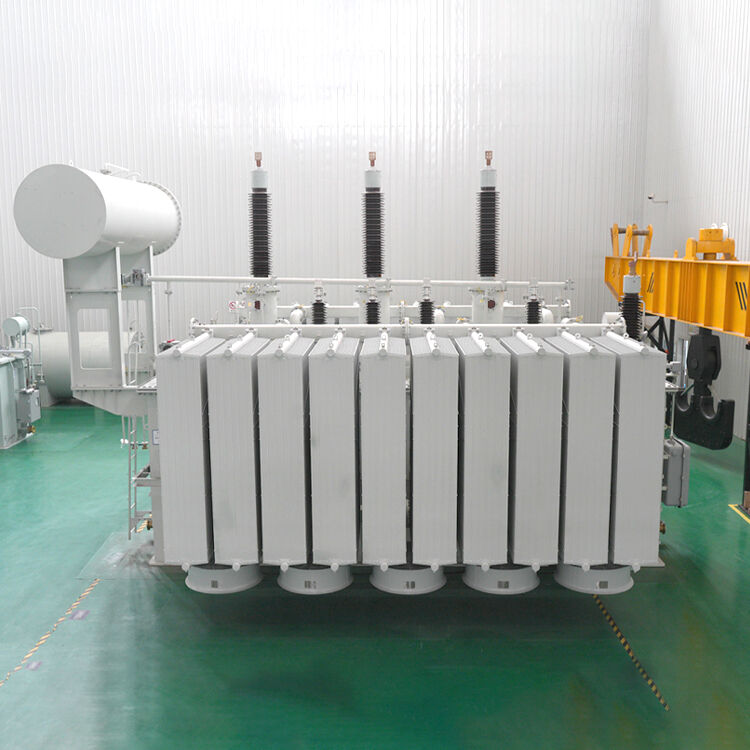
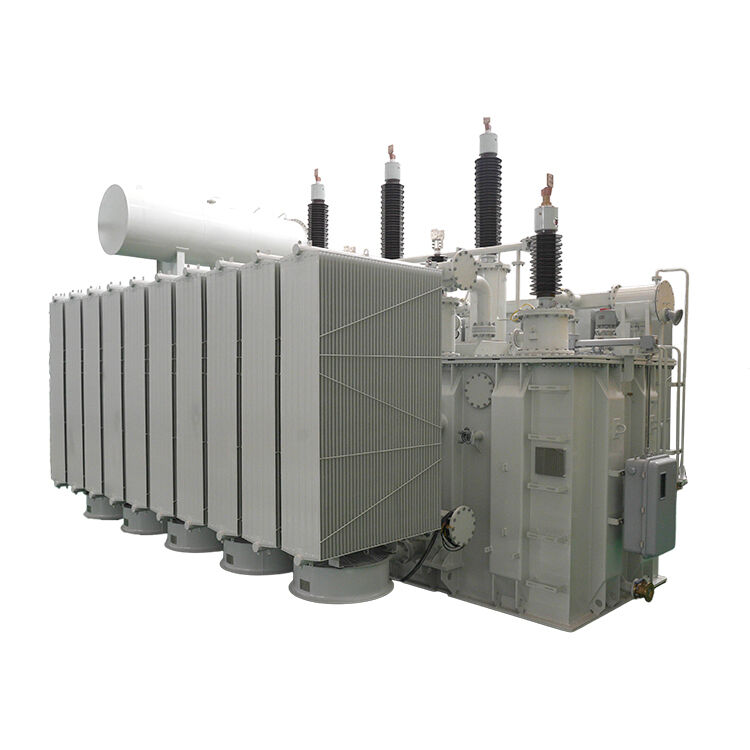
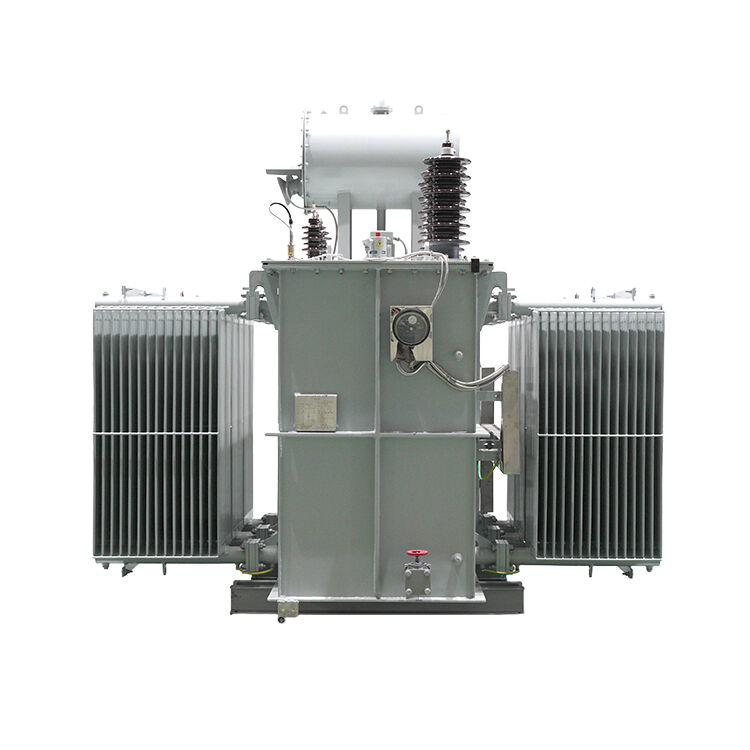
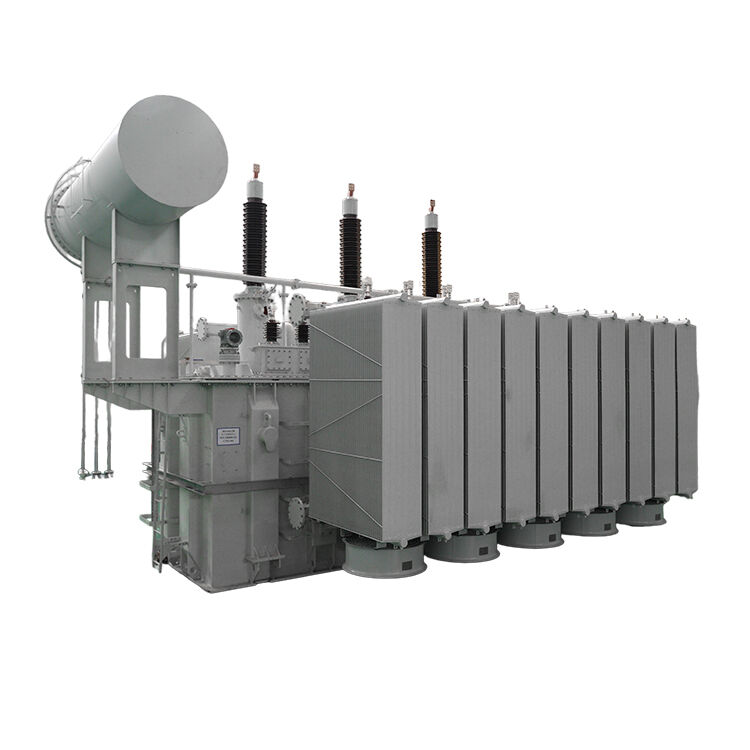
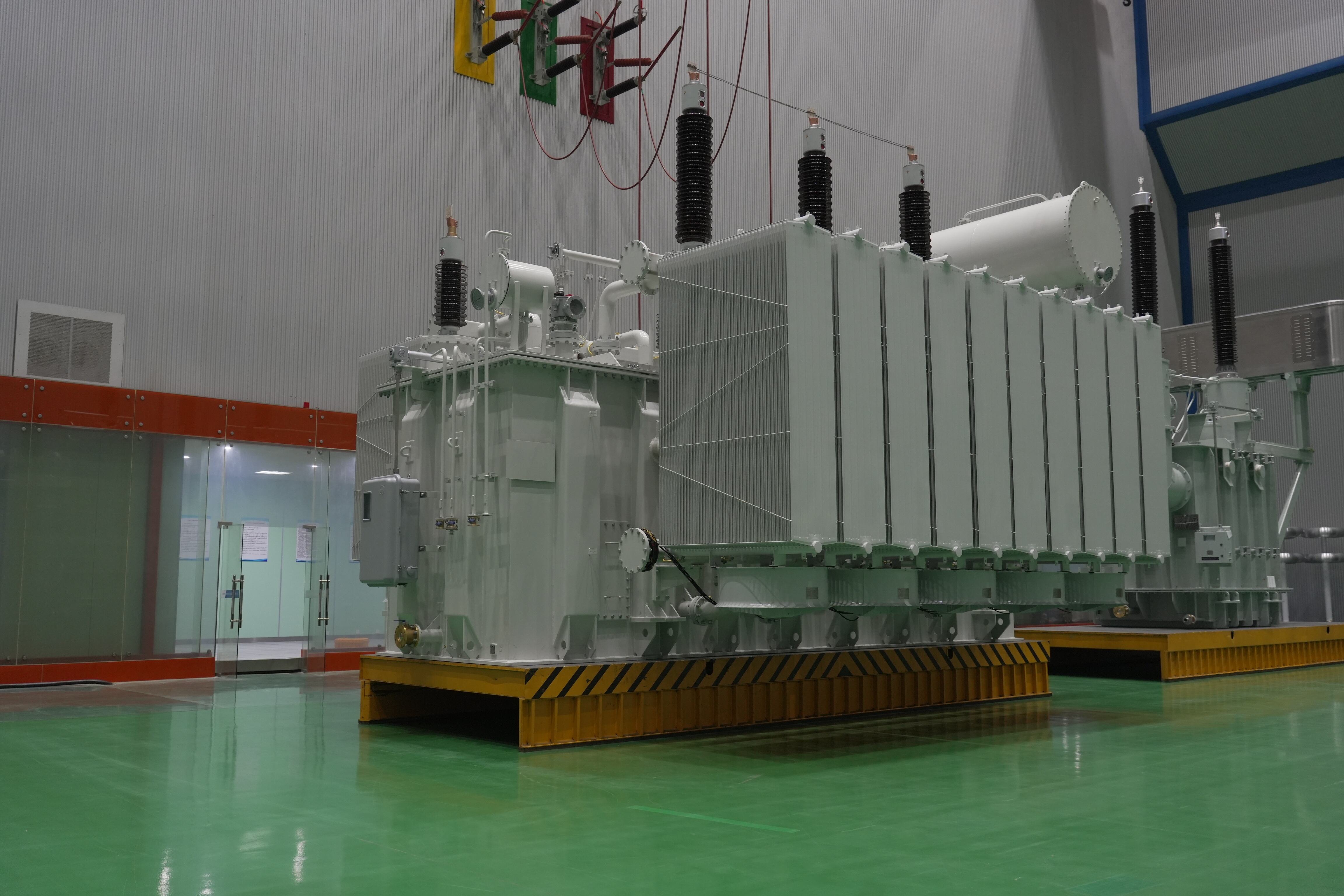
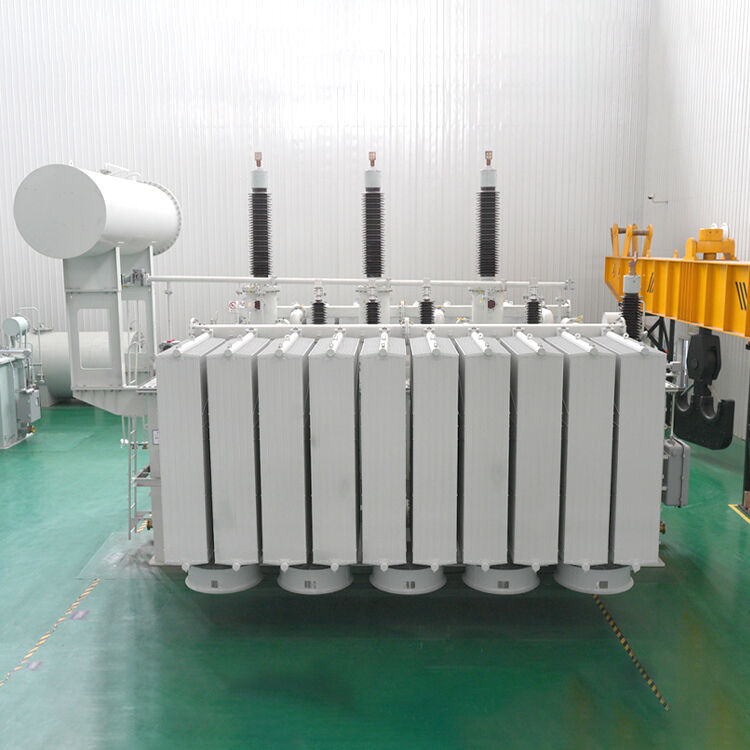
The main transformer for power plant serves as the critical backbone of electrical power generation facilities, functioning as the primary interface between power generation units and the electrical transmission network. This sophisticated electrical equipment operates at the heart of power stations, where it performs the essential task of stepping up generated voltage levels from turbine generators to high transmission voltages suitable for long-distance power delivery. The main transformer for power plant typically handles massive power capacities ranging from 100 MVA to over 1000 MVA, making it one of the most significant and expensive components within any power generation facility. These transformers employ advanced insulation systems, often utilizing mineral oil or synthetic ester fluids as cooling and insulating mediums, ensuring reliable operation under extreme electrical and thermal stress conditions. The technological features of the main transformer for power plant include sophisticated cooling systems such as forced oil circulation with air or water cooling, advanced protection systems with differential relays and buchholz relays, and robust construction designed to withstand mechanical forces during short-circuit conditions. Modern main transformer for power plant units incorporate digital monitoring systems that continuously track parameters like temperature, moisture content, dissolved gas analysis, and partial discharge levels, enabling predictive maintenance strategies that maximize operational reliability. The applications of these transformers extend across various power generation technologies including thermal power plants, nuclear facilities, hydroelectric stations, and renewable energy installations such as wind farms and solar power plants. The main transformer for power plant design must accommodate specific voltage levels dictated by national grid requirements, typically ranging from 110kV to 765kV on the high voltage side, while the generator side voltage usually ranges from 6kV to 30kV depending on the generator design and capacity requirements.

New Product Recommendations

The main transformer for power plant offers numerous compelling advantages that directly translate into operational excellence and economic benefits for power generation facilities. First and foremost, these transformers provide exceptional efficiency ratings typically exceeding 99.5 percent, which means minimal energy losses during voltage transformation, resulting in significant cost savings over the transformer's operational lifetime. This high efficiency of the main transformer for power plant directly impacts the overall plant efficiency and reduces operational expenses while maximizing revenue generation. The robust construction and premium materials used in manufacturing ensure exceptional reliability and longevity, with typical service lives extending 30 to 40 years under proper maintenance conditions. This extended operational lifespan provides excellent return on investment and reduces the frequency of costly replacement projects. The main transformer for power plant incorporates advanced cooling systems that maintain optimal operating temperatures even under maximum load conditions, preventing premature aging and ensuring consistent performance throughout varying operational demands. Modern units feature sophisticated monitoring capabilities that provide real-time insights into transformer health, enabling operators to implement proactive maintenance strategies that prevent unexpected failures and extend equipment life. The standardized design and construction of the main transformer for power plant facilitate easier maintenance procedures and spare parts availability, reducing downtime and maintenance costs. These transformers demonstrate excellent load handling capabilities, accommodating both steady-state operations and transient conditions that occur during grid disturbances or switching operations. The environmental benefits include reduced carbon footprint through high efficiency operation and the use of biodegradable insulating fluids in many modern designs. Installation flexibility allows the main transformer for power plant to be configured for various plant layouts and voltage requirements, making them suitable for diverse power generation projects. The proven technology reduces project risks and ensures reliable power delivery to the transmission network, which is crucial for grid stability and energy security. Additionally, these transformers support grid modernization initiatives by providing the necessary voltage transformation capabilities for integrating renewable energy sources into existing power infrastructure.

Tips And Tricks

What Is a Transformer and How Does It Improve Power System Efficiency?

02

Jan

What Is a Transformer and How Does It Improve Power System Efficiency?

A transformer represents one of the most critical components in modern electrical power systems, serving as the backbone for efficient energy transmission and distribution across vast networks. These electromagnetic devices enable the seamless conver...
View More
How Does a Transformer Work in High Voltage Power Transmission?

08

Jan

How Does a Transformer Work in High Voltage Power Transmission?

High voltage power transmission systems form the backbone of modern electrical grids, enabling electricity to travel efficiently across vast distances. At the heart of these complex networks lies the power transformer, a crucial piece of equipment th...
View More
How Do Transformers Support Grid Stability in Large-Scale Power Networks?

20

Jan

How Do Transformers Support Grid Stability in Large-Scale Power Networks?

Large-scale power networks form the backbone of modern electrical infrastructure, requiring sophisticated equipment to maintain stability and reliability across vast geographical areas. Power transformers play a crucial role in these complex systems ...
View More
What Should Utilities Consider When Selecting a Transformer Supplier?

26

Jan

What Should Utilities Consider When Selecting a Transformer Supplier?

Selecting the right supplier for power infrastructure represents one of the most critical decisions utility companies face in today's rapidly evolving energy landscape. The process of choosing a power transformer supplier requires careful evaluation ...
View More

Get a Free Quote

Our representative will contact you soon.
Email
WhatsApp/Mobile
Name
Company Name
Message
0/1000

main transformer for power plant

Superior Efficiency and Economic Performance

Superior Efficiency and Economic Performance

The main transformer for power plant delivers outstanding economic value through its exceptional efficiency ratings that consistently exceed 99.5 percent across all loading conditions. This remarkable efficiency translates directly into substantial financial benefits for power plant operators, as even marginal improvements in transformer efficiency can result in millions of dollars in energy savings over the equipment's operational lifetime. The high efficiency of the main transformer for power plant stems from advanced core materials utilizing high-grade grain-oriented electrical steel with optimized magnetic properties, reducing core losses to absolute minimum levels. Additionally, the winding design incorporates premium copper conductors with optimized current density distribution, minimizing resistive losses while maintaining excellent mechanical strength. The superior efficiency characteristics become particularly valuable during peak demand periods when electricity prices are highest, maximizing revenue potential for power generation facilities. Modern main transformer for power plant units employ sophisticated loss minimization techniques including step-lap core construction, advanced winding configurations, and optimized cooling systems that maintain peak efficiency across the entire load spectrum. The economic impact extends beyond direct energy savings to include reduced cooling requirements, lower maintenance costs, and improved plant heat rate, all contributing to enhanced profitability. Environmental compliance benefits arise from reduced fuel consumption and lower emissions per unit of electricity delivered to the grid. The main transformer for power plant efficiency advantage becomes increasingly important as environmental regulations tighten and carbon pricing mechanisms are implemented globally. Long-term economic studies consistently demonstrate that investing in high-efficiency transformers provides superior lifecycle cost benefits compared to standard efficiency alternatives, making them the preferred choice for new power plant construction and replacement projects in existing facilities.
Advanced Reliability and Monitoring Technology

Advanced Reliability and Monitoring Technology

The main transformer for power plant incorporates cutting-edge reliability features and monitoring technologies that ensure uninterrupted power delivery while providing comprehensive equipment health insights. Advanced diagnostic systems continuously monitor critical parameters including dissolved gas analysis, partial discharge detection, moisture content, and temperature distribution throughout the transformer structure. These sophisticated monitoring capabilities enable operators to identify potential issues before they develop into serious problems, significantly reducing the risk of unexpected failures that could result in costly outages and equipment damage. The main transformer for power plant reliability is enhanced through robust design features including reinforced windings capable of withstanding severe short-circuit forces, advanced insulation systems designed for long-term electrical and thermal stress, and comprehensive protection schemes that isolate the transformer during abnormal conditions. Modern units feature redundant cooling systems with automatic backup activation, ensuring continuous operation even during cooling system maintenance or component failures. The reliability advantage of the main transformer for power plant extends to its ability to handle grid disturbances and switching transients without compromising operational integrity or requiring immediate maintenance intervention. Digital monitoring platforms provide remote access capabilities, allowing expert technicians to analyze transformer performance data and provide maintenance recommendations without requiring on-site visits. Predictive maintenance algorithms analyze historical data trends to forecast maintenance requirements and optimize service intervals, reducing both planned and unplanned outages. The main transformer for power plant monitoring systems integrate seamlessly with plant control systems, providing operators with real-time status information and automatic alarm generation for any parameter deviations. This comprehensive approach to reliability and monitoring ensures maximum availability for critical power generation assets while minimizing maintenance costs and extending equipment operational life through optimized maintenance strategies.
Flexible Design and Grid Integration Capabilities

Flexible Design and Grid Integration Capabilities

The main transformer for power plant offers exceptional design flexibility and grid integration capabilities that accommodate diverse power generation requirements and evolving electrical grid demands. This adaptability stems from modular design approaches that allow customization of voltage levels, winding configurations, and cooling systems to match specific project requirements and future expansion needs. The main transformer for power plant can be configured with multiple winding arrangements including two-winding, three-winding, and auto-transformer designs, providing optimal solutions for different plant layouts and grid connection scenarios. Advanced tap changing capabilities, both on-load and off-load, enable precise voltage regulation to maintain optimal grid voltage levels across varying load conditions and seasonal demand patterns. The flexibility extends to cooling system options ranging from natural oil circulation to forced circulation with air or water cooling, allowing selection of the most appropriate cooling method based on environmental conditions and performance requirements. Modern main transformer for power plant designs accommodate renewable energy integration challenges by providing excellent dynamic response characteristics and harmonic handling capabilities essential for wind and solar power applications. The robust construction withstands the mechanical stresses associated with frequent load variations and grid disturbances common in modern power systems with high renewable energy penetration. Installation flexibility allows the main transformer for power plant to be delivered as a complete factory-assembled unit or in modular components for assembly at the installation site, accommodating transportation limitations and site access constraints. The design accommodates future grid modernization requirements including smart grid integration capabilities and digital communication protocols that enable remote monitoring and control. Environmental adaptability ensures reliable operation across diverse climatic conditions from arctic environments to tropical locations with high humidity and temperature extremes. The main transformer for power plant design philosophy emphasizes long-term adaptability, ensuring that installations remain compatible with evolving grid codes and operational requirements throughout their extended service life, providing excellent future-proofing for power generation investments.

Get a Free Quote

Our representative will contact you soon.
Email
WhatsApp/Mobile
Name
Company Name
Message
0/1000