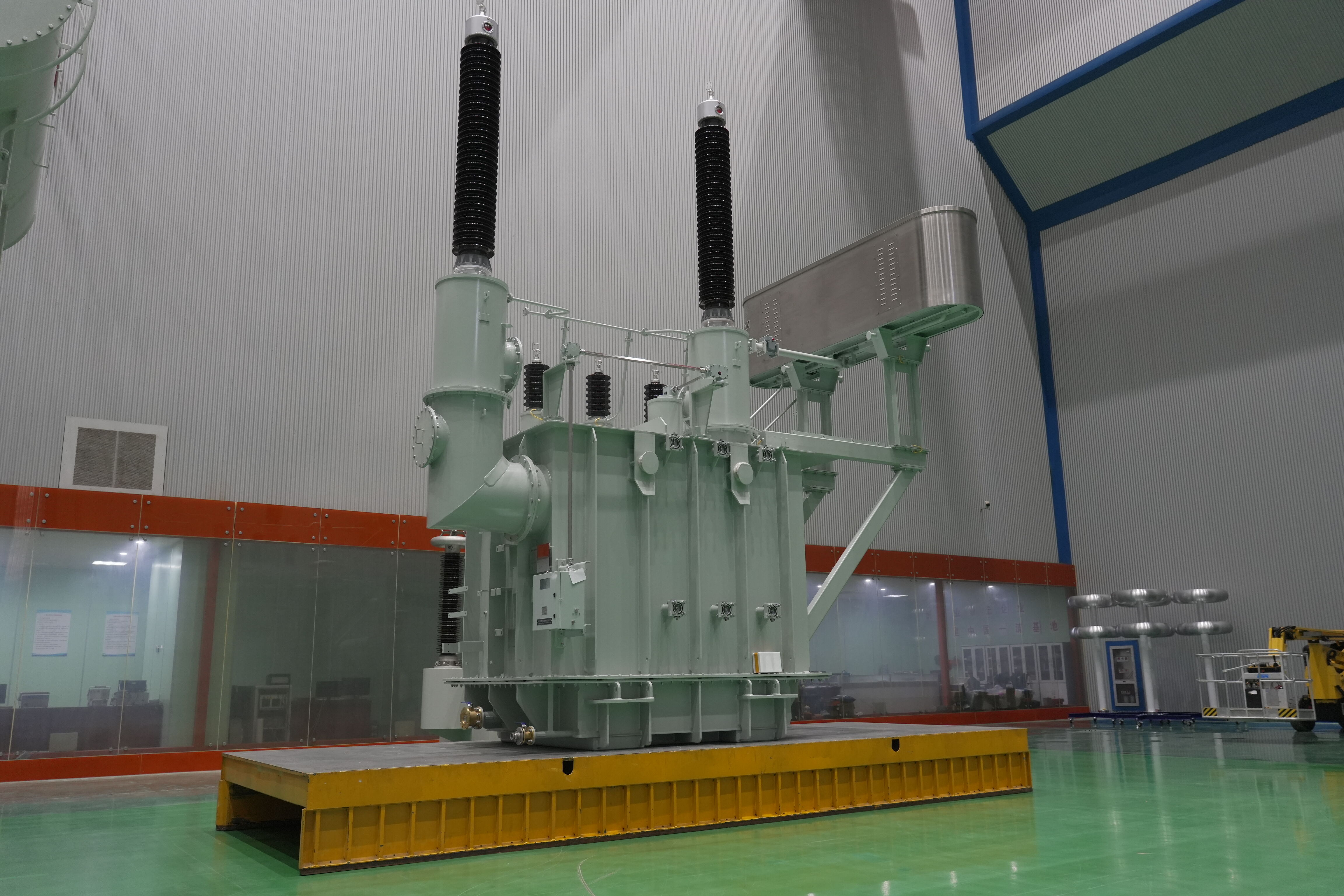
Cast Resin Railway Transformers: Advanced Safety & Maintenance-Free Power Solutions

Get a Free Quote

Our representative will contact you soon.
Email
WhatsApp/Mobile
Name
Company Name
Message
0/1000

cast resin railway transformer

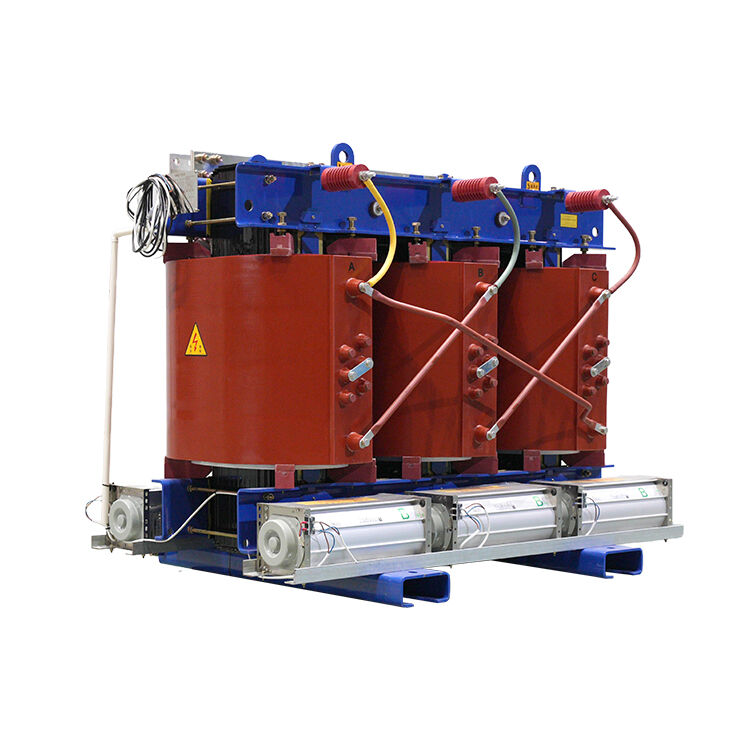
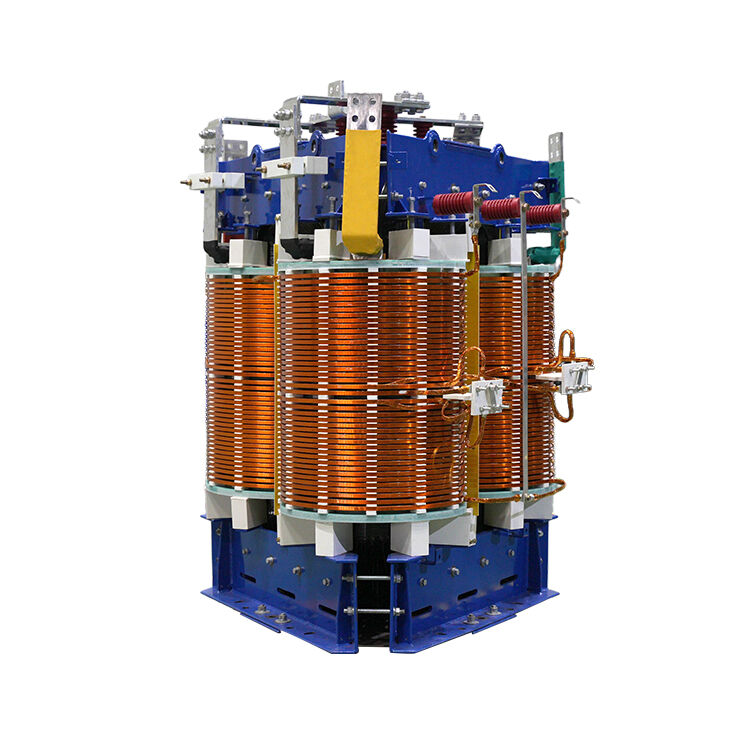
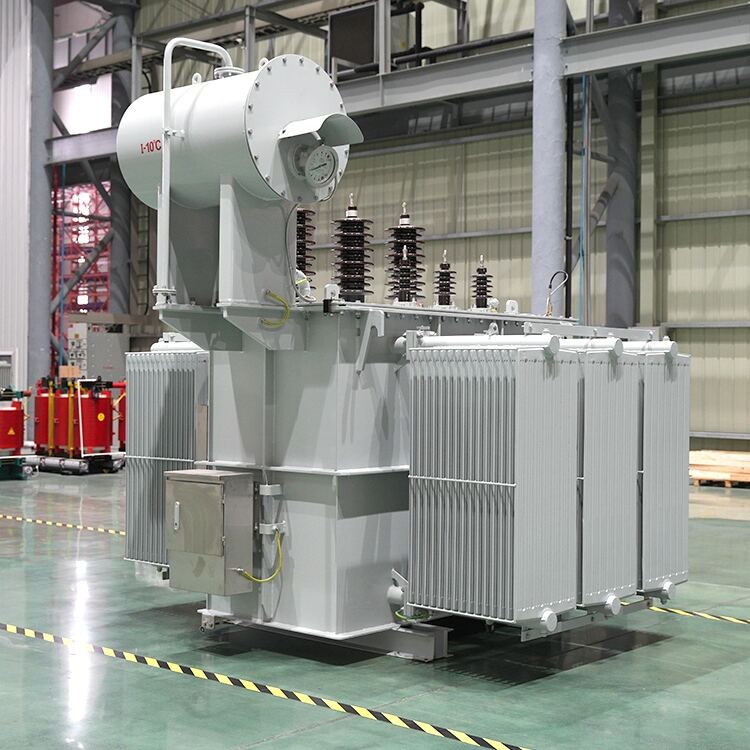
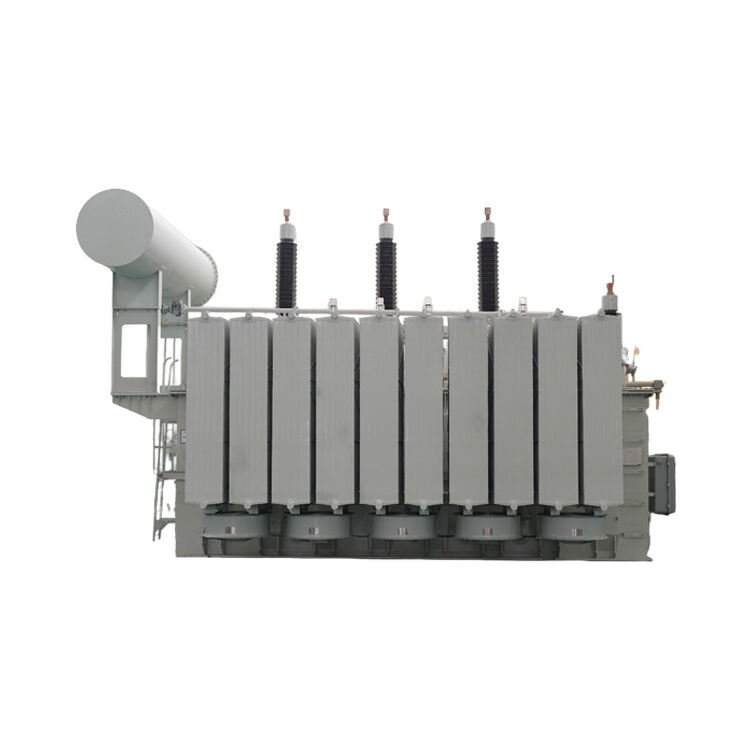
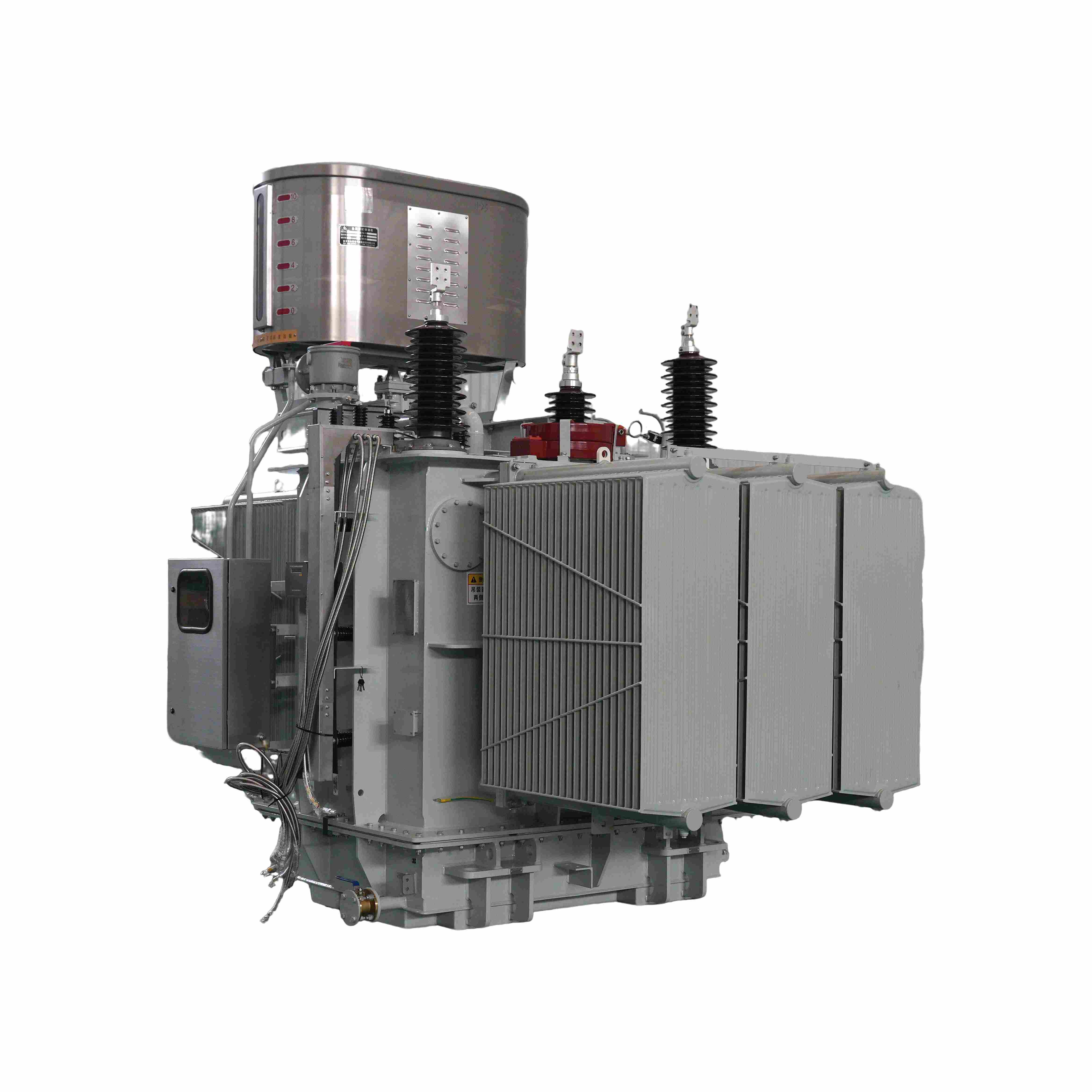
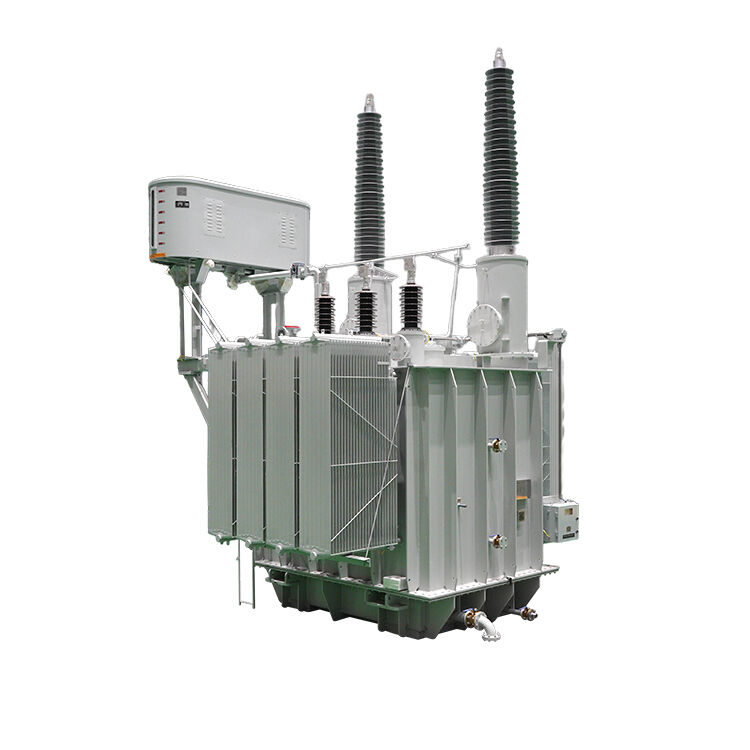
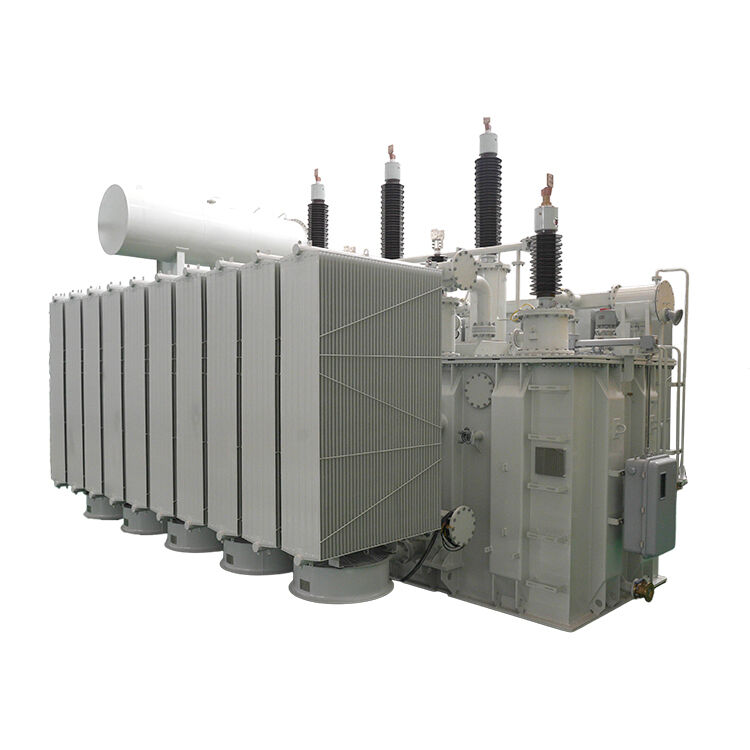
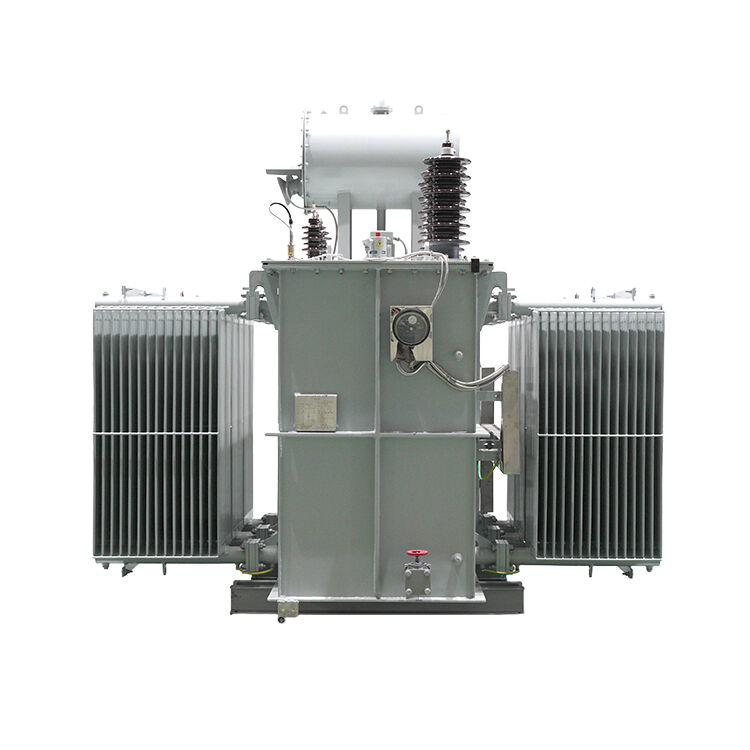
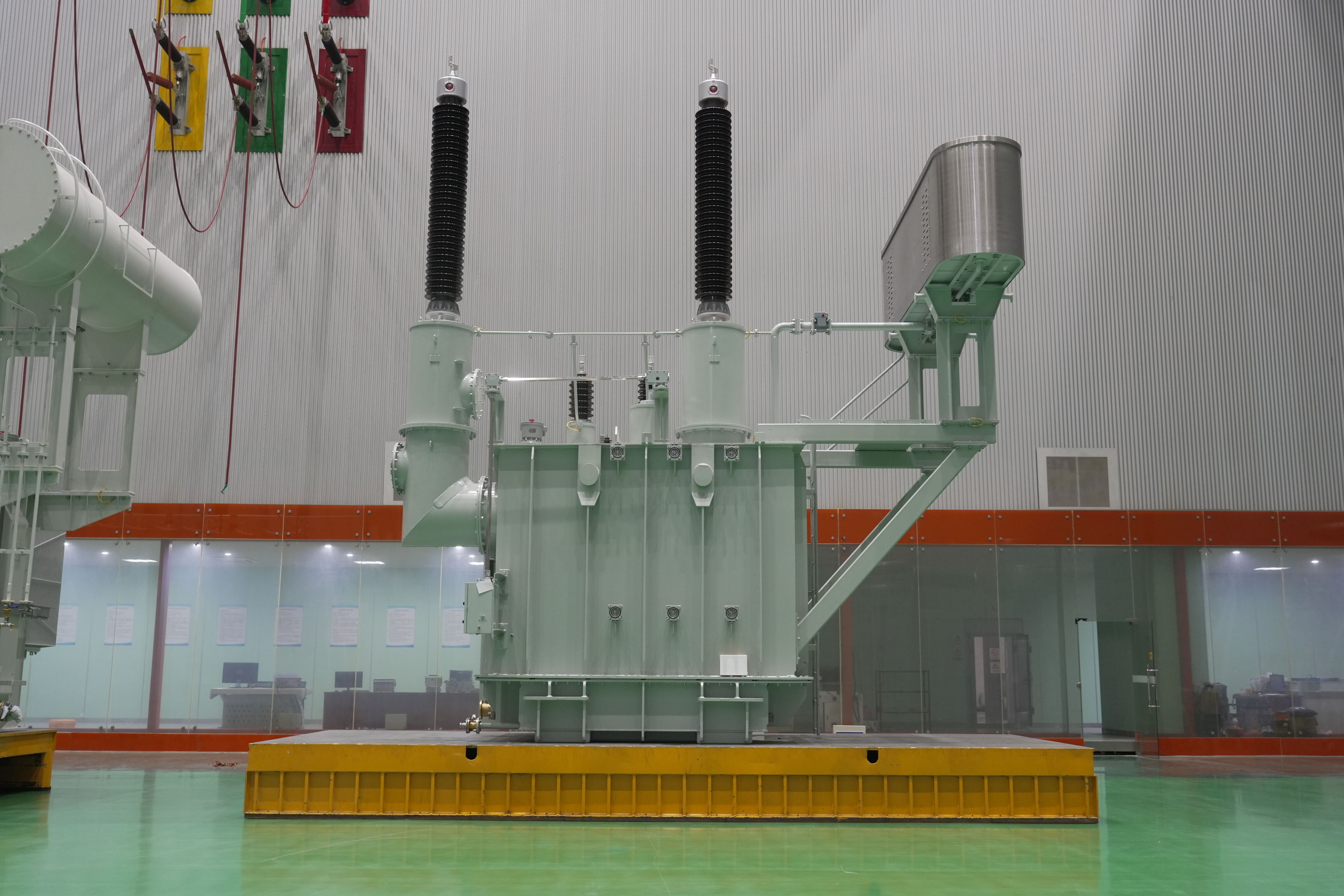
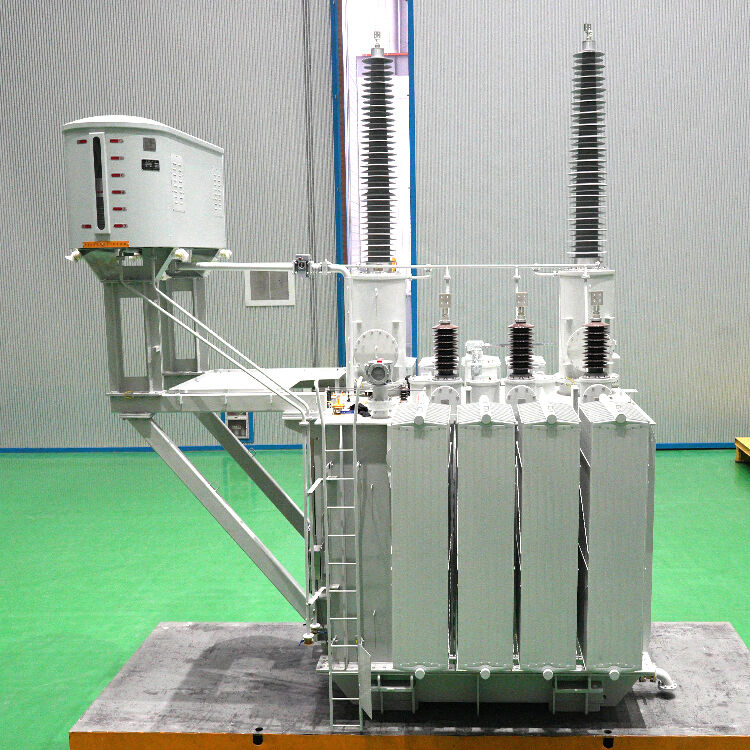
The cast resin railway transformer represents a revolutionary advancement in railway electrical infrastructure, specifically designed to meet the demanding requirements of modern rail transportation systems. This sophisticated electrical component serves as the critical link between high-voltage power distribution networks and the various electrical systems that power trains, signaling equipment, and station facilities. Unlike traditional oil-filled transformers, the cast resin railway transformer utilizes advanced epoxy resin technology to encapsulate its windings, creating a robust and environmentally friendly solution for railway applications. The primary function of this transformer is to convert high-voltage electricity from the main power grid into appropriate voltage levels suitable for different railway operations. This conversion process enables efficient power distribution throughout the entire railway network, ensuring reliable operation of traction systems, lighting, communication equipment, and safety systems. The cast resin railway transformer incorporates state-of-the-art materials and manufacturing techniques that result in superior performance characteristics. The epoxy resin casting process creates a solid insulation system that provides excellent mechanical strength and thermal stability. This construction method eliminates the need for liquid insulation, making the transformer completely dry-type and maintenance-free. The technological features include advanced cooling systems, precision-wound coils, and high-grade electrical steel cores that optimize energy efficiency and minimize losses. Railway applications for these transformers span across various segments including urban transit systems, high-speed rail networks, freight transportation, and electrified suburban railways. The cast resin railway transformer proves essential in substations, maintenance facilities, and onboard applications where space constraints and safety requirements demand compact, reliable solutions. The versatility of this transformer technology allows for customization to meet specific voltage requirements, power ratings, and environmental conditions prevalent in different railway operations worldwide.

Popular Products

The cast resin railway transformer delivers exceptional benefits that make it the preferred choice for modern railway infrastructure projects. Safety stands as the most significant advantage, as the dry-type construction eliminates fire and explosion risks associated with oil-filled alternatives. This safety feature proves crucial in underground railway systems, tunnels, and populated areas where traditional transformers pose environmental hazards. The absence of flammable liquids means railway operators can install these transformers in confined spaces without extensive fire suppression systems, reducing overall project costs and complexity. Environmental friendliness represents another compelling advantage of the cast resin railway transformer. The solid insulation system prevents oil leakage and contamination, making these units completely environmentally safe. Railway companies increasingly prioritize sustainable solutions, and cast resin technology aligns perfectly with green initiatives and environmental regulations. The transformer produces no toxic gases during operation and requires no special disposal procedures at the end of its service life. Maintenance requirements are dramatically reduced compared to conventional oil-filled transformers. The cast resin railway transformer operates without the need for oil testing, filtration, or replacement, eliminating routine maintenance tasks that typically burden railway maintenance teams. This maintenance-free operation translates to significant cost savings over the transformer's operational lifetime and reduces system downtime. The robust construction withstands harsh railway environments including vibration, temperature fluctuations, humidity, and electromagnetic interference. Installation flexibility provides substantial practical benefits for railway projects. The compact design and lighter weight of cast resin railway transformers simplify transportation and installation procedures. These units can be positioned in various orientations and installed in tight spaces where traditional transformers cannot fit. The absence of oil expansion tanks and cooling systems further reduces space requirements, allowing railway engineers to optimize substation layouts and maximize available real estate. Operational reliability ensures consistent performance under demanding railway conditions, with extended service life that often exceeds 30 years with proper installation and minimal maintenance intervention.

Tips And Tricks

What Is a Transformer and How Does It Improve Power System Efficiency?

02

Jan

What Is a Transformer and How Does It Improve Power System Efficiency?

A transformer represents one of the most critical components in modern electrical power systems, serving as the backbone for efficient energy transmission and distribution across vast networks. These electromagnetic devices enable the seamless conver...
View More
Why Are Transformers Critical for Industrial Power Distribution Systems?

14

Jan

Why Are Transformers Critical for Industrial Power Distribution Systems?

Industrial power distribution systems form the backbone of modern manufacturing, commercial facilities, and critical infrastructure operations. At the heart of these complex networks lies a fundamental component that ensures safe, efficient, and reli...
View More
How Do Transformers Support Grid Stability in Large-Scale Power Networks?

20

Jan

How Do Transformers Support Grid Stability in Large-Scale Power Networks?

Large-scale power networks form the backbone of modern electrical infrastructure, requiring sophisticated equipment to maintain stability and reliability across vast geographical areas. Power transformers play a crucial role in these complex systems ...
View More
What Should Utilities Consider When Selecting a Transformer Supplier?

26

Jan

What Should Utilities Consider When Selecting a Transformer Supplier?

Selecting the right supplier for power infrastructure represents one of the most critical decisions utility companies face in today's rapidly evolving energy landscape. The process of choosing a power transformer supplier requires careful evaluation ...
View More

Get a Free Quote

Our representative will contact you soon.
Email
WhatsApp/Mobile
Name
Company Name
Message
0/1000

cast resin railway transformer

Advanced Safety Technology and Fire Prevention

Advanced Safety Technology and Fire Prevention

The cast resin railway transformer incorporates cutting-edge safety technology that fundamentally transforms railway electrical infrastructure safety standards. The innovative dry-type construction eliminates all flammable liquids, creating an inherently safe electrical component that dramatically reduces fire risks in railway environments. This safety advantage proves particularly valuable in underground metro systems, railway tunnels, and urban transit facilities where fire prevention is paramount. Traditional oil-filled transformers pose significant hazards due to their combustible insulation fluids, requiring extensive fire suppression systems and safety protocols that increase both installation costs and operational complexity. The cast resin railway transformer eliminates these concerns through its solid epoxy resin insulation system that cannot leak, spill, or ignite under normal or fault conditions. The advanced resin formulation used in these transformers undergoes rigorous testing to ensure optimal performance under extreme conditions. The casting process creates a monolithic insulation structure that provides superior electrical isolation while maintaining mechanical integrity. This solid insulation system demonstrates exceptional resistance to environmental contaminants, moisture, and chemical exposure that commonly occur in railway environments. The absence of oil tanks, expansion chambers, and associated piping systems eliminates potential failure points that could compromise safety in critical railway applications. Railway operators benefit from simplified safety procedures and reduced insurance costs when implementing cast resin railway transformers. The inherent safety characteristics allow installation in areas previously considered unsuitable for electrical equipment, expanding design possibilities for railway infrastructure projects. Emergency response procedures are streamlined since there are no flammable liquids to contain or specialized cleanup requirements in the unlikely event of equipment failure. The safety benefits extend to maintenance personnel who can work on these transformers without exposure to hazardous substances or complex safety protocols required for oil-filled units.
Superior Environmental Protection and Sustainability

Superior Environmental Protection and Sustainability

Environmental protection capabilities of the cast resin railway transformer set new standards for sustainable railway infrastructure development. The completely sealed construction prevents any environmental contamination, making these transformers ideal for installation near water sources, residential areas, and environmentally sensitive locations where railway lines often pass. Unlike oil-filled alternatives that pose groundwater contamination risks, the cast resin railway transformer operates with zero environmental impact throughout its service life. The solid insulation system cannot degrade or leak, ensuring long-term environmental protection that aligns with increasingly stringent environmental regulations governing railway operations. Modern railway companies face growing pressure to adopt sustainable technologies that minimize environmental footprint while maintaining operational excellence. The cast resin railway transformer directly addresses these requirements through its eco-friendly design and manufacturing process. The epoxy resin materials used in construction are formulated to meet environmental standards and can be recycled at the end of the transformer's operational life. This cradle-to-grave environmental responsibility appeals to railway operators committed to sustainability goals and corporate environmental responsibility. Climate change considerations drive railway companies to seek equipment that performs reliably under varying environmental conditions. The cast resin railway transformer demonstrates exceptional resilience to temperature extremes, humidity fluctuations, and weather-related stresses that increasingly challenge railway infrastructure. The solid construction eliminates thermal expansion issues associated with liquid-filled transformers, maintaining consistent performance across wide temperature ranges common in railway applications. UV resistance and weatherproofing characteristics ensure long-term durability in outdoor installations without environmental degradation. The environmental benefits extend to noise reduction, as cast resin railway transformers operate more quietly than conventional oil-cooled units. This acoustic advantage proves valuable in urban railway applications where noise pollution concerns influence equipment selection. The combination of environmental protection, sustainability, and performance makes the cast resin railway transformer an essential component of modern green railway infrastructure projects worldwide.
Exceptional Durability and Maintenance-Free Operation

Exceptional Durability and Maintenance-Free Operation

The cast resin railway transformer delivers unmatched durability and virtually maintenance-free operation that revolutionizes railway electrical system management. The robust construction methodology creates a transformer capable of withstanding the harshest railway operating conditions including constant vibration, electromagnetic interference, temperature cycling, and atmospheric contamination that typically degrade conventional electrical equipment. The solid resin casting process encapsulates all electrical components in a protective matrix that shields against moisture ingress, dust accumulation, and chemical exposure commonly encountered in railway environments. This comprehensive protection system ensures consistent electrical performance over extended periods without the gradual degradation that affects traditional transformers. Railway operators benefit from dramatically reduced maintenance schedules and associated costs when implementing cast resin railway transformers. Traditional oil-filled transformers require regular oil testing, filtration, and replacement procedures that consume significant maintenance resources and create operational disruptions. The cast resin railway transformer eliminates these requirements entirely, allowing maintenance teams to focus on other critical railway infrastructure needs. The maintenance-free operation translates to substantial cost savings over the transformer's operational lifetime, which typically exceeds 30 years with proper installation. The mechanical strength of the resin casting provides exceptional resistance to shock and vibration forces generated by passing trains and railway operations. This durability proves essential in railway applications where equipment must withstand continuous mechanical stress while maintaining electrical integrity. The solid construction eliminates the expansion and contraction issues that plague liquid-filled transformers, preventing seal failures and insulation degradation that commonly require expensive repairs. Thermal management capabilities ensure consistent performance across wide temperature ranges without cooling system maintenance or monitoring requirements. The cast resin railway transformer incorporates advanced thermal design features that effectively dissipate heat through the solid insulation structure, maintaining optimal operating temperatures without external cooling systems. This thermal efficiency contributes to extended service life and reliable performance in demanding railway applications where equipment failure can disrupt critical transportation services.

Get a Free Quote

Our representative will contact you soon.
Email
WhatsApp/Mobile
Name
Company Name
Message
0/1000