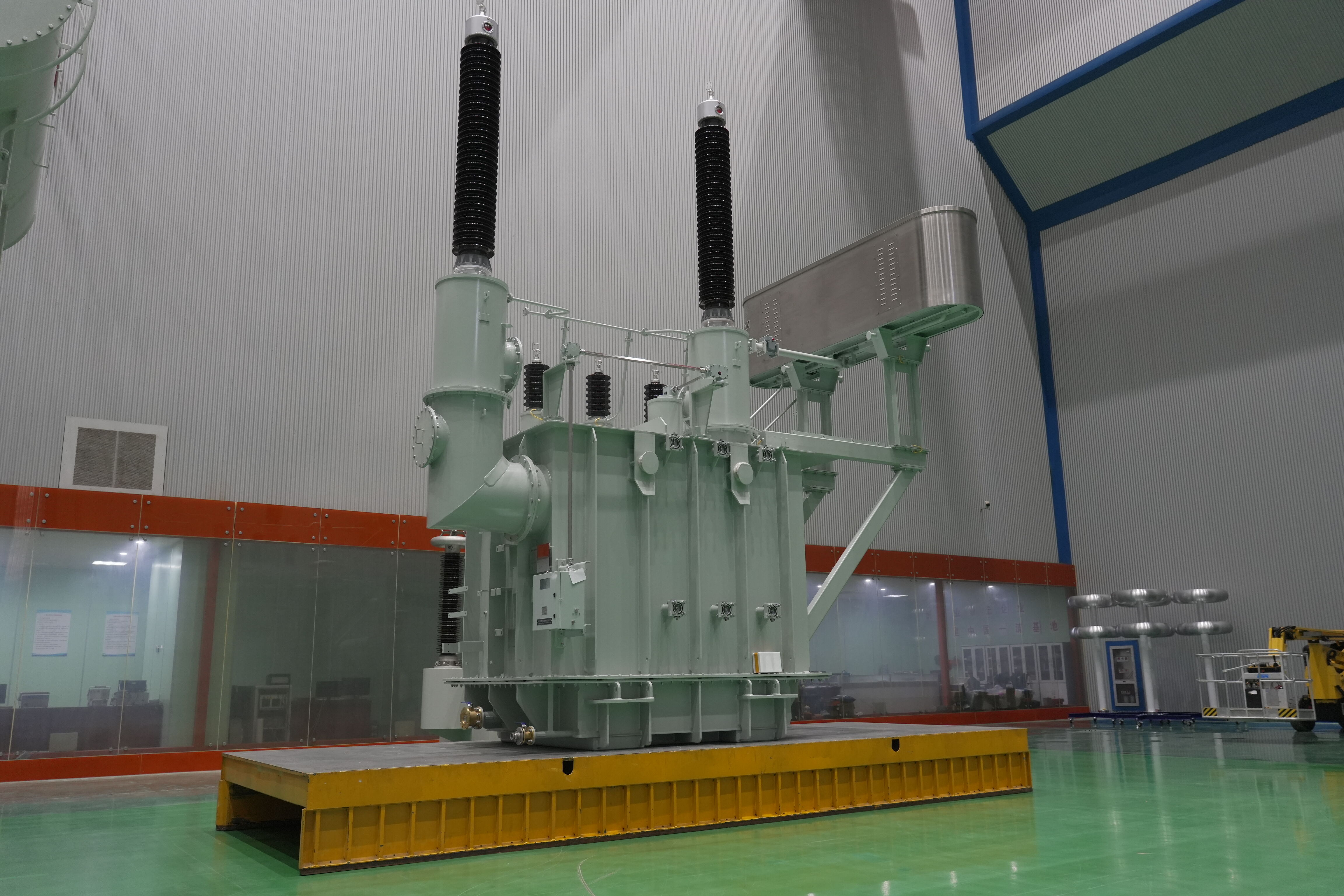
Railway Power Transformer Solutions - Reliable Electrical Infrastructure for Modern Transportation

Get a Free Quote

Our representative will contact you soon.
Email
WhatsApp/Mobile
Name
Company Name
Message
0/1000

railway power transformer

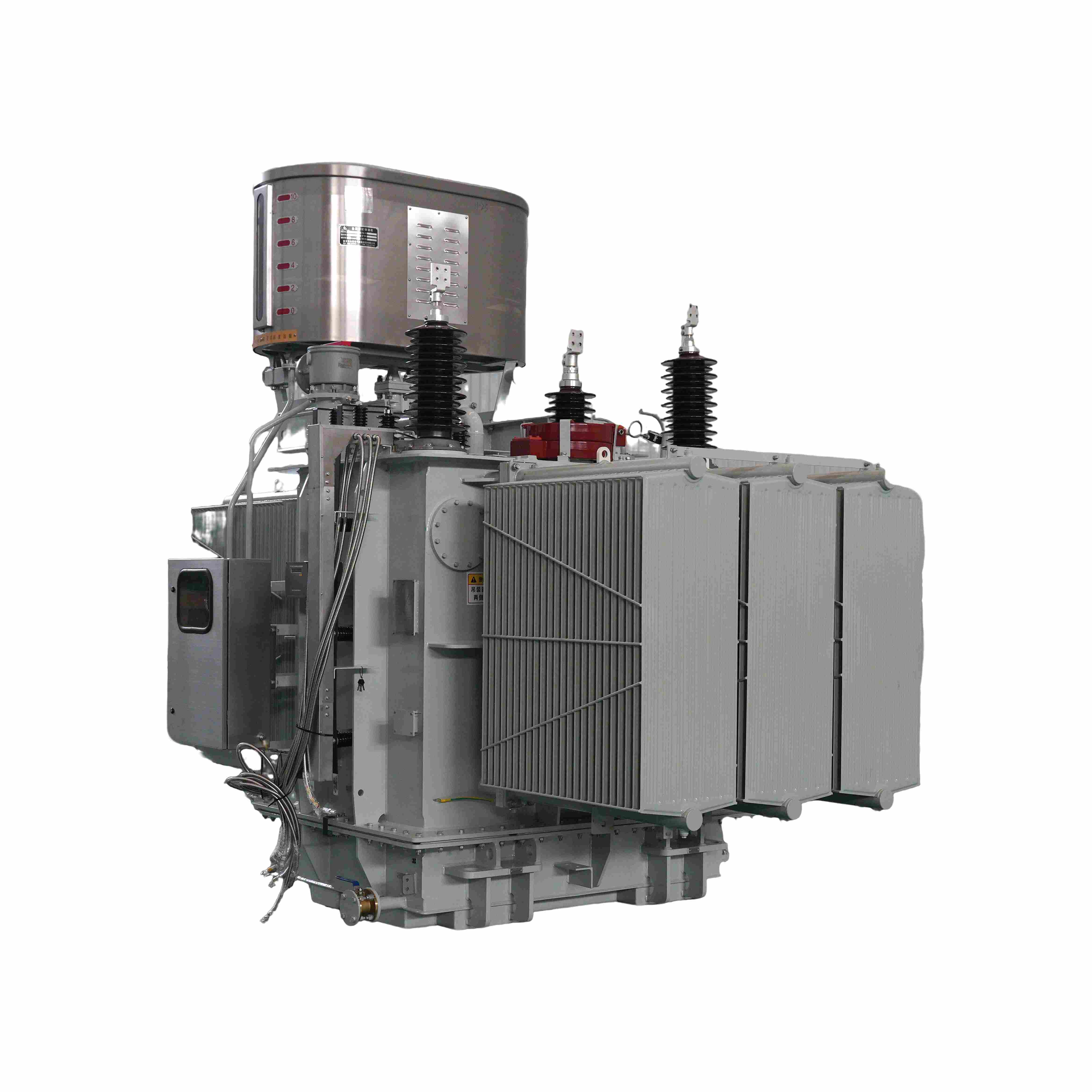
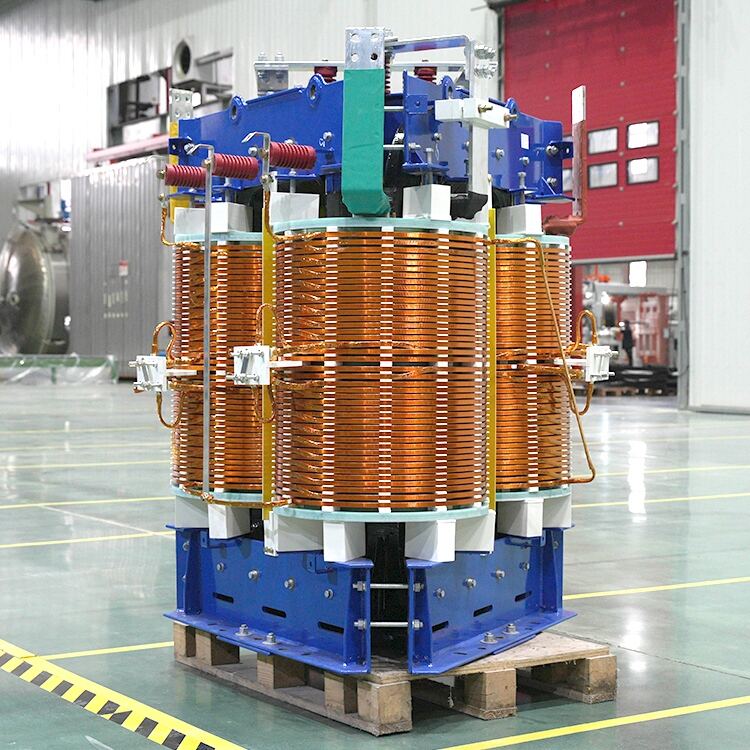
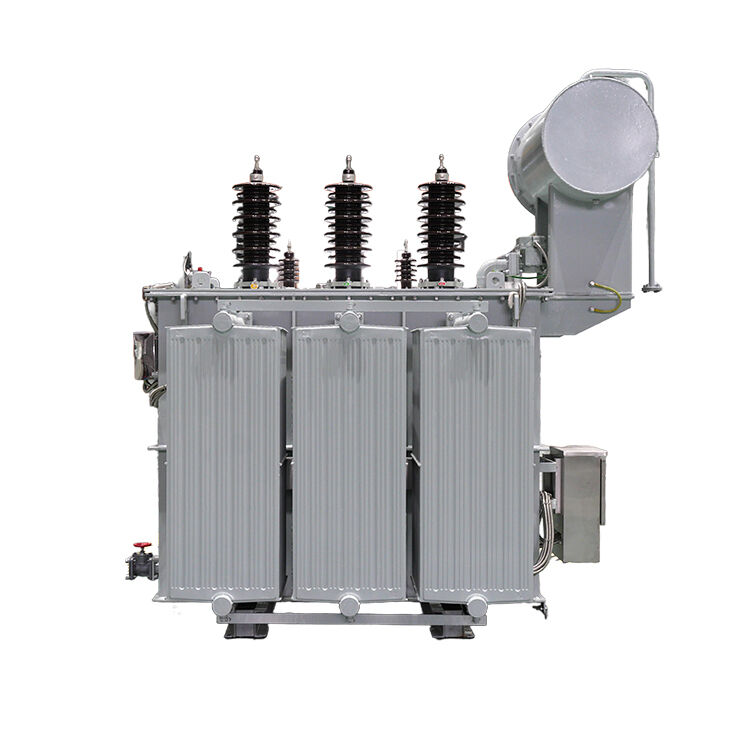
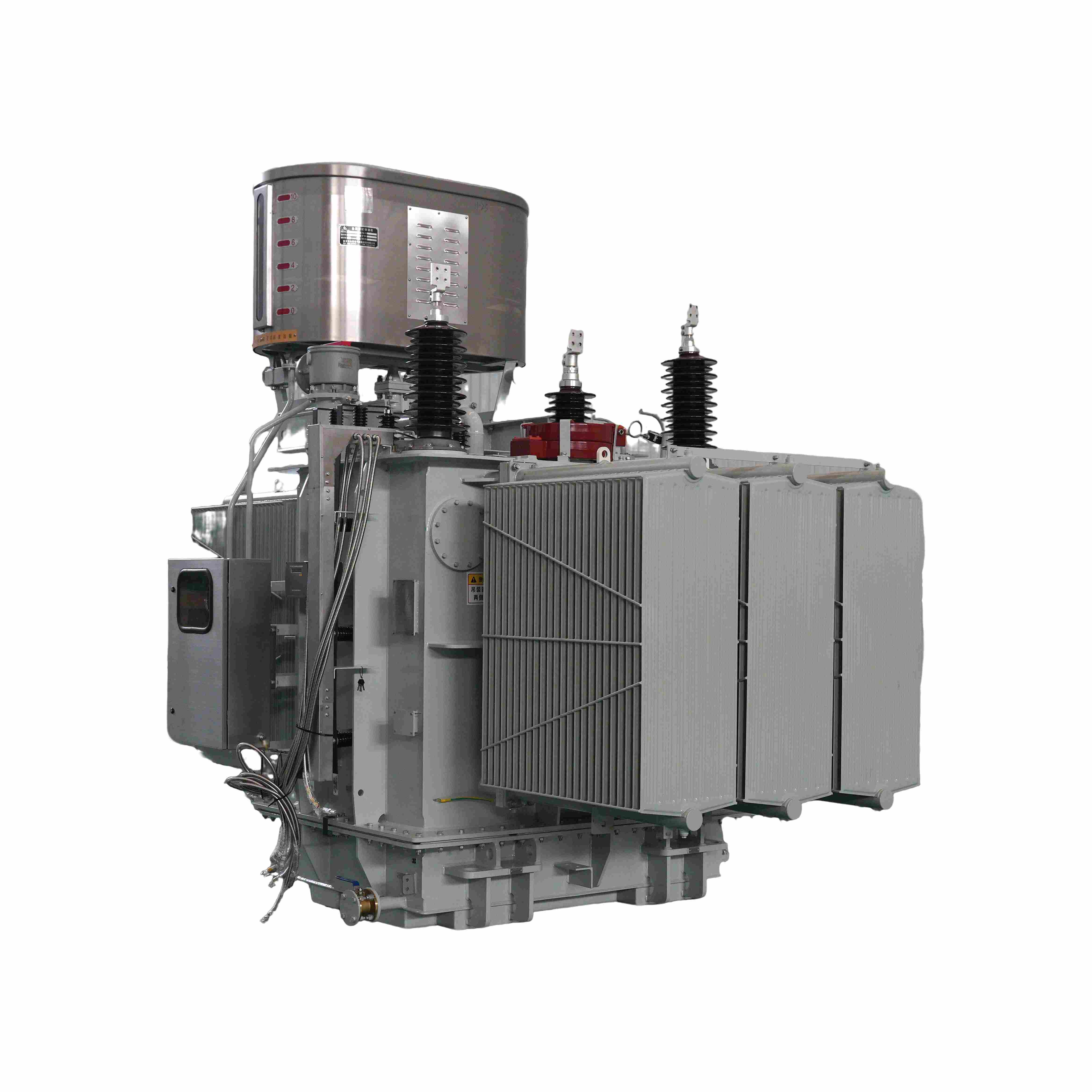
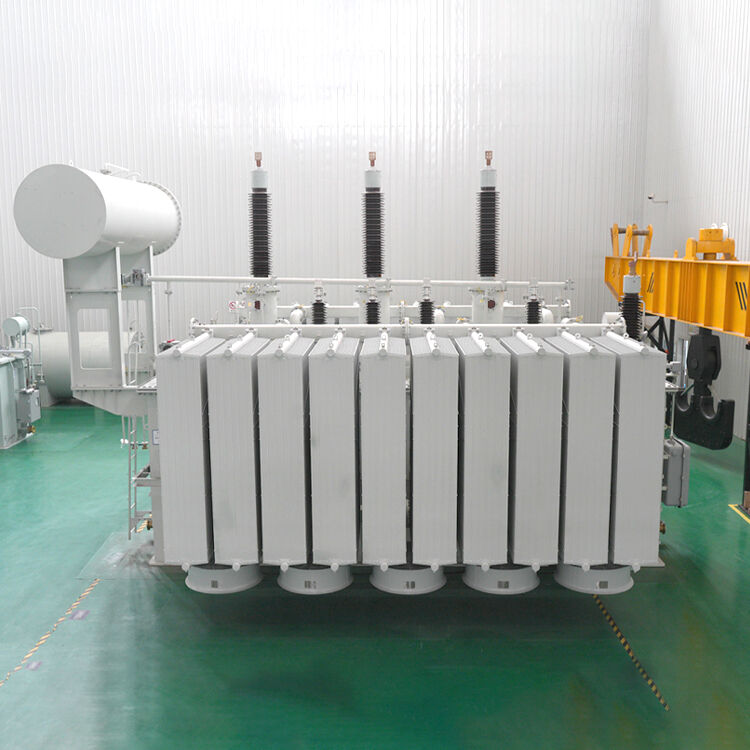
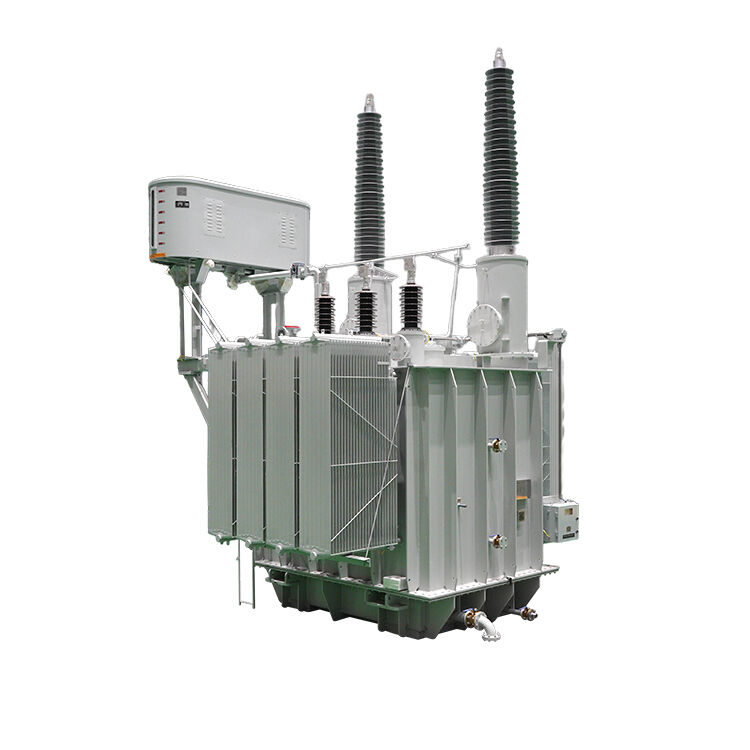
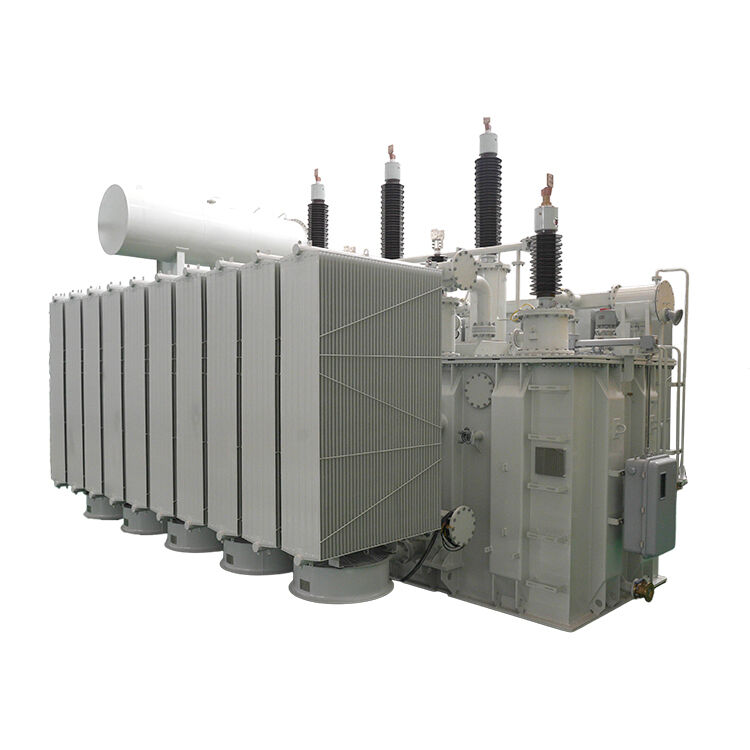
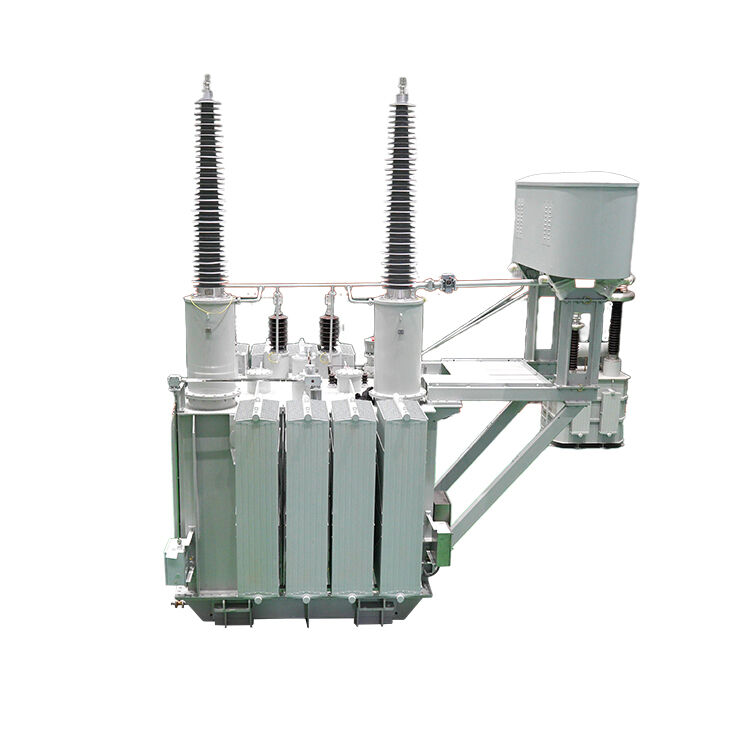
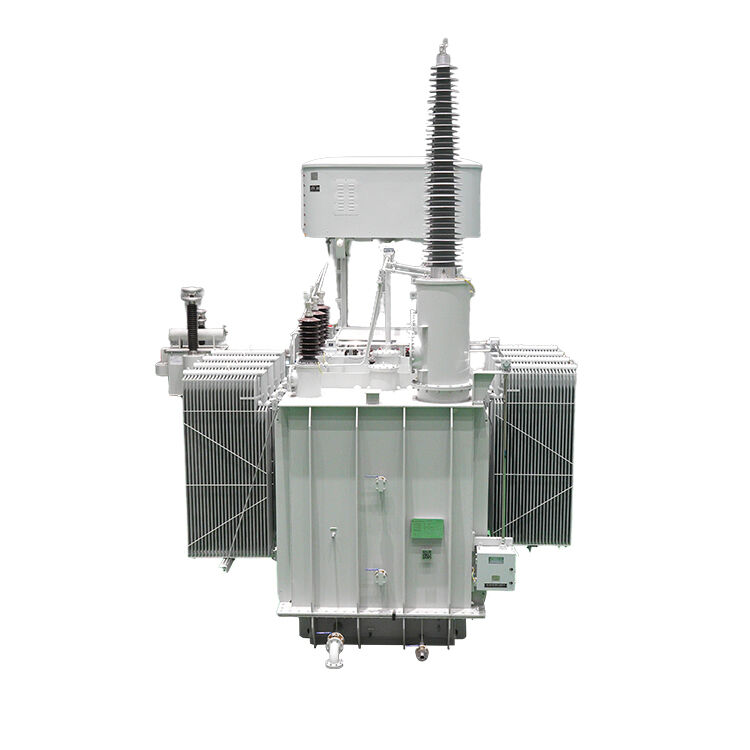
The railway power transformer represents a crucial component in modern transportation infrastructure, serving as the backbone of electrical systems that power trains and railway operations worldwide. This specialized equipment converts high-voltage electricity from power grids into appropriate voltage levels required for train operations, ensuring safe and efficient electrical distribution throughout railway networks. Railway power transformers are engineered to withstand the unique challenges of transportation environments, including vibration, temperature fluctuations, and electromagnetic interference commonly encountered in railway applications. These transformers feature robust construction with enhanced insulation systems, corrosion-resistant materials, and advanced cooling mechanisms designed specifically for railway installations. The primary function of a railway power transformer involves stepping down transmission voltages, typically ranging from 110kV to 220kV, to distribution levels suitable for various railway systems, including electrified tracks, station facilities, and auxiliary equipment. Modern railway power transformers incorporate sophisticated monitoring systems that provide real-time data on operational parameters, enabling predictive maintenance and minimizing service disruptions. The technological features of these transformers include compact designs that optimize space utilization in railway substations, enhanced short-circuit withstand capabilities to handle fault conditions, and improved efficiency ratings that reduce operational costs. Railway power transformers find applications in urban transit systems, high-speed rail networks, freight transportation corridors, and industrial railway operations. Their versatility extends to various railway electrification systems, including AC and DC power supply networks. The integration of smart grid technologies in railway power transformers enables remote monitoring, automated switching operations, and seamless coordination with broader electrical infrastructure. These transformers also support regenerative braking systems in modern trains, allowing energy recovery during deceleration phases and improving overall system efficiency.

New Product Recommendations

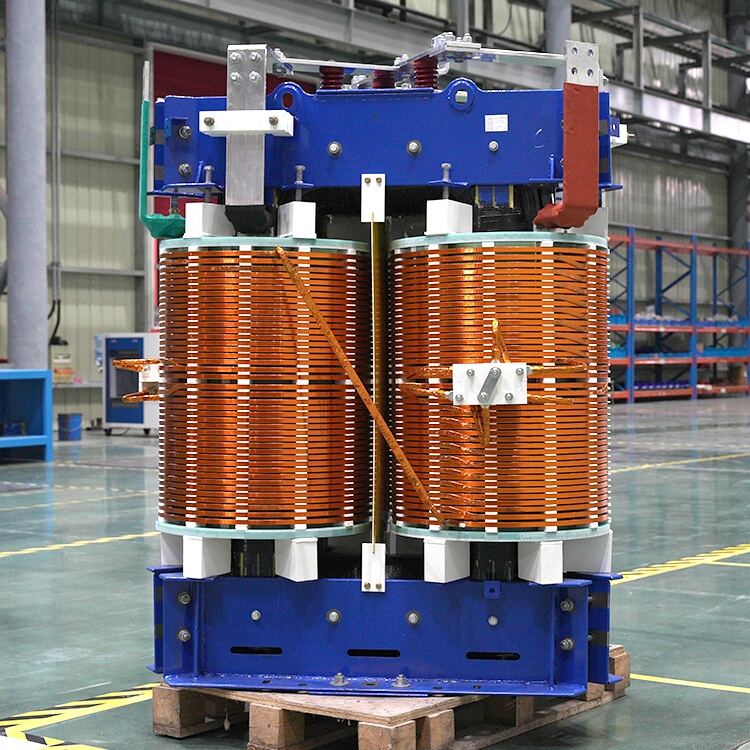
Railway power transformers deliver exceptional reliability that translates directly into reduced maintenance costs and increased operational uptime for transportation networks. These transformers undergo rigorous testing protocols that ensure consistent performance under demanding railway conditions, providing operators with confidence in their electrical infrastructure investments. The enhanced durability of railway power transformers stems from their specialized design features, including reinforced insulation systems that resist moisture and contamination commonly found in railway environments. This superior construction reduces replacement frequency and extends service life significantly compared to standard industrial transformers. Railway power transformers offer improved energy efficiency that directly reduces operational expenses for railway operators. Advanced core materials and optimized winding configurations minimize energy losses during voltage conversion processes, resulting in lower electricity bills and reduced environmental impact. The compact footprint of modern railway power transformers maximizes space utilization in constrained railway substations, allowing operators to install more equipment within existing facilities or reduce the size requirements for new installations. This space efficiency translates into lower real estate costs and simplified facility planning. Enhanced safety features integrated into railway power transformers protect both equipment and personnel from electrical hazards. These safety systems include advanced protection relays, arc-resistant designs, and fail-safe mechanisms that prevent catastrophic failures and ensure continuous operation even during fault conditions. The modular design approach of railway power transformers facilitates easier installation, maintenance, and future upgrades. This flexibility allows railway operators to adapt their electrical infrastructure as system requirements evolve without major overhauls. Smart monitoring capabilities built into modern railway power transformers provide valuable operational insights that enable proactive maintenance scheduling. These systems alert operators to potential issues before they become critical, preventing costly emergency repairs and service interruptions. The standardized interfaces and compatibility features of railway power transformers simplify integration with existing railway infrastructure, reducing installation complexity and associated costs. This compatibility ensures seamless operation with various control systems and protection schemes commonly used in railway applications.

Practical Tips

What Is a Transformer and How Does It Improve Power System Efficiency?

02

Jan

What Is a Transformer and How Does It Improve Power System Efficiency?

A transformer represents one of the most critical components in modern electrical power systems, serving as the backbone for efficient energy transmission and distribution across vast networks. These electromagnetic devices enable the seamless conver...
View More
How Does a Transformer Work in High Voltage Power Transmission?

08

Jan

How Does a Transformer Work in High Voltage Power Transmission?

High voltage power transmission systems form the backbone of modern electrical grids, enabling electricity to travel efficiently across vast distances. At the heart of these complex networks lies the power transformer, a crucial piece of equipment th...
View More
Why Are Transformers Critical for Industrial Power Distribution Systems?

14

Jan

Why Are Transformers Critical for Industrial Power Distribution Systems?

Industrial power distribution systems form the backbone of modern manufacturing, commercial facilities, and critical infrastructure operations. At the heart of these complex networks lies a fundamental component that ensures safe, efficient, and reli...
View More
How Do Transformers Support Grid Stability in Large-Scale Power Networks?

20

Jan

How Do Transformers Support Grid Stability in Large-Scale Power Networks?

Large-scale power networks form the backbone of modern electrical infrastructure, requiring sophisticated equipment to maintain stability and reliability across vast geographical areas. Power transformers play a crucial role in these complex systems ...
View More

Get a Free Quote

Our representative will contact you soon.
Email
WhatsApp/Mobile
Name
Company Name
Message
0/1000

railway power transformer

Advanced Vibration Resistance Technology

Advanced Vibration Resistance Technology

Railway power transformers incorporate cutting-edge vibration resistance technology that ensures optimal performance in the dynamic environment of railway operations. This specialized technology addresses one of the most challenging aspects of railway electrical infrastructure, where constant vibrations from passing trains, switching operations, and environmental factors can compromise transformer reliability. The advanced vibration resistance system utilizes innovative mounting mechanisms that isolate the transformer core and windings from external vibrations while maintaining structural integrity. These mounting systems employ elastomeric dampeners and spring-loaded supports that absorb shock loads and minimize vibration transmission to critical transformer components. The internal design features reinforced winding structures with enhanced mechanical bracing that prevents movement and displacement during operational stress. Special attention to conductor securing ensures that electrical connections remain stable even under severe vibration conditions. The vibration resistance technology extends to the cooling system, where specialized radiators and cooling fans are designed to maintain optimal thermal performance despite continuous movement and vibration exposure. This technology significantly extends transformer lifespan by preventing premature wear of internal components, reducing maintenance requirements, and ensuring consistent electrical performance throughout the transformer's operational life. The economic benefits of this vibration resistance technology include reduced maintenance costs, fewer service interruptions, and extended replacement intervals. Railway operators experience improved system reliability and reduced total cost of ownership, making these transformers an excellent investment for long-term railway infrastructure development. The technology also enhances safety by preventing vibration-induced failures that could result in power outages or equipment damage, ensuring continuous operation of critical railway systems and maintaining passenger safety standards.
Intelligent Monitoring and Diagnostics System

Intelligent Monitoring and Diagnostics System

The intelligent monitoring and diagnostics system integrated into railway power transformers represents a revolutionary advancement in electrical equipment management, providing unprecedented visibility into transformer operations and health status. This sophisticated system employs multiple sensor technologies to continuously monitor critical parameters including temperature, moisture levels, gas concentrations, vibration patterns, and electrical characteristics. The system utilizes advanced algorithms and machine learning capabilities to analyze collected data and identify potential issues before they develop into serious problems. Real-time monitoring enables immediate detection of abnormal operating conditions, allowing maintenance teams to respond quickly and prevent equipment failures. The diagnostic capabilities extend beyond basic parameter monitoring to include trend analysis, predictive modeling, and automated alert generation. This proactive approach to transformer management significantly reduces unplanned outages and extends equipment lifespan through optimized maintenance scheduling. The intelligent system communicates seamlessly with central control centers through secure communication protocols, enabling remote monitoring and management of multiple transformers across extensive railway networks. This connectivity allows operators to manage their electrical infrastructure efficiently from centralized locations, reducing operational costs and improving response times. The system generates comprehensive reports and historical data analysis that support informed decision-making regarding maintenance strategies, capacity planning, and equipment replacement schedules. The user-friendly interface provides intuitive access to complex technical information, making it accessible to operators with varying levels of technical expertise. The economic advantages of intelligent monitoring include reduced maintenance costs through condition-based maintenance strategies, improved asset utilization through optimized loading patterns, and enhanced reliability that minimizes revenue losses from service disruptions. This technology transforms railway power transformers from passive infrastructure components into intelligent assets that actively contribute to operational efficiency and system reliability.
Enhanced Thermal Management Solutions

Enhanced Thermal Management Solutions

Enhanced thermal management solutions in railway power transformers deliver superior cooling performance that ensures optimal efficiency and extended operational life under demanding railway conditions. These advanced cooling systems address the unique thermal challenges faced by transformers in railway applications, where space constraints, environmental exposure, and continuous operation create complex heat dissipation requirements. The thermal management system incorporates innovative cooling technologies including forced air circulation, liquid cooling circuits, and hybrid cooling arrangements that maximize heat transfer while minimizing space requirements. Advanced radiator designs with optimized fin configurations increase surface area for heat dissipation while maintaining compact footprints suitable for railway installations. The cooling system features intelligent temperature control mechanisms that automatically adjust cooling capacity based on load conditions and ambient temperatures, ensuring consistent transformer performance across varying operational scenarios. Specialized cooling fluids with enhanced thermal properties improve heat transfer efficiency while providing superior insulation characteristics and environmental compatibility. The thermal management solutions include redundant cooling circuits that ensure continued operation even if primary cooling components experience failures, maintaining transformer reliability and preventing costly service interruptions. Advanced thermal monitoring sensors provide real-time temperature data throughout the transformer, enabling precise thermal management and early detection of hot spots or cooling system malfunctions. The enhanced cooling systems are designed to operate reliably in harsh railway environments, including extreme temperature variations, dust, moisture, and electromagnetic interference. Maintenance-friendly designs facilitate easy access to cooling components for routine servicing and component replacement, minimizing maintenance downtime and associated costs. The superior thermal management directly translates into improved transformer efficiency, reduced energy losses, and extended insulation life, providing significant economic benefits for railway operators. These thermal solutions enable transformers to operate at higher load factors while maintaining safe operating temperatures, maximizing asset utilization and improving return on investment for railway infrastructure projects.

Get a Free Quote

Our representative will contact you soon.
Email
WhatsApp/Mobile
Name
Company Name
Message
0/1000