Professional Distribution Transformer Company - Premium Quality Electrical Solutions & Services

Get a Free Quote

Our representative will contact you soon.
Email
WhatsApp/Mobile
Name
Company Name
Message
0/1000

distribution transformer company

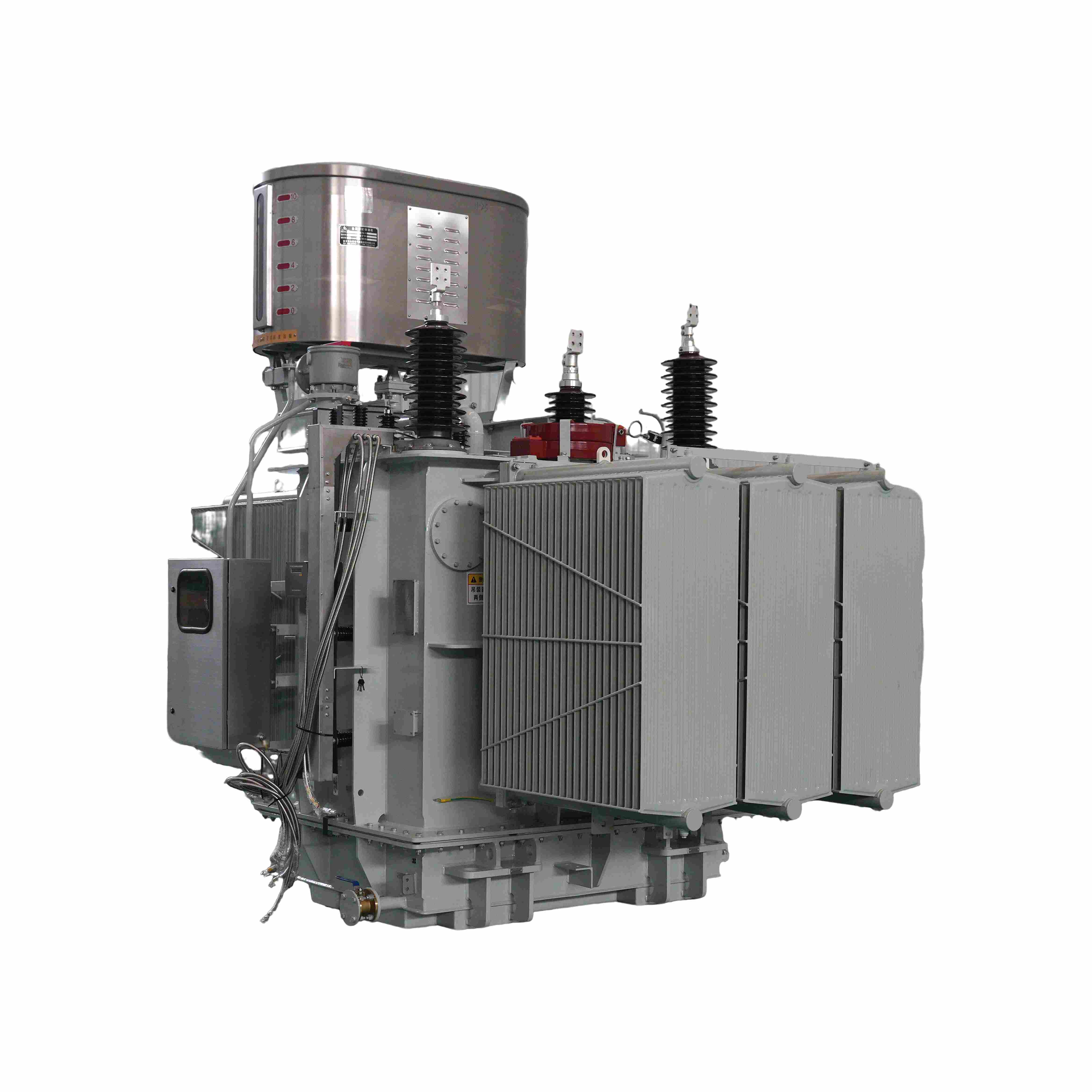
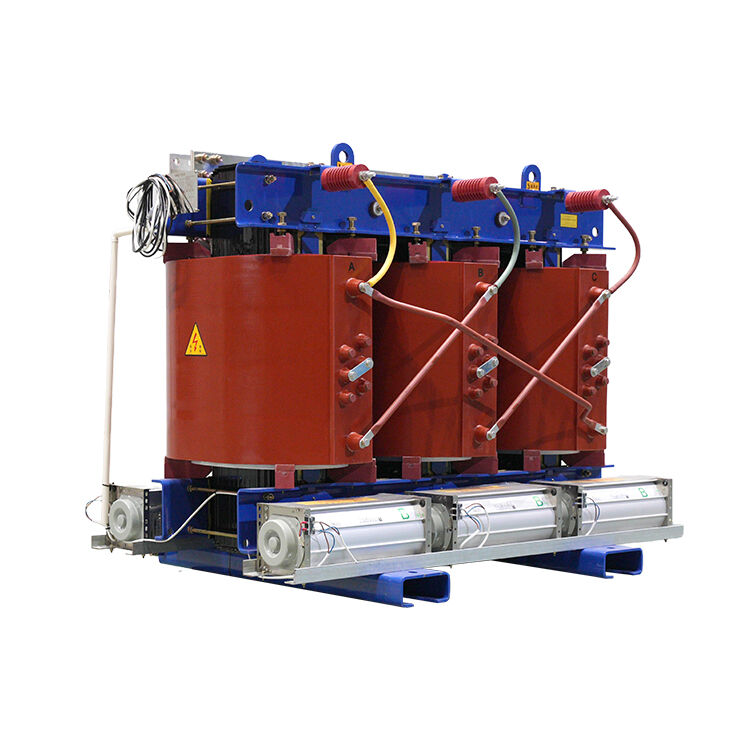
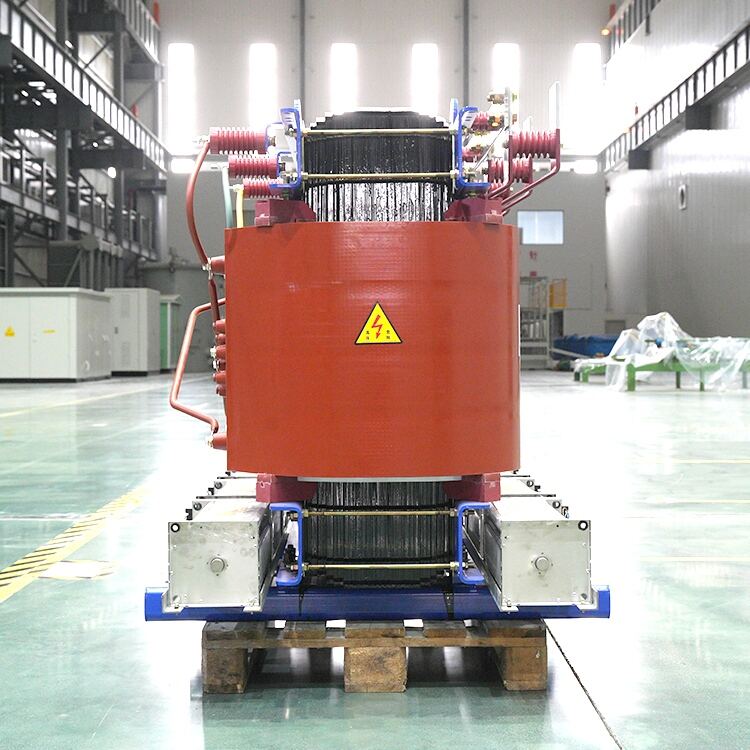
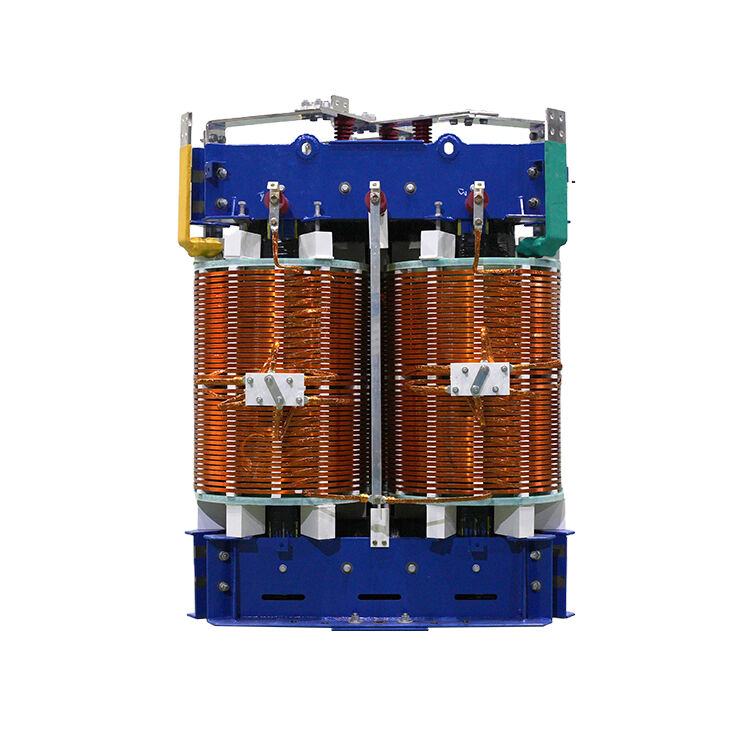
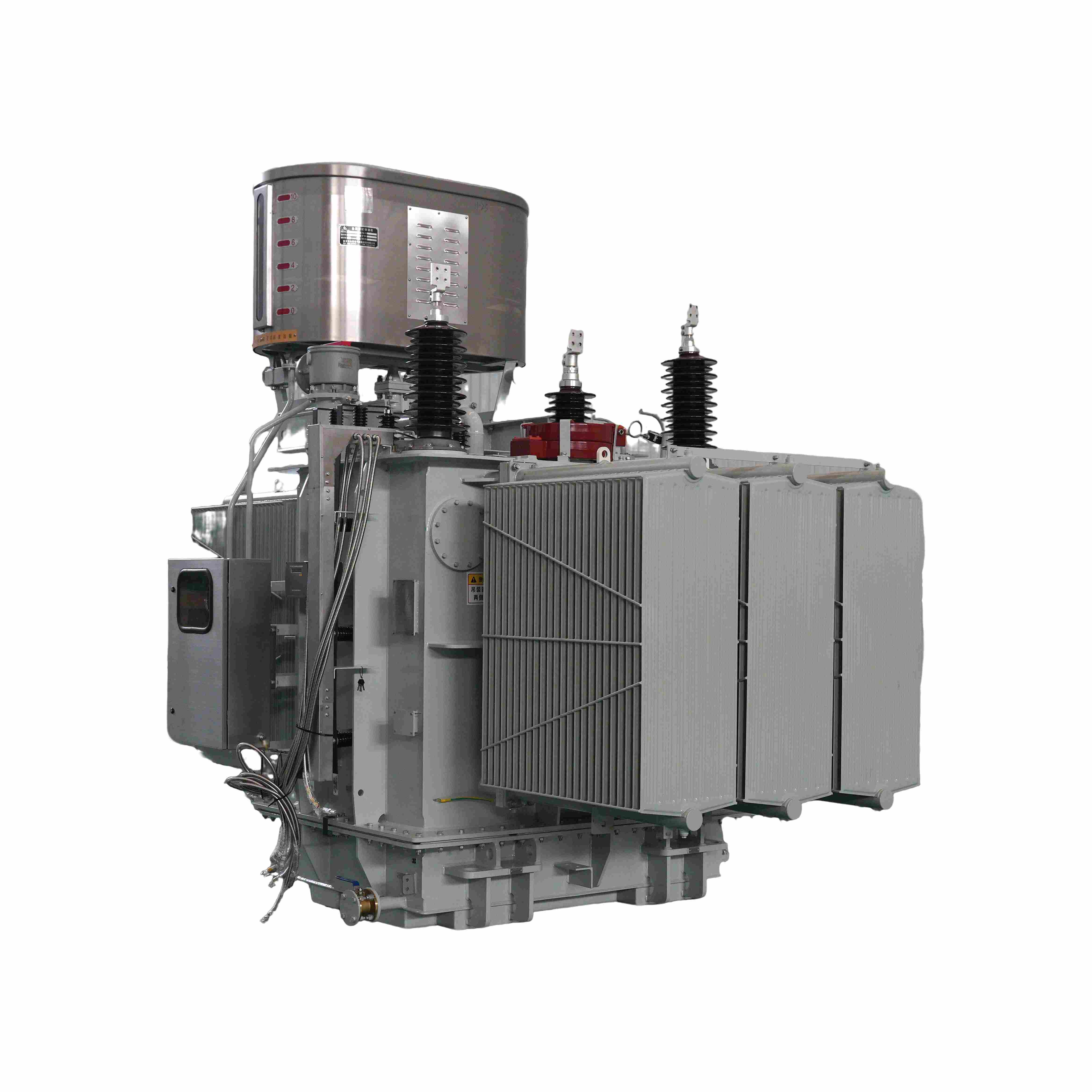
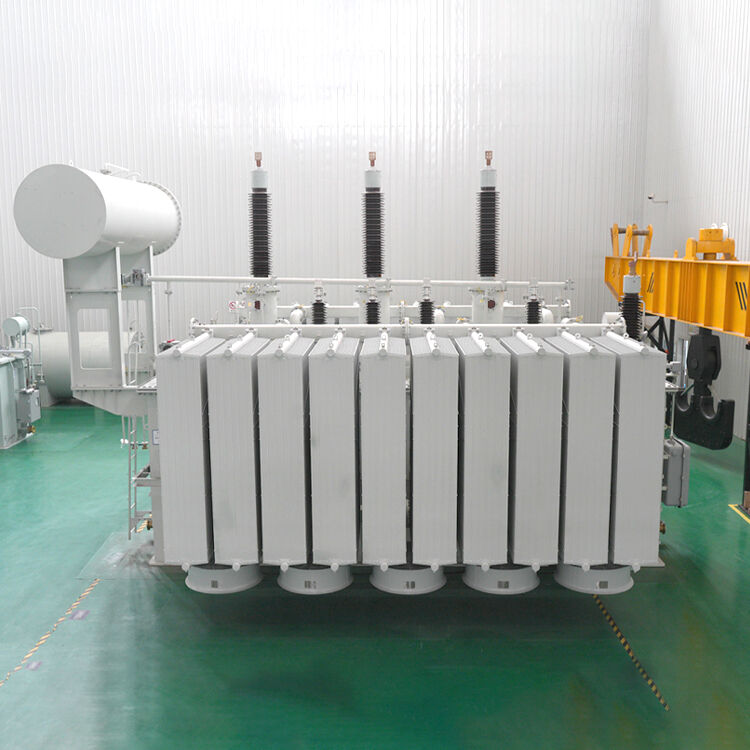
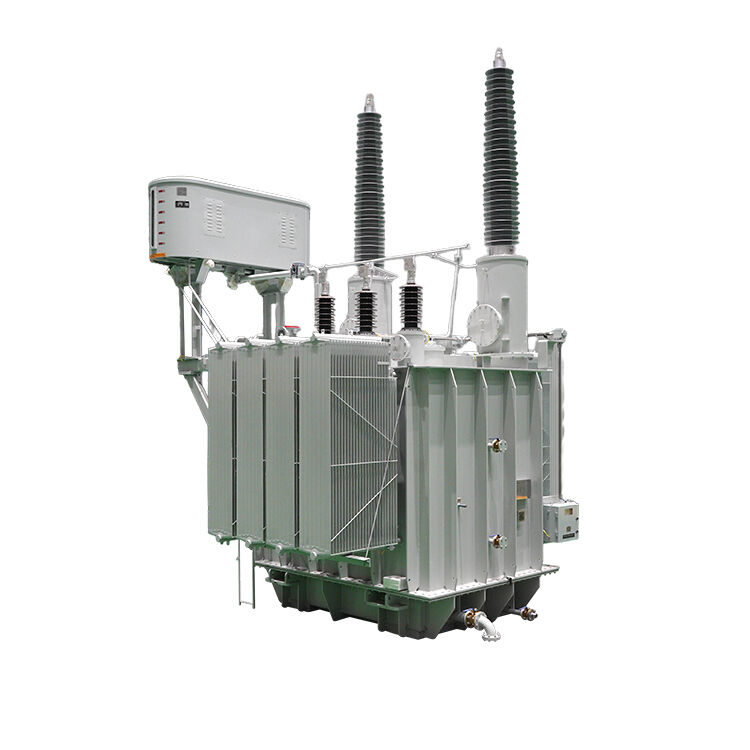
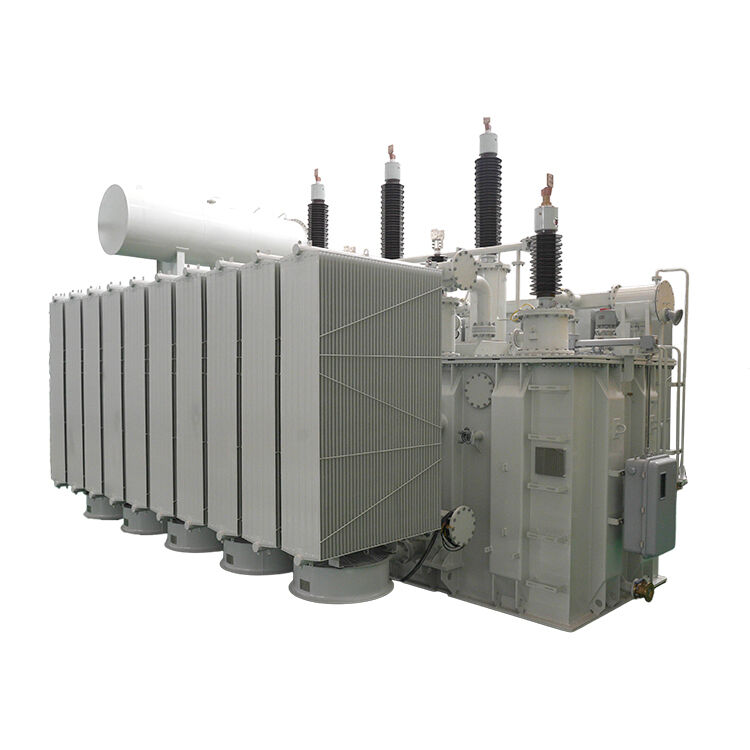
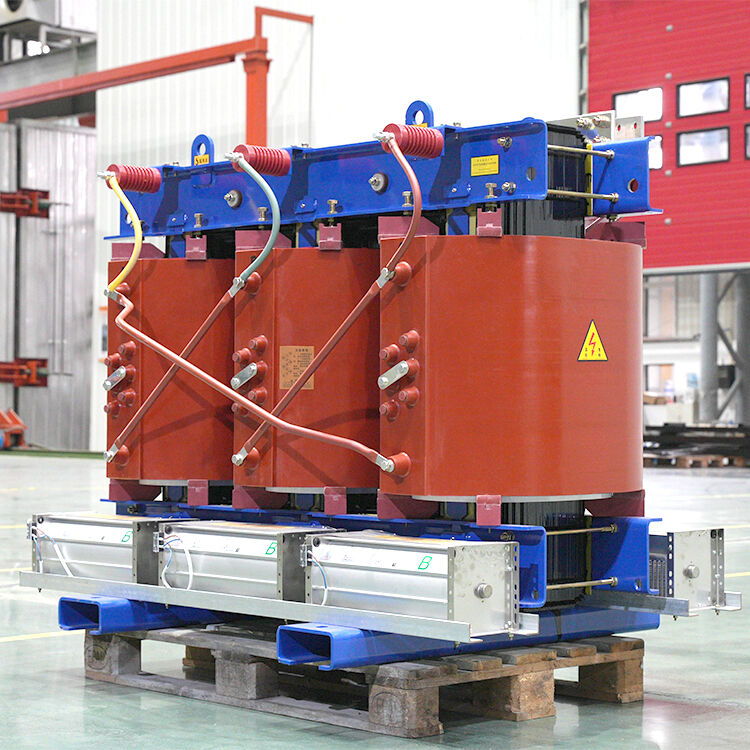
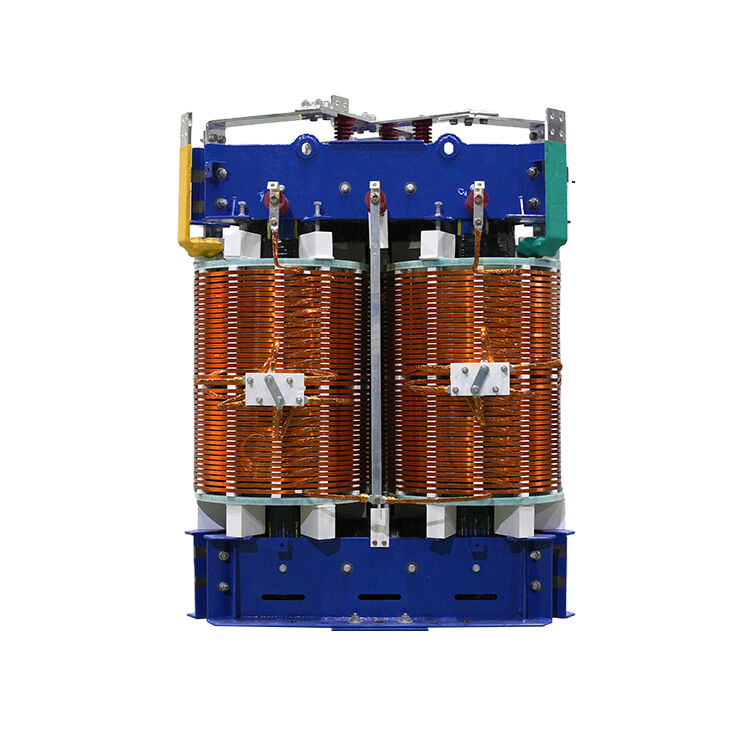
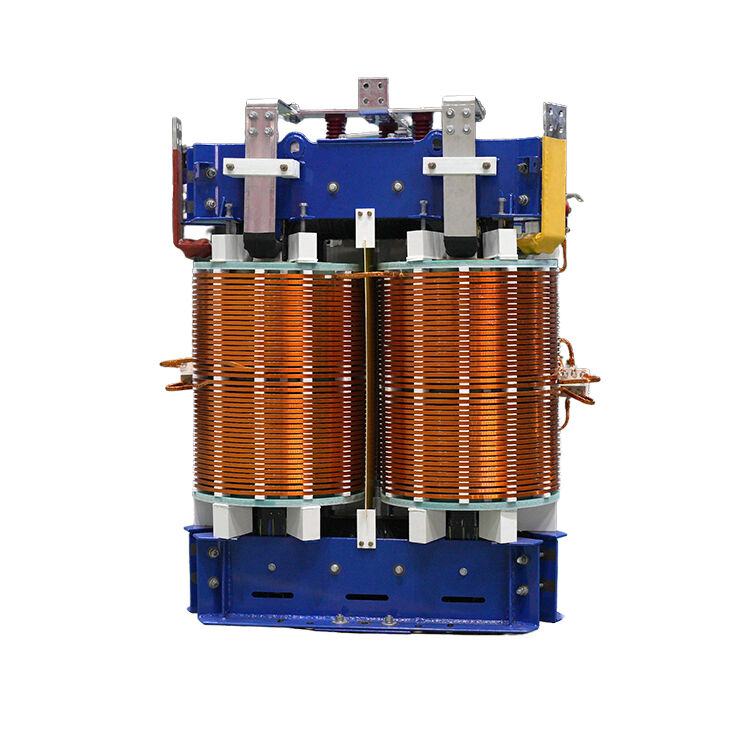
A distribution transformer company serves as a crucial bridge between high-voltage transmission networks and end-user electrical systems, specializing in the design, manufacturing, and supply of transformers that reduce voltage levels for safe residential, commercial, and industrial consumption. These specialized organizations focus on creating electrical equipment that steps down electricity from primary distribution levels, typically ranging from 4kV to 35kV, to secondary distribution voltages of 120V to 480V suitable for direct customer use. The primary function of a distribution transformer company involves engineering reliable voltage conversion solutions that ensure stable power delivery across diverse applications. Modern distribution transformer companies incorporate advanced technological features including enhanced insulation systems, improved cooling mechanisms, and smart monitoring capabilities that enable real-time performance tracking. These companies utilize sophisticated materials such as high-grade silicon steel cores, premium copper or aluminum windings, and advanced insulation compounds that maximize efficiency while minimizing energy losses. The manufacturing processes employed by leading distribution transformer companies include precision winding techniques, vacuum drying procedures, and comprehensive testing protocols that guarantee optimal performance under varying load conditions. Applications for products from a distribution transformer company span across residential neighborhoods, commercial complexes, industrial facilities, renewable energy installations, and infrastructure projects. The company's transformers serve critical roles in powering homes, office buildings, manufacturing plants, shopping centers, hospitals, schools, and municipal services. Distribution transformer companies also cater to specialized sectors including mining operations, oil and gas facilities, and transportation networks such as railways and airports. These organizations continuously innovate to meet evolving industry standards, incorporating environmental considerations, smart grid compatibility, and enhanced safety features. The technological advancement focus of a modern distribution transformer company includes developing eco-friendly alternatives, improving load management capabilities, and integrating digital monitoring systems that provide predictive maintenance insights. Through comprehensive quality assurance programs and adherence to international standards, a distribution transformer company ensures that each product delivers consistent performance, longevity, and reliability essential for maintaining uninterrupted power supply across all connected systems and applications.

New Product Releases

A distribution transformer company offers numerous practical benefits that directly impact customer operations and long-term success. Cost efficiency represents a primary advantage, as these companies provide transformers designed to minimize energy losses through advanced core materials and optimized winding configurations, resulting in reduced electricity bills and improved operational budgets for customers. The reliability factor stands out significantly, with distribution transformer company products engineered to withstand harsh environmental conditions, voltage fluctuations, and continuous operation demands, ensuring minimal downtime and consistent power delivery that keeps businesses running smoothly. Customization capabilities allow a distribution transformer company to tailor solutions according to specific customer requirements, including unique voltage ratios, mounting configurations, and environmental specifications that standard products cannot accommodate. Technical expertise provided by a distribution transformer company includes comprehensive consultation services, helping customers select appropriate transformer ratings, understand load requirements, and plan for future expansion needs without requiring extensive electrical engineering knowledge from the customer side. Quality assurance programs implemented by leading distribution transformer company operations ensure that every product meets stringent performance standards through rigorous testing procedures, material inspections, and compliance verification with industry regulations. Maintenance support offered by a distribution transformer company extends product lifespan through scheduled inspections, preventive maintenance programs, and rapid response repair services that minimize operational disruptions. The warranty coverage provided demonstrates the confidence a distribution transformer company has in their products, offering customers protection against manufacturing defects and performance issues that could impact their operations. Installation assistance from a distribution transformer company includes site preparation guidance, proper mounting procedures, and commissioning services that ensure optimal performance from day one. Energy efficiency improvements delivered by modern distribution transformer company products help customers meet sustainability goals while reducing environmental impact through lower carbon footprints and decreased energy consumption. The scalability factor allows customers to work with a distribution transformer company to plan phased installations that accommodate business growth without requiring complete system overhauls. Emergency response capabilities of an established distribution transformer company provide customers with confidence that urgent replacement needs or critical failures will be addressed promptly, minimizing potential revenue losses from extended power outages.

Tips And Tricks

What Is a Transformer and How Does It Improve Power System Efficiency?

02

Jan

What Is a Transformer and How Does It Improve Power System Efficiency?

A transformer represents one of the most critical components in modern electrical power systems, serving as the backbone for efficient energy transmission and distribution across vast networks. These electromagnetic devices enable the seamless conver...
View More
How Does a Transformer Work in High Voltage Power Transmission?

08

Jan

How Does a Transformer Work in High Voltage Power Transmission?

High voltage power transmission systems form the backbone of modern electrical grids, enabling electricity to travel efficiently across vast distances. At the heart of these complex networks lies the power transformer, a crucial piece of equipment th...
View More
Why Are Transformers Critical for Industrial Power Distribution Systems?

14

Jan

Why Are Transformers Critical for Industrial Power Distribution Systems?

Industrial power distribution systems form the backbone of modern manufacturing, commercial facilities, and critical infrastructure operations. At the heart of these complex networks lies a fundamental component that ensures safe, efficient, and reli...
View More
How Do Transformers Support Grid Stability in Large-Scale Power Networks?

20

Jan

How Do Transformers Support Grid Stability in Large-Scale Power Networks?

Large-scale power networks form the backbone of modern electrical infrastructure, requiring sophisticated equipment to maintain stability and reliability across vast geographical areas. Power transformers play a crucial role in these complex systems ...
View More

Get a Free Quote

Our representative will contact you soon.
Email
WhatsApp/Mobile
Name
Company Name
Message
0/1000

distribution transformer company

Advanced Smart Grid Integration Technology

Advanced Smart Grid Integration Technology

Modern distribution transformer company products feature cutting-edge smart grid integration capabilities that revolutionize how electrical networks operate and communicate. This technology enables transformers to become intelligent nodes within the electrical distribution system, providing real-time data transmission, remote monitoring capabilities, and automated response functions that enhance overall grid reliability and efficiency. The smart grid integration developed by leading distribution transformer company specialists includes sophisticated sensors that continuously monitor voltage levels, current flow, temperature variations, and load conditions, transmitting this critical information to central control systems for immediate analysis and response. These advanced monitoring systems allow utility operators and facility managers to identify potential issues before they escalate into costly failures, enabling proactive maintenance scheduling and preventing unexpected outages that could disrupt operations or cause safety hazards. The communication protocols embedded within smart-enabled transformers from a distribution transformer company support various industry standards including DNP3, Modbus, and IEC 61850, ensuring seamless integration with existing infrastructure while providing flexibility for future system expansions or upgrades. This technology also enables automatic load balancing across multiple transformers, optimizing power distribution to prevent overloading while maximizing system efficiency and extending equipment lifespan. The data analytics capabilities provided through smart grid integration allow customers to gain valuable insights into their energy consumption patterns, identify opportunities for efficiency improvements, and make informed decisions about capacity planning and energy management strategies. Remote switching capabilities incorporated into these advanced systems enable rapid response to fault conditions, automatically isolating damaged sections while maintaining power supply to unaffected areas, significantly reducing outage duration and improving customer satisfaction. The cybersecurity features built into smart grid-enabled transformers from a reputable distribution transformer company include encrypted communication channels, secure authentication protocols, and intrusion detection systems that protect against potential cyber threats while maintaining reliable data transmission. This comprehensive smart grid integration technology represents a significant advancement in electrical distribution infrastructure, providing customers with enhanced control, improved reliability, and valuable operational insights that drive better decision-making and optimize overall system performance.
Superior Energy Efficiency and Environmental Performance

Superior Energy Efficiency and Environmental Performance

A leading distribution transformer company prioritizes energy efficiency and environmental responsibility through innovative design methodologies and sustainable manufacturing practices that deliver measurable benefits to customers and communities. The energy efficiency achievements of modern distribution transformer company products result from advanced core materials, including high-grade silicon steel with optimized grain orientation that minimizes hysteresis and eddy current losses, significantly reducing no-load losses compared to conventional transformer designs. These efficiency improvements translate directly into cost savings for customers, as reduced energy losses mean lower electricity consumption and decreased operational expenses over the transformer's operational lifetime, which typically spans 25 to 30 years or more with proper maintenance. The environmental performance focus of a responsible distribution transformer company includes the development of eco-friendly insulating fluids, such as natural ester oils derived from renewable plant sources, which provide superior fire safety characteristics, biodegradability, and extended equipment life while eliminating the environmental concerns associated with traditional mineral oil systems. Advanced cooling system designs implemented by innovative distribution transformer company engineers optimize heat dissipation through improved radiator configurations, enhanced air circulation patterns, and intelligent fan control systems that maintain optimal operating temperatures while minimizing energy consumption for cooling operations. The manufacturing processes employed by environmentally conscious distribution transformer company operations incorporate recycling programs for core materials, responsible sourcing of raw materials, and waste reduction initiatives that minimize the environmental impact of production activities while maintaining strict quality standards. Low-loss transformer designs developed by leading distribution transformer company research teams achieve efficiency ratings exceeding 98 percent, representing significant improvements over older technology and contributing to substantial energy savings across entire distribution networks. The lifecycle assessment approach adopted by forward-thinking distribution transformer company organizations evaluates environmental impact from raw material extraction through manufacturing, operation, and end-of-life recycling, ensuring that products contribute positively to sustainability goals throughout their entire service life. These environmental and efficiency advantages provide customers with multiple benefits including reduced carbon footprint, compliance with increasingly stringent environmental regulations, improved corporate sustainability metrics, and long-term operational cost reductions that enhance profitability while supporting responsible environmental stewardship initiatives.
Comprehensive Quality Assurance and Reliability Standards

Comprehensive Quality Assurance and Reliability Standards

The quality assurance program implemented by a reputable distribution transformer company encompasses rigorous testing protocols, premium material selection, and comprehensive manufacturing oversight that ensures every product meets the highest reliability standards required for critical electrical infrastructure applications. This commitment to quality begins with careful supplier qualification processes where a distribution transformer company evaluates raw material sources, verifies material certifications, and conducts incoming inspection procedures that guarantee only the finest components enter the production process. The testing regimen employed by an established distribution transformer company includes routine tests such as turns ratio verification, insulation resistance measurement, and winding resistance analysis, along with specialized assessments including partial discharge testing, frequency response analysis, and thermal cycling evaluations that validate performance under various operating conditions. Quality control measures implemented throughout the manufacturing process by a leading distribution transformer company involve multiple inspection checkpoints, dimensional verification procedures, and workmanship assessments that ensure consistency and precision at every production stage from core assembly through final painting and packaging. The reliability standards maintained by a professional distribution transformer company align with international specifications including IEEE, IEC, and ANSI requirements, while often exceeding these minimum standards through enhanced design margins and conservative rating practices that provide additional safety factors for demanding applications. Environmental testing conducted by a thorough distribution transformer company simulates real-world operating conditions including temperature extremes, humidity variations, altitude effects, and seismic stress scenarios to verify that transformers will perform reliably throughout their expected service life regardless of installation location or environmental challenges. The documentation and traceability systems maintained by a meticulous distribution transformer company provide complete records of materials used, manufacturing processes applied, test results obtained, and quality certifications achieved for each individual unit, enabling comprehensive warranty support and facilitating future maintenance or troubleshooting activities. Factory acceptance testing performed by a conscientious distribution transformer company includes comprehensive electrical, mechanical, and thermal evaluations that verify compliance with customer specifications and industry standards before shipment, providing customers with confidence that their equipment will perform as expected upon installation. This comprehensive approach to quality assurance and reliability ensures that customers receive products that deliver consistent performance, minimize maintenance requirements, and provide dependable service throughout extended operational periods, ultimately protecting customer investments while supporting critical electrical infrastructure needs.

Get a Free Quote

Our representative will contact you soon.
Email
WhatsApp/Mobile
Name
Company Name
Message
0/1000