High-Performance Dry Type Electrical Transformers - Safe, Reliable Power Solutions

Get a Free Quote

Our representative will contact you soon.
Email
WhatsApp/Mobile
Name
Company Name
Message
0/1000

dry type electrical transformers

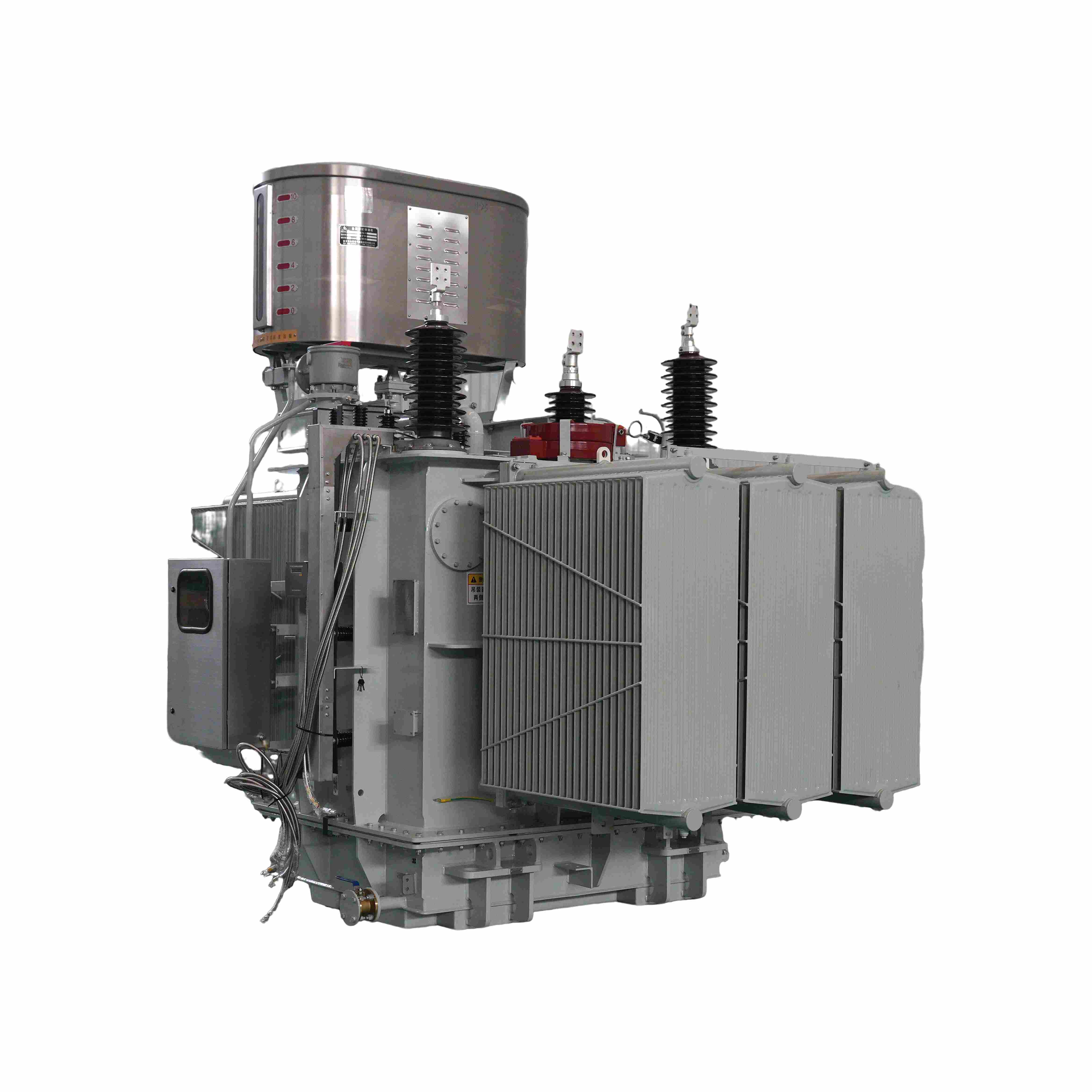
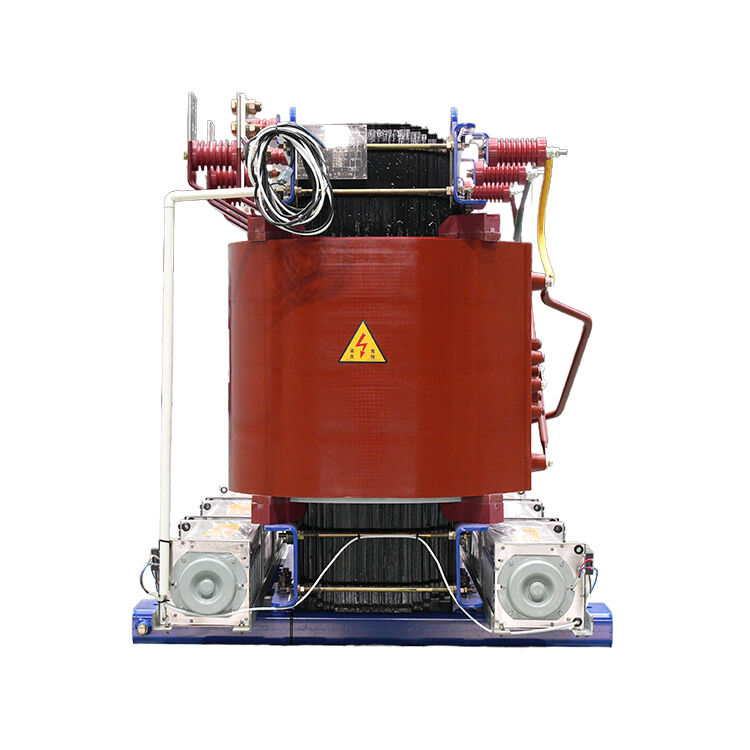
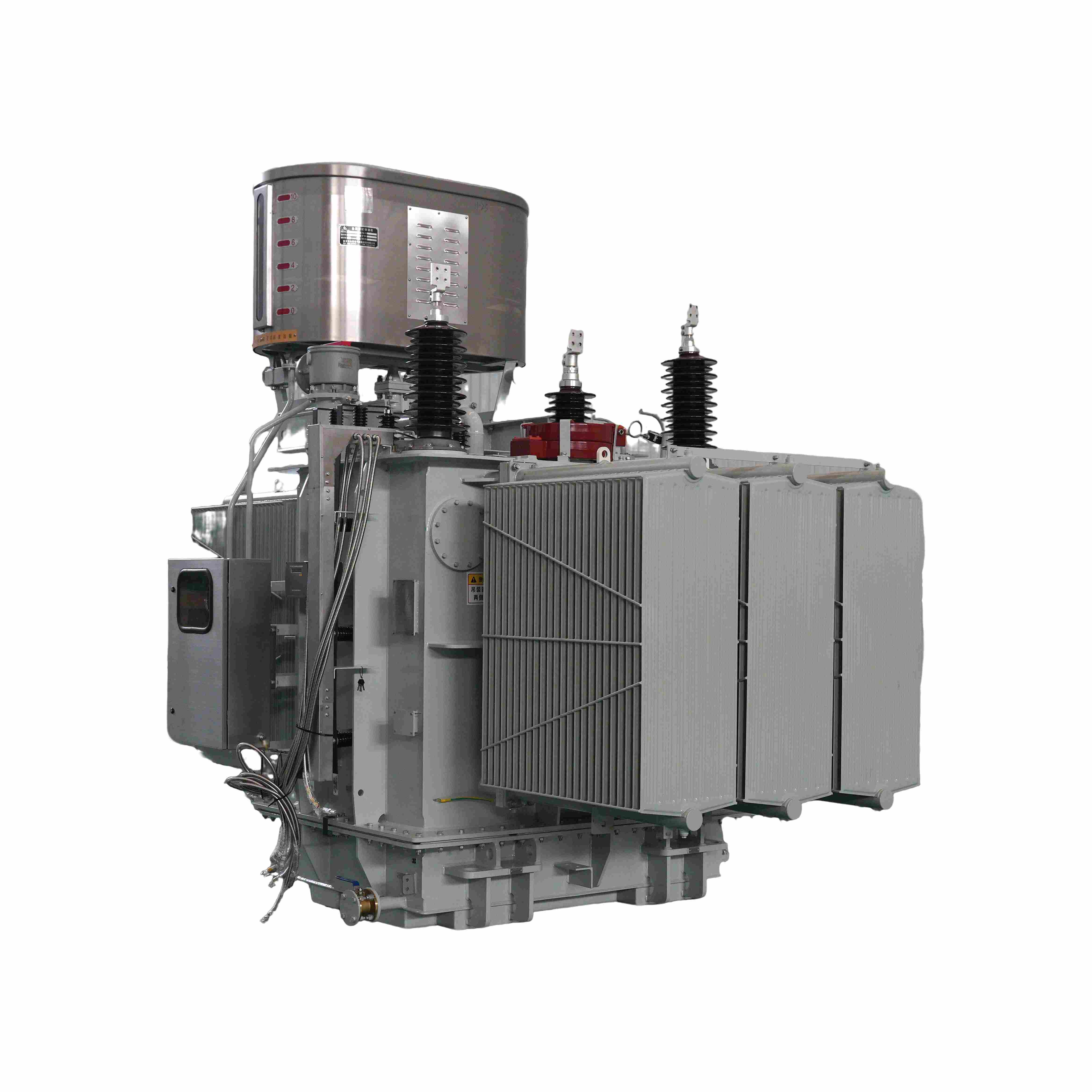
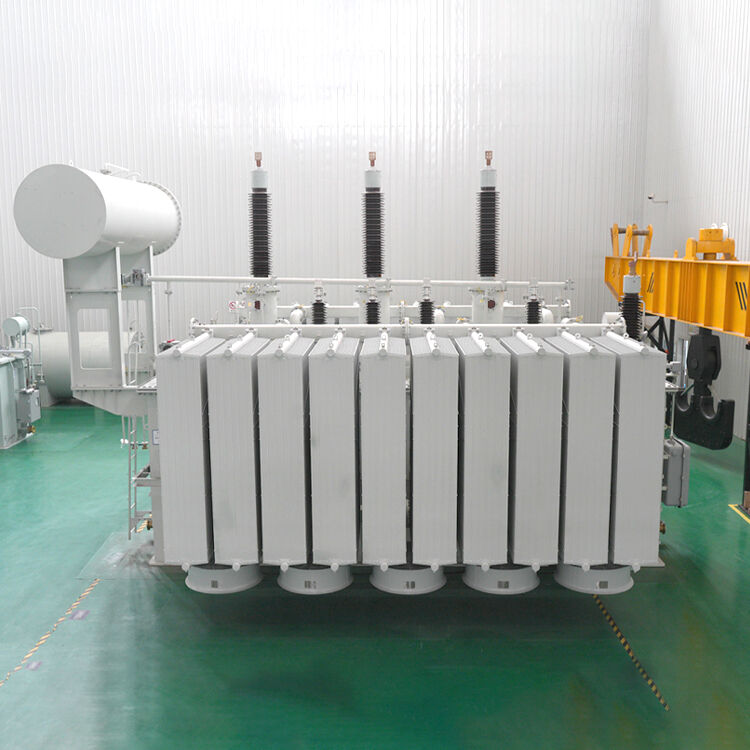
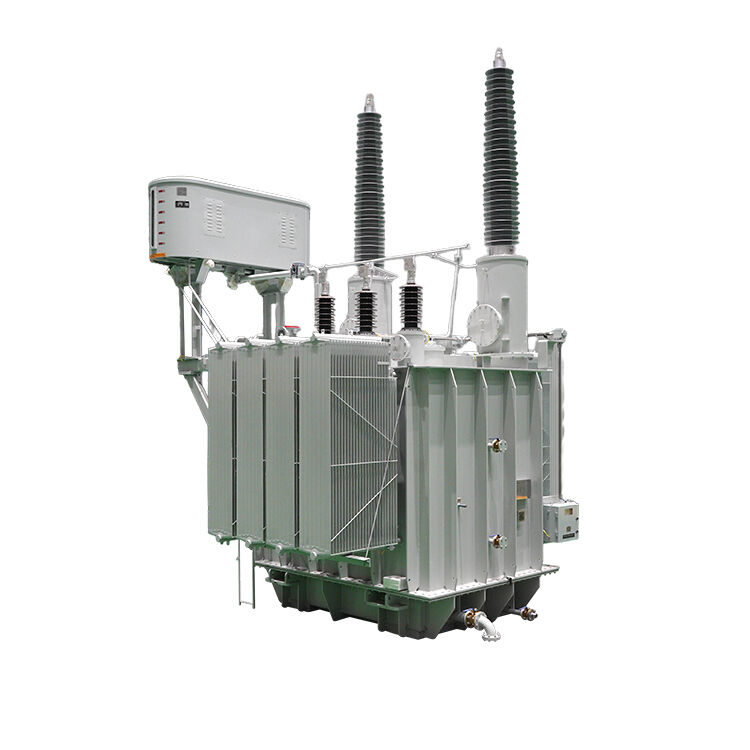
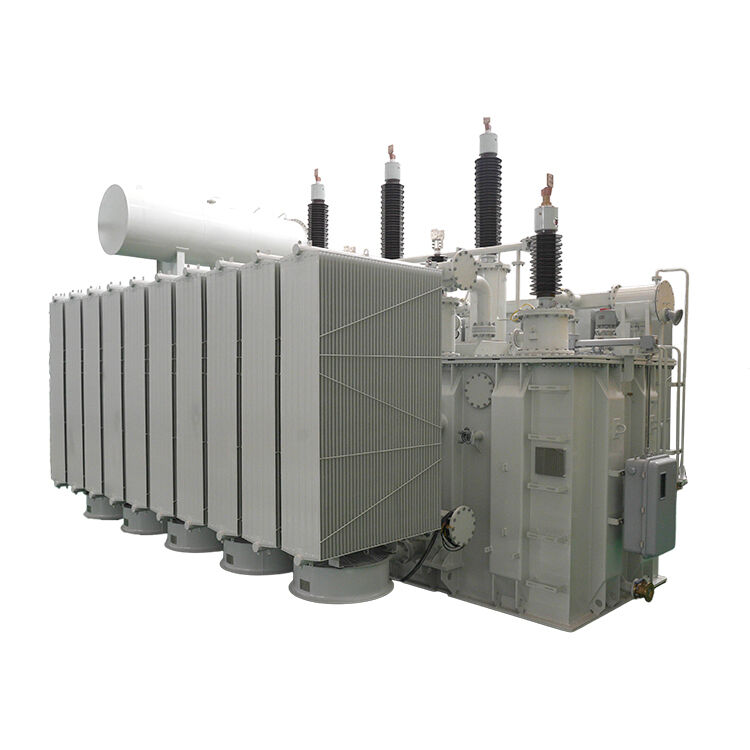
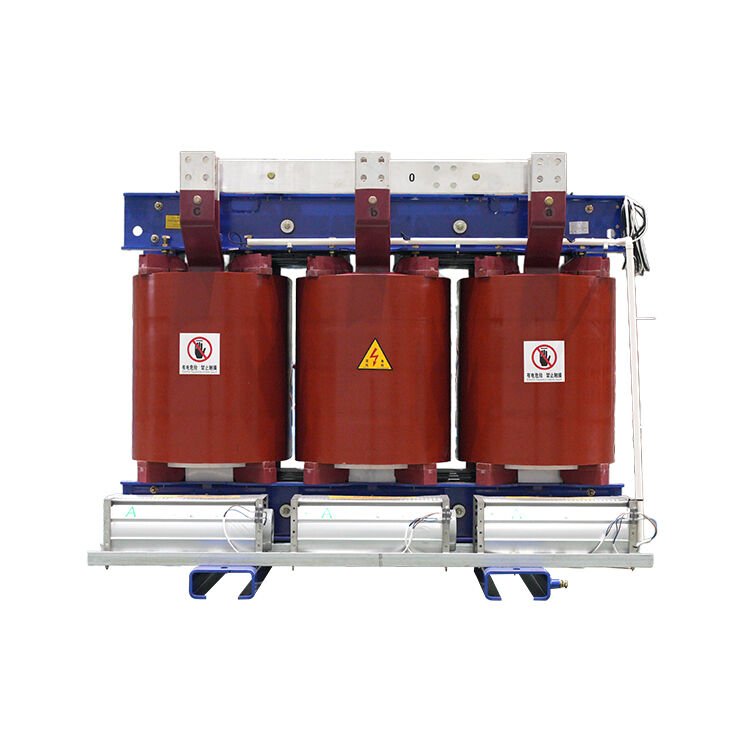
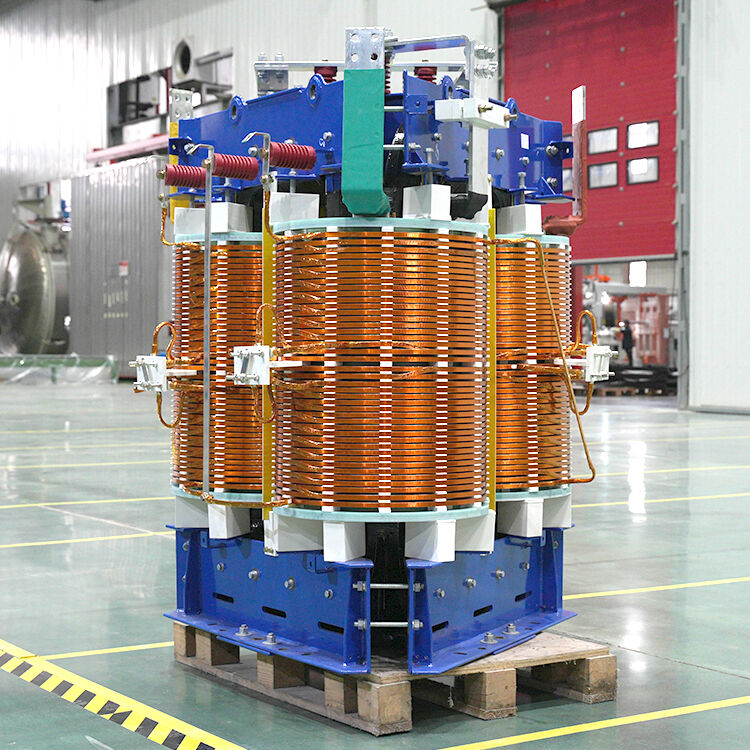
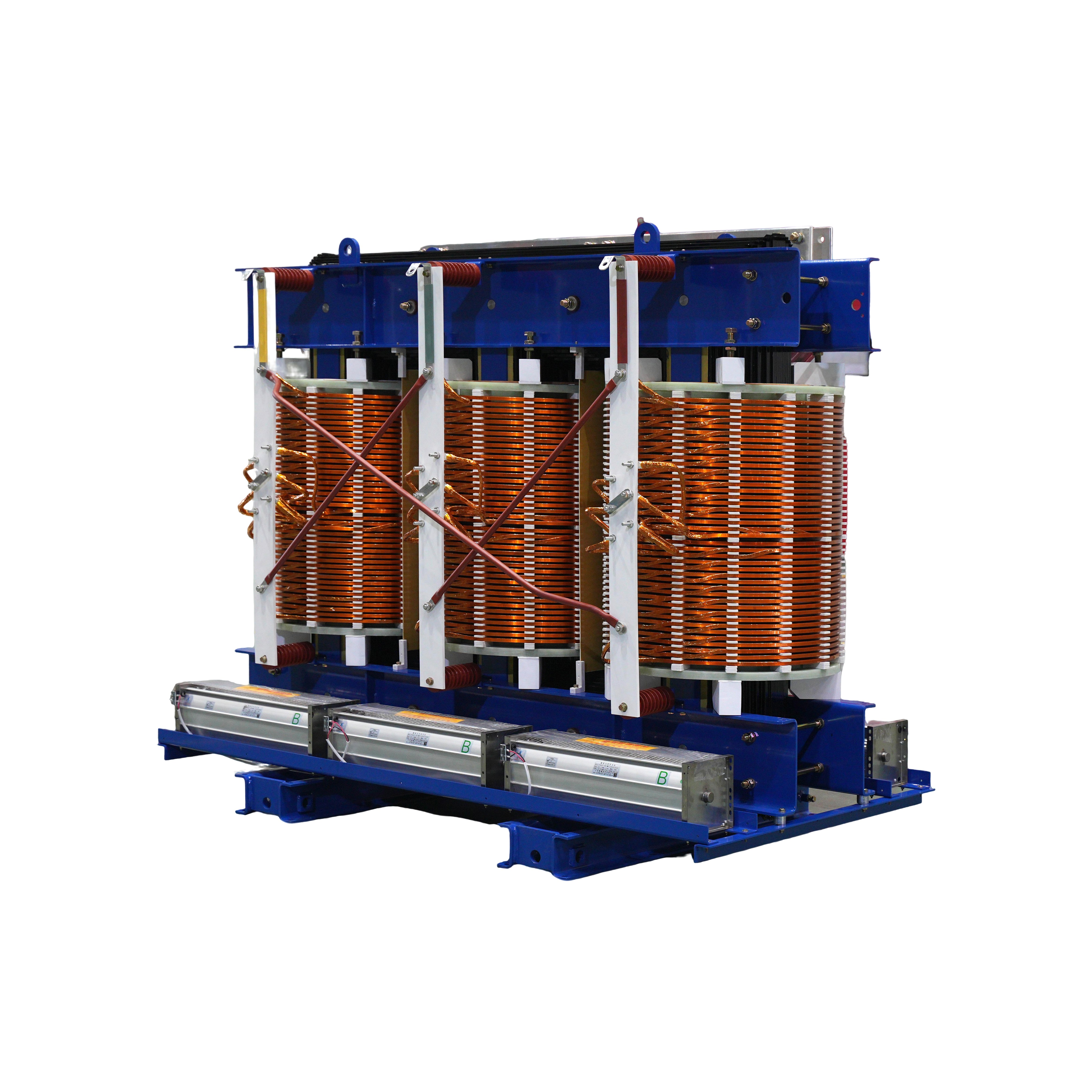
Dry type electrical transformers represent a revolutionary advancement in power distribution technology, offering superior performance without the need for liquid cooling systems. These sophisticated devices convert electrical energy from one voltage level to another through electromagnetic induction, utilizing air or solid insulation materials instead of traditional oil-based cooling methods. The core functionality of dry type electrical transformers centers on their ability to step up or step down voltage levels efficiently while maintaining electrical isolation between primary and secondary circuits. Modern dry type electrical transformers incorporate advanced magnetic core designs constructed from high-grade silicon steel laminations that minimize energy losses and reduce operational noise. The absence of flammable liquids makes these transformers inherently safer for indoor installations, eliminating concerns about oil leaks, fire hazards, and environmental contamination. Technologically, dry type electrical transformers feature enhanced insulation systems using epoxy resin encapsulation or cast coil construction that provides excellent moisture resistance and thermal stability. These units operate effectively across wide temperature ranges and demonstrate exceptional reliability in harsh environmental conditions. Applications for dry type electrical transformers span numerous industries including commercial buildings, hospitals, schools, manufacturing facilities, renewable energy systems, and data centers. Their compact design allows for flexible installation in space-constrained environments while delivering consistent power quality. The maintenance requirements for dry type electrical transformers are significantly reduced compared to oil-filled alternatives, as they eliminate the need for oil testing, filtration, and replacement procedures. Advanced monitoring capabilities integrated into modern units provide real-time operational data, enabling predictive maintenance strategies that maximize equipment lifespan. These transformers support various voltage configurations and power ratings, accommodating diverse electrical system requirements from small residential applications to large industrial installations, making them versatile solutions for contemporary power distribution challenges.

New Product Recommendations

Dry type electrical transformers deliver exceptional benefits that make them the preferred choice for modern electrical installations across diverse applications. Safety represents the primary advantage, as these units eliminate fire hazards associated with flammable insulating oils, making them ideal for indoor environments where human safety is paramount. The absence of liquid coolants prevents potential spills that could damage equipment or create environmental hazards, ensuring compliance with strict safety regulations in sensitive facilities like hospitals and schools. Installation flexibility constitutes another significant benefit of dry type electrical transformers, as their compact design allows placement in areas where oil-filled units would be impractical or prohibited. These transformers require minimal clearance space and can be installed closer to load centers, reducing voltage drop and improving system efficiency. The elimination of containment systems, oil pumps, and cooling infrastructure simplifies installation procedures and reduces overall project costs. Maintenance advantages of dry type electrical transformers translate directly into operational savings and improved reliability. Unlike oil-filled alternatives, these units do not require regular oil testing, filtration, or replacement, significantly reducing ongoing maintenance expenses and downtime. Visual inspection capabilities allow technicians to identify potential issues quickly without specialized testing equipment, enabling faster troubleshooting and repair procedures. Environmental benefits make dry type electrical transformers attractive for sustainability-focused organizations. These units contain no hazardous materials that require special disposal procedures, supporting corporate environmental responsibility initiatives. The absence of oil eliminates risks of soil contamination and groundwater pollution, making them suitable for environmentally sensitive locations. Performance characteristics of dry type electrical transformers include excellent load handling capabilities and superior voltage regulation under varying operating conditions. Advanced insulation systems provide enhanced dielectric strength and thermal performance, ensuring consistent operation across wide temperature ranges. Modern designs incorporate improved cooling methods that maximize power density while maintaining optimal operating temperatures. Cost effectiveness emerges through reduced total ownership costs, despite potentially higher initial investment compared to oil-filled units. Lower installation costs, minimal maintenance requirements, longer service life, and reduced insurance premiums contribute to favorable economic outcomes. The reliability of dry type electrical transformers minimizes unexpected failures and associated replacement costs, providing predictable operational expenses that facilitate accurate budgeting and financial planning for facility managers and engineers.

Practical Tips

What Is a Transformer and How Does It Improve Power System Efficiency?

02

Jan

What Is a Transformer and How Does It Improve Power System Efficiency?

A transformer represents one of the most critical components in modern electrical power systems, serving as the backbone for efficient energy transmission and distribution across vast networks. These electromagnetic devices enable the seamless conver...
View More
How Does a Transformer Work in High Voltage Power Transmission?

08

Jan

How Does a Transformer Work in High Voltage Power Transmission?

High voltage power transmission systems form the backbone of modern electrical grids, enabling electricity to travel efficiently across vast distances. At the heart of these complex networks lies the power transformer, a crucial piece of equipment th...
View More
Why Are Transformers Critical for Industrial Power Distribution Systems?

14

Jan

Why Are Transformers Critical for Industrial Power Distribution Systems?

Industrial power distribution systems form the backbone of modern manufacturing, commercial facilities, and critical infrastructure operations. At the heart of these complex networks lies a fundamental component that ensures safe, efficient, and reli...
View More
How Do Transformers Support Grid Stability in Large-Scale Power Networks?

20

Jan

How Do Transformers Support Grid Stability in Large-Scale Power Networks?

Large-scale power networks form the backbone of modern electrical infrastructure, requiring sophisticated equipment to maintain stability and reliability across vast geographical areas. Power transformers play a crucial role in these complex systems ...
View More

Get a Free Quote

Our representative will contact you soon.
Email
WhatsApp/Mobile
Name
Company Name
Message
0/1000

dry type electrical transformers

Enhanced Safety and Environmental Protection

Enhanced Safety and Environmental Protection

The paramount safety features of dry type electrical transformers establish them as the definitive choice for applications where human safety and environmental protection are non-negotiable priorities. Unlike traditional oil-filled transformers, these advanced units completely eliminate fire and explosion risks by removing flammable insulating liquids from the design equation. This fundamental safety advantage enables installation in occupied buildings, underground facilities, and confined spaces where oil-filled transformers would pose unacceptable hazards. The solid insulation systems used in dry type electrical transformers, typically consisting of epoxy resin or cast coil construction, provide superior dielectric strength while maintaining complete fire resistance. Emergency response procedures are significantly simplified since there are no flammable liquids to contain or extinguish, reducing emergency response complexity and associated costs. Environmental protection benefits extend beyond immediate safety concerns, as dry type electrical transformers eliminate risks of soil contamination, groundwater pollution, and air quality degradation that can result from oil leaks or transformer failures. Regulatory compliance becomes more straightforward since these units meet stringent environmental standards without requiring special containment systems, monitoring equipment, or emergency response protocols. The absence of PCB-containing materials in modern dry type electrical transformers ensures compliance with environmental regulations while supporting corporate sustainability initiatives. Indoor air quality remains uncompromised since these transformers do not emit harmful vapors or require ventilation systems designed to manage oil vapors. This characteristic makes them particularly suitable for educational institutions, healthcare facilities, and commercial buildings where occupant health and safety are paramount. Installation flexibility increases dramatically since dry type electrical transformers can be placed in basement levels, mechanical rooms, and other confined spaces without creating safety hazards or requiring expensive fire suppression systems. The elimination of oil-related environmental monitoring and reporting requirements reduces administrative burdens while ensuring consistent compliance with evolving environmental regulations. Long-term environmental benefits include simplified end-of-life disposal procedures, as these transformers contain no hazardous materials requiring special handling or disposal methods, supporting circular economy principles and sustainable business practices.
Superior Operational Reliability and Reduced Maintenance

Superior Operational Reliability and Reduced Maintenance

Operational reliability represents a cornerstone advantage of dry type electrical transformers, delivering consistent performance with minimal maintenance requirements that translate into significant operational and economic benefits. The robust construction of these transformers, featuring solid insulation systems and advanced magnetic core designs, provides exceptional resistance to environmental stresses, mechanical vibrations, and thermal cycling that can compromise traditional oil-filled units. Dry type electrical transformers demonstrate superior performance stability across wide temperature ranges, maintaining consistent voltage regulation and efficiency levels without the thermal management complications associated with liquid cooling systems. The absence of moving parts such as oil pumps, cooling fans, and associated mechanical components eliminates common failure points that plague oil-filled transformers, resulting in dramatically improved mean time between failures and reduced unplanned maintenance events. Predictive maintenance capabilities integrated into modern dry type electrical transformers enable proactive monitoring of critical operating parameters including temperature, load current, and insulation resistance, allowing maintenance teams to identify potential issues before they result in equipment failures or service interruptions. Visual inspection procedures for dry type electrical transformers are significantly simplified since technicians can directly observe critical components without navigating complex oil systems or specialized testing equipment, enabling faster diagnostic procedures and more accurate assessment of equipment condition. The elimination of oil-related maintenance tasks including sampling, testing, filtration, and replacement procedures reduces maintenance labor requirements by up to sixty percent compared to oil-filled alternatives, freeing technical resources for other critical facility maintenance activities. Spare parts inventory requirements are minimized since dry type electrical transformers utilize standard components that are readily available and do not require specialized storage conditions or handling procedures associated with transformer oil and related consumables. Seasonal maintenance requirements are virtually eliminated since these transformers do not require winterization procedures, oil heating systems, or temperature-sensitive maintenance scheduling that complicates oil-filled transformer management. Documentation and record-keeping requirements are substantially reduced since there are no oil quality reports, disposal records, or environmental monitoring documentation to maintain, simplifying compliance procedures and reducing administrative overhead while ensuring regulatory compliance and operational transparency.

Cost-Effective Total Ownership Value

Cost-Effective Total Ownership Value

The exceptional total cost of ownership value delivered by dry type electrical transformers stems from their comprehensive economic advantages that extend far beyond initial purchase price considerations, encompassing installation savings, operational efficiencies, and long-term financial benefits. Installation cost reductions begin with simplified site preparation requirements since dry type electrical transformers do not require concrete containment systems, oil storage facilities, or specialized fire suppression equipment that add substantial expenses to oil-filled transformer installations. The compact footprint of these units reduces building space requirements, enabling more efficient facility designs that maximize productive space utilization while minimizing construction costs. Labor costs during installation are significantly lower since dry type electrical transformers can be installed using standard electrical practices without specialized training for oil handling, environmental protection procedures, or complex cooling system integration. Transportation advantages include reduced shipping weights and simplified logistics since there are no liquid coolants to manage, hazardous material restrictions to navigate, or special handling requirements that increase freight costs and delivery complexity. Operating cost advantages accumulate over the transformer lifespan through reduced energy consumption, as modern dry type electrical transformers achieve efficiency levels exceeding ninety-eight percent while eliminating parasitic loads from oil circulation pumps and cooling equipment. Insurance cost reductions result from lower risk profiles associated with non-flammable installations, enabling substantial savings on property insurance premiums while potentially eliminating requirements for specialized transformer insurance coverage. Utility rebates and incentive programs frequently favor dry type electrical transformers due to their environmental benefits and energy efficiency characteristics, providing additional financial benefits that improve project economics. Financing advantages may include preferential interest rates and terms for environmentally responsible equipment selections, supporting favorable cash flow projections and return on investment calculations. Resale value retention is superior for dry type electrical transformers since they maintain their performance characteristics without degradation from oil contamination or thermal stress, ensuring higher equipment values at end-of-service life. Tax advantages may include accelerated depreciation schedules, energy efficiency credits, and environmental improvement deductions that provide additional financial benefits while supporting corporate financial objectives and sustainability commitments throughout the equipment lifecycle.

Get a Free Quote

Our representative will contact you soon.
Email
WhatsApp/Mobile
Name
Company Name
Message
0/1000