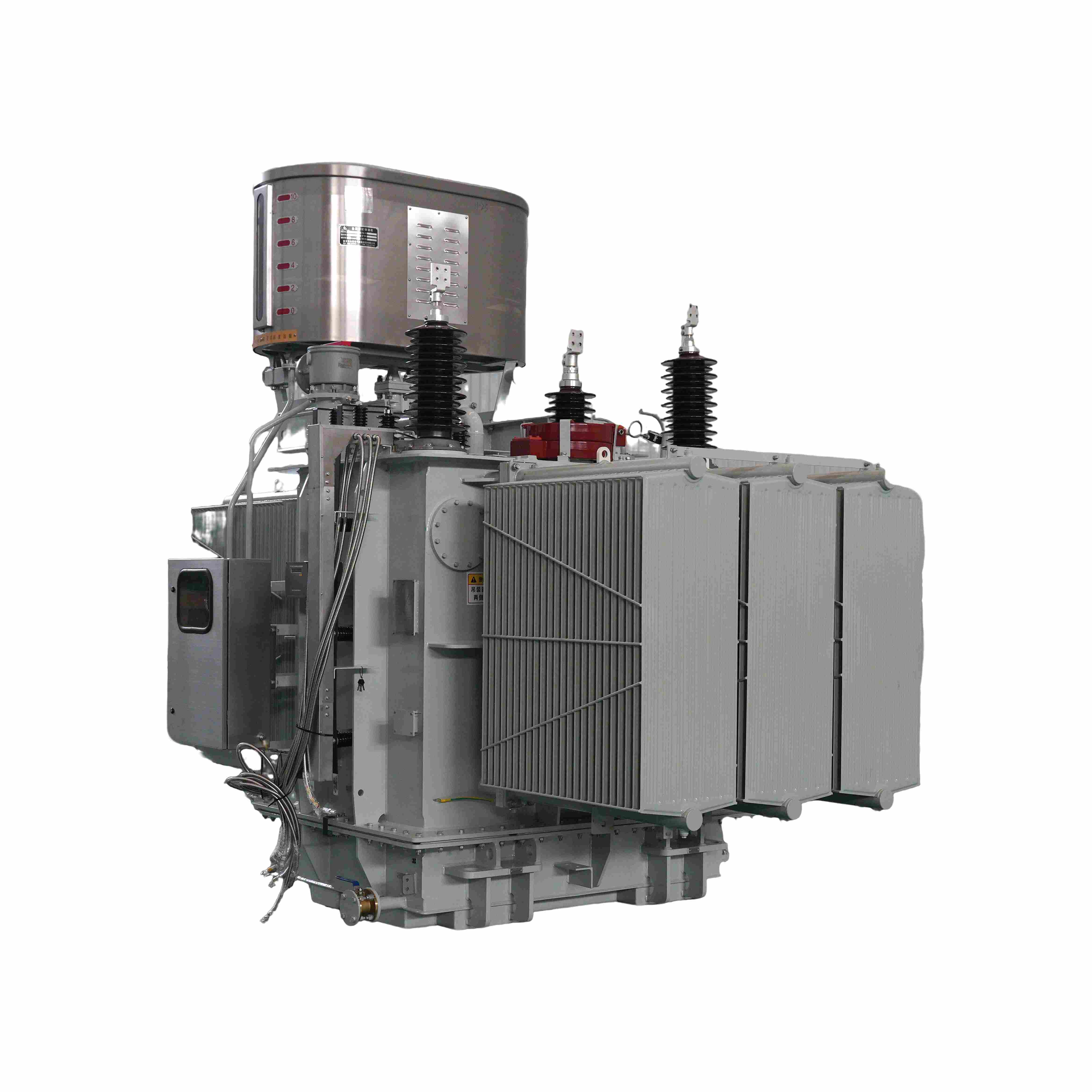
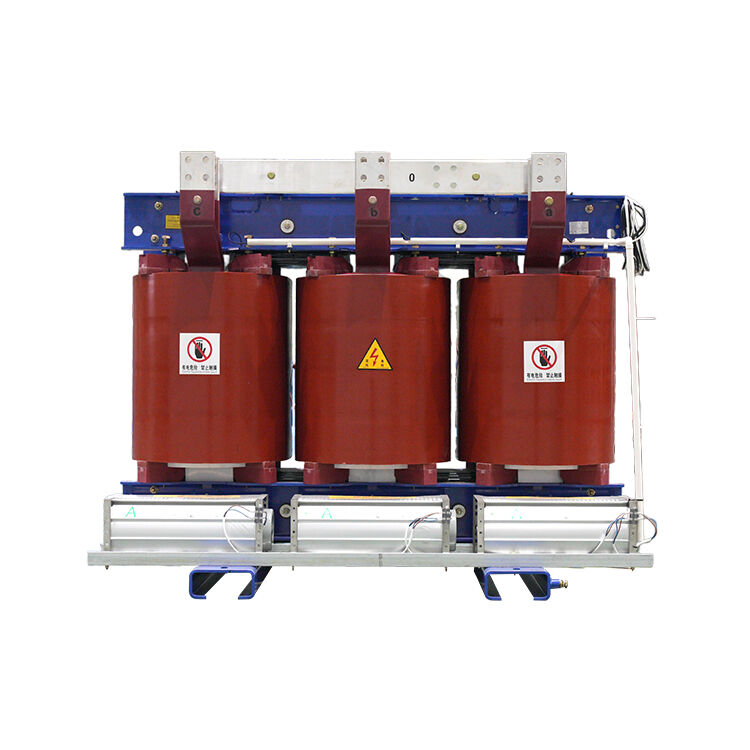
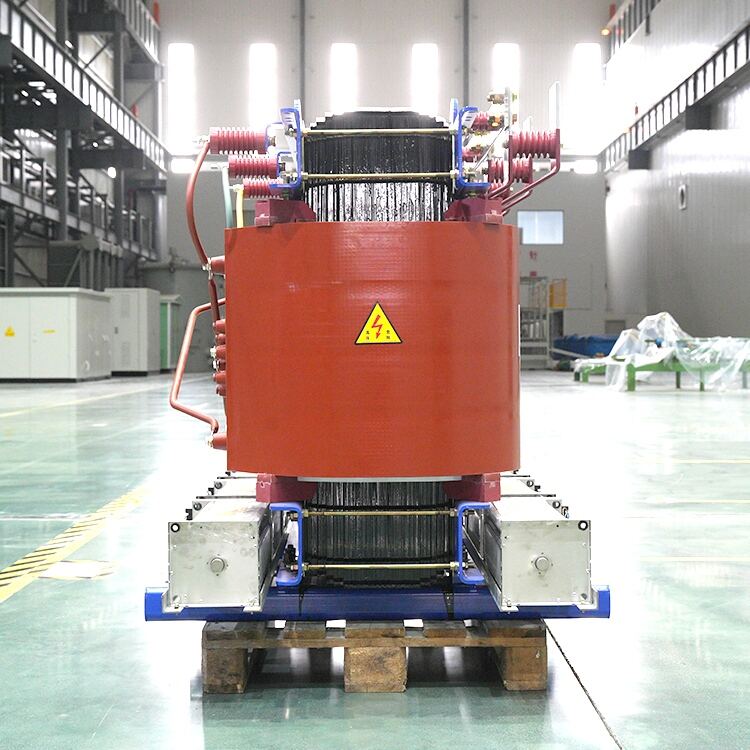
energy efficient distribution transformers
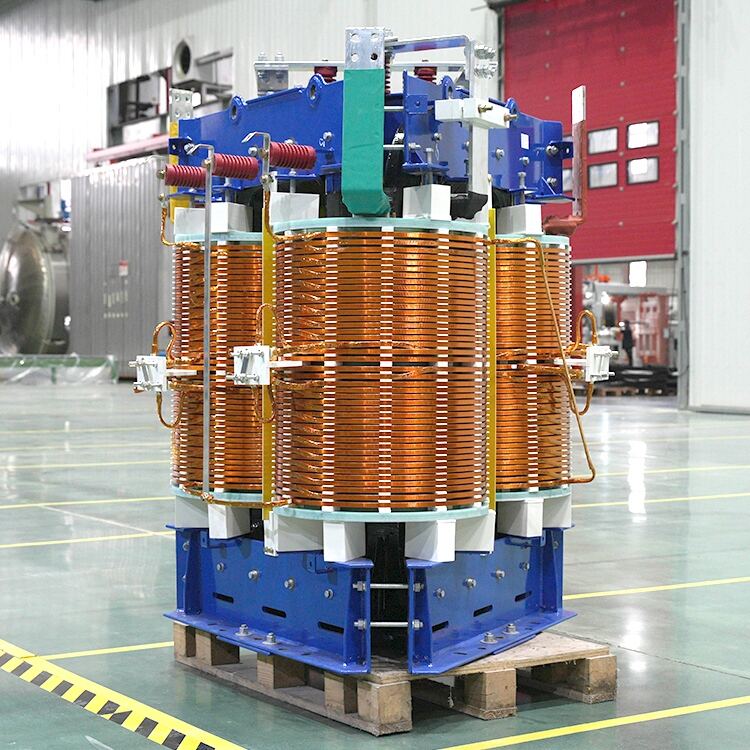
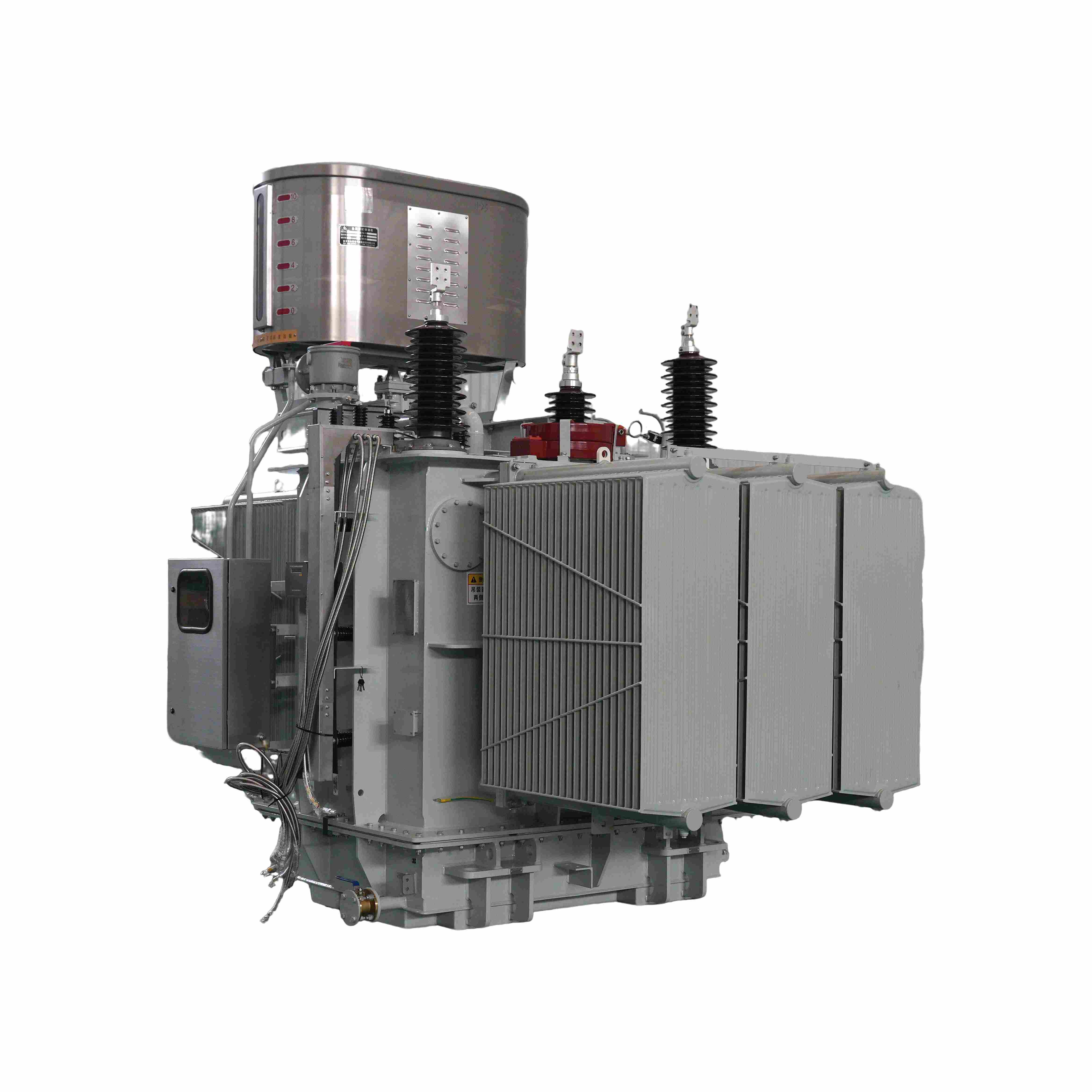
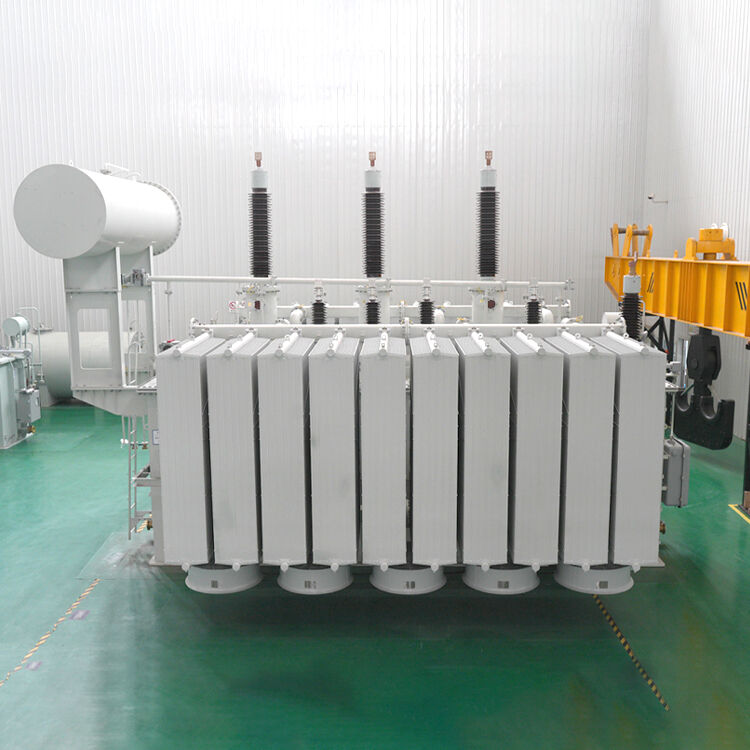
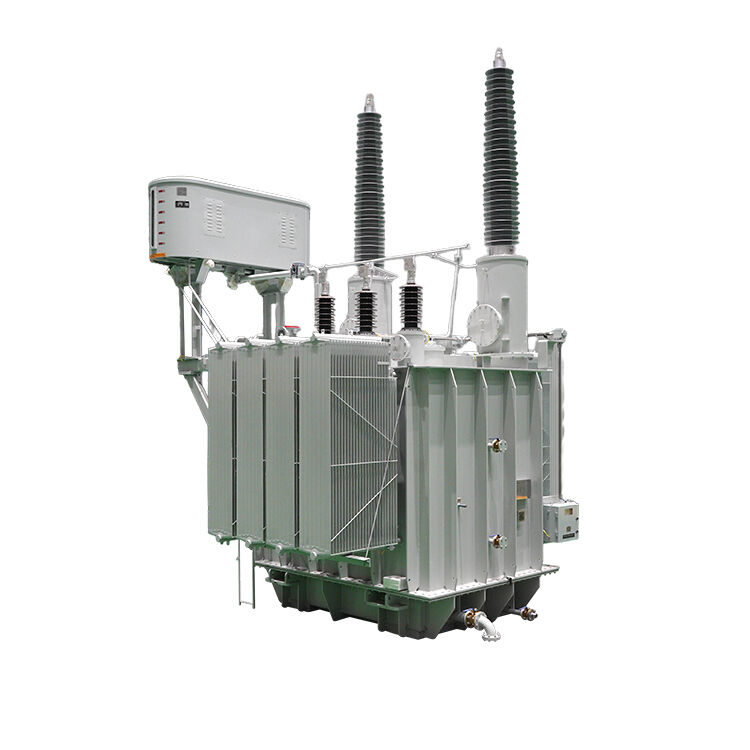
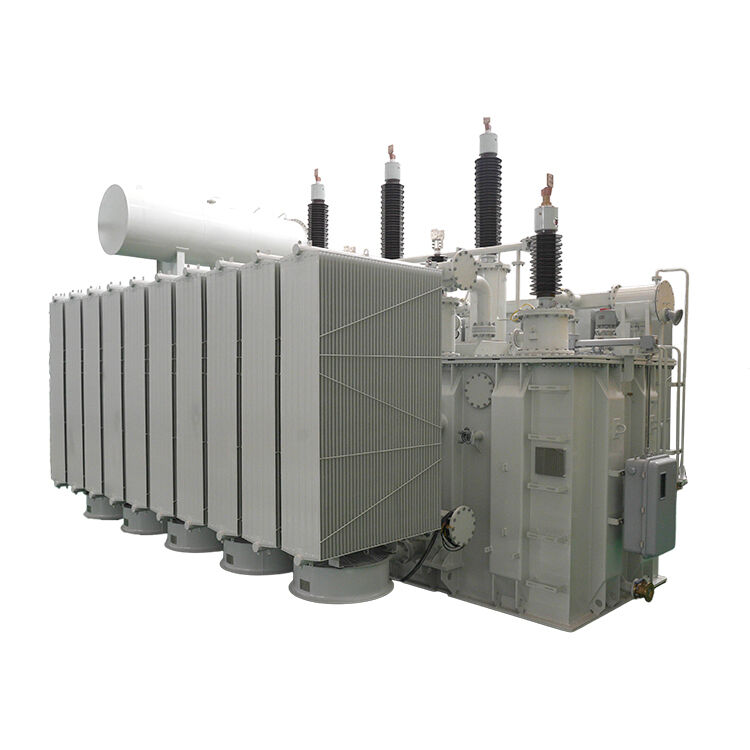
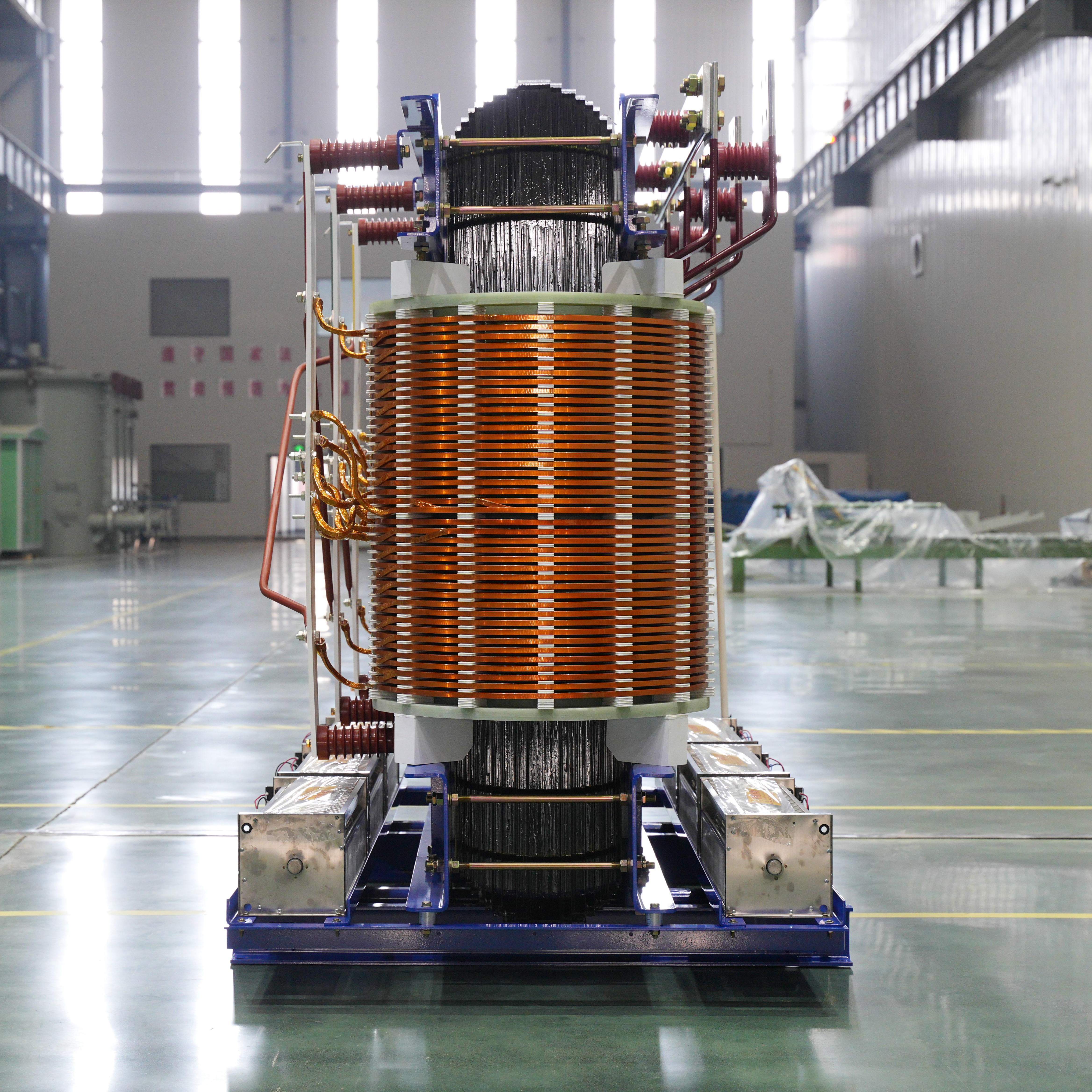
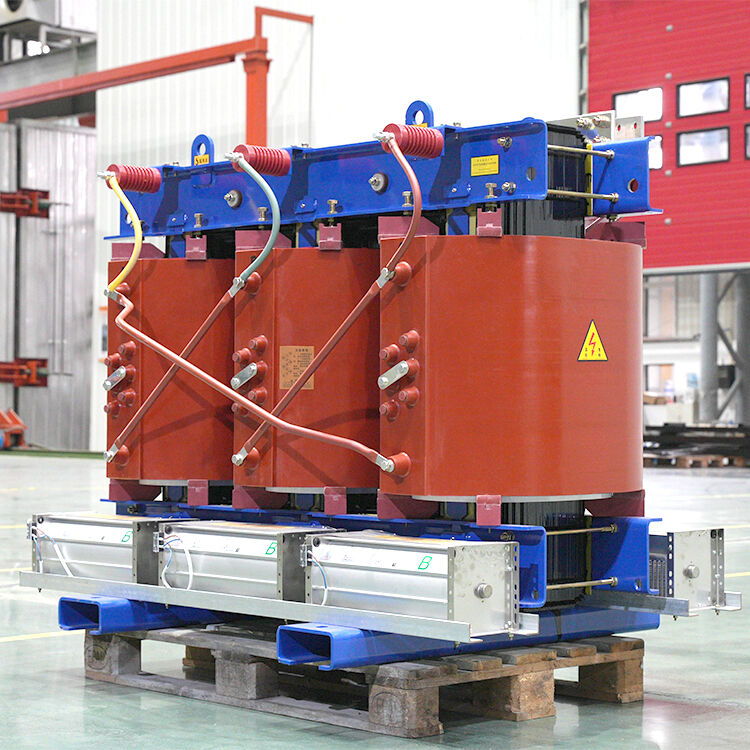
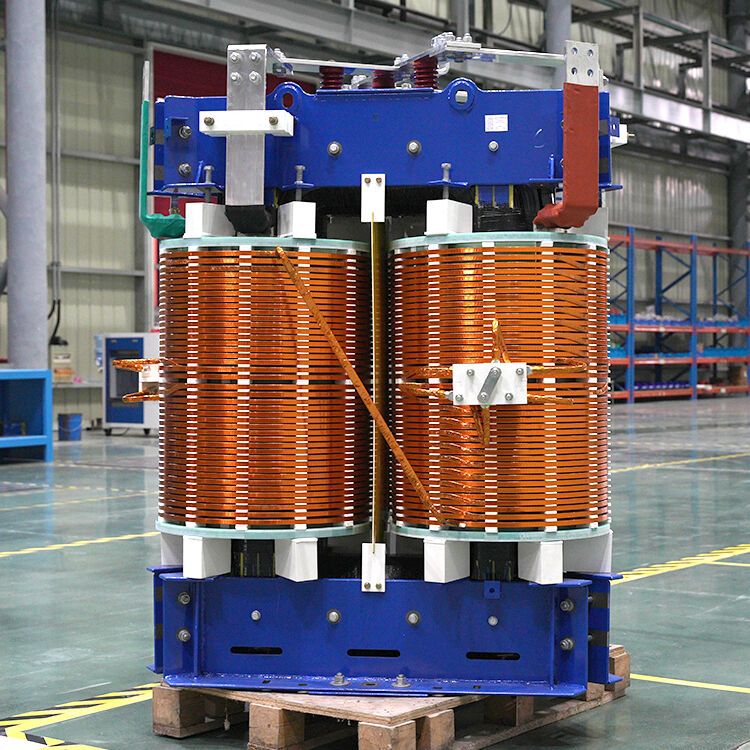
Energy efficient distribution transformers represent a revolutionary advancement in electrical power distribution technology, designed to minimize energy losses while maximizing operational performance across various industrial and commercial applications. These sophisticated electrical devices serve as critical components in power distribution networks, converting high-voltage electricity from transmission lines into lower voltages suitable for local distribution to end users. The primary functions of energy efficient distribution transformers include voltage transformation, electrical isolation, and power regulation, ensuring safe and reliable electricity delivery to residential, commercial, and industrial facilities. Modern energy efficient distribution transformers incorporate advanced core materials, optimized winding configurations, and innovative cooling systems that significantly reduce no-load losses and load losses compared to conventional transformer designs. The technological features of these transformers include amorphous metal cores, high-grade silicon steel laminations, premium copper or aluminum windings, and sophisticated insulation systems that enhance thermal management and electrical performance. These transformers utilize cutting-edge manufacturing processes that minimize eddy current losses and hysteresis losses, resulting in improved energy efficiency ratings that often exceed 98 percent. The applications of energy efficient distribution transformers span across diverse sectors including power utilities, manufacturing facilities, data centers, healthcare institutions, educational campuses, and renewable energy installations. These transformers are particularly valuable in smart grid implementations where energy efficiency and reliability are paramount concerns. The integration of energy efficient distribution transformers into electrical infrastructure contributes to reduced carbon emissions, lower operational costs, and enhanced system reliability, making them essential components for sustainable energy management strategies in modern electrical distribution systems.
 EN
EN