Smart Distribution Transformer: Advanced Grid Technology for Enhanced Power Distribution and Energy Efficiency

Get a Free Quote

Our representative will contact you soon.
Email
WhatsApp/Mobile
Name
Company Name
Message
0/1000

smart distribution transformer

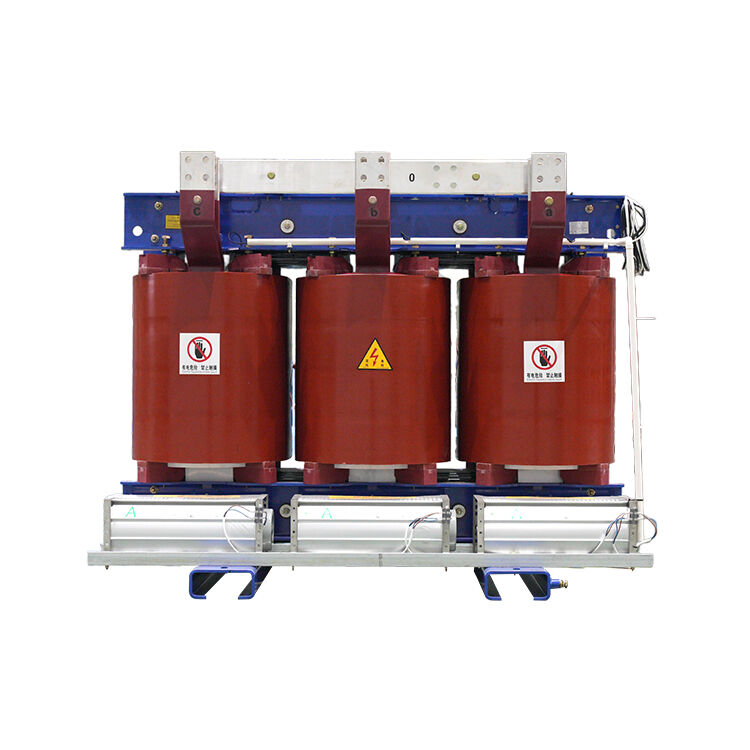
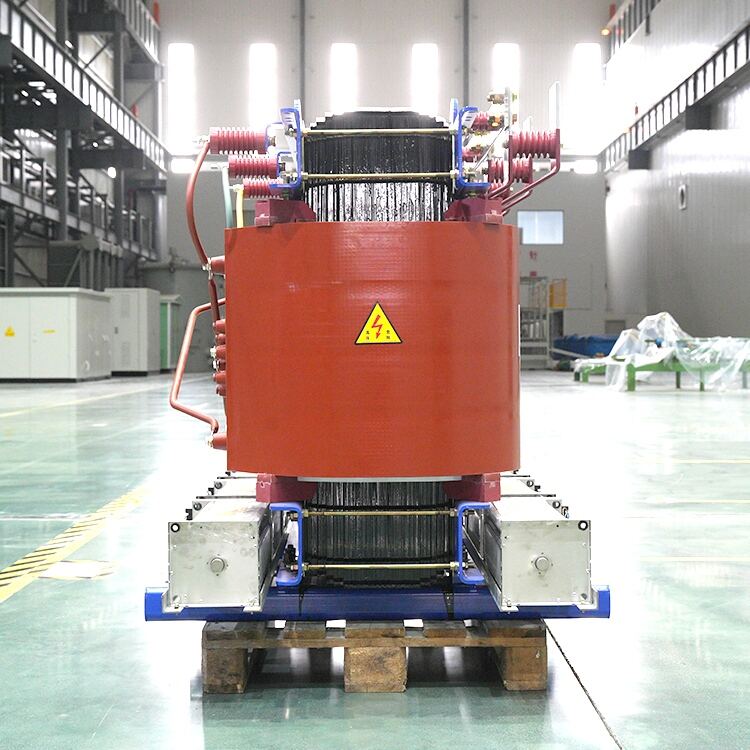
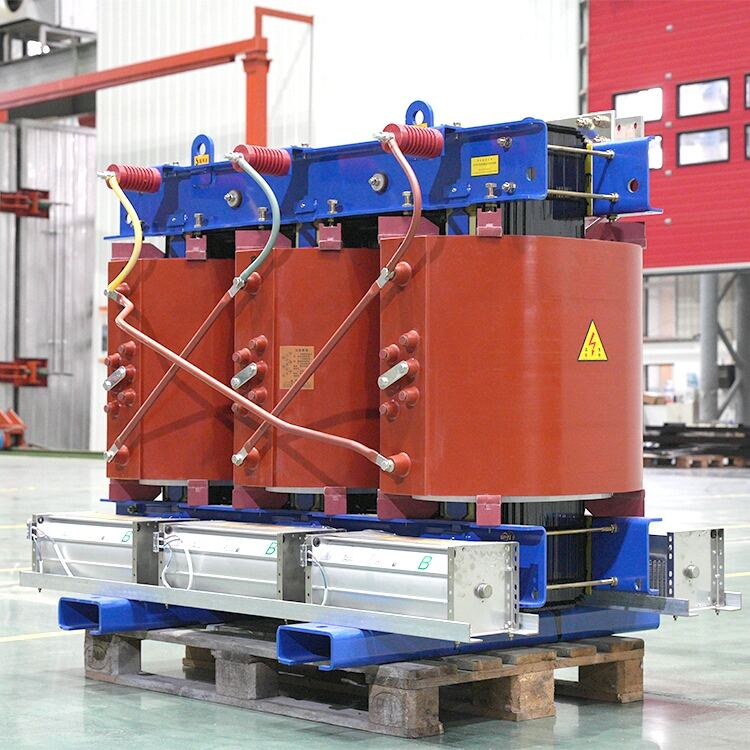
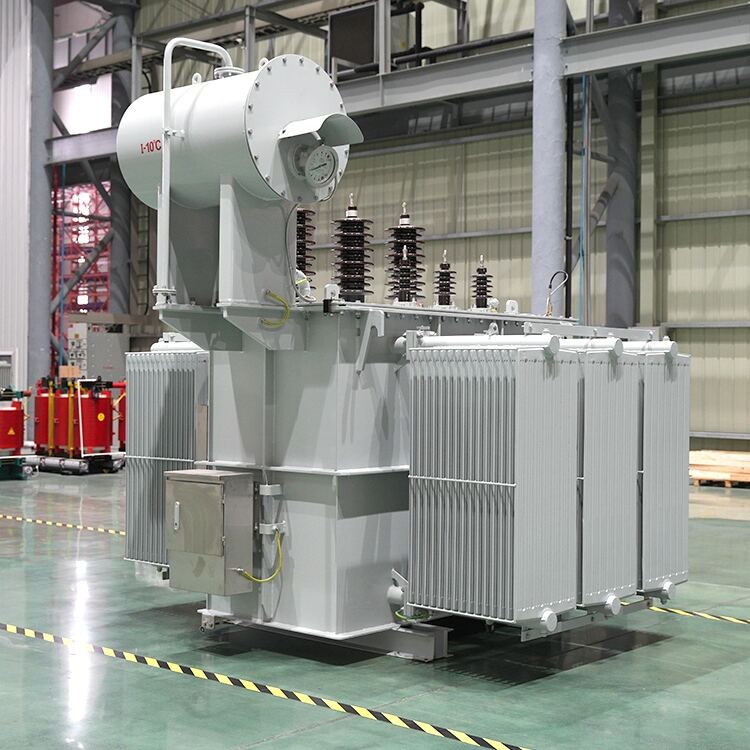
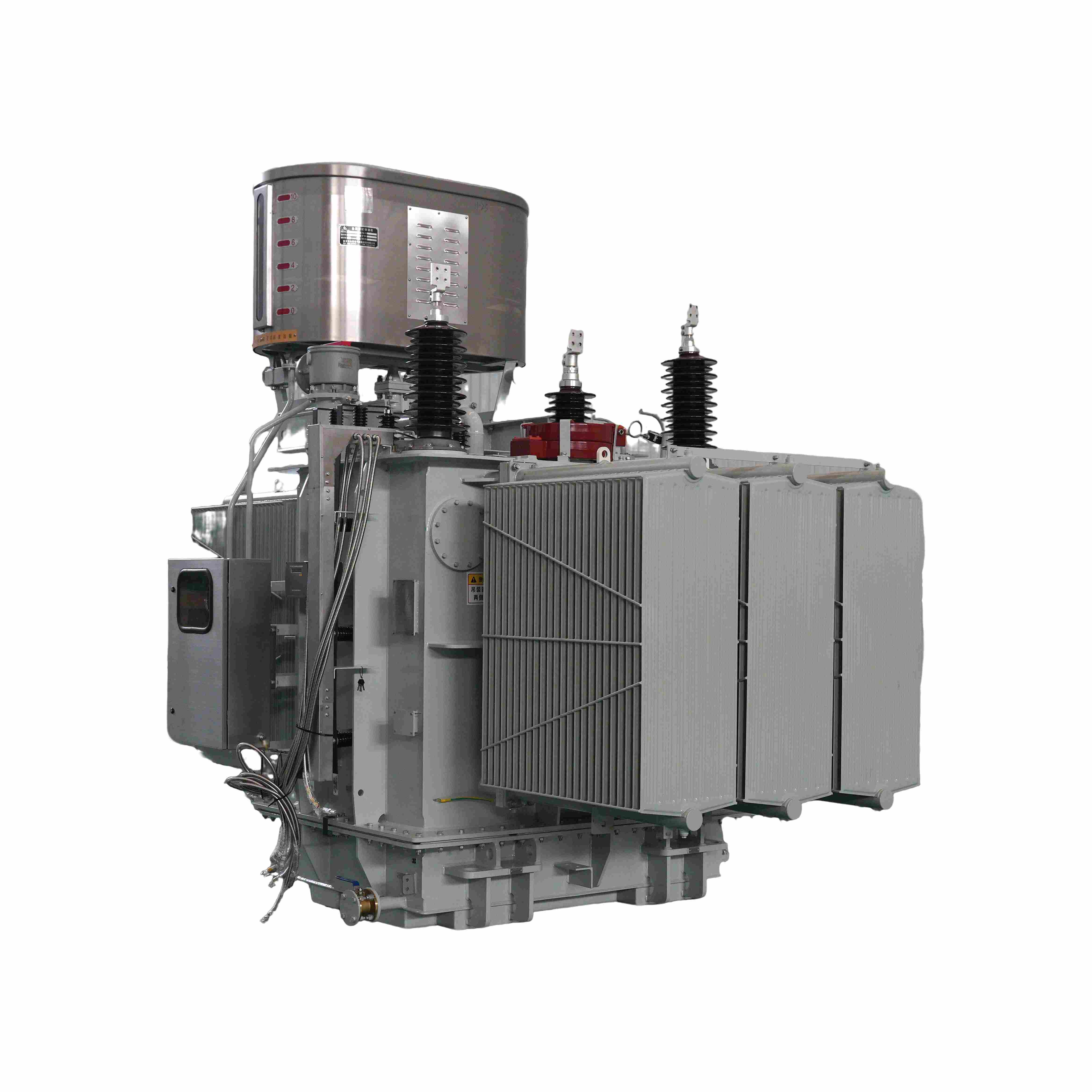
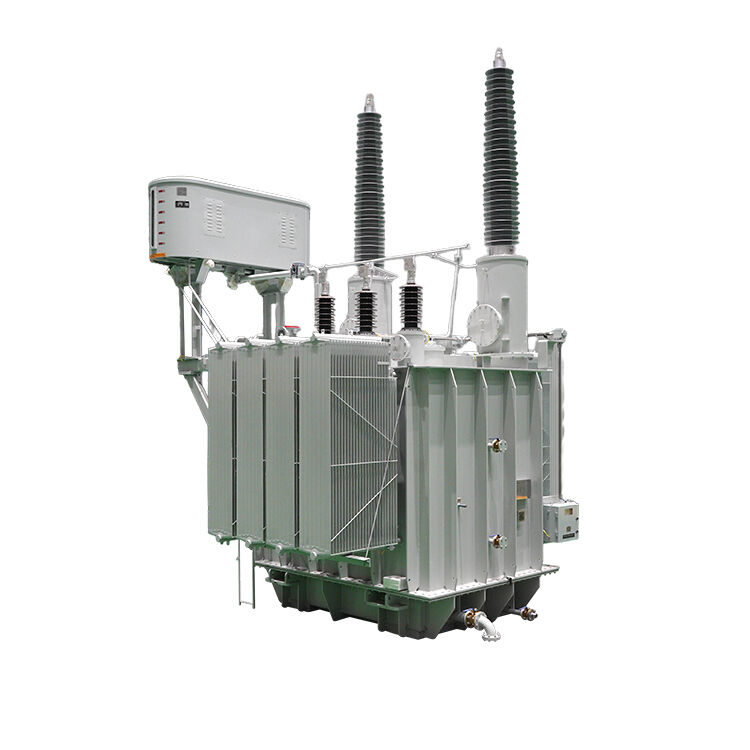
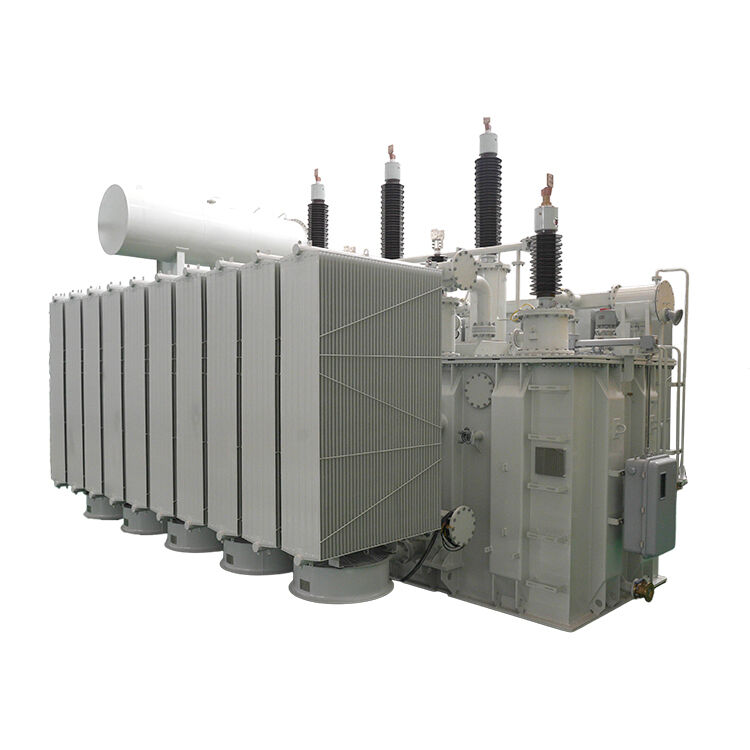
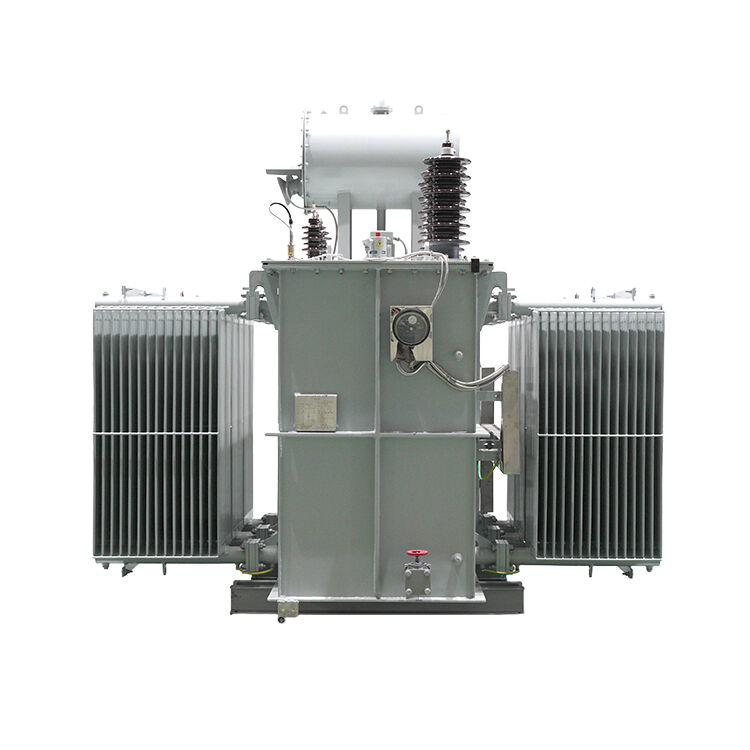
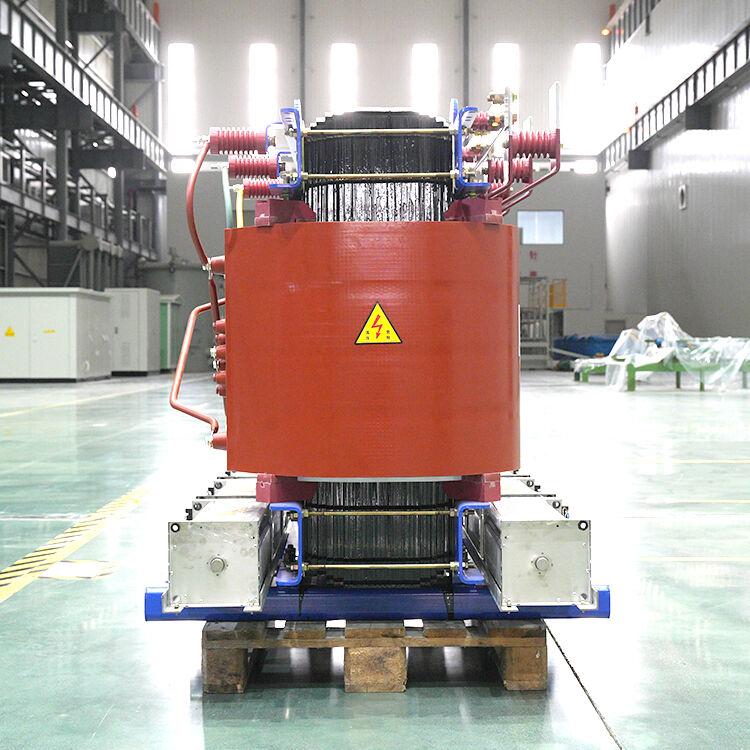
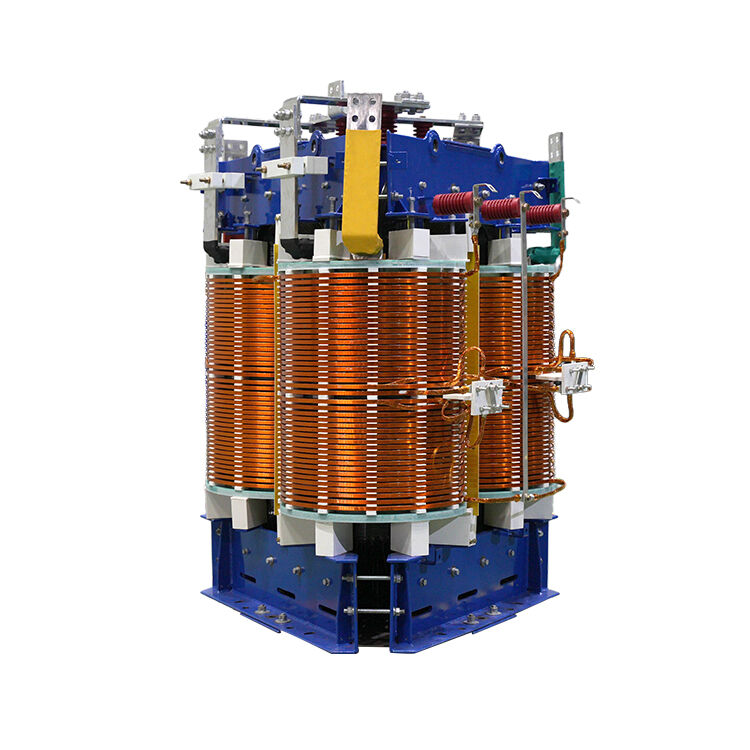
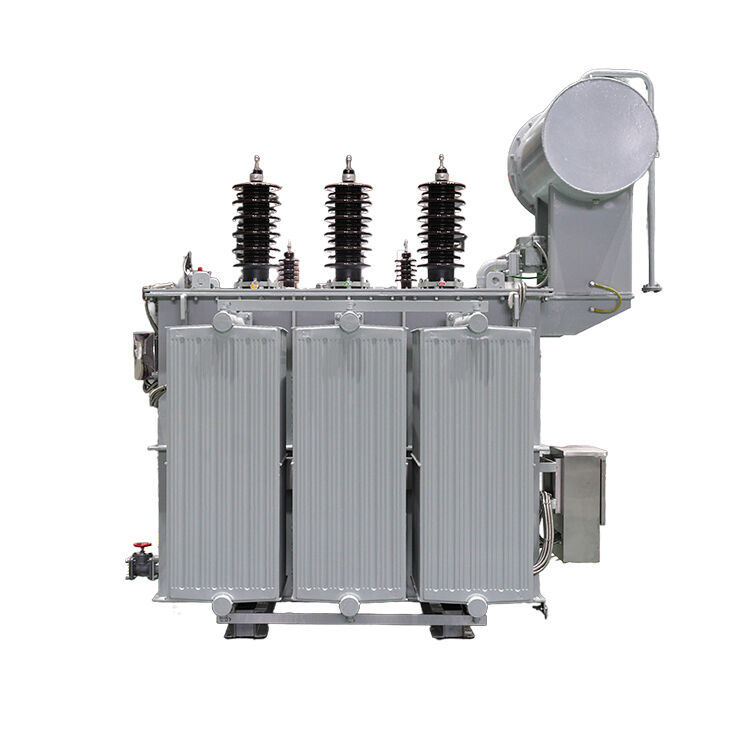
A smart distribution transformer represents a revolutionary advancement in electrical power distribution technology, combining traditional transformer functionality with cutting-edge digital intelligence and monitoring capabilities. This innovative device serves as a critical component in modern electrical grids, efficiently stepping down high-voltage electricity to lower voltages suitable for residential, commercial, and industrial applications while providing real-time data analytics and remote monitoring features. The smart distribution transformer integrates advanced sensors, communication modules, and intelligent control systems that enable continuous monitoring of operational parameters including voltage levels, current flow, temperature variations, oil conditions, and load patterns. These sophisticated devices utilize Internet of Things (IoT) connectivity to transmit operational data to centralized control centers, allowing utility companies and facility managers to make informed decisions about grid management and maintenance scheduling. The technological architecture incorporates multiple communication protocols such as cellular, Wi-Fi, and fiber optic connections, ensuring reliable data transmission even in challenging environmental conditions. Smart distribution transformers feature advanced protection mechanisms including overcurrent protection, overvoltage protection, and thermal monitoring systems that automatically respond to abnormal operating conditions. The built-in analytics capabilities enable predictive maintenance algorithms that analyze historical performance data to identify potential issues before they result in equipment failure or service interruptions. These transformers support bidirectional power flow, making them ideal for integration with renewable energy sources such as solar panels and wind turbines. The modular design allows for easy upgrades and customization based on specific application requirements, while the robust construction ensures reliable operation in various environmental conditions including extreme temperatures, humidity, and seismic activity.

New Products

Smart distribution transformers deliver significant operational benefits that translate directly into cost savings and improved reliability for utility companies and end users. These advanced devices reduce maintenance costs by up to 40 percent through predictive analytics that identify potential problems before they require emergency repairs or cause service disruptions. The real-time monitoring capabilities eliminate the need for manual inspections and routine testing, freeing up technical personnel to focus on more critical tasks while ensuring continuous system oversight. Energy efficiency improvements of 15 to 25 percent result from optimized load management and reduced power losses, leading to substantial reductions in electricity bills and environmental impact. The automatic voltage regulation feature maintains consistent power quality regardless of load fluctuations, protecting sensitive electronic equipment from damage and extending the lifespan of connected devices. Remote diagnostic capabilities enable technicians to troubleshoot issues without physical site visits, reducing response times from hours to minutes and minimizing service interruptions. The enhanced safety features include automatic shutdown protocols that activate during dangerous conditions, protecting both equipment and personnel from electrical hazards. Grid stability improves significantly through load balancing algorithms that distribute electrical loads evenly across the distribution network, preventing overloads and voltage fluctuations that can damage equipment or cause blackouts. Integration with renewable energy systems becomes seamless through bidirectional power flow capabilities, allowing excess energy from solar panels or wind turbines to flow back into the grid efficiently. The comprehensive data logging functions provide detailed insights into energy consumption patterns, enabling better demand forecasting and capacity planning. Asset management becomes more effective through continuous condition monitoring that tracks transformer health indicators and provides accurate remaining useful life estimates. Emergency response times improve dramatically through instant fault notification systems that alert maintenance teams immediately when problems occur. The scalable architecture accommodates future upgrades and technology enhancements without requiring complete system replacement, protecting long-term investments while ensuring compatibility with emerging smart grid technologies.

Latest News

What Is a Transformer and How Does It Improve Power System Efficiency?

02

Jan

What Is a Transformer and How Does It Improve Power System Efficiency?

A transformer represents one of the most critical components in modern electrical power systems, serving as the backbone for efficient energy transmission and distribution across vast networks. These electromagnetic devices enable the seamless conver...
View More
Why Are Transformers Critical for Industrial Power Distribution Systems?

14

Jan

Why Are Transformers Critical for Industrial Power Distribution Systems?

Industrial power distribution systems form the backbone of modern manufacturing, commercial facilities, and critical infrastructure operations. At the heart of these complex networks lies a fundamental component that ensures safe, efficient, and reli...
View More
How Do Transformers Support Grid Stability in Large-Scale Power Networks?

20

Jan

How Do Transformers Support Grid Stability in Large-Scale Power Networks?

Large-scale power networks form the backbone of modern electrical infrastructure, requiring sophisticated equipment to maintain stability and reliability across vast geographical areas. Power transformers play a crucial role in these complex systems ...
View More
What Should Utilities Consider When Selecting a Transformer Supplier?

26

Jan

What Should Utilities Consider When Selecting a Transformer Supplier?

Selecting the right supplier for power infrastructure represents one of the most critical decisions utility companies face in today's rapidly evolving energy landscape. The process of choosing a power transformer supplier requires careful evaluation ...
View More

Get a Free Quote

Our representative will contact you soon.
Email
WhatsApp/Mobile
Name
Company Name
Message
0/1000

smart distribution transformer

Advanced Predictive Maintenance Technology

Advanced Predictive Maintenance Technology

The smart distribution transformer incorporates sophisticated predictive maintenance technology that revolutionizes traditional maintenance approaches by utilizing artificial intelligence and machine learning algorithms to analyze operational data continuously. This advanced system monitors critical parameters including oil temperature, moisture levels, dissolved gas concentrations, vibration patterns, and electrical characteristics to create comprehensive health assessments that predict potential failures weeks or months before they occur. The predictive analytics engine processes thousands of data points daily, comparing current performance against historical baselines and industry standards to identify subtle changes that indicate developing problems. This proactive approach eliminates unexpected failures that can cost thousands of dollars in emergency repairs and service disruptions, replacing reactive maintenance strategies with planned interventions that minimize costs and maximize equipment reliability. The system generates detailed maintenance recommendations with specific timelines, allowing maintenance teams to schedule work during planned outages rather than responding to emergency situations. Advanced diagnostics capabilities include partial discharge monitoring that detects insulation degradation, thermal imaging integration that identifies hot spots before they cause damage, and oil analysis systems that monitor chemical composition changes indicating internal faults. The technology extends transformer lifespan by 20 to 30 percent through optimized operating conditions and timely interventions that prevent minor issues from escalating into major problems. Maintenance costs decrease significantly as the system eliminates unnecessary routine inspections while ensuring that critical maintenance activities occur precisely when needed. The comprehensive reporting features provide detailed documentation of transformer health trends, supporting regulatory compliance and warranty claims while building historical databases that improve future predictive accuracy.
Real-Time Grid Optimization and Load Management

Real-Time Grid Optimization and Load Management

Smart distribution transformers excel in real-time grid optimization through intelligent load management systems that continuously monitor and adjust electrical distribution based on actual demand patterns and grid conditions. This sophisticated capability utilizes advanced sensors and communication technologies to collect instantaneous data about power consumption, voltage levels, and current flow throughout the distribution network, enabling dynamic adjustments that optimize efficiency and reliability. The load balancing algorithms automatically redistribute electrical loads across multiple transformers and circuits to prevent overloading while maximizing system capacity utilization, resulting in improved power quality and reduced energy waste. Voltage regulation functions maintain optimal voltage levels within tight tolerances regardless of load fluctuations or external conditions, protecting sensitive equipment from damage while ensuring consistent performance. The system responds to changing conditions within seconds, automatically adjusting tap positions and switching configurations to maintain optimal operating parameters without human intervention. Peak demand management capabilities help reduce electricity costs by identifying high-consumption periods and implementing load-shifting strategies that distribute energy usage more evenly throughout the day. Integration with renewable energy sources becomes seamless through bidirectional power flow management that accommodates varying generation patterns from solar panels and wind turbines, maximizing renewable energy utilization while maintaining grid stability. The transformer communicates with other smart grid components to coordinate responses to changing conditions, participating in automated demand response programs that help balance supply and demand across the entire electrical system. Power quality monitoring identifies and corrects harmonic distortions, voltage fluctuations, and other electrical anomalies that can damage equipment or reduce efficiency, ensuring clean power delivery to all connected loads. The comprehensive data collection enables detailed analysis of consumption patterns, supporting energy efficiency initiatives and helping customers identify opportunities to reduce their electricity usage and costs.
Enhanced Safety and Fault Detection Systems

Enhanced Safety and Fault Detection Systems

The smart distribution transformer incorporates comprehensive safety and fault detection systems that provide unprecedented protection for both equipment and personnel through multiple layers of intelligent monitoring and automatic response mechanisms. Advanced fault detection algorithms continuously analyze electrical parameters, mechanical vibrations, and thermal conditions to identify abnormal operating conditions that could indicate developing problems or immediate safety hazards. The system utilizes sophisticated sensors including partial discharge detectors, gas analyzers, and thermal monitoring devices to create a complete picture of transformer health and operating conditions, enabling early identification of potential safety issues before they become dangerous. Automatic protection systems respond instantly to fault conditions by implementing predetermined safety protocols including load disconnection, circuit isolation, and emergency shutdown procedures that prevent equipment damage and protect human safety. Arc fault detection capabilities identify dangerous electrical arcs that can cause fires or explosions, automatically triggering protective measures within milliseconds to prevent catastrophic failures. The intelligent monitoring system tracks insulation integrity through partial discharge analysis and dielectric testing, identifying deterioration that could lead to electrical faults or safety hazards. Ground fault protection systems detect unwanted current paths that could create electrocution risks, immediately isolating affected circuits to protect personnel and prevent equipment damage. Cybersecurity features protect the smart distribution transformer from digital threats through encrypted communications, secure authentication protocols, and intrusion detection systems that prevent unauthorized access to critical control functions. Emergency notification systems instantly alert maintenance personnel and emergency responders when safety incidents occur, providing precise location information and detailed fault descriptions that enable rapid response. The comprehensive safety documentation includes detailed logs of all safety-related events and automatic generation of incident reports that support regulatory compliance and insurance requirements. Integration with facility safety systems enables coordinated emergency responses that include automatic notifications to fire departments, emergency medical services, and utility emergency response teams when serious incidents occur.

Get a Free Quote

Our representative will contact you soon.
Email
WhatsApp/Mobile
Name
Company Name
Message
0/1000