Enhanced Energy Efficiency and Economic Performance
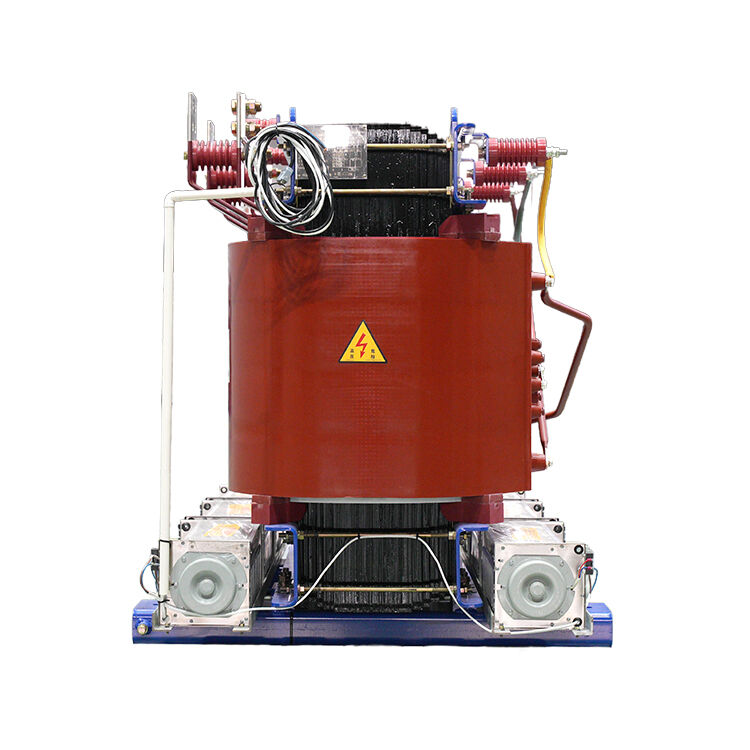
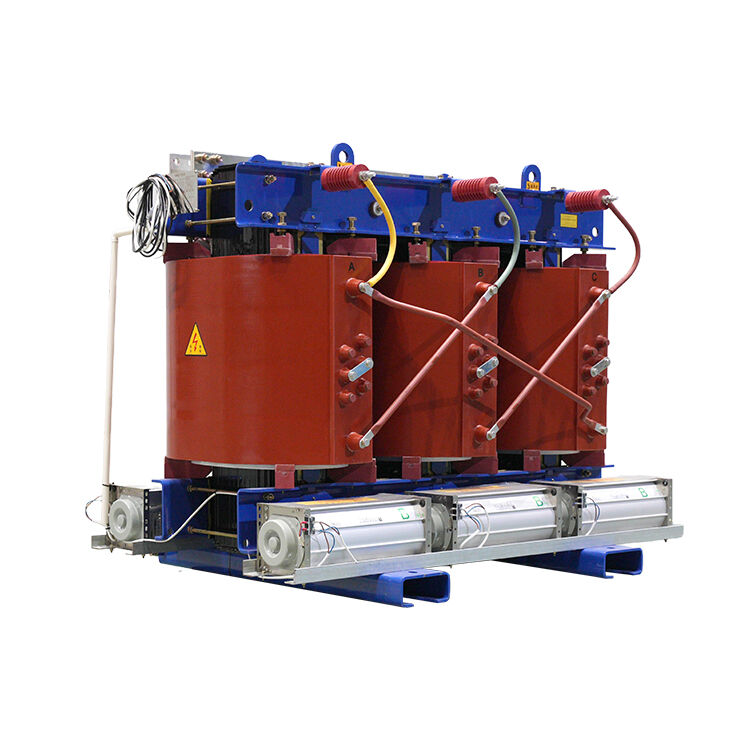
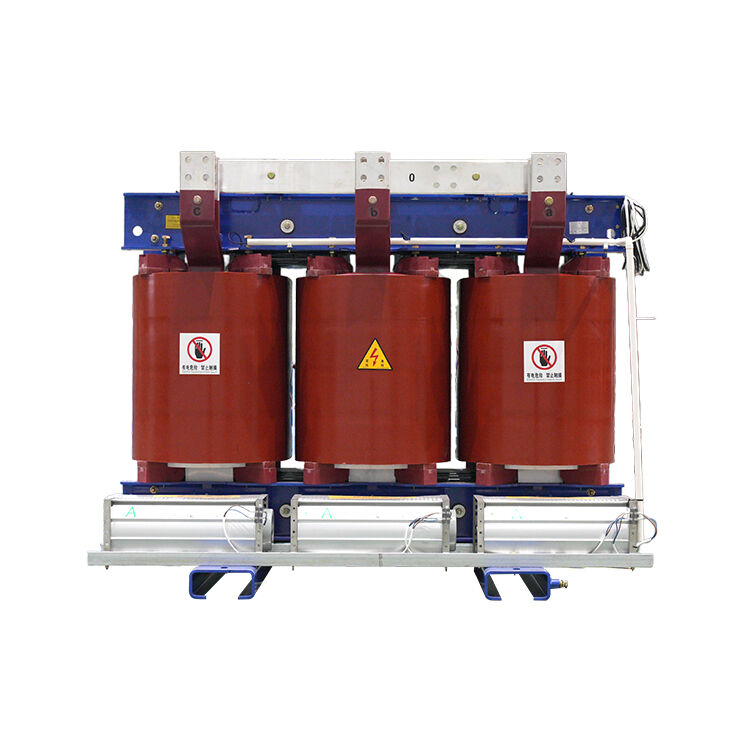
The economic benefits of epoxy cast transformer technology extend far beyond initial purchase price considerations, encompassing operational efficiency, maintenance savings, and lifecycle cost advantages that deliver substantial long-term value. Energy efficiency represents a primary economic driver, with advanced core materials and precision manufacturing techniques minimizing power losses during operation. High-grade silicon steel laminations reduce core losses, while optimized winding configurations minimize resistive losses, resulting in overall efficiency ratings that often exceed 98 percent for larger units. This efficiency translates directly to reduced electricity costs over the transformer's operational life, with savings potentially reaching thousands of dollars annually for high-capacity installations. The precise manufacturing processes employed in epoxy cast transformer production ensure consistent performance characteristics and eliminate hot spots that could reduce efficiency or accelerate component degradation. Computer-controlled winding techniques achieve optimal conductor placement and tension, minimizing losses while maximizing power handling capacity. The epoxy encapsulation process fills all voids and air gaps, eliminating partial discharge activity that can cause efficiency degradation over time. Temperature stability represents another efficiency factor, with the excellent thermal properties of epoxy resin maintaining consistent performance across wide temperature ranges. Maintenance cost reductions provide significant economic advantages throughout the transformer's service life. The sealed construction eliminates routine oil analysis, filtration, and replacement procedures that require specialized equipment and trained personnel. Dissolved gas analysis, oil breakdown testing, and moisture monitoring become unnecessary, reducing both direct maintenance costs and system downtime. The absence of cooling systems, pumps, and radiators eliminates mechanical components that require periodic service and eventual replacement. This maintenance simplicity proves particularly valuable for remote installations where service access is difficult or expensive. Installation cost savings begin immediately with simplified transportation and commissioning procedures. The factory-sealed units arrive ready for immediate service without requiring oil filling, vacuum processing, or extensive testing procedures. Reduced installation time translates to lower labor costs and faster project completion, providing immediate economic benefits for construction projects operating under tight schedules and budgets.
 EN
EN