High-Performance Epoxy Transformer for Substations - Safe, Efficient & Maintenance-Free Solutions

Get a Free Quote

Our representative will contact you soon.
Email
WhatsApp/Mobile
Name
Company Name
Message
0/1000

epoxy transformer for substations

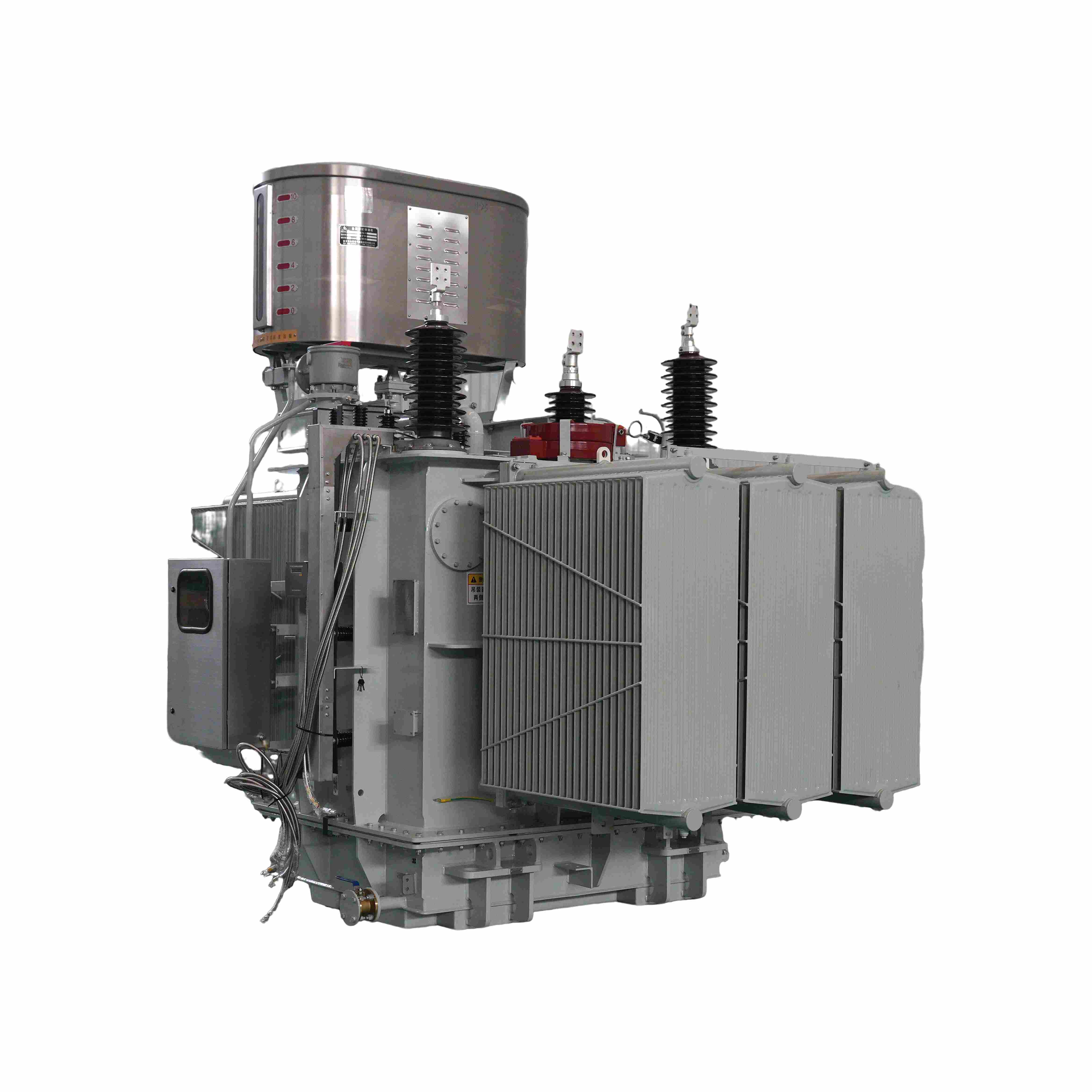
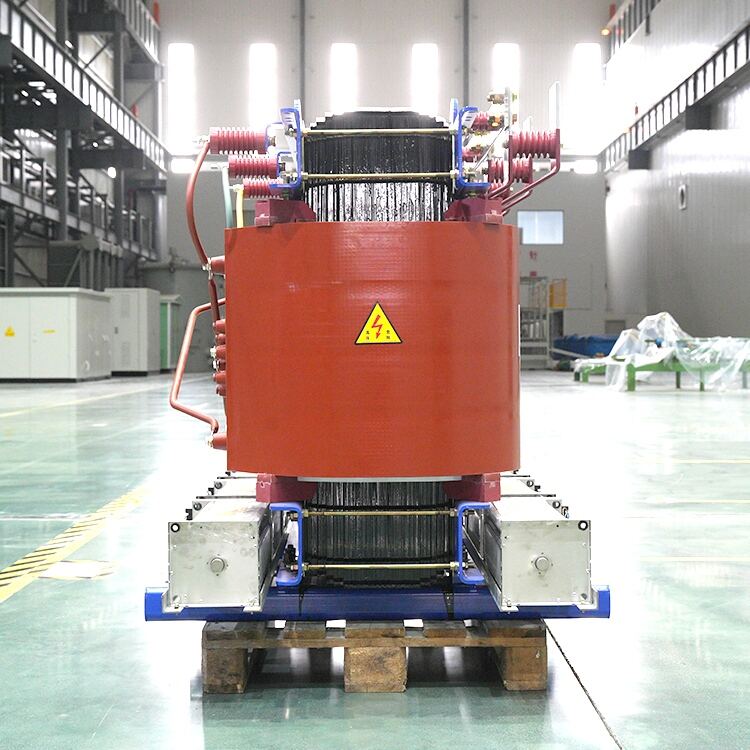
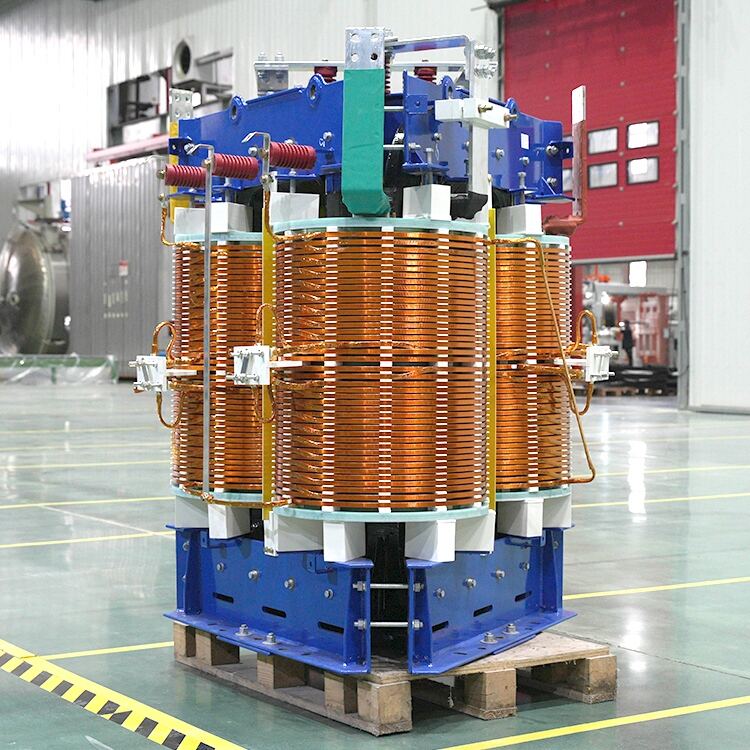
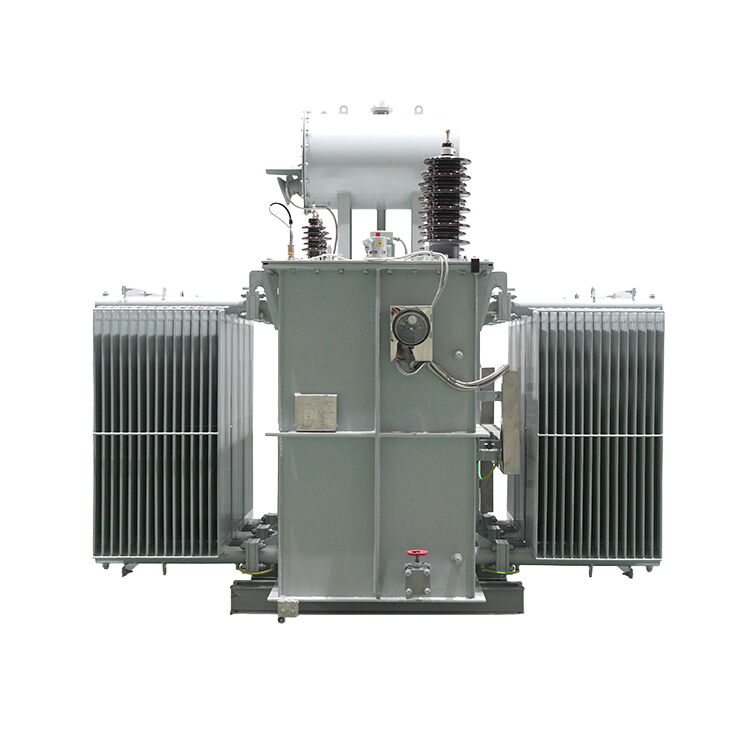
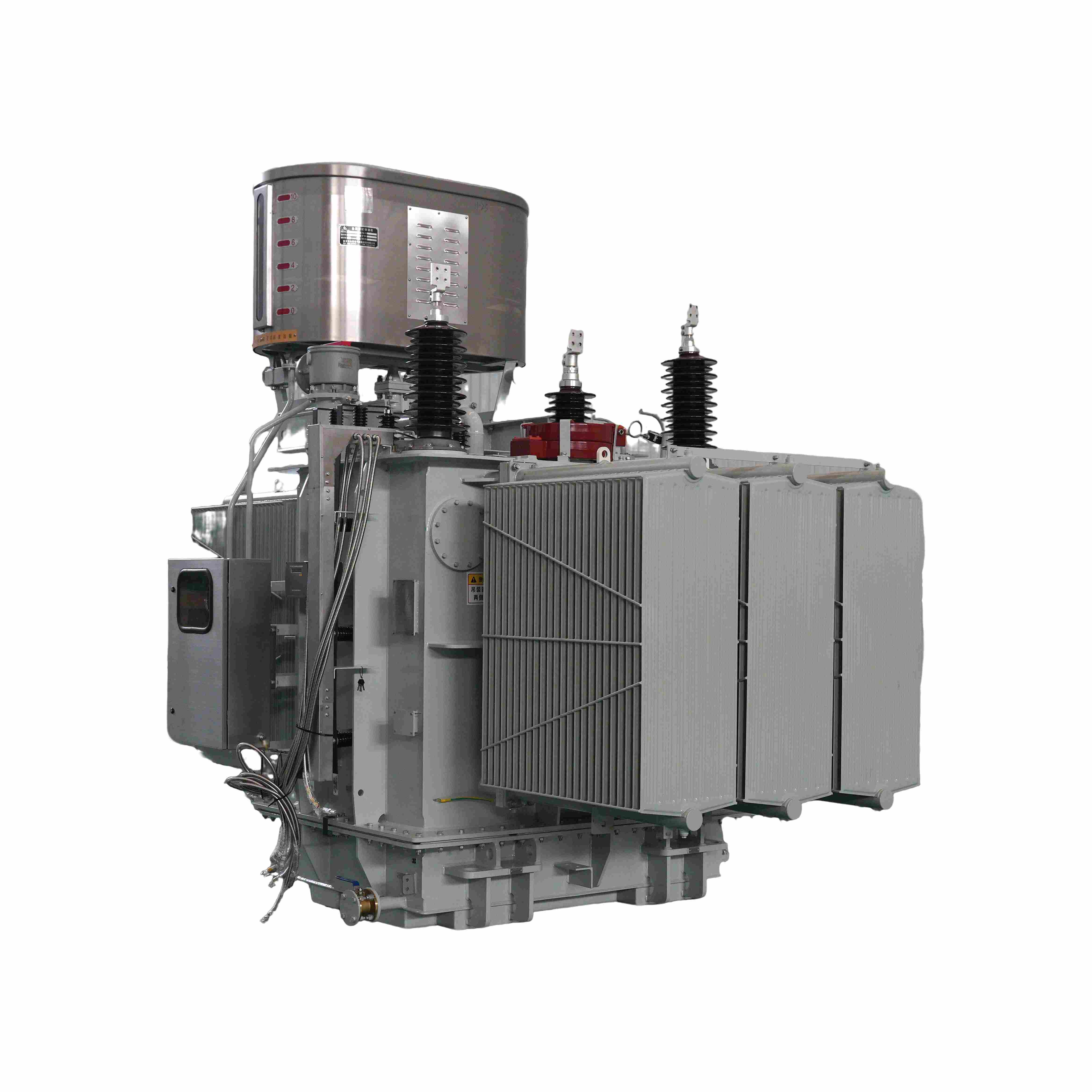
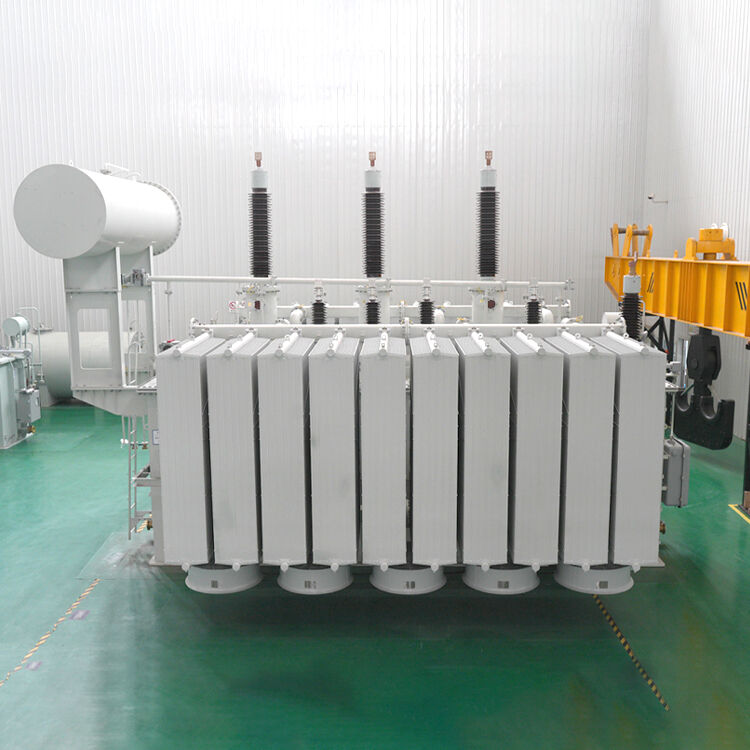
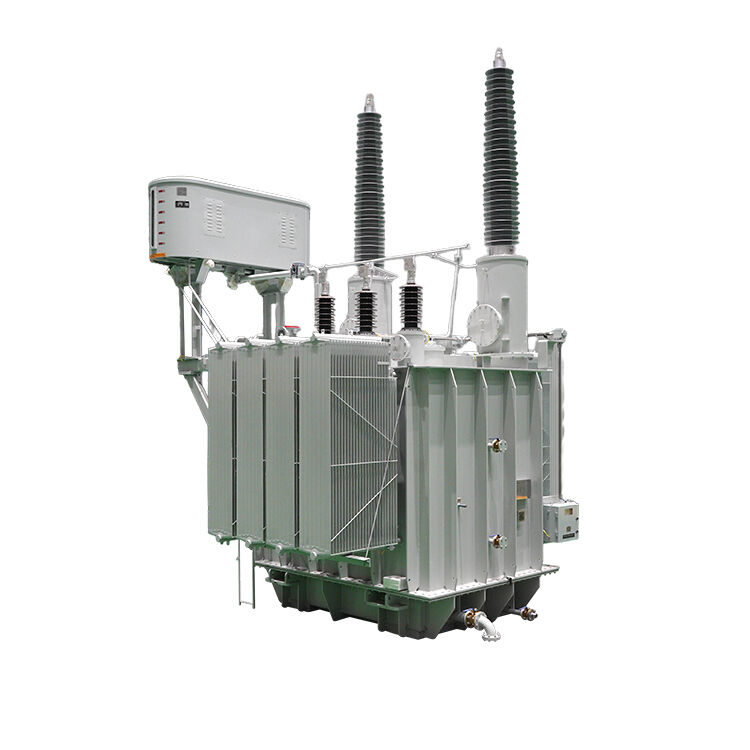
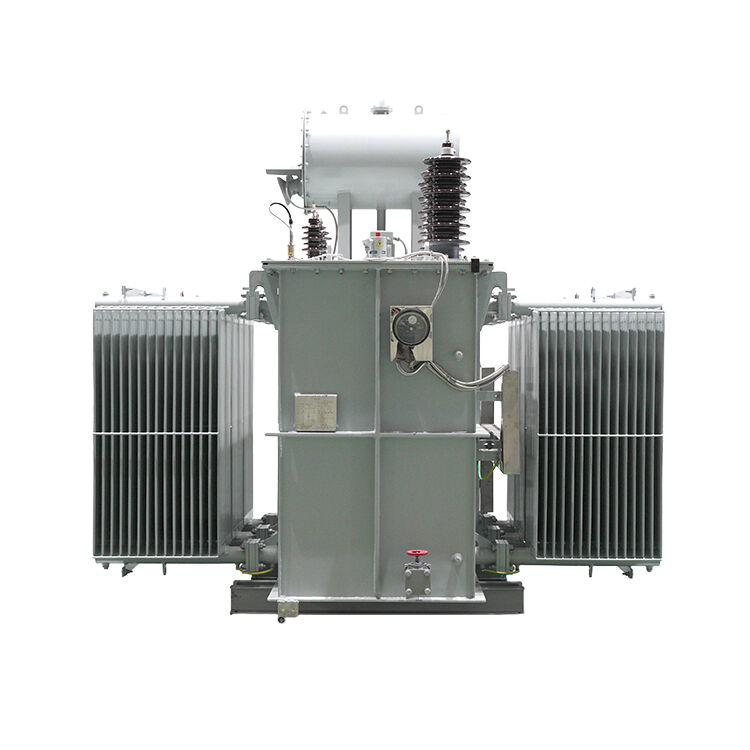
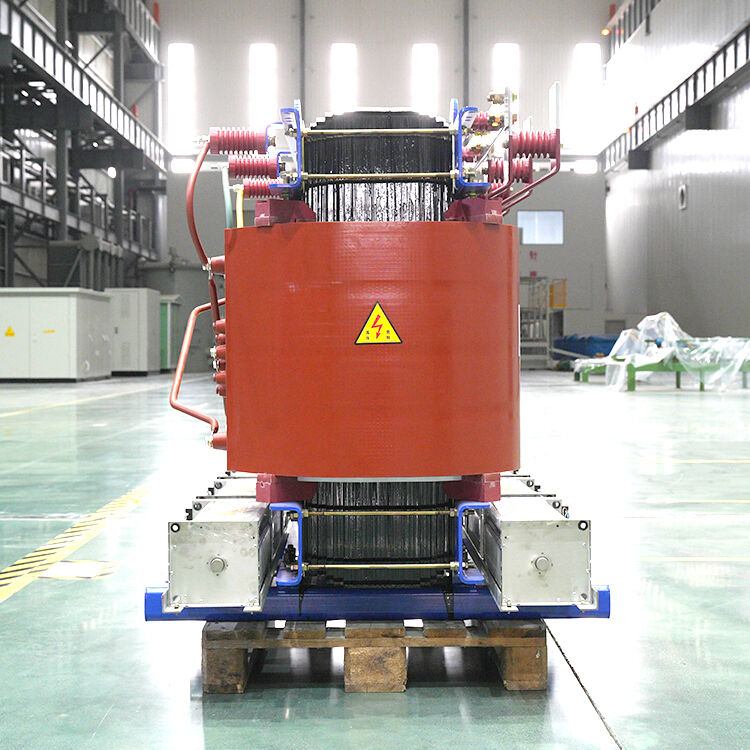
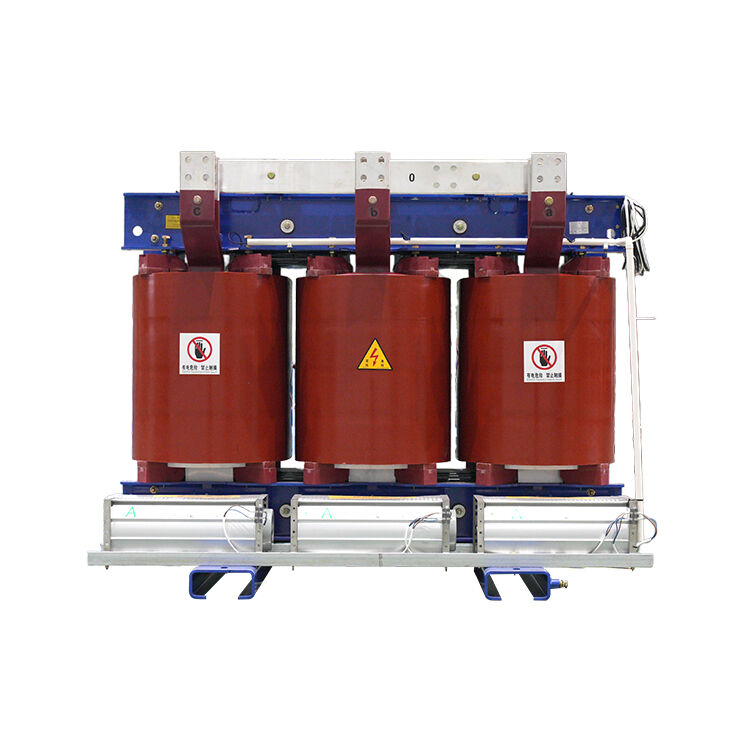
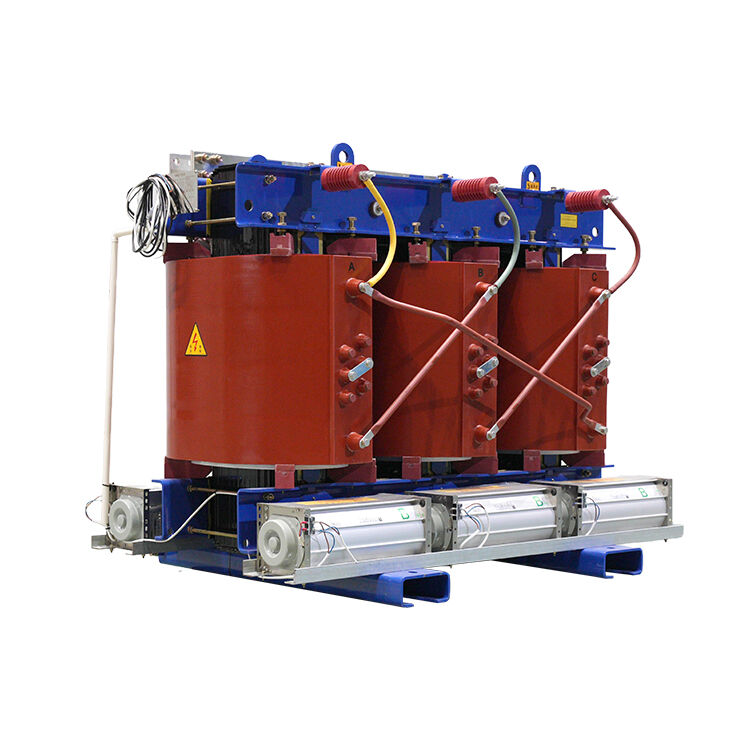
The epoxy transformer for substations represents a revolutionary advancement in electrical power distribution technology, combining superior insulation properties with exceptional durability and performance. These specialized transformers utilize epoxy resin insulation systems that provide outstanding electrical and mechanical characteristics, making them ideal for critical substation applications where reliability and safety are paramount. The epoxy transformer for substations operates by stepping voltage levels up or down while maintaining electrical isolation between circuits through its advanced epoxy insulation medium. This insulation technology offers superior dielectric strength compared to traditional oil-filled transformers, ensuring consistent performance under varying environmental conditions. The main functions of an epoxy transformer for substations include voltage transformation, electrical isolation, and power distribution control within electrical networks. These transformers efficiently handle power transmission between different voltage levels, ensuring optimal energy distribution throughout the electrical grid system. The technological features of epoxy transformer for substations encompass advanced manufacturing processes that incorporate vacuum casting techniques to eliminate air bubbles and ensure uniform resin distribution. The epoxy insulation system provides excellent thermal conductivity, allowing for efficient heat dissipation during operation. Additionally, these transformers feature compact designs that maximize space utilization in substation environments. Applications for epoxy transformer for substations span across various sectors including industrial facilities, commercial buildings, renewable energy installations, and utility power distribution networks. They are particularly valuable in urban substations where space constraints and environmental considerations make traditional oil-filled transformers less suitable. The epoxy transformer for substations also excels in applications requiring minimal maintenance requirements and enhanced fire safety protocols, making them preferred choices for critical infrastructure projects where operational continuity is essential for system reliability and performance optimization.

New Product Recommendations

The epoxy transformer for substations delivers numerous practical benefits that directly impact operational efficiency and cost-effectiveness for electrical infrastructure projects. Safety stands as the primary advantage, as epoxy insulation eliminates fire hazards associated with oil-filled transformers, reducing insurance costs and enhancing workplace safety protocols. The non-flammable nature of epoxy resin provides peace of mind for facility managers and operators working in high-risk environments. Maintenance requirements for epoxy transformer for substations are significantly reduced compared to conventional alternatives, translating into substantial cost savings over the equipment lifecycle. These transformers require no oil testing, filtration, or replacement procedures, eliminating recurring maintenance expenses and reducing operational downtime. The sealed epoxy construction prevents moisture ingress and contamination, ensuring consistent performance without regular inspections or fluid management protocols. Environmental benefits make the epoxy transformer for substations an attractive choice for organizations committed to sustainable operations. The absence of oil eliminates potential soil and groundwater contamination risks, meeting stringent environmental regulations without additional protective measures. This feature proves particularly valuable for installations near water sources or environmentally sensitive areas where regulatory compliance is critical. Space efficiency represents another significant advantage, as epoxy transformer for substations feature compact designs that maximize available installation space. The smaller footprint allows for higher power density installations, reducing real estate costs and enabling more flexible substation layouts. This compactness proves especially beneficial in urban environments where land availability is limited and expensive. Reliability improvements stem from the robust epoxy insulation system that withstands thermal cycling, mechanical stress, and electrical surges better than traditional insulation methods. The epoxy transformer for substations demonstrates superior performance under extreme weather conditions, ensuring uninterrupted power supply during critical periods. Enhanced electrical characteristics provide better voltage regulation and reduced losses, improving overall system efficiency and reducing operating costs. The epoxy insulation offers superior dielectric properties that maintain consistent performance over extended periods, reducing replacement frequency and associated capital expenditures. Installation simplicity further enhances the appeal of epoxy transformer for substations, as they require minimal site preparation and specialized handling equipment compared to oil-filled alternatives.

Practical Tips

What Is a Transformer and How Does It Improve Power System Efficiency?

02

Jan

What Is a Transformer and How Does It Improve Power System Efficiency?

A transformer represents one of the most critical components in modern electrical power systems, serving as the backbone for efficient energy transmission and distribution across vast networks. These electromagnetic devices enable the seamless conver...
View More
How Does a Transformer Work in High Voltage Power Transmission?

08

Jan

How Does a Transformer Work in High Voltage Power Transmission?

High voltage power transmission systems form the backbone of modern electrical grids, enabling electricity to travel efficiently across vast distances. At the heart of these complex networks lies the power transformer, a crucial piece of equipment th...
View More
Why Are Transformers Critical for Industrial Power Distribution Systems?

14

Jan

Why Are Transformers Critical for Industrial Power Distribution Systems?

Industrial power distribution systems form the backbone of modern manufacturing, commercial facilities, and critical infrastructure operations. At the heart of these complex networks lies a fundamental component that ensures safe, efficient, and reli...
View More
What Should Utilities Consider When Selecting a Transformer Supplier?

26

Jan

What Should Utilities Consider When Selecting a Transformer Supplier?

Selecting the right supplier for power infrastructure represents one of the most critical decisions utility companies face in today's rapidly evolving energy landscape. The process of choosing a power transformer supplier requires careful evaluation ...
View More

Get a Free Quote

Our representative will contact you soon.
Email
WhatsApp/Mobile
Name
Company Name
Message
0/1000

epoxy transformer for substations

Superior Fire Safety and Environmental Protection

Superior Fire Safety and Environmental Protection

The epoxy transformer for substations revolutionizes electrical safety standards through its innovative fire-resistant design that eliminates combustible materials entirely from the insulation system. Unlike traditional oil-filled transformers that pose significant fire hazards and require extensive fire suppression systems, the epoxy transformer for substations utilizes non-flammable epoxy resin insulation that cannot ignite under any operating conditions. This fundamental safety advantage translates into reduced insurance premiums, simplified building codes compliance, and enhanced personnel safety in substation environments. The environmental protection benefits extend beyond fire safety, as the epoxy transformer for substations eliminates risks of oil spills, soil contamination, and groundwater pollution that plague conventional transformer technologies. Environmental regulatory compliance becomes straightforward with epoxy transformer for substations, as they meet the most stringent environmental protection standards without requiring secondary containment systems, oil leak detection equipment, or specialized disposal procedures. This environmental advantage proves particularly valuable for installations near sensitive ecological areas, residential zones, or water sources where contamination risks must be completely eliminated. The solid epoxy insulation system provides permanent protection against environmental factors, ensuring decades of reliable operation without degradation or contamination concerns. Facility managers appreciate how epoxy transformer for substations simplify environmental management protocols, reducing administrative burden and regulatory compliance costs. The absence of hazardous materials in epoxy transformer for substations also eliminates worker safety training requirements related to oil handling, spill response procedures, and hazardous material management. This safety improvement reduces liability exposure and creates safer working environments for maintenance personnel and substation operators. Additionally, the fire-resistant properties of epoxy transformer for substations enable installation in areas previously unsuitable for electrical equipment due to fire safety restrictions, expanding deployment possibilities and improving infrastructure flexibility for critical applications where safety cannot be compromised.
Maintenance-Free Operation and Cost Efficiency

Maintenance-Free Operation and Cost Efficiency

The epoxy transformer for substations delivers unprecedented cost efficiency through its maintenance-free design that eliminates recurring operational expenses associated with traditional transformer technologies. Conventional oil-filled transformers require regular oil testing, filtration, replacement, and monitoring procedures that generate substantial ongoing costs throughout their operational lifecycle. In contrast, the epoxy transformer for substations features sealed construction with solid epoxy insulation that requires no fluid management, testing protocols, or replacement procedures. This maintenance-free operation translates into immediate cost savings and improved operational efficiency for substation managers. The economic advantages of epoxy transformer for substations compound over time, as traditional transformers face escalating maintenance costs due to aging oil, contamination issues, and component wear. Oil analysis, filtration equipment, storage facilities, and disposal costs create significant ongoing expenses that epoxy transformer for substations eliminate entirely. Operational downtime represents another critical cost factor where epoxy transformer for substations excel, as they experience fewer maintenance-related outages and service interruptions. The reliable performance of epoxy insulation systems reduces emergency repair costs and unplanned maintenance events that can severely impact facility operations and revenue generation. Labor cost reductions represent a substantial benefit, as epoxy transformer for substations require minimal specialized maintenance personnel and training compared to oil-filled alternatives. Maintenance teams can focus resources on other critical equipment while epoxy transformer for substations operate independently without regular attention. The predictable performance characteristics of epoxy transformer for substations enable better maintenance planning and resource allocation, improving overall facility management efficiency. Long-term replacement costs also favor epoxy transformer for substations, as their superior durability and resistance to environmental factors extend operational lifecycles beyond traditional transformer technologies. The absence of oil degradation, moisture contamination, and thermal cycling effects ensures consistent performance over extended periods, delaying costly replacement decisions and capital expenditures. These economic advantages make epoxy transformer for substations particularly attractive for budget-conscious organizations seeking to optimize operational costs while maintaining reliable electrical infrastructure performance.

Compact Design and Superior Performance Characteristics

Compact Design and Superior Performance Characteristics

The epoxy transformer for substations showcases revolutionary engineering through its compact design that maximizes power density while delivering superior electrical performance characteristics unmatched by conventional transformer technologies. Advanced manufacturing techniques enable epoxy transformer for substations to achieve significantly smaller footprints compared to oil-filled transformers of equivalent capacity, creating valuable space savings in crowded substation environments. This space efficiency proves particularly crucial in urban installations where real estate costs are substantial and available space is severely limited. The compact design of epoxy transformer for substations enables more flexible substation layouts, allowing engineers to optimize equipment placement and improve overall facility design. The superior performance characteristics of epoxy transformer for substations stem from the exceptional dielectric properties of epoxy resin insulation, which provides higher breakdown strength and better voltage regulation compared to traditional insulation systems. These electrical advantages translate into improved power quality, reduced losses, and enhanced system stability that benefit connected equipment and end users. The thermal characteristics of epoxy transformer for substations offer excellent heat dissipation properties that maintain optimal operating temperatures under varying load conditions, ensuring consistent performance and extended equipment life. Advanced vacuum casting processes used in manufacturing epoxy transformer for substations eliminate air voids and ensure uniform insulation distribution, creating superior electrical characteristics that remain stable throughout the operational lifecycle. The mechanical strength of epoxy insulation provides excellent resistance to vibration, thermal cycling, and electrical stress, maintaining performance integrity under challenging operating conditions. Performance reliability of epoxy transformer for substations exceeds conventional alternatives due to the inherent stability of epoxy insulation systems that do not degrade over time like oil-based insulation. This reliability translates into predictable performance characteristics that facility managers can depend upon for critical applications. The electrical efficiency of epoxy transformer for substations contributes to reduced energy costs and improved system performance, as lower losses and better regulation characteristics optimize power delivery. Installation advantages complement the performance benefits, as the compact design and reduced weight of epoxy transformer for substations simplify transportation, handling, and placement procedures, reducing installation costs and timeline requirements for substation projects.

Get a Free Quote

Our representative will contact you soon.
Email
WhatsApp/Mobile
Name
Company Name
Message
0/1000