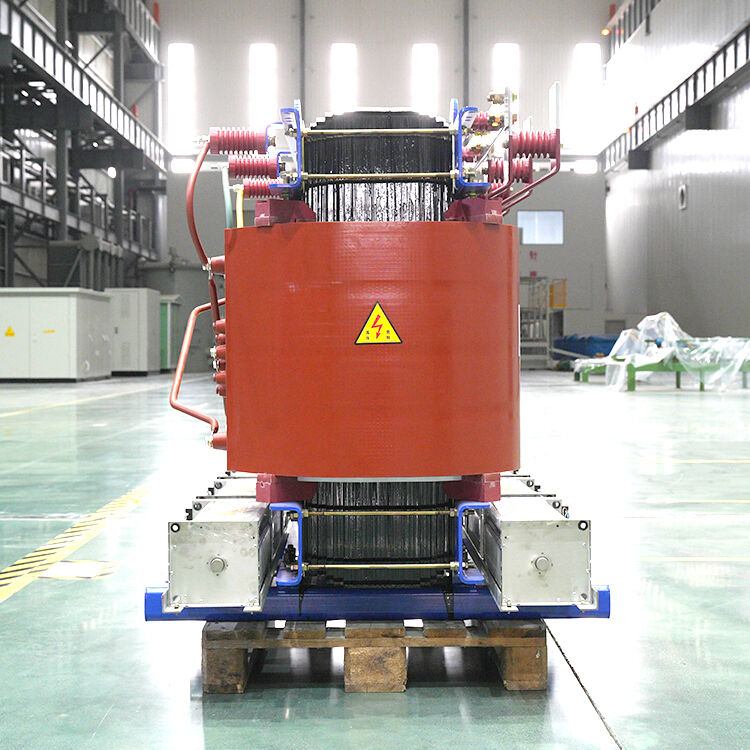
Epoxy Insulated Transformers: Advanced Fireproof Electrical Solutions for Industrial and Commercial Applications

Get a Free Quote

Our representative will contact you soon.
Email
WhatsApp/Mobile
Name
Company Name
Message
0/1000

epoxy insulated transformer

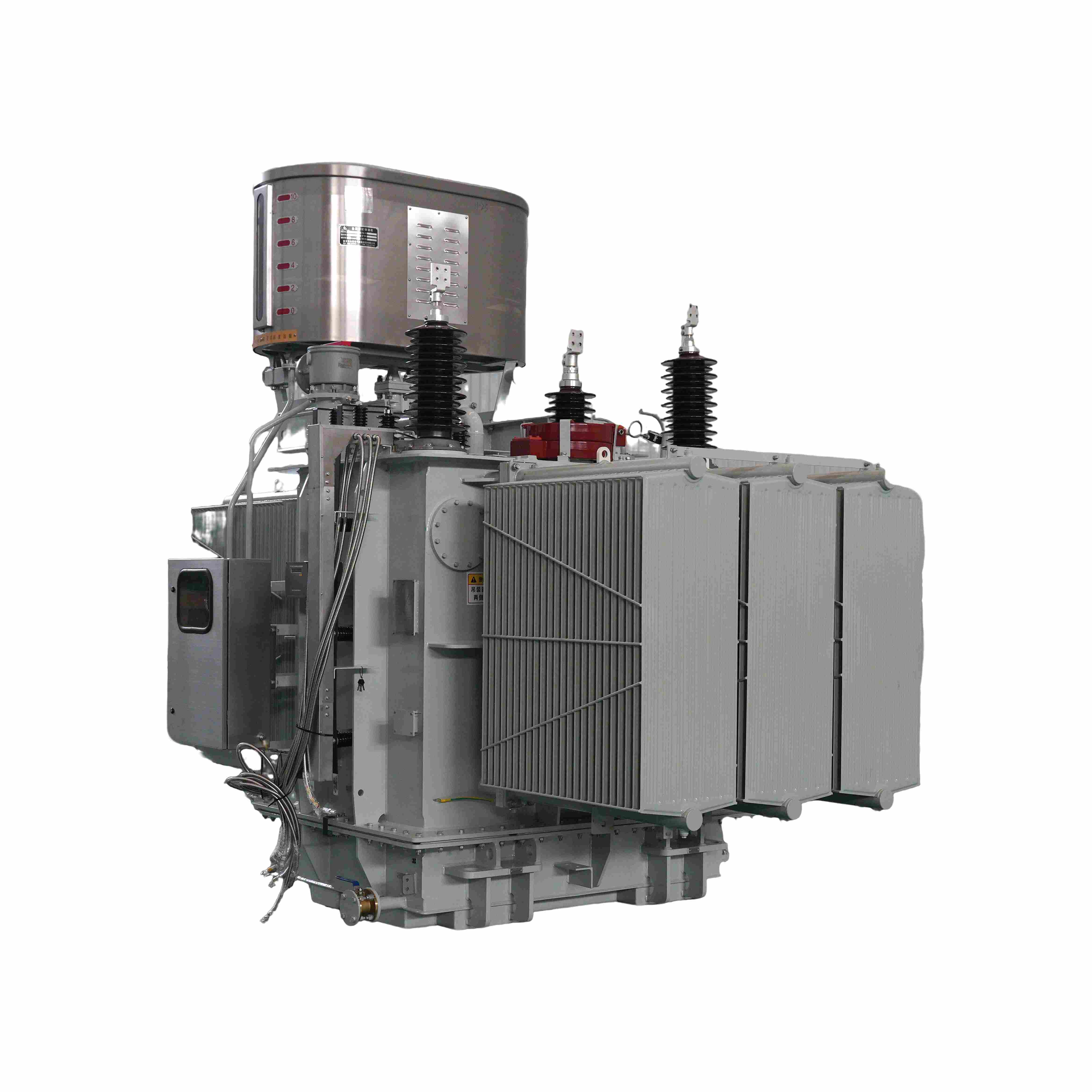
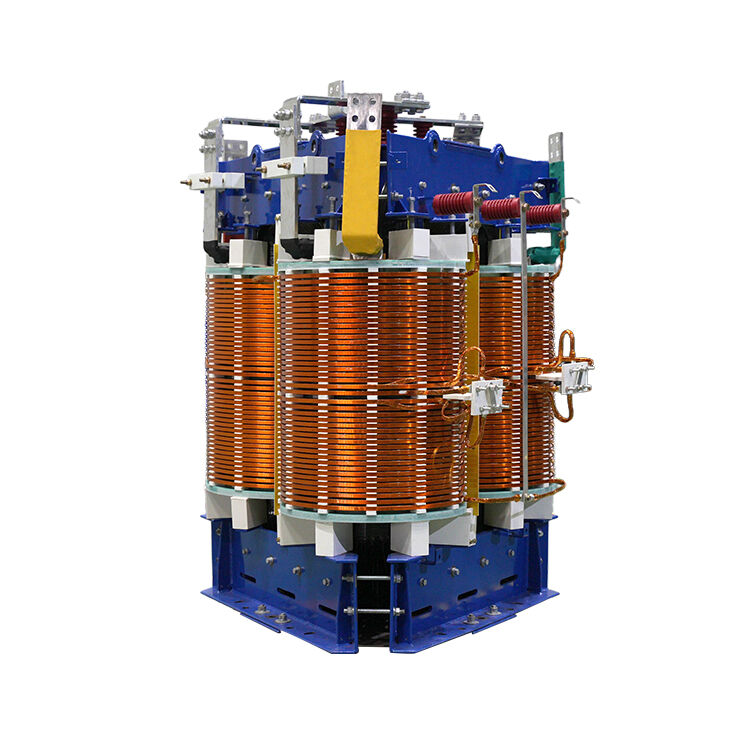
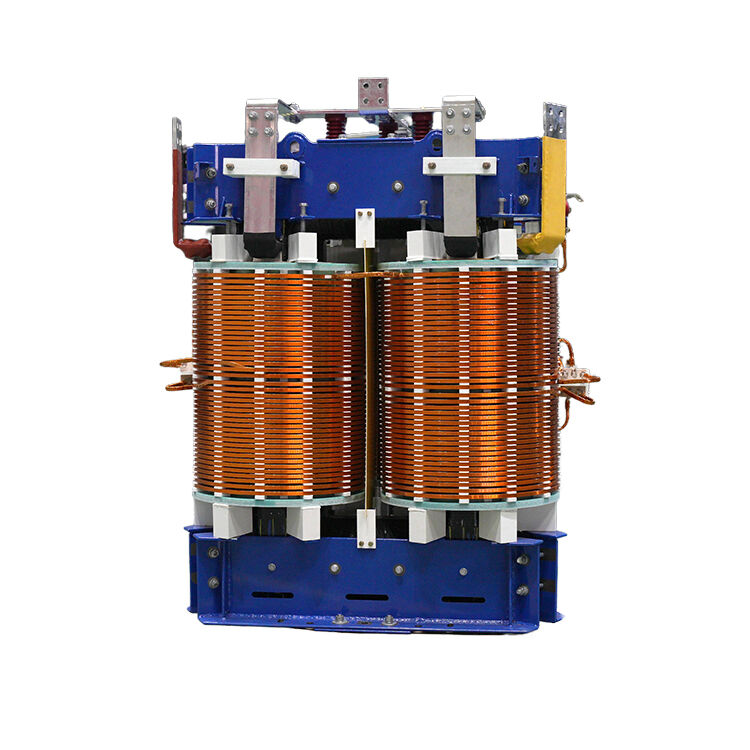
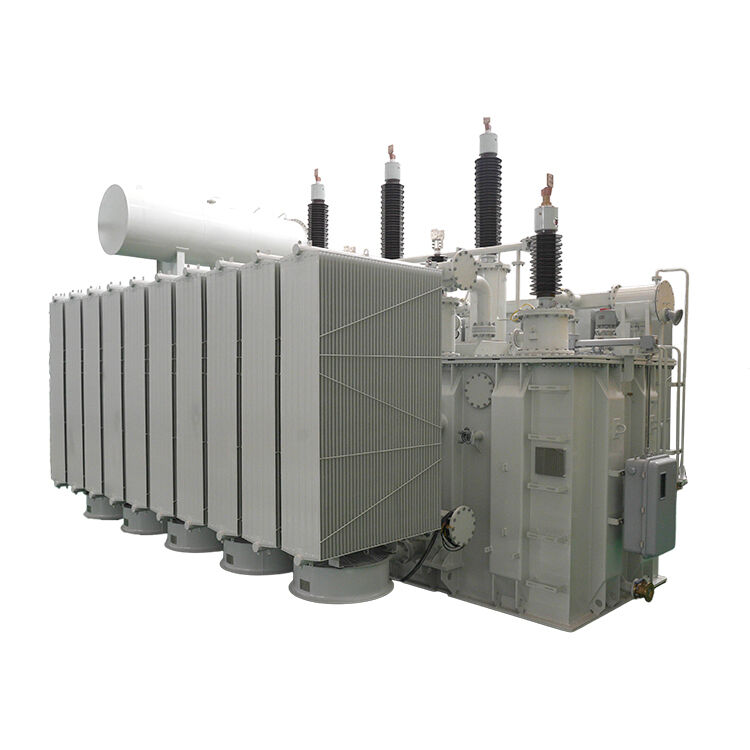
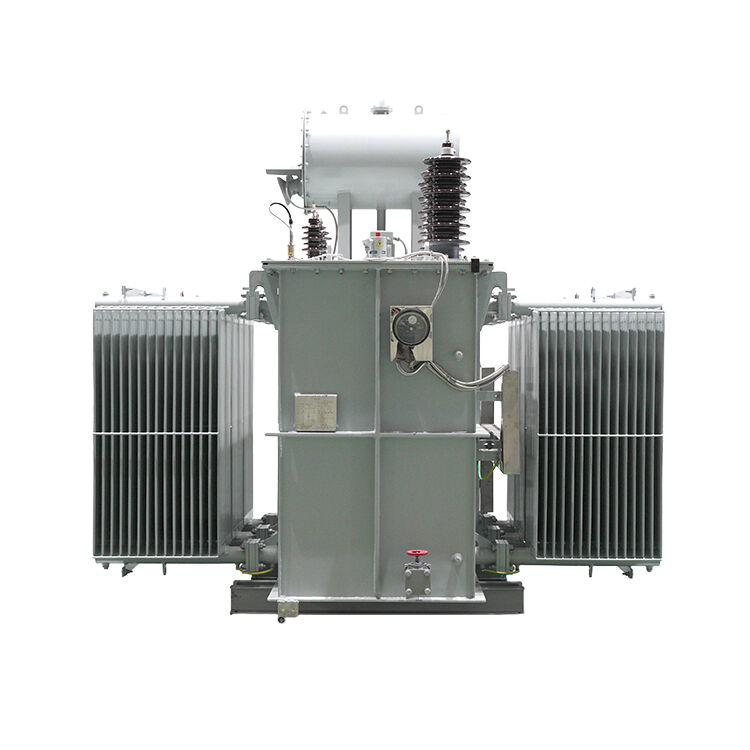
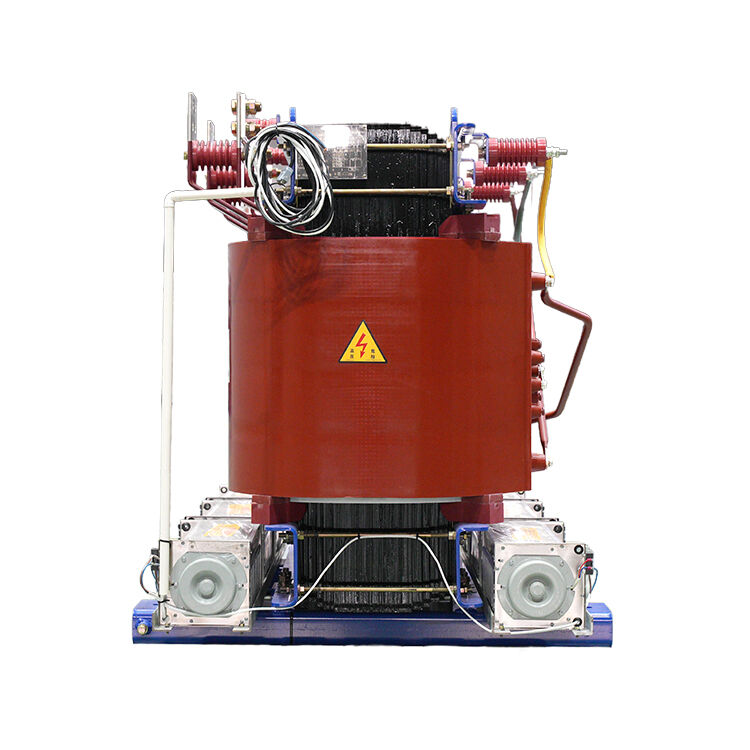
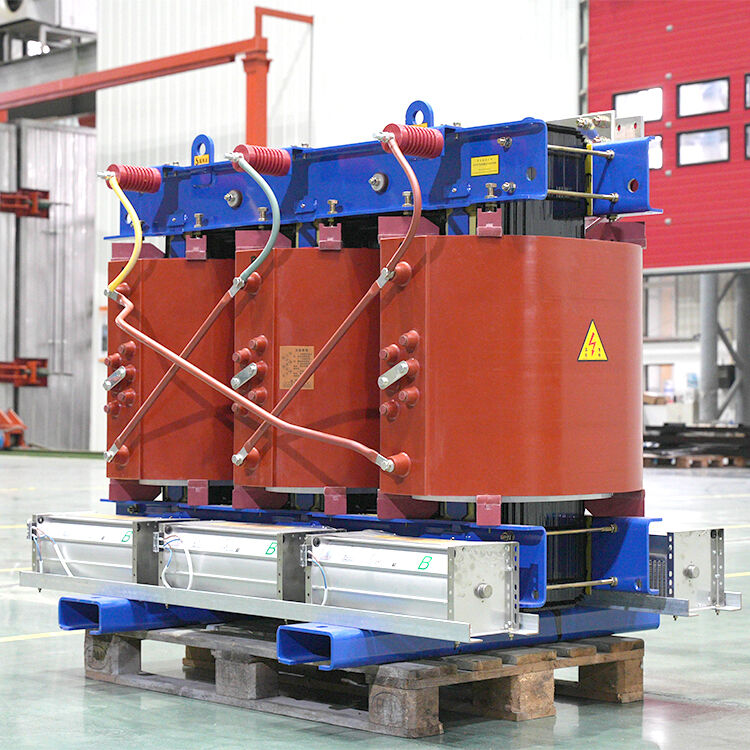
The epoxy insulated transformer represents a significant advancement in electrical power distribution technology, combining superior insulation properties with enhanced durability and performance characteristics. This specialized transformer utilizes epoxy resin as its primary insulation medium, creating a robust and reliable power conversion solution suitable for various industrial and commercial applications. The epoxy insulation system provides exceptional dielectric strength, moisture resistance, and thermal stability, making these transformers ideal for challenging environmental conditions where traditional oil-filled or air-cooled units may face limitations. The manufacturing process involves casting the transformer windings and core assembly in specially formulated epoxy resin, creating a solid, compact unit that eliminates the need for liquid cooling mediums. This design approach results in a maintenance-free operation with extended service life and reduced environmental impact. The epoxy insulated transformer operates efficiently across a wide voltage range, typically handling medium voltage applications from 1kV to 36kV, with power ratings spanning from small distribution units to large industrial installations. The technology incorporates advanced materials science, utilizing high-performance epoxy compounds that maintain their insulating properties under extreme temperature fluctuations and mechanical stress. These transformers feature excellent short-circuit withstand capability due to the rigid epoxy encapsulation that mechanically supports the windings during fault conditions. The compact design allows for space-saving installations in urban environments, underground vaults, and confined industrial spaces where traditional transformer designs would be impractical. Environmental considerations make the epoxy insulated transformer particularly attractive, as it eliminates fire hazards associated with oil-filled units while providing silent operation suitable for residential and noise-sensitive areas.

New Product Recommendations

Epoxy insulated transformers offer numerous practical benefits that directly impact operational efficiency and cost-effectiveness for end users. The elimination of oil-based cooling systems removes fire risks entirely, making these units safe for installation in buildings, residential areas, and environmentally sensitive locations. This safety advantage translates into reduced insurance costs and simplified regulatory compliance for facility managers. The maintenance-free design significantly reduces operational expenses over the transformer's lifetime, as there are no oil changes, filtration systems, or leak repairs required. Users benefit from predictable maintenance schedules focused only on routine inspections and connection tightening, eliminating unexpected downtime and emergency service calls. The compact footprint of epoxy insulated transformers creates valuable space savings in expensive urban real estate markets, allowing for smaller electrical rooms and reduced construction costs. Installation becomes faster and more straightforward since these units require no oil handling equipment, containment systems, or specialized environmental protection measures. The solid insulation system provides superior moisture resistance, preventing degradation in humid climates or underground installations where conventional transformers struggle. Temperature performance remains stable across wide operating ranges without the thermal cycling issues that affect oil-filled units, ensuring consistent power quality and extended equipment life. The epoxy encapsulation creates excellent vibration damping, resulting in quieter operation that meets strict noise regulations in residential and commercial districts. Shipping and handling advantages include reduced weight compared to oil-filled alternatives and elimination of hazardous material transportation requirements. The environmental benefits extend beyond fire safety, as epoxy insulated transformers contain no potentially harmful fluids and are fully recyclable at end-of-life. Power quality improvements result from the stable dielectric properties of epoxy insulation, providing consistent voltage regulation and reduced harmonic distortion. The robust construction withstands mechanical shock and seismic activity better than conventional designs, making these transformers ideal for regions with earthquake concerns or installations subject to vibration.

Practical Tips

What Is a Transformer and How Does It Improve Power System Efficiency?

02

Jan

What Is a Transformer and How Does It Improve Power System Efficiency?

A transformer represents one of the most critical components in modern electrical power systems, serving as the backbone for efficient energy transmission and distribution across vast networks. These electromagnetic devices enable the seamless conver...
View More
How Does a Transformer Work in High Voltage Power Transmission?

08

Jan

How Does a Transformer Work in High Voltage Power Transmission?

High voltage power transmission systems form the backbone of modern electrical grids, enabling electricity to travel efficiently across vast distances. At the heart of these complex networks lies the power transformer, a crucial piece of equipment th...
View More
How Do Transformers Support Grid Stability in Large-Scale Power Networks?

20

Jan

How Do Transformers Support Grid Stability in Large-Scale Power Networks?

Large-scale power networks form the backbone of modern electrical infrastructure, requiring sophisticated equipment to maintain stability and reliability across vast geographical areas. Power transformers play a crucial role in these complex systems ...
View More
What Should Utilities Consider When Selecting a Transformer Supplier?

26

Jan

What Should Utilities Consider When Selecting a Transformer Supplier?

Selecting the right supplier for power infrastructure represents one of the most critical decisions utility companies face in today's rapidly evolving energy landscape. The process of choosing a power transformer supplier requires careful evaluation ...
View More

Get a Free Quote

Our representative will contact you soon.
Email
WhatsApp/Mobile
Name
Company Name
Message
0/1000

epoxy insulated transformer

Superior Environmental Protection and Safety Features

Superior Environmental Protection and Safety Features

The epoxy insulated transformer delivers unmatched environmental protection through its innovative solid insulation system that completely eliminates fire hazards while providing exceptional resistance to moisture, contamination, and extreme weather conditions. Unlike traditional oil-filled transformers that pose significant fire risks and require extensive containment systems, the epoxy insulation creates a completely fireproof electrical distribution solution. This safety advantage allows installation in locations previously considered unsuitable for electrical equipment, including residential buildings, hospitals, schools, and high-rise structures where fire safety regulations are stringent. The solid epoxy casting prevents any possibility of fluid leakage, eliminating environmental contamination risks and costly cleanup procedures that plague oil-filled alternatives. The moisture-proof characteristics ensure reliable operation in coastal environments, underground installations, and areas with high humidity levels where conventional transformers experience accelerated aging and frequent failures. The epoxy material maintains its insulating properties even when submerged in water, making these transformers ideal for flood-prone areas and underground vault installations. Temperature cycling has minimal impact on the solid insulation system, preventing the thermal expansion and contraction issues that cause seal failures in oil-filled units. The chemical resistance of high-grade epoxy compounds protects against industrial pollutants, salt spray, and corrosive atmospheres that rapidly degrade traditional insulation systems. This environmental resilience translates into extended service life, often exceeding thirty years with minimal maintenance requirements. The absence of cooling fluids eliminates the need for complex monitoring systems, reducing installation complexity and ongoing operational costs while improving overall system reliability.

Maintenance-Free Operation with Extended Service Life

Maintenance-Free Operation with Extended Service Life

Epoxy insulated transformers revolutionize electrical system maintenance by delivering truly maintenance-free operation that dramatically reduces lifecycle costs while ensuring consistent performance over decades of service. The solid epoxy encapsulation eliminates all fluid-related maintenance tasks including oil testing, filtration, leak repairs, and fluid replacement that consume significant resources in traditional transformer operations. This maintenance advantage translates into substantial cost savings for facility operators who no longer need specialized transformer maintenance personnel or expensive testing equipment. The predictable maintenance schedule focuses solely on external inspections and connection verification, allowing maintenance teams to plan resources efficiently without emergency response requirements. The epoxy insulation system ages gracefully without the chemical deterioration that affects oil and paper insulation, maintaining dielectric strength throughout the transformer's operational life. Thermal cycling stress, which causes premature aging in conventional transformers, has minimal impact on the stable epoxy matrix that supports and protects the electrical windings. The absence of moving parts in the cooling system eliminates mechanical wear points that require regular service and eventual replacement. Contamination concerns disappear entirely as the sealed epoxy system prevents moisture ingress, particle contamination, and chemical degradation that plague oil-filled units operating in harsh environments. The robust construction withstands mechanical shock and vibration without requiring periodic inspections for structural integrity or winding displacement. Predictive maintenance becomes simplified as the stable operating characteristics eliminate the complex diagnostic procedures required for fluid-filled transformers. The extended service life often exceeds traditional transformer designs by significant margins, providing superior return on investment through reduced replacement frequency and improved asset utilization.
Compact Design with Superior Power Density

Compact Design with Superior Power Density

The innovative design of epoxy insulated transformers achieves exceptional power density through advanced materials and construction techniques that maximize electrical performance within minimal physical footprints, delivering significant advantages for space-constrained installations and urban electrical infrastructure projects. The solid epoxy insulation system allows for tighter winding configurations and reduced clearance requirements compared to air or oil-cooled designs, resulting in transformers that occupy up to forty percent less space than conventional alternatives. This space efficiency proves invaluable in expensive urban real estate markets where electrical room costs represent major capital expenditures for building developers and industrial facility planners. The compact profile enables innovative installation options including wall mounting, underground vault placement, and integration into modular electrical systems that maximize available floor space for revenue-generating activities. The elimination of external cooling equipment, oil containment systems, and safety barriers further reduces the total installation footprint while simplifying facility design requirements. Heat dissipation efficiency improves through the direct thermal coupling between windings and the epoxy matrix, enabling higher power ratings within smaller enclosures compared to air-cooled alternatives. The solid construction eliminates internal air gaps and optimizes magnetic circuit efficiency, improving power transfer characteristics while reducing losses and operating temperatures. Weight reduction compared to oil-filled transformers of equivalent ratings simplifies building structural requirements and reduces foundation costs for ground-mounted installations. The modular design philosophy enables easy integration into prefabricated electrical systems and standardized switchgear assemblies, accelerating project timelines while reducing installation complexity. Transportation advantages include standard shipping methods without hazardous material restrictions, reduced handling equipment requirements, and simplified site logistics that lower overall project costs while improving construction schedule reliability.

Get a Free Quote

Our representative will contact you soon.
Email
WhatsApp/Mobile
Name
Company Name
Message
0/1000