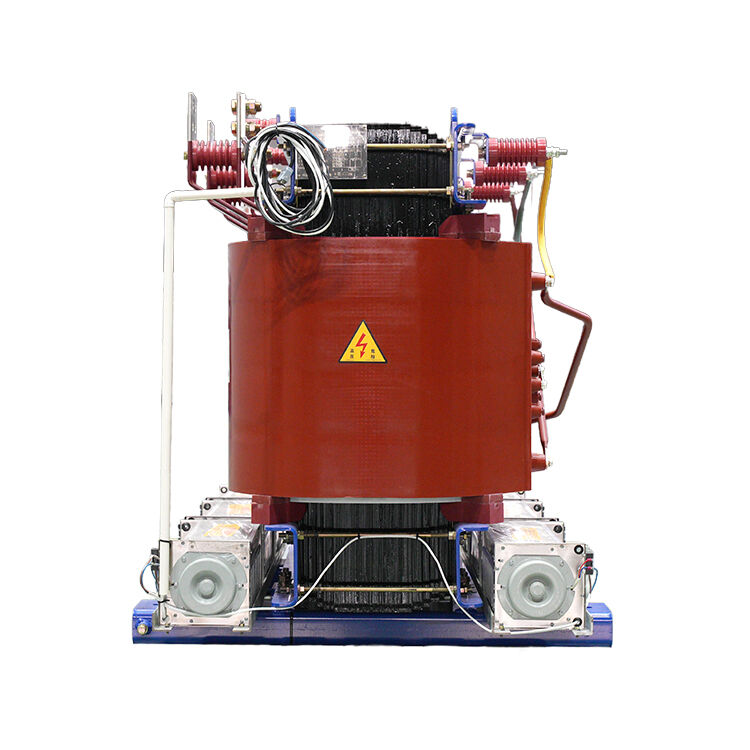
Epoxy Dry Type Transformers: Advanced Electrical Solutions for Safe and Efficient Power Distribution

Get a Free Quote

Our representative will contact you soon.
Email
WhatsApp/Mobile
Name
Company Name
Message
0/1000

epoxy dry type transformer

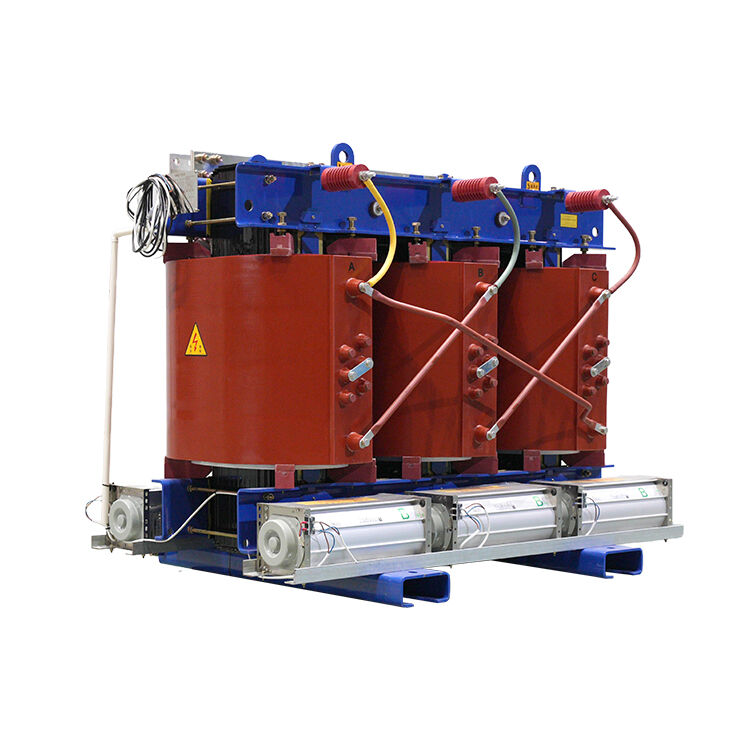
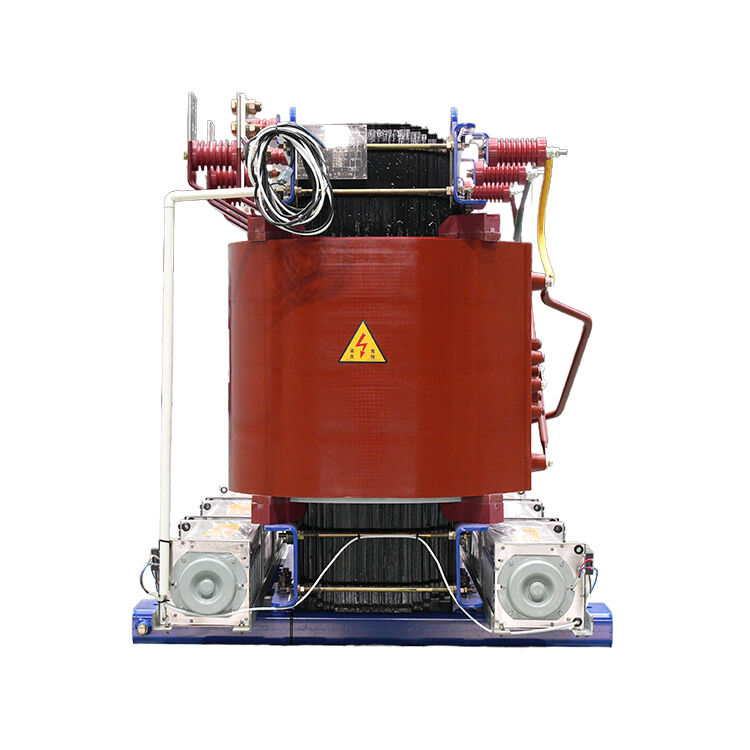
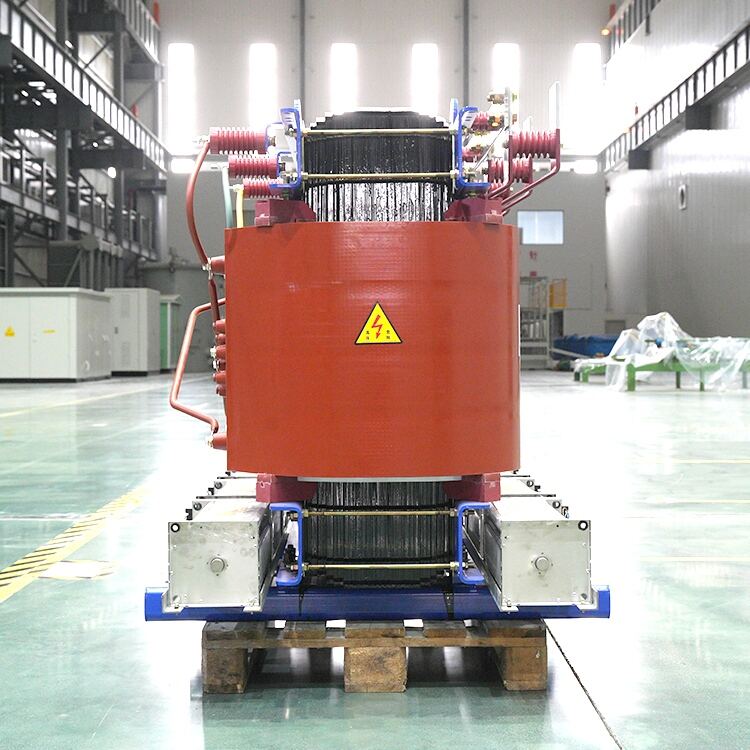
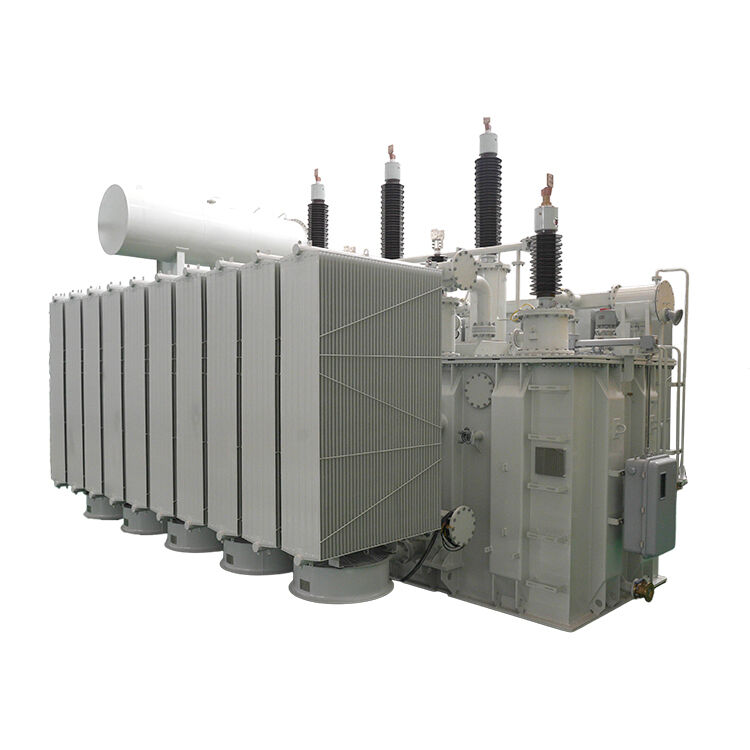
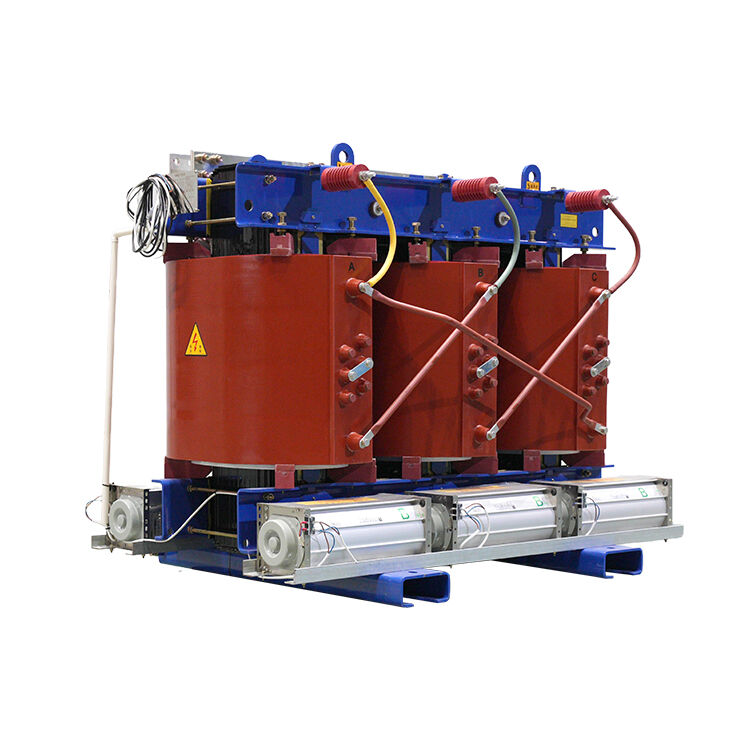
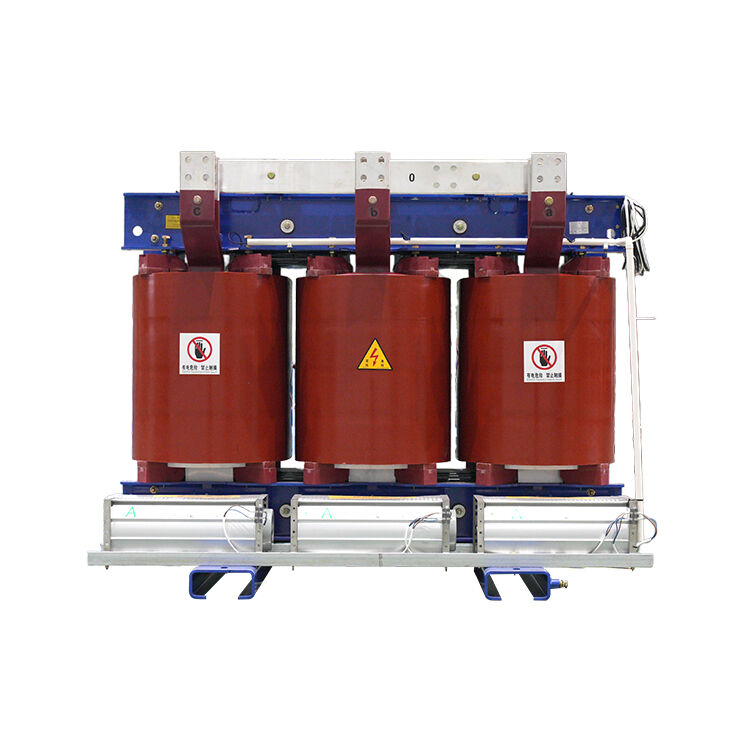
The epoxy dry type transformer represents a cutting-edge solution in electrical power distribution technology, designed to meet the demanding requirements of modern industrial and commercial applications. This innovative transformer utilizes advanced epoxy resin encapsulation technology to create a robust, maintenance-free electrical device that eliminates the need for traditional oil-filled cooling systems. The epoxy dry type transformer operates by converting electrical energy from one voltage level to another through electromagnetic induction, while the epoxy resin provides superior insulation and protection against environmental factors. The core functionality revolves around step-up or step-down voltage conversion, making it essential for power distribution networks, industrial facilities, and commercial buildings. The technological features of this transformer include vacuum pressure impregnation with epoxy resin, which ensures complete penetration and eliminates air pockets that could cause electrical failures. The windings are fully encapsulated in high-grade epoxy materials, providing exceptional mechanical strength and electrical insulation properties. Temperature rise characteristics are optimized through advanced cooling designs, allowing for efficient heat dissipation without liquid cooling mediums. The epoxy dry type transformer incorporates modern core materials such as grain-oriented silicon steel, which minimizes energy losses and improves overall efficiency. Protection systems include built-in temperature monitoring devices and overload protection mechanisms. Applications span across diverse sectors including hospitals, schools, shopping centers, industrial complexes, and residential developments. Data centers rely heavily on these transformers for their critical power infrastructure due to their reliability and safety features. Manufacturing facilities benefit from their ability to handle varying load conditions while maintaining consistent performance. The epoxy dry type transformer proves particularly valuable in environments where fire safety is paramount, as it eliminates flammable oil risks associated with traditional transformers.

New Products

The epoxy dry type transformer offers numerous practical benefits that make it an intelligent choice for modern electrical installations. Safety stands as the primary advantage, as these transformers eliminate fire hazards associated with oil-filled units. The absence of flammable liquids means reduced insurance costs and simplified installation procedures in buildings where safety regulations are stringent. Maintenance requirements are significantly lower compared to traditional transformers, as there are no oil levels to monitor, no oil quality testing needed, and no risk of oil leaks that could damage surrounding equipment or create environmental concerns. Installation flexibility represents another major benefit, as the epoxy dry type transformer can be placed closer to load centers without requiring special fire-resistant rooms or elaborate ventilation systems. This proximity reduces transmission losses and improves overall system efficiency. The compact design allows for installation in space-constrained environments while maintaining optimal performance standards. Environmental friendliness is achieved through the elimination of oil-based cooling systems, making disposal easier and reducing environmental impact at the end of the transformer's operational life. Operating costs are reduced through improved efficiency ratings and lower maintenance expenses. The epoxy dry type transformer typically operates with efficiency levels exceeding 98 percent, resulting in reduced energy consumption and lower electricity bills over time. Reliability is enhanced through the protective properties of epoxy encapsulation, which shields windings from moisture, dust, and other contaminants that could cause premature failure. The solid insulation system provides superior mechanical strength, allowing the transformer to withstand transportation stresses and seismic activities better than liquid-filled alternatives. Noise levels are considerably lower, making these transformers suitable for installation in noise-sensitive environments such as hospitals, schools, and residential areas. The epoxy dry type transformer also offers better overload capacity and faster recovery times after temporary overloads, ensuring continuous power supply during peak demand periods. Temperature stability is improved through advanced thermal management systems that prevent hotspot formation and extend operational life.

Latest News

What Is a Transformer and How Does It Improve Power System Efficiency?

02

Jan

What Is a Transformer and How Does It Improve Power System Efficiency?

A transformer represents one of the most critical components in modern electrical power systems, serving as the backbone for efficient energy transmission and distribution across vast networks. These electromagnetic devices enable the seamless conver...
View More
How Does a Transformer Work in High Voltage Power Transmission?

08

Jan

How Does a Transformer Work in High Voltage Power Transmission?

High voltage power transmission systems form the backbone of modern electrical grids, enabling electricity to travel efficiently across vast distances. At the heart of these complex networks lies the power transformer, a crucial piece of equipment th...
View More
How Do Transformers Support Grid Stability in Large-Scale Power Networks?

20

Jan

How Do Transformers Support Grid Stability in Large-Scale Power Networks?

Large-scale power networks form the backbone of modern electrical infrastructure, requiring sophisticated equipment to maintain stability and reliability across vast geographical areas. Power transformers play a crucial role in these complex systems ...
View More
What Should Utilities Consider When Selecting a Transformer Supplier?

26

Jan

What Should Utilities Consider When Selecting a Transformer Supplier?

Selecting the right supplier for power infrastructure represents one of the most critical decisions utility companies face in today's rapidly evolving energy landscape. The process of choosing a power transformer supplier requires careful evaluation ...
View More

Get a Free Quote

Our representative will contact you soon.
Email
WhatsApp/Mobile
Name
Company Name
Message
0/1000

epoxy dry type transformer

Advanced Epoxy Encapsulation Technology

Advanced Epoxy Encapsulation Technology

The epoxy dry type transformer utilizes state-of-the-art encapsulation technology that sets it apart from conventional transformer designs. This advanced process involves vacuum pressure impregnation where specially formulated epoxy resin is forced into every cavity and around each conductor under controlled vacuum conditions. The result is complete elimination of air pockets and voids that could potentially cause partial discharge and eventual insulation breakdown. The epoxy material provides exceptional dielectric strength, typically exceeding 20 kV per millimeter, which ensures reliable operation under various electrical stress conditions. This encapsulation creates a monolithic structure where the windings and core are permanently protected from environmental factors such as humidity, dust, salt air, and chemical vapors. The thermal properties of the epoxy system allow for excellent heat transfer while maintaining structural integrity at elevated temperatures. The material exhibits excellent adhesion to copper conductors and core laminations, preventing movement during operation that could lead to mechanical damage. Chemical resistance is superior to traditional insulation materials, making the epoxy dry type transformer suitable for installation in aggressive industrial environments. The curing process is carefully controlled to achieve optimal cross-linking density, resulting in maximum mechanical strength and electrical performance. Quality control during manufacturing includes comprehensive testing of the epoxy formulation, application procedures, and final cured properties. The encapsulation process also provides natural vibration damping, reducing operational noise and mechanical stress on internal components. Long-term stability is ensured through accelerated aging tests that simulate decades of operation under various environmental conditions. The epoxy system maintains its properties throughout the transformer's operational life, eliminating the degradation issues associated with liquid insulation systems.
Superior Environmental Resistance and Durability

Superior Environmental Resistance and Durability

The epoxy dry type transformer demonstrates exceptional environmental resistance capabilities that make it suitable for the most challenging installation conditions. Unlike traditional oil-filled transformers, these units can operate effectively in high-humidity environments without risk of insulation degradation or internal condensation. The sealed epoxy encapsulation prevents moisture ingress, which is a leading cause of transformer failure in conventional designs. Dust and particulate matter cannot penetrate the solid insulation system, eliminating the need for frequent cleaning and maintenance that is required for open-ventilated designs. Chemical resistance is particularly important in industrial settings where corrosive vapors or gases may be present. The epoxy materials used in these transformers resist attack from most common industrial chemicals, acids, bases, and solvents. This resistance extends the operational life significantly compared to transformers with exposed windings or liquid insulation systems. Temperature cycling tolerance is superior due to the thermal expansion characteristics of the epoxy system being carefully matched to the copper conductors and steel core materials. This compatibility prevents stress concentration that could lead to cracking or delamination over repeated heating and cooling cycles. UV radiation resistance allows for outdoor installations without protective enclosures in many cases, providing cost savings and installation flexibility. Seismic resistance is enhanced through the monolithic construction achieved by epoxy encapsulation, which eliminates relative movement between components during ground motion. Salt air and marine environments present no special challenges for the epoxy dry type transformer, making it ideal for coastal installations and offshore platforms. Altitude compensation is simplified as the solid insulation system does not experience the density changes that affect gas or liquid insulation at elevated locations. The transformer can operate at altitudes up to 4000 meters without derating, unlike some alternative technologies that require special consideration for high-altitude installations.
Enhanced Safety and Fire Prevention Features

Enhanced Safety and Fire Prevention Features

Safety represents the most critical advantage of the epoxy dry type transformer, particularly in applications where fire prevention is paramount. The complete elimination of flammable liquids removes the primary fire risk associated with traditional transformer technology. This fundamental safety improvement allows for installation in occupied buildings, underground facilities, and other locations where oil-filled transformers would be prohibited or require extensive fire suppression systems. The self-extinguishing properties of modern epoxy formulations mean that even in the unlikely event of electrical fault, the insulation material will not support combustion. Fire ratings typically meet or exceed international safety standards including IEC, ANSI, and UL requirements for fire-resistant electrical equipment. Emergency response procedures are simplified as there is no risk of oil spill cleanup or environmental contamination in the event of transformer failure. The epoxy dry type transformer can be installed without oil containment systems, fire walls, or special ventilation requirements that add significant cost to traditional transformer installations. Personal safety is improved for maintenance personnel as there are no pressurized liquid systems that could cause injury during service activities. The risk of electrical flashover is reduced through the superior dielectric properties of the epoxy insulation system, which maintains consistent performance across a wide range of environmental conditions. Explosion risks are eliminated as there are no flammable gases that can accumulate within the transformer enclosure. Indoor air quality is not affected by transformer operation, as there are no oil vapors or other emissions that could impact building occupants. The transformer can be located in the same room as sensitive electronic equipment without concern for contamination from oil mist or vapor. Emergency shutdown procedures are straightforward and do not require special handling of hazardous materials. Building insurance costs are typically lower when epoxy dry type transformers are specified, as insurance companies recognize the reduced fire and environmental risks associated with this technology.

Get a Free Quote

Our representative will contact you soon.
Email
WhatsApp/Mobile
Name
Company Name
Message
0/1000