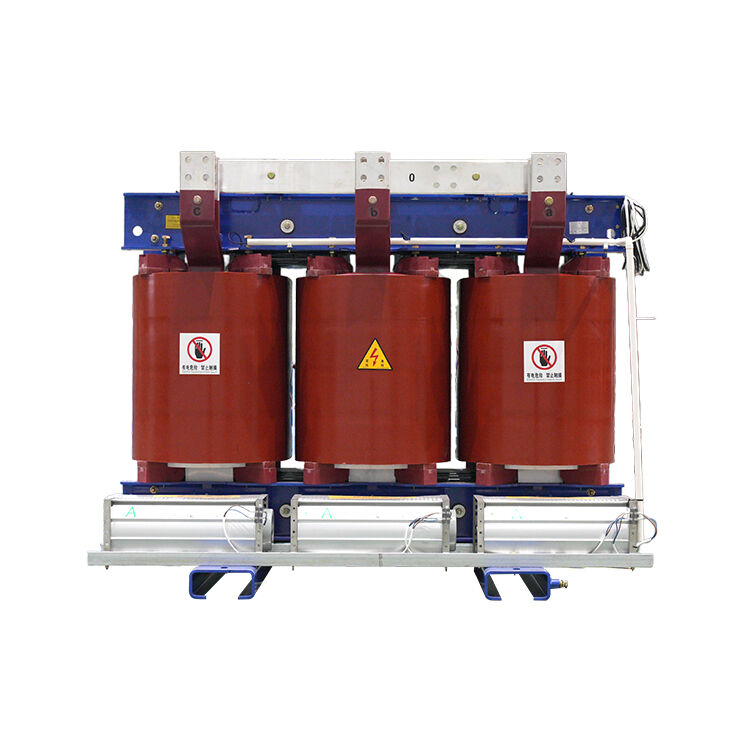
Cast Resin Epoxy Transformers: Superior Safety, Reliability and Performance for Modern Power Distribution

Get a Free Quote

Our representative will contact you soon.
Email
WhatsApp/Mobile
Name
Company Name
Message
0/1000

cast resin epoxy transformer

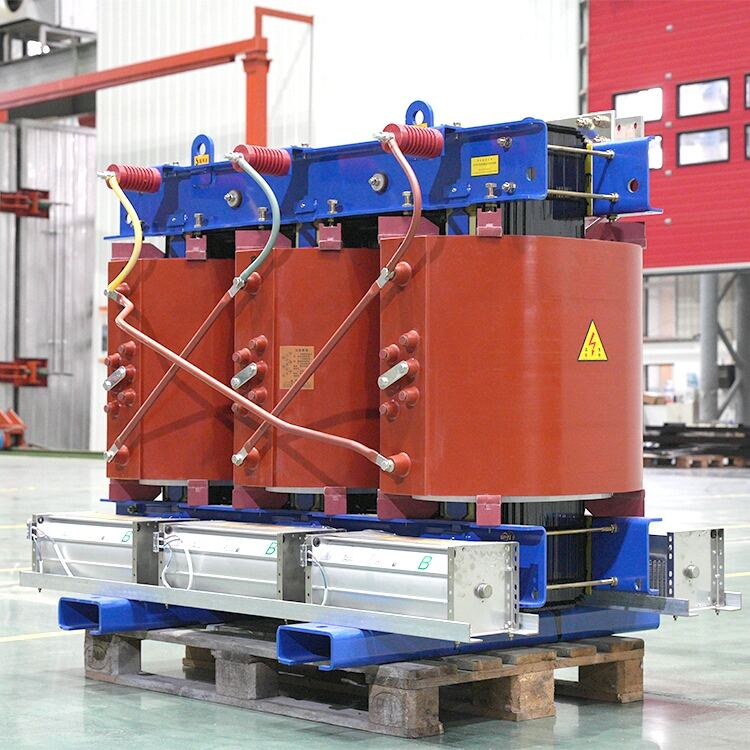
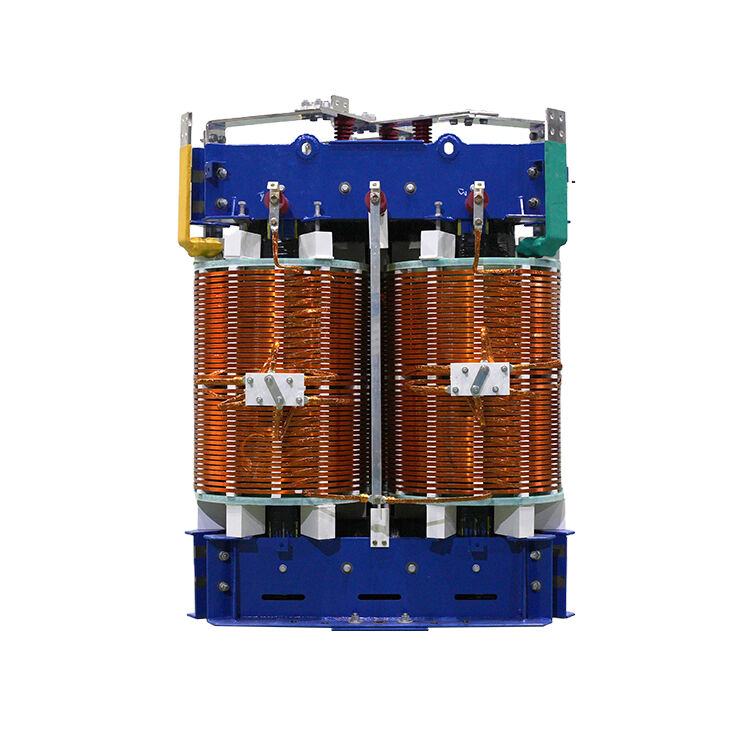
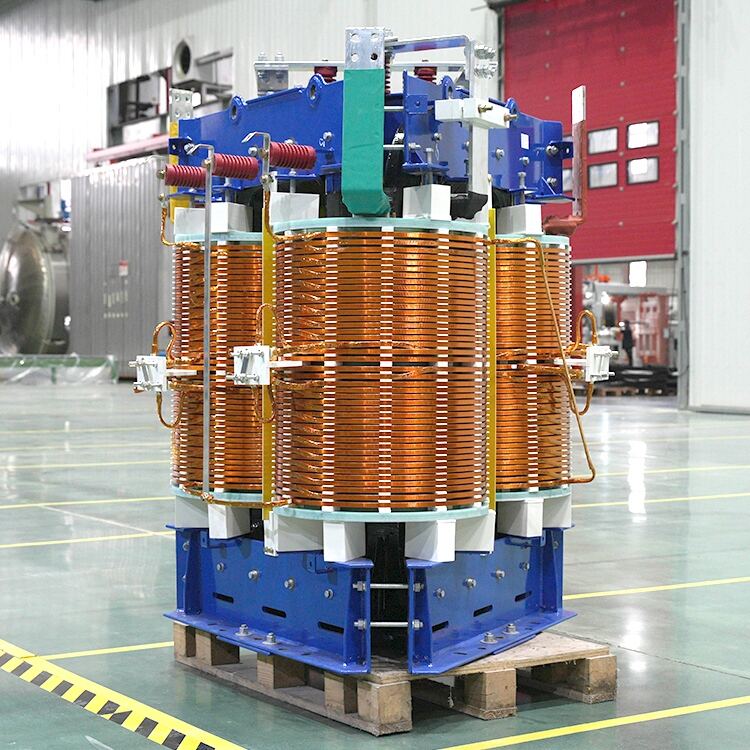
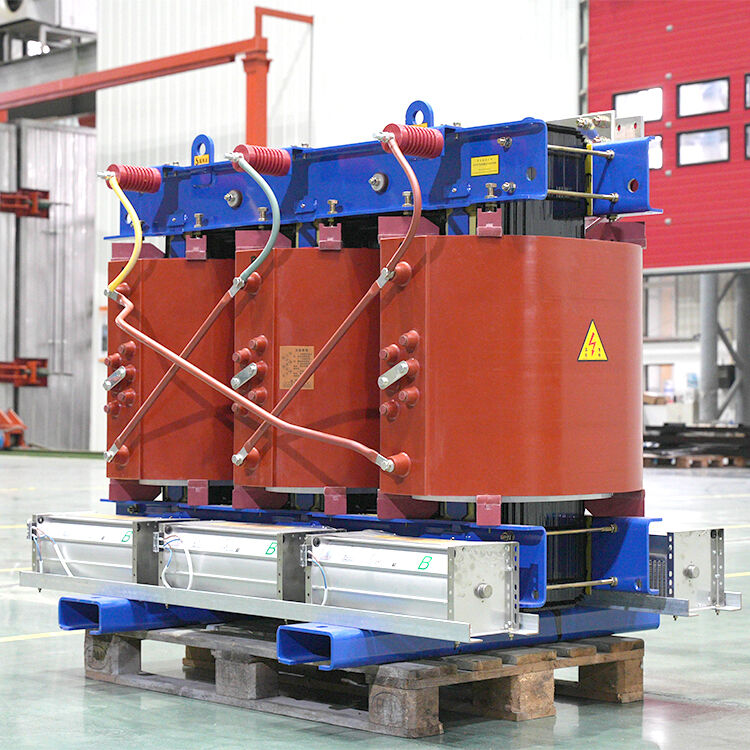
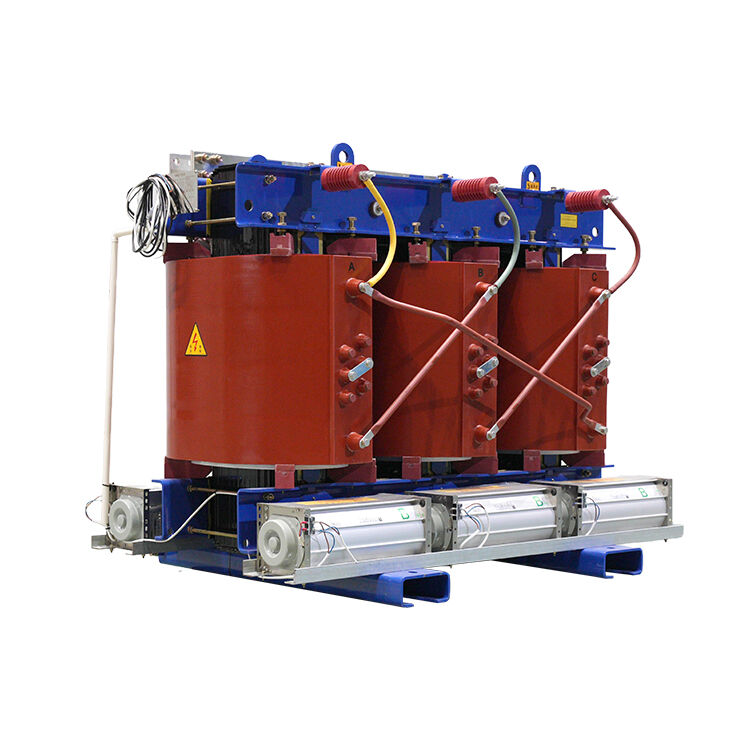
The cast resin epoxy transformer represents a revolutionary advancement in electrical power distribution technology, offering superior performance and reliability for modern industrial applications. This innovative transformer type utilizes a specialized epoxy resin casting process that completely encapsulates the windings and core assembly, creating a solid, moisture-resistant unit that operates efficiently in challenging environmental conditions. The primary function of a cast resin epoxy transformer involves stepping voltage levels up or down while maintaining electrical isolation between circuits, making it essential for power distribution networks, industrial facilities, and commercial buildings. The technological foundation of these transformers centers on advanced epoxy resin formulations that provide exceptional dielectric properties and thermal stability. During manufacturing, the transformer windings undergo a vacuum casting process where liquid epoxy resin penetrates every void, eliminating air pockets and creating a homogeneous insulation system. This process ensures optimal heat dissipation and prevents moisture infiltration, two critical factors that significantly impact transformer longevity and performance. The cast resin epoxy transformer features a robust construction that withstands mechanical stress, vibration, and temperature fluctuations better than traditional oil-filled alternatives. Applications for cast resin epoxy transformers span numerous industries and settings, including hospitals, schools, manufacturing plants, data centers, and high-rise buildings where fire safety regulations demand non-flammable insulation systems. These transformers excel in indoor installations where space constraints require compact designs without compromising performance standards. The technology also proves invaluable in environmentally sensitive locations where oil leakage risks must be eliminated entirely. Modern cast resin epoxy transformers incorporate intelligent monitoring systems that track operating parameters such as temperature, load current, and insulation resistance, enabling predictive maintenance strategies that minimize downtime and extend equipment lifespan. The versatility of cast resin epoxy transformer designs allows for customization to meet specific voltage requirements, power ratings, and installation constraints while maintaining consistent quality and reliability standards across diverse applications.

New Products

Cast resin epoxy transformers deliver exceptional fire safety performance that surpasses conventional oil-filled units, making them ideal for installations where human safety takes priority. The solid epoxy insulation system eliminates flammable liquid risks, allowing these transformers to operate safely in populated buildings without requiring special fire suppression systems or extensive ventilation infrastructure. This safety advantage translates directly into reduced insurance costs and simplified installation procedures for building owners and facility managers. Environmental protection represents another significant benefit of cast resin epoxy transformer technology, as these units contain no oil or other potentially harmful liquids that could contaminate soil or groundwater in case of damage. The solid insulation system prevents chemical leakage entirely, making these transformers suitable for installation in environmentally sensitive areas such as near water sources, in urban centers, or within green building projects seeking environmental certifications. Maintenance requirements for cast resin epoxy transformers remain minimal compared to oil-filled alternatives, reducing operational costs and eliminating the need for regular oil testing, filtration, or replacement procedures. The sealed construction prevents moisture ingress and contamination, ensuring consistent performance throughout the equipment's operational life without requiring periodic maintenance interventions. This reliability advantage helps facility managers predict maintenance budgets more accurately while reducing unexpected downtime incidents. Space efficiency becomes a crucial advantage in modern construction projects where real estate costs drive design decisions, and cast resin epoxy transformers provide compact solutions that maximize usable building space. These transformers eliminate the need for oil containment systems, fire barriers, and extensive ventilation equipment, allowing architects and engineers greater flexibility in building layout optimization. The reduced footprint also simplifies transportation and installation logistics, particularly in urban environments where space constraints complicate equipment delivery and positioning. Operational flexibility represents another key advantage, as cast resin epoxy transformers perform reliably across wide temperature ranges without requiring climate-controlled environments or heating systems for cold weather operation. This adaptability reduces installation costs and enables deployment in diverse geographic regions without performance compromises. The robust construction handles load variations effectively, maintaining voltage regulation and efficiency standards even under demanding operating conditions that might stress conventional transformer designs.

Tips And Tricks

What Is a Transformer and How Does It Improve Power System Efficiency?

02

Jan

What Is a Transformer and How Does It Improve Power System Efficiency?

A transformer represents one of the most critical components in modern electrical power systems, serving as the backbone for efficient energy transmission and distribution across vast networks. These electromagnetic devices enable the seamless conver...
View More
How Does a Transformer Work in High Voltage Power Transmission?

08

Jan

How Does a Transformer Work in High Voltage Power Transmission?

High voltage power transmission systems form the backbone of modern electrical grids, enabling electricity to travel efficiently across vast distances. At the heart of these complex networks lies the power transformer, a crucial piece of equipment th...
View More
Why Are Transformers Critical for Industrial Power Distribution Systems?

14

Jan

Why Are Transformers Critical for Industrial Power Distribution Systems?

Industrial power distribution systems form the backbone of modern manufacturing, commercial facilities, and critical infrastructure operations. At the heart of these complex networks lies a fundamental component that ensures safe, efficient, and reli...
View More
How Do Transformers Support Grid Stability in Large-Scale Power Networks?

20

Jan

How Do Transformers Support Grid Stability in Large-Scale Power Networks?

Large-scale power networks form the backbone of modern electrical infrastructure, requiring sophisticated equipment to maintain stability and reliability across vast geographical areas. Power transformers play a crucial role in these complex systems ...
View More

Get a Free Quote

Our representative will contact you soon.
Email
WhatsApp/Mobile
Name
Company Name
Message
0/1000

cast resin epoxy transformer

Superior Environmental Resistance and Durability

Superior Environmental Resistance and Durability

The cast resin epoxy transformer excels in harsh environmental conditions through its advanced encapsulation technology that creates an impermeable barrier against moisture, dust, chemicals, and other contaminants that typically degrade transformer performance over time. This environmental resistance stems from the unique vacuum casting process used during manufacturing, where specially formulated epoxy resin completely fills every void within the transformer windings and core structure. The resulting solid insulation system eliminates pathways for moisture penetration, preventing the gradual deterioration that affects traditional transformer designs in humid or corrosive environments. The epoxy resin formulation incorporates UV stabilizers and thermal additives that maintain material properties despite exposure to sunlight, temperature cycling, and chemical vapors commonly found in industrial settings. This comprehensive protection extends equipment lifespan significantly, with many cast resin epoxy transformers operating reliably for decades without requiring major repairs or component replacements. The environmental resistance also enables installation in outdoor applications without protective enclosures, reducing total project costs while maintaining performance standards. Coastal installations benefit particularly from the salt air resistance provided by the epoxy encapsulation, as traditional transformers often suffer accelerated corrosion in marine environments. The solid construction also provides excellent resistance to vibration and mechanical stress, making these transformers suitable for industrial applications where heavy machinery creates constant movement and shock loads. This durability advantage translates into lower life-cycle costs for facility owners, as the reduced maintenance requirements and extended operational life offset the initial investment premium typically associated with cast resin epoxy transformer technology. The environmental resistance capabilities make these transformers ideal for critical applications where reliability cannot be compromised, such as hospitals, data centers, and emergency services facilities that require continuous power availability regardless of external conditions.
Enhanced Safety Features and Fire Prevention

Enhanced Safety Features and Fire Prevention

Safety considerations drive many facility managers toward cast resin epoxy transformer technology due to the elimination of fire hazards associated with liquid-filled transformer designs. The solid epoxy insulation system contains no flammable liquids, gases, or other combustible materials that could ignite during fault conditions or external fire exposure. This inherent fire resistance allows installation in occupied buildings without requiring expensive fire suppression systems, specialized ventilation equipment, or safety barriers that traditional oil-filled transformers demand. Building codes and insurance regulations often mandate strict safety measures for liquid-filled transformers, including fire walls, automatic sprinkler systems, and emergency containment facilities that add substantial costs to construction projects. Cast resin epoxy transformers eliminate these requirements while providing superior safety performance, enabling installation directly within buildings adjacent to occupied spaces. The solid construction also prevents explosion risks that can occur when liquid-filled transformers experience internal faults, as there are no expanding gases or vapors to create dangerous pressure conditions. Emergency response procedures become simplified with cast resin epoxy transformers, as firefighters and safety personnel face no risks from toxic fumes, explosive vapors, or liquid spills that complicate traditional transformer incident management. The non-toxic nature of the epoxy insulation materials ensures safe handling during installation, maintenance, and eventual disposal, protecting workers and the environment throughout the equipment lifecycle. Personnel safety benefits extend to normal operations, as the sealed construction eliminates exposure to insulating liquids that may pose health risks through skin contact or vapor inhalation. This safety advantage proves particularly valuable in facilities such as schools, hospitals, and food processing plants where human health protection takes priority over cost considerations. The fire prevention capabilities also support business continuity planning, as the reduced fire risk minimizes potential for catastrophic facility damage that could disrupt operations for extended periods while repairs and cleanup activities proceed.
Exceptional Power Quality and Electrical Performance

Exceptional Power Quality and Electrical Performance

Cast resin epoxy transformers deliver superior electrical performance characteristics that ensure stable power quality for sensitive electronic equipment and critical industrial processes. The solid epoxy insulation system provides excellent dielectric properties with consistent performance across varying temperature and humidity conditions, maintaining voltage regulation precision that protects connected equipment from harmful voltage fluctuations. Advanced winding techniques employed in cast resin epoxy transformer manufacturing minimize impedance variations and reduce harmonic distortion, resulting in cleaner power delivery that improves equipment efficiency and reduces energy costs. The thermal management capabilities of epoxy encapsulation enable optimal heat dissipation from transformer windings, preventing hot spots that can degrade performance and reduce equipment lifespan in conventional designs. This thermal stability maintains consistent electrical characteristics throughout the transformer's operational range, ensuring predictable performance for power quality sensitive applications such as precision manufacturing, medical equipment, and data processing facilities. The solid construction also provides excellent short-circuit withstand capability, protecting the transformer and connected systems during fault conditions that might damage less robust designs. Magnetic shielding properties of the epoxy encapsulation reduce electromagnetic interference emissions, minimizing disruption to nearby electronic equipment and communication systems. This EMI reduction becomes increasingly important as facilities incorporate more sophisticated control systems and wireless communication networks that can suffer performance degradation from electrical noise. The precision manufacturing processes used in cast resin epoxy transformer production enable tight tolerance control on electrical parameters such as turns ratio, impedance, and losses, ensuring consistent performance across multiple units in large installations. Load handling capabilities remain stable throughout the transformer's operational life, as the solid insulation system prevents gradual degradation that can affect voltage regulation and efficiency in traditional designs. The excellent power quality characteristics make cast resin epoxy transformers ideal for applications requiring stable electrical supply, such as semiconductor manufacturing, pharmaceutical production, and research laboratories where even minor power quality issues can result in significant production losses or equipment damage.

Get a Free Quote

Our representative will contact you soon.
Email
WhatsApp/Mobile
Name
Company Name
Message
0/1000