extra high voltage transformer
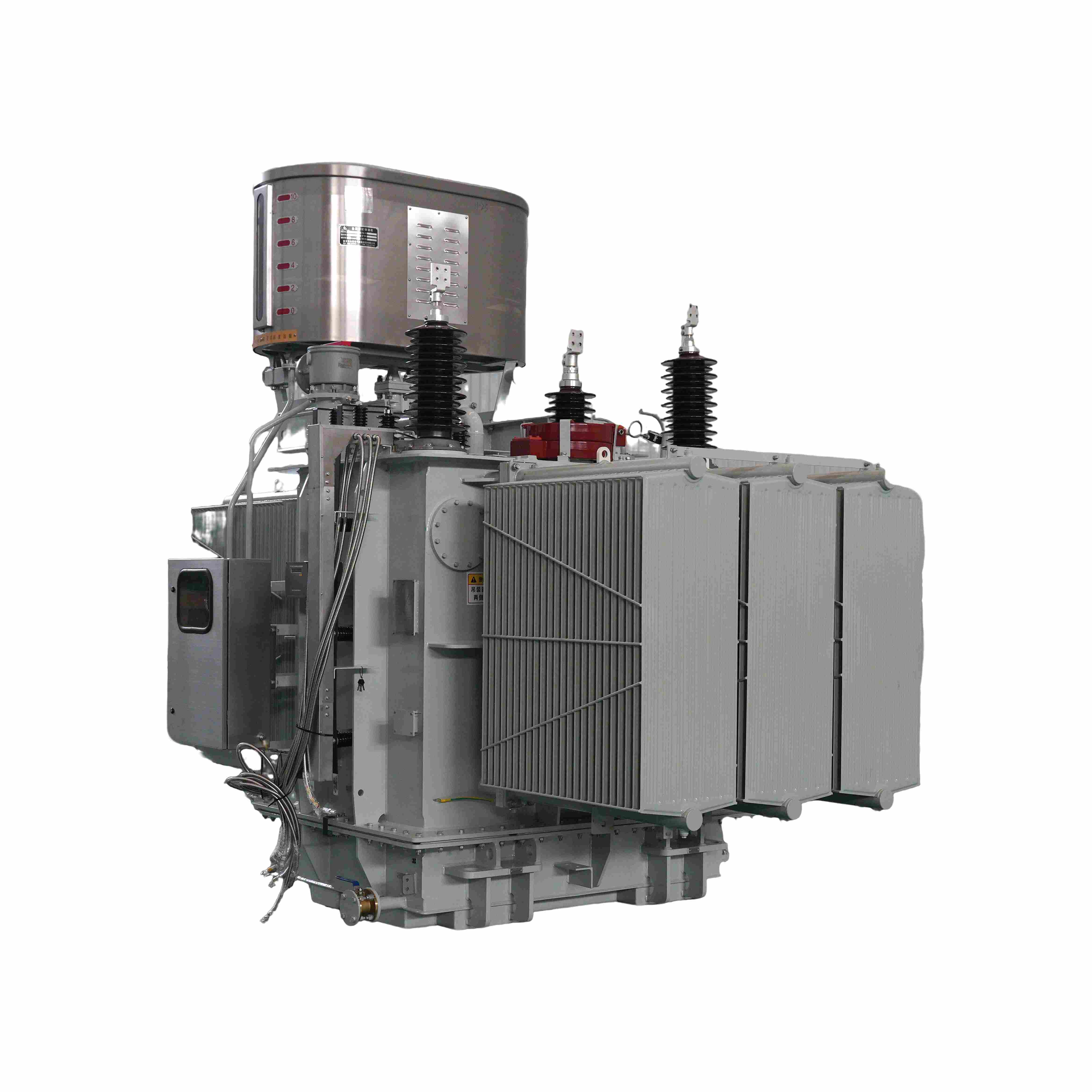
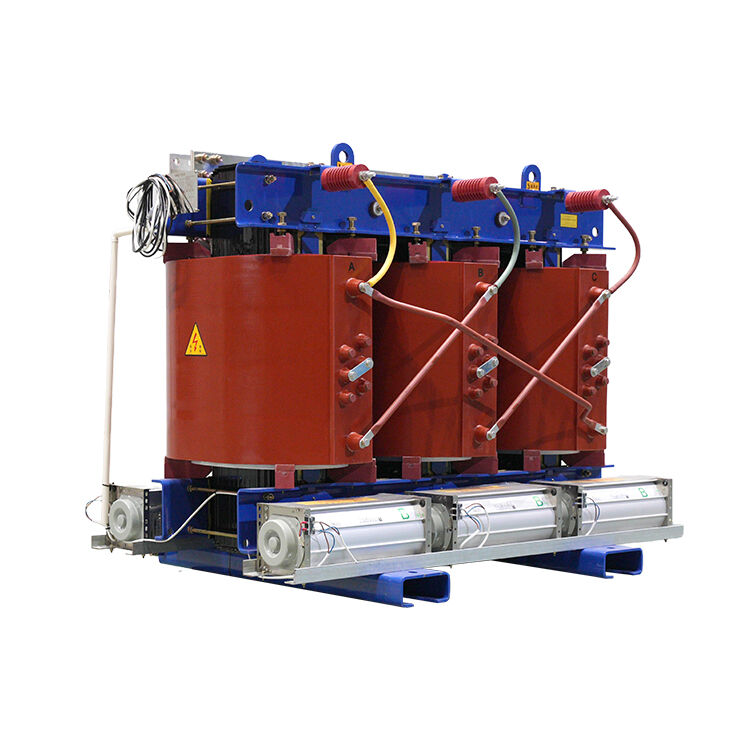
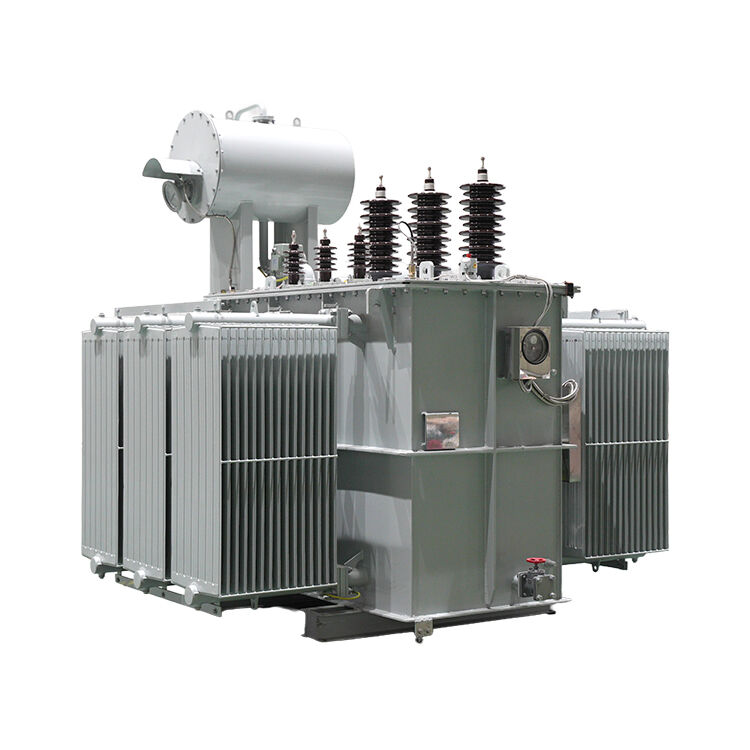
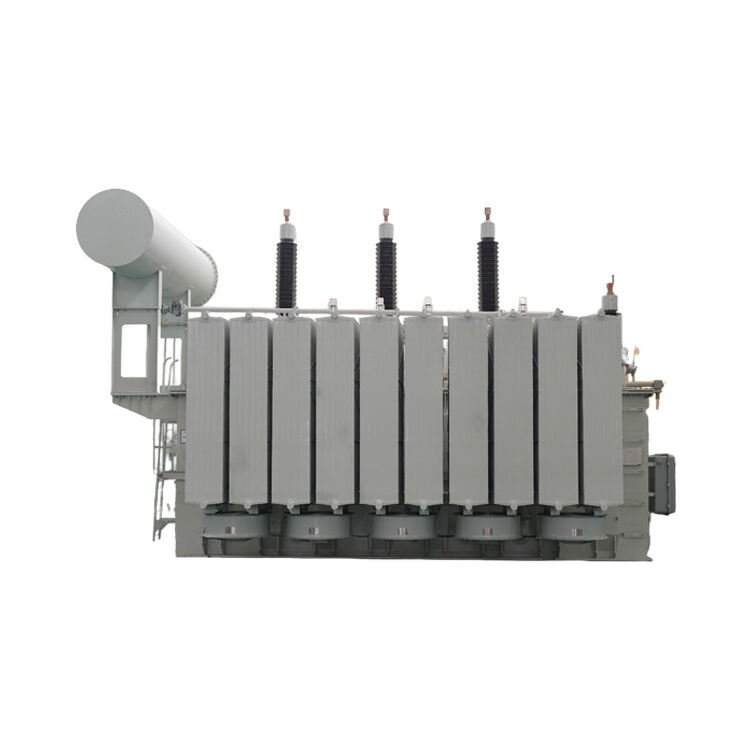
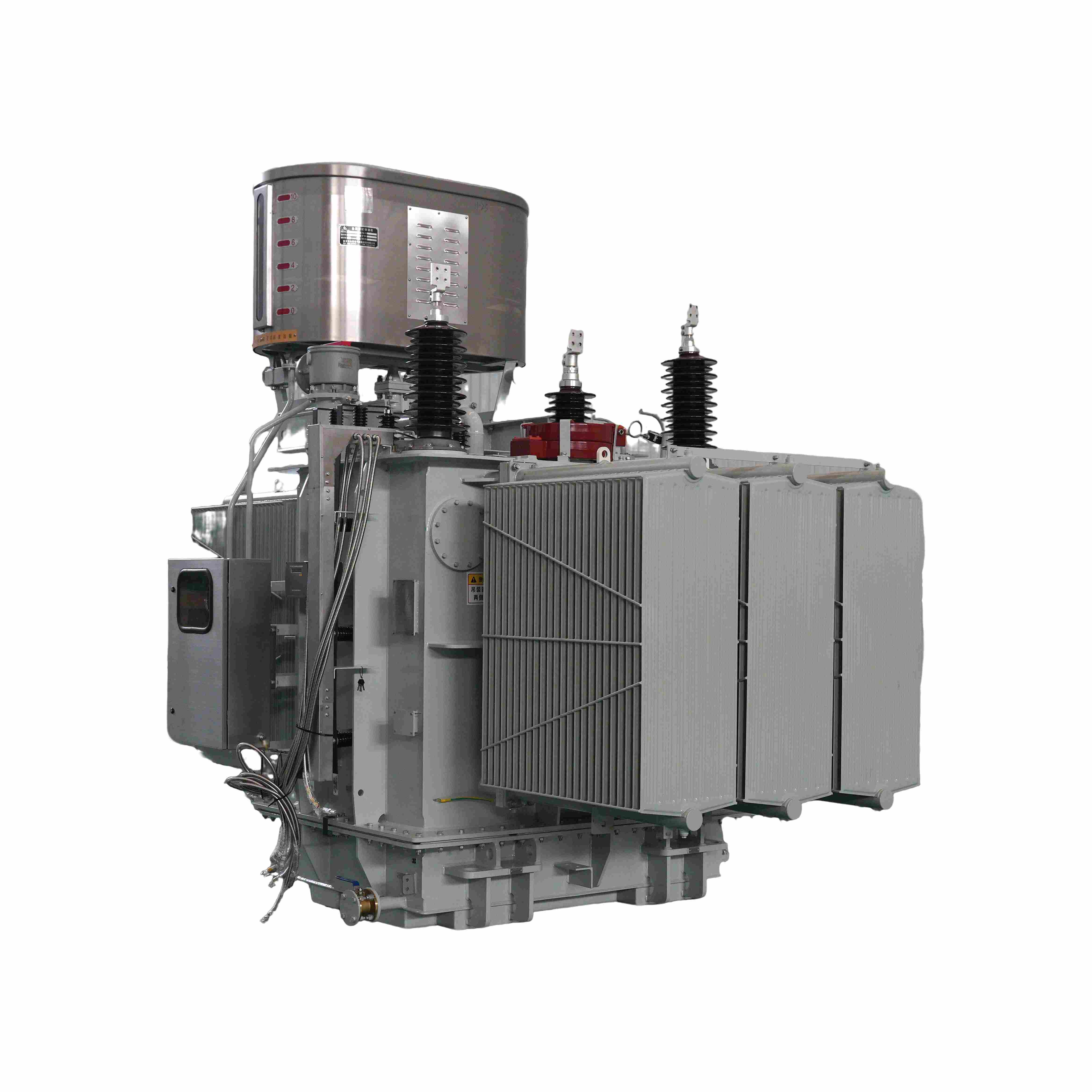
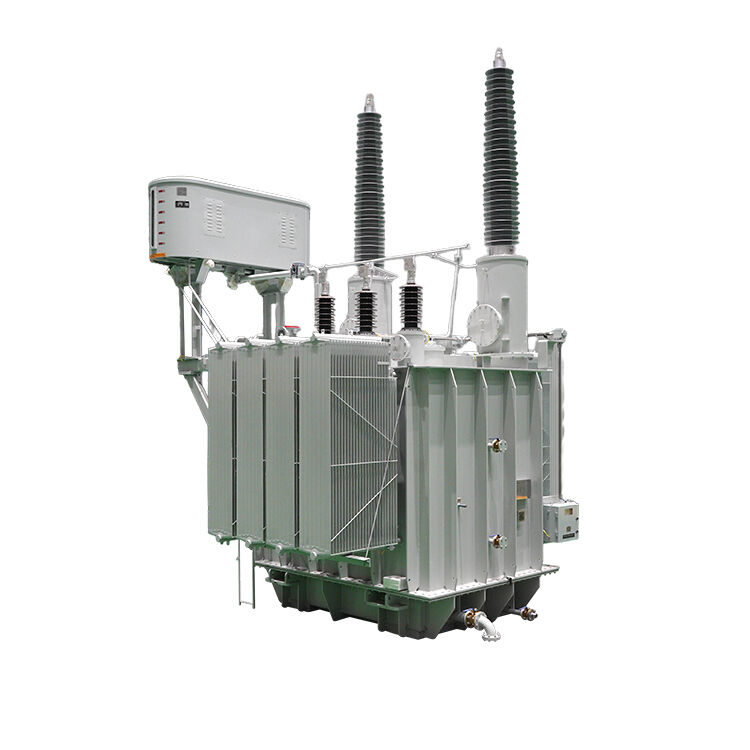
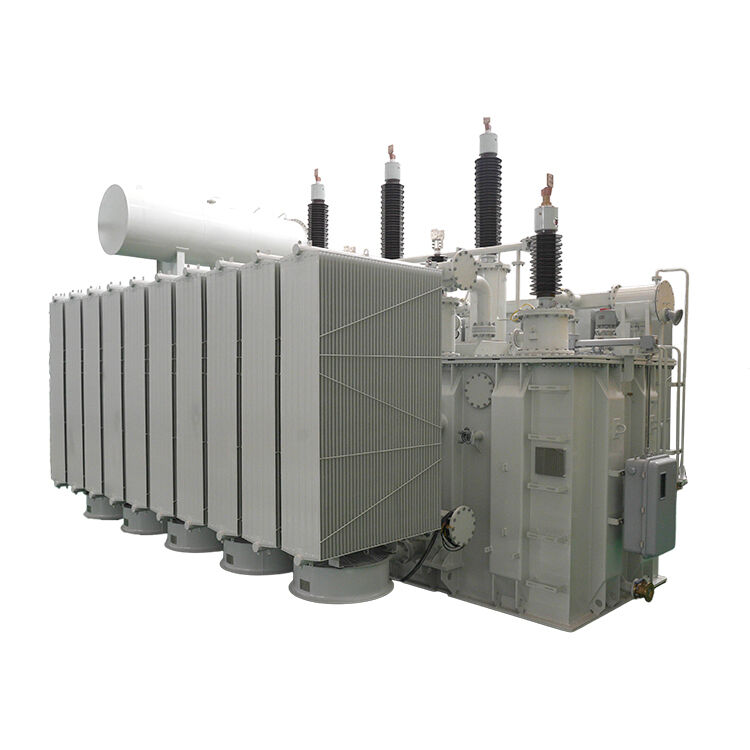
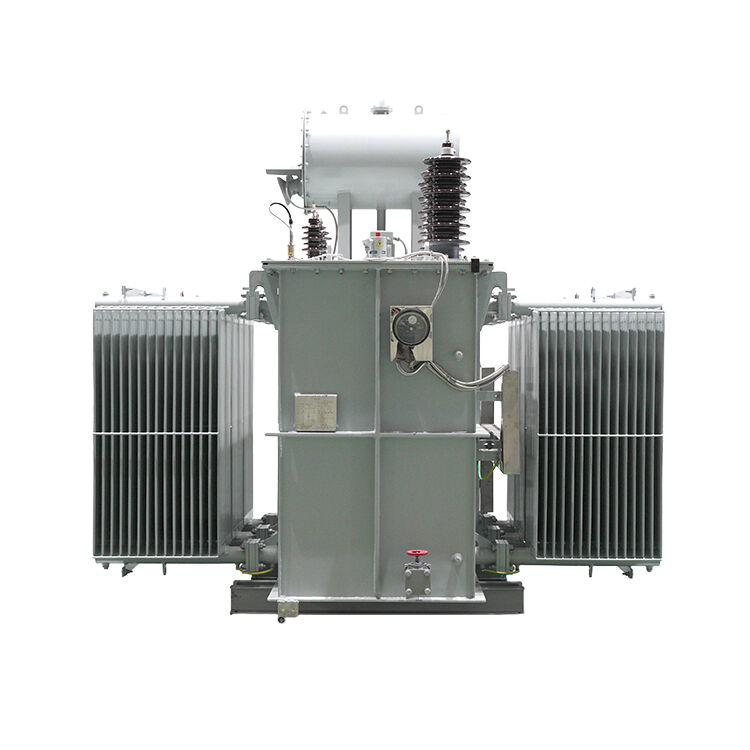
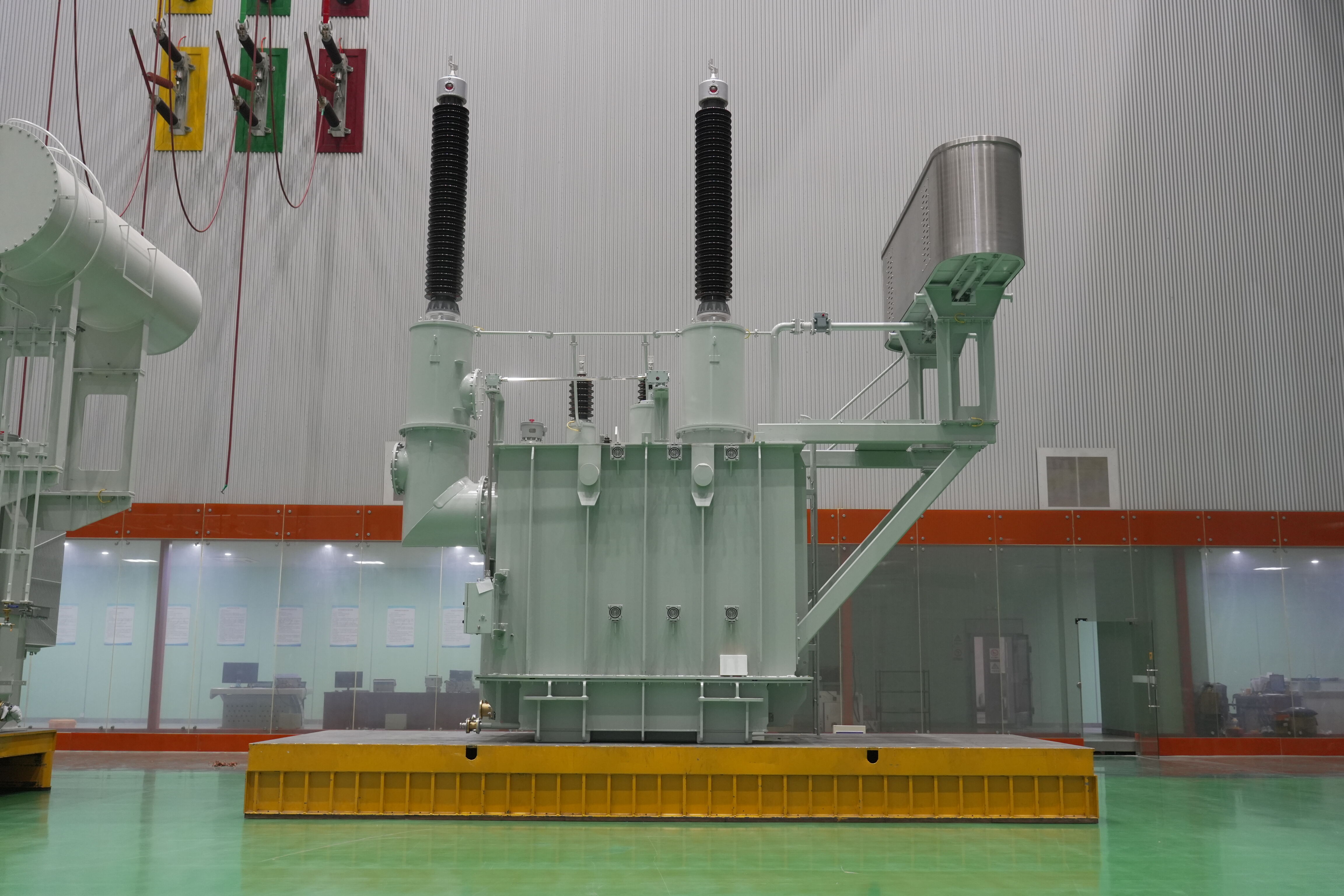
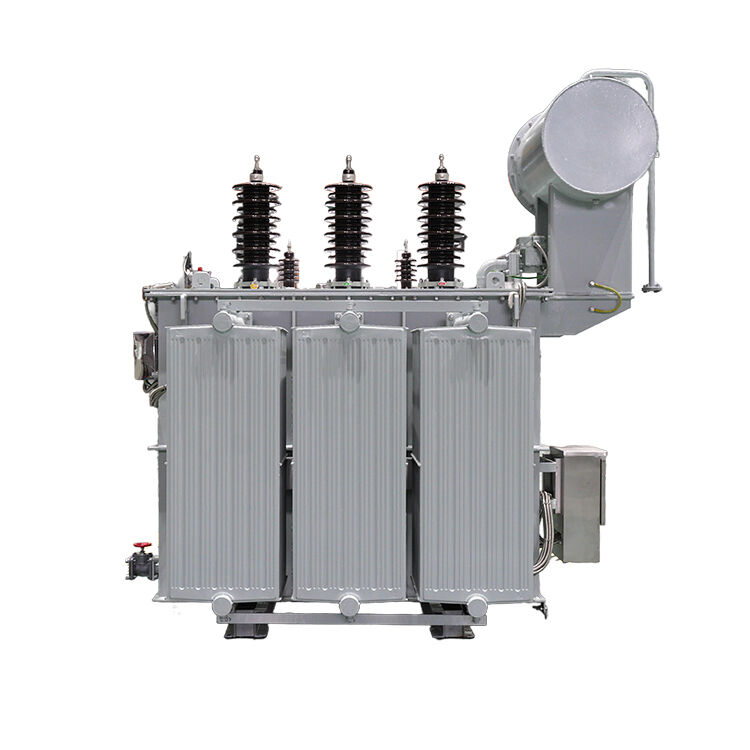
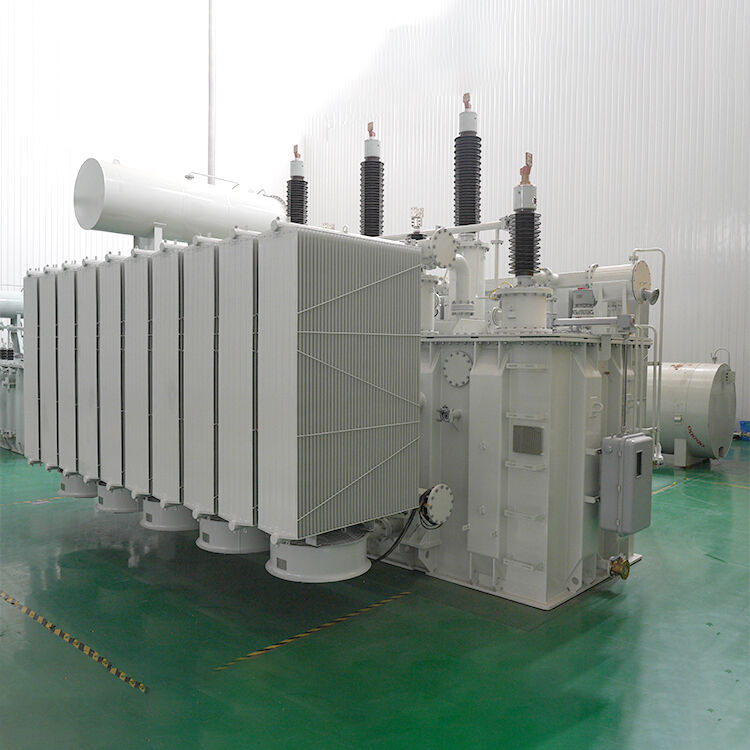
An extra high voltage transformer represents one of the most critical components in modern electrical power systems, designed specifically to handle voltages exceeding 800 kilovolts. These sophisticated machines serve as the backbone of electrical transmission networks, enabling efficient power transfer across vast distances while maintaining optimal energy distribution. The extra high voltage transformer operates on electromagnetic induction principles, utilizing advanced core materials and insulation systems to manage extreme electrical stresses. These units feature specialized cooling mechanisms, typically oil-immersed designs with sophisticated radiator systems or forced air circulation to dissipate heat generated during operation. The construction incorporates high-grade silicon steel cores with minimal losses, precision-wound copper or aluminum conductors, and multi-layer insulation barriers capable of withstanding tremendous electrical fields. Modern extra high voltage transformer designs integrate digital monitoring systems that continuously assess performance parameters including temperature, pressure, dissolved gas analysis, and partial discharge detection. These transformers employ bushings rated for extreme voltages, featuring porcelain or composite materials with extended creepage distances to prevent flashovers. The tap changing mechanisms allow voltage regulation under load conditions, ensuring stable power delivery despite fluctuating demand patterns. Manufacturing processes involve rigorous quality control measures, including factory acceptance testing that simulates real-world operating conditions. Installation requires specialized expertise due to weight considerations often exceeding several hundred tons and dimensional constraints that demand careful transportation planning. Maintenance protocols focus on oil analysis, thermal imaging, and acoustic monitoring to predict potential failures before they occur. The extra high voltage transformer incorporates advanced protection systems including differential relays, overcurrent protection, and gas detection devices that immediately isolate the unit during fault conditions, protecting both equipment and personnel while maintaining system reliability.
 EN
EN