High Voltage Distribution Transformer: Advanced Power Distribution Solutions for Maximum Efficiency and Reliability

Get a Free Quote

Our representative will contact you soon.
Email
WhatsApp/Mobile
Name
Company Name
Message
0/1000

high voltage distribution transformer

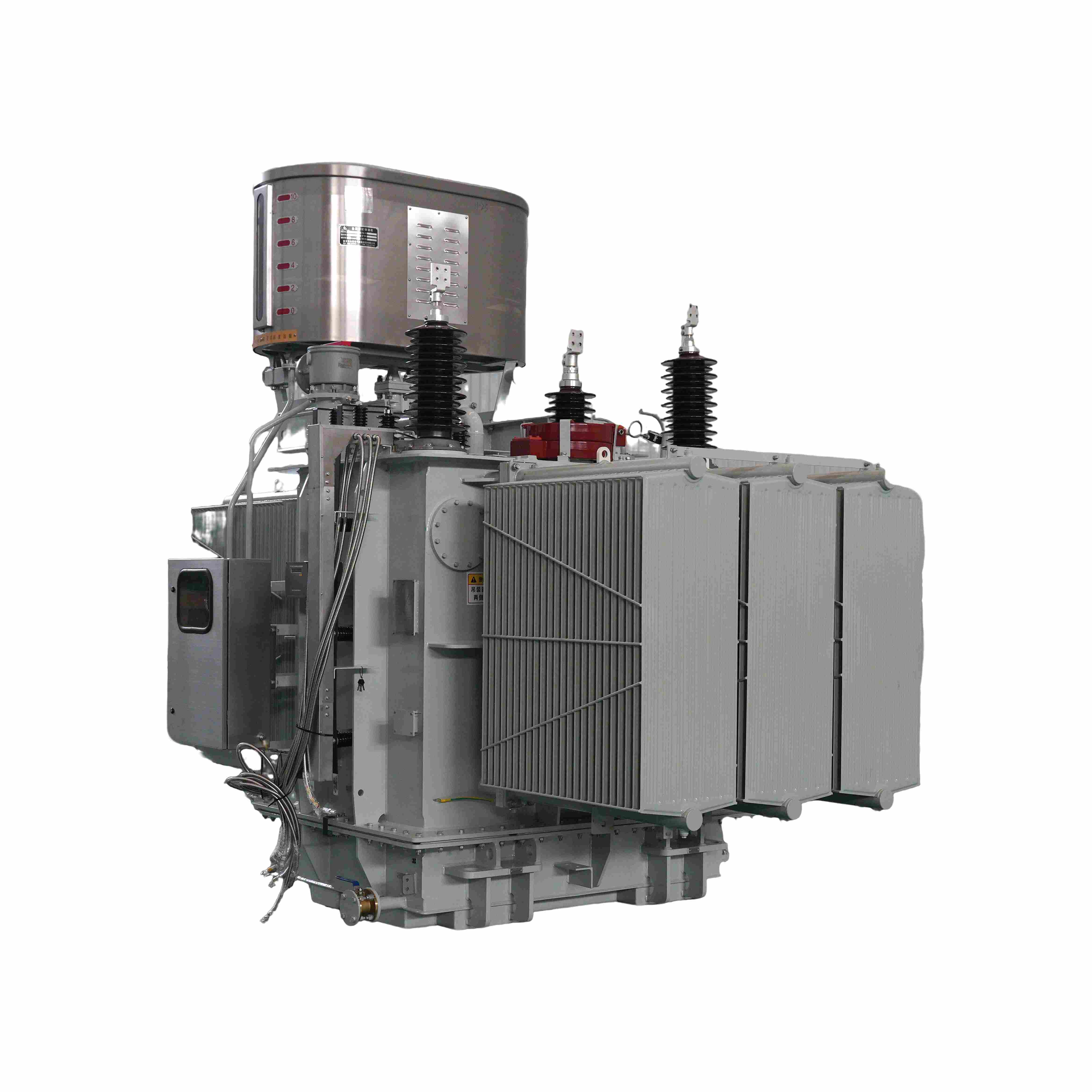
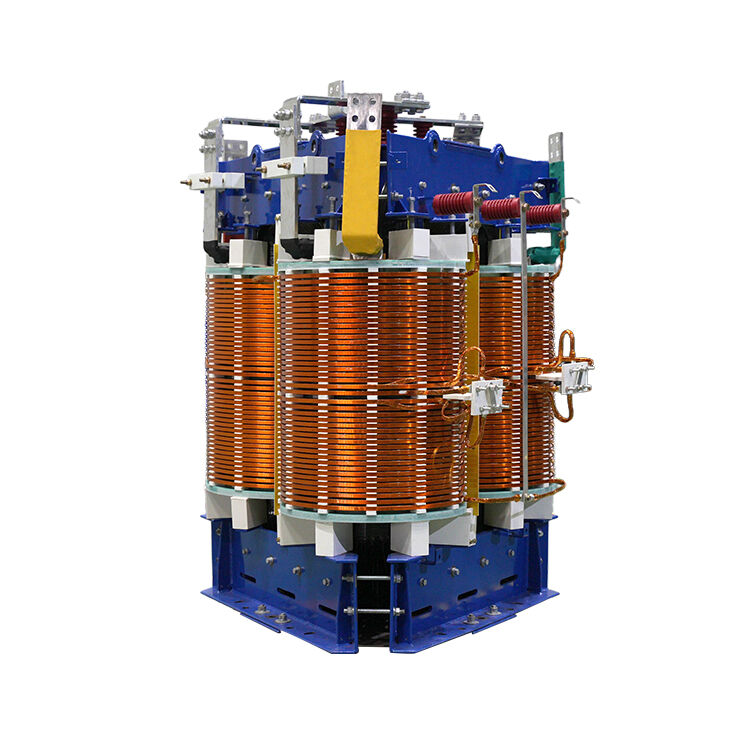
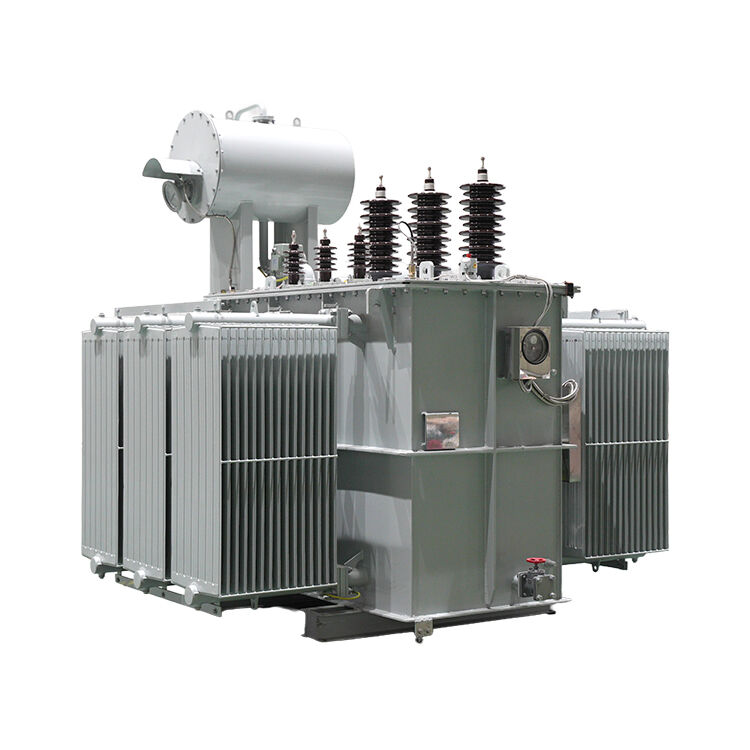
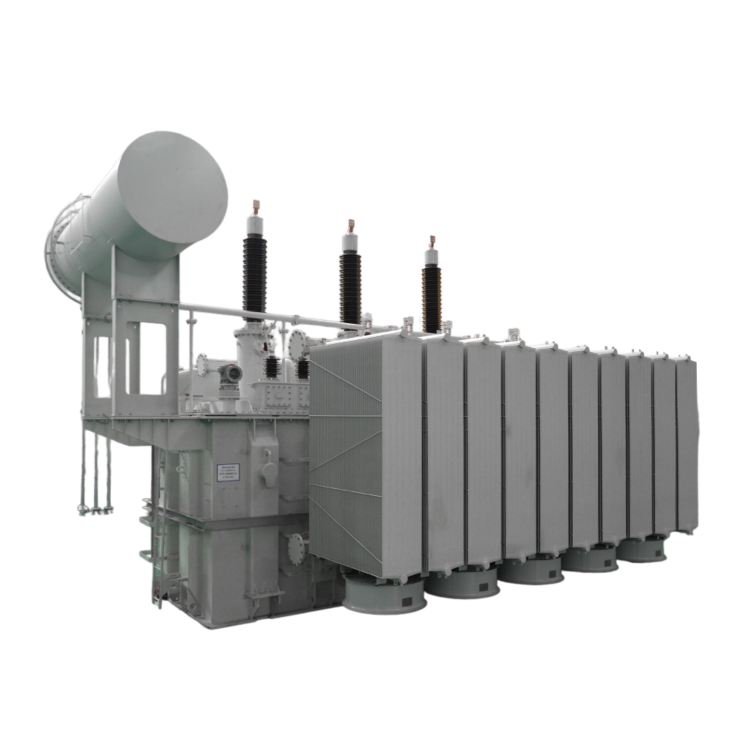
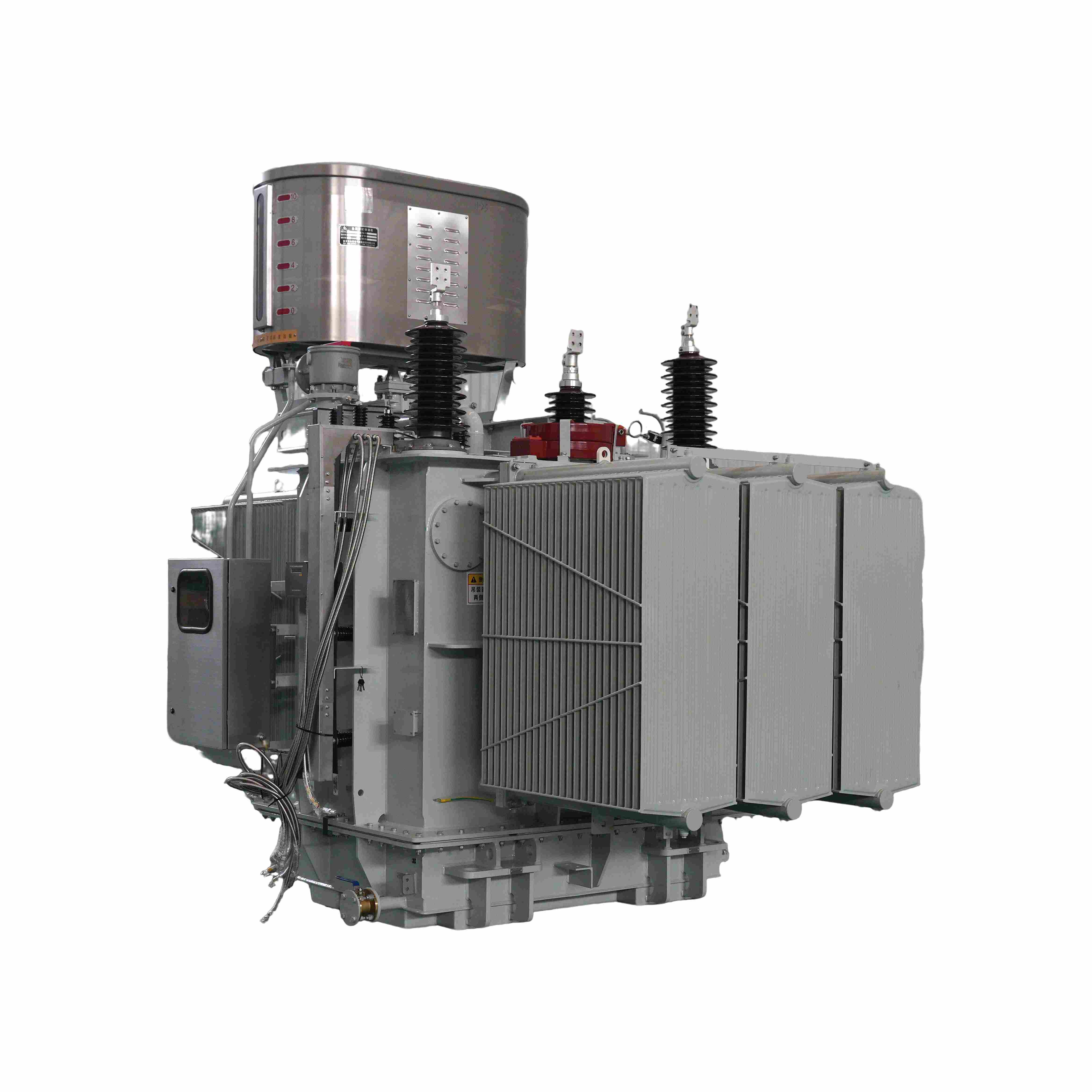
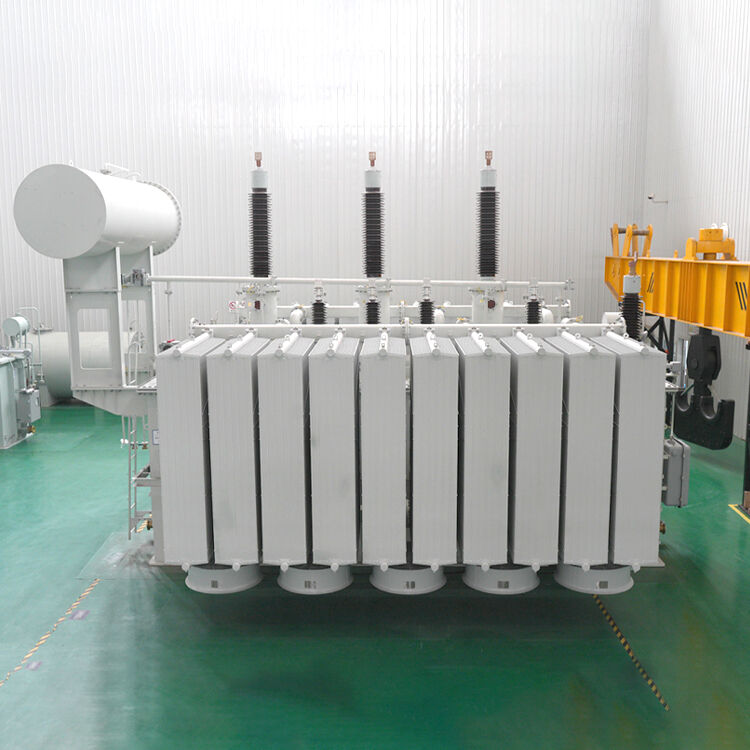
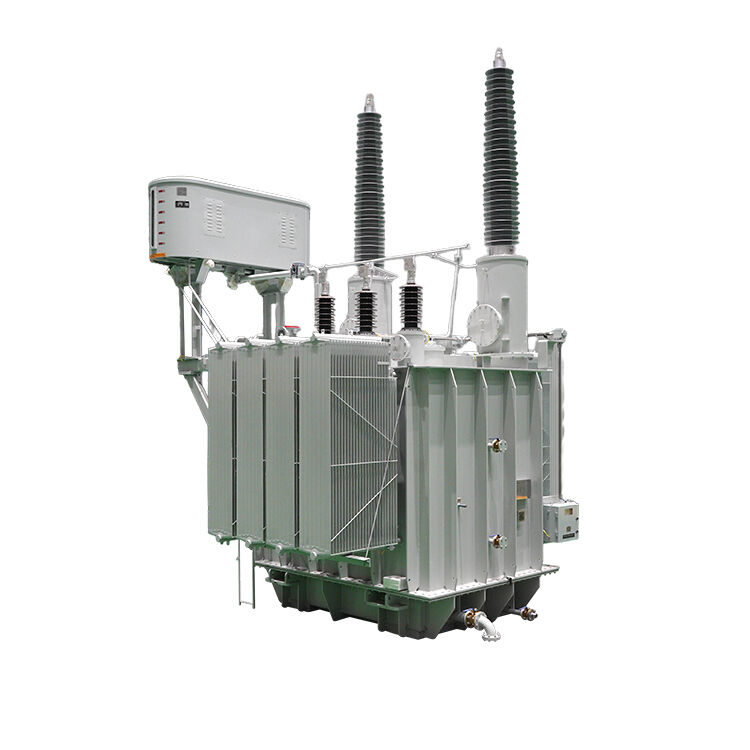
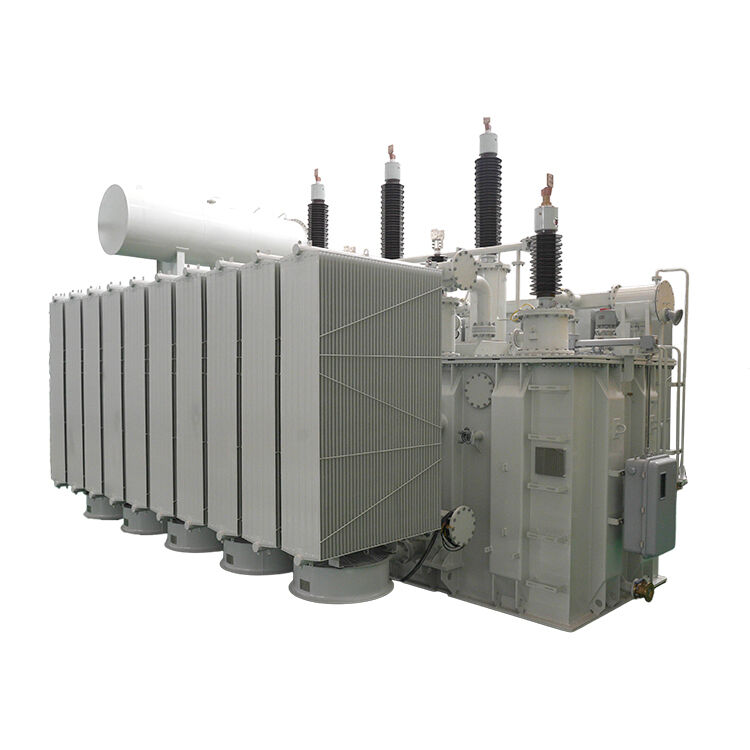
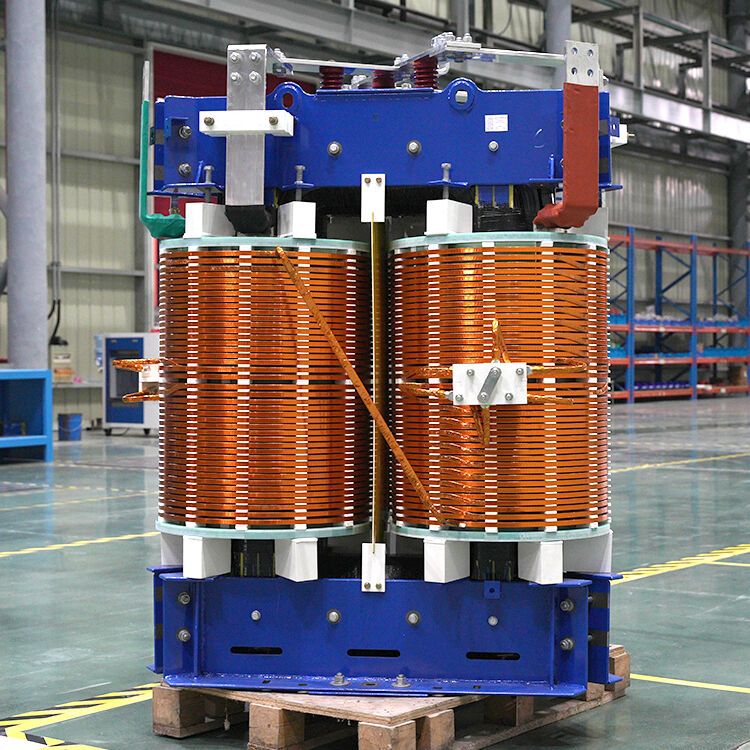
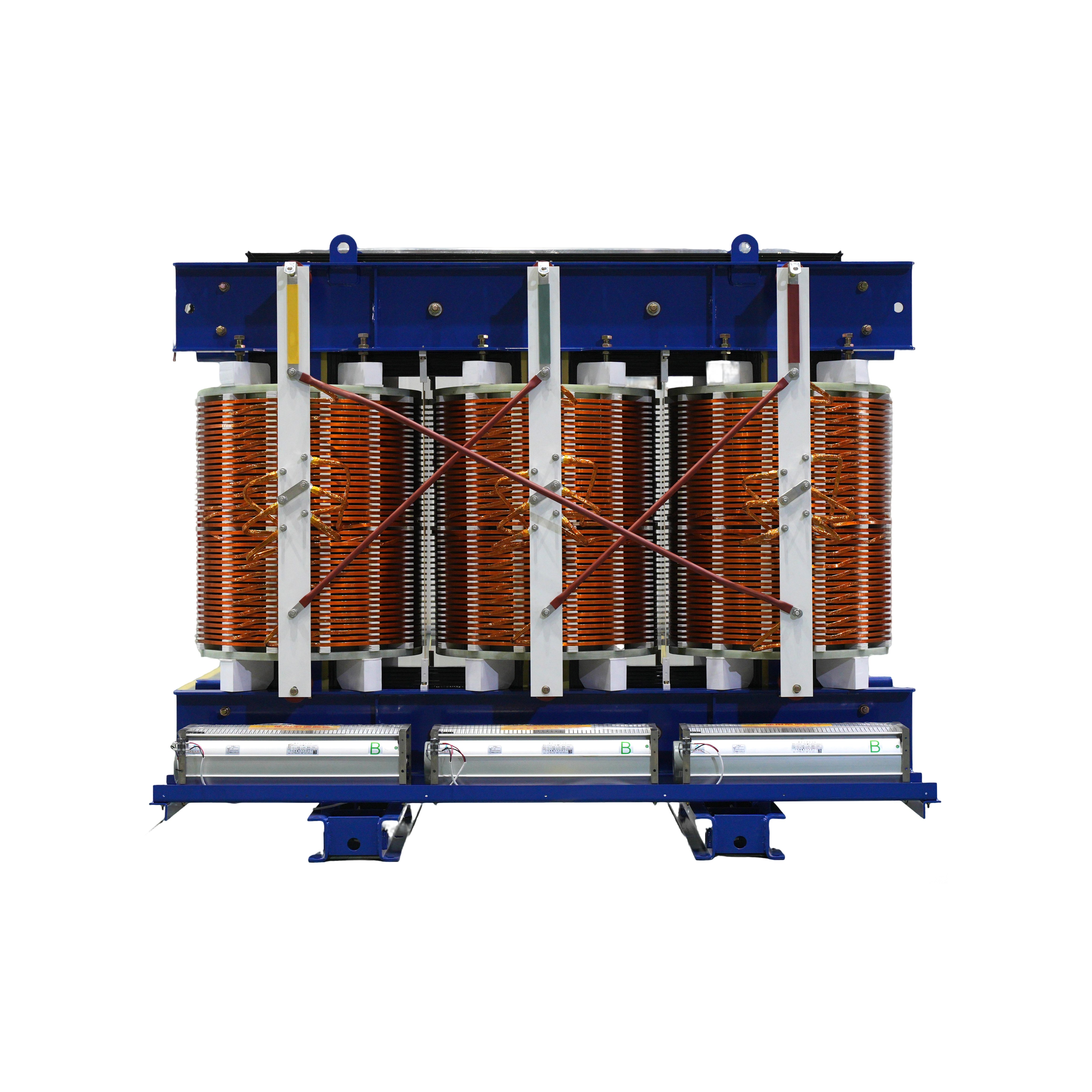
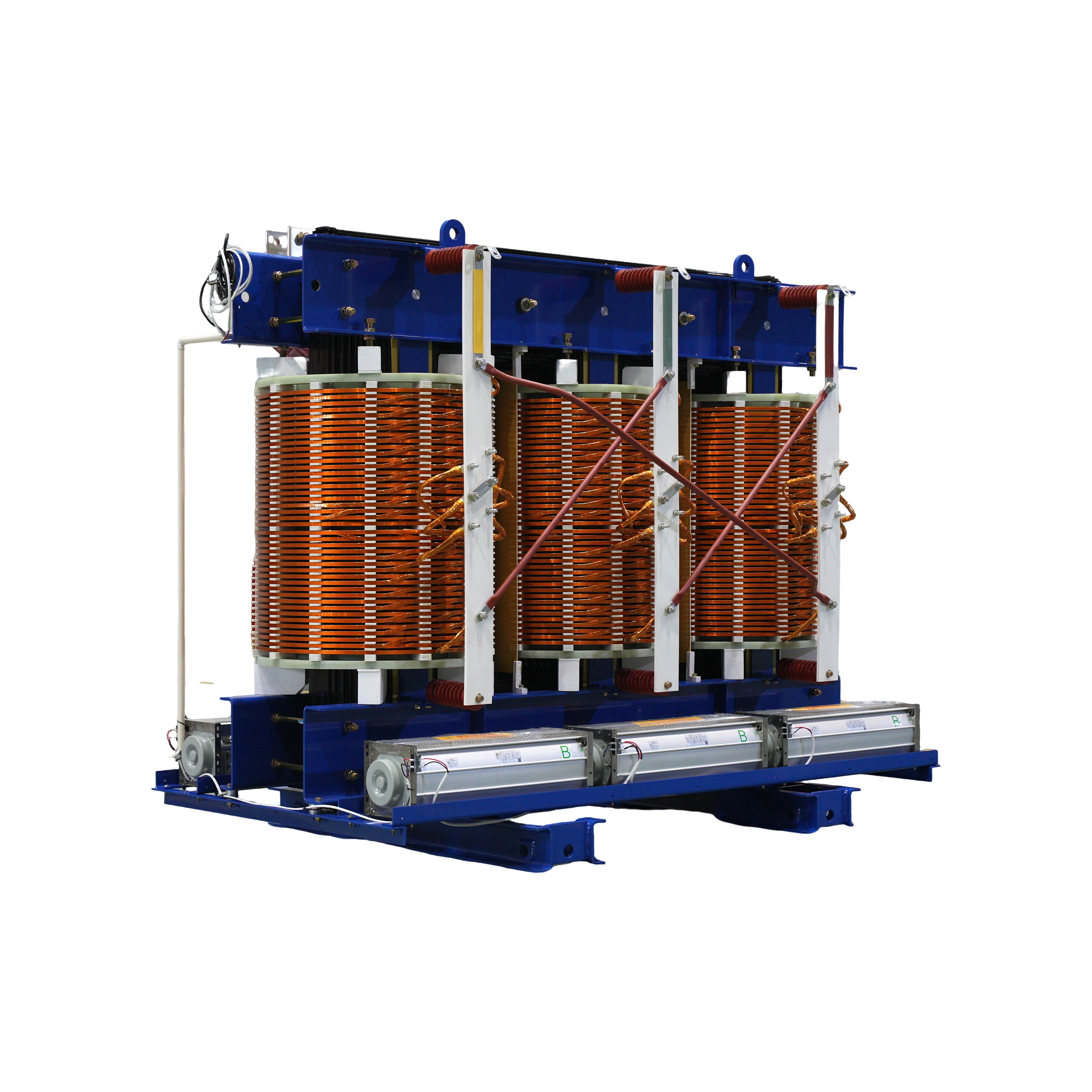
A high voltage distribution transformer serves as a critical component in electrical power systems, designed to step down high voltage electricity from transmission lines to lower voltage levels suitable for distribution to end users. These sophisticated electrical devices operate at voltage levels typically ranging from 35 kilovolts to 138 kilovolts on the primary side, reducing power to distribution levels of 4 kilovolts to 35 kilovolts. The high voltage distribution transformer plays an essential role in maintaining grid stability and ensuring reliable power delivery across extensive geographical areas. Modern high voltage distribution transformers incorporate advanced insulation systems, utilizing mineral oil, synthetic fluids, or solid insulation materials to prevent electrical breakdown and ensure safe operation under extreme conditions. These units feature robust construction with high-grade silicon steel cores that minimize energy losses through superior magnetic properties. The windings consist of high-conductivity copper or aluminum conductors, precisely engineered to handle substantial electrical loads while maintaining optimal efficiency ratings. Temperature monitoring systems, pressure relief valves, and protective relays form integral safety features that prevent equipment damage and ensure personnel protection. The high voltage distribution transformer typically includes tap changers that allow voltage adjustment under load conditions, enabling operators to maintain consistent voltage levels despite fluctuating demand patterns. Cooling systems range from natural air circulation to forced oil circulation with air or water cooling, depending on the transformer's power rating and installation environment. These transformers must comply with stringent industry standards including IEEE, IEC, and ANSI specifications, ensuring compatibility with existing grid infrastructure. Installation requirements involve specialized foundations, proper grounding systems, and adequate clearance distances to maintain safety protocols. Regular maintenance procedures include oil analysis, insulation testing, and thermal imaging to detect potential issues before they result in costly failures.

New Product Releases

High voltage distribution transformers deliver substantial operational benefits that directly impact power system reliability and economic performance. These units provide exceptional efficiency ratings, typically exceeding 98 percent, which translates to significant energy savings and reduced operational costs over the transformer's lifespan. The superior efficiency stems from advanced core materials and optimized winding configurations that minimize losses during power conversion processes. Users experience enhanced grid stability through the high voltage distribution transformer's ability to maintain consistent voltage regulation under varying load conditions. This stability prevents equipment damage caused by voltage fluctuations and ensures uninterrupted power supply to critical facilities. The robust design incorporates weather-resistant materials and protective systems that withstand harsh environmental conditions, reducing maintenance requirements and extending service life beyond 30 years with proper care. Cost-effectiveness emerges through the high voltage distribution transformer's capacity to serve multiple distribution circuits from a single installation point, eliminating the need for multiple smaller units and reducing infrastructure investment. The modular design facilitates easy installation and replacement procedures, minimizing downtime during maintenance activities. Advanced monitoring capabilities enable predictive maintenance strategies that prevent unexpected failures and optimize replacement schedules based on actual equipment condition rather than arbitrary time intervals. Safety features built into every high voltage distribution transformer protect both equipment and personnel through comprehensive fault detection systems, automatic protective relaying, and emergency shutdown mechanisms. The standardized design ensures compatibility with existing grid components, allowing seamless integration without requiring extensive system modifications. Environmental benefits include reduced electromagnetic interference and lower noise levels compared to alternative power distribution methods. The high voltage distribution transformer supports renewable energy integration by accommodating variable power inputs from wind and solar installations while maintaining grid stability. Remote monitoring capabilities allow operators to track performance parameters in real-time, enabling immediate response to developing issues and optimizing system performance. These transformers support smart grid initiatives through digital communication interfaces that provide detailed operational data for system optimization and demand forecasting. The scalable design accommodates future load growth without requiring complete system replacement, providing long-term value for expanding electrical networks.

Practical Tips

What Is a Transformer and How Does It Improve Power System Efficiency?

02

Jan

What Is a Transformer and How Does It Improve Power System Efficiency?

A transformer represents one of the most critical components in modern electrical power systems, serving as the backbone for efficient energy transmission and distribution across vast networks. These electromagnetic devices enable the seamless conver...
View More
How Does a Transformer Work in High Voltage Power Transmission?

08

Jan

How Does a Transformer Work in High Voltage Power Transmission?

High voltage power transmission systems form the backbone of modern electrical grids, enabling electricity to travel efficiently across vast distances. At the heart of these complex networks lies the power transformer, a crucial piece of equipment th...
View More
Why Are Transformers Critical for Industrial Power Distribution Systems?

14

Jan

Why Are Transformers Critical for Industrial Power Distribution Systems?

Industrial power distribution systems form the backbone of modern manufacturing, commercial facilities, and critical infrastructure operations. At the heart of these complex networks lies a fundamental component that ensures safe, efficient, and reli...
View More
How Do Transformers Support Grid Stability in Large-Scale Power Networks?

20

Jan

How Do Transformers Support Grid Stability in Large-Scale Power Networks?

Large-scale power networks form the backbone of modern electrical infrastructure, requiring sophisticated equipment to maintain stability and reliability across vast geographical areas. Power transformers play a crucial role in these complex systems ...
View More

Get a Free Quote

Our representative will contact you soon.
Email
WhatsApp/Mobile
Name
Company Name
Message
0/1000

high voltage distribution transformer

Superior Insulation Technology for Maximum Safety

Superior Insulation Technology for Maximum Safety

The high voltage distribution transformer incorporates state-of-the-art insulation technology that sets new standards for electrical safety and operational reliability in power distribution systems. This advanced insulation system combines multiple layers of protection, including high-grade mineral oil, cellulose paper, and specialized polymer materials that work together to prevent electrical breakdown even under extreme operating conditions. The insulation design withstand impulse voltages exceeding 750 kilovolts, providing substantial safety margins that protect against lightning strikes and switching surges commonly encountered in high voltage applications. Temperature-resistant materials maintain their dielectric properties across wide temperature ranges, ensuring consistent performance from arctic conditions to desert environments. The high voltage distribution transformer features pressurized insulation systems that eliminate moisture ingress, a primary cause of insulation degradation in traditional transformers. Advanced degassing processes remove dissolved gases from insulation oil, preventing the formation of gas bubbles that could compromise dielectric strength. Partial discharge monitoring systems continuously assess insulation condition, providing early warning of developing problems before they result in catastrophic failures. The insulation design incorporates electromagnetic field optimization that distributes electrical stress evenly throughout the transformer, eliminating hot spots that accelerate aging processes. Quality control procedures include rigorous factory testing at voltages exceeding normal operating levels, ensuring every high voltage distribution transformer meets stringent safety requirements before shipment. The insulation system design considers long-term aging characteristics, maintaining adequate safety margins throughout the transformer's expected service life. Environmental factors receive careful consideration, with insulation materials selected for resistance to ozone, ultraviolet radiation, and chemical contamination. The comprehensive insulation approach extends beyond internal components to include external bushings, surge arresters, and grounding systems that provide complete protection against electrical hazards. Regular condition assessment procedures monitor insulation performance through dissolved gas analysis, power factor testing, and insulation resistance measurements that detect degradation trends before they compromise safety.
Advanced Cooling Systems for Optimal Performance

Advanced Cooling Systems for Optimal Performance

The high voltage distribution transformer utilizes sophisticated cooling systems engineered to maintain optimal operating temperatures while maximizing efficiency and extending equipment lifespan under demanding operating conditions. These cooling systems employ multiple heat transfer mechanisms, including natural convection, forced air circulation, and advanced fluid cooling technologies that effectively manage thermal loads generated during power conversion processes. The cooling design features radiator panels with optimized fin configurations that maximize heat dissipation surface area while minimizing space requirements, making the high voltage distribution transformer suitable for installation in constrained environments. Temperature sensors positioned throughout the transformer windings and core provide real-time monitoring of thermal conditions, enabling automatic fan activation and load adjustment to prevent overheating. The cooling system incorporates variable-speed fans that adjust operation based on actual thermal requirements, reducing energy consumption and noise levels during periods of light loading. Advanced thermodynamic modeling ensures adequate cooling capacity under worst-case scenarios, including high ambient temperatures, maximum loading conditions, and reduced air circulation. The high voltage distribution transformer cooling system includes redundant components that maintain operation even if primary cooling equipment fails, preventing damage to critical electrical components. Oil circulation pumps enhance heat transfer efficiency by maintaining continuous fluid movement through cooling radiators, while filtration systems remove contaminants that could impair thermal performance. The cooling design considers seasonal temperature variations, incorporating automatic switching between natural and forced cooling modes to optimize efficiency throughout the year. Heat exchanger technology enables the high voltage distribution transformer to operate in extreme climates where conventional cooling methods prove inadequate. The cooling system design minimizes maintenance requirements through self-lubricating bearings, corrosion-resistant materials, and accessible service points that facilitate routine inspections. Environmental considerations include noise reduction measures and energy-efficient motor designs that minimize the cooling system's environmental impact. Advanced control systems optimize cooling performance by analyzing load patterns, ambient conditions, and thermal response characteristics to predict cooling requirements and adjust system operation accordingly.
Intelligent Monitoring and Control Systems

Intelligent Monitoring and Control Systems

The high voltage distribution transformer incorporates cutting-edge monitoring and control systems that revolutionize power distribution management through real-time data acquisition, predictive analytics, and automated response capabilities. These intelligent systems continuously monitor critical parameters including voltage levels, current flow, temperature distribution, insulation condition, and mechanical vibrations to provide comprehensive equipment health assessment. Digital relays integrated within the high voltage distribution transformer offer sophisticated protection algorithms that detect fault conditions within milliseconds, automatically isolating problems to prevent cascading failures that could affect entire power networks. The monitoring system features fiber optic communication links that provide immunity to electromagnetic interference while enabling high-speed data transmission to centralized control centers. Advanced sensors throughout the transformer structure monitor oil quality, moisture content, and dissolved gas concentrations, providing early warning of developing problems through trending analysis and threshold monitoring. The control system incorporates artificial intelligence algorithms that learn normal operating patterns and detect anomalies that might indicate potential equipment problems, enabling predictive maintenance strategies that prevent costly unplanned outages. Remote operation capabilities allow operators to adjust tap positions, monitor loading conditions, and control protective devices from distant locations, reducing the need for on-site personnel while improving response times during emergency conditions. The high voltage distribution transformer monitoring system includes data logging capabilities that maintain historical records of operating conditions, fault events, and maintenance activities for regulatory compliance and performance analysis. Integration with supervisory control and data acquisition systems enables seamless communication with existing power system infrastructure, providing operators with comprehensive grid visibility and control capabilities. Cybersecurity features protect against unauthorized access while maintaining secure communication channels for critical control functions. The monitoring system generates automated reports that summarize equipment performance, identify maintenance requirements, and recommend operational improvements based on collected data analysis. Fault location capabilities pinpoint problem areas within the high voltage distribution transformer, reducing diagnostic time and repair costs when issues occur. The intelligent control system optimizes transformer loading to maximize efficiency while maintaining adequate safety margins, contributing to overall power system economy and reliability.

Get a Free Quote

Our representative will contact you soon.
Email
WhatsApp/Mobile
Name
Company Name
Message
0/1000