residential distribution transformer
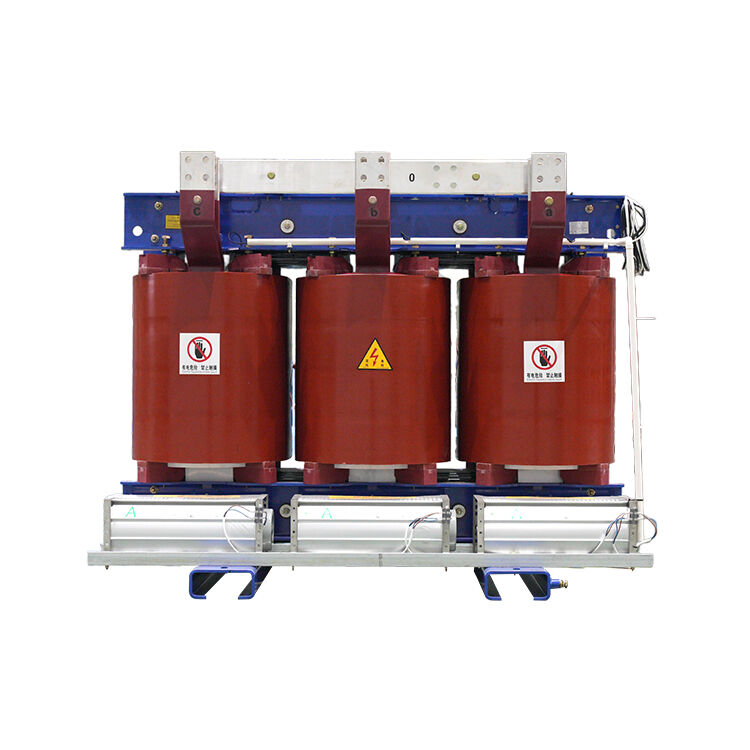
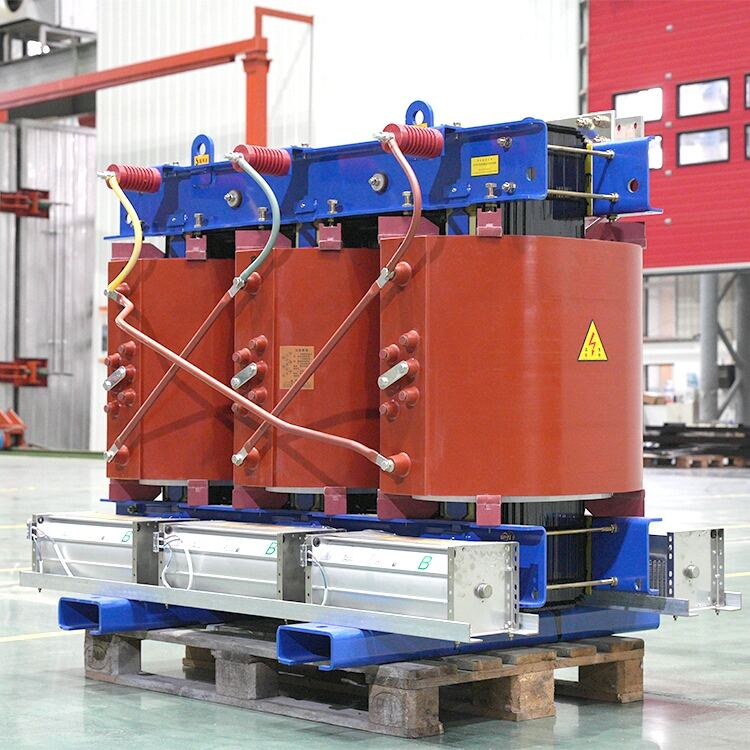
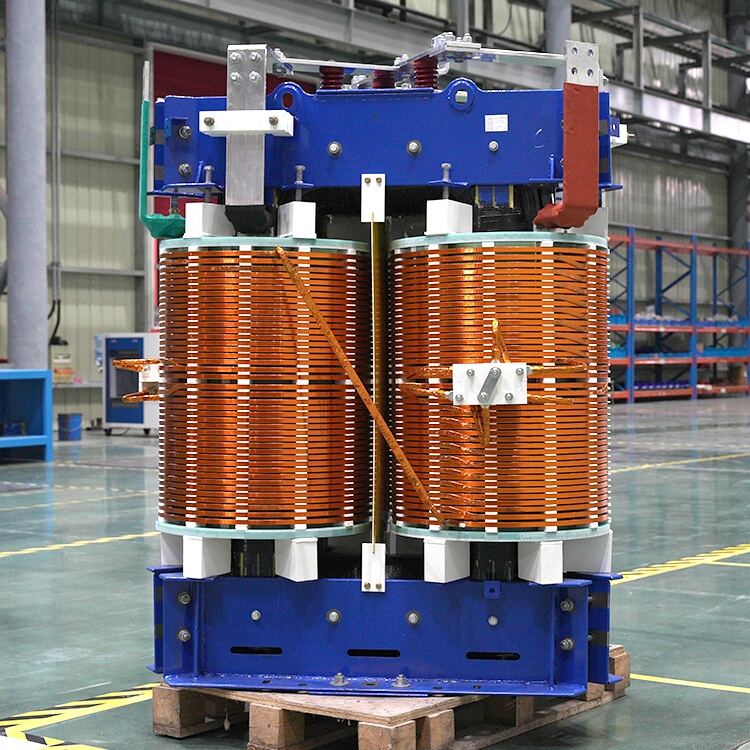
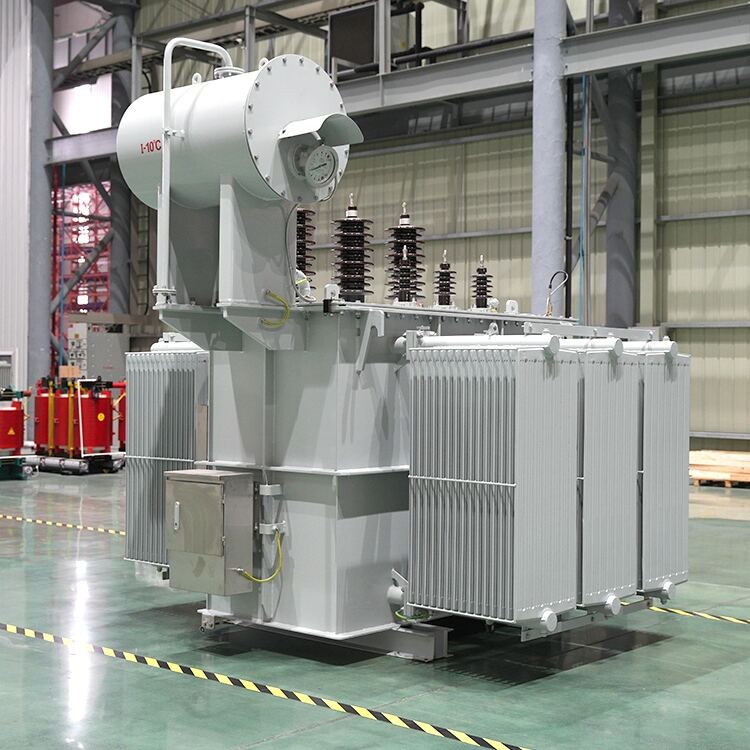
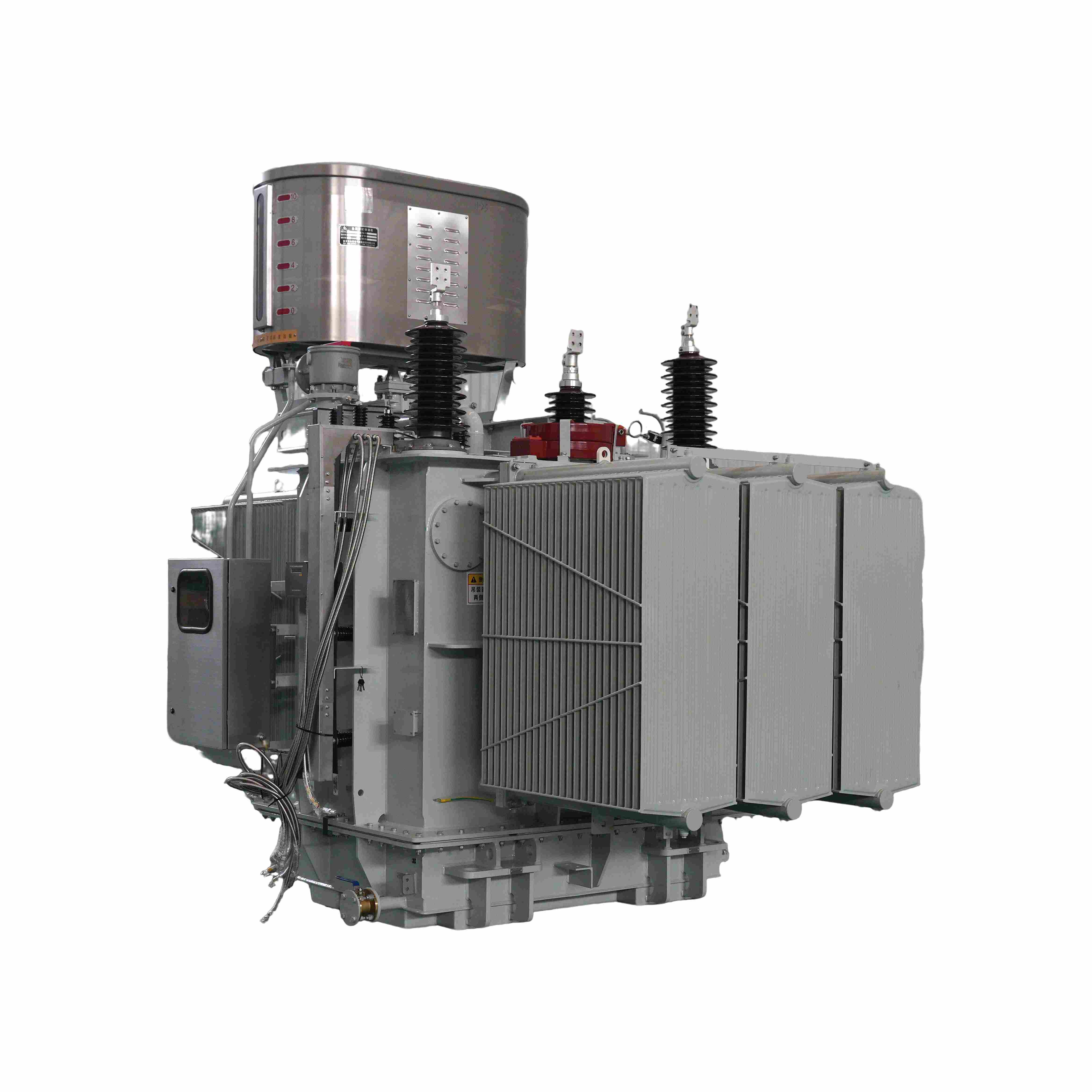
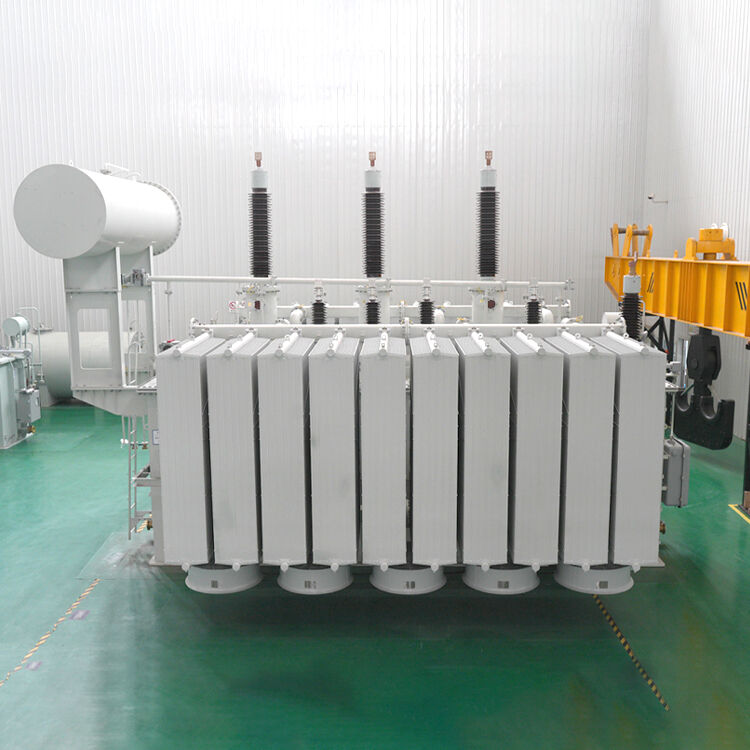
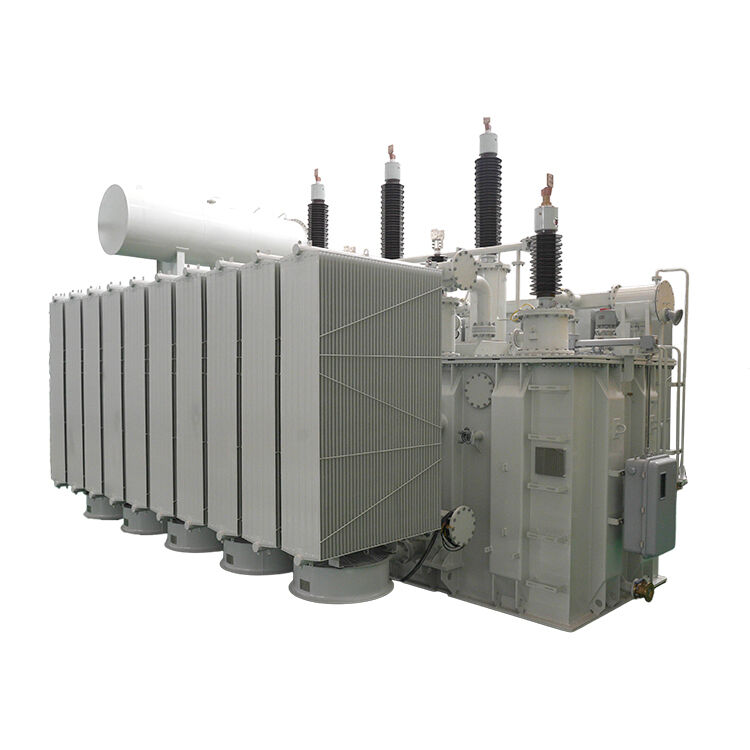
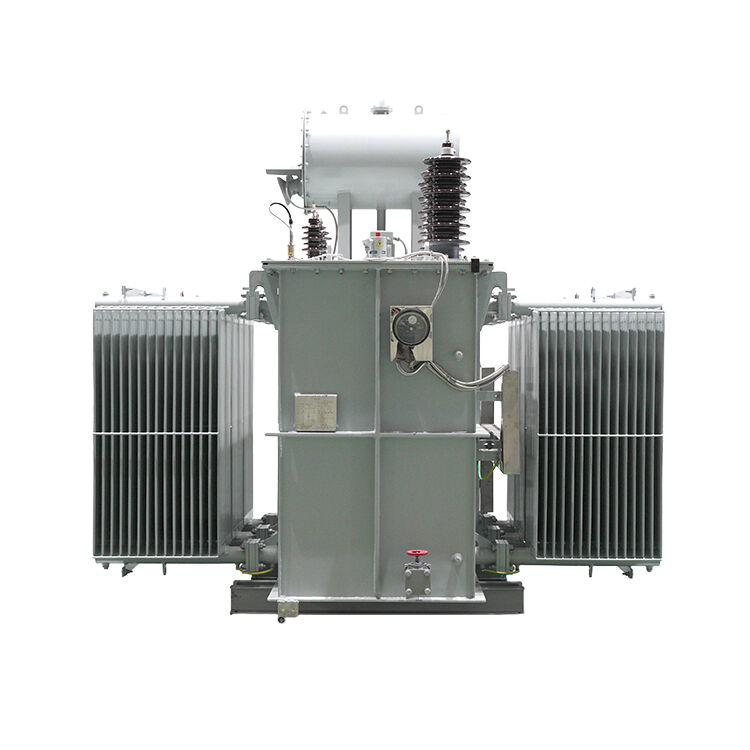
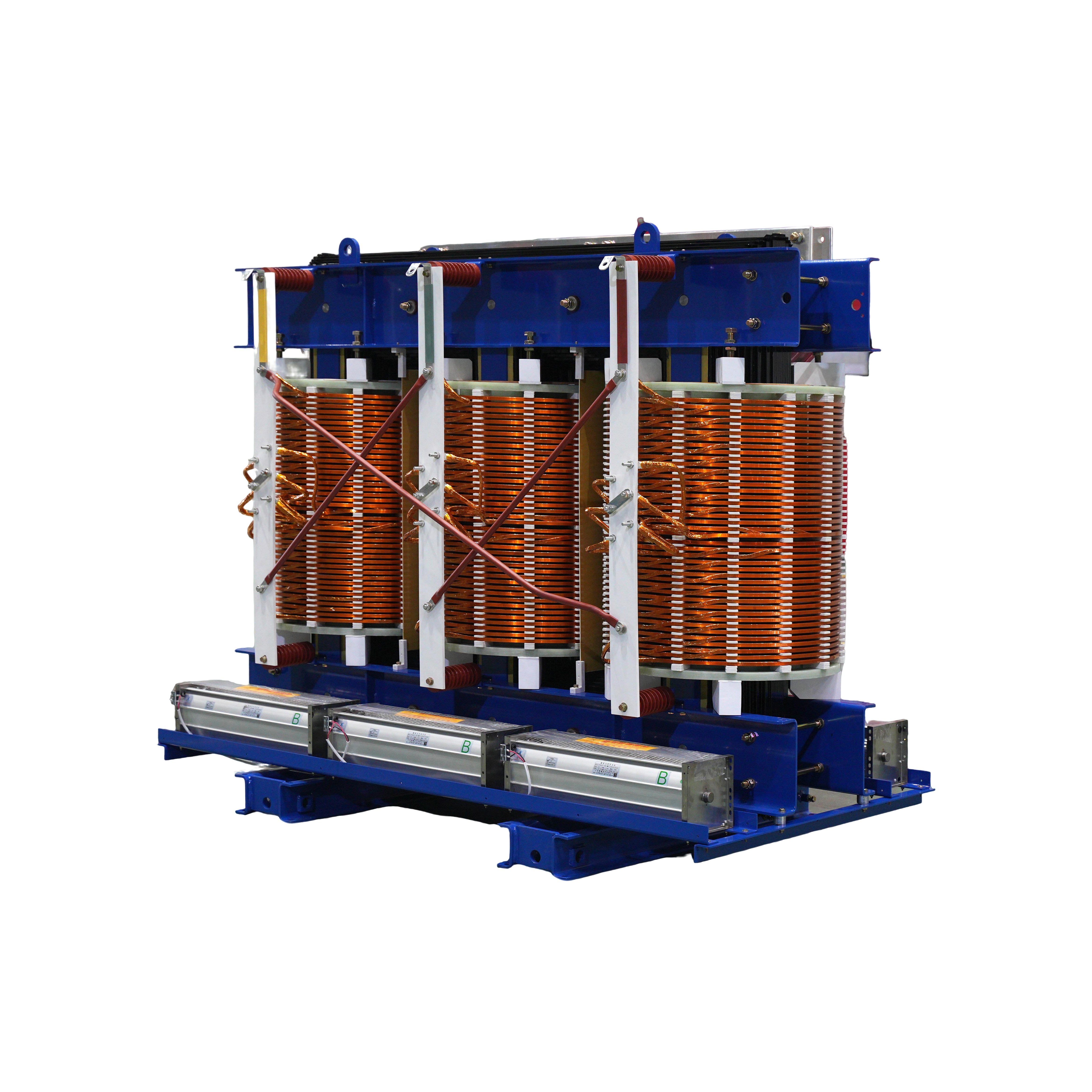
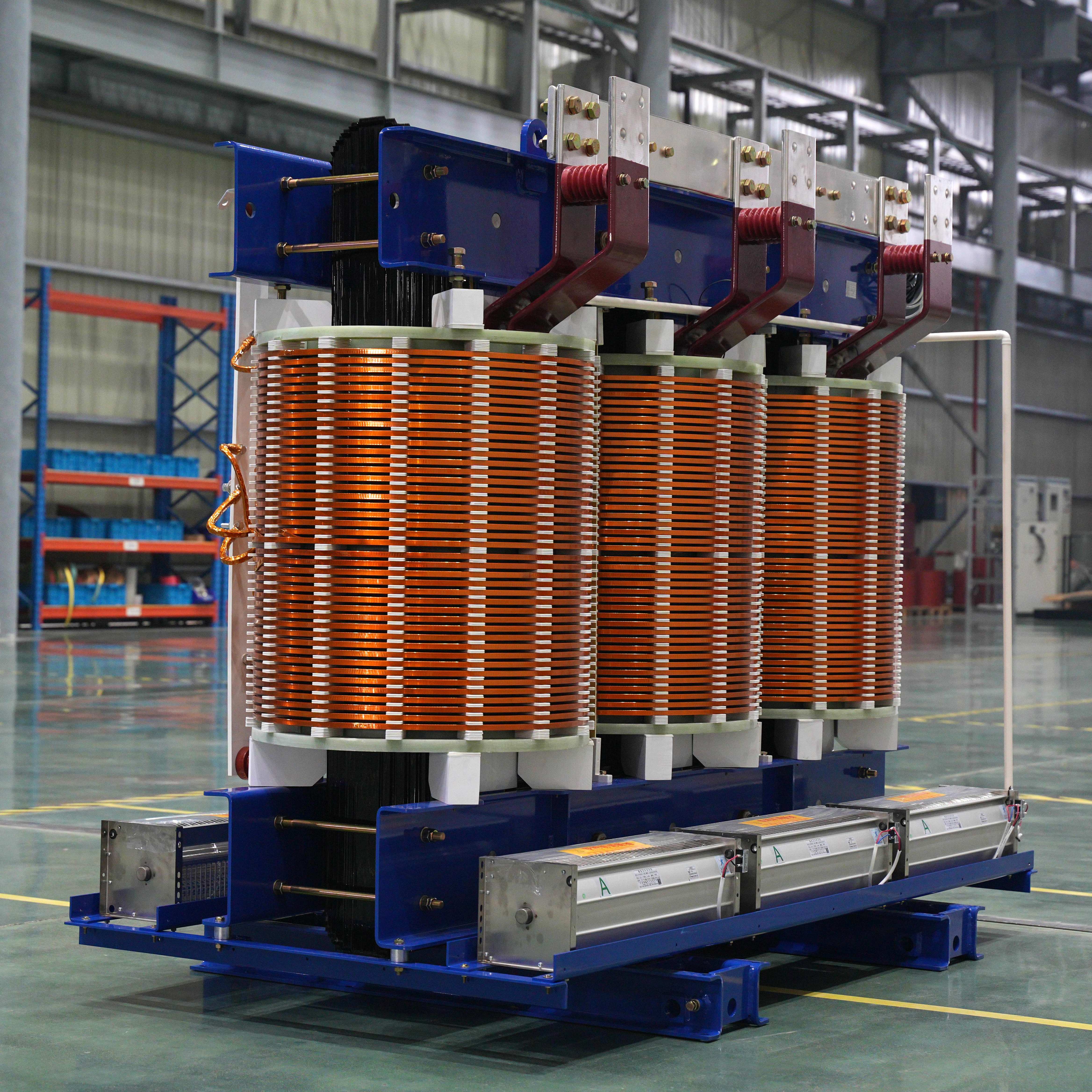
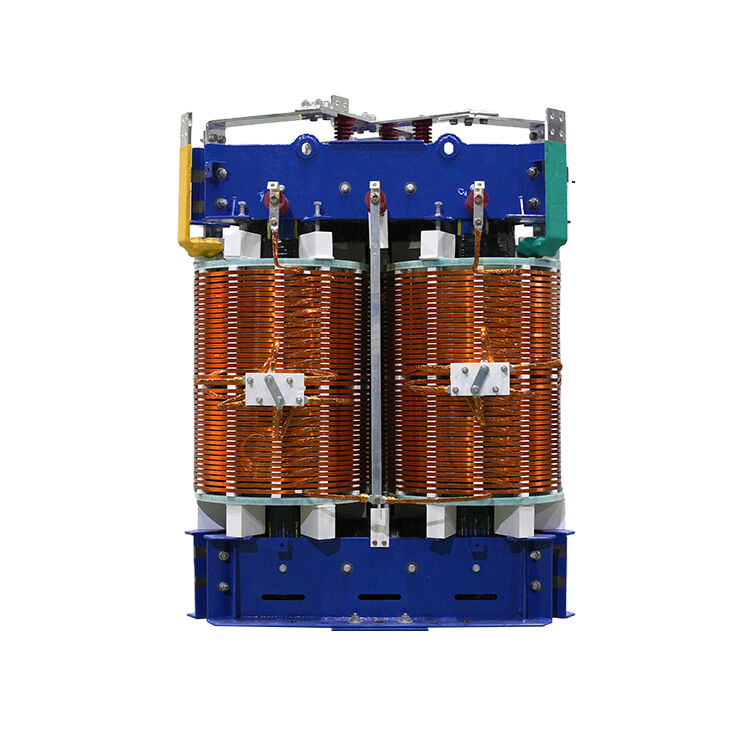
A residential distribution transformer serves as the critical bridge between high-voltage transmission lines and low-voltage household electrical systems, ensuring safe and efficient power delivery to homes across communities. This essential electrical equipment steps down voltage levels from typically 4,160 to 34,500 volts to the standard 120/240 volts required for residential use. The residential distribution transformer operates on electromagnetic induction principles, utilizing primary and secondary windings wrapped around a magnetic core to achieve precise voltage transformation. Modern residential distribution transformers incorporate advanced insulation materials, efficient cooling systems, and robust construction designed to withstand various environmental conditions. These units feature oil-filled or dry-type designs, with oil-filled models providing superior cooling and insulation properties for enhanced performance longevity. The transformer's core construction employs high-grade silicon steel laminations that minimize energy losses during operation, contributing to overall system efficiency. Protection mechanisms include surge arresters, fuses, and lightning protection to safeguard both the transformer and connected residential loads from electrical disturbances. Installation flexibility allows for pad-mounted, pole-mounted, or underground configurations to accommodate different neighborhood layouts and aesthetic requirements. The residential distribution transformer maintains consistent voltage regulation under varying load conditions, ensuring stable power supply to homes regardless of demand fluctuations throughout the day. Advanced monitoring capabilities in newer models provide real-time performance data, enabling proactive maintenance scheduling and system optimization. These transformers comply with stringent safety standards and environmental regulations, incorporating eco-friendly materials and designs that minimize environmental impact while maximizing operational reliability and service life expectations.
 EN
EN