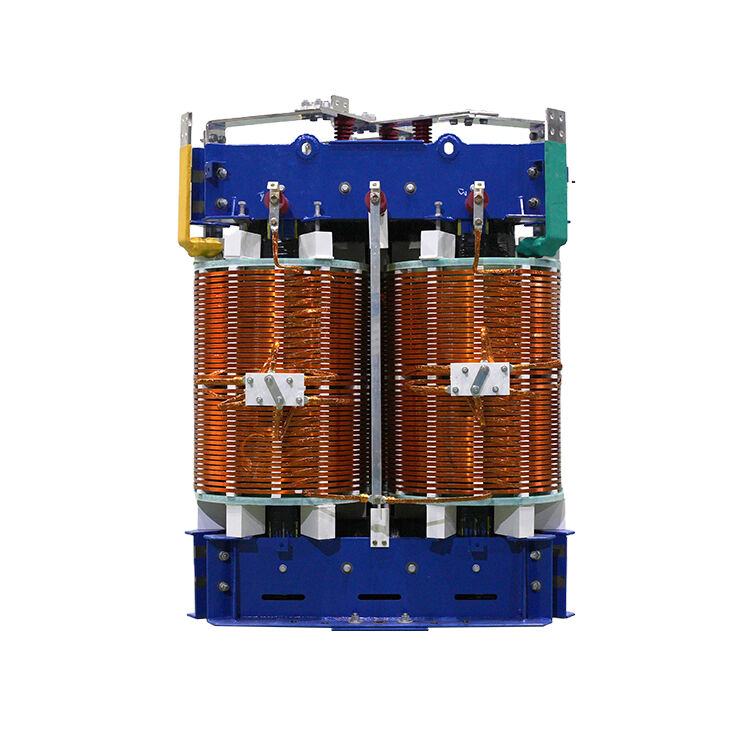
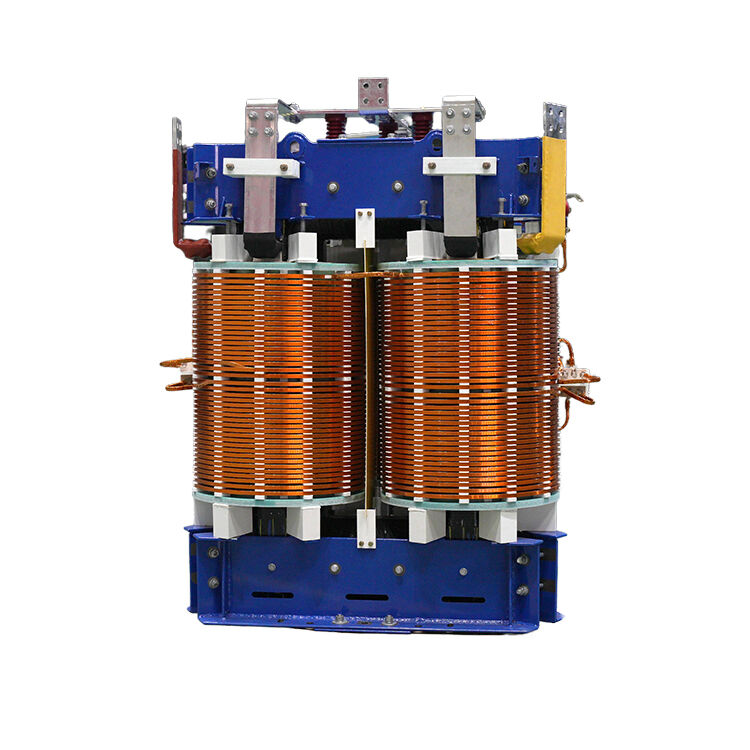
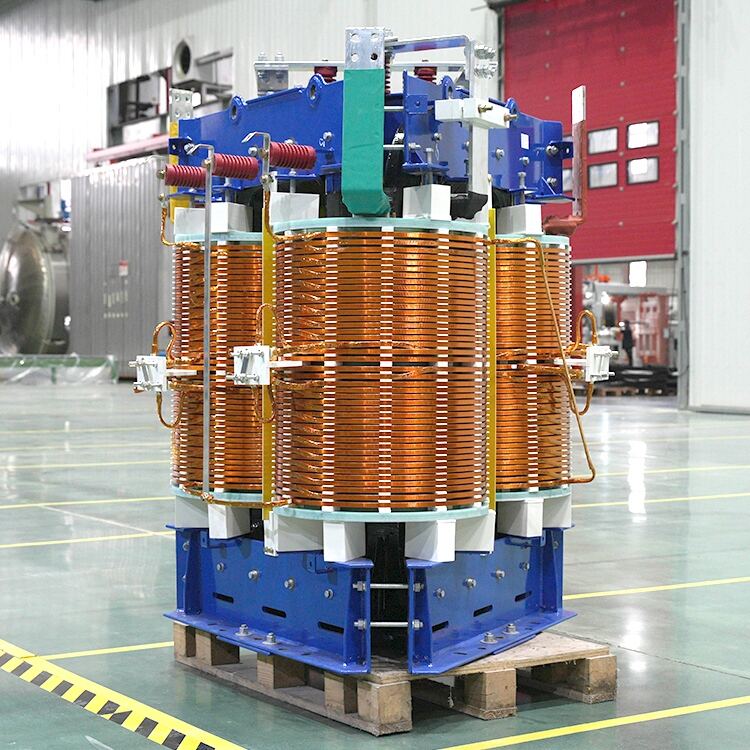
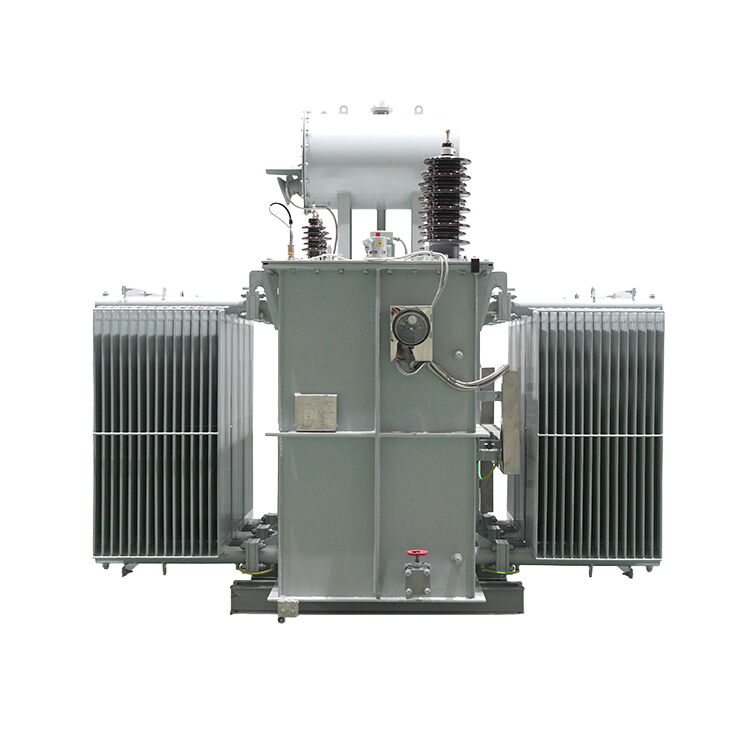
Indoor Type Substation Solutions: Advanced Electrical Distribution Systems for Modern Infrastructure

Get a Free Quote

Our representative will contact you soon.
Email
WhatsApp/Mobile
Name
Company Name
Message
0/1000

indoor type substation

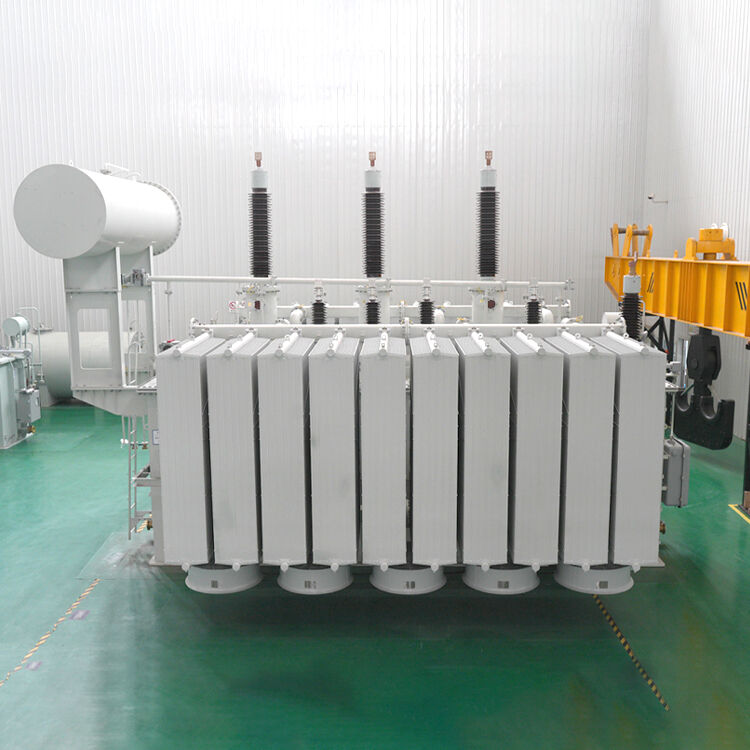
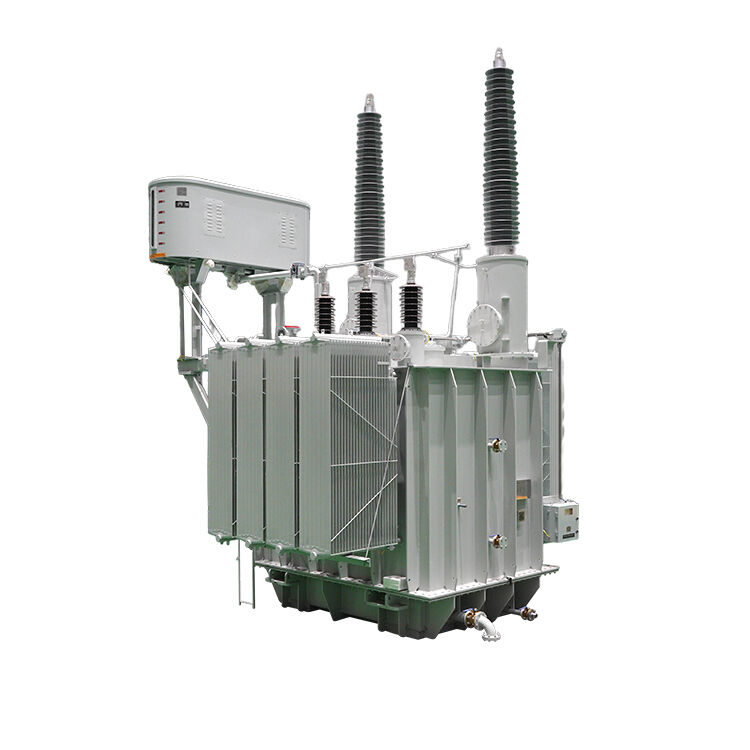
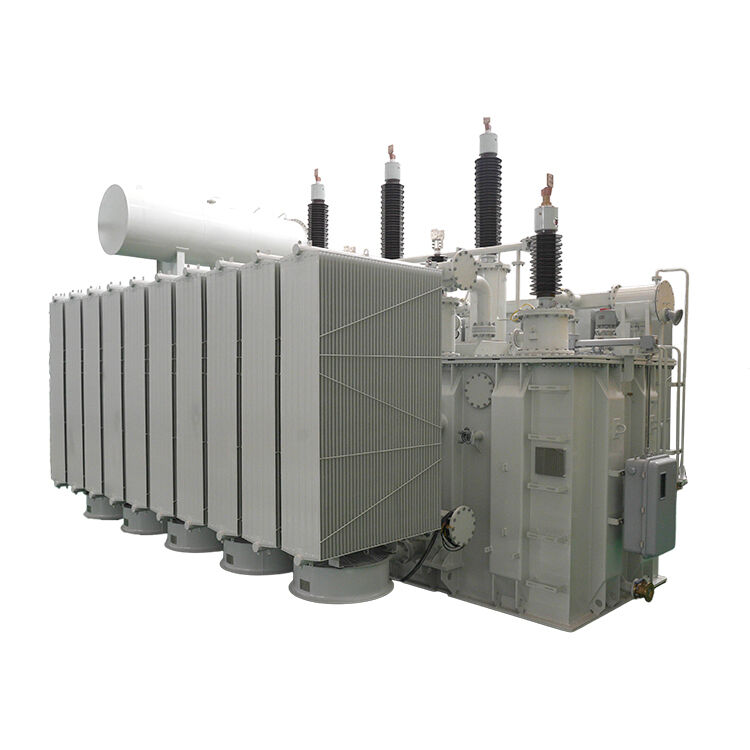
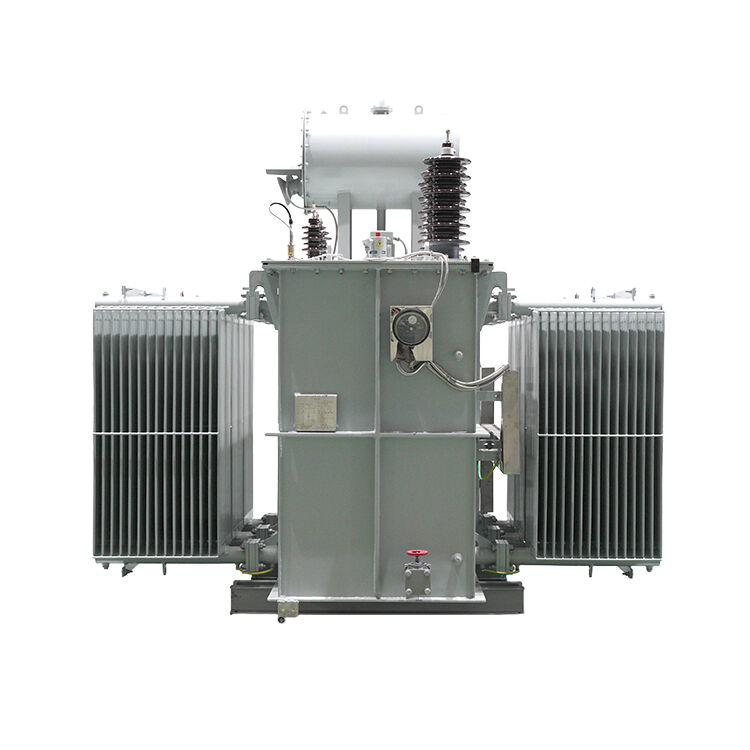
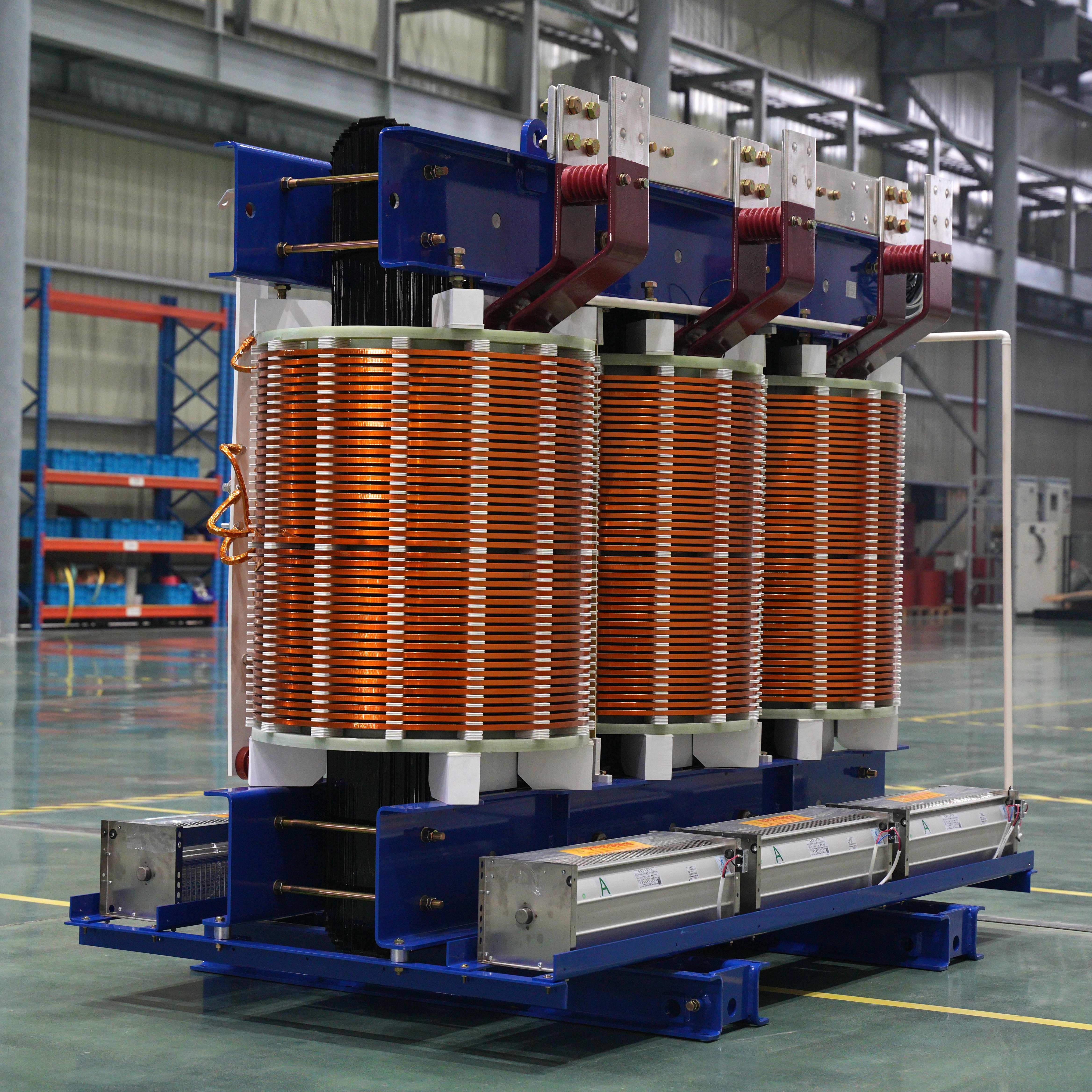
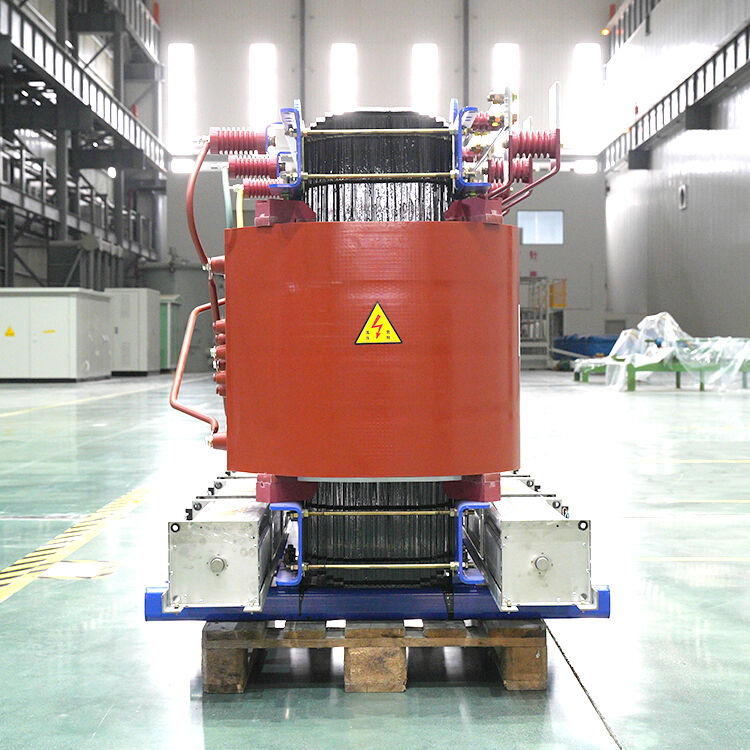
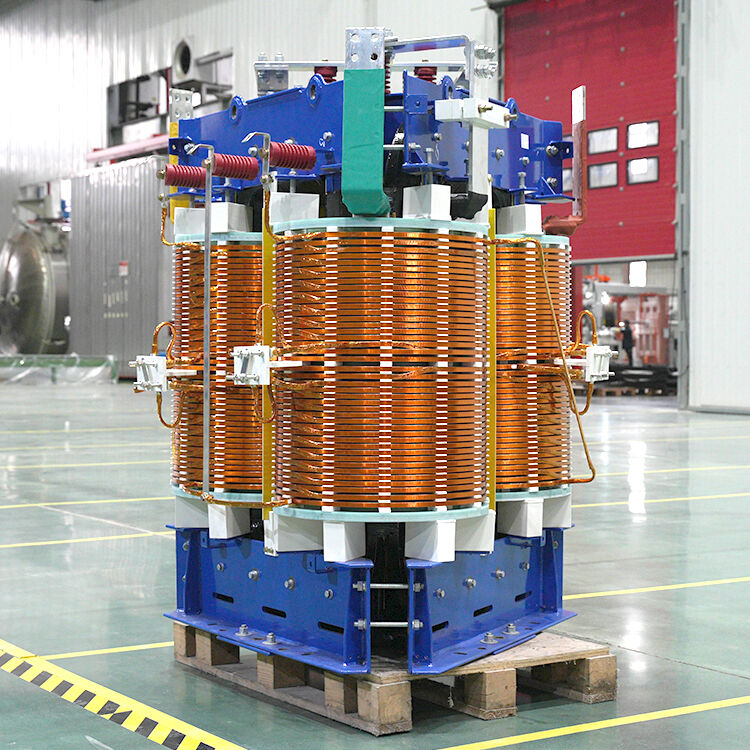
An indoor type substation represents a sophisticated electrical infrastructure solution designed to transform, distribute, and control electrical power within enclosed building environments. These installations serve as critical nodes in power distribution networks, where high-voltage electricity receives transformation to lower, more manageable voltage levels suitable for commercial, industrial, and residential consumption. The indoor type substation operates through a comprehensive system of transformers, switchgear, protection devices, and control mechanisms, all housed within weatherproof structures that ensure optimal performance regardless of external environmental conditions. Modern indoor substations incorporate advanced digital monitoring systems, automated switching capabilities, and remote operation features that enhance both reliability and operational efficiency. The primary function encompasses voltage transformation, where incoming high-voltage power undergoes systematic reduction through step-down transformers, enabling safe distribution to end users. Additionally, these systems provide essential protection against electrical faults, overcurrent conditions, and voltage irregularities through sophisticated relay protection schemes. Load management capabilities allow operators to balance electrical demand across multiple circuits, preventing overloading and ensuring consistent power quality. The technological framework includes gas-insulated switchgear, vacuum circuit breakers, and digital protection relays that work collectively to maintain system stability. Applications span diverse sectors including manufacturing facilities, data centers, hospitals, shopping complexes, and high-rise buildings where reliable power distribution remains paramount. The indoor configuration offers superior protection against environmental factors such as moisture, dust, and temperature fluctuations, while minimizing the physical footprint required for installation. Integration with smart grid technologies enables real-time monitoring, predictive maintenance capabilities, and enhanced operational visibility for facility managers and electrical engineers.

New Products

Indoor type substations deliver exceptional reliability through their protected environment, shielding critical electrical components from harsh weather conditions, atmospheric pollution, and unauthorized access. This controlled setting significantly extends equipment lifespan while reducing maintenance requirements and operational costs over time. The enclosed design provides superior safety measures for personnel, eliminating exposure risks associated with outdoor electrical installations and ensuring compliance with stringent workplace safety regulations. Space efficiency represents another compelling advantage, as these systems require considerably less land area compared to traditional outdoor substations, making them ideal for urban environments where real estate costs remain prohibitively expensive. Installation flexibility allows for seamless integration into existing building structures, basement areas, or purpose-built facilities without compromising aesthetic considerations or neighborhood planning requirements. Advanced monitoring capabilities enable continuous performance tracking, early fault detection, and proactive maintenance scheduling, ultimately preventing costly equipment failures and minimizing unexpected downtime. The standardized modular construction approach facilitates faster installation timelines and reduces project complexity, allowing businesses to achieve operational readiness more quickly. Enhanced security features protect valuable electrical assets from theft, vandalism, and sabotage through controlled access systems and comprehensive surveillance integration. Noise reduction benefits make indoor substations particularly suitable for residential areas and noise-sensitive environments, as the enclosed design effectively contains operational sounds within acceptable limits. Environmental protection extends beyond weather resistance to include defense against corrosive atmospheres, salt spray in coastal regions, and industrial pollutants that can degrade outdoor equipment performance. Scalability options allow for future capacity expansion without significant structural modifications, accommodating business growth and changing electrical demands. The controlled internal environment maintains optimal operating temperatures for sensitive electronic components, improving overall system efficiency and reducing energy losses. Maintenance accessibility improves through organized internal layouts, proper lighting, and climate-controlled working conditions that enhance technician safety and work quality during service operations.

Tips And Tricks

How Does a Transformer Work in High Voltage Power Transmission?

08

Jan

How Does a Transformer Work in High Voltage Power Transmission?

High voltage power transmission systems form the backbone of modern electrical grids, enabling electricity to travel efficiently across vast distances. At the heart of these complex networks lies the power transformer, a crucial piece of equipment th...
View More
Why Are Transformers Critical for Industrial Power Distribution Systems?

14

Jan

Why Are Transformers Critical for Industrial Power Distribution Systems?

Industrial power distribution systems form the backbone of modern manufacturing, commercial facilities, and critical infrastructure operations. At the heart of these complex networks lies a fundamental component that ensures safe, efficient, and reli...
View More
How Do Transformers Support Grid Stability in Large-Scale Power Networks?

20

Jan

How Do Transformers Support Grid Stability in Large-Scale Power Networks?

Large-scale power networks form the backbone of modern electrical infrastructure, requiring sophisticated equipment to maintain stability and reliability across vast geographical areas. Power transformers play a crucial role in these complex systems ...
View More
What Should Utilities Consider When Selecting a Transformer Supplier?

26

Jan

What Should Utilities Consider When Selecting a Transformer Supplier?

Selecting the right supplier for power infrastructure represents one of the most critical decisions utility companies face in today's rapidly evolving energy landscape. The process of choosing a power transformer supplier requires careful evaluation ...
View More

Get a Free Quote

Our representative will contact you soon.
Email
WhatsApp/Mobile
Name
Company Name
Message
0/1000

indoor type substation

Advanced Digital Protection and Monitoring Systems

Advanced Digital Protection and Monitoring Systems

Indoor type substations incorporate cutting-edge digital protection and monitoring technologies that revolutionize electrical system management and operational efficiency. These sophisticated systems feature intelligent electronic devices that continuously monitor electrical parameters including voltage, current, frequency, and power quality metrics in real-time. The digital infrastructure enables predictive maintenance capabilities through advanced analytics that identify potential equipment issues before they escalate into costly failures. Operators benefit from comprehensive data logging and historical trending analysis, providing valuable insights into system performance patterns and optimization opportunities. The integrated communication networks support multiple protocols including IEC 61850, DNP3, and Modbus, ensuring seamless connectivity with existing supervisory control and data acquisition systems. Remote monitoring capabilities allow facility managers to oversee substation operations from centralized control rooms, reducing the need for frequent on-site inspections and enabling faster response times to abnormal conditions. Automated protection schemes provide instantaneous fault isolation, minimizing the impact of electrical disturbances on critical loads and downstream equipment. The digital platform supports condition-based maintenance strategies that optimize resource allocation and reduce unnecessary service interventions. Advanced cybersecurity features protect against unauthorized access and cyber threats, ensuring the integrity of critical infrastructure operations. Event recording capabilities capture detailed fault information for post-incident analysis, supporting continuous improvement initiatives and regulatory compliance requirements. The user-friendly human-machine interfaces provide intuitive operation and monitoring experiences, reducing training requirements and operational errors. These digital systems contribute significantly to overall grid reliability while reducing long-term operational costs through improved efficiency and extended equipment life cycles.
Compact Space-Saving Design with Maximum Functionality

Compact Space-Saving Design with Maximum Functionality

The indoor type substation excels in delivering maximum electrical functionality within minimal physical footprint requirements, addressing the critical space constraints faced by modern urban developments and industrial facilities. This innovative design philosophy maximizes the utilization of available building space through vertical equipment arrangements and optimized layout configurations that maintain full operational capabilities. The compact structure eliminates the need for extensive outdoor electrical yards, freeing valuable real estate for other productive uses while maintaining comprehensive power distribution capabilities. Modular construction techniques enable flexible configuration options that adapt to irregular building shapes and existing architectural constraints without compromising electrical performance or safety standards. The three-dimensional design approach stacks equipment vertically and arranges components in space-efficient patterns that reduce the overall installation footprint by up to sixty percent compared to traditional outdoor alternatives. Integration possibilities include basement installations, rooftop mounting, and incorporation within multi-story structures, providing unprecedented flexibility for urban planners and building designers. The streamlined equipment arrangement facilitates efficient cable routing and minimizes connection distances, reducing material costs and installation complexity while improving system reliability. Standardized dimensional requirements simplify building integration planning and ensure compatibility with common construction practices and building codes. The optimized internal layout maintains proper clearances for maintenance activities while maximizing equipment density through intelligent spatial organization. This space efficiency translates directly into cost savings for property developers and facility owners who can allocate freed space for revenue-generating activities or additional operational requirements. The compact design also reduces the environmental impact of electrical infrastructure by minimizing land use requirements and preserving natural spaces in urban environments.
Enhanced Safety and Environmental Protection Features

Enhanced Safety and Environmental Protection Features

Indoor type substations prioritize personnel safety and environmental protection through comprehensive design features that exceed industry standards and regulatory requirements. The enclosed structure provides multiple layers of protection against electrical hazards, including arc flash incidents, which represent significant risks in electrical installations. Specialized arc-resistant switchgear designs redirect fault energy away from personnel areas, while pressure relief systems safely vent gases and contain potential explosions within designated zones. The controlled indoor environment eliminates weather-related safety concerns such as lightning strikes, flooding, and ice formation that can create hazardous working conditions in outdoor installations. Comprehensive ventilation systems maintain optimal air quality and temperature conditions, ensuring comfortable and safe working environments for maintenance personnel during extended service activities. Fire suppression systems specifically designed for electrical applications provide rapid response capabilities while minimizing damage to sensitive equipment and ensuring personnel evacuation routes remain clear. The secure building envelope prevents unauthorized access and reduces liability risks associated with public exposure to high-voltage equipment. Environmental protection extends beyond personnel safety to include defense against wildlife interactions, which frequently cause power outages and equipment damage in outdoor installations. The controlled atmosphere prevents contamination from airborne pollutants, salt spray, and corrosive gases that can accelerate equipment degradation and reduce operational lifespans. Sound attenuation features minimize noise pollution in surrounding areas, making these installations suitable for residential neighborhoods and noise-sensitive environments such as hospitals and schools. The indoor configuration also protects against extreme weather events including hurricanes, tornadoes, and severe storms that can cause extensive damage to outdoor electrical infrastructure. Emergency response procedures benefit from controlled access points and organized internal layouts that facilitate rapid intervention during abnormal conditions while maintaining safety protocols.

Get a Free Quote

Our representative will contact you soon.
Email
WhatsApp/Mobile
Name
Company Name
Message
0/1000