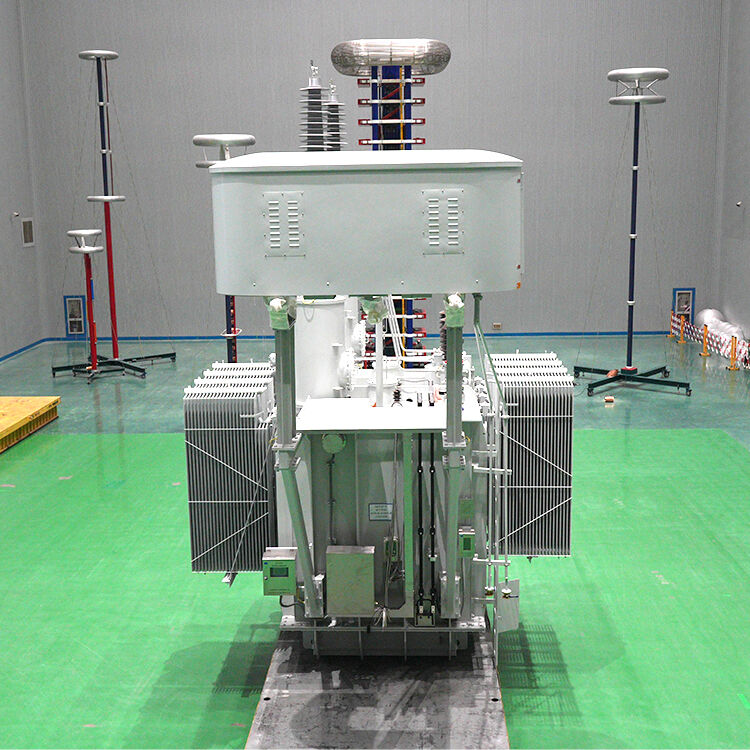
Electric Traction Substation Solutions - Advanced Railway Power Infrastructure

Get a Free Quote

Our representative will contact you soon.
Email
WhatsApp/Mobile
Name
Company Name
Message
0/1000

electric traction substation

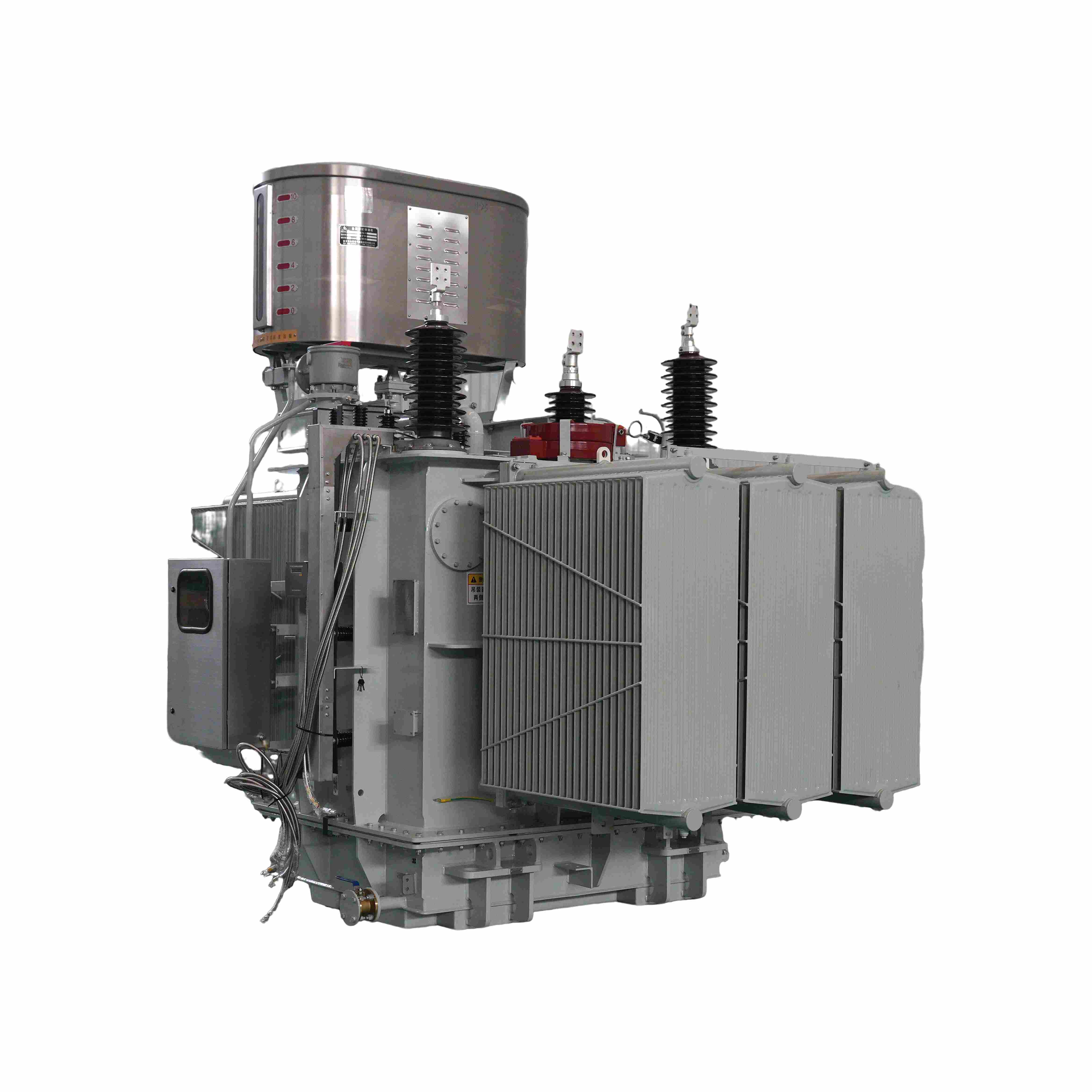
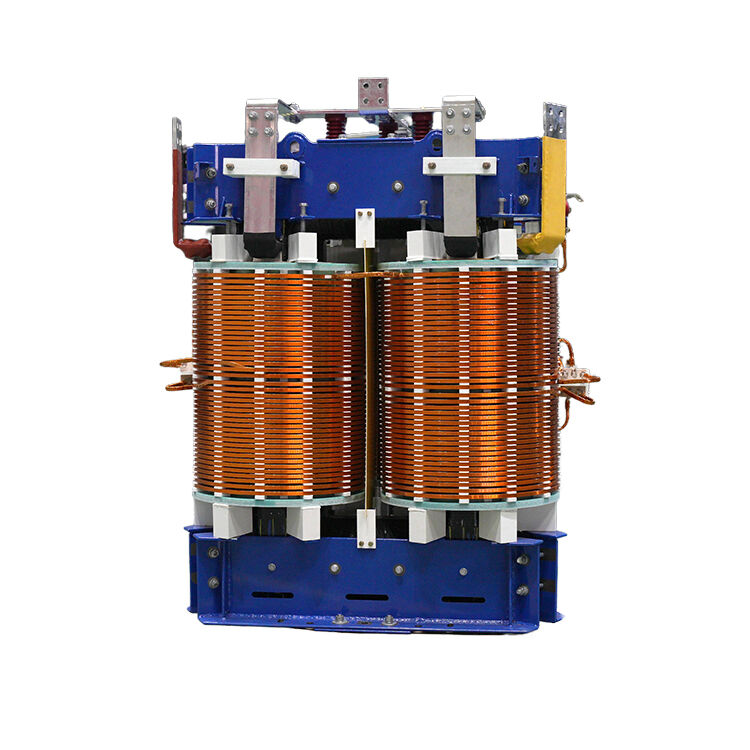
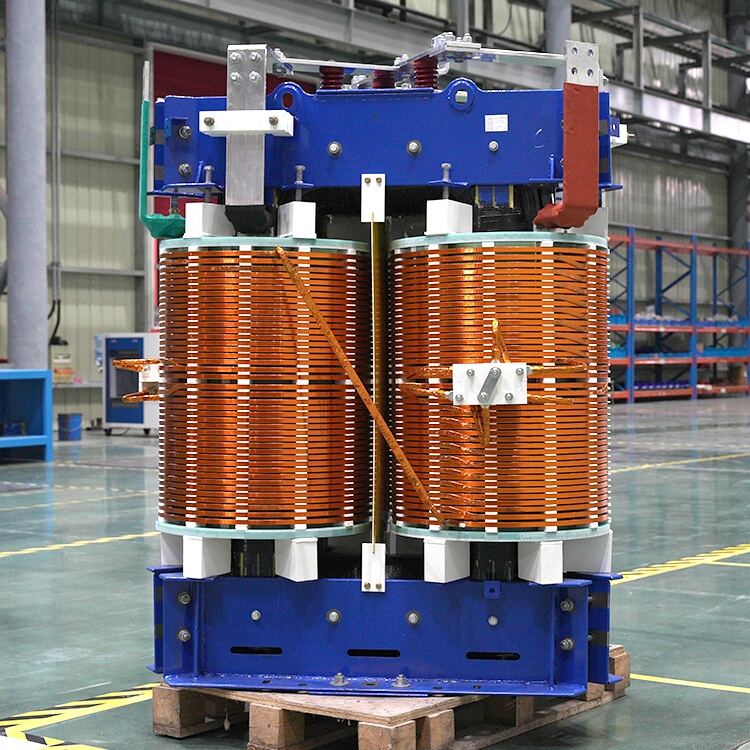
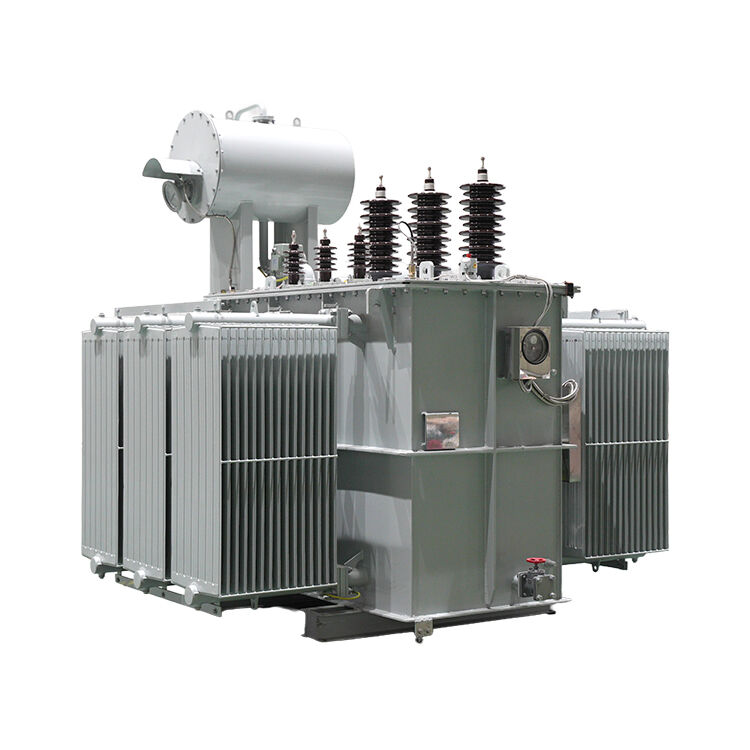
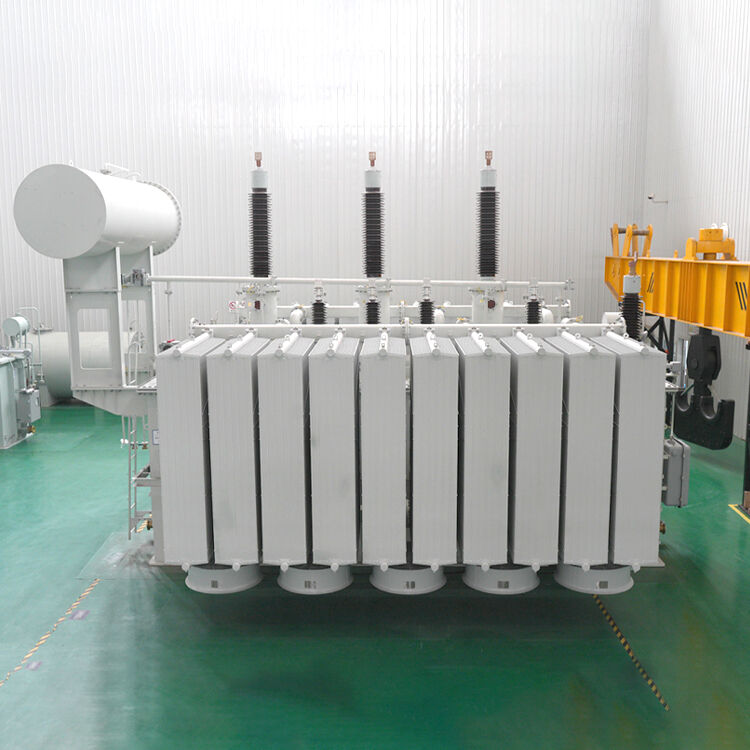
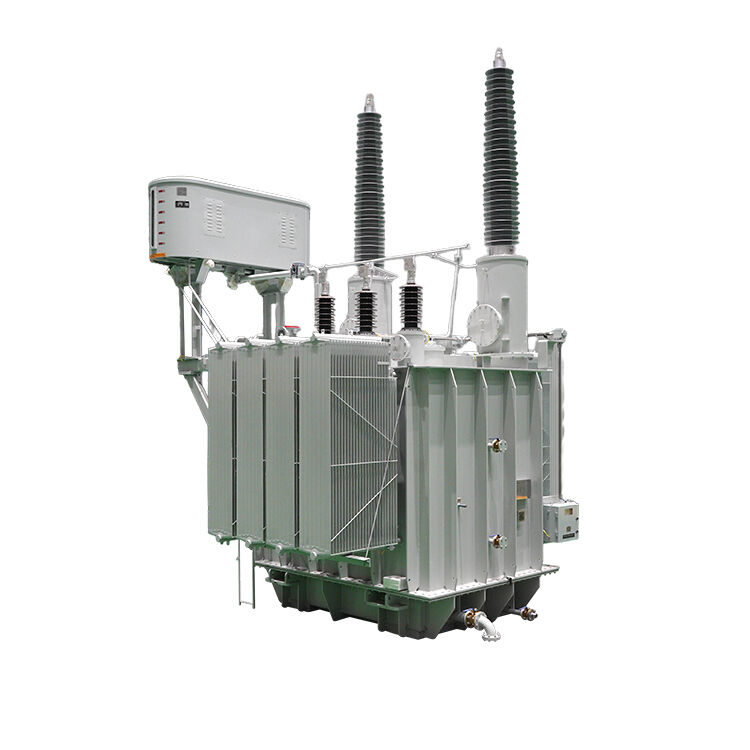
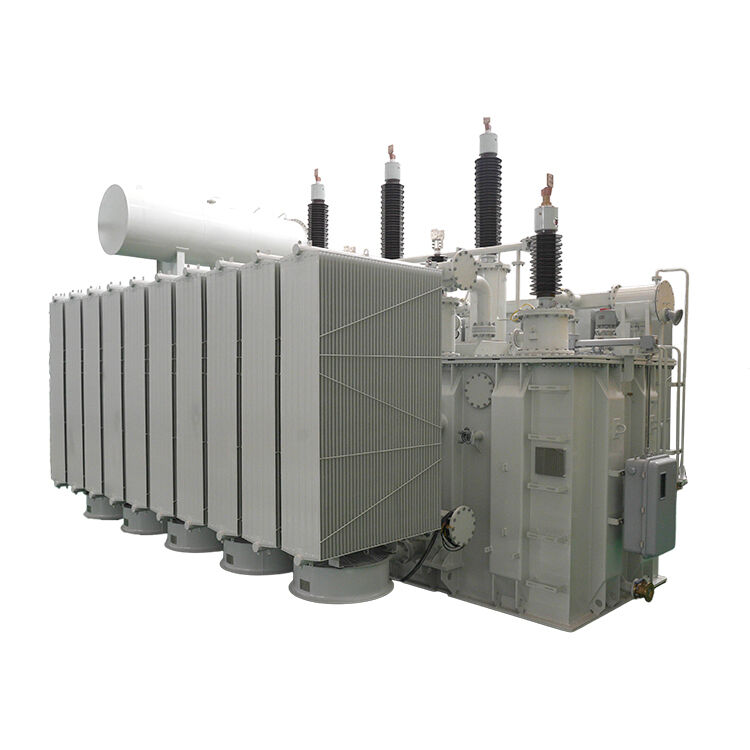
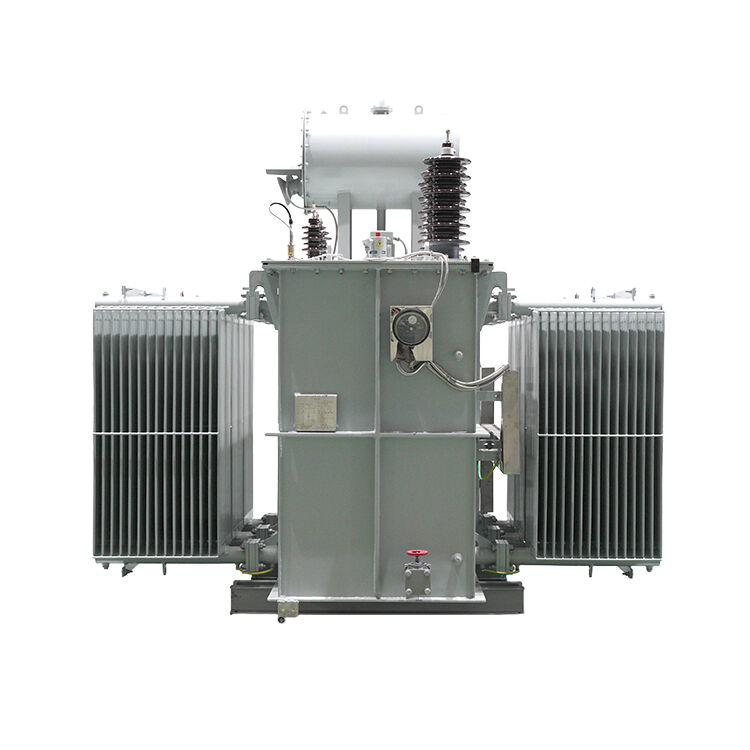
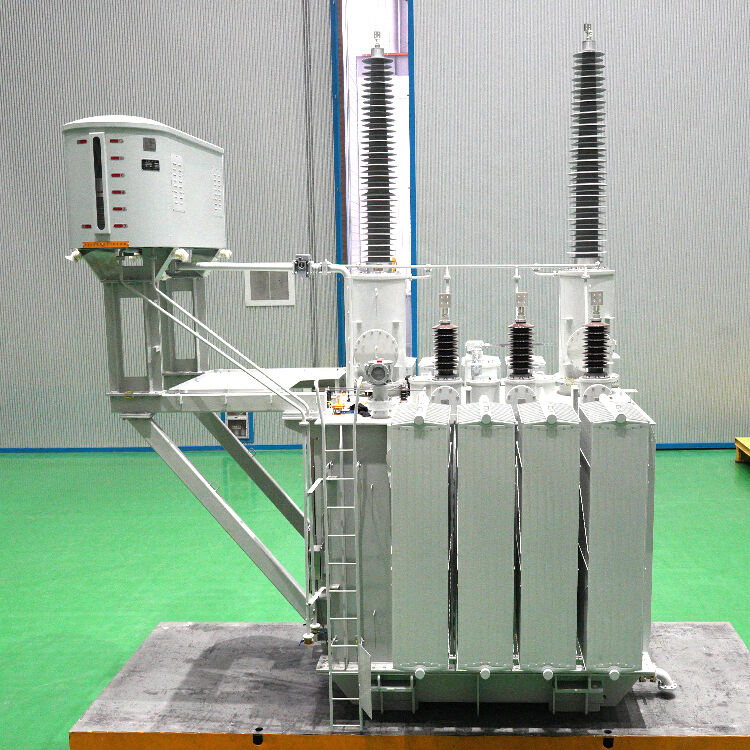
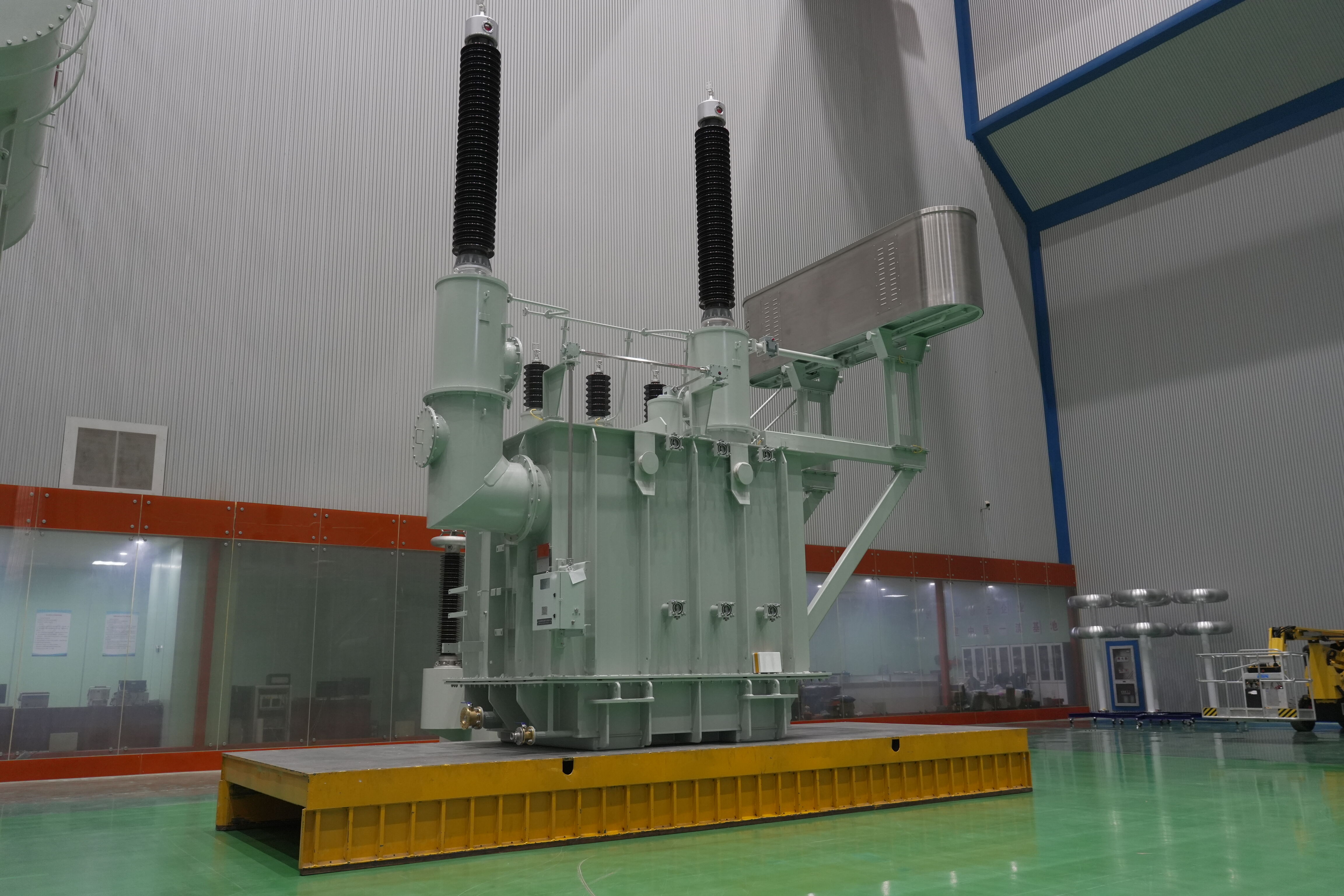
An electric traction substation serves as a critical infrastructure component in modern railway and transit systems, functioning as the primary power conversion and distribution hub for electric trains and other rail vehicles. This sophisticated electrical facility transforms high-voltage alternating current from the utility grid into the specific voltage and current characteristics required by electric locomotives and multiple unit trains. The electric traction substation operates by receiving power typically at transmission voltages ranging from 33kV to 132kV, then converting and conditioning this energy through specialized transformer equipment and power electronic devices to deliver traction power at standardized railway voltages such as 750V DC, 1.5kV DC, 3kV DC, or 25kV AC depending on the specific rail system requirements. The technological architecture of an electric traction substation incorporates multiple sophisticated components including step-down transformers, rectifier systems, protective relay equipment, switchgear assemblies, and advanced monitoring systems that ensure reliable power delivery under varying operational conditions. Modern electric traction substations feature intelligent control systems that continuously monitor electrical parameters, automatically adjust power output based on train demand, and provide real-time diagnostic information to maintenance personnel. These facilities are strategically positioned along railway corridors at intervals determined by the power requirements of the trains, track gradients, and electrical system design parameters. The electric traction substation also includes backup power systems, surge protection devices, and redundant equipment configurations to maintain service continuity even during equipment failures or maintenance activities. Applications span across various rail transportation sectors including high-speed passenger railways, urban metro systems, suburban commuter lines, freight railways, and industrial rail networks, making the electric traction substation an indispensable component of modern electrified transportation infrastructure that enables efficient, environmentally sustainable rail operations.

New Products

Electric traction substations deliver substantial operational benefits that directly impact the efficiency and cost-effectiveness of rail transportation systems. These facilities provide consistent and reliable power supply that ensures trains maintain optimal performance throughout their journeys, eliminating the power fluctuations and interruptions that can cause delays and service disruptions. The advanced monitoring capabilities built into modern electric traction substations allow operators to track energy consumption patterns, identify potential issues before they become critical problems, and optimize power distribution to reduce overall energy costs. Railway operators experience significant maintenance savings because electric traction substations require less frequent servicing compared to diesel-powered alternatives, with fewer moving parts and more predictable component lifecycles that enable better maintenance planning and resource allocation. The environmental advantages of electric traction substations contribute to sustainability goals while reducing long-term operational expenses associated with carbon emissions and environmental compliance requirements. These systems produce zero direct emissions at the point of use, helping transportation authorities meet increasingly stringent environmental regulations and public expectations for clean transportation options. Electric traction substations also provide superior operational flexibility, allowing railway operators to easily adjust service frequencies and train capacities without the logistical challenges of fuel procurement and storage that characterize diesel operations. The regenerative braking capabilities supported by electric traction substations enable trains to feed energy back into the power grid during deceleration, creating additional cost savings and improving overall system efficiency. Safety benefits include reduced fire risks compared to diesel systems, lower noise pollution levels that improve community relations, and elimination of fuel spill hazards that can cause environmental damage and operational disruptions. The scalability of electric traction substations allows transportation systems to expand capacity and service levels without proportional increases in infrastructure complexity, supporting long-term growth plans and changing passenger demands. Modern electric traction substations integrate seamlessly with smart grid technologies, enabling participation in demand response programs and energy trading opportunities that can generate additional revenue streams for railway operators while supporting broader electrical grid stability and efficiency objectives.

Tips And Tricks

How Does a Transformer Work in High Voltage Power Transmission?

08

Jan

How Does a Transformer Work in High Voltage Power Transmission?

High voltage power transmission systems form the backbone of modern electrical grids, enabling electricity to travel efficiently across vast distances. At the heart of these complex networks lies the power transformer, a crucial piece of equipment th...
View More
Why Are Transformers Critical for Industrial Power Distribution Systems?

14

Jan

Why Are Transformers Critical for Industrial Power Distribution Systems?

Industrial power distribution systems form the backbone of modern manufacturing, commercial facilities, and critical infrastructure operations. At the heart of these complex networks lies a fundamental component that ensures safe, efficient, and reli...
View More
How Do Transformers Support Grid Stability in Large-Scale Power Networks?

20

Jan

How Do Transformers Support Grid Stability in Large-Scale Power Networks?

Large-scale power networks form the backbone of modern electrical infrastructure, requiring sophisticated equipment to maintain stability and reliability across vast geographical areas. Power transformers play a crucial role in these complex systems ...
View More
What Should Utilities Consider When Selecting a Transformer Supplier?

26

Jan

What Should Utilities Consider When Selecting a Transformer Supplier?

Selecting the right supplier for power infrastructure represents one of the most critical decisions utility companies face in today's rapidly evolving energy landscape. The process of choosing a power transformer supplier requires careful evaluation ...
View More

Get a Free Quote

Our representative will contact you soon.
Email
WhatsApp/Mobile
Name
Company Name
Message
0/1000

electric traction substation

Advanced Power Conversion Technology

Advanced Power Conversion Technology

The sophisticated power conversion technology integrated within electric traction substations represents a pinnacle of electrical engineering that transforms standard utility power into precisely controlled traction power suitable for modern rail vehicles. This advanced system employs state-of-the-art transformer technology combined with intelligent power electronic converters that can seamlessly adapt to varying train loads and operational requirements without compromising system stability or efficiency. The power conversion process begins with high-voltage AC power from the electrical grid, which undergoes multiple stages of conditioning through custom-designed transformers that step down voltages to appropriate levels while maintaining optimal power quality characteristics. Modern electric traction substations utilize silicon carbide semiconductor devices and advanced control algorithms that enable rapid response to load changes, ensuring that trains receive consistent power delivery even during peak demand periods or challenging operational scenarios such as steep grade climbs or rapid acceleration events. The conversion technology also incorporates sophisticated filtering systems that eliminate harmonic distortions and electrical noise that could interfere with sensitive train control systems or nearby communication equipment. This technological sophistication translates into tangible customer benefits including reduced energy consumption through improved conversion efficiency rates exceeding 95 percent, lower maintenance requirements due to solid-state components with extended operational lifespans, and enhanced system reliability that minimizes service disruptions and associated revenue losses. The advanced power conversion capabilities also support bidirectional power flow, enabling regenerative braking energy recovery that can reduce overall energy costs by up to 15 percent while contributing to grid stability. Railway operators benefit from remote monitoring and diagnostic capabilities that provide real-time visibility into system performance, enabling predictive maintenance strategies that prevent costly equipment failures and extend asset lifecycles. The modular design of modern power conversion systems allows for easy capacity expansion and technology upgrades without requiring complete substation reconstruction, protecting capital investments while ensuring compatibility with evolving rail transportation technologies and operational requirements.
Intelligent Monitoring and Control Systems

Intelligent Monitoring and Control Systems

The intelligent monitoring and control systems embedded in modern electric traction substations provide unprecedented visibility and control over power distribution networks, enabling railway operators to optimize performance, prevent failures, and reduce operational costs through data-driven decision making. These sophisticated systems continuously collect and analyze thousands of electrical and environmental parameters including voltage levels, current flows, power quality metrics, equipment temperatures, and operational status indicators from throughout the traction power network. Advanced algorithms process this information in real-time to detect anomalies, predict potential failures, and automatically implement corrective actions that maintain service continuity while protecting expensive equipment from damage. The monitoring capabilities extend beyond basic electrical measurements to include comprehensive asset health assessment through vibration analysis, thermal imaging, and partial discharge monitoring that provide early warning indicators of developing problems before they impact train operations. Railway operators gain significant competitive advantages through the actionable insights provided by these intelligent systems, including optimized energy procurement strategies based on actual consumption patterns, improved maintenance scheduling that minimizes service disruptions, and enhanced operational planning supported by historical performance data and predictive analytics. The control systems enable remote operation capabilities that reduce staffing requirements while improving response times to operational changes and emergency situations, with secure communication protocols ensuring that critical infrastructure remains protected from cyber threats. Integration with broader railway management systems provides holistic operational visibility that supports coordinated decision making across multiple departments including operations, maintenance, and energy management teams. The intelligent monitoring and control systems also facilitate compliance with regulatory requirements through automated data collection and reporting capabilities that reduce administrative overhead while ensuring accuracy and completeness of required documentation. These technological capabilities translate into measurable financial benefits including reduced energy costs through load optimization, decreased maintenance expenses through predictive strategies, improved asset utilization rates, and enhanced safety performance that protects both personnel and passengers while minimizing liability exposure and regulatory penalties.
Sustainable Energy Integration

Sustainable Energy Integration

The sustainable energy integration capabilities of modern electric traction substations position these systems at the forefront of environmentally responsible transportation infrastructure, enabling railway operators to significantly reduce their carbon footprint while achieving long-term cost savings through renewable energy adoption and advanced energy management strategies. Contemporary electric traction substations incorporate sophisticated interfaces for renewable energy sources including solar photovoltaic arrays, wind generation systems, and energy storage technologies that can supplement or replace traditional grid power during peak demand periods or grid outages. This integration capability supports railway operators in meeting increasingly stringent environmental regulations while demonstrating corporate social responsibility commitments that enhance public perception and stakeholder satisfaction. The energy storage integration features enable load shifting strategies that purchase electricity during off-peak hours when rates are lowest, then utilize stored energy during peak demand periods to reduce overall energy costs and grid demand charges. Advanced energy management algorithms optimize the utilization of multiple energy sources including grid power, renewable generation, regenerative braking energy, and stored energy to minimize costs while maintaining reliable train operations under all conditions. The sustainable energy integration also supports grid stabilization services that can generate additional revenue streams for railway operators through participation in frequency regulation markets and demand response programs offered by utility companies. Environmental benefits extend beyond carbon emission reductions to include decreased air pollution in urban areas, reduced noise levels compared to diesel alternatives, and elimination of fuel-related environmental risks including spills and contamination that can result in significant cleanup costs and regulatory penalties. The modular design of sustainable energy integration systems allows railway operators to implement renewable energy adoption in phases, spreading capital investment over time while immediately beginning to realize environmental and financial benefits from each installation increment. These capabilities also enhance energy security and operational resilience by reducing dependence on volatile fossil fuel markets and creating diverse energy supply portfolios that protect against supply disruptions and price fluctuations. Railway operators implementing sustainable energy integration through electric traction substations often qualify for government incentives, tax credits, and preferential financing that can significantly improve project economics while supporting broader policy objectives for transportation decarbonization and renewable energy adoption.

Get a Free Quote

Our representative will contact you soon.
Email
WhatsApp/Mobile
Name
Company Name
Message
0/1000