110 22 kV Substation Solutions: Advanced Power Distribution Technology for Reliable Energy Infrastructure

Get a Free Quote

Our representative will contact you soon.
Email
WhatsApp/Mobile
Name
Company Name
Message
0/1000

110 22 kv substation

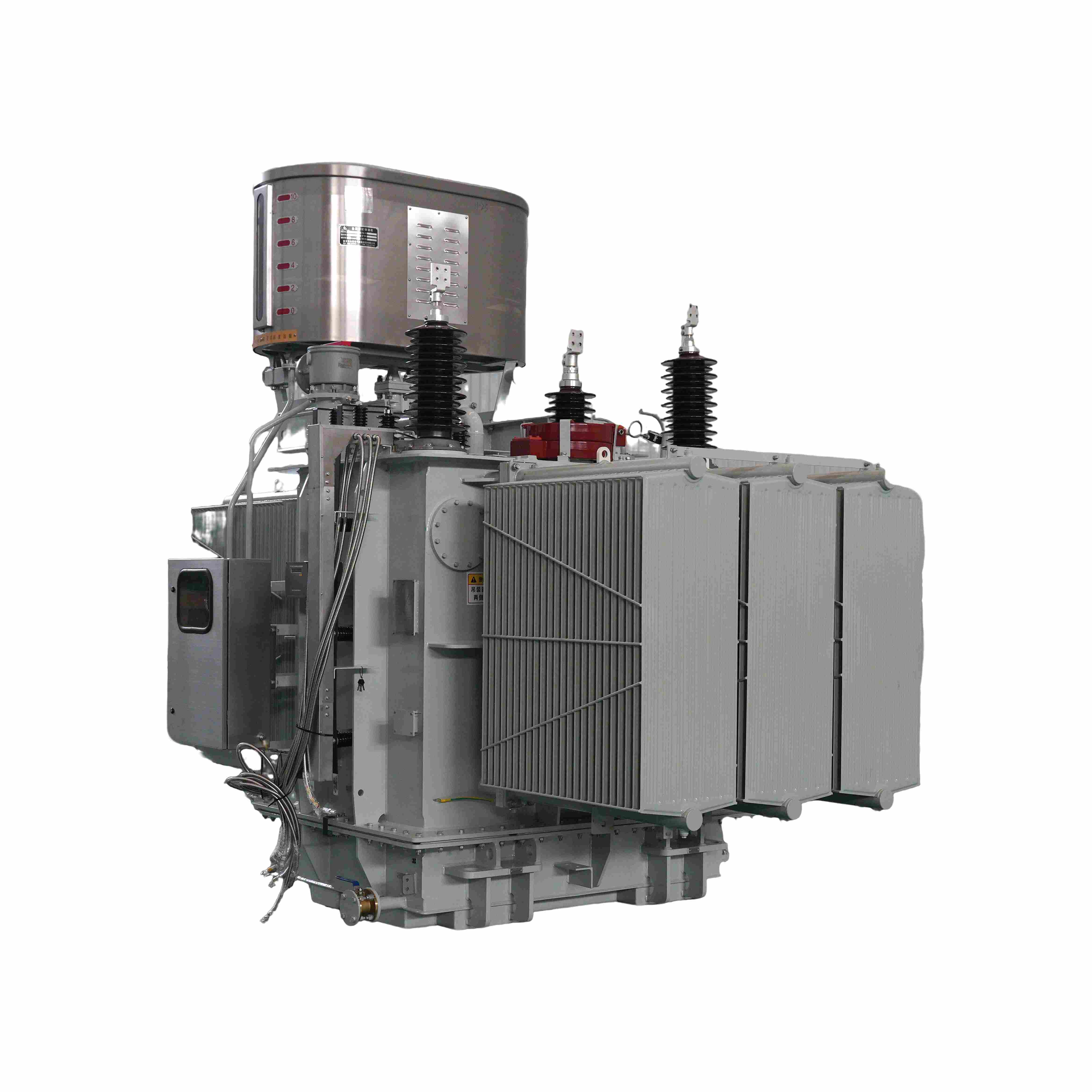
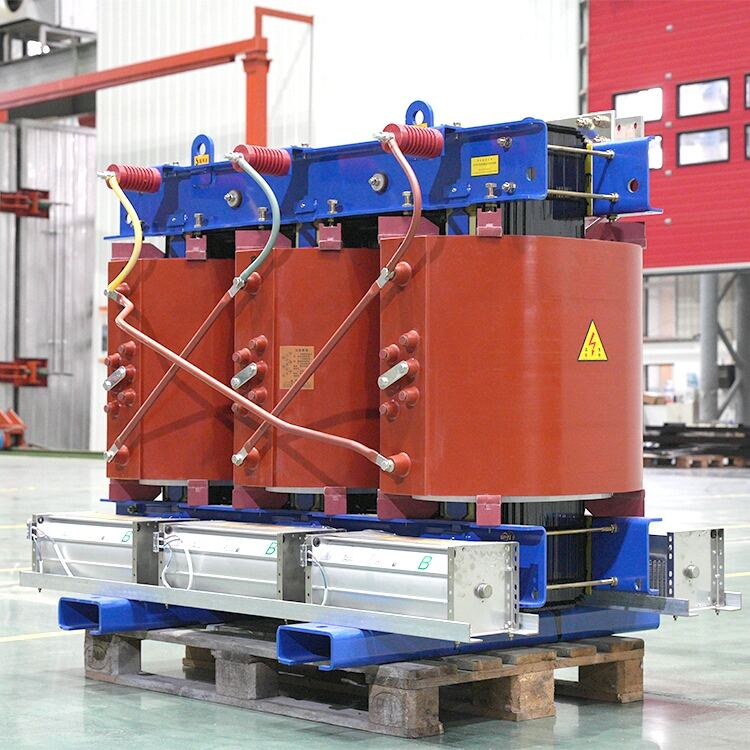
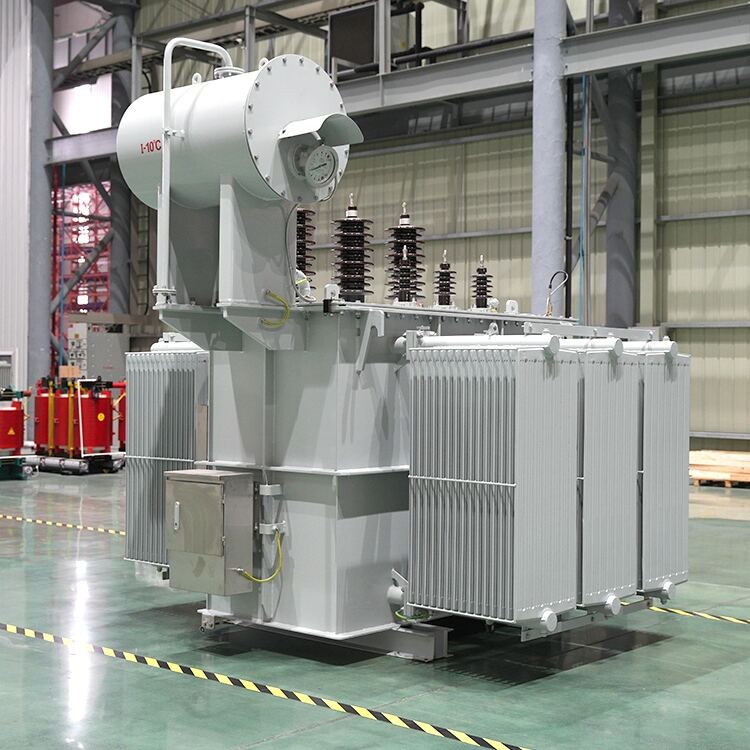
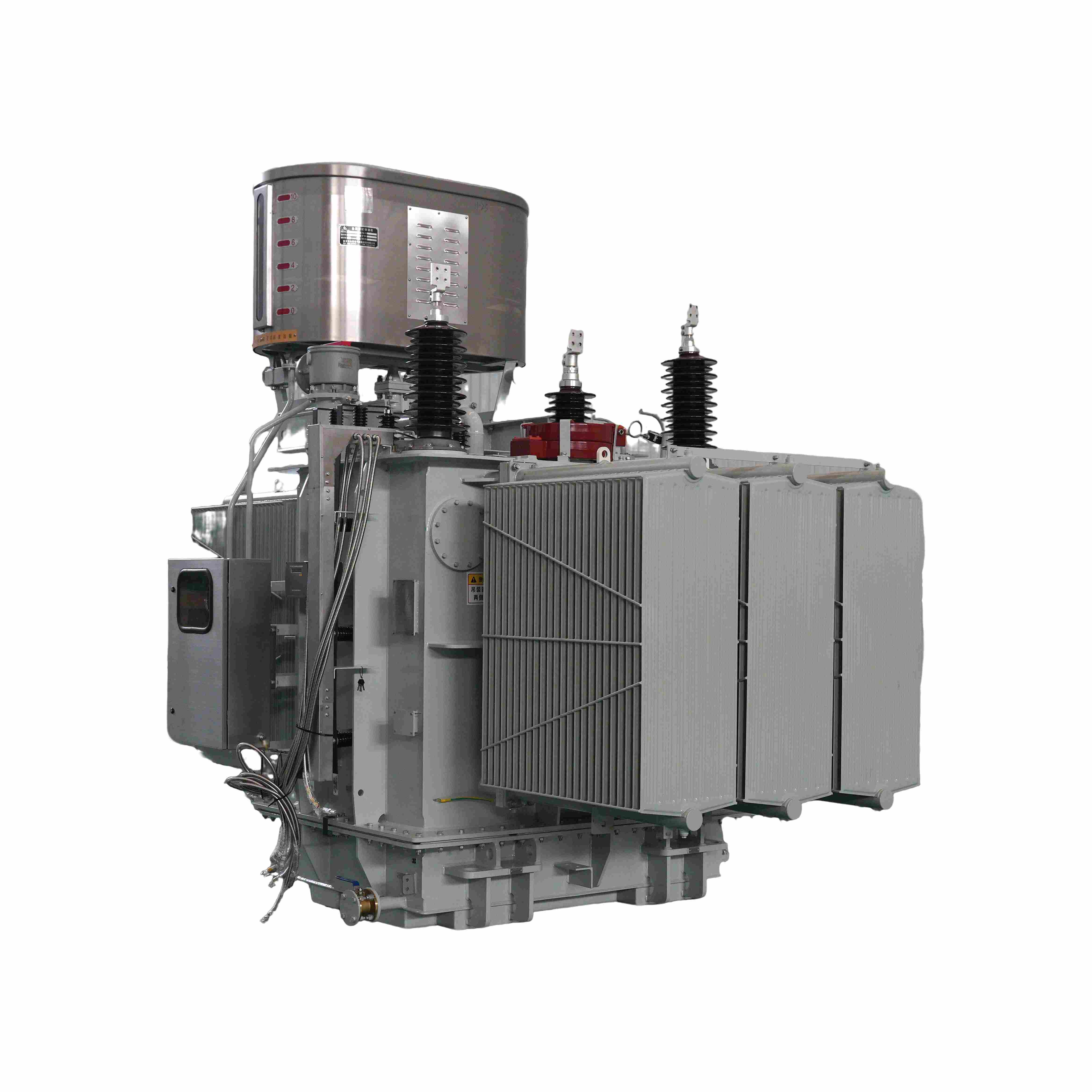
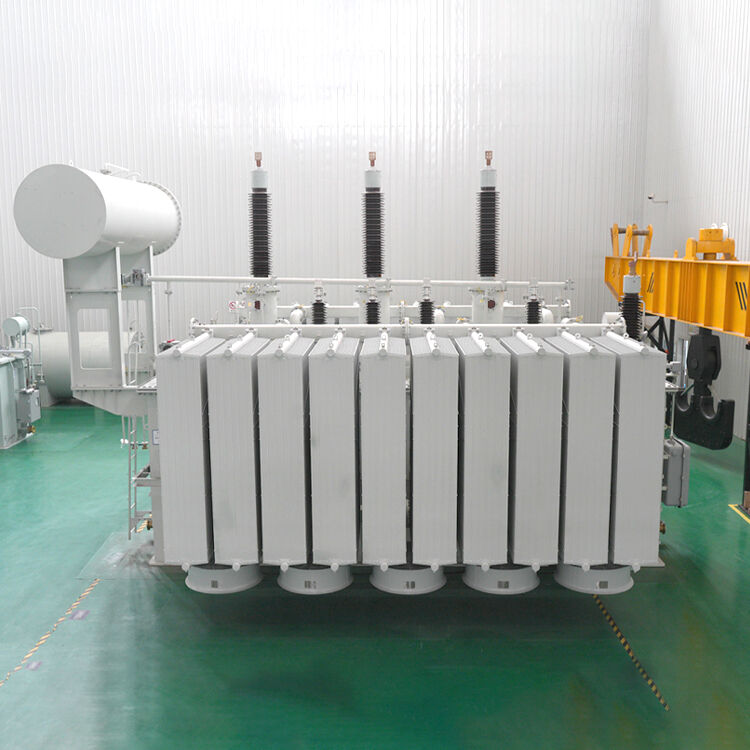
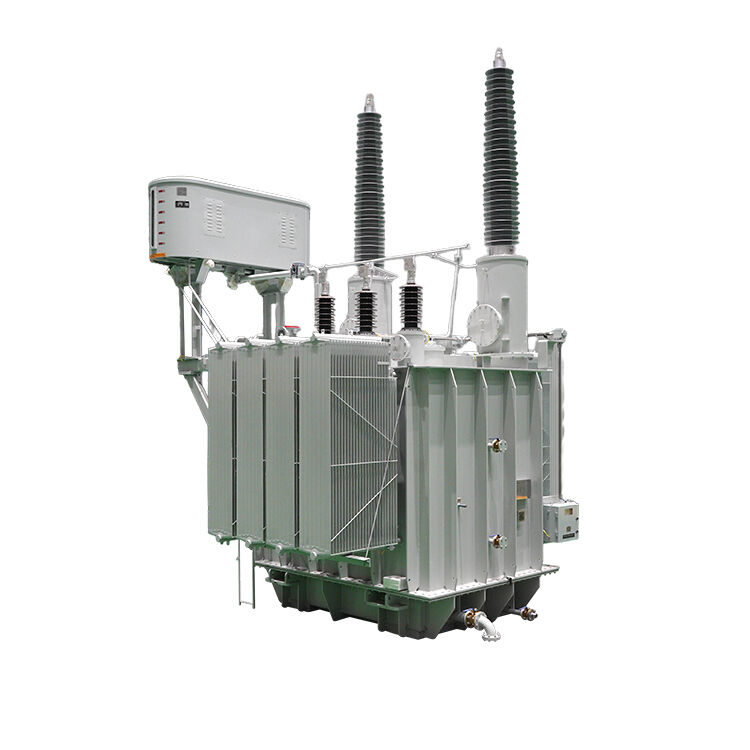
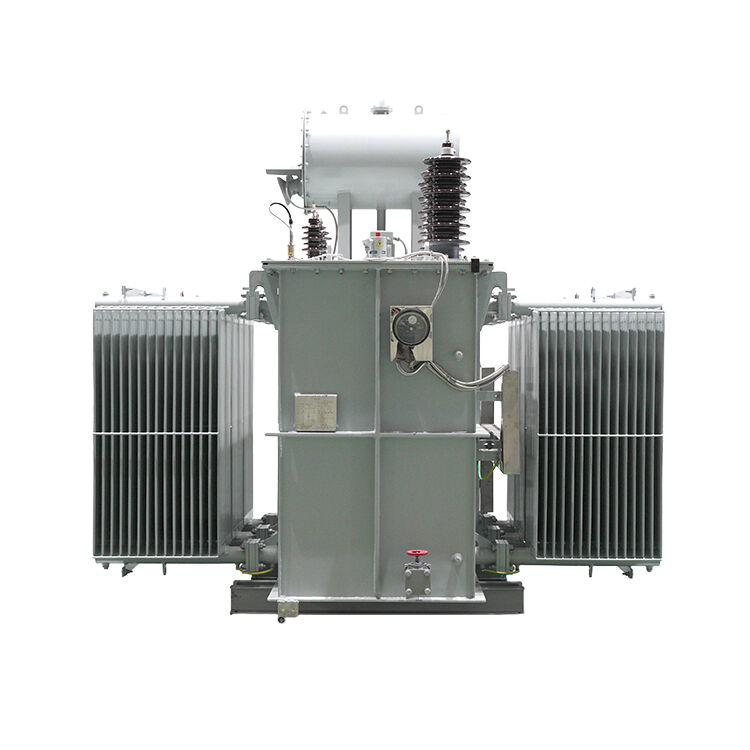
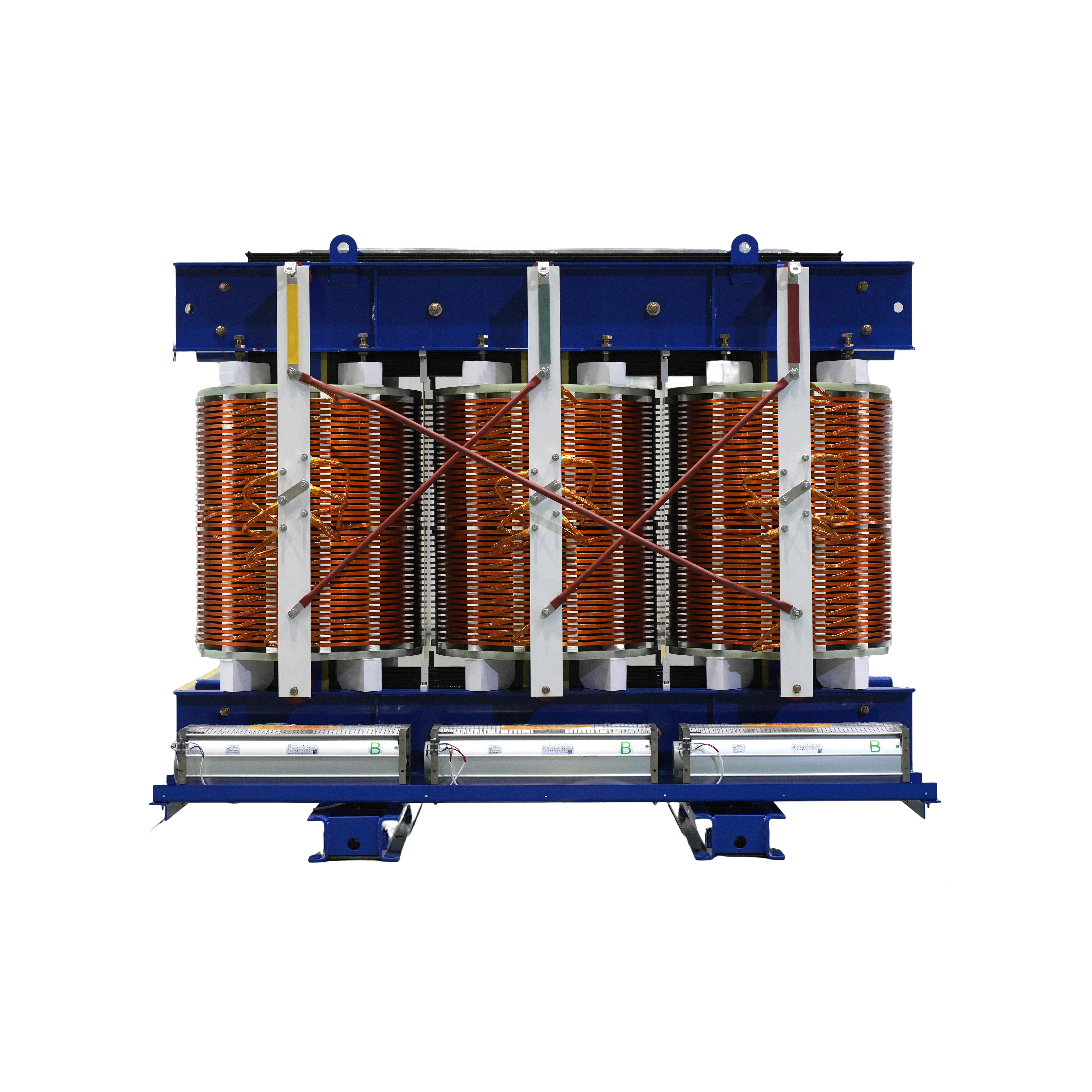
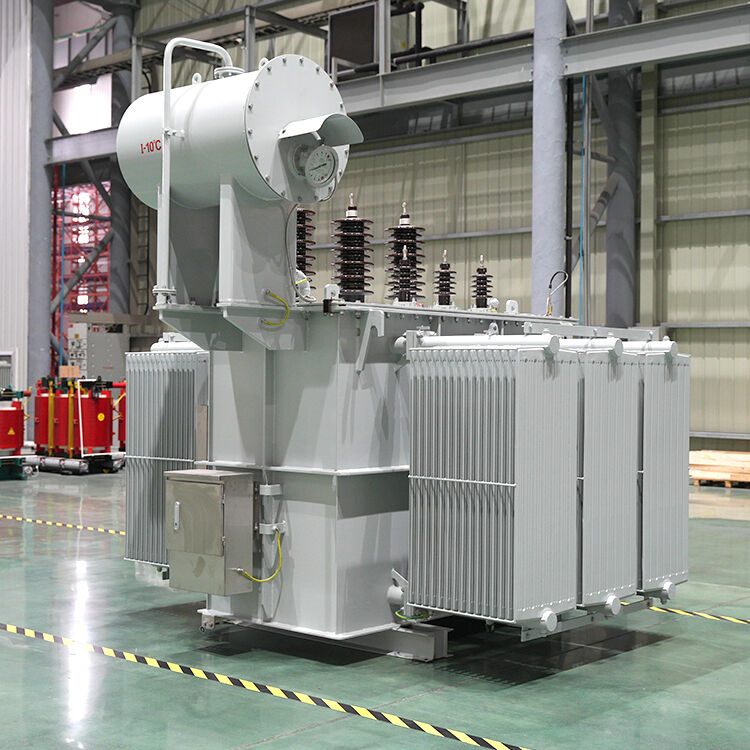
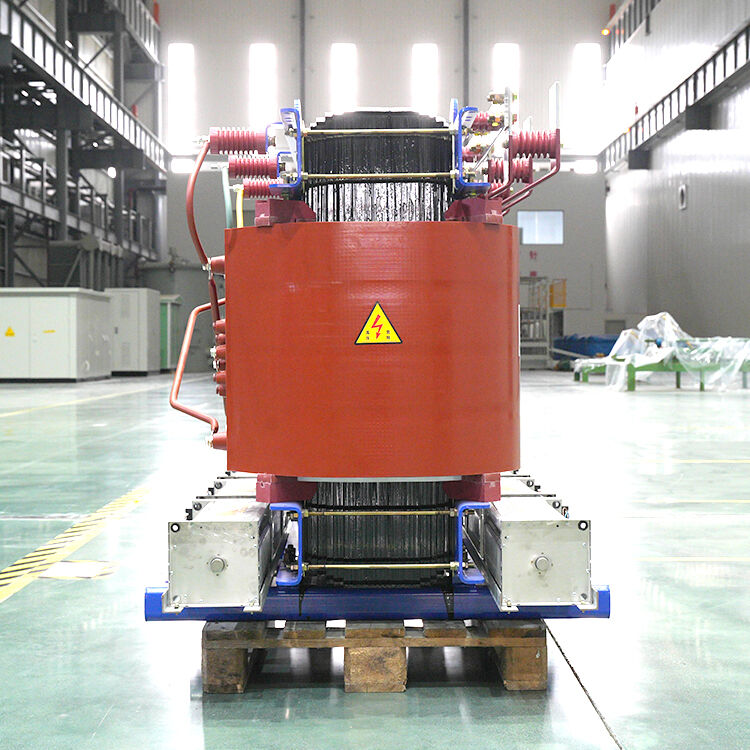
A 110 22 kv substation represents a critical electrical infrastructure component that serves as an essential link between high-voltage transmission networks and medium-voltage distribution systems. This specialized facility operates by receiving electrical power at 110 kilovolts from transmission lines and efficiently transforming it down to 22 kilovolts for regional distribution purposes. The primary function of a 110 22 kv substation involves voltage transformation, power distribution management, and system protection to ensure reliable electricity supply across designated service areas. These substations incorporate advanced switching equipment, protective relays, and monitoring systems that maintain operational safety while optimizing power flow efficiency. The technological architecture of a 110 22 kv substation includes power transformers, circuit breakers, disconnect switches, current and voltage transformers, control panels, and comprehensive protection systems. Modern installations feature digital control systems that enable remote monitoring and automated fault detection capabilities. The substation design accommodates various operational modes including normal service conditions, emergency backup scenarios, and maintenance configurations. Applications for 110 22 kv substations span industrial complexes, urban distribution networks, rural electrification projects, and renewable energy integration facilities. These installations serve manufacturing plants, commercial districts, residential neighborhoods, and agricultural operations by providing stable power supply at appropriate voltage levels. The strategic placement of 110 22 kv substations within electrical networks ensures optimal load distribution while minimizing transmission losses and maintaining system reliability. Engineering considerations for these facilities include load forecasting, environmental conditions, safety regulations, and future expansion requirements. The robust construction and reliable operation of 110 22 kv substations make them indispensable components in modern electrical infrastructure development and management.

New Product Recommendations

The 110 22 kv substation offers numerous practical benefits that make it an ideal choice for power distribution applications across diverse industries and communities. First, these substations provide exceptional reliability through redundant protection systems and robust equipment design that minimizes service interruptions and ensures consistent power delivery. The standardized voltage levels of 110 kv input and 22 kv output create compatibility with existing electrical infrastructure, reducing installation complexity and associated costs. Energy efficiency represents another significant advantage, as modern 110 22 kv substations achieve transformation efficiency ratings exceeding 98 percent, resulting in minimal power losses during voltage conversion processes. This high efficiency translates directly into cost savings for utilities and end users through reduced energy waste and lower operational expenses. Maintenance requirements for 110 22 kv substations remain manageable due to standardized components and established maintenance procedures that technicians can perform efficiently. The modular design approach allows for flexible configuration options that accommodate varying load requirements and site constraints while maintaining optimal performance characteristics. Safety features integrated into 110 22 kv substations include comprehensive protection schemes, grounding systems, and safety interlocks that protect both equipment and personnel during normal operations and fault conditions. Economic benefits extend beyond initial installation costs, as these substations offer long service life expectancy with minimal degradation when properly maintained. The scalability of 110 22 kv substations enables future capacity expansion without major infrastructure modifications, providing investment protection and adaptability to changing power demands. Advanced monitoring capabilities allow operators to optimize performance, predict maintenance needs, and respond quickly to system disturbances. Environmental considerations favor 110 22 kv substations through compact footprint designs that minimize land use requirements and reduced electromagnetic emissions compared to alternative solutions. The proven technology and widespread adoption of 110 22 kv substations ensure reliable spare parts availability and technical support throughout the equipment lifecycle, providing long-term operational security for facility owners and operators.

Practical Tips

What Is a Transformer and How Does It Improve Power System Efficiency?

02

Jan

What Is a Transformer and How Does It Improve Power System Efficiency?

A transformer represents one of the most critical components in modern electrical power systems, serving as the backbone for efficient energy transmission and distribution across vast networks. These electromagnetic devices enable the seamless conver...
View More
How Does a Transformer Work in High Voltage Power Transmission?

08

Jan

How Does a Transformer Work in High Voltage Power Transmission?

High voltage power transmission systems form the backbone of modern electrical grids, enabling electricity to travel efficiently across vast distances. At the heart of these complex networks lies the power transformer, a crucial piece of equipment th...
View More
Why Are Transformers Critical for Industrial Power Distribution Systems?

14

Jan

Why Are Transformers Critical for Industrial Power Distribution Systems?

Industrial power distribution systems form the backbone of modern manufacturing, commercial facilities, and critical infrastructure operations. At the heart of these complex networks lies a fundamental component that ensures safe, efficient, and reli...
View More
What Should Utilities Consider When Selecting a Transformer Supplier?

26

Jan

What Should Utilities Consider When Selecting a Transformer Supplier?

Selecting the right supplier for power infrastructure represents one of the most critical decisions utility companies face in today's rapidly evolving energy landscape. The process of choosing a power transformer supplier requires careful evaluation ...
View More

Get a Free Quote

Our representative will contact you soon.
Email
WhatsApp/Mobile
Name
Company Name
Message
0/1000

110 22 kv substation

Superior Power Transformation Technology

Superior Power Transformation Technology

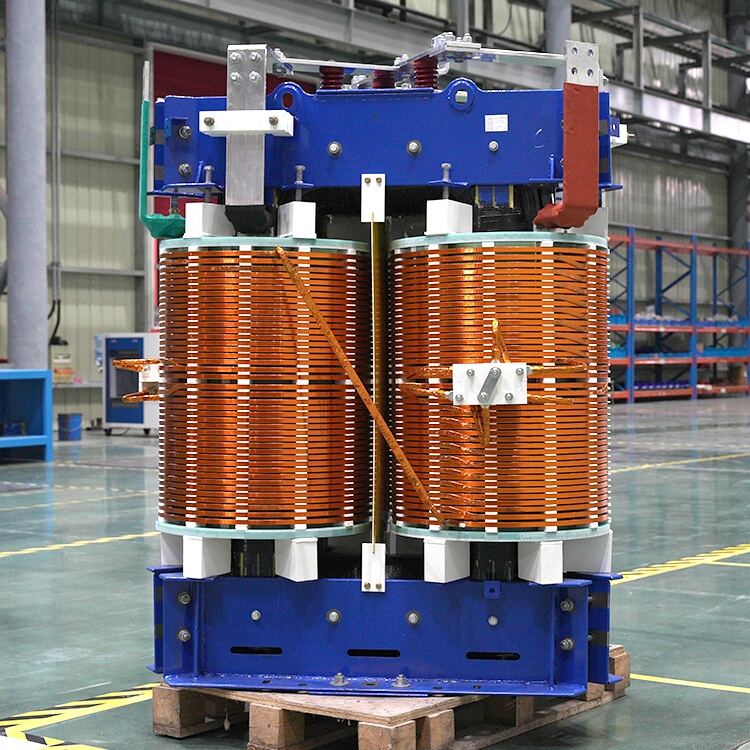
The 110 22 kv substation incorporates cutting-edge power transformation technology that delivers unmatched performance in voltage conversion applications. Advanced transformer designs utilize high-grade electrical steel and optimized winding configurations to achieve industry-leading efficiency ratings while maintaining compact physical dimensions. The core technology employs sophisticated magnetic circuit designs that minimize energy losses during the transformation process from 110 kilovolts to 22 kilovolts. Temperature management systems within the 110 22 kv substation ensure optimal operating conditions through advanced cooling mechanisms, including forced air circulation and oil cooling systems for larger installations. Digital monitoring systems continuously track transformer performance parameters including load current, voltage levels, temperature readings, and insulation conditions to optimize operational efficiency. The transformer technology in 110 22 kv substations features enhanced insulation systems that provide superior dielectric strength and long-term reliability under varying environmental conditions. Tap changing capabilities allow for voltage regulation adjustments to maintain stable output levels despite fluctuations in input voltage or load conditions. The robust construction of transformer components ensures reliable operation across wide temperature ranges and challenging environmental conditions. Quality control measures during manufacturing include rigorous testing protocols that verify insulation integrity, winding resistance, and overall performance specifications. The modular transformer design facilitates maintenance procedures and enables rapid replacement of components when necessary, minimizing system downtime. Advanced protection features safeguard transformer equipment against overcurrent conditions, temperature extremes, and insulation failures through coordinated relay systems. The technology integration within 110 22 kv substations supports smart grid applications through communication interfaces and remote monitoring capabilities that enhance system visibility and control.
Comprehensive Safety and Protection Systems

Comprehensive Safety and Protection Systems

Safety represents the paramount concern in 110 22 kv substation design and operation, with comprehensive protection systems that safeguard personnel, equipment, and surrounding communities. Multi-layered protection schemes incorporate differential relays, overcurrent protection, distance relays, and frequency monitoring systems that detect and respond to various fault conditions within milliseconds. The protection philosophy for 110 22 kv substations emphasizes selectivity, ensuring that only affected circuit sections disconnect during fault events while maintaining service to unaffected areas. Grounding systems within these facilities utilize extensive earthing networks and equipotential bonding to eliminate dangerous voltage gradients and provide safe paths for fault currents. Physical safety measures include appropriate clearances between energized components, safety barriers, warning signs, and restricted access controls that prevent unauthorized entry into hazardous areas. Arc flash protection systems integrate current-limiting devices and rapid fault clearing mechanisms to minimize the energy released during electrical faults and protect maintenance personnel. The 110 22 kv substation design incorporates fire suppression systems specifically engineered for electrical facilities, utilizing specialized extinguishing agents that do not conduct electricity or damage sensitive equipment. Lightning protection systems feature surge arresters, shield wires, and proper grounding to protect against atmospheric overvoltages that could damage equipment or interrupt service. Operational safety protocols for 110 22 kv substations include lockout/tagout procedures, safety permits, and mandatory personal protective equipment requirements for all maintenance activities. Emergency response procedures address various scenarios including equipment failures, personnel injuries, and environmental incidents through coordinated action plans and communication protocols. Regular safety inspections and testing verify the integrity of protection systems and ensure compliance with applicable safety standards and regulations. Training programs for operations and maintenance personnel emphasize safety awareness, proper procedures, and emergency response techniques specific to 110 22 kv substation environments.
Flexible Installation and Integration Capabilities

Flexible Installation and Integration Capabilities

The 110 22 kv substation excels in providing flexible installation options and seamless integration capabilities that accommodate diverse site conditions and system requirements. Modular design approaches enable customized configurations that optimize space utilization while meeting specific electrical performance criteria for individual applications. Site adaptation features allow 110 22 kv substations to operate effectively in various environments including urban locations with space constraints, industrial sites with specific layout requirements, and remote areas with challenging access conditions. Foundation requirements for these installations accommodate different soil conditions and seismic considerations through engineered support structures and flexible mounting systems. The standardized interface specifications of 110 22 kv substations facilitate integration with existing electrical networks, reducing engineering complexity and installation time while ensuring compatibility with upstream and downstream equipment. Cable and overhead line connection options provide versatility in transmission and distribution network interfaces, supporting both underground and aerial power delivery systems. Control system integration capabilities enable coordination with supervisory control and data acquisition systems, allowing remote monitoring and operation as part of comprehensive grid management strategies. Environmental adaptation features include weatherproof enclosures, corrosion-resistant materials, and climate control systems that ensure reliable operation across extreme temperature ranges and harsh weather conditions. The phased installation approach supported by 110 22 kv substations allows for incremental capacity additions that match load growth patterns while minimizing initial capital investment requirements. Standardized component interfaces simplify spare parts management and enable equipment upgrades without major system modifications. Transportation considerations for 110 22 kv substation components include factory pre-testing and modular shipping arrangements that reduce on-site installation time and ensure quality control. Commissioning procedures for these facilities follow established protocols that verify proper installation, test all protection systems, and validate operational performance before energization. The proven reliability of 110 22 kv substation designs reduces project risks and provides confidence in meeting scheduled energization dates and performance commitments.

Get a Free Quote

Our representative will contact you soon.
Email
WhatsApp/Mobile
Name
Company Name
Message
0/1000