Complete Guide to AC Substations: Functions, Benefits, and Advanced Features for Reliable Power Distribution

Get a Free Quote

Our representative will contact you soon.
Email
WhatsApp/Mobile
Name
Company Name
Message
0/1000

ac substation

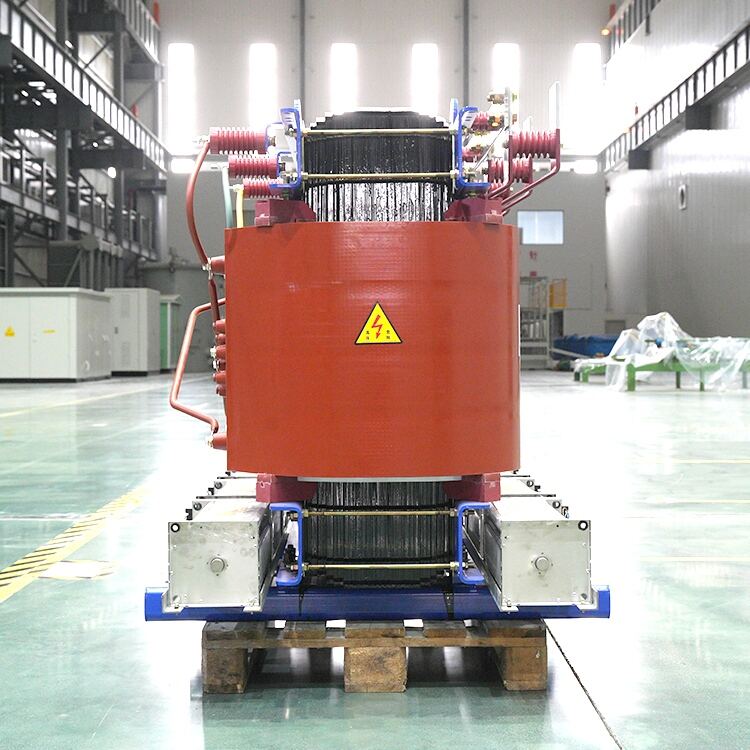
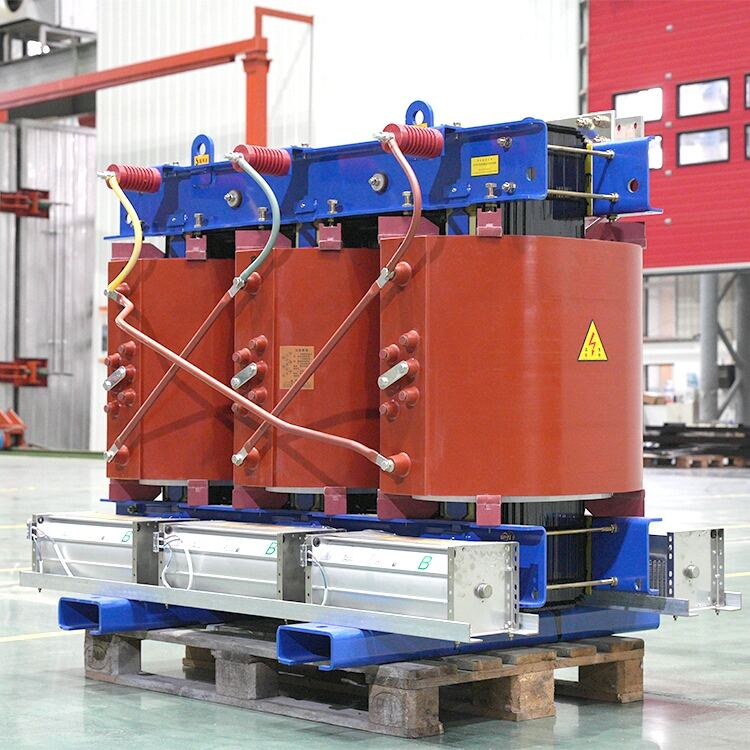
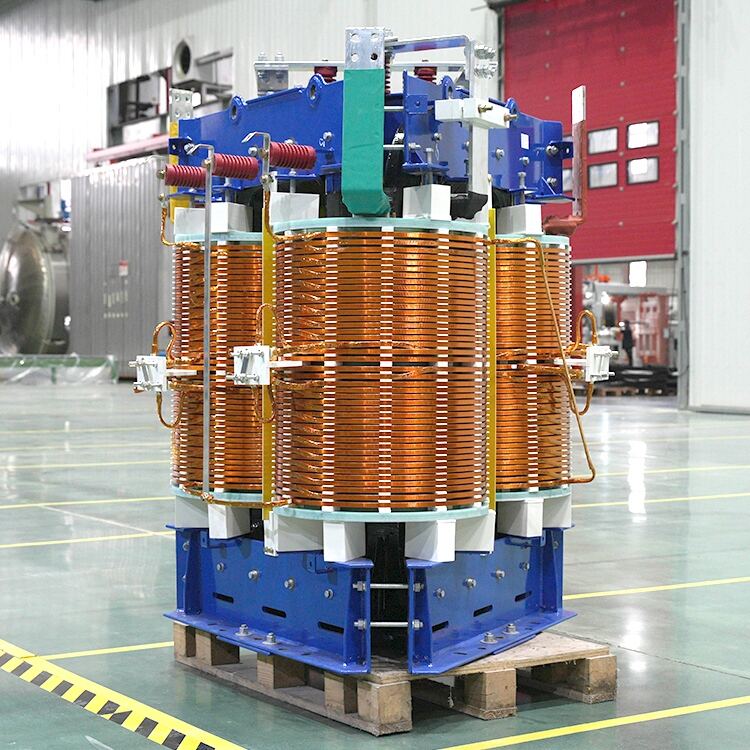
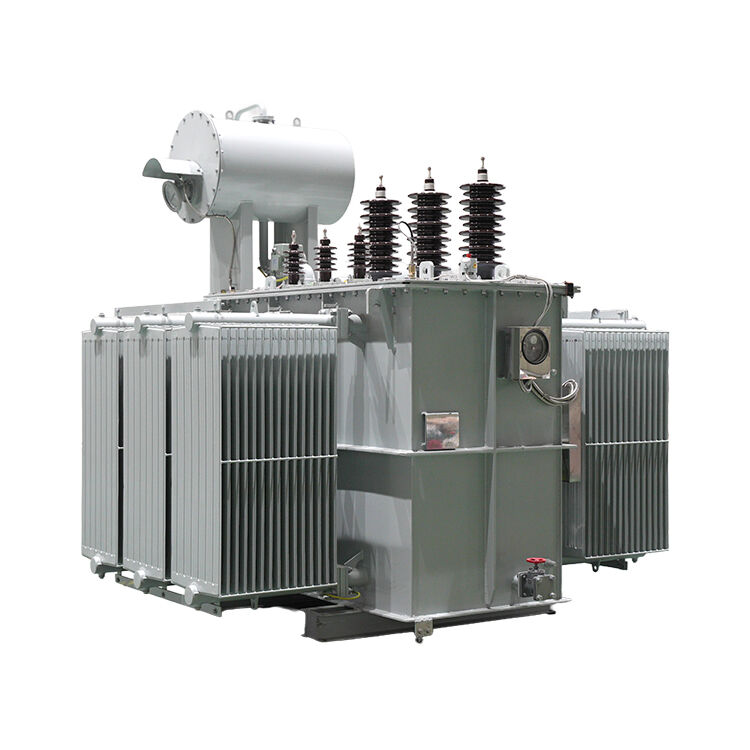
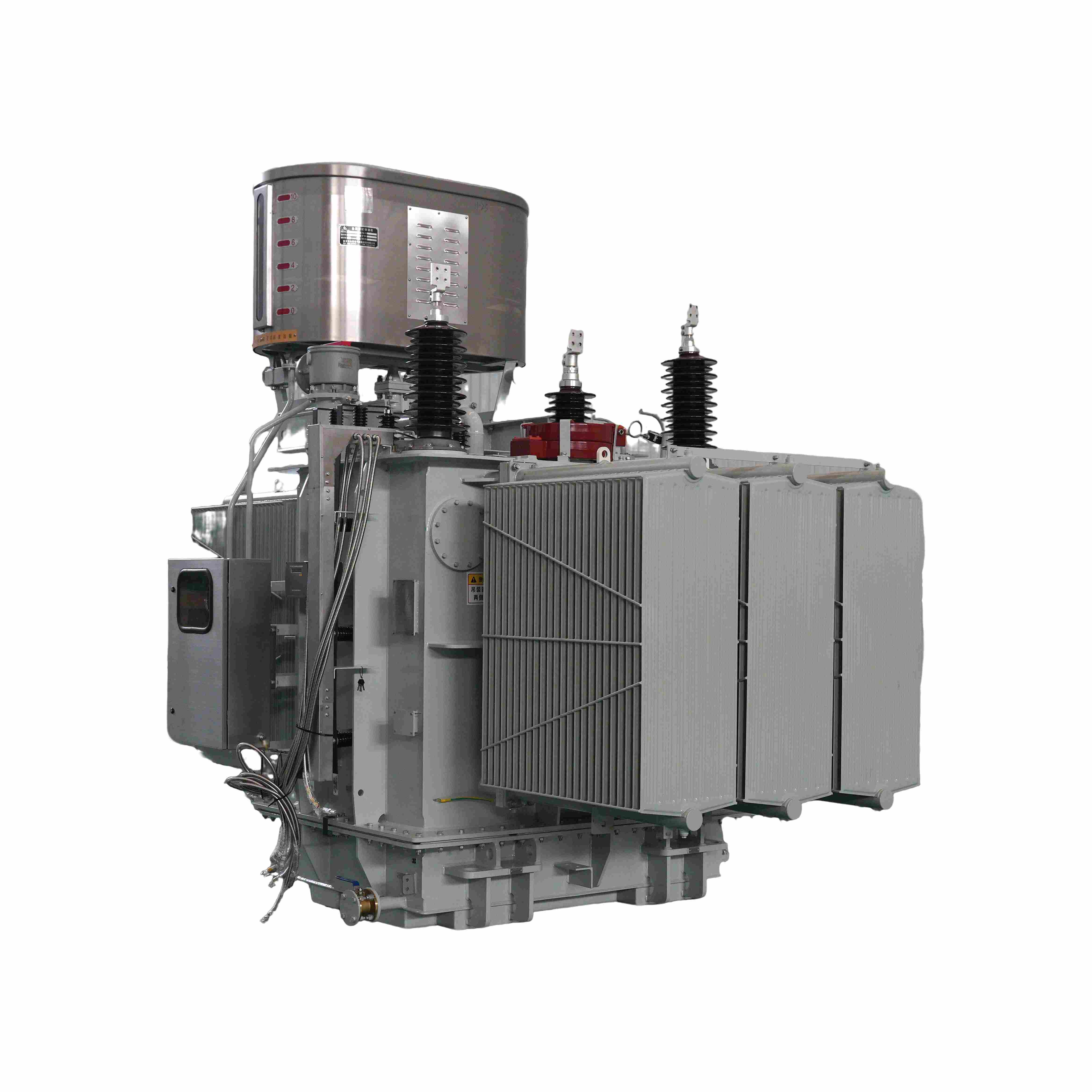
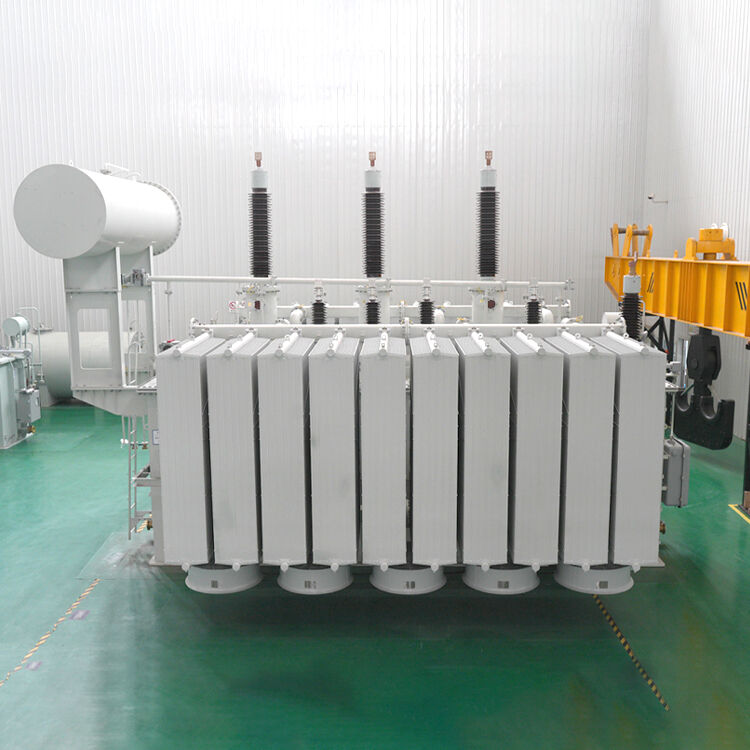
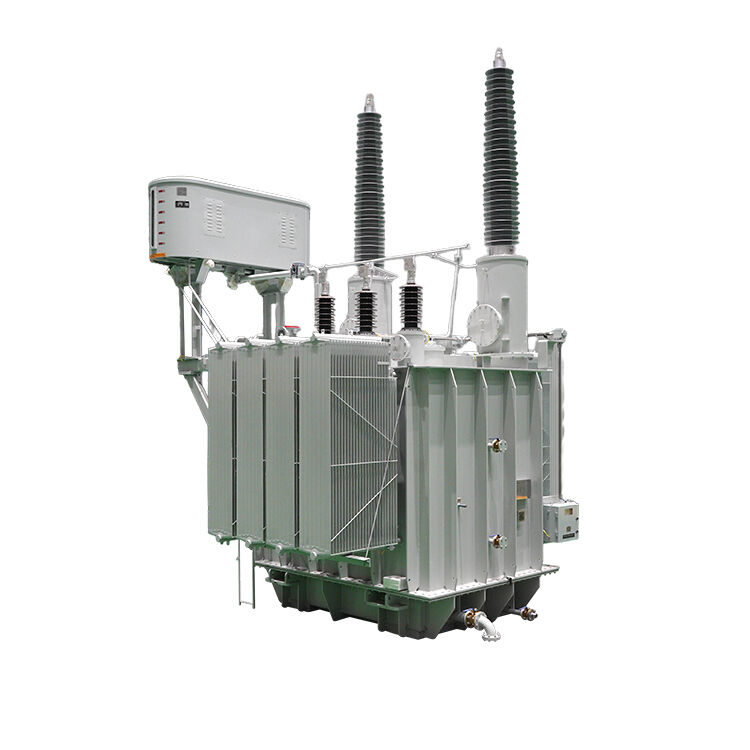
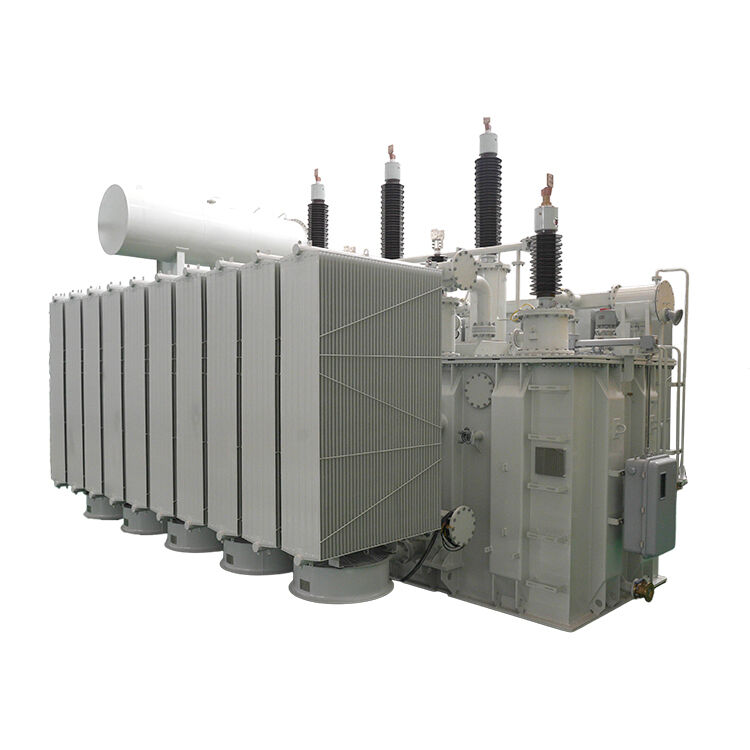
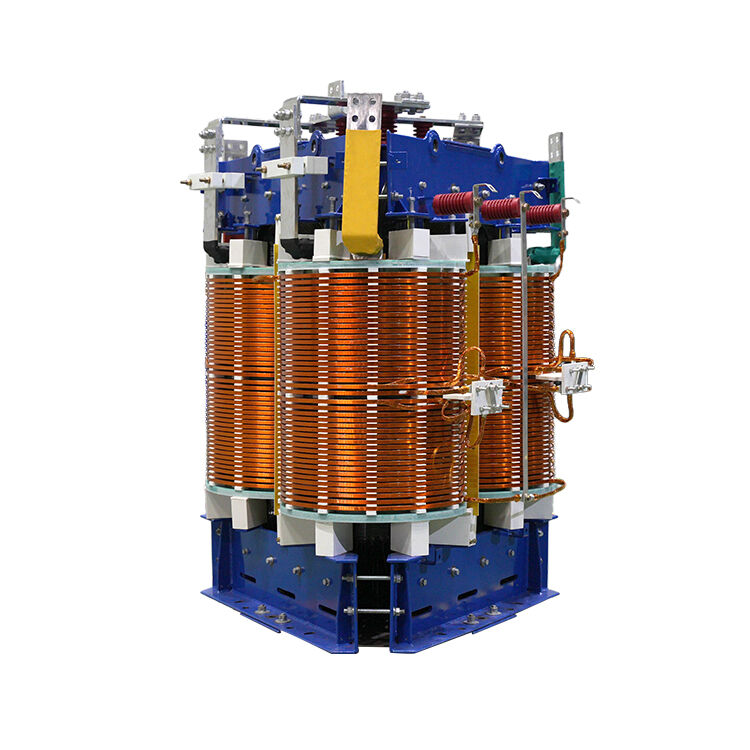
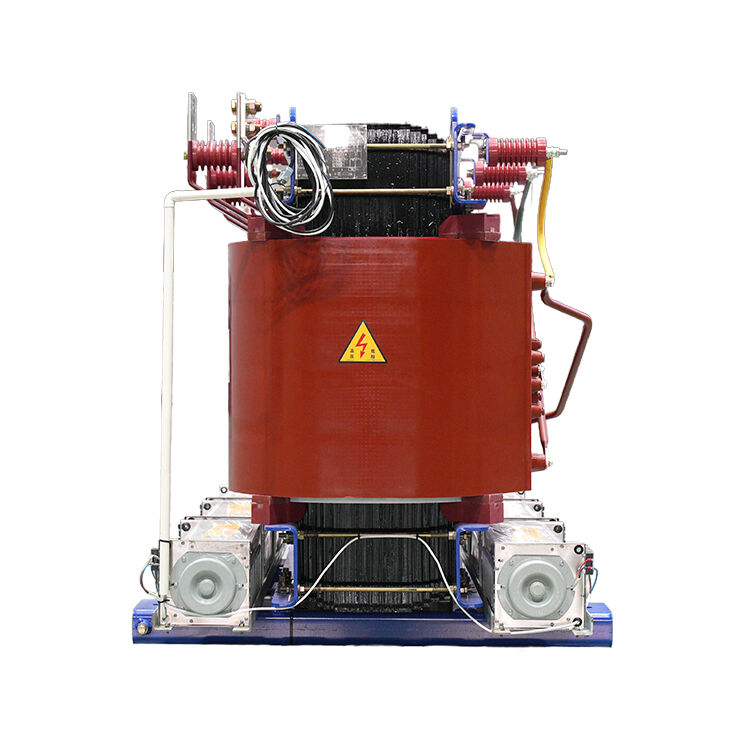
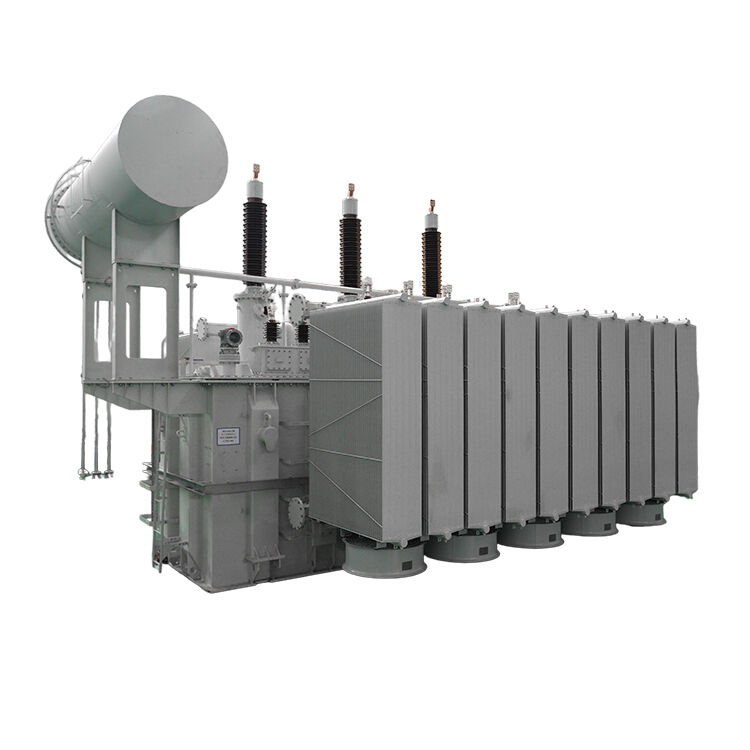
An AC substation serves as a critical electrical infrastructure component that transforms, distributes, and controls alternating current power within electrical grid systems. These sophisticated facilities act as intermediary points between high-voltage transmission lines and lower-voltage distribution networks, ensuring reliable electricity delivery to residential, commercial, and industrial consumers. The primary function of an AC substation involves voltage transformation through power transformers, which step down high transmission voltages to appropriate distribution levels or step up generation voltages for efficient long-distance transmission. Modern AC substations incorporate advanced switching equipment, including circuit breakers, disconnect switches, and protective relays that provide essential safety mechanisms and operational control. The technological architecture of an AC substation encompasses multiple voltage levels, typically ranging from transmission voltages of 69kV to 765kV down to distribution voltages of 4kV to 35kV. Control systems within these facilities utilize sophisticated SCADA networks, enabling remote monitoring and automated operations that enhance grid reliability and response times. Protection schemes employ digital relays and communication protocols that detect fault conditions and isolate problematic sections within milliseconds, preventing widespread power outages. AC substations feature grounding systems, lightning protection, and fire suppression mechanisms that ensure personnel safety and equipment preservation during adverse conditions. The modular design of contemporary AC substation infrastructure allows for scalable expansion as electrical demand increases, incorporating smart grid technologies that optimize power flow and integrate renewable energy sources. These installations typically occupy substantial land areas to accommodate proper electrical clearances and maintenance access, with outdoor air-insulated designs being most common due to cost-effectiveness. Indoor gas-insulated substations offer compact alternatives for urban environments where space constraints exist, utilizing sulfur hexafluoride insulation to reduce physical footprint while maintaining operational reliability.

Popular Products

AC substations deliver exceptional operational reliability through redundant systems and automated fault detection capabilities that minimize service interruptions for end users. The robust design of these facilities ensures continuous power supply even during equipment maintenance or unexpected component failures, providing peace of mind for critical infrastructure operators and residential customers alike. Economic efficiency represents a significant advantage, as AC substations optimize power transmission by reducing electrical losses through strategic voltage transformations and load balancing across multiple distribution feeders. This efficiency translates directly into cost savings for utility companies and consumers through reduced energy waste and improved system utilization. The scalable architecture of AC substations allows utilities to expand capacity incrementally as demand grows, avoiding costly complete system replacements and enabling strategic infrastructure investments that align with community development patterns. Advanced monitoring capabilities provide real-time visibility into system performance, enabling proactive maintenance scheduling that prevents costly emergency repairs and extends equipment lifespan significantly. Environmental benefits emerge from the improved efficiency and reduced transmission losses inherent in well-designed AC substation networks, contributing to lower carbon emissions and supporting sustainability initiatives across electrical grids. Safety features built into modern AC substations protect both utility workers and the general public through comprehensive protection schemes, arc flash mitigation systems, and secure perimeter controls that prevent unauthorized access to energized equipment. Flexibility in configuration allows AC substations to accommodate diverse load types and integrate renewable energy sources seamlessly, supporting the transition to cleaner energy portfolios while maintaining grid stability. The standardized components and proven technologies used in AC substations ensure reliable spare parts availability and skilled technician support, reducing long-term maintenance costs and operational risks. Remote operation capabilities enable utilities to manage multiple AC substations from centralized control centers, optimizing staffing resources and improving response times during system disturbances or emergency conditions.

Practical Tips

What Is a Transformer and How Does It Improve Power System Efficiency?

02

Jan

What Is a Transformer and How Does It Improve Power System Efficiency?

A transformer represents one of the most critical components in modern electrical power systems, serving as the backbone for efficient energy transmission and distribution across vast networks. These electromagnetic devices enable the seamless conver...
View More
How Does a Transformer Work in High Voltage Power Transmission?

08

Jan

How Does a Transformer Work in High Voltage Power Transmission?

High voltage power transmission systems form the backbone of modern electrical grids, enabling electricity to travel efficiently across vast distances. At the heart of these complex networks lies the power transformer, a crucial piece of equipment th...
View More
Why Are Transformers Critical for Industrial Power Distribution Systems?

14

Jan

Why Are Transformers Critical for Industrial Power Distribution Systems?

Industrial power distribution systems form the backbone of modern manufacturing, commercial facilities, and critical infrastructure operations. At the heart of these complex networks lies a fundamental component that ensures safe, efficient, and reli...
View More
How Do Transformers Support Grid Stability in Large-Scale Power Networks?

20

Jan

How Do Transformers Support Grid Stability in Large-Scale Power Networks?

Large-scale power networks form the backbone of modern electrical infrastructure, requiring sophisticated equipment to maintain stability and reliability across vast geographical areas. Power transformers play a crucial role in these complex systems ...
View More

Get a Free Quote

Our representative will contact you soon.
Email
WhatsApp/Mobile
Name
Company Name
Message
0/1000

ac substation

Advanced Fault Protection and Grid Stability Systems

Advanced Fault Protection and Grid Stability Systems

The sophisticated protection systems integrated within modern AC substations represent a cornerstone of electrical grid reliability and safety. These comprehensive protection schemes utilize state-of-the-art digital relays, communication networks, and automated switching mechanisms that detect and isolate electrical faults within milliseconds of occurrence. The multi-layered protection approach incorporates differential protection for transformers, distance protection for transmission lines, and overcurrent protection for distribution feeders, ensuring that any abnormal condition is quickly identified and addressed before it can propagate throughout the electrical network. Advanced fault detection algorithms analyze current and voltage waveforms in real-time, distinguishing between temporary disturbances and permanent faults that require immediate isolation. The coordination between protection devices ensures selective operation, meaning that only the minimum necessary portion of the electrical system is disconnected during fault conditions, preserving service to unaffected areas and minimizing customer impact. Modern AC substations employ redundant protection systems with primary and backup relays that provide failsafe operation even if individual protection components malfunction. Communication protocols enable protection devices to share information instantaneously, facilitating coordinated responses across multiple substations and enhancing overall grid stability. The integration of synchrophasor technology allows AC substations to monitor grid conditions with precise time synchronization, enabling advanced applications such as adaptive protection settings and wide-area monitoring systems. These protection capabilities extend beyond simple fault clearing to include voltage regulation, frequency control, and power quality management that ensure consistent electrical service quality for all connected customers. The automated nature of these systems reduces human error potential while providing detailed event recording and analysis capabilities that support continuous improvement in grid operation and maintenance practices.
Intelligent Remote Monitoring and Control Capabilities

Intelligent Remote Monitoring and Control Capabilities

Contemporary AC substations incorporate cutting-edge supervisory control and data acquisition systems that enable comprehensive remote monitoring and control from centralized operations centers. This intelligent infrastructure allows utility operators to observe real-time conditions, modify operational parameters, and respond to system changes without requiring physical presence at individual substation locations. The remote monitoring capabilities encompass all critical parameters including voltage levels, current flows, transformer temperatures, equipment status, and environmental conditions that affect substation performance. Advanced human-machine interfaces provide intuitive graphical displays that present complex electrical data in easily interpretable formats, enabling operators to make informed decisions quickly during both normal operations and emergency situations. The bidirectional communication systems support both monitoring data transmission and control command execution, allowing operators to operate switches, adjust voltage regulators, and reconfigure electrical paths remotely. Predictive maintenance algorithms analyze historical and real-time data to identify equipment degradation trends before failures occur, enabling proactive maintenance scheduling that prevents unexpected outages and extends asset lifecycles. The cybersecurity framework protecting these remote operations incorporates multiple layers of encryption, authentication, and network segmentation that safeguard critical infrastructure from unauthorized access while maintaining operational functionality. Data historian systems archive operational information for regulatory compliance, performance analysis, and long-term planning purposes, supporting evidence-based decision making and continuous operational improvement. The integration capabilities of modern AC substation control systems enable seamless coordination with other grid management systems, including energy management systems, outage management systems, and distribution automation platforms. Mobile accessibility features allow authorized personnel to monitor and control AC substation operations from portable devices, providing operational flexibility and rapid response capabilities during field activities or emergency situations.

Flexible Design and Future-Ready Scalability Features

Flexible Design and Future-Ready Scalability Features

The modular design philosophy underlying modern AC substations provides unparalleled flexibility for utilities to adapt their electrical infrastructure to changing demand patterns and technological advancement. This forward-thinking approach enables incremental capacity additions, equipment upgrades, and configuration modifications without requiring complete facility reconstruction or extended service interruptions. The standardized bus arrangements and equipment interfaces facilitate seamless integration of new components as electrical loads grow or operational requirements evolve. Expansion capabilities are built into the initial substation design through strategic land use planning, spare circuit breaker positions, and oversized control buildings that accommodate future equipment additions. The technology-agnostic architecture ensures compatibility with emerging smart grid technologies, renewable energy integration systems, and energy storage solutions that continue to transform the electrical industry landscape. Standardized communication protocols and open system architectures prevent vendor lock-in situations while enabling utilities to leverage best-in-class solutions from multiple equipment manufacturers. The robust foundation systems and structural frameworks are engineered to support equipment weight increases and seismic upgrades that may be required over the facility's operational lifetime. Environmental considerations are integrated into the scalable design through provisions for future emission reduction technologies, noise mitigation systems, and enhanced environmental monitoring capabilities. The financial benefits of this scalable approach include reduced capital investment requirements, improved return on assets, and risk mitigation through phased implementation strategies that align infrastructure investments with revenue generation. Quality assurance programs ensure that expansion components meet the same reliability and performance standards as original equipment, maintaining consistent operational excellence throughout the facility's evolution. The comprehensive documentation and as-built drawing maintenance practices associated with scalable AC substation designs facilitate efficient engineering and construction activities during future expansion projects, reducing project timelines and implementation costs while ensuring regulatory compliance and operational safety.

Get a Free Quote

Our representative will contact you soon.
Email
WhatsApp/Mobile
Name
Company Name
Message
0/1000