Compact Substation Unit: Advanced Power Distribution Solutions for Modern Electrical Infrastructure

Get a Free Quote

Our representative will contact you soon.
Email
WhatsApp/Mobile
Name
Company Name
Message
0/1000

compact substation unit

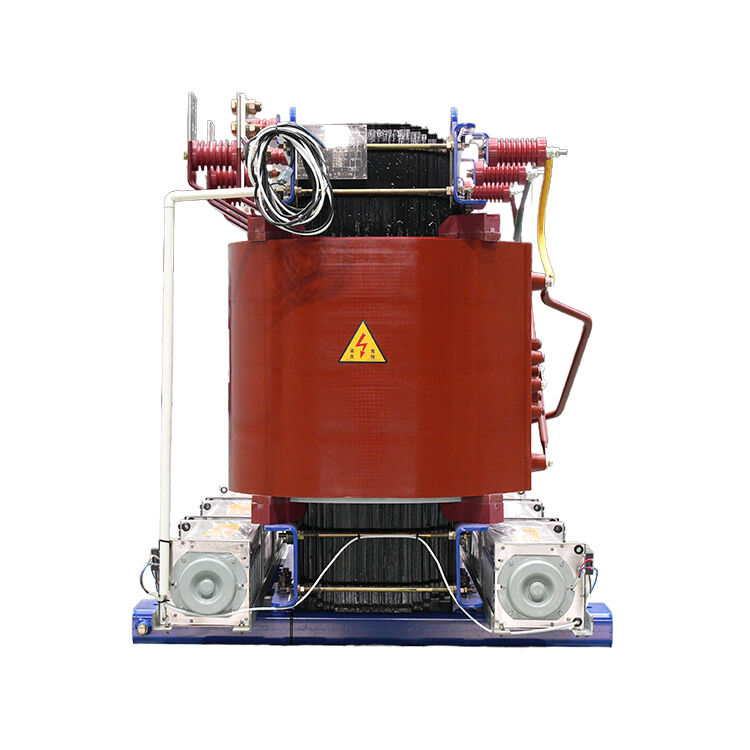
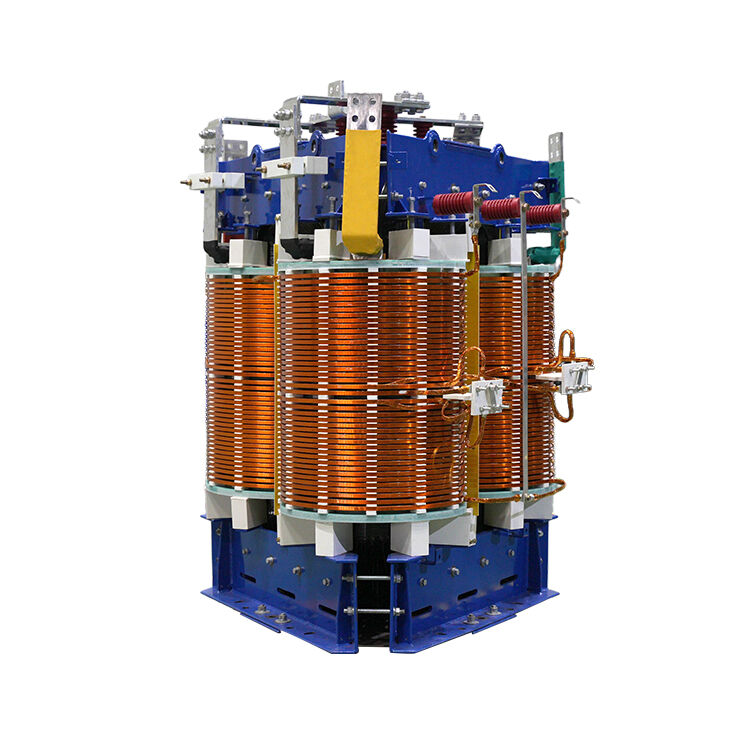
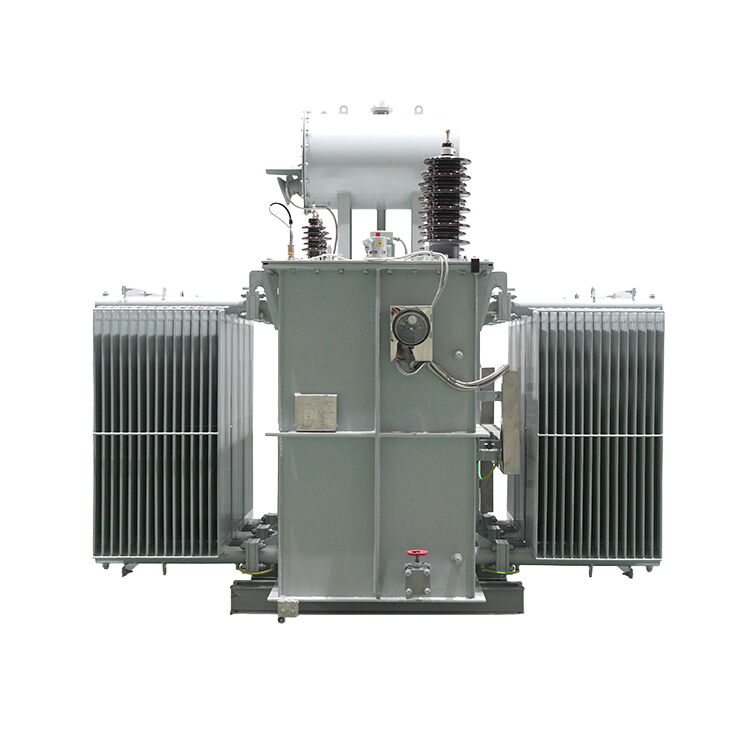
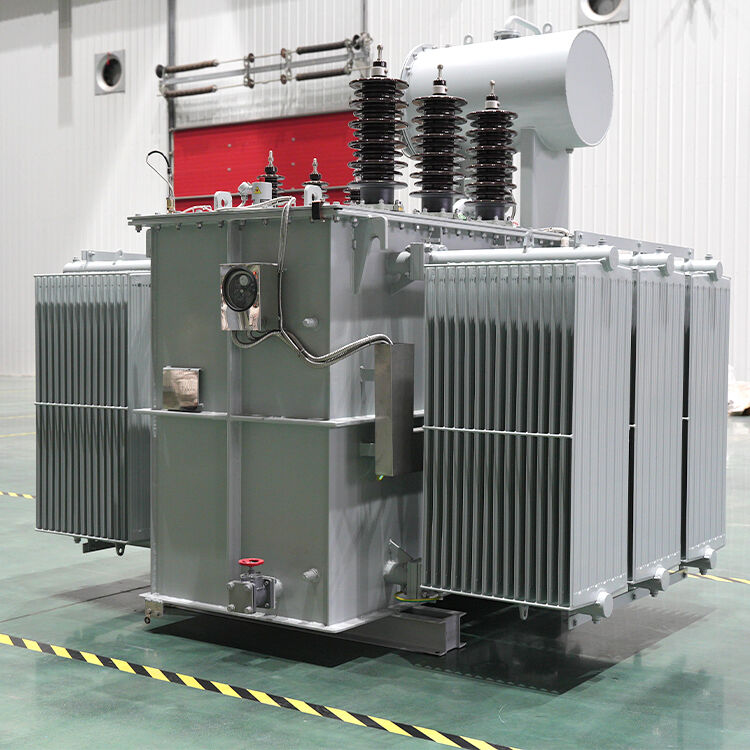
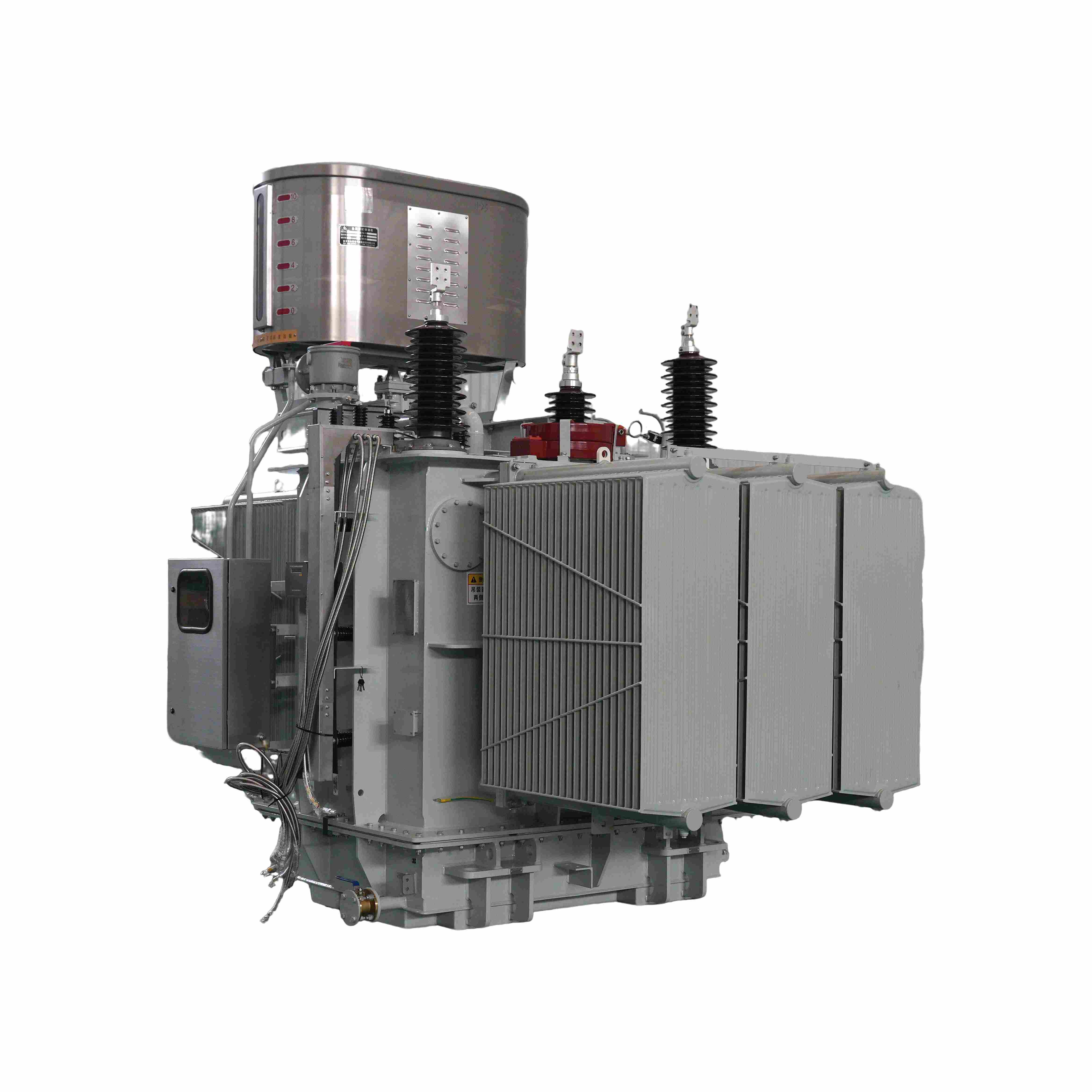
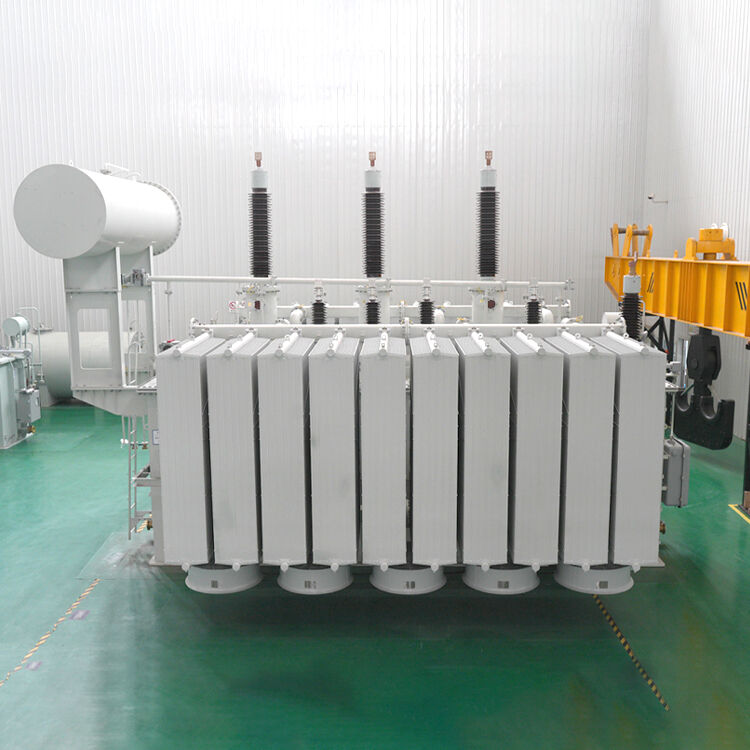
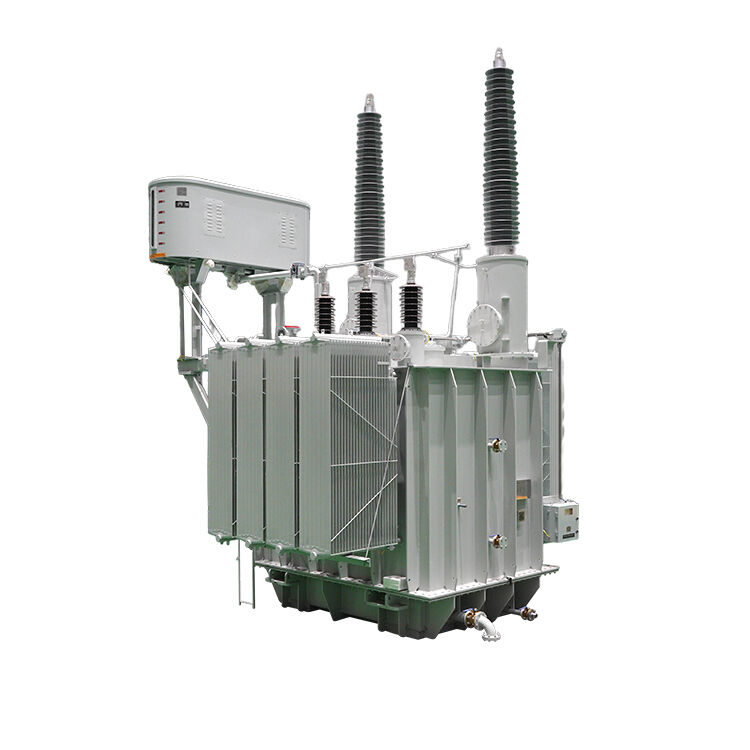
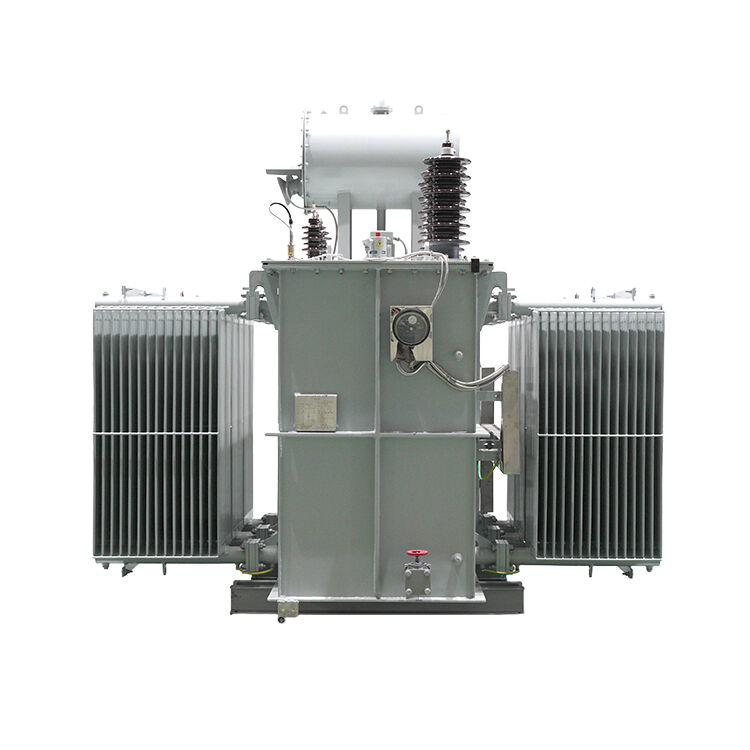
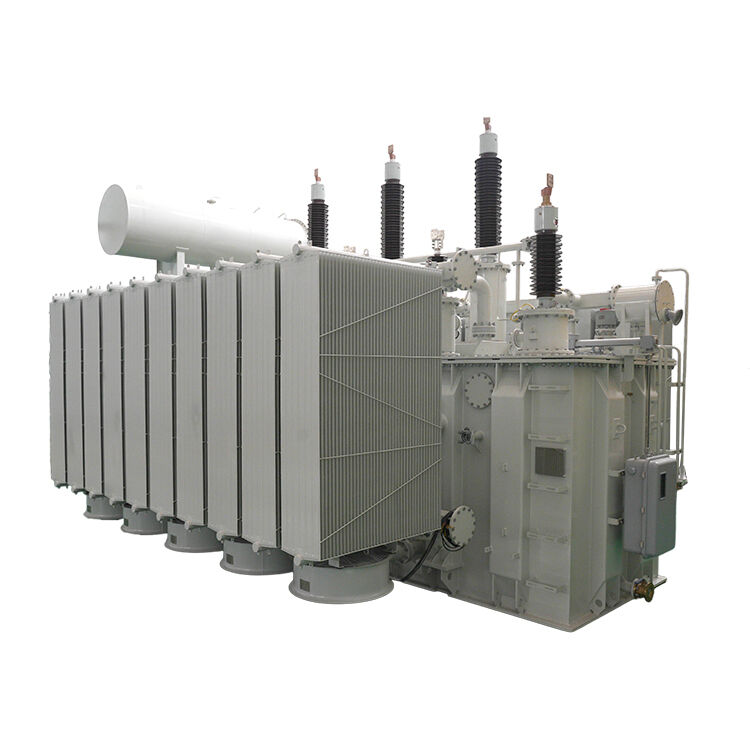
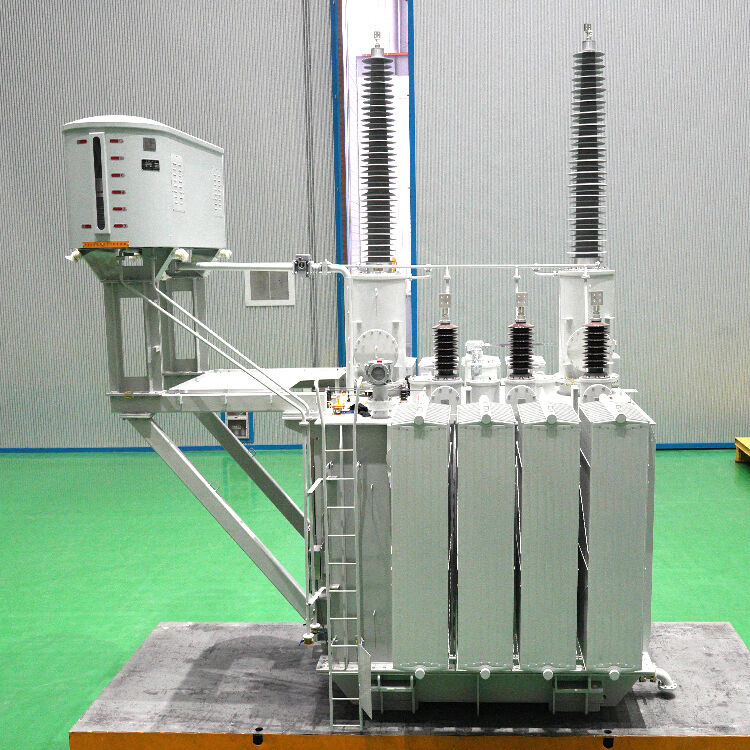
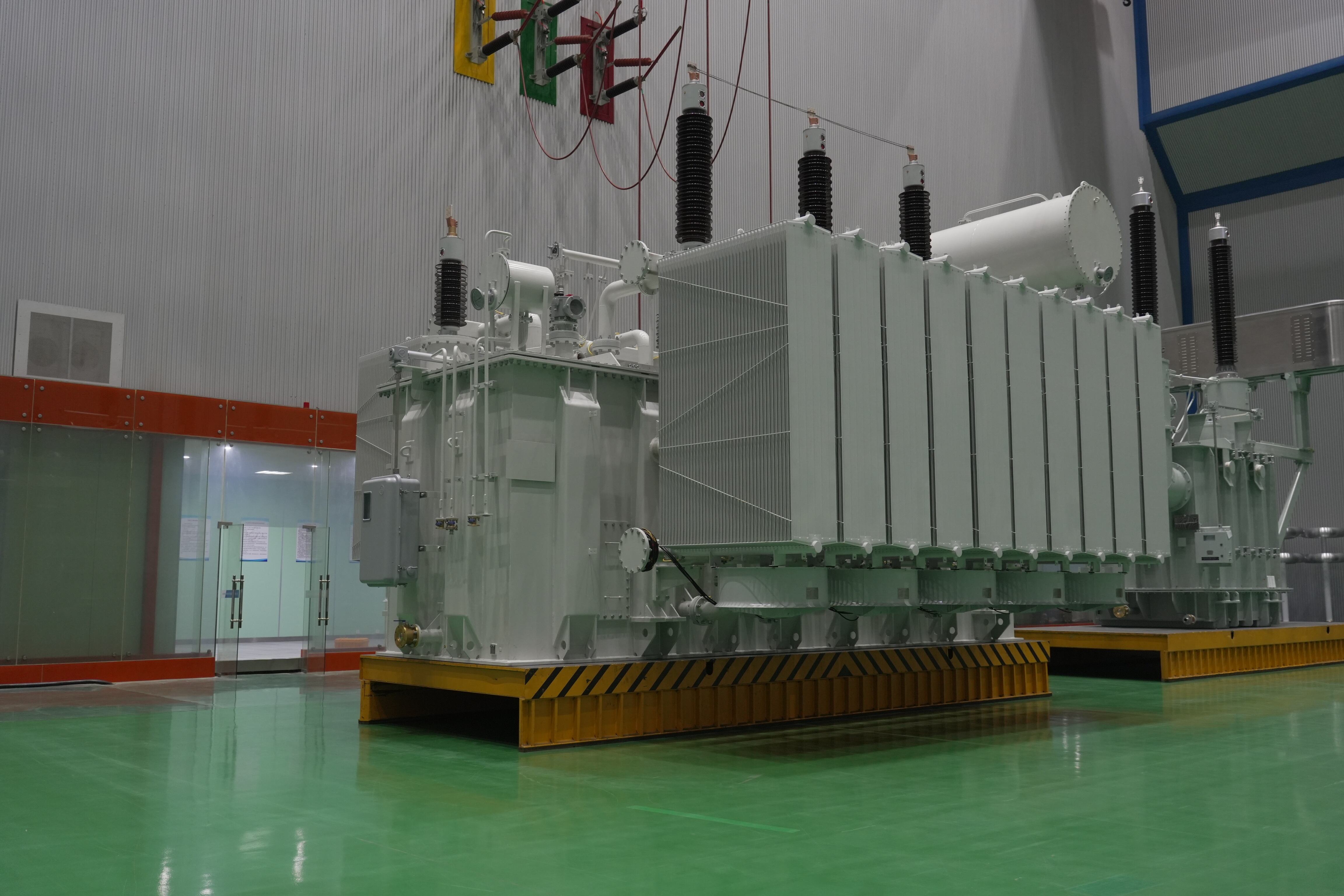
A compact substation unit represents a revolutionary advancement in electrical infrastructure technology, designed to consolidate multiple power distribution components into a single, space-efficient structure. This integrated system combines transformers, switchgear, protection systems, and control equipment within a prefabricated housing, delivering comprehensive power management capabilities while minimizing installation footprint. The compact substation unit serves as a critical link in electrical distribution networks, stepping down high voltage electricity to usable levels for industrial, commercial, and residential applications. These units incorporate advanced insulation technologies, typically utilizing gas-insulated switchgear or air-insulated configurations, depending on specific operational requirements. The technological features of a compact substation unit include sophisticated monitoring systems that provide real-time data on electrical parameters, fault detection capabilities, and remote operation functionality. Modern units integrate digital protection relays, programmable logic controllers, and communication interfaces that enable seamless integration with smart grid systems. The housing design ensures optimal protection against environmental factors, featuring weather-resistant materials and climate control systems that maintain operational integrity across diverse conditions. Applications for compact substation units span numerous sectors, including urban power distribution, renewable energy integration, industrial facilities, shopping centers, hospitals, and temporary power solutions for construction sites or emergency situations. These versatile systems excel in locations where space constraints, aesthetic considerations, or rapid deployment requirements make traditional substations impractical. The modular design of compact substation units facilitates customization to meet specific voltage ratings, power capacities, and operational specifications while maintaining standardized manufacturing processes that ensure reliability and cost-effectiveness.

New Products

Compact substation units deliver exceptional space optimization benefits that transform how organizations approach electrical infrastructure planning. Traditional substations require extensive land areas and complex construction processes, while compact units reduce space requirements by up to 70 percent compared to conventional installations. This space efficiency translates directly into significant cost savings, particularly in urban environments where real estate values are premium. The reduced footprint enables installation in previously unusable locations, providing greater flexibility for project planning and site selection. Installation speed represents another compelling advantage of compact substation units, dramatically reducing project timelines and associated costs. These prefabricated systems arrive at installation sites with most components pre-assembled and tested, eliminating weeks or months of on-site construction work. The streamlined installation process minimizes disruption to surrounding areas and reduces labor requirements, resulting in faster project completion and quicker return on investment. Operational reliability reaches new heights with compact substation units through advanced protection systems and robust construction standards. The controlled manufacturing environment ensures consistent quality and performance, while integrated monitoring systems provide continuous oversight of operational parameters. These units feature redundant safety systems, automatic fault isolation capabilities, and remote diagnostic tools that enable proactive maintenance scheduling. The enclosed design protects sensitive equipment from environmental hazards, vandalism, and unauthorized access, significantly reducing maintenance requirements and extending equipment lifespan. Cost-effectiveness emerges as a primary driver for compact substation unit adoption, encompassing both initial investment and long-term operational expenses. The standardized manufacturing approach reduces production costs, while the simplified installation process minimizes construction expenses. Lower maintenance requirements, reduced land acquisition costs, and improved energy efficiency contribute to favorable total cost of ownership calculations. Additionally, these units offer excellent scalability options, allowing organizations to expand capacity incrementally as demand grows without major infrastructure overhauls. Environmental benefits include reduced visual impact, lower noise emissions, and minimal site preparation requirements compared to traditional substations. The compact design integrates seamlessly into urban landscapes while maintaining full functionality and safety standards.

Latest News

What Is a Transformer and How Does It Improve Power System Efficiency?

02

Jan

What Is a Transformer and How Does It Improve Power System Efficiency?

A transformer represents one of the most critical components in modern electrical power systems, serving as the backbone for efficient energy transmission and distribution across vast networks. These electromagnetic devices enable the seamless conver...
View More
How Does a Transformer Work in High Voltage Power Transmission?

08

Jan

How Does a Transformer Work in High Voltage Power Transmission?

High voltage power transmission systems form the backbone of modern electrical grids, enabling electricity to travel efficiently across vast distances. At the heart of these complex networks lies the power transformer, a crucial piece of equipment th...
View More
Why Are Transformers Critical for Industrial Power Distribution Systems?

14

Jan

Why Are Transformers Critical for Industrial Power Distribution Systems?

Industrial power distribution systems form the backbone of modern manufacturing, commercial facilities, and critical infrastructure operations. At the heart of these complex networks lies a fundamental component that ensures safe, efficient, and reli...
View More
What Should Utilities Consider When Selecting a Transformer Supplier?

26

Jan

What Should Utilities Consider When Selecting a Transformer Supplier?

Selecting the right supplier for power infrastructure represents one of the most critical decisions utility companies face in today's rapidly evolving energy landscape. The process of choosing a power transformer supplier requires careful evaluation ...
View More

Get a Free Quote

Our representative will contact you soon.
Email
WhatsApp/Mobile
Name
Company Name
Message
0/1000

compact substation unit

Advanced Space-Saving Design Technology

Advanced Space-Saving Design Technology

The revolutionary space-saving design of compact substation units represents a paradigm shift in electrical infrastructure development, addressing the critical challenge of urban space constraints while maintaining full operational capabilities. This innovative approach combines sophisticated engineering principles with practical construction methodologies to create solutions that occupy significantly less ground area than traditional substation configurations. The vertical integration concept maximizes the utilization of available space by stacking components efficiently within a protective enclosure, eliminating the need for expansive outdoor equipment arrangements. Advanced materials science contributes to this space optimization through the development of high-performance insulation systems that reduce required clearance distances between energized components. Gas-insulated switchgear technology, when incorporated into compact substation units, enables dramatic size reductions while enhancing safety and reliability performance. The modular construction approach allows for precise customization of internal layouts to accommodate specific voltage levels, power ratings, and operational requirements without compromising space efficiency. Thermal management systems within these units utilize innovative cooling technologies that maintain optimal operating temperatures while minimizing external space requirements for ventilation equipment. The integrated design philosophy extends to cable management systems that organize incoming and outgoing connections within the compact footprint, eliminating the need for extensive cable trenches or overhead structures. This space-conscious engineering approach proves particularly valuable in dense urban environments, industrial complexes, and renewable energy installations where land availability is limited and expensive. The aesthetic integration capabilities of compact substation units enable installation in sensitive locations where visual impact must be minimized, such as residential neighborhoods, commercial districts, or heritage areas. The reduced site preparation requirements associated with these units further enhance their space-saving benefits, eliminating the need for extensive excavation, foundation work, or perimeter security installations typical of conventional substations.
Exceptional Reliability and Safety Features

Exceptional Reliability and Safety Features

Compact substation units incorporate comprehensive reliability and safety systems that exceed traditional substation performance standards while providing enhanced protection for both equipment and personnel. The enclosed design creates a controlled environment that shields sensitive electrical components from environmental hazards, including moisture, dust, temperature fluctuations, and corrosive atmospheric conditions. Advanced protection relay systems continuously monitor electrical parameters and automatically respond to fault conditions, isolating problems before they can propagate through the electrical network or cause equipment damage. These intelligent protection systems utilize digital technology to provide precise fault detection, selective coordination, and rapid clearing times that minimize system disturbances and improve overall grid stability. The integration of arc-resistant construction features provides exceptional personnel safety by containing and venting arc flash energy away from operational areas, significantly reducing the risk of injury during maintenance or fault conditions. Redundant safety systems ensure continued operation even when primary protection devices require maintenance or experience failure, maintaining system reliability and minimizing unplanned outages. The factory testing procedures for compact substation units include comprehensive quality assurance protocols that verify all systems under simulated operational conditions before shipment, ensuring that units arrive at installation sites with proven performance capabilities. Remote monitoring capabilities enable continuous oversight of operational parameters, allowing maintenance teams to identify potential issues before they develop into serious problems. This proactive approach to maintenance scheduling improves equipment longevity and reduces the likelihood of unexpected failures. The standardized manufacturing environment provides consistent quality control that eliminates many variables associated with field construction, resulting in more predictable performance and fewer commissioning issues. Enhanced security features include tamper-resistant enclosures, access control systems, and intrusion detection capabilities that protect against unauthorized entry and vandalism. The compact design also facilitates the implementation of comprehensive fire suppression systems that can quickly contain and extinguish electrical fires while protecting surrounding structures and personnel.
Rapid Deployment and Cost-Effectiveness Benefits

Rapid Deployment and Cost-Effectiveness Benefits

The rapid deployment capabilities of compact substation units revolutionize project timelines and cost structures in electrical infrastructure development, providing organizations with unprecedented flexibility and economic advantages. Traditional substation construction projects typically require months of on-site work, extensive permitting processes, and complex coordination between multiple contractors and specialty trades. Compact substation units transform this paradigm through factory-based manufacturing that completes most assembly and testing processes in controlled environments before transportation to installation sites. This approach reduces on-site construction time from months to weeks or even days, depending on site preparation requirements and connection complexity. The prefabricated nature of these units enables parallel processing of site preparation and equipment manufacturing, further compressing project schedules and enabling faster energization of electrical systems. Economic benefits extend beyond reduced construction timelines to encompass significant cost savings across multiple project phases. The standardized manufacturing process leverages economies of scale to reduce per-unit costs while maintaining high quality standards and customization capabilities. Labor cost reductions result from minimized on-site work requirements, reduced specialty contractor involvement, and simplified installation procedures that require fewer skilled personnel. The controlled manufacturing environment eliminates weather-related delays and seasonal construction limitations that often impact traditional substation projects, providing more predictable project schedules and budgets. Transportation efficiency contributes to cost-effectiveness through optimized packaging and shipping arrangements that minimize logistics expenses while ensuring safe delivery of complete systems. Site preparation requirements are substantially reduced compared to conventional substations, eliminating or minimizing excavation work, extensive foundation construction, and complex drainage systems. The modular design facilitates future expansion or relocation if operational requirements change, protecting initial investments and providing long-term flexibility. Maintenance cost advantages emerge from improved component accessibility, standardized replacement parts, and enhanced diagnostic capabilities that enable predictive maintenance strategies. The total cost of ownership calculations consistently favor compact substation units when considering initial investment, installation expenses, operational costs, and end-of-life considerations over typical equipment lifecycles of 25-30 years.

Get a Free Quote

Our representative will contact you soon.
Email
WhatsApp/Mobile
Name
Company Name
Message
0/1000