Low Voltage Distribution Transformer: High-Efficiency Power Solutions for Reliable Electrical Distribution

Get a Free Quote

Our representative will contact you soon.
Email
WhatsApp/Mobile
Name
Company Name
Message
0/1000

low voltage distribution transformer

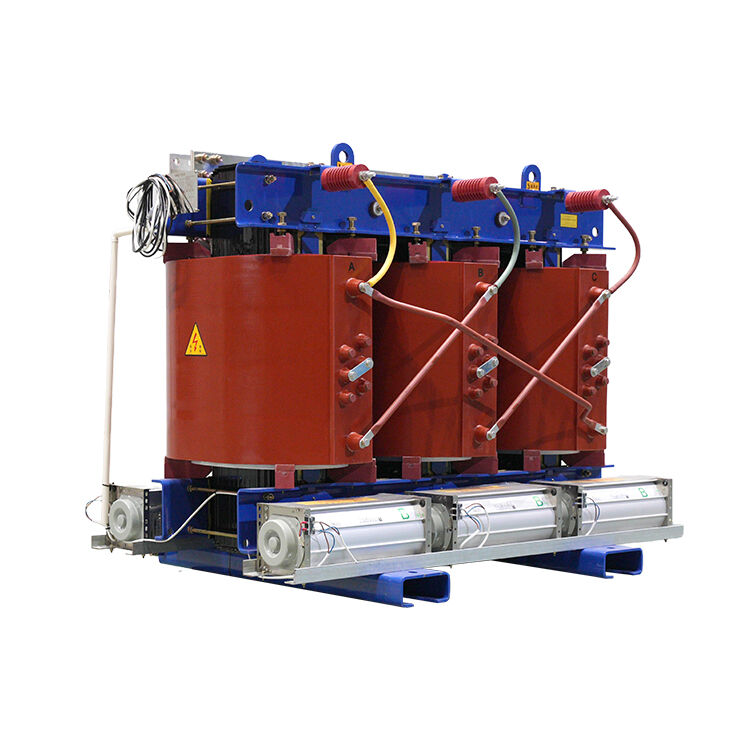
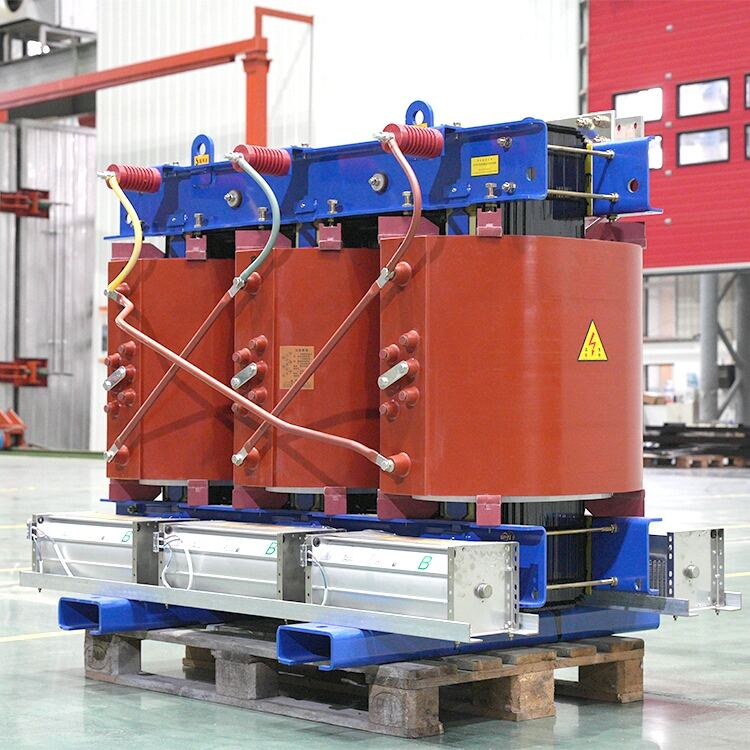
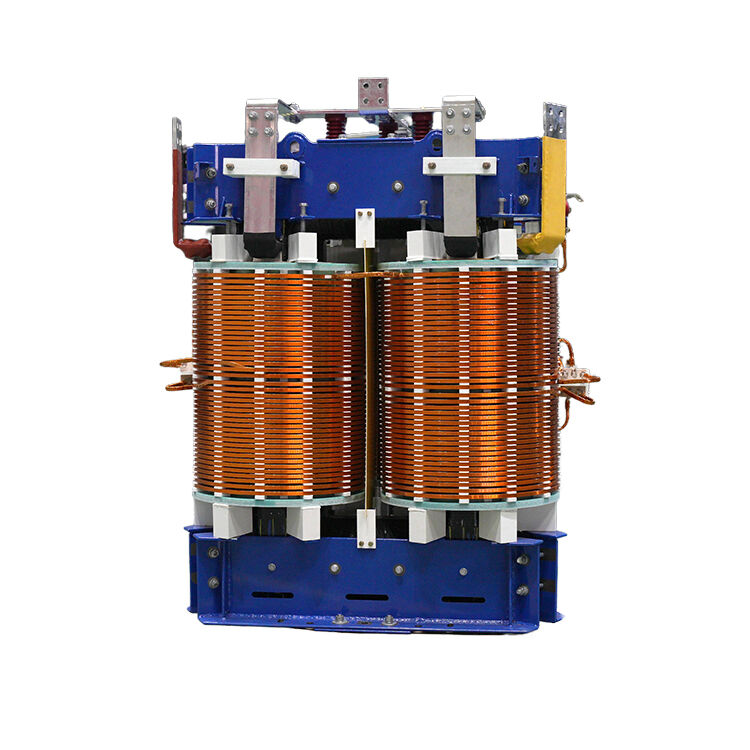
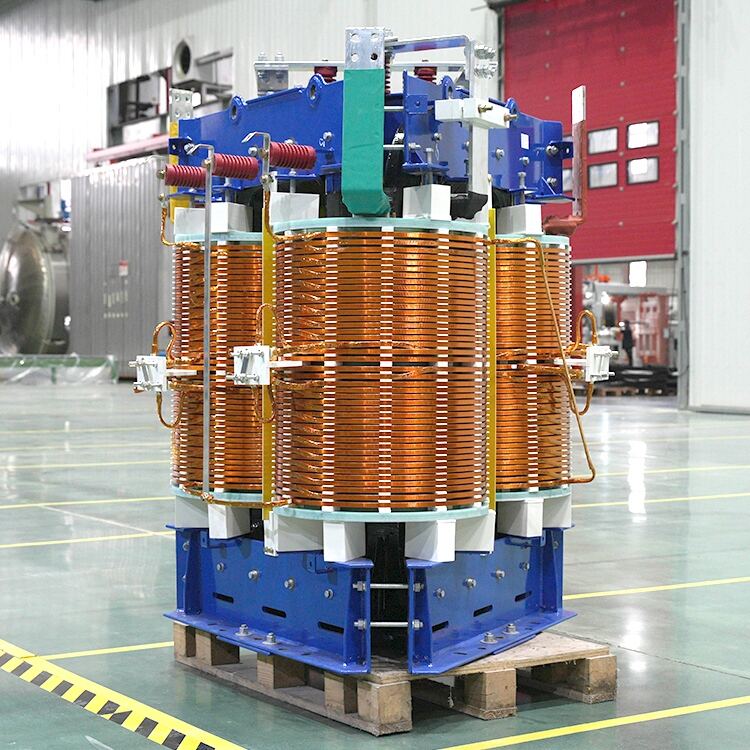
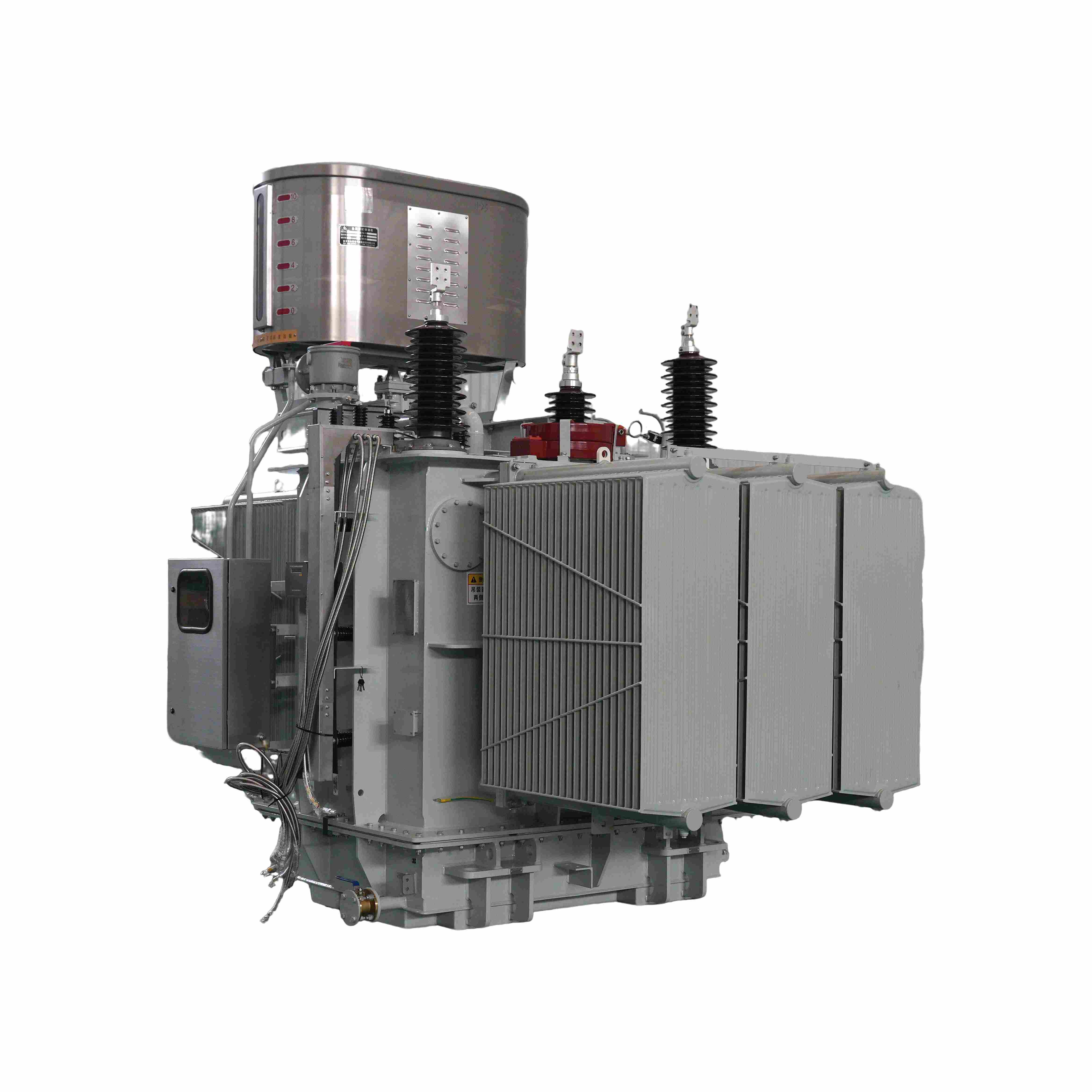
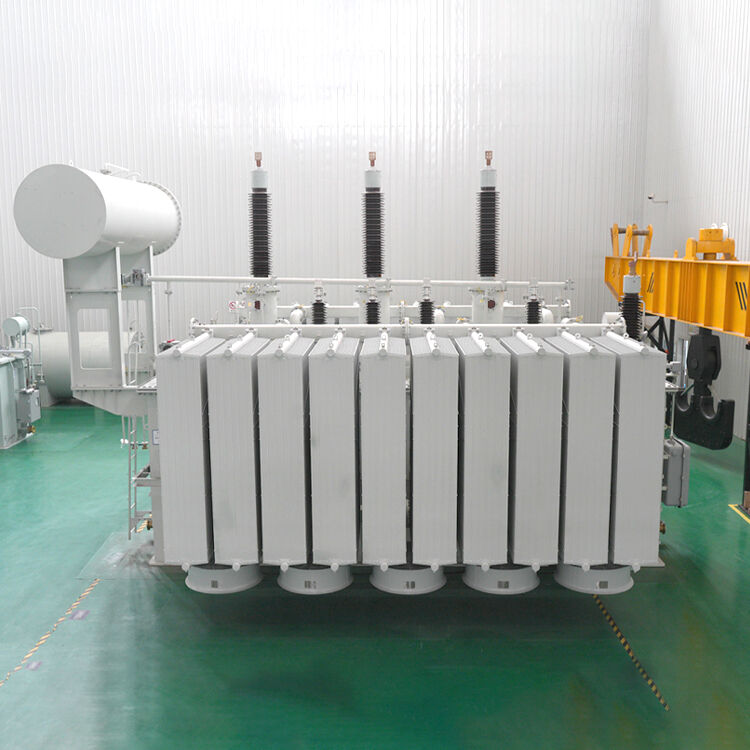
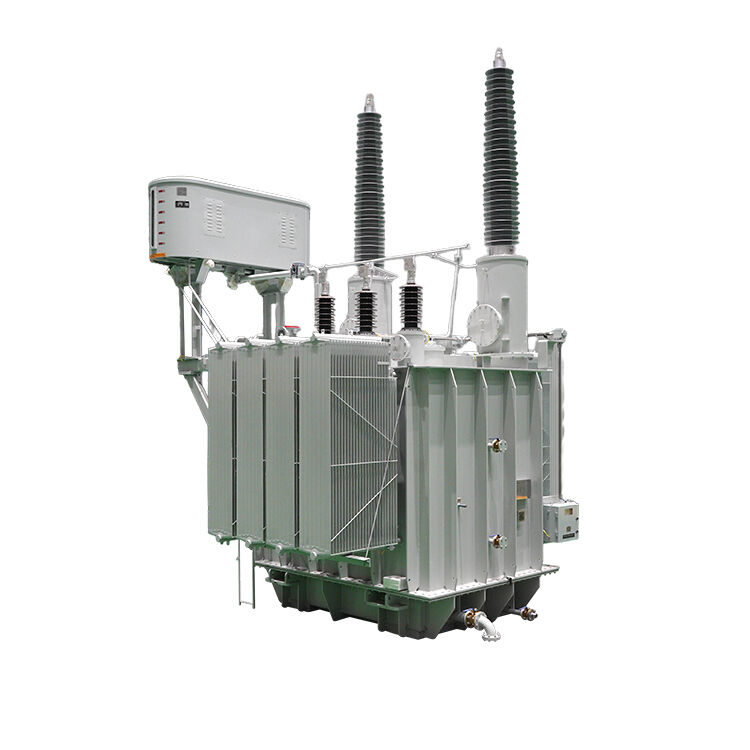
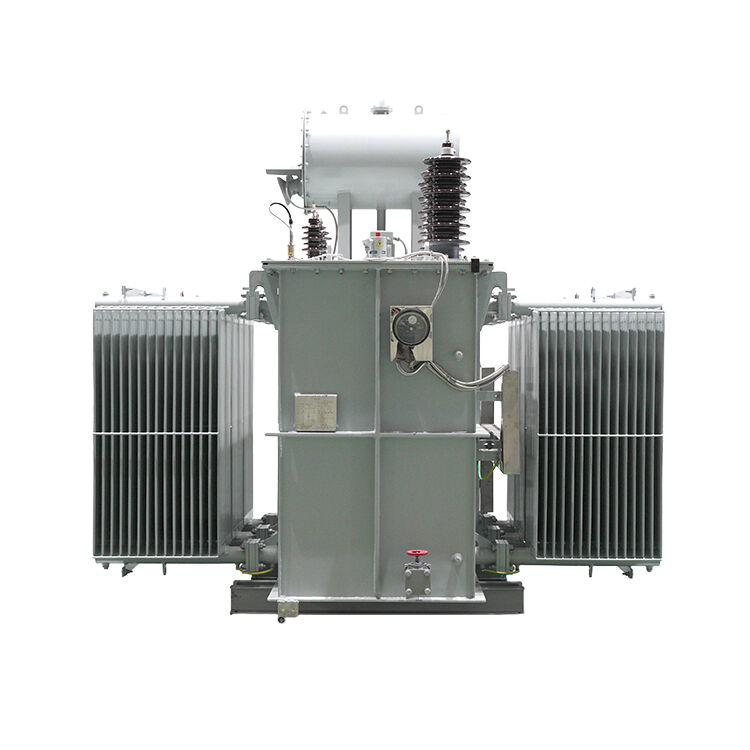
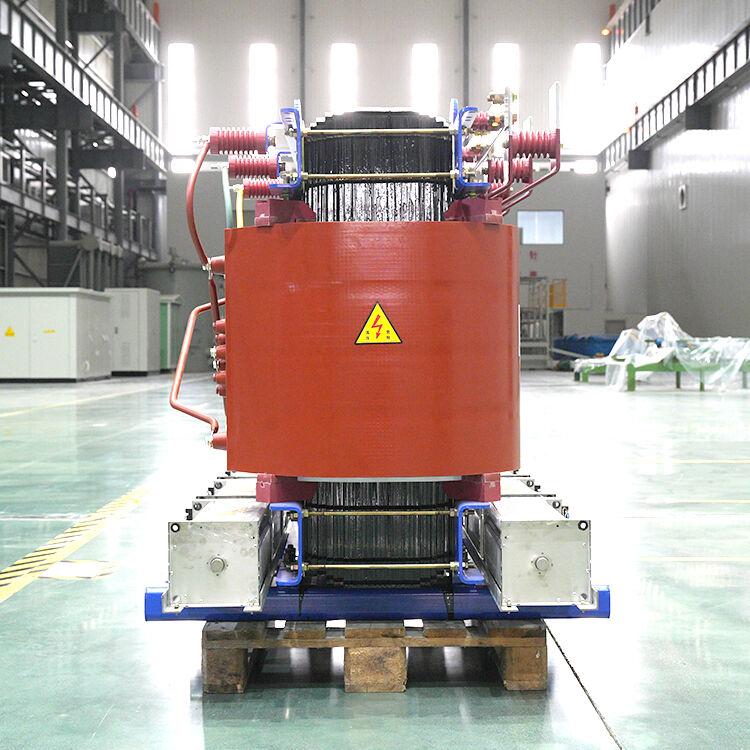
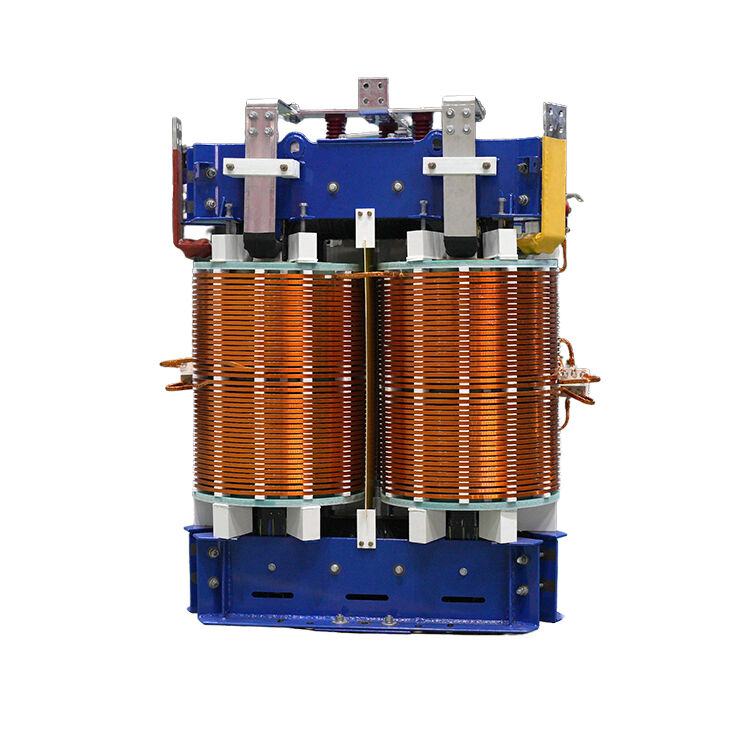
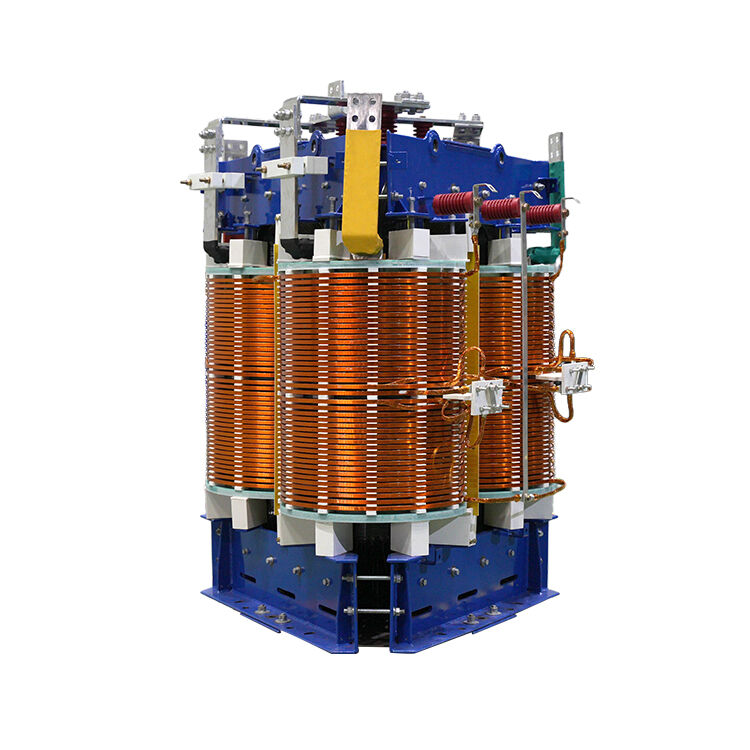
The low voltage distribution transformer serves as a critical component in electrical power systems, designed to step down higher voltage electricity to safer, more manageable levels for residential, commercial, and light industrial applications. These transformers typically operate within voltage ranges from 120V to 35kV on the primary side, reducing power to standard utilization voltages of 120V, 208V, 240V, 277V, 480V, or 600V on the secondary side. The primary function of a low voltage distribution transformer involves voltage conversion through electromagnetic induction, utilizing copper or aluminum windings wrapped around a laminated steel core. This design ensures efficient energy transfer while maintaining electrical isolation between input and output circuits. Modern low voltage distribution transformers incorporate advanced technological features including improved insulation systems, enhanced cooling mechanisms, and superior core materials that maximize efficiency while minimizing losses. These units feature robust construction with weather-resistant enclosures for outdoor installations, while indoor models offer compact designs suitable for vault or pad-mounted applications. The transformer core utilizes high-grade silicon steel laminations that reduce eddy current losses and improve overall performance. Advanced winding techniques ensure optimal load distribution and thermal management, extending operational lifespan significantly. Installation versatility represents another key characteristic, with options for pole-mounted, pad-mounted, vault-type, and network configurations. Safety features include protective devices such as surge arresters, fuses, and lightning protection systems that safeguard both equipment and connected loads. Load tap changers allow for voltage regulation under varying load conditions, ensuring consistent power quality. The low voltage distribution transformer finds extensive applications across diverse sectors including residential neighborhoods, shopping centers, office buildings, manufacturing facilities, hospitals, schools, and municipal installations. These transformers support critical infrastructure by powering lighting systems, HVAC equipment, computer networks, industrial machinery, and countless other electrical devices that modern society depends upon daily.

New Product Recommendations

Low voltage distribution transformers deliver exceptional value through multiple practical benefits that directly impact operational efficiency and cost management. Energy efficiency stands as the most significant advantage, with modern units achieving efficiency ratings exceeding 98 percent, translating to substantial electricity cost savings over the transformer's 25 to 30-year operational lifespan. This high efficiency reduces energy waste, lowering monthly utility bills while supporting environmental sustainability initiatives through reduced carbon footprint. Reliability represents another crucial benefit, as these transformers operate continuously with minimal maintenance requirements, ensuring uninterrupted power supply to critical loads. The robust construction withstands harsh environmental conditions, from extreme temperatures to severe weather events, maintaining consistent performance year-round. Installation flexibility provides significant advantages for diverse applications, allowing engineers to select optimal configurations based on specific site requirements and space constraints. Pad-mounted units offer ground-level accessibility for maintenance while preserving aesthetic appeal in residential areas. Pole-mounted options maximize land utilization in congested urban environments. Vault installations provide underground solutions where surface space is limited or visual impact must be minimized. Safety features built into every low voltage distribution transformer protect both equipment and personnel through multiple protection layers. Automatic protective devices respond instantly to fault conditions, isolating problems before damage occurs. Grounding systems and surge protection prevent electrical hazards while lightning arresters safeguard against weather-related power surges. Load management capabilities enable these transformers to handle varying electrical demands efficiently, automatically adjusting to peak usage periods without compromising performance or reliability. Cost-effectiveness emerges through reduced maintenance requirements, extended operational life, and lower total ownership costs compared to alternative power distribution solutions. The standardized design simplifies replacement procedures and spare parts availability, minimizing downtime during servicing. Voltage regulation features maintain consistent power quality, protecting sensitive electronic equipment from damage caused by voltage fluctuations. This protection extends the lifespan of connected devices while reducing replacement costs and unexpected failures. Scalability allows for system expansion as electrical demands grow, accommodating future load increases without complete infrastructure replacement. Environmental benefits include reduced electromagnetic interference, quiet operation suitable for residential areas, and recyclable materials that support sustainable practices throughout the product lifecycle.

Practical Tips

What Is a Transformer and How Does It Improve Power System Efficiency?

02

Jan

What Is a Transformer and How Does It Improve Power System Efficiency?

A transformer represents one of the most critical components in modern electrical power systems, serving as the backbone for efficient energy transmission and distribution across vast networks. These electromagnetic devices enable the seamless conver...
View More
How Does a Transformer Work in High Voltage Power Transmission?

08

Jan

How Does a Transformer Work in High Voltage Power Transmission?

High voltage power transmission systems form the backbone of modern electrical grids, enabling electricity to travel efficiently across vast distances. At the heart of these complex networks lies the power transformer, a crucial piece of equipment th...
View More
Why Are Transformers Critical for Industrial Power Distribution Systems?

14

Jan

Why Are Transformers Critical for Industrial Power Distribution Systems?

Industrial power distribution systems form the backbone of modern manufacturing, commercial facilities, and critical infrastructure operations. At the heart of these complex networks lies a fundamental component that ensures safe, efficient, and reli...
View More
What Should Utilities Consider When Selecting a Transformer Supplier?

26

Jan

What Should Utilities Consider When Selecting a Transformer Supplier?

Selecting the right supplier for power infrastructure represents one of the most critical decisions utility companies face in today's rapidly evolving energy landscape. The process of choosing a power transformer supplier requires careful evaluation ...
View More

Get a Free Quote

Our representative will contact you soon.
Email
WhatsApp/Mobile
Name
Company Name
Message
0/1000

low voltage distribution transformer

Advanced Efficiency Technology Maximizes Energy Savings

Advanced Efficiency Technology Maximizes Energy Savings

The advanced efficiency technology integrated into modern low voltage distribution transformers represents a breakthrough in electrical engineering that delivers measurable financial benefits to property owners and facility managers. These transformers achieve remarkable efficiency ratings of 98.5 percent or higher through innovative core design and premium materials, significantly outperforming older transformer technologies. The high-efficiency performance translates directly into reduced electricity consumption, generating substantial cost savings that compound over the transformer's multi-decade operational lifespan. For a typical commercial facility, efficiency improvements can reduce annual electricity costs by thousands of dollars while supporting corporate sustainability goals through reduced environmental impact. The advanced core construction utilizes premium-grade silicon steel with optimized grain orientation, minimizing core losses that traditionally waste energy as heat. Precision winding techniques ensure optimal conductor placement, reducing resistance losses and improving overall electrical performance. Advanced insulation systems withstand higher operating temperatures while maintaining superior dielectric strength, enabling more compact designs without sacrificing reliability or safety margins. Temperature management systems incorporate innovative cooling technologies that maintain optimal operating conditions even under full load, preventing efficiency degradation over time. Smart monitoring capabilities integrated into advanced models provide real-time performance data, enabling predictive maintenance strategies that preserve peak efficiency throughout the equipment's operational life. The cumulative impact of these efficiency improvements extends beyond immediate cost savings, contributing to reduced peak demand charges, improved power factor correction, and enhanced electrical system stability. Facility managers report average energy cost reductions of 15 to 25 percent when upgrading to high-efficiency low voltage distribution transformers, with payback periods typically ranging from 3 to 7 years depending on local electricity rates and usage patterns. Environmental benefits include reduced carbon emissions equivalent to removing multiple vehicles from roadways annually, supporting corporate environmental stewardship initiatives while delivering tangible financial returns on investment.
Unmatched Reliability Ensures Continuous Operation

Unmatched Reliability Ensures Continuous Operation

The unmatched reliability engineered into every low voltage distribution transformer provides peace of mind through proven performance under the most demanding operational conditions. These transformers undergo rigorous testing protocols that simulate decades of real-world operation, ensuring dependable service life exceeding 25 years with minimal maintenance intervention required. The robust construction incorporates weather-resistant materials and protective coatings that withstand extreme environmental conditions, from arctic cold to desert heat, maintaining consistent electrical performance regardless of external factors. Sealed tank designs prevent moisture intrusion while advanced breathing systems accommodate thermal expansion without compromising internal integrity. Lightning protection systems and surge arresters provide multiple layers of defense against electrical disturbances, automatically isolating the transformer during fault conditions to prevent damage and ensure rapid service restoration. Redundant safety systems monitor critical parameters continuously, triggering protective responses before minor issues escalate into major failures. The reliability advantage translates into significant operational benefits for facilities that cannot afford electrical interruptions, including hospitals, data centers, manufacturing plants, and critical infrastructure installations. Planned maintenance intervals extend to multiple years between required service visits, reducing operational disruption and maintenance costs compared to alternative electrical equipment. When service is required, standardized designs ensure rapid parts availability and straightforward repair procedures performed by qualified technicians. Quality manufacturing processes incorporate extensive quality control checkpoints, with each transformer tested individually before shipment to verify compliance with performance specifications and safety standards. Field performance data demonstrates reliability rates exceeding 99.5 percent uptime across diverse applications and operating environments. The reliability reputation of these transformers supports extended warranty coverage options, providing additional protection and demonstrating manufacturer confidence in product durability. Facility managers consistently report decades of trouble-free operation with properly maintained units, making low voltage distribution transformers among the most dependable components in electrical distribution systems while supporting business continuity objectives through consistent, uninterrupted power delivery.
Versatile Installation Options Meet Every Application Need

Versatile Installation Options Meet Every Application Need

The versatile installation options available for low voltage distribution transformers accommodate virtually any site requirement, space constraint, or aesthetic consideration, making them suitable for diverse applications across residential, commercial, and industrial sectors. Pad-mounted configurations provide ground-level installation convenience with tamper-resistant enclosures that blend seamlessly into landscaped environments while ensuring easy access for maintenance personnel. These units feature compact footprints that maximize available space utilization while providing robust protection against vandalism and unauthorized access through reinforced steel construction and secure locking mechanisms. Pole-mounted options offer elevated installation that preserves valuable ground space in congested urban areas while providing optimal clearance from potential flood conditions or security concerns. Advanced mounting hardware accommodates various pole types and configurations, with engineered support systems that withstand extreme weather loads including high winds and ice accumulation. Vault-type installations provide underground solutions ideal for dense urban environments where surface space is limited or visual impact must be minimized to preserve architectural aesthetics. These installations offer superior protection from environmental hazards while maintaining accessibility through strategically designed access points that facilitate routine maintenance procedures. Network configurations enable multiple transformer installations that provide redundant power paths, ensuring continuous service even during individual unit maintenance or unexpected failures. The installation versatility extends to electrical connection options, with terminals and bushings designed to accommodate various cable types, sizes, and connection methods preferred by different utilities and electrical contractors. Flexible mounting orientations allow optimal positioning based on site-specific requirements, cable routing paths, and maintenance access needs. Each installation type incorporates comprehensive safety features including proper grounding systems, protective barriers, and warning signage that meets or exceeds applicable electrical codes and safety regulations. Engineering support services assist in selecting optimal installation configurations based on load requirements, environmental conditions, and local utility preferences, ensuring seamless integration with existing electrical infrastructure while meeting all regulatory compliance requirements for safe, reliable operation throughout the transformer's extended service life.

Get a Free Quote

Our representative will contact you soon.
Email
WhatsApp/Mobile
Name
Company Name
Message
0/1000