main power transformer
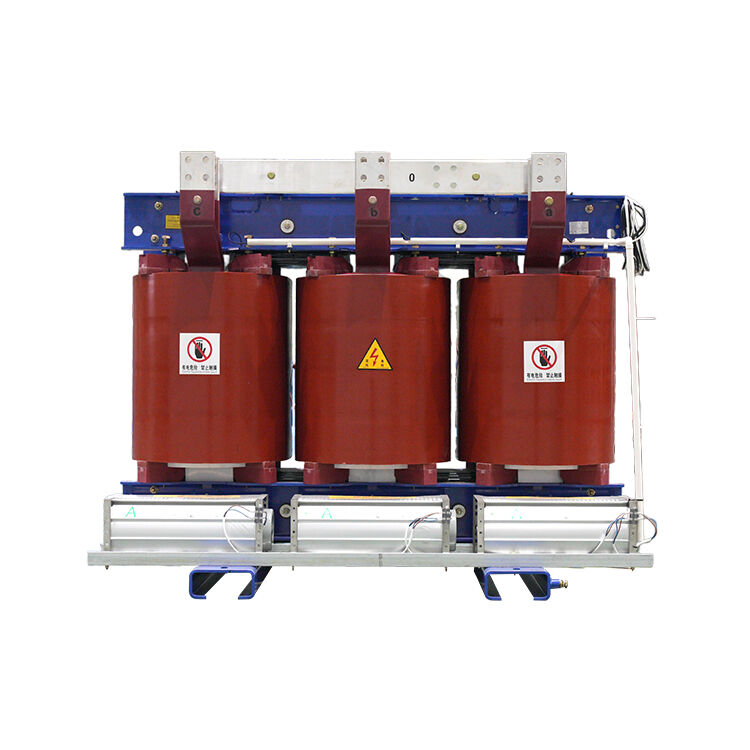
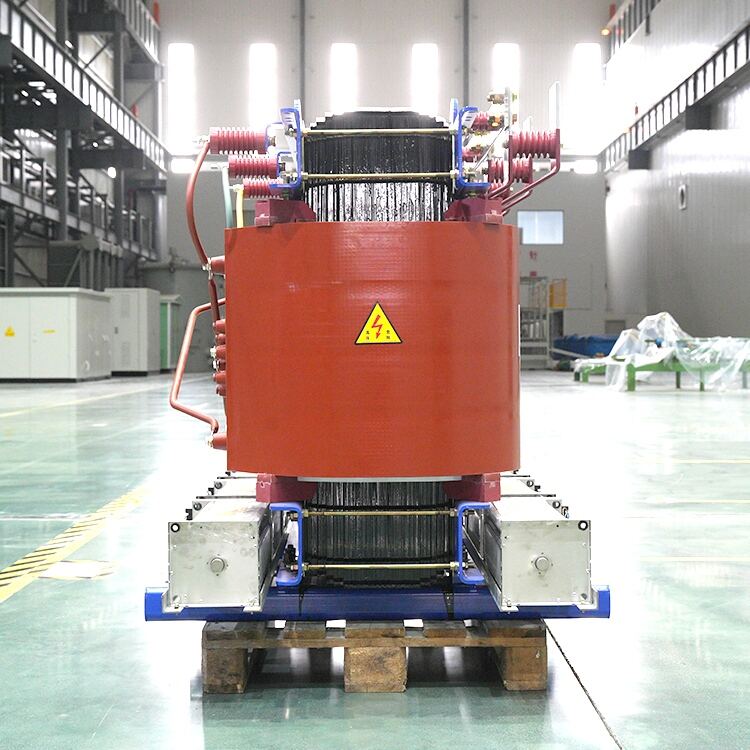
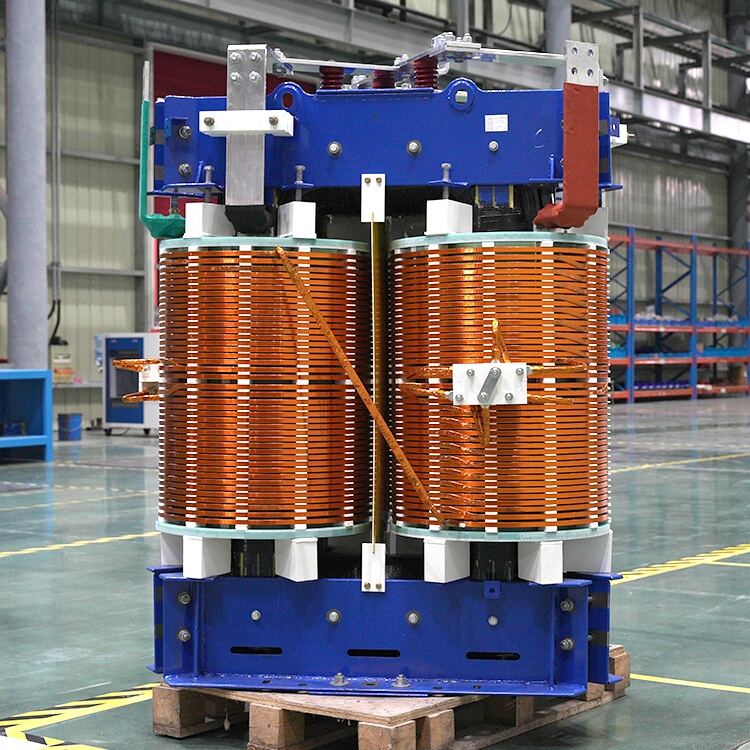
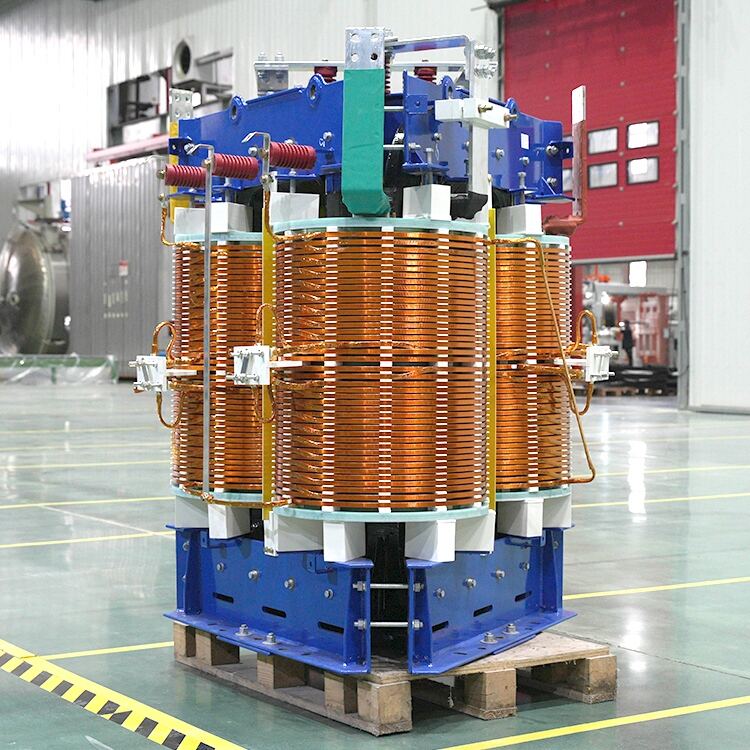
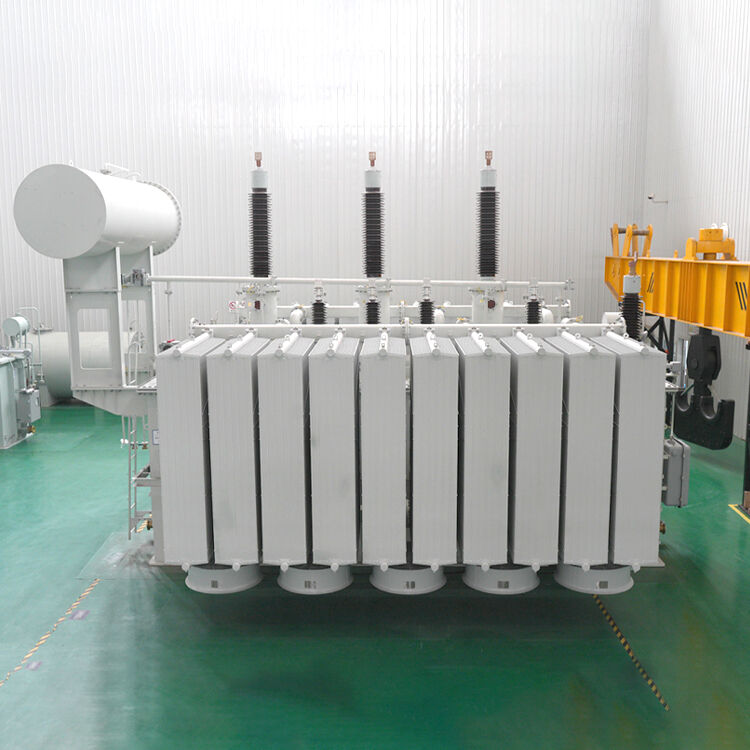
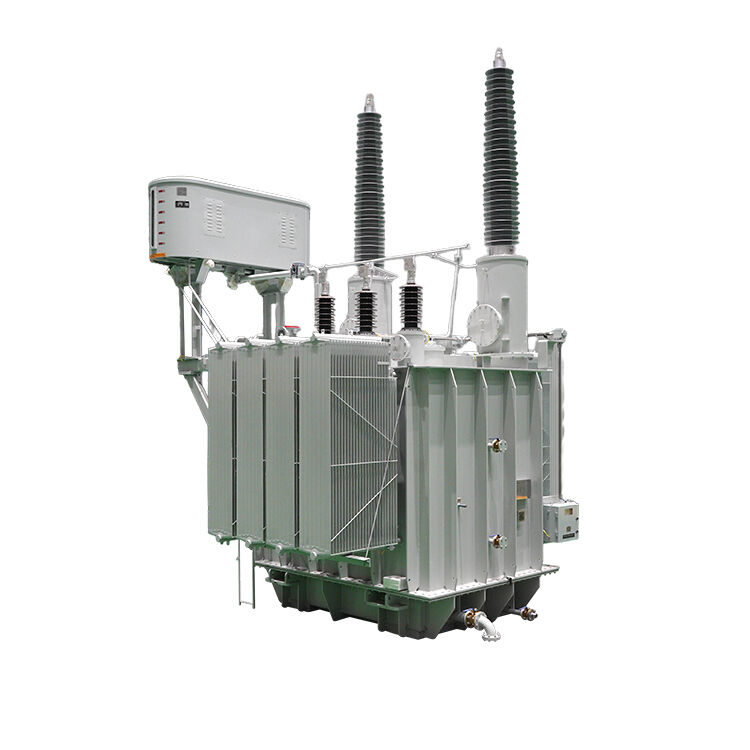
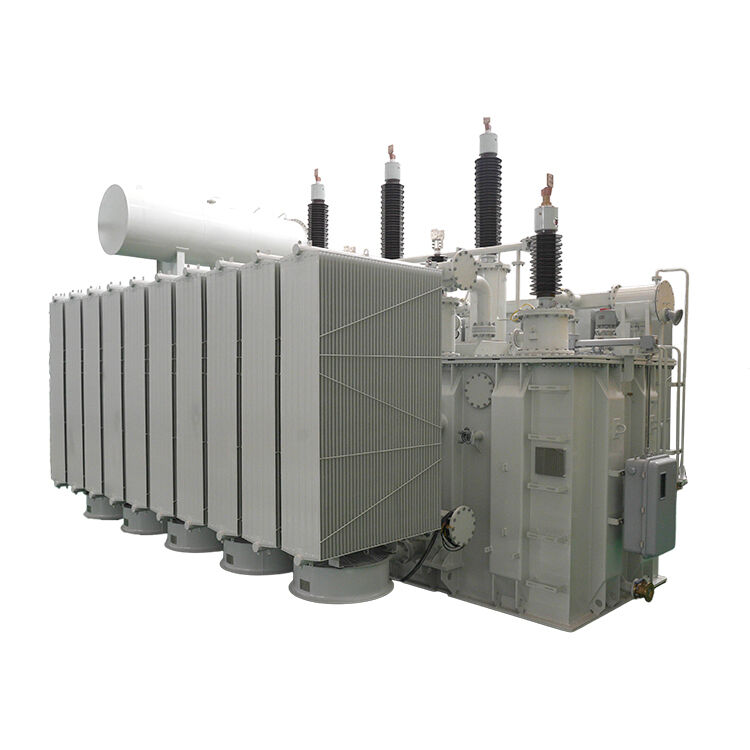
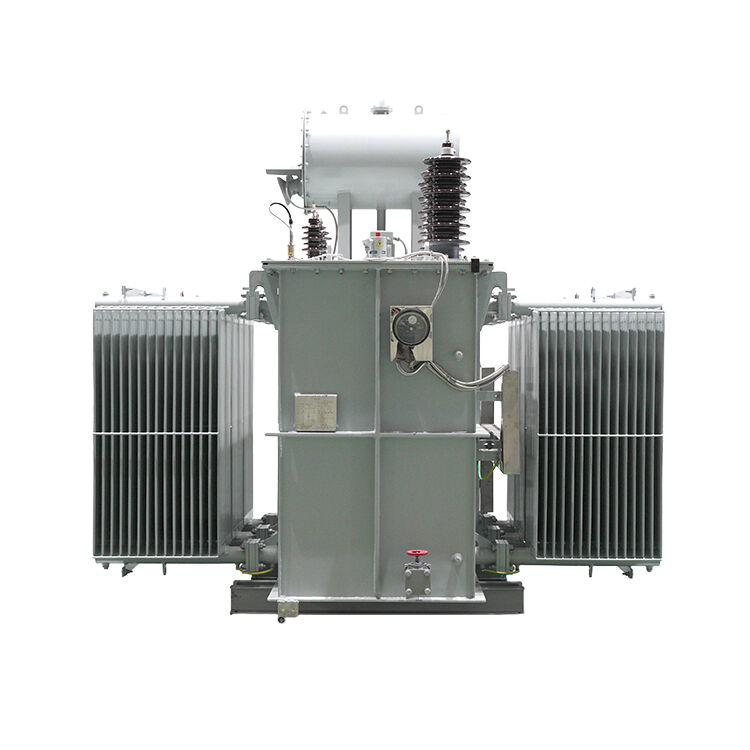
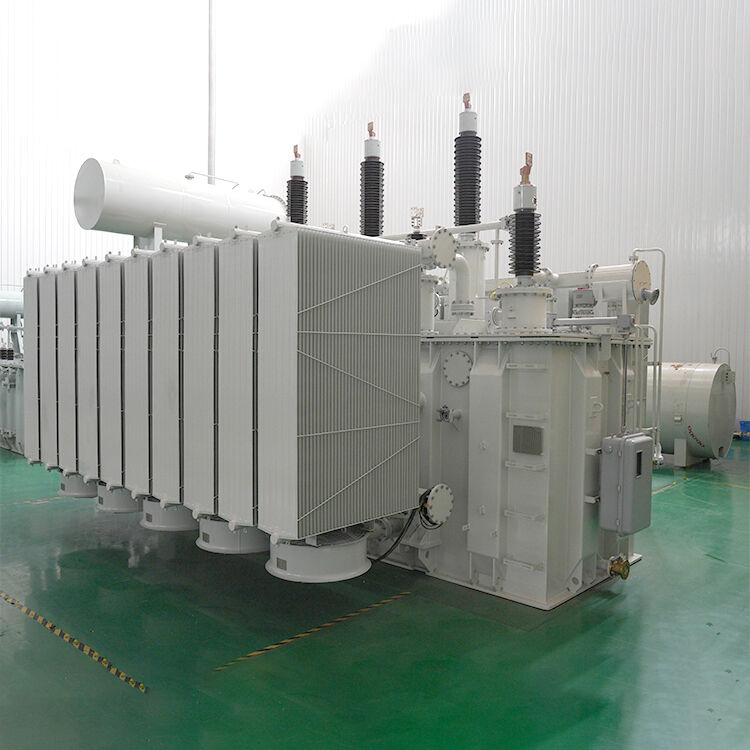
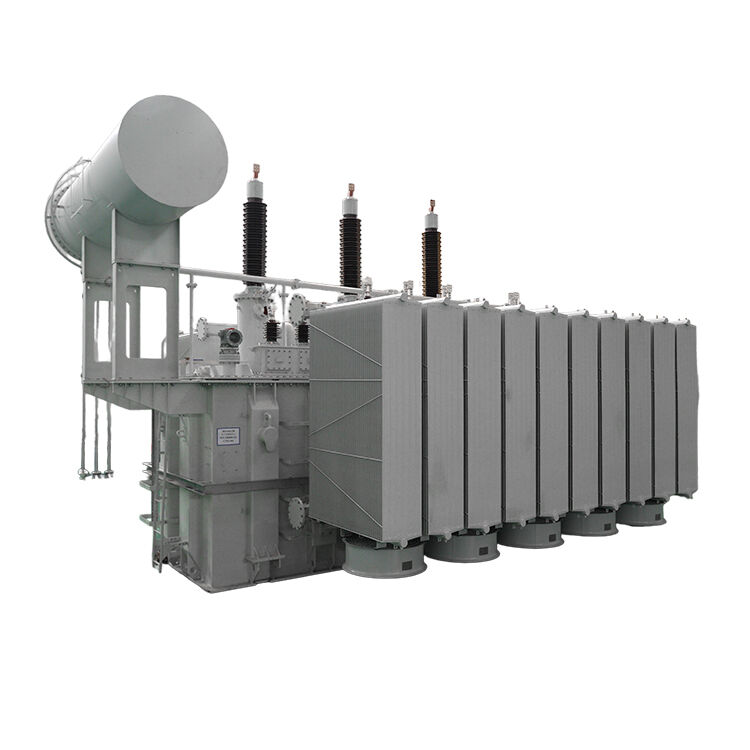
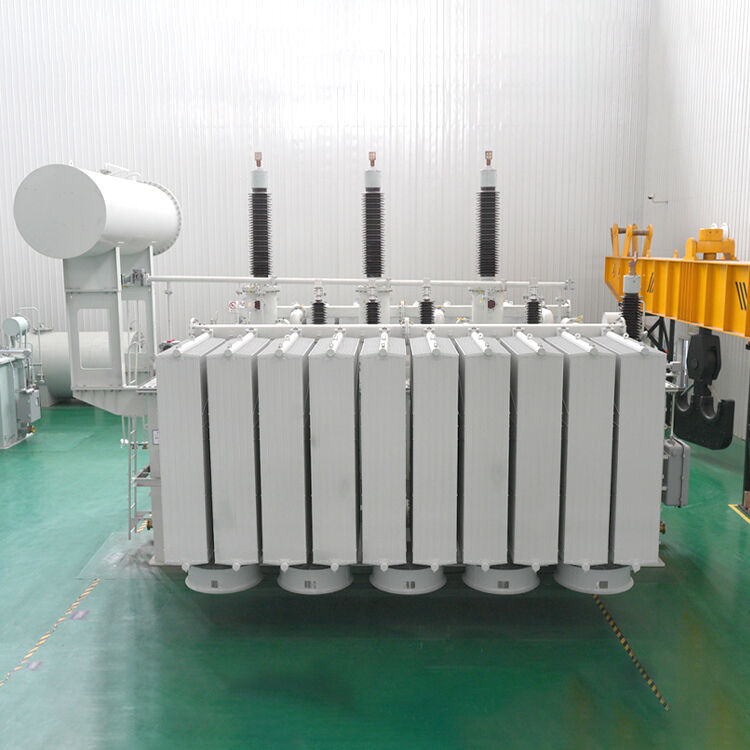
The main power transformer serves as the backbone of electrical power distribution systems, playing a crucial role in efficiently transferring electrical energy between different voltage levels. This essential piece of equipment operates on the fundamental principle of electromagnetic induction, where alternating current flowing through the primary winding creates a magnetic field that induces voltage in the secondary winding. The main power transformer enables utilities and industrial facilities to step voltage up for efficient long-distance transmission or step it down for safe consumer use. These robust units are designed to handle substantial electrical loads, typically ranging from several megavolt-amperes to hundreds of megavolt-amperes, making them indispensable for power generation stations, electrical substations, and large industrial complexes. The technological features of a main power transformer include advanced core materials such as grain-oriented silicon steel, which minimizes energy losses and enhances magnetic permeability. Modern units incorporate sophisticated cooling systems, including oil-filled designs with radiators, forced air circulation, or water cooling mechanisms to maintain optimal operating temperatures. Digital monitoring systems provide real-time data on temperature, oil levels, gas concentrations, and electrical parameters, enabling predictive maintenance and preventing costly failures. The main power transformer applications span across multiple sectors, including power generation facilities where they step up generator output voltage for transmission networks, distribution substations where they reduce transmission voltages for local distribution, and industrial plants requiring specific voltage levels for manufacturing processes. These transformers also support renewable energy integration, facilitating the connection of wind farms and solar installations to the electrical grid by matching their output characteristics to grid requirements.
 EN
EN