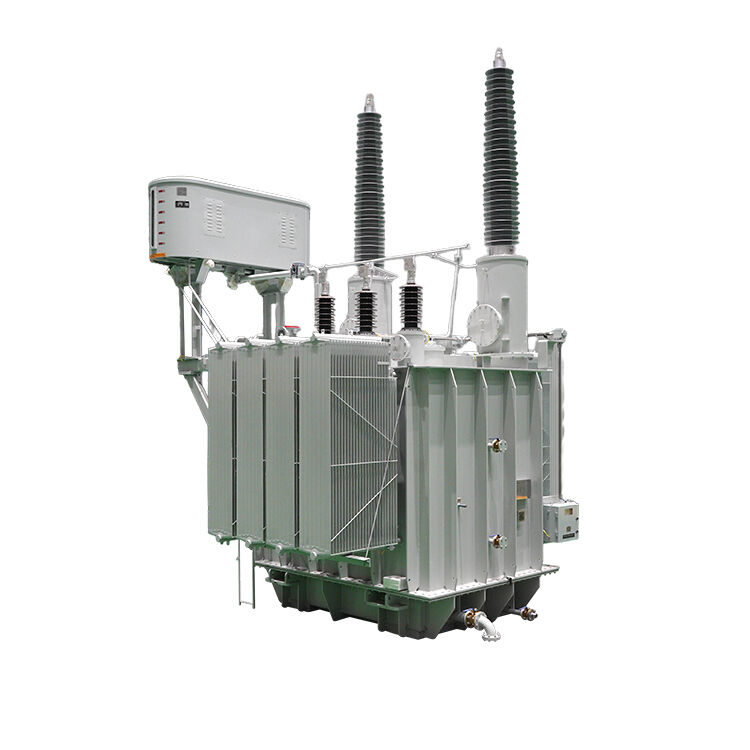
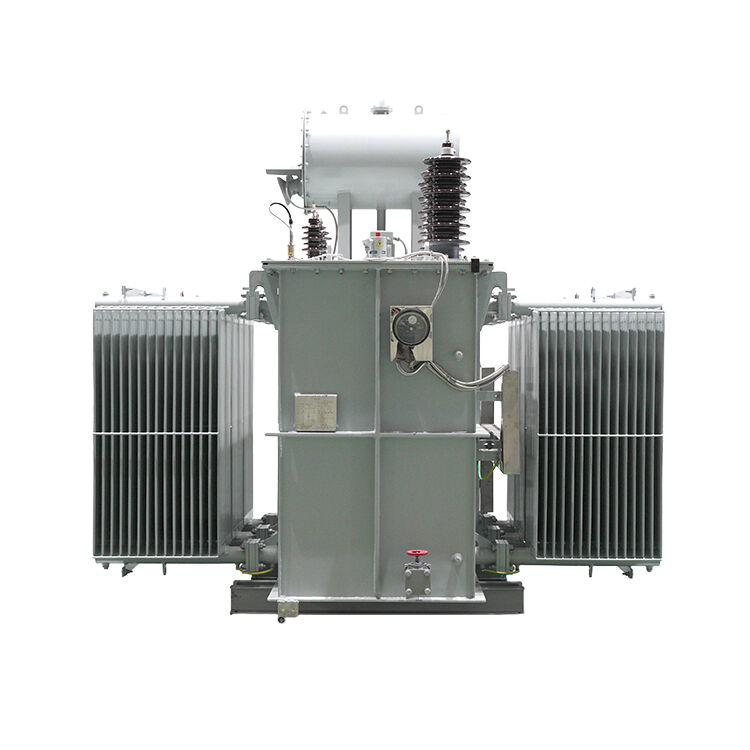
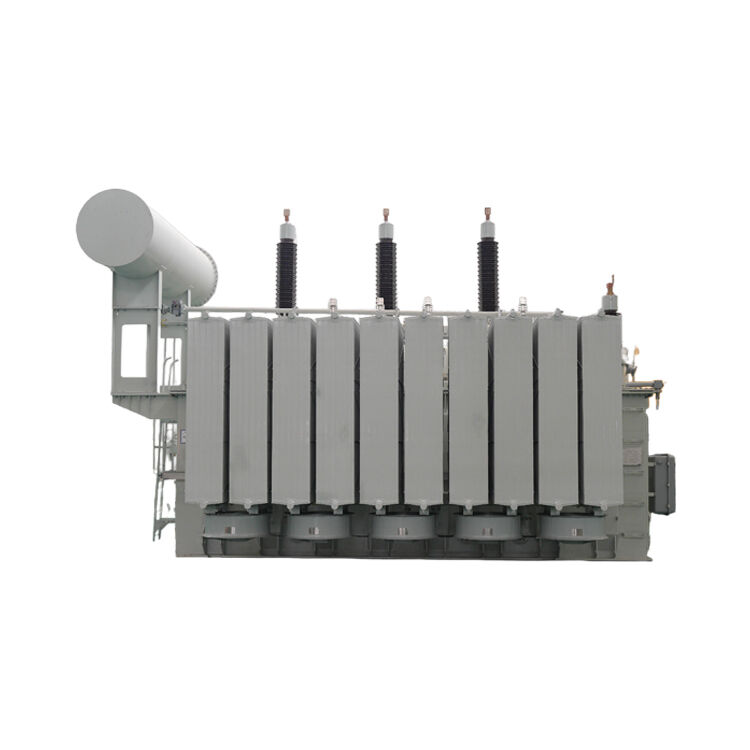
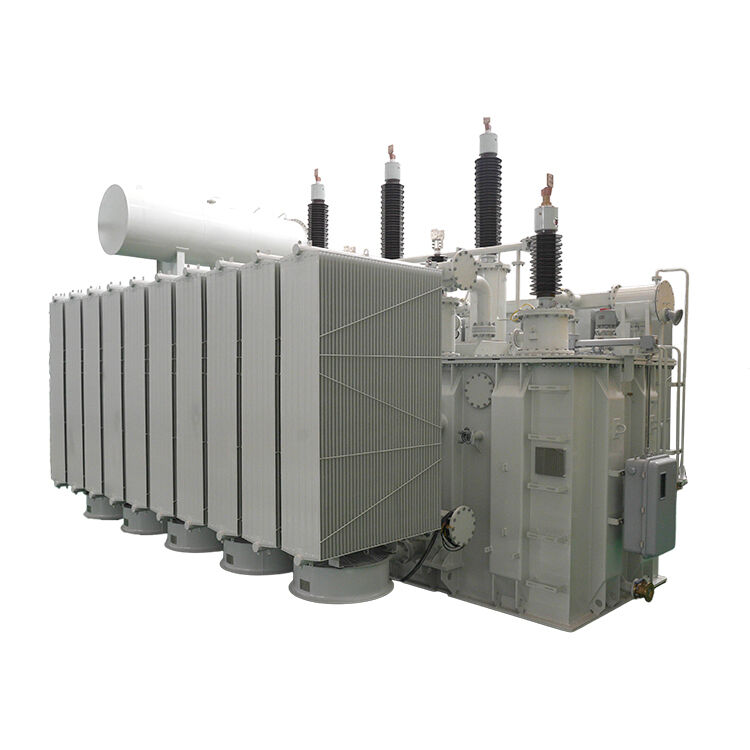
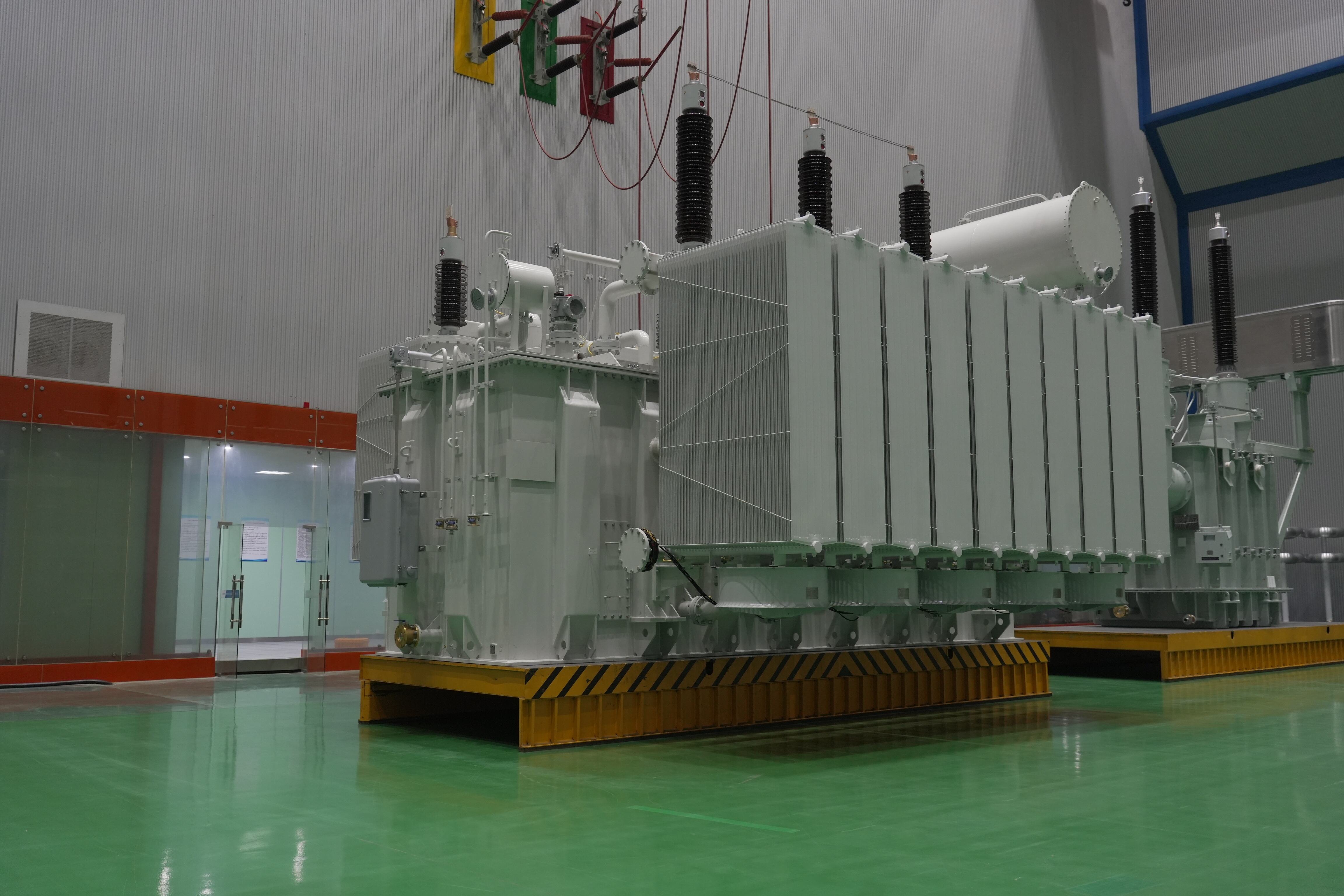
Main Transformer for Railway System: Advanced Power Solutions for Modern Rail Networks

Get a Free Quote

Our representative will contact you soon.
Email
WhatsApp/Mobile
Name
Company Name
Message
0/1000

main transformer for railway system

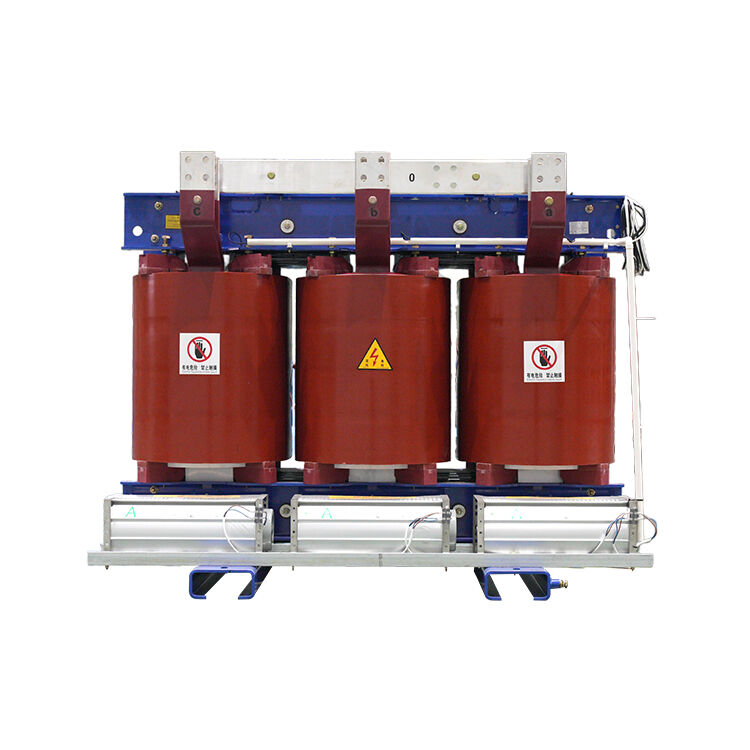
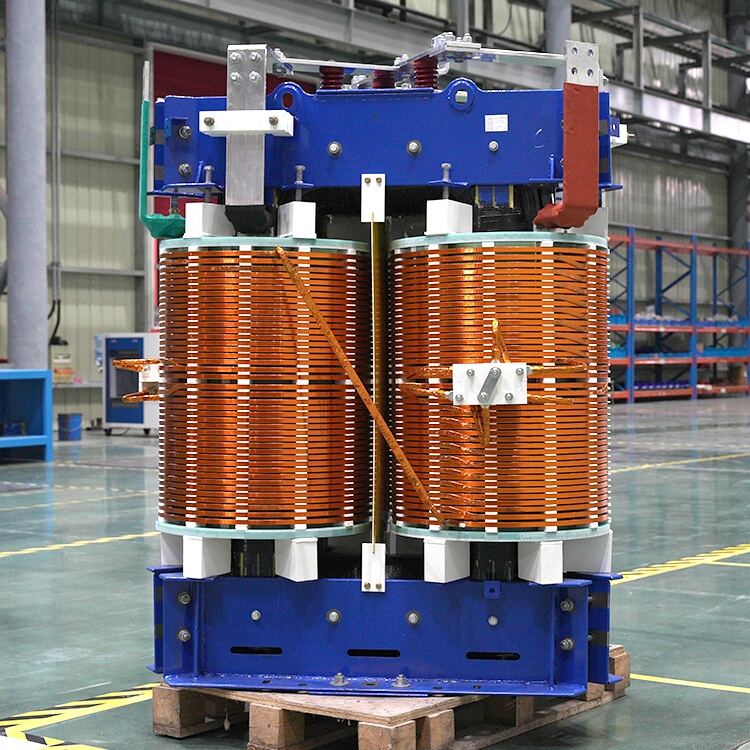
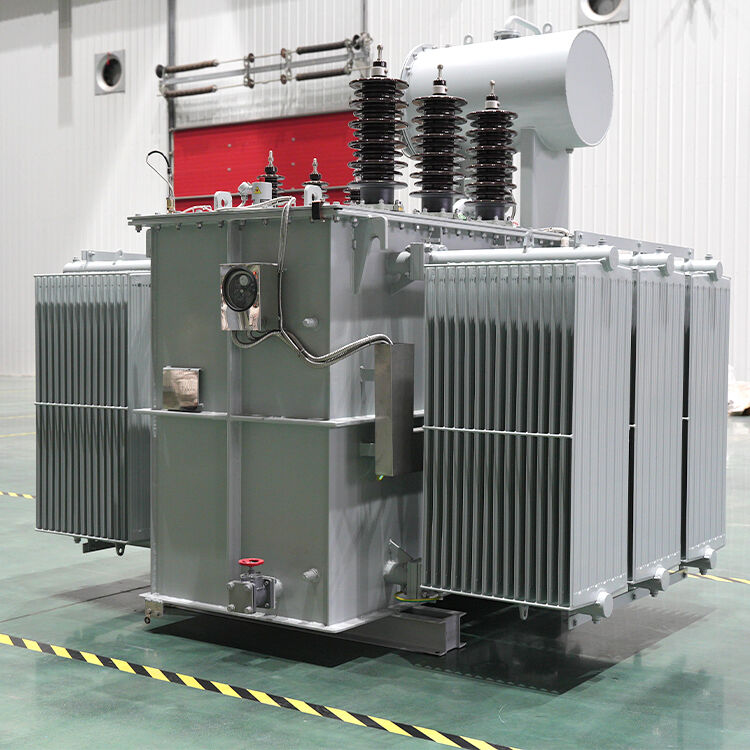
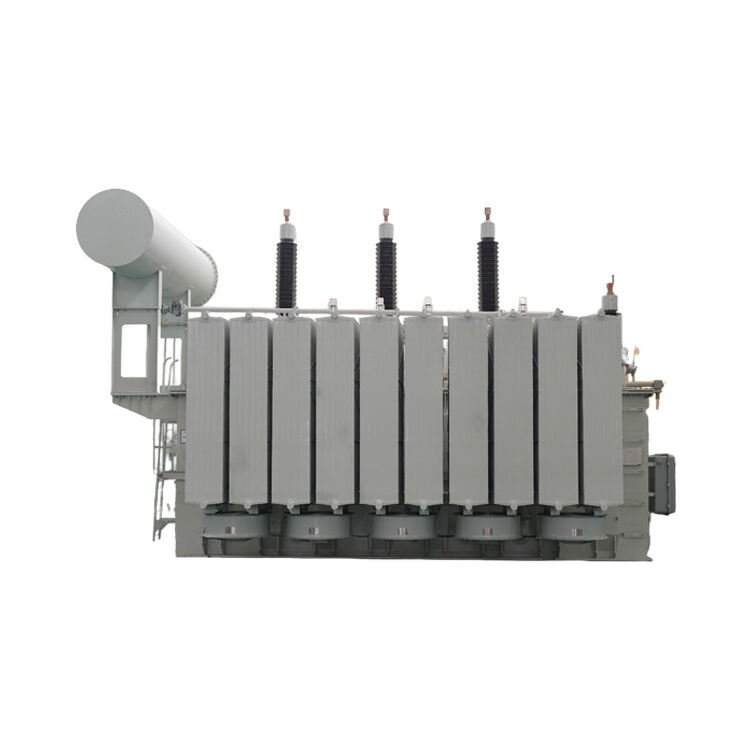
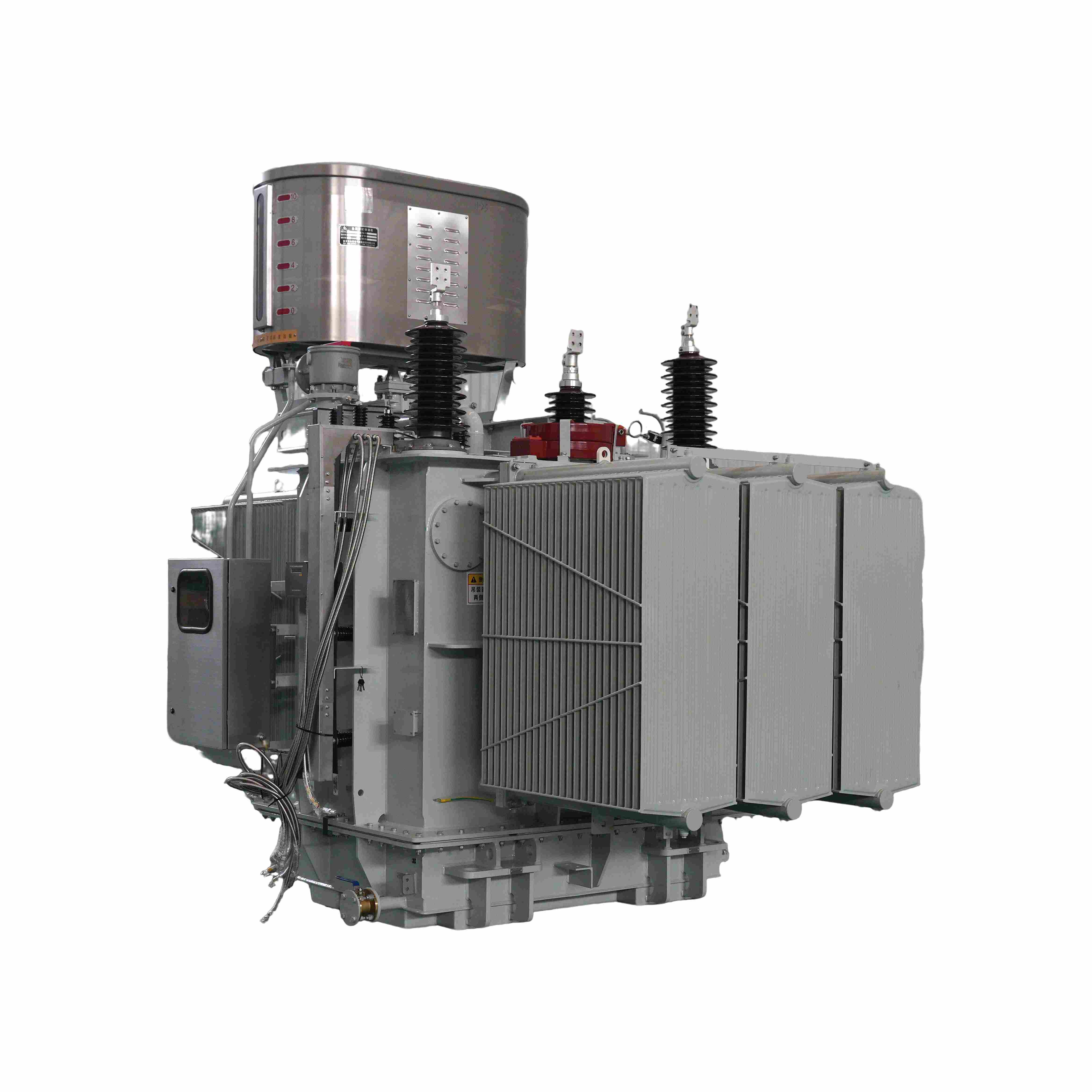
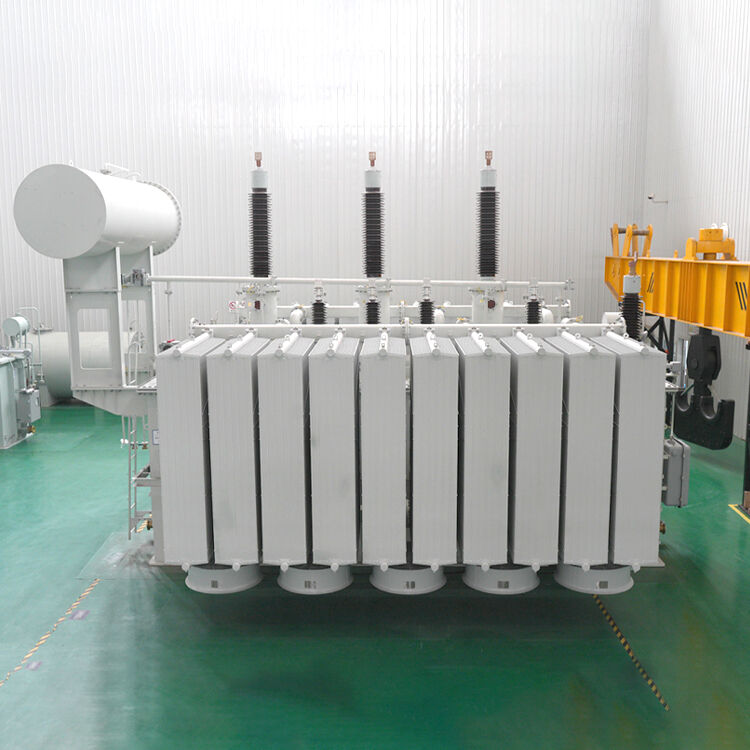
The main transformer for railway system serves as the critical electrical infrastructure component that enables efficient power distribution throughout modern rail networks. This sophisticated piece of equipment converts high-voltage electricity from overhead lines or third rails into appropriate voltage levels required by various train systems and subsystems. The main transformer for railway system operates as the primary power conversion unit, ensuring reliable electrical supply to traction motors, auxiliary systems, lighting, air conditioning, and onboard electronics. Railway operators depend on these transformers to maintain consistent power delivery across diverse operational conditions, from high-speed passenger services to heavy freight transportation. The technological foundation of the main transformer for railway system incorporates advanced electromagnetic design principles, featuring optimized core materials and precision-wound coils that maximize efficiency while minimizing energy losses. These transformers utilize specialized insulation systems capable of withstanding extreme temperature variations, mechanical vibrations, and electromagnetic interference commonly encountered in railway environments. Modern units integrate sophisticated cooling mechanisms, including forced air circulation and liquid cooling systems, to maintain optimal operating temperatures during peak demand periods. The main transformer for railway system employs robust construction methods using high-grade steel cores and copper or aluminum windings, ensuring durability and longevity in demanding operational environments. Advanced protection systems monitor electrical parameters continuously, providing automatic shutdown capabilities when abnormal conditions are detected. Railway applications require transformers that can handle rapid load changes, regenerative braking energy, and varying power demands as trains accelerate, decelerate, and operate auxiliary systems. The main transformer for railway system addresses these challenges through intelligent design features that accommodate dynamic electrical loads while maintaining stable output characteristics essential for safe and efficient rail operations.

Popular Products

Railway operators who invest in quality main transformer for railway system solutions gain significant operational benefits that directly impact their bottom line and service reliability. These transformers deliver exceptional energy efficiency ratings, often exceeding 98 percent efficiency, which translates to substantial cost savings on electricity bills over the equipment's operational lifetime. The superior efficiency of the main transformer for railway system reduces energy waste, lowering operational expenses and supporting environmental sustainability goals that many transit authorities prioritize. Maintenance requirements remain minimal due to robust construction and high-quality components, reducing downtime and associated labor costs. Railway systems equipped with reliable main transformer for railway system units experience fewer service interruptions, leading to improved passenger satisfaction and enhanced reputation for punctuality. The transformers provide consistent power quality, ensuring smooth operation of traction systems and preventing costly equipment damage caused by voltage fluctuations or power surges. Advanced monitoring capabilities built into modern main transformer for railway system units enable predictive maintenance strategies, allowing operators to schedule maintenance during off-peak periods and avoid unexpected failures. This proactive approach extends equipment lifespan and optimizes maintenance budgets. The transformers offer excellent load regulation characteristics, maintaining stable voltage output even during peak demand periods when multiple trains operate simultaneously on the same electrical section. Railway networks benefit from the compact design of modern main transformer for railway system units, which occupy minimal space in substations and onboard installations, allowing for more efficient use of valuable real estate. The transformers demonstrate exceptional reliability in harsh environmental conditions, operating effectively in extreme temperatures, humidity, and vibration conditions typical of railway environments. Quality main transformer for railway system solutions provide excellent return on investment through reduced operational costs, improved service reliability, and extended equipment lifespan. These advantages collectively contribute to enhanced profitability and operational excellence for railway operators seeking to optimize their electrical infrastructure investments while maintaining the highest standards of service delivery to passengers and freight customers.

Latest News

What Is a Transformer and How Does It Improve Power System Efficiency?

02

Jan

What Is a Transformer and How Does It Improve Power System Efficiency?

A transformer represents one of the most critical components in modern electrical power systems, serving as the backbone for efficient energy transmission and distribution across vast networks. These electromagnetic devices enable the seamless conver...
View More
How Does a Transformer Work in High Voltage Power Transmission?

08

Jan

How Does a Transformer Work in High Voltage Power Transmission?

High voltage power transmission systems form the backbone of modern electrical grids, enabling electricity to travel efficiently across vast distances. At the heart of these complex networks lies the power transformer, a crucial piece of equipment th...
View More
Why Are Transformers Critical for Industrial Power Distribution Systems?

14

Jan

Why Are Transformers Critical for Industrial Power Distribution Systems?

Industrial power distribution systems form the backbone of modern manufacturing, commercial facilities, and critical infrastructure operations. At the heart of these complex networks lies a fundamental component that ensures safe, efficient, and reli...
View More
What Should Utilities Consider When Selecting a Transformer Supplier?

26

Jan

What Should Utilities Consider When Selecting a Transformer Supplier?

Selecting the right supplier for power infrastructure represents one of the most critical decisions utility companies face in today's rapidly evolving energy landscape. The process of choosing a power transformer supplier requires careful evaluation ...
View More

Get a Free Quote

Our representative will contact you soon.
Email
WhatsApp/Mobile
Name
Company Name
Message
0/1000

main transformer for railway system

Advanced Power Conversion Technology for Optimal Railway Performance

Advanced Power Conversion Technology for Optimal Railway Performance

The main transformer for railway system incorporates cutting-edge power conversion technology that revolutionizes how electrical energy is managed and distributed throughout modern rail networks. This sophisticated technology utilizes advanced magnetic core materials, including grain-oriented electrical steel and amorphous metal alloys, which significantly reduce core losses and improve overall efficiency compared to conventional transformer designs. The precision engineering behind these transformers ensures optimal magnetic flux distribution, minimizing eddy current losses and hysteresis effects that traditionally compromise performance in railway applications. The main transformer for railway system features innovative winding configurations that enhance voltage regulation and reduce harmonic distortion, critical factors for maintaining stable power supply to sensitive electronic systems onboard trains. These transformers employ advanced insulation systems combining traditional materials with modern synthetic compounds, providing superior dielectric strength and thermal stability essential for reliable operation in demanding railway environments. The technology enables seamless integration with regenerative braking systems, allowing trains to feed energy back into the electrical network during deceleration, improving overall system efficiency and reducing operational costs. Smart monitoring systems embedded within the main transformer for railway system continuously track performance parameters, including temperature, load current, voltage levels, and insulation resistance, providing real-time data for predictive maintenance and operational optimization. This technology ensures consistent power delivery across varying load conditions, from light passenger trains to heavy freight consists, maintaining stable voltage characteristics essential for reliable traction motor operation. The advanced cooling systems integrated into these transformers utilize intelligent thermal management, automatically adjusting cooling capacity based on load conditions and ambient temperature, ensuring optimal performance while minimizing energy consumption. Railway operators benefit from this technology through improved service reliability, reduced maintenance costs, and enhanced operational efficiency that directly translates to better customer service and improved profitability.
Exceptional Durability and Reliability in Harsh Railway Environments

Exceptional Durability and Reliability in Harsh Railway Environments

The main transformer for railway system demonstrates unmatched durability and reliability through specialized construction methods and materials specifically engineered to withstand the demanding conditions inherent in railway operations. These transformers feature reinforced mechanical structures designed to resist continuous vibration, shock loads, and dynamic forces generated by train operations, ensuring stable performance throughout their extended operational lifespan. The robust housing construction utilizes corrosion-resistant materials and protective coatings that maintain structural integrity despite exposure to harsh weather conditions, including extreme temperatures, humidity, salt spray, and atmospheric pollutants commonly encountered in railway environments. Advanced sealing technologies prevent moisture ingress and contamination, critical factors that can compromise transformer performance and longevity in outdoor installations. The main transformer for railway system incorporates redundant protection systems that safeguard against electrical faults, overloads, and short circuits, automatically isolating damaged sections while maintaining power supply to unaffected portions of the railway network. These protection mechanisms include sophisticated relay systems, surge arresters, and fault detection circuits that respond within milliseconds to prevent equipment damage and ensure passenger safety. The transformers utilize high-temperature insulation materials capable of operating reliably in extreme thermal conditions, from arctic cold to desert heat, maintaining consistent electrical characteristics across the entire operating temperature range. Quality control processes during manufacturing ensure every main transformer for railway system meets stringent reliability standards through comprehensive testing including impulse voltage tests, partial discharge measurements, and thermal cycling evaluations. The proven track record of these transformers in global railway applications demonstrates their exceptional reliability, with many units operating continuously for decades with minimal maintenance requirements. Railway operators appreciate this reliability because it translates to reduced operational risks, lower maintenance costs, and improved service availability that enhances customer satisfaction and operational profitability.

Intelligent Monitoring and Predictive Maintenance Capabilities

Intelligent Monitoring and Predictive Maintenance Capabilities

Modern main transformer for railway system units incorporate sophisticated intelligent monitoring and predictive maintenance capabilities that revolutionize how railway operators manage their electrical infrastructure assets. These advanced systems utilize multiple sensor technologies including temperature monitoring, partial discharge detection, dissolved gas analysis, and vibration monitoring to provide comprehensive real-time assessment of transformer health and performance characteristics. The intelligent monitoring capabilities enable continuous tracking of critical parameters such as winding temperatures, oil condition, insulation resistance, and load distribution patterns, creating detailed operational profiles that facilitate optimized maintenance scheduling and performance optimization. Railway operators benefit from early warning systems built into the main transformer for railway system that detect potential issues before they develop into costly failures, allowing for proactive maintenance interventions during scheduled downtime periods. The predictive analytics capabilities utilize machine learning algorithms that analyze historical performance data to identify patterns and trends indicative of developing problems, providing maintenance teams with actionable insights for optimal resource allocation. Remote monitoring capabilities allow centralized oversight of multiple main transformer for railway system installations across extensive rail networks, enabling efficient coordination of maintenance activities and rapid response to emerging issues. The diagnostic systems provide detailed fault analysis and troubleshooting guidance, reducing the time required for problem resolution and minimizing service disruptions. Data logging capabilities maintain comprehensive records of operational parameters, facilitating compliance with regulatory requirements and supporting warranty claims when necessary. The intelligent systems optimize transformer loading and cooling operations automatically, extending equipment lifespan while maintaining peak performance characteristics essential for reliable railway operations. Integration with existing railway management systems enables seamless coordination between transformer monitoring and overall network operations, providing operators with unified visibility across their entire electrical infrastructure. These capabilities significantly reduce total cost of ownership for main transformer for railway system installations through optimized maintenance scheduling, extended equipment lifespan, and improved operational efficiency that enhances overall railway system performance and profitability.

Get a Free Quote

Our representative will contact you soon.
Email
WhatsApp/Mobile
Name
Company Name
Message
0/1000