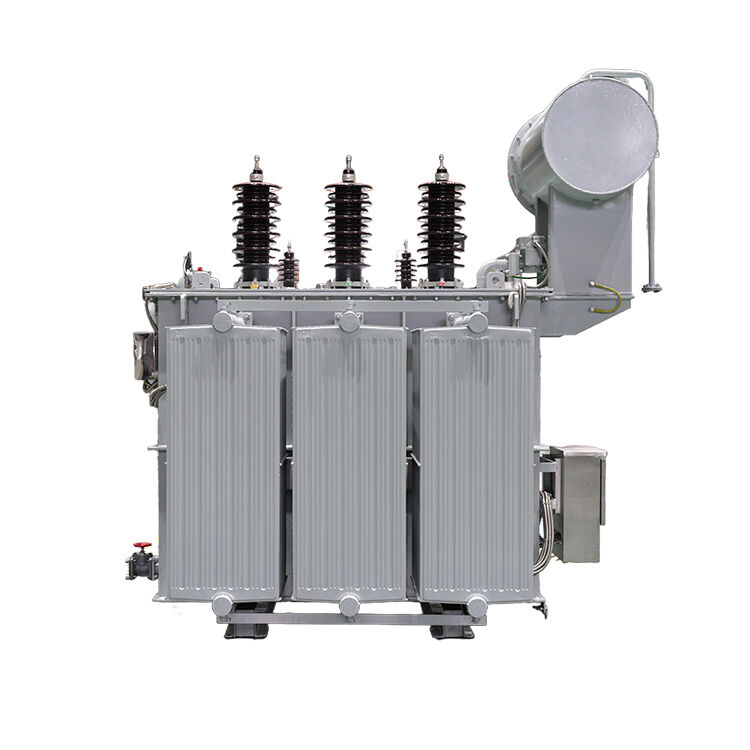
Professional Oil Top Up in Transformer Services - Expert Maintenance Solutions

Get a Free Quote

Our representative will contact you soon.
Email
WhatsApp/Mobile
Name
Company Name
Message
0/1000

oil top up in transformer

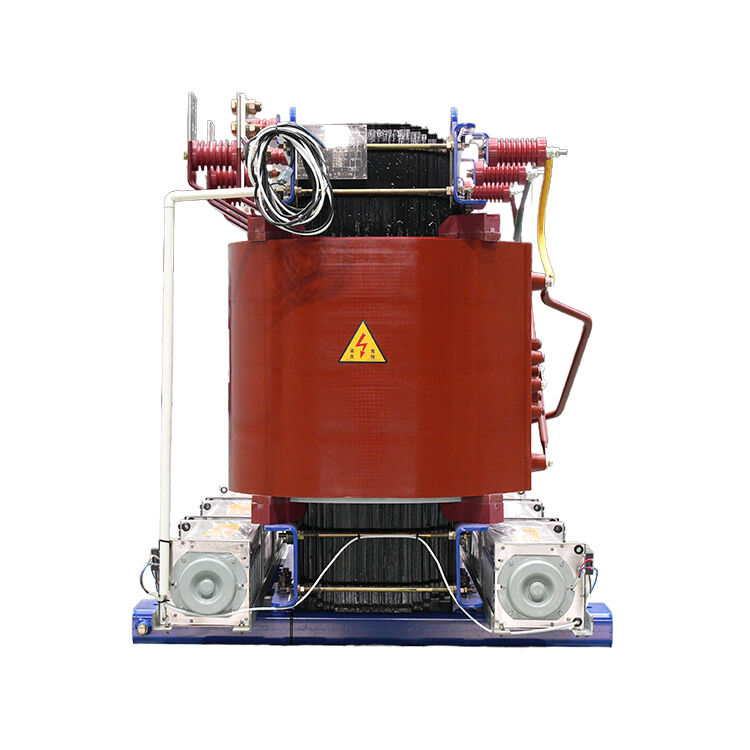
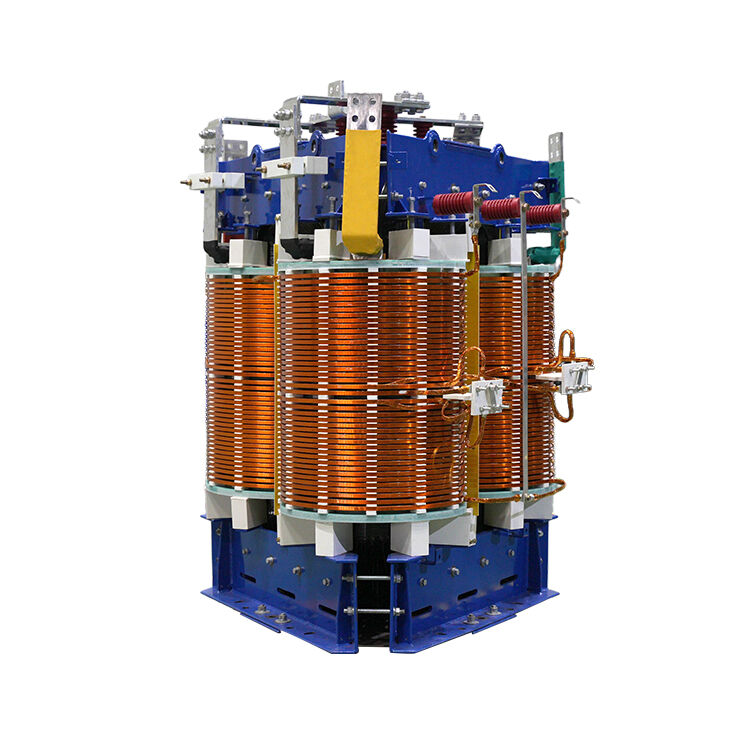
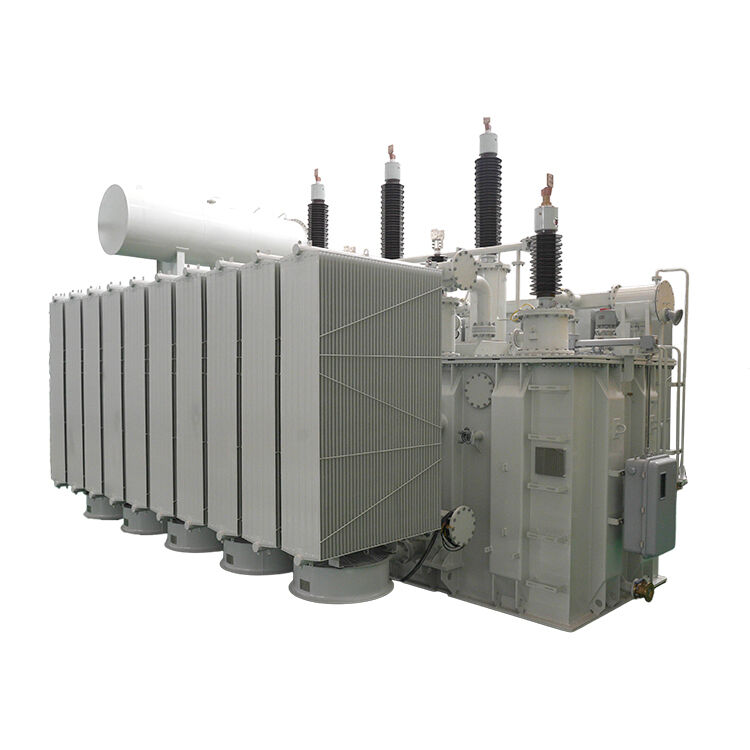
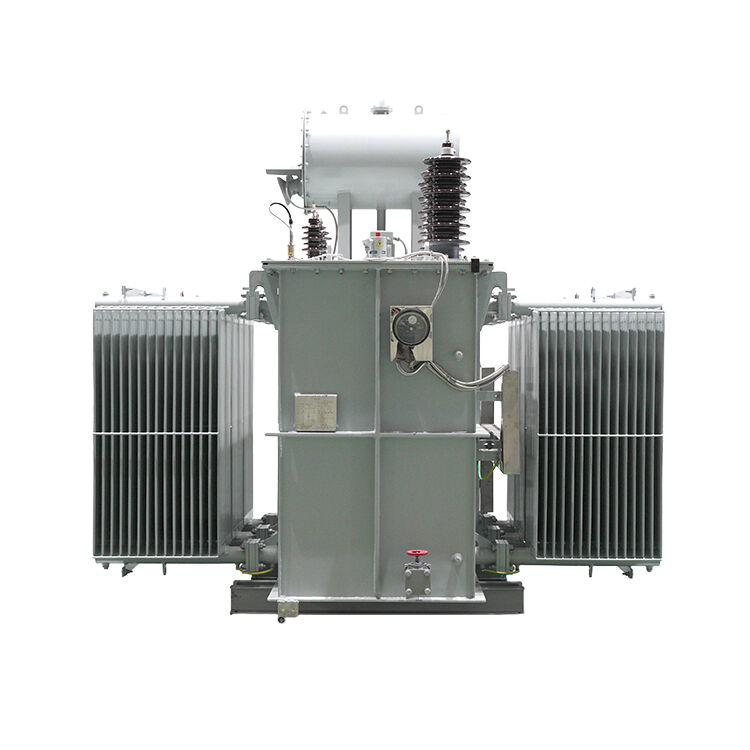
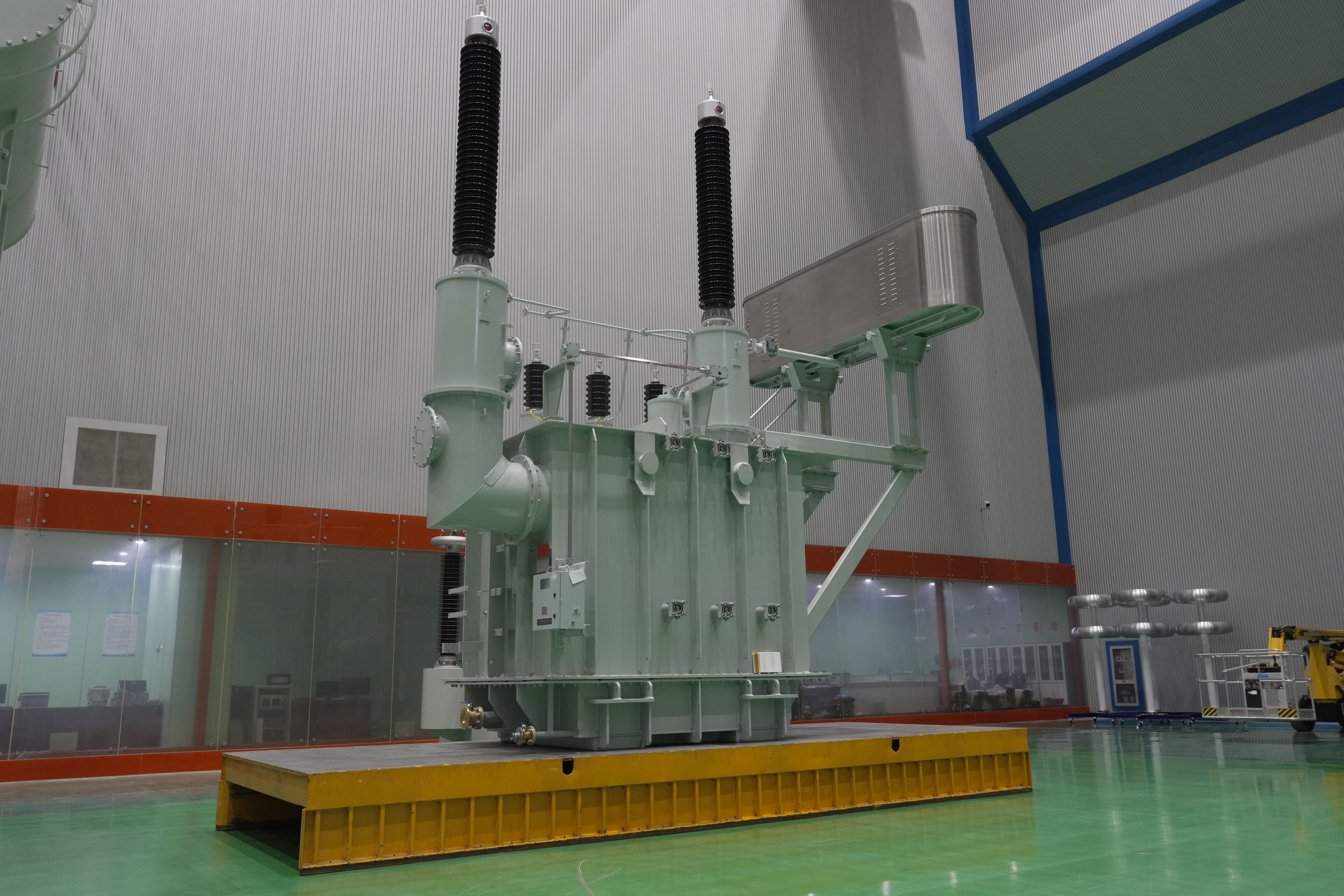
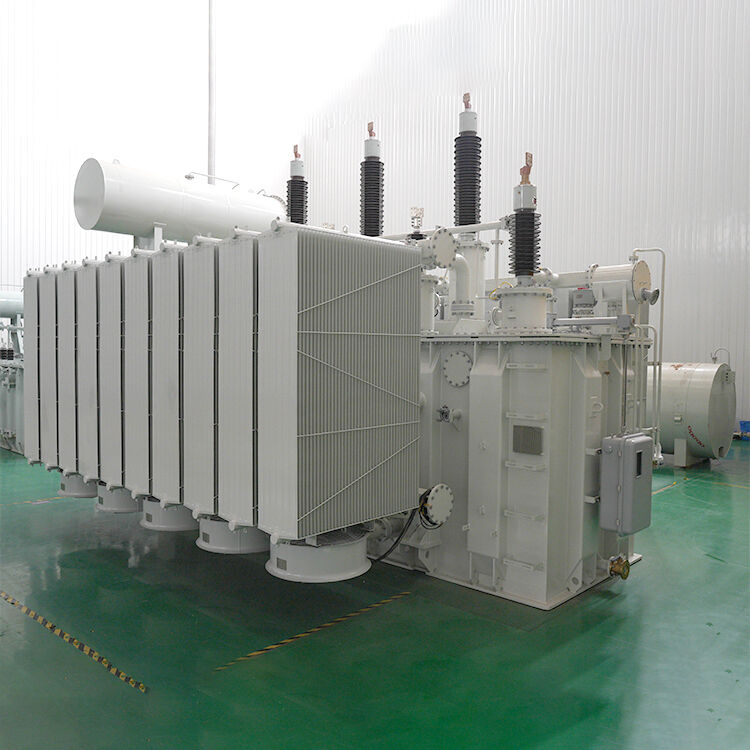
Oil top up in transformer represents a critical maintenance procedure that ensures optimal electrical equipment performance and longevity. This essential process involves adding insulating oil to transformers when levels drop below recommended thresholds, maintaining the proper oil volume necessary for effective cooling and insulation. The oil top up in transformer procedure serves multiple vital functions within electrical systems, primarily focusing on heat dissipation, electrical insulation, and moisture protection. Transformer oil acts as both a coolant and dielectric medium, absorbing heat generated during electrical operations and preventing overheating that could damage critical components. The oil top up in transformer maintenance also provides superior electrical insulation properties, preventing short circuits and ensuring safe power distribution. Modern transformer systems rely heavily on maintaining proper oil levels through regular monitoring and timely refilling procedures. The technological features of oil top up in transformer systems include advanced filtration mechanisms, temperature monitoring capabilities, and automated level detection systems. These sophisticated components work together to maintain optimal oil quality and quantity throughout the transformer's operational lifecycle. Applications for oil top up in transformer procedures span across various industries, including power generation facilities, electrical substations, industrial manufacturing plants, and commercial buildings. The process requires specialized equipment and trained technicians who understand proper handling procedures for transformer oil. Safety protocols during oil top up in transformer operations include proper grounding procedures, environmental protection measures, and adherence to electrical safety standards. Regular oil analysis testing accompanies the top-up process, ensuring oil quality meets industry specifications for dielectric strength, moisture content, and chemical composition. The oil top up in transformer procedure typically involves draining small quantities of existing oil for testing, followed by careful addition of fresh oil through designated filling ports. This systematic approach maintains transformer reliability while extending equipment lifespan and preventing costly failures.

New Products

The oil top up in transformer procedure delivers numerous practical benefits that directly impact operational efficiency and cost management for businesses across various sectors. First and foremost, regular oil maintenance through proper top-up procedures significantly extends transformer lifespan, often doubling or tripling equipment service life compared to neglected units. This extension translates into substantial cost savings by delaying expensive transformer replacement projects and reducing capital expenditure requirements. The oil top up in transformer process also enhances electrical safety by maintaining proper insulation levels, reducing the risk of electrical faults, fires, and personnel injuries. Improved safety records contribute to lower insurance premiums and reduced liability exposure for facility operators. Energy efficiency represents another major advantage of consistent oil top up in transformer maintenance, as properly maintained oil levels ensure optimal heat dissipation and reduced energy losses during power transmission. This efficiency improvement typically results in measurable reductions in electricity costs and improved overall system performance. The preventive nature of oil top up in transformer procedures helps identify potential problems before they escalate into major failures, enabling proactive maintenance scheduling and minimizing unexpected downtime. Reduced downtime translates directly into increased productivity and revenue protection for manufacturing facilities and commercial operations. Environmental benefits also accompany proper oil top up in transformer maintenance, as well-maintained transformers operate more efficiently and produce fewer emissions while reducing the need for premature equipment disposal. The process supports sustainability initiatives and environmental compliance requirements increasingly important to modern businesses. Quality oil maintenance through regular top-up procedures also improves power quality delivered to end users, reducing voltage fluctuations and harmonics that can damage sensitive electronic equipment. Additionally, the oil top up in transformer process provides opportunities for comprehensive system inspection and condition assessment, enabling data-driven decision making regarding equipment upgrades and replacement timing. Cost predictability improves through scheduled maintenance programs that include regular oil top-up procedures, allowing better budget planning and resource allocation. The procedure also maintains warranty compliance for transformer equipment, protecting investment value and ensuring manufacturer support availability.

Latest News

What Is a Transformer and How Does It Improve Power System Efficiency?

02

Jan

What Is a Transformer and How Does It Improve Power System Efficiency?

A transformer represents one of the most critical components in modern electrical power systems, serving as the backbone for efficient energy transmission and distribution across vast networks. These electromagnetic devices enable the seamless conver...
View More
Why Are Transformers Critical for Industrial Power Distribution Systems?

14

Jan

Why Are Transformers Critical for Industrial Power Distribution Systems?

Industrial power distribution systems form the backbone of modern manufacturing, commercial facilities, and critical infrastructure operations. At the heart of these complex networks lies a fundamental component that ensures safe, efficient, and reli...
View More
How Do Transformers Support Grid Stability in Large-Scale Power Networks?

20

Jan

How Do Transformers Support Grid Stability in Large-Scale Power Networks?

Large-scale power networks form the backbone of modern electrical infrastructure, requiring sophisticated equipment to maintain stability and reliability across vast geographical areas. Power transformers play a crucial role in these complex systems ...
View More
What Should Utilities Consider When Selecting a Transformer Supplier?

26

Jan

What Should Utilities Consider When Selecting a Transformer Supplier?

Selecting the right supplier for power infrastructure represents one of the most critical decisions utility companies face in today's rapidly evolving energy landscape. The process of choosing a power transformer supplier requires careful evaluation ...
View More

Get a Free Quote

Our representative will contact you soon.
Email
WhatsApp/Mobile
Name
Company Name
Message
0/1000

oil top up in transformer

Enhanced System Reliability and Uptime Protection

Enhanced System Reliability and Uptime Protection

The oil top up in transformer procedure serves as a cornerstone of preventive maintenance strategies that dramatically improve system reliability and protect against costly unplanned outages. When transformers operate with insufficient oil levels, internal components face increased thermal stress and accelerated degradation that can lead to catastrophic failures requiring emergency repairs or complete equipment replacement. Regular oil top up in transformer maintenance creates a protective barrier against these risks by ensuring consistent cooling performance and electrical insulation integrity throughout all operating conditions. The reliability enhancement begins with thermal management improvements, as proper oil levels facilitate efficient heat transfer from transformer windings and core components to external cooling systems. This thermal regulation prevents hot spot formation that typically occurs when oil levels drop below optimal thresholds, creating localized overheating that damages insulation materials and reduces transformer lifespan. The oil top up in transformer process also maintains consistent dielectric strength, preventing partial discharge phenomena that can escalate into major electrical faults. Advanced monitoring systems integrated with modern transformers provide real-time oil level data, enabling precise timing for top-up procedures that maximize reliability benefits. The procedure includes comprehensive oil quality testing that identifies contamination, moisture ingress, or chemical degradation before these issues compromise transformer performance. This proactive approach allows maintenance teams to address potential problems during scheduled maintenance windows rather than responding to emergency situations that disrupt operations and increase repair costs. Furthermore, the oil top up in transformer maintenance protocol establishes baseline performance metrics that enable trend analysis and predictive maintenance scheduling. Maintenance teams can identify gradual changes in oil consumption patterns that may indicate developing mechanical issues or seal deterioration requiring attention. The reliability benefits extend beyond individual transformers to entire electrical distribution systems, as properly maintained units provide stable voltage regulation and power factor correction that enhances overall grid performance and reduces stress on interconnected equipment.
Cost-Effective Lifecycle Management and Investment Protection

Cost-Effective Lifecycle Management and Investment Protection

Implementing systematic oil top up in transformer procedures represents one of the most cost-effective strategies for protecting substantial electrical infrastructure investments while optimizing long-term operational expenses. Modern power transformers represent significant capital investments, often ranging from tens of thousands to millions of dollars depending on capacity and voltage ratings, making lifecycle optimization essential for financial performance. The oil top up in transformer maintenance approach delivers exceptional return on investment by extending equipment service life well beyond minimum design specifications while maintaining peak performance characteristics throughout extended operational periods. Financial benefits begin with direct cost avoidance through prevention of premature transformer failures that typically require emergency procurement, expedited shipping, and overtime installation costs that can exceed planned replacement expenses by three to five times. The oil top up in transformer procedure also eliminates costly power quality issues that result from deteriorating transformer performance, protecting sensitive industrial processes and electronic equipment from damage caused by voltage fluctuations or harmonic distortion. Energy efficiency improvements achieved through proper oil maintenance translate into measurable utility cost reductions, particularly significant for large industrial facilities where transformer losses represent substantial operational expenses. The systematic approach enables better capital planning through predictable maintenance schedules and extended equipment lifecycles that allow depreciation optimization and budget forecasting accuracy. Insurance benefits often accompany comprehensive oil top up in transformer programs, as insurers recognize reduced risk profiles associated with proactive maintenance practices and may offer premium discounts for facilities demonstrating consistent preventive maintenance protocols. The procedure also supports regulatory compliance requirements for electrical safety and environmental protection, avoiding potential fines and legal liabilities associated with equipment failures or environmental incidents. Additionally, the oil top up in transformer maintenance creates detailed service records that enhance equipment resale value and support warranty claims when necessary. The cost-effectiveness extends to human resources optimization, as scheduled maintenance activities require fewer personnel hours compared to emergency response situations and allow better workforce planning and training program development.
Environmental Sustainability and Regulatory Compliance Assurance

Environmental Sustainability and Regulatory Compliance Assurance

The oil top up in transformer maintenance program significantly contributes to environmental sustainability initiatives while ensuring compliance with increasingly stringent regulatory requirements governing electrical equipment operation and disposal. Modern environmental stewardship demands proactive approaches to resource conservation and waste minimization, making the oil top up in transformer procedure an essential component of corporate sustainability strategies. Environmental benefits begin with extended equipment lifecycles that reduce manufacturing demand for new transformers, decreasing associated carbon footprints from steel production, copper mining, and transportation activities required for new equipment manufacturing. The oil top up in transformer process also minimizes oil waste through careful monitoring and targeted replenishment rather than complete oil changes that generate larger volumes of used oil requiring specialized disposal procedures. Advanced filtration systems integrated with modern top-up procedures can restore contaminated oil to acceptable quality standards, further reducing waste generation and disposal costs while conserving natural resources used in oil production. Regulatory compliance benefits encompass multiple areas including spill prevention, air quality protection, and hazardous waste management requirements that vary by jurisdiction but consistently emphasize proactive maintenance and environmental protection. The oil top up in transformer procedure supports compliance with EPA regulations, state environmental requirements, and local ordinances governing electrical equipment operation and maintenance activities. Documentation requirements associated with environmental compliance benefit from systematic maintenance records generated through regular oil top-up procedures, providing regulatory agencies with evidence of responsible equipment stewardship and environmental protection efforts. The procedure also reduces the likelihood of environmental incidents such as oil leaks or transformer failures that could result in soil contamination or groundwater pollution requiring expensive remediation efforts and potential legal consequences. Furthermore, the oil top up in transformer maintenance supports LEED certification requirements and other green building standards that increasingly influence facility design and operation decisions. Carbon footprint reduction through improved transformer efficiency and extended equipment lifecycles contributes to corporate sustainability reporting requirements and stakeholder expectations regarding environmental responsibility. The systematic approach enables accurate tracking of environmental performance metrics including energy consumption, waste generation, and resource utilization that support sustainability certification programs and regulatory reporting obligations.

Get a Free Quote

Our representative will contact you soon.
Email
WhatsApp/Mobile
Name
Company Name
Message
0/1000