Oil Type Power Transformer: Advanced Electrical Solutions for Reliable Power Distribution

Get a Free Quote

Our representative will contact you soon.
Email
WhatsApp/Mobile
Name
Company Name
Message
0/1000

oil type power transformer

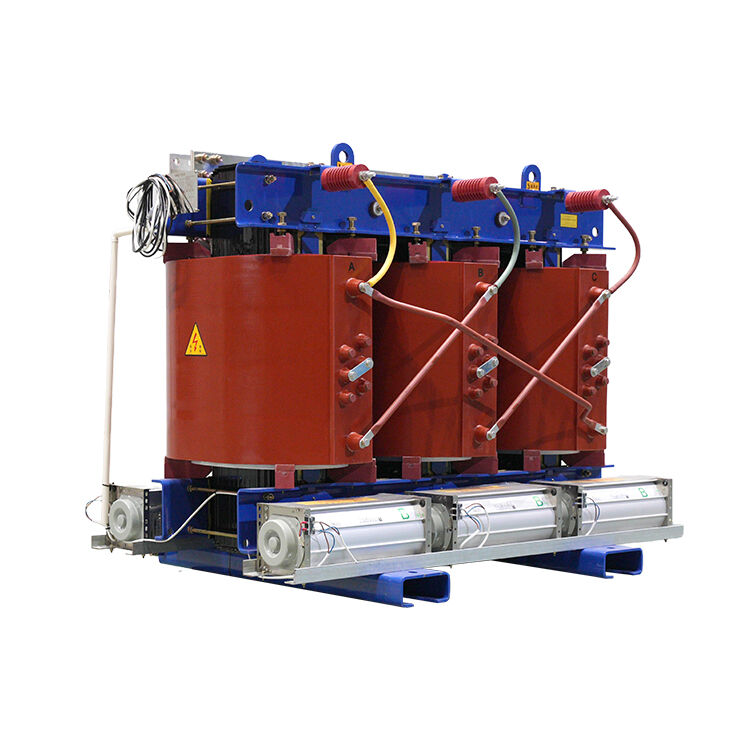
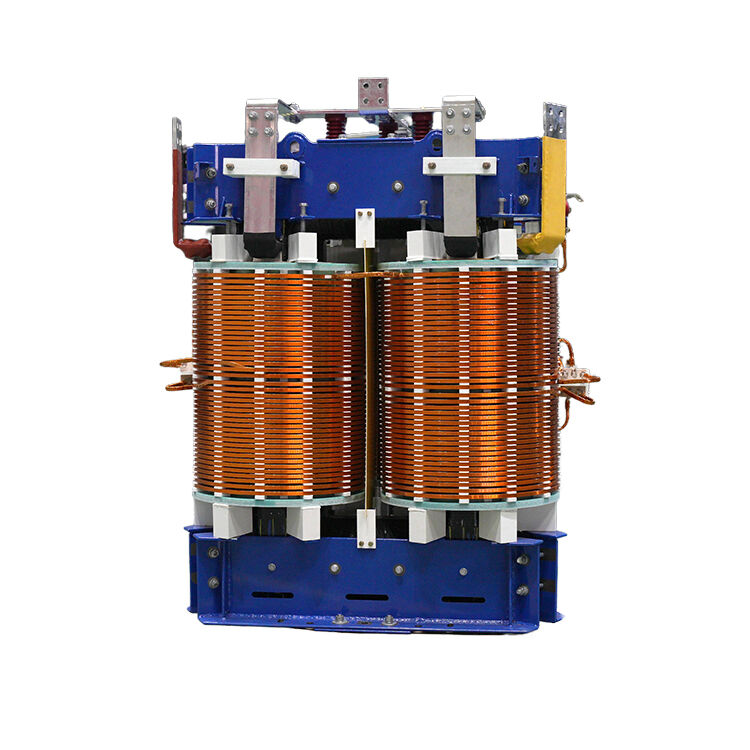
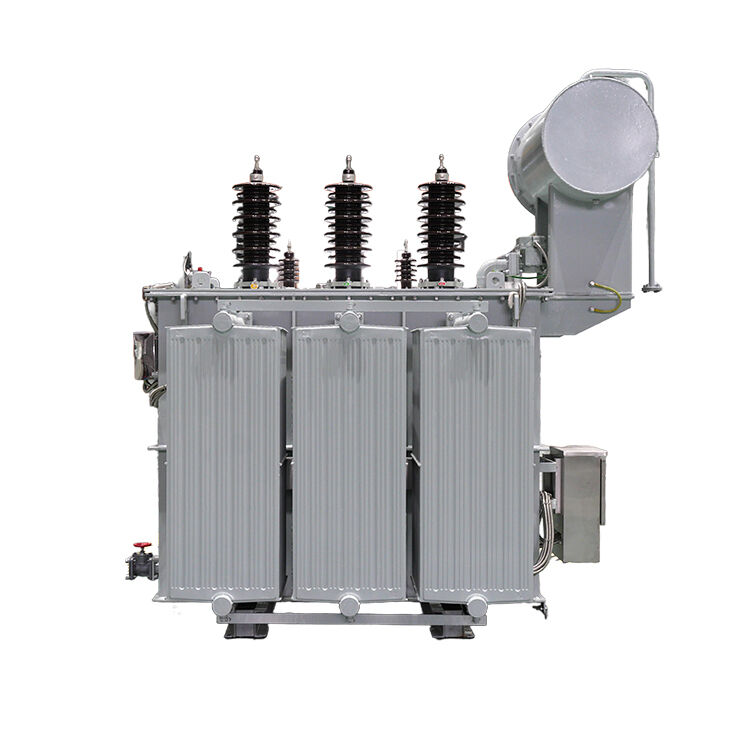
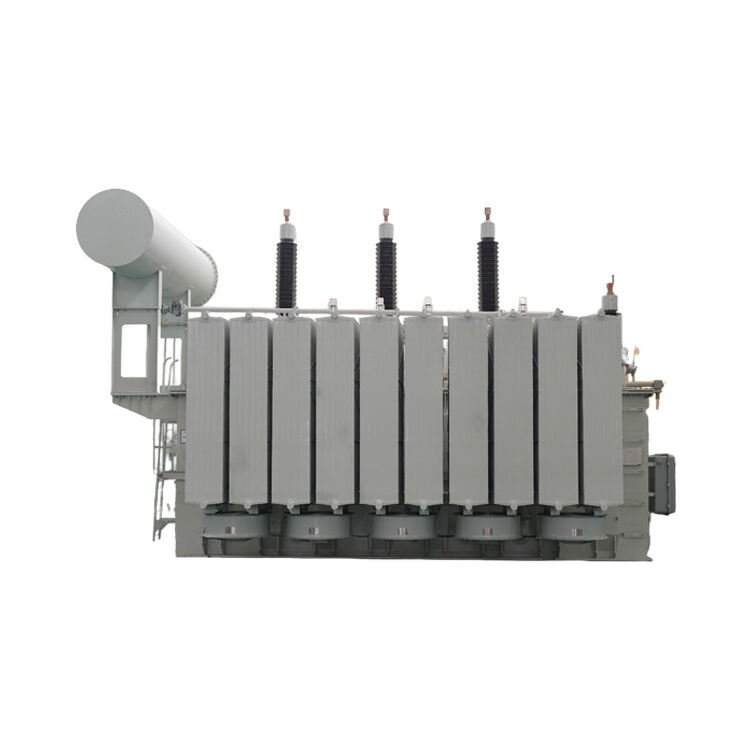
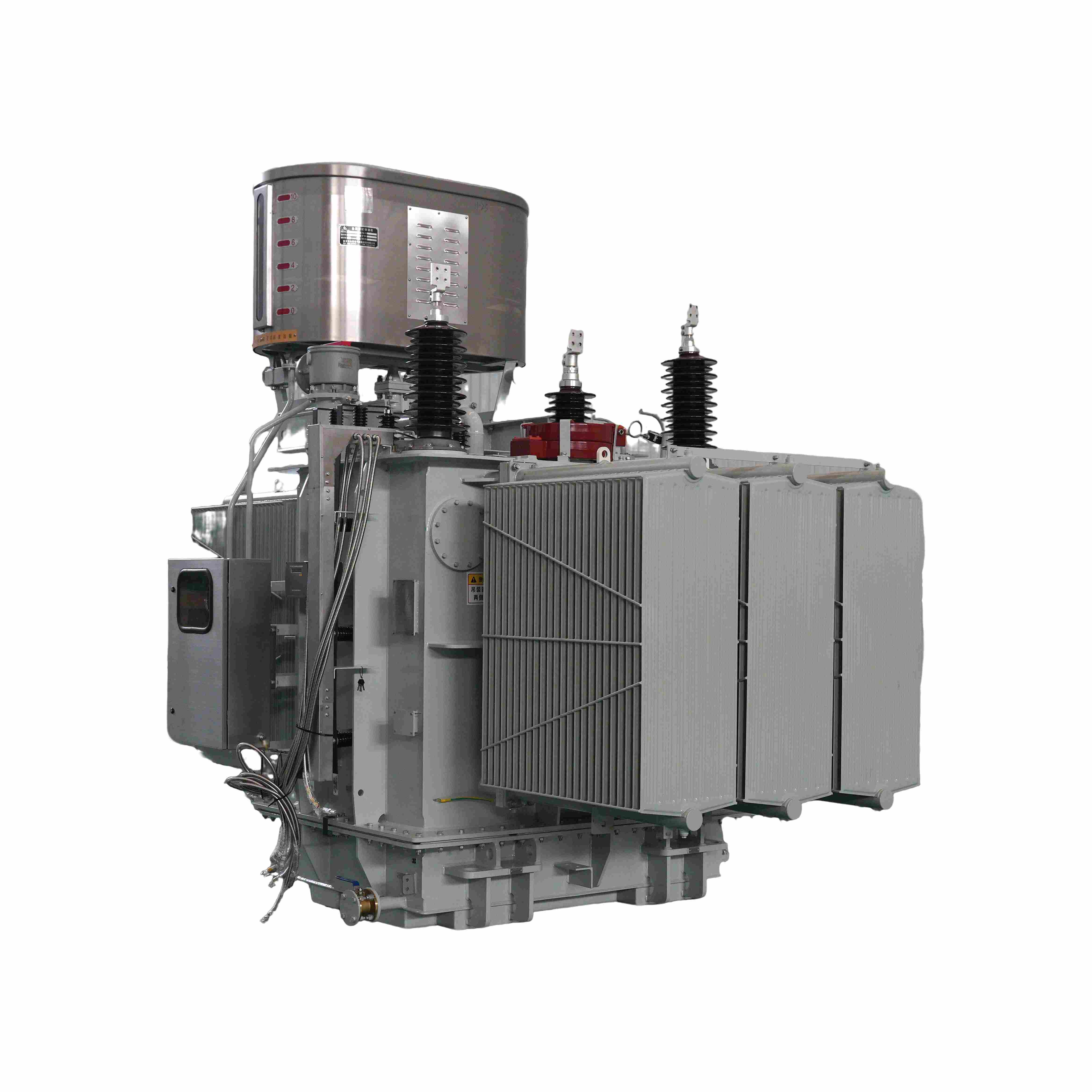
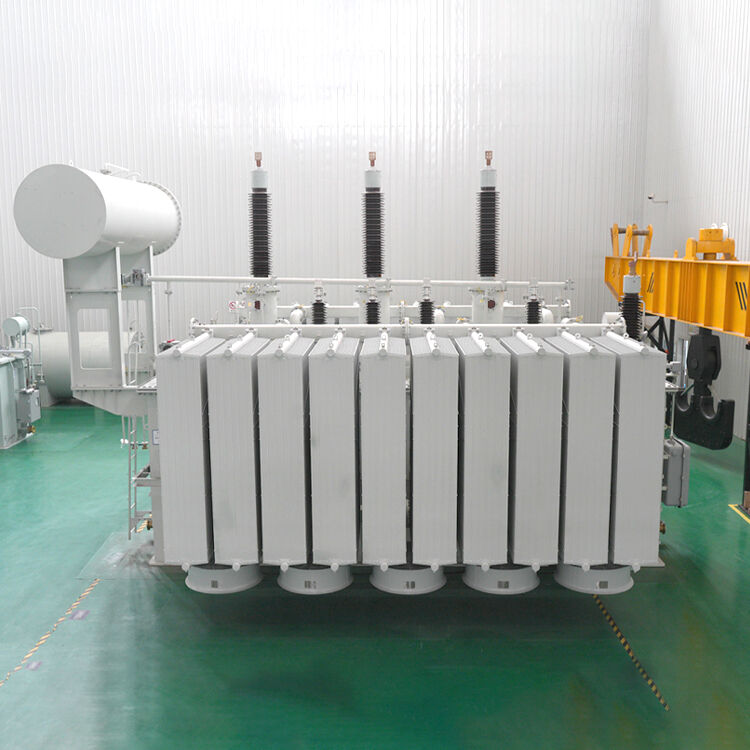
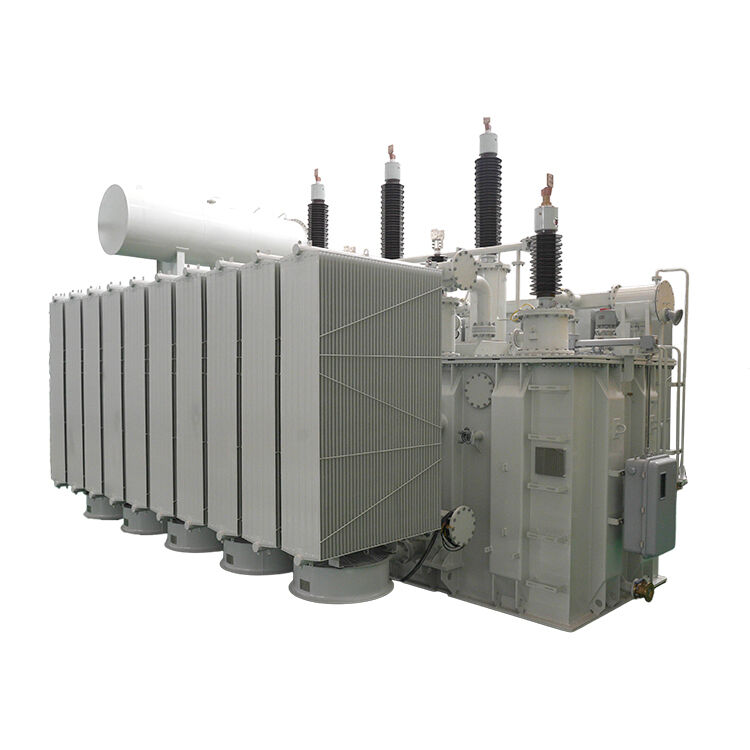
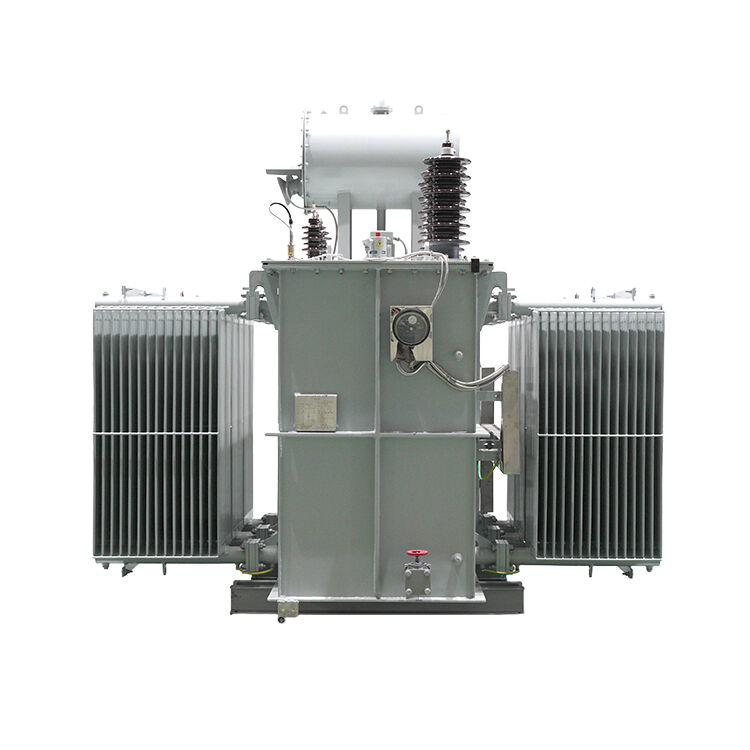
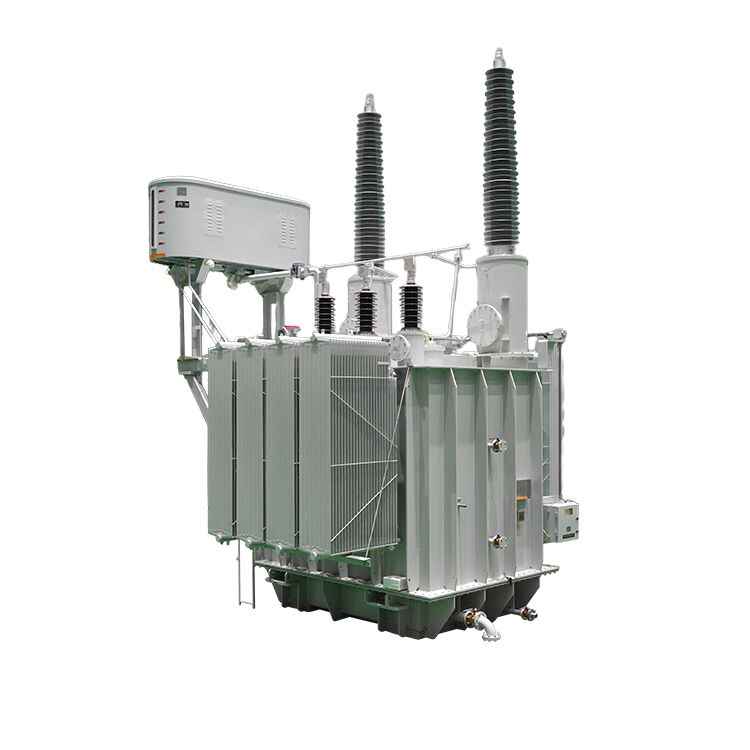
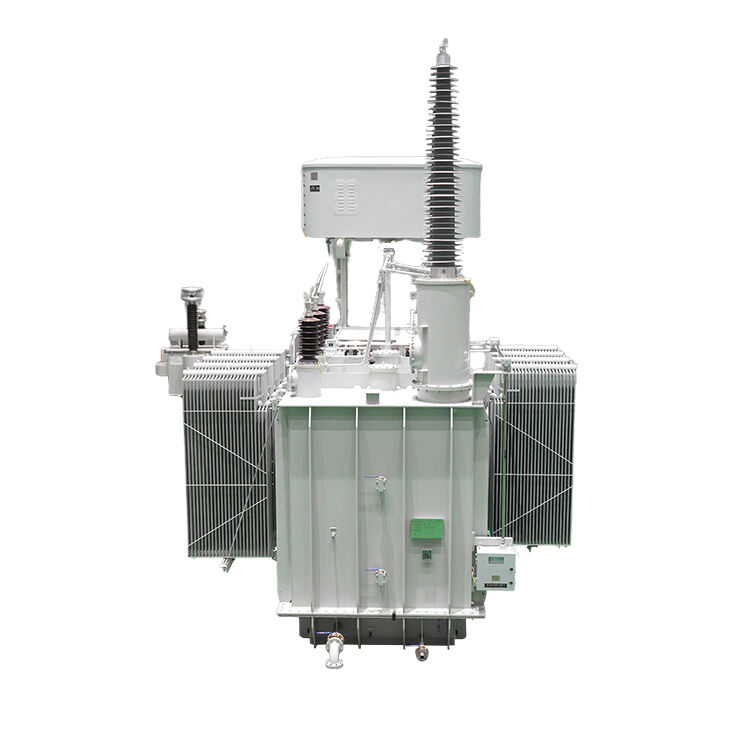
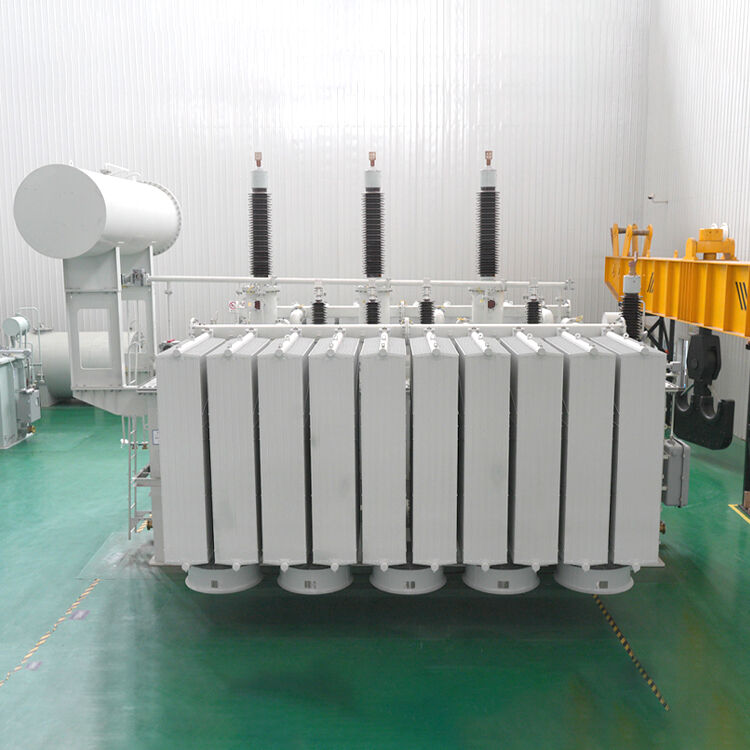
The oil type power transformer stands as a cornerstone technology in electrical power distribution systems worldwide. This sophisticated electrical equipment serves the critical function of stepping voltage levels up or down while maintaining power transmission efficiency across electrical networks. The oil type power transformer utilizes mineral oil as both an insulating medium and cooling agent, making it exceptionally reliable for high-voltage applications. The primary function of an oil type power transformer involves electromagnetic induction principles to transfer electrical energy between different voltage levels without direct electrical connection. The transformer core, constructed from high-grade silicon steel laminations, houses primary and secondary windings that facilitate this energy transfer process. The oil type power transformer's design incorporates advanced cooling systems that circulate mineral oil throughout the unit, effectively dissipating heat generated during operation. This cooling mechanism ensures optimal performance and extends equipment lifespan significantly. Technologically, the oil type power transformer features sophisticated monitoring systems that track oil temperature, pressure levels, and electrical parameters continuously. Modern units include advanced protection schemes such as buchholz relays, pressure relief devices, and temperature indicators that safeguard against operational anomalies. The oil type power transformer's construction typically includes a steel tank that houses all internal components while providing mechanical protection and structural integrity. Applications for oil type power transformers span across utility substations, industrial facilities, commercial buildings, and renewable energy installations. These transformers handle voltage levels ranging from distribution class units at 15kV to transmission class equipment operating at 500kV or higher. The oil type power transformer proves essential in power generation plants where it steps up generator output voltage for efficient long-distance transmission. Similarly, distribution networks rely on oil type power transformers to reduce transmission voltages to safer levels suitable for end-user consumption.

New Product Recommendations

The oil type power transformer delivers exceptional benefits that make it the preferred choice for demanding electrical applications. Superior heat dissipation represents the most significant advantage of oil type power transformers compared to alternative designs. The mineral oil circulates naturally through convection currents, effectively removing heat from windings and core materials during peak load conditions. This enhanced cooling capability allows oil type power transformers to handle higher power ratings while maintaining stable operating temperatures. The result is increased equipment reliability and reduced risk of thermal damage that could lead to costly downtime. Cost effectiveness stands out as another compelling advantage of oil type power transformers for utilities and industrial users. The manufacturing process for these transformers benefits from decades of refinement, resulting in competitive pricing without compromising quality standards. Additionally, oil type power transformers typically require lower maintenance costs throughout their operational lifetime compared to alternative technologies. The oil serves multiple functions simultaneously, reducing the need for separate cooling and insulation systems that would increase initial investment and ongoing maintenance expenses. Longevity represents a crucial advantage that oil type power transformers offer to customers seeking reliable long-term solutions. These transformers commonly operate effectively for thirty to forty years with proper maintenance protocols. The mineral oil provides excellent insulation properties that prevent electrical breakdown while protecting internal components from environmental contamination. This extended service life translates to lower total cost of ownership and reduced replacement frequency compared to other transformer technologies. Enhanced electrical performance distinguishes oil type power transformers in critical applications requiring precise voltage regulation and low losses. The oil medium provides superior dielectric strength that enables compact designs capable of handling high voltage levels safely. This characteristic allows engineers to design more efficient electrical systems with smaller footprints and reduced infrastructure requirements. Furthermore, oil type power transformers exhibit excellent overload capacity, enabling temporary operation above rated capacity during emergency conditions without immediate damage. Environmental adaptability makes oil type power transformers suitable for diverse installation conditions including extreme temperatures, high humidity, and challenging atmospheric conditions. The sealed tank design protects internal components from moisture, dust, and corrosive elements that could degrade performance over time.

Latest News

What Is a Transformer and How Does It Improve Power System Efficiency?

02

Jan

What Is a Transformer and How Does It Improve Power System Efficiency?

A transformer represents one of the most critical components in modern electrical power systems, serving as the backbone for efficient energy transmission and distribution across vast networks. These electromagnetic devices enable the seamless conver...
View More
How Does a Transformer Work in High Voltage Power Transmission?

08

Jan

How Does a Transformer Work in High Voltage Power Transmission?

High voltage power transmission systems form the backbone of modern electrical grids, enabling electricity to travel efficiently across vast distances. At the heart of these complex networks lies the power transformer, a crucial piece of equipment th...
View More
How Do Transformers Support Grid Stability in Large-Scale Power Networks?

20

Jan

How Do Transformers Support Grid Stability in Large-Scale Power Networks?

Large-scale power networks form the backbone of modern electrical infrastructure, requiring sophisticated equipment to maintain stability and reliability across vast geographical areas. Power transformers play a crucial role in these complex systems ...
View More
What Should Utilities Consider When Selecting a Transformer Supplier?

26

Jan

What Should Utilities Consider When Selecting a Transformer Supplier?

Selecting the right supplier for power infrastructure represents one of the most critical decisions utility companies face in today's rapidly evolving energy landscape. The process of choosing a power transformer supplier requires careful evaluation ...
View More

Get a Free Quote

Our representative will contact you soon.
Email
WhatsApp/Mobile
Name
Company Name
Message
0/1000

oil type power transformer

Advanced Cooling Technology for Maximum Reliability

Advanced Cooling Technology for Maximum Reliability

The oil type power transformer incorporates sophisticated cooling technology that sets it apart from conventional transformer designs in the electrical industry. This advanced cooling system utilizes high-quality mineral oil that circulates throughout the transformer tank, creating an efficient heat transfer mechanism that maintains optimal operating temperatures even under demanding load conditions. The cooling process begins when electrical losses in the windings and core generate heat during normal operation. The mineral oil absorbs this thermal energy and rises through natural convection currents within the transformer tank. As the heated oil reaches the upper portions of the tank, it flows through cooling radiators or fans where ambient air removes the excess heat before the cooled oil returns to the bottom of the tank to repeat the cycle. This continuous circulation process ensures that hot spots cannot develop within the oil type power transformer, preventing thermal damage that could compromise equipment reliability. The cooling system design includes multiple redundancy features that enhance operational safety and equipment longevity. External cooling radiators provide additional heat dissipation surface area, while forced air circulation systems can be activated during peak load periods to boost cooling capacity. Modern oil type power transformers often incorporate temperature monitoring systems that track oil temperature at multiple points, providing operators with real-time data about thermal conditions. This monitoring capability enables predictive maintenance strategies that identify potential issues before they become critical problems. The mineral oil used in these transformers offers superior thermal properties compared to alternative cooling mediums, including high heat capacity and excellent heat transfer characteristics. Additionally, the oil serves as an electrical insulator, providing dual functionality that simplifies transformer design while improving overall performance. The result is an oil type power transformer that can operate reliably for decades while maintaining consistent electrical performance and minimal maintenance requirements throughout its operational lifetime.
Superior Electrical Insulation for Enhanced Safety

Superior Electrical Insulation for Enhanced Safety

The oil type power transformer provides unmatched electrical insulation performance that ensures safe and reliable operation in high-voltage applications across diverse industrial and utility environments. The mineral oil used in these transformers possesses exceptional dielectric properties that far exceed the insulation capabilities of air or other gaseous mediums. This superior insulation strength allows oil type power transformers to operate safely at voltage levels that would be impractical or dangerous with alternative insulation methods. The dielectric strength of transformer oil typically ranges from 30 to 70 kilovolts per millimeter, providing robust protection against electrical breakdown even under severe operating conditions. The insulation system in an oil type power transformer consists of multiple complementary components working together to ensure electrical safety. Paper insulation wraps the conductor windings, while the mineral oil fills all spaces between components, creating a comprehensive barrier against electrical discharge. This dual insulation approach provides redundant protection that significantly reduces the risk of electrical faults that could damage equipment or threaten personnel safety. The oil continuously maintains its insulation properties through careful filtration and treatment processes that remove moisture, gases, and contaminants that could compromise dielectric strength. Regular oil testing and maintenance procedures ensure that insulation performance remains at optimal levels throughout the transformer's operational life. The oil type power transformer design includes sophisticated monitoring systems that detect changes in oil quality and insulation integrity. Dissolved gas analysis techniques can identify developing faults before they become serious problems, enabling proactive maintenance that prevents costly failures. The superior insulation provided by mineral oil also enables more compact transformer designs compared to air-insulated alternatives. Engineers can place high-voltage components closer together while maintaining adequate safety margins, resulting in smaller transformer footprints and reduced material costs. This space efficiency becomes particularly valuable in urban installations where available space is limited and expensive. The electrical insulation performance of oil type power transformers remains stable across wide temperature ranges, ensuring consistent operation in diverse climate conditions from arctic installations to tropical environments.
Exceptional Durability and Long Service Life

Exceptional Durability and Long Service Life

The oil type power transformer demonstrates exceptional durability that translates into decades of reliable service life, making it an outstanding investment for utilities, industrial facilities, and commercial operations requiring dependable electrical infrastructure. This remarkable longevity stems from the transformer's robust construction methods, high-quality materials, and the protective properties of mineral oil that shields internal components from environmental degradation. The typical service life of an oil type power transformer ranges from thirty to fifty years, with many units continuing to operate effectively well beyond their initial design life when properly maintained. This extended operational period significantly exceeds the service life of most alternative transformer technologies, providing customers with exceptional value and return on investment over the equipment's lifetime. The durability of oil type power transformers results from several key design features that protect against common failure modes. The mineral oil creates a sealed environment that prevents moisture infiltration, oxygen exposure, and contamination from external pollutants that could accelerate component deterioration. The oil also neutralizes acids and other corrosive substances that might otherwise attack windings, core materials, or tank surfaces. Additionally, the natural circulation of oil helps equalize temperatures throughout the transformer, preventing thermal stress concentrations that could lead to premature component failure. The mechanical construction of oil type power transformers emphasizes long-term reliability through robust tank designs, reinforced mounting structures, and vibration-resistant component arrangements. High-grade steel tanks provide excellent corrosion resistance while maintaining structural integrity under various loading conditions including seismic events, wind loads, and thermal expansion cycles. The internal construction utilizes proven winding techniques and core assembly methods that have been refined through decades of engineering experience and field testing. Quality control processes during manufacturing ensure that each oil type power transformer meets stringent standards for materials, workmanship, and performance before leaving the factory. Regular maintenance procedures for oil type power transformers are straightforward and cost-effective compared to other technologies. Oil sampling and testing programs monitor equipment condition and identify maintenance needs before problems develop. Routine procedures include oil filtration, bushing maintenance, and cooling system inspection that help extend transformer life while maintaining peak performance. The availability of replacement parts and specialized service expertise ensures that oil type power transformers can be maintained effectively throughout their extended service lives, maximizing the return on investment for customers who choose this proven technology.

Get a Free Quote

Our representative will contact you soon.
Email
WhatsApp/Mobile
Name
Company Name
Message
0/1000