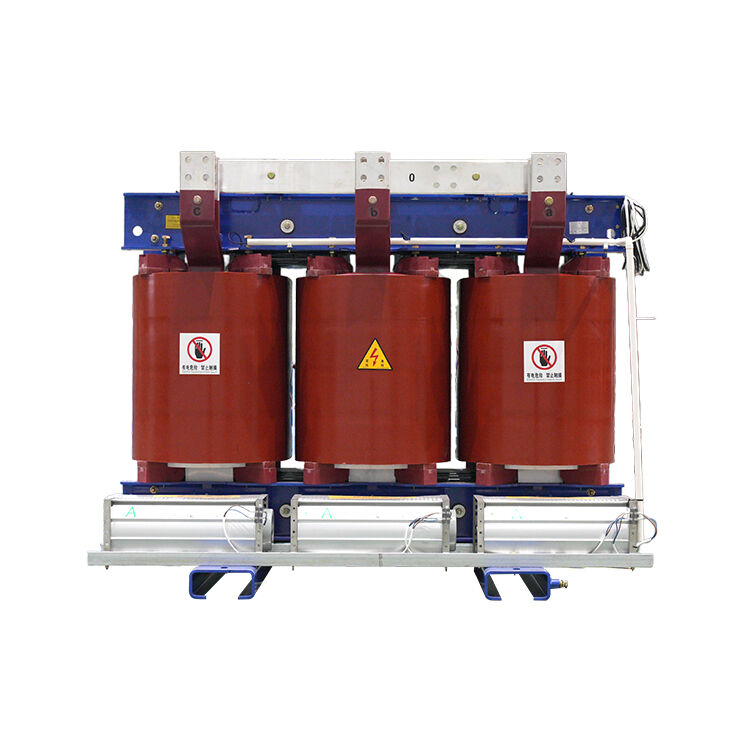
High-Performance Epoxy Transformer Solutions - Advanced Electrical Power Distribution Technology

Get a Free Quote

Our representative will contact you soon.
Email
WhatsApp/Mobile
Name
Company Name
Message
0/1000

epoxy transformer

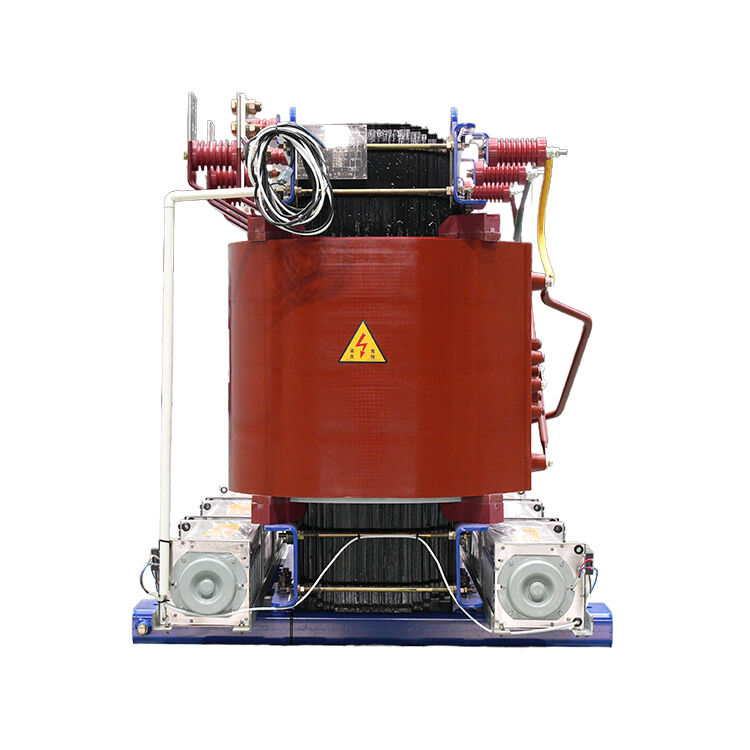
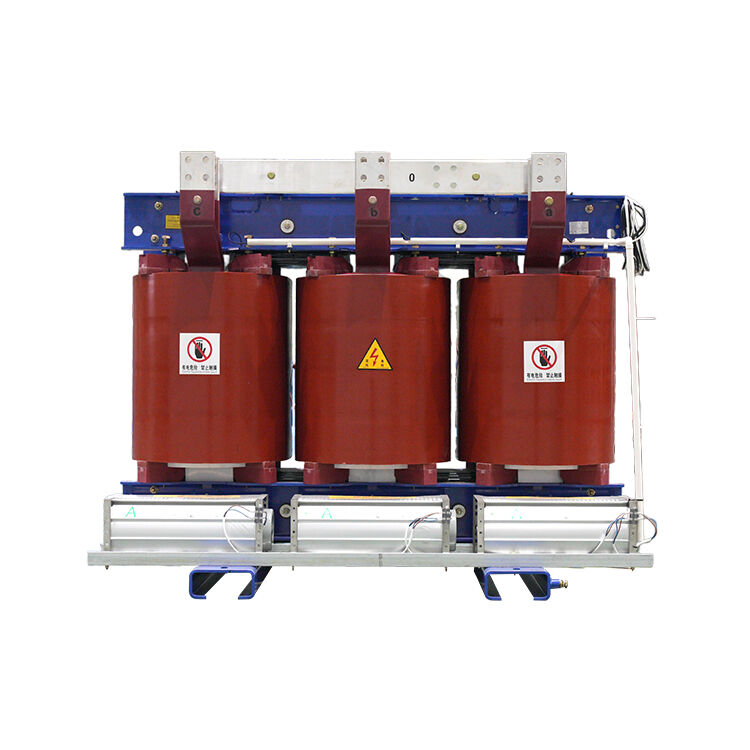
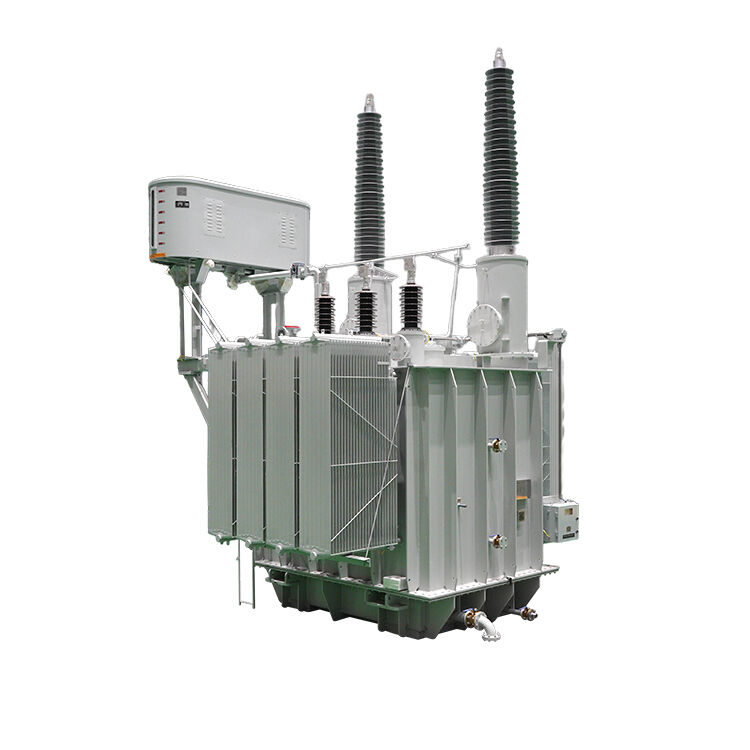
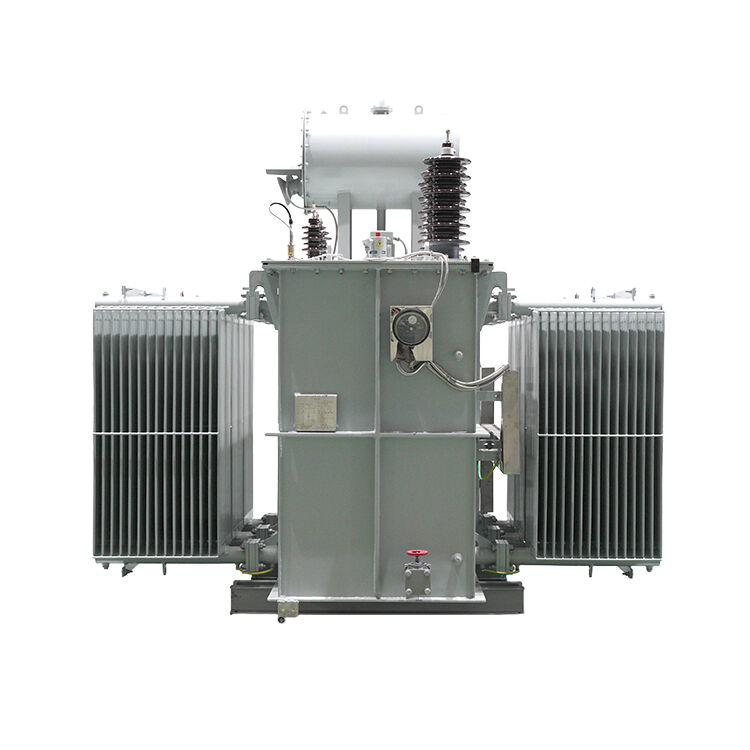
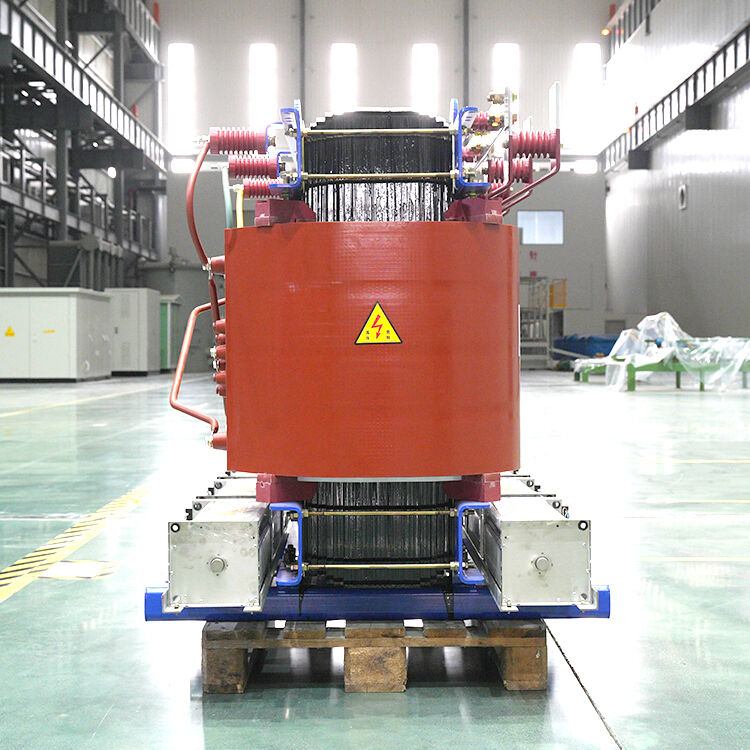
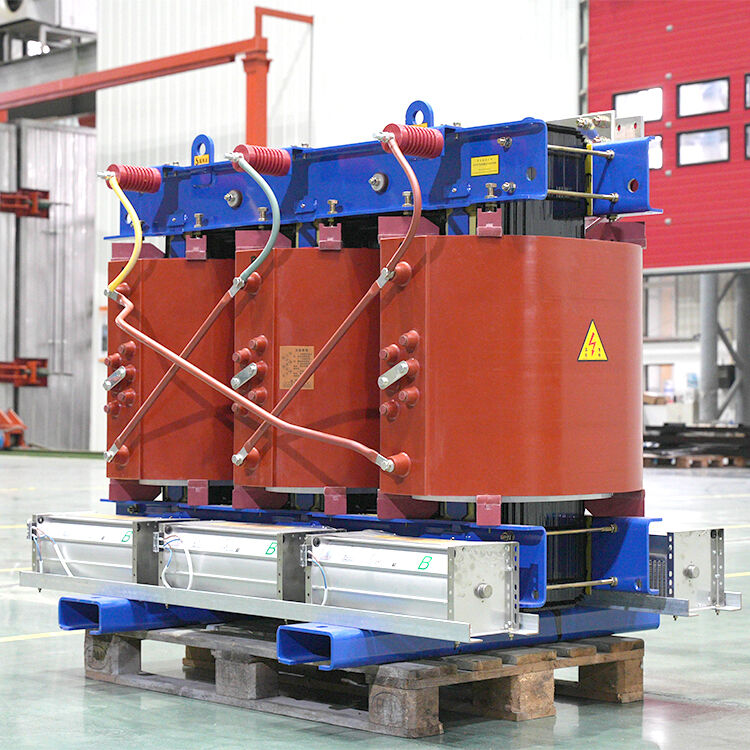
An epoxy transformer represents a cutting-edge electrical device that utilizes advanced epoxy resin encapsulation technology to provide superior insulation and protection for power distribution systems. These transformers are specifically engineered to deliver reliable voltage transformation while maintaining exceptional durability and safety standards. The primary function of an epoxy transformer involves stepping voltage levels up or down according to specific electrical requirements, making them essential components in various power applications. The epoxy transformer achieves this through electromagnetic induction principles, where alternating current flowing through the primary winding creates a magnetic field that induces voltage in the secondary winding. What distinguishes the epoxy transformer from conventional alternatives is its innovative encapsulation method using high-quality epoxy resin materials. This encapsulation process completely seals the transformer windings and core, creating a moisture-resistant barrier that prevents environmental contamination and extends operational lifespan significantly. The technological features of an epoxy transformer include superior thermal conductivity properties that enable efficient heat dissipation during operation. The epoxy resin material possesses excellent dielectric strength, ensuring optimal electrical insulation between windings and reducing the risk of short circuits or electrical failures. These transformers incorporate advanced manufacturing techniques that result in compact designs without compromising performance capabilities. The applications for epoxy transformer units span across multiple industries and sectors. They are widely implemented in renewable energy systems, particularly solar and wind power installations where environmental exposure requires robust protection. Industrial facilities utilize epoxy transformer technology for machinery operations, while commercial buildings depend on these devices for lighting and power distribution systems. The epoxy transformer also finds extensive use in marine environments where salt water exposure demands superior corrosion resistance. Additionally, these transformers serve critical roles in healthcare facilities, data centers, and transportation infrastructure where reliability cannot be compromised. The versatility of epoxy transformer designs allows for customization according to specific voltage requirements and environmental conditions.

New Products

The epoxy transformer offers numerous practical benefits that make it an superior choice for modern electrical applications. First and foremost, the enhanced durability of epoxy transformer units significantly reduces maintenance costs and downtime. The epoxy resin encapsulation creates a protective shell that shields internal components from moisture, dust, chemicals, and other environmental hazards that typically cause transformer degradation. This protection translates directly into extended service life, often exceeding twenty-five years with minimal maintenance requirements. Customers benefit from reduced replacement costs and improved return on investment through the longevity of epoxy transformer installations. The superior safety features of epoxy transformer designs provide peace of mind for facility managers and electrical engineers. The complete encapsulation eliminates exposed electrical components, reducing the risk of accidental contact and electrical shock incidents. This safety enhancement makes epoxy transformer units ideal for installations in populated areas or facilities with high foot traffic. The fire-resistant properties of epoxy resin materials add another layer of safety protection, as these transformers are less likely to ignite or contribute to fire spread in emergency situations. Energy efficiency represents another significant advantage of epoxy transformer technology. The precise manufacturing process and high-quality materials result in lower energy losses during voltage transformation. This improved efficiency translates into reduced electricity costs over the transformer's operational lifetime. The compact design of epoxy transformer units allows for space-saving installations, particularly valuable in urban environments where real estate costs are premium. The smaller footprint enables more flexible installation options and reduces civil works requirements. Environmental benefits make epoxy transformer choices increasingly attractive for sustainability-focused organizations. These transformers operate without oil, eliminating the risk of environmental contamination from oil leaks. The epoxy resin materials are environmentally stable and do not degrade into harmful substances over time. The long service life reduces the frequency of transformer replacements, minimizing waste generation and resource consumption. Installation flexibility provides practical advantages for project managers and contractors. Epoxy transformer units can be installed in various orientations and locations that would be unsuitable for traditional oil-filled transformers. The sealed design eliminates the need for specialized ventilation systems or containment structures, simplifying installation procedures and reducing project costs. The lightweight construction of epoxy transformer designs facilitates easier handling and transportation, reducing installation time and labor costs.

Latest News

What Is a Transformer and How Does It Improve Power System Efficiency?

02

Jan

What Is a Transformer and How Does It Improve Power System Efficiency?

A transformer represents one of the most critical components in modern electrical power systems, serving as the backbone for efficient energy transmission and distribution across vast networks. These electromagnetic devices enable the seamless conver...
View More
How Does a Transformer Work in High Voltage Power Transmission?

08

Jan

How Does a Transformer Work in High Voltage Power Transmission?

High voltage power transmission systems form the backbone of modern electrical grids, enabling electricity to travel efficiently across vast distances. At the heart of these complex networks lies the power transformer, a crucial piece of equipment th...
View More
Why Are Transformers Critical for Industrial Power Distribution Systems?

14

Jan

Why Are Transformers Critical for Industrial Power Distribution Systems?

Industrial power distribution systems form the backbone of modern manufacturing, commercial facilities, and critical infrastructure operations. At the heart of these complex networks lies a fundamental component that ensures safe, efficient, and reli...
View More
What Should Utilities Consider When Selecting a Transformer Supplier?

26

Jan

What Should Utilities Consider When Selecting a Transformer Supplier?

Selecting the right supplier for power infrastructure represents one of the most critical decisions utility companies face in today's rapidly evolving energy landscape. The process of choosing a power transformer supplier requires careful evaluation ...
View More

Get a Free Quote

Our representative will contact you soon.
Email
WhatsApp/Mobile
Name
Company Name
Message
0/1000

epoxy transformer

Advanced Epoxy Resin Encapsulation Technology

Advanced Epoxy Resin Encapsulation Technology

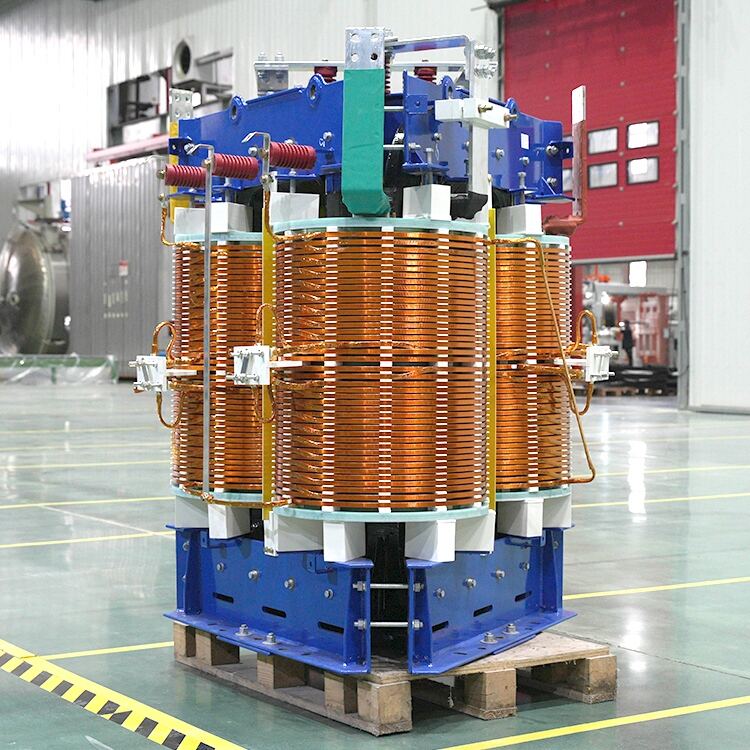
The revolutionary epoxy resin encapsulation technology represents the cornerstone feature that sets epoxy transformer units apart from traditional transformer designs. This sophisticated manufacturing process involves completely encasing the transformer windings and magnetic core within a specially formulated epoxy resin compound that provides unmatched protection and performance characteristics. The epoxy resin material is carefully selected for its exceptional dielectric properties, ensuring superior electrical insulation that prevents voltage breakdown and maintains operational reliability under demanding conditions. The encapsulation process begins with precision winding of copper conductors around high-grade silicon steel cores, followed by careful placement within specialized molds where the liquid epoxy resin is introduced under controlled vacuum conditions. This vacuum impregnation process eliminates air pockets and ensures complete penetration of the epoxy material throughout the winding structure, creating a monolithic unit that eliminates weak points where moisture or contaminants could penetrate. The cured epoxy resin forms a rigid, chemically inert barrier that protects the epoxy transformer from environmental factors including humidity, salt spray, chemicals, and temperature extremes. This encapsulation technology delivers measurable benefits in terms of operational reliability and maintenance reduction. Unlike oil-filled transformers that require regular oil testing and potential replacement, the epoxy transformer requires no fluid maintenance, eliminating associated costs and environmental concerns. The solid insulation system cannot leak, spill, or require containment measures, making epoxy transformer installations suitable for environmentally sensitive locations. The thermal properties of the epoxy resin enable efficient heat dissipation while maintaining structural integrity across wide temperature ranges, ensuring consistent performance in both arctic and tropical climates. The chemical resistance of the encapsulation material protects the epoxy transformer from corrosive atmospheres commonly found in industrial facilities, coastal installations, and chemical processing plants. This advanced encapsulation technology also provides excellent vibration resistance, making epoxy transformer units ideal for mobile applications and installations subject to mechanical stress.
Maintenance-Free Operation and Extended Service Life

Maintenance-Free Operation and Extended Service Life

The maintenance-free operation capability of epoxy transformer technology represents a paradigm shift from traditional transformer maintenance requirements, delivering substantial cost savings and operational benefits throughout the equipment lifecycle. Unlike conventional oil-filled transformers that demand regular inspection schedules, oil analysis, and potential fluid replacement, the epoxy transformer operates as a sealed unit requiring minimal human intervention after installation. This maintenance-free characteristic stems from the stable nature of the epoxy resin insulation system, which does not degrade or require replacement under normal operating conditions. The absence of liquid insulation eliminates common maintenance tasks such as oil level monitoring, moisture content testing, and dissolved gas analysis that are essential for oil-filled transformer reliability. The extended service life of epoxy transformer units typically exceeds twenty-five years, significantly surpassing the operational lifespan of many alternative transformer technologies. This longevity results from the inherent stability of the epoxy resin materials, which maintain their electrical and mechanical properties over decades of continuous operation. The encapsulation protects the copper windings from oxidation and corrosion, preventing the gradual degradation that limits the lifespan of conventional transformers. Temperature cycling, which causes expansion and contraction stress in traditional transformers, has minimal impact on epoxy transformer performance due to the uniform thermal expansion characteristics of the resin material. The maintenance-free operation translates into substantial economic advantages for facility owners and operators. Elimination of scheduled maintenance visits reduces labor costs and minimizes operational disruptions. The epoxy transformer does not require specialized maintenance personnel or expensive testing equipment, further reducing operational expenses. Predictable performance characteristics enable more accurate lifecycle cost calculations and budget planning. The reduced maintenance requirements also enhance system reliability by eliminating human error factors associated with maintenance procedures. In critical applications such as hospitals, data centers, and manufacturing facilities, the maintenance-free operation of epoxy transformer installations provides enhanced operational continuity and reduces the risk of unplanned outages. The stable performance characteristics ensure consistent power quality throughout the transformer's extended service life, supporting sensitive equipment and processes that depend on reliable electrical supply.

Compact Design and Installation Versatility

Compact Design and Installation Versatility

The compact design philosophy of epoxy transformer technology delivers exceptional installation versatility that addresses the space constraints and mounting challenges common in modern electrical installations. The elimination of oil-filled tanks and associated cooling systems enables epoxy transformer manufacturers to create significantly smaller and lighter units compared to traditional transformer designs with equivalent power ratings. This size reduction typically ranges from thirty to fifty percent less footprint, providing substantial space savings that translate into reduced facility construction costs and more efficient use of valuable real estate. The compact dimensions of epoxy transformer units enable installation in locations previously unsuitable for conventional transformers, including basement areas, rooftops, and confined spaces within buildings. The lightweight construction facilitates easier handling during installation, reducing crane requirements and simplifying logistics for construction projects. Installation versatility extends beyond size considerations to include mounting flexibility that accommodates diverse project requirements. The epoxy transformer can be installed in multiple orientations, including vertical mounting configurations that maximize space utilization in tall buildings or industrial facilities. The sealed design eliminates the need for specialized ventilation systems or oil containment structures, simplifying building design requirements and reducing civil works costs. Indoor installation capability without special ventilation requirements enables epoxy transformer placement closer to electrical loads, reducing cable runs and associated voltage drop issues. The absence of flammable insulation fluids allows installation in areas with strict fire safety requirements, including occupied buildings and sensitive facilities. Environmental installation versatility makes epoxy transformer technology suitable for challenging outdoor applications including coastal areas with salt spray exposure, industrial sites with chemical contamination risks, and remote locations with extreme temperature variations. The sealed construction prevents moisture ingress and eliminates freeze protection requirements for outdoor installations in cold climates. The robust encapsulation withstands wind loading and seismic forces, making epoxy transformer units suitable for harsh environmental conditions. Installation flexibility also extends to future modifications and relocations, as the compact and sealed design of epoxy transformer units facilitates easier removal and reinstallation compared to conventional transformers. This adaptability provides long-term value for facilities that may undergo expansion or reconfiguration over time, ensuring that electrical infrastructure investments remain viable through changing operational requirements.

Get a Free Quote

Our representative will contact you soon.
Email
WhatsApp/Mobile
Name
Company Name
Message
0/1000