Toroidal Transformer Price Guide: Cost-Effective Solutions for High-Performance Applications

Get a Free Quote

Our representative will contact you soon.
Email
WhatsApp/Mobile
Name
Company Name
Message
0/1000

toroidal transformer price

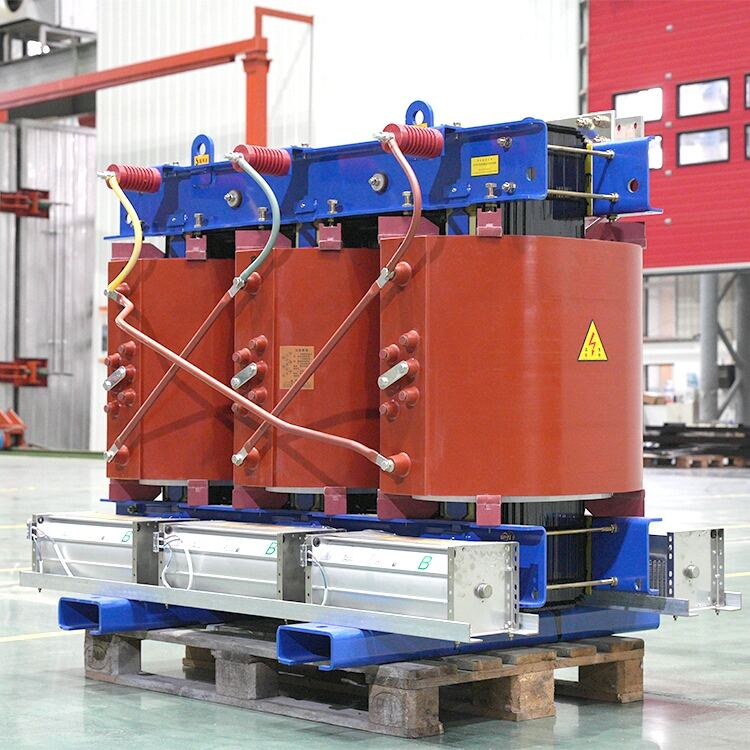
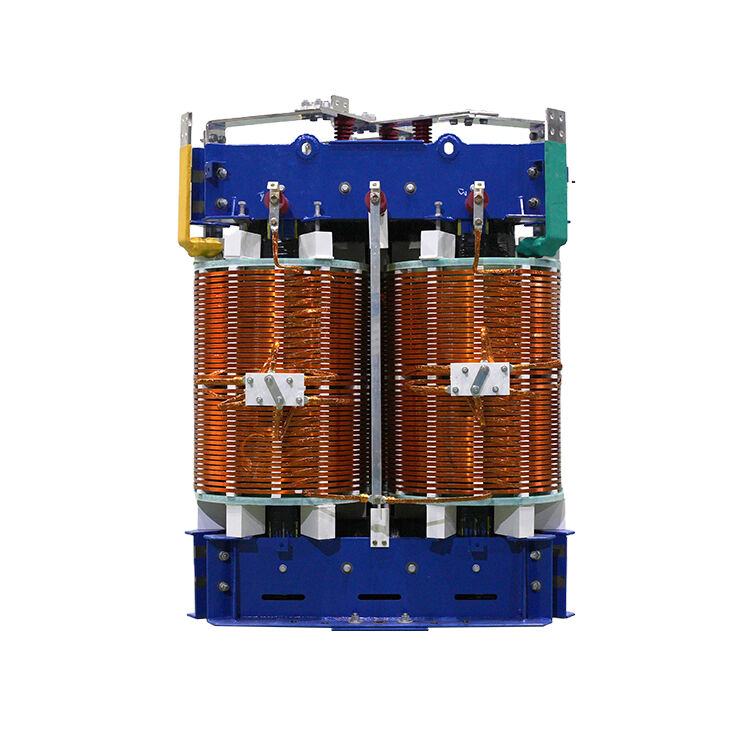
Understanding toroidal transformer price structures requires insight into these specialized electrical components that feature a distinctive donut-shaped core design. Toroidal transformers function by transferring electrical energy between circuits through electromagnetic induction, utilizing a ring-shaped ferrite or iron core wrapped with primary and secondary windings. This unique circular construction distinguishes them from traditional E-I core transformers and significantly impacts toroidal transformer price points across various markets. The main functions encompass voltage conversion, electrical isolation, and power transfer with exceptional efficiency ratings often exceeding 95 percent. Their technological features include reduced electromagnetic interference, compact form factors, lower operating temperatures, and minimal vibration during operation. These transformers find extensive applications in audio equipment, medical devices, industrial machinery, renewable energy systems, and high-end electronic instruments where performance quality justifies the toroidal transformer price premium. Manufacturing processes involve precise winding techniques and high-grade materials, contributing to cost variations. The core material quality, copper wire specifications, and insulation requirements directly influence toroidal transformer price structures. Market factors affecting pricing include production volumes, customization requirements, certification standards, and supplier relationships. Applications span from small signal transformers costing under fifty dollars to large industrial units commanding thousands of dollars. Power ratings typically range from fractional watts to several kilowatts, with toroidal transformer price scaling accordingly. Quality certifications such as UL, CE, and RoHS compliance add value but increase costs. The growing demand for energy-efficient solutions in green technology applications continues driving innovation while impacting toroidal transformer price dynamics across global markets.

Popular Products

Toroidal transformers deliver superior performance characteristics that justify their competitive pricing structure compared to conventional alternatives. Energy efficiency represents a primary advantage, with toroidal designs achieving efficiency ratings between 90-98 percent, substantially higher than traditional transformers. This enhanced efficiency translates into reduced operating costs, lower heat generation, and decreased energy waste, making the toroidal transformer price investment economically viable over extended operational periods. Compact size benefits provide significant space savings in equipment design, allowing manufacturers to create smaller, lighter products while maintaining power delivery requirements. The reduced physical footprint often eliminates the need for larger enclosures, potentially offsetting initial toroidal transformer price considerations through overall system cost reductions. Electromagnetic interference suppression stands as another crucial advantage, with the closed-loop magnetic field design minimizing radiated emissions that could interfere with sensitive electronic circuits. This characteristic proves especially valuable in audio applications, medical equipment, and precision instrumentation where signal integrity remains paramount. Lower operating temperatures result from improved efficiency and better heat dissipation properties, extending component lifespan and reducing maintenance requirements. The decreased thermal stress contributes to enhanced reliability, providing long-term value that justifies toroidal transformer price investments. Reduced mechanical vibration and acoustic noise make these transformers ideal for quiet operation environments such as recording studios, laboratories, and residential applications. The absence of air gaps in the magnetic circuit eliminates magnetostriction effects that cause audible humming in conventional transformers. Installation flexibility benefits emerge from the compact, lightweight design that simplifies mounting procedures and reduces structural support requirements. Custom winding configurations accommodate specific voltage, current, and frequency requirements while maintaining reasonable toroidal transformer price levels. Superior regulation characteristics provide stable output voltages under varying load conditions, essential for sensitive electronic equipment. The inherent design advantages create compelling value propositions that support competitive toroidal transformer price positioning in premium applications where performance quality takes precedence over initial cost considerations.

Tips And Tricks

What Is a Transformer and How Does It Improve Power System Efficiency?

02

Jan

What Is a Transformer and How Does It Improve Power System Efficiency?

A transformer represents one of the most critical components in modern electrical power systems, serving as the backbone for efficient energy transmission and distribution across vast networks. These electromagnetic devices enable the seamless conver...
View More
Why Are Transformers Critical for Industrial Power Distribution Systems?

14

Jan

Why Are Transformers Critical for Industrial Power Distribution Systems?

Industrial power distribution systems form the backbone of modern manufacturing, commercial facilities, and critical infrastructure operations. At the heart of these complex networks lies a fundamental component that ensures safe, efficient, and reli...
View More
How Do Transformers Support Grid Stability in Large-Scale Power Networks?

20

Jan

How Do Transformers Support Grid Stability in Large-Scale Power Networks?

Large-scale power networks form the backbone of modern electrical infrastructure, requiring sophisticated equipment to maintain stability and reliability across vast geographical areas. Power transformers play a crucial role in these complex systems ...
View More
What Should Utilities Consider When Selecting a Transformer Supplier?

26

Jan

What Should Utilities Consider When Selecting a Transformer Supplier?

Selecting the right supplier for power infrastructure represents one of the most critical decisions utility companies face in today's rapidly evolving energy landscape. The process of choosing a power transformer supplier requires careful evaluation ...
View More

Get a Free Quote

Our representative will contact you soon.
Email
WhatsApp/Mobile
Name
Company Name
Message
0/1000

toroidal transformer price

Cost-Effective Energy Efficiency Performance

Cost-Effective Energy Efficiency Performance

The exceptional energy efficiency of toroidal transformers represents a compelling value proposition that validates their competitive market positioning despite initial toroidal transformer price considerations. These innovative devices achieve remarkable efficiency ratings typically ranging from 90 to 98 percent, significantly surpassing conventional E-I core transformers that often operate at 80-85 percent efficiency levels. This substantial improvement in energy conversion translates directly into measurable cost savings throughout the operational lifespan of the equipment. When evaluating toroidal transformer price against long-term operating expenses, the reduced energy consumption becomes increasingly significant, particularly in applications requiring continuous operation or high power throughput. The superior efficiency stems from the closed-loop magnetic circuit design that minimizes flux leakage and eddy current losses, resulting in optimal energy transfer between primary and secondary windings. Manufacturing precision in core material selection and winding techniques contributes to these exceptional performance characteristics, justifying the toroidal transformer price premium through demonstrable operational benefits. Industries utilizing high-power equipment, such as manufacturing facilities, data centers, and renewable energy installations, recognize substantial electricity cost reductions when implementing toroidal transformers despite higher initial investment requirements. The reduced heat generation associated with improved efficiency creates additional value through decreased cooling system demands, lower HVAC costs, and extended component lifespans. Environmental benefits align with corporate sustainability initiatives while providing tangible financial returns that offset toroidal transformer price considerations. Quality manufacturers employ advanced materials including high-grade silicon steel cores and oxygen-free copper windings to maximize efficiency performance. The resulting operational savings often recover the initial toroidal transformer price differential within the first year of operation in high-duty applications, making these transformers economically advantageous investments for cost-conscious organizations prioritizing long-term operational efficiency over initial acquisition costs.
Superior Performance in Compact Design Solutions

Superior Performance in Compact Design Solutions

Toroidal transformers deliver exceptional performance density through their innovative circular core design, creating substantial value that supports competitive toroidal transformer price structures in space-constrained applications. The unique donut-shaped architecture eliminates the bulky external magnetic circuits found in conventional transformers, achieving significant size and weight reductions while maintaining equivalent power handling capabilities. This compact design advantage provides engineers with unprecedented flexibility in product development, allowing the creation of smaller, more portable equipment without compromising electrical performance specifications. The space savings often enable manufacturers to reduce overall product dimensions, packaging costs, and shipping expenses, creating system-level benefits that can offset initial toroidal transformer price considerations. Advanced manufacturing techniques enable precise control over core geometry and winding distribution, optimizing magnetic field utilization and minimizing external interference. The resulting electromagnetic field containment reduces the required safety clearances around the transformer, further enhancing space utilization efficiency. Applications in portable medical devices, audio equipment, and aerospace systems particularly benefit from these size advantages where weight and volume constraints directly impact functionality and user experience. The lower profile design facilitates horizontal mounting configurations that improve thermal management and simplify cooling system integration. Quality manufacturers achieve these compact designs without sacrificing electrical performance, maintaining full power ratings while reducing physical footprints by 30-50 percent compared to equivalent conventional transformers. The mechanical robustness of the toroidal construction withstands vibration and shock better than traditional designs, important for mobile applications and harsh operating environments. Installation benefits include simplified mounting procedures, reduced structural support requirements, and improved accessibility for maintenance operations. The combination of compact dimensions, light weight, and superior performance characteristics creates compelling value propositions that justify toroidal transformer price positioning in premium applications where space optimization remains critical to overall system success and market competitiveness.
Enhanced Reliability and Longevity Benefits

Enhanced Reliability and Longevity Benefits

The superior reliability characteristics of toroidal transformers provide exceptional long-term value that strongly supports their market positioning and validates toroidal transformer price investment decisions across demanding applications. These transformers demonstrate significantly extended operational lifespans compared to conventional alternatives, primarily due to reduced thermal stress, improved heat dissipation, and superior electromagnetic design characteristics. The closed-loop magnetic circuit eliminates hot spots commonly found in E-I core transformers, distributing heat more evenly throughout the structure and reducing component degradation rates. Lower operating temperatures, typically 10-20 degrees Celsius below comparable conventional transformers, dramatically reduce thermal cycling stress that represents a primary failure mechanism in electrical equipment. Quality manufacturers implement rigorous testing protocols including accelerated aging studies, thermal cycling, and continuous operation assessments to validate reliability claims supporting toroidal transformer price positioning. The absence of mechanical air gaps in the magnetic circuit eliminates magnetostriction effects that cause physical stress and audible noise in traditional designs, contributing to enhanced mechanical stability and reduced wear over extended operation periods. Precise manufacturing tolerances and advanced insulation systems provide superior protection against voltage surges, moisture ingress, and environmental contamination that commonly affect transformer reliability. The resulting mean time between failures often exceeds 100,000 hours in properly specified applications, providing exceptional return on investment that justifies initial toroidal transformer price considerations. Maintenance requirements remain minimal due to the robust construction and absence of moving parts, reducing lifecycle costs through decreased service interventions and replacement part expenses. Quality assurance programs implemented by reputable manufacturers include comprehensive testing at multiple production stages, ensuring consistent reliability performance that supports warranty programs and customer confidence in toroidal transformer price value propositions. Applications in critical systems such as medical equipment, telecommunications infrastructure, and industrial process control benefit substantially from the enhanced reliability, where equipment failures can result in significant operational costs, safety concerns, or revenue losses that far exceed the initial toroidal transformer price differential compared to less reliable alternatives.

Get a Free Quote

Our representative will contact you soon.
Email
WhatsApp/Mobile
Name
Company Name
Message
0/1000