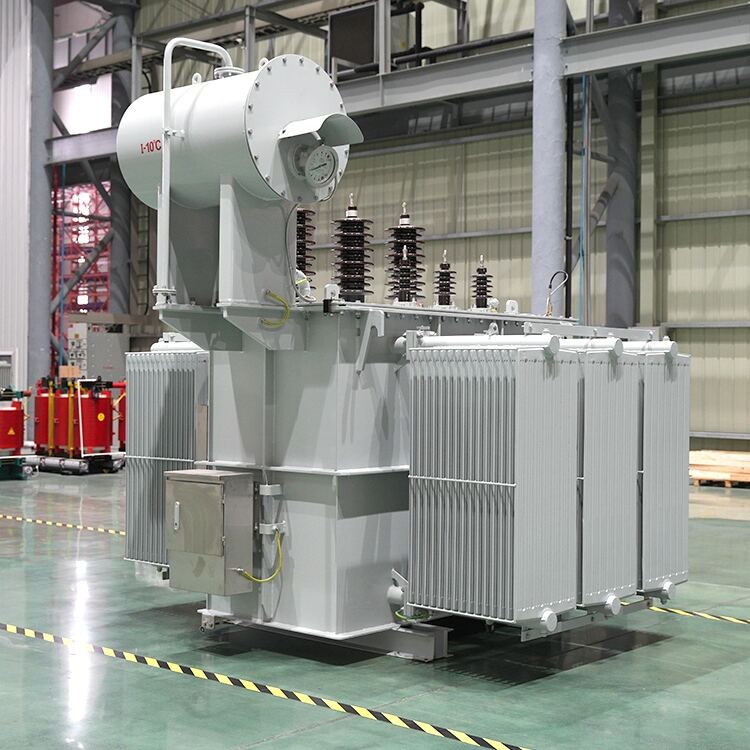
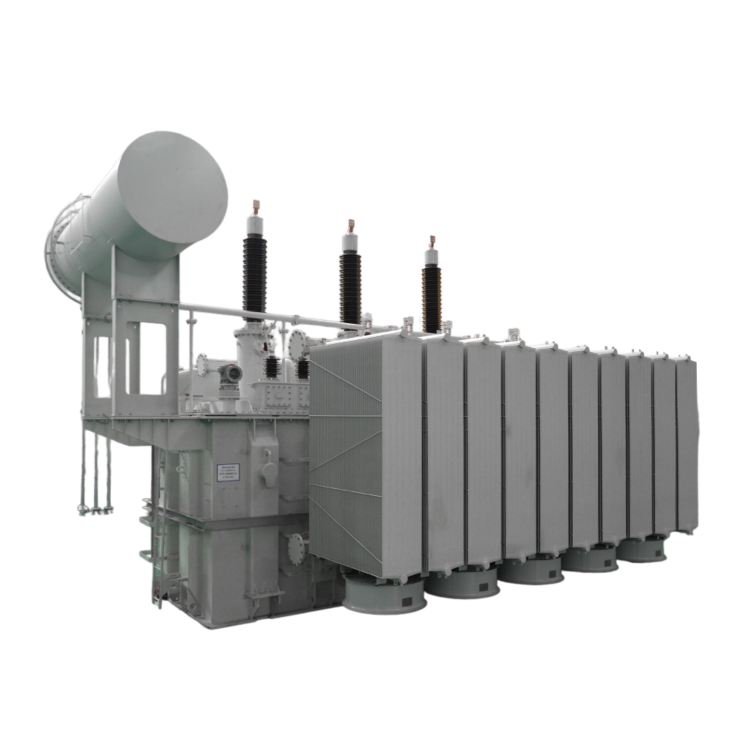
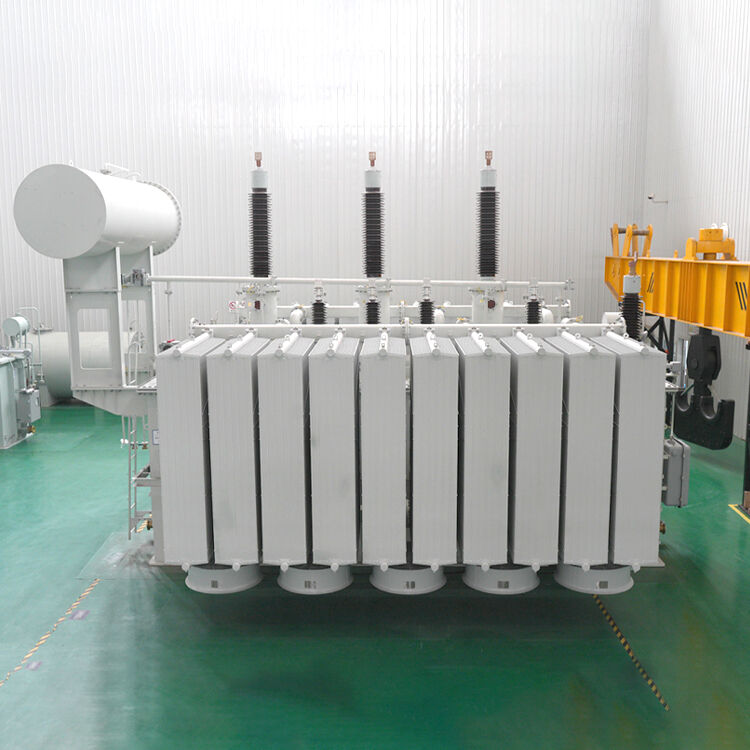
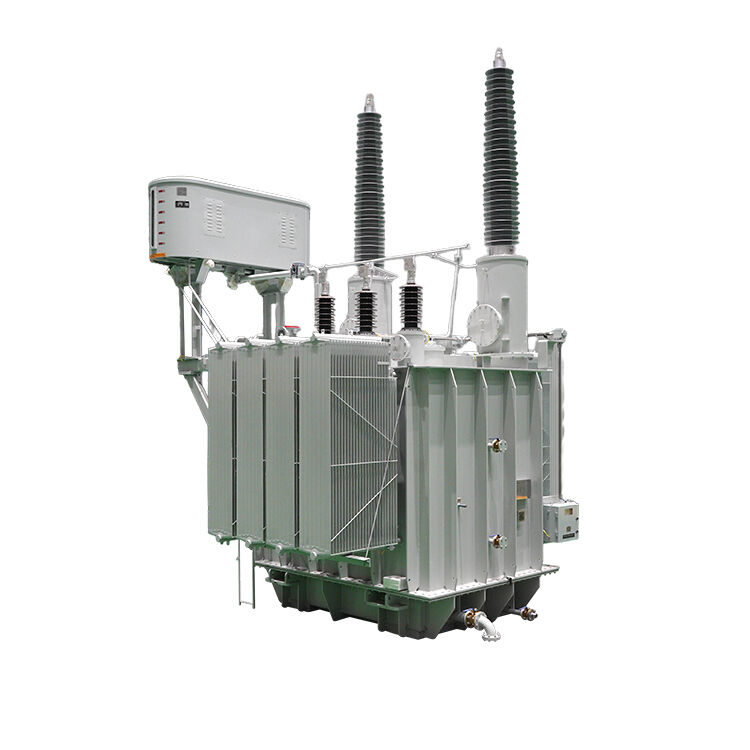
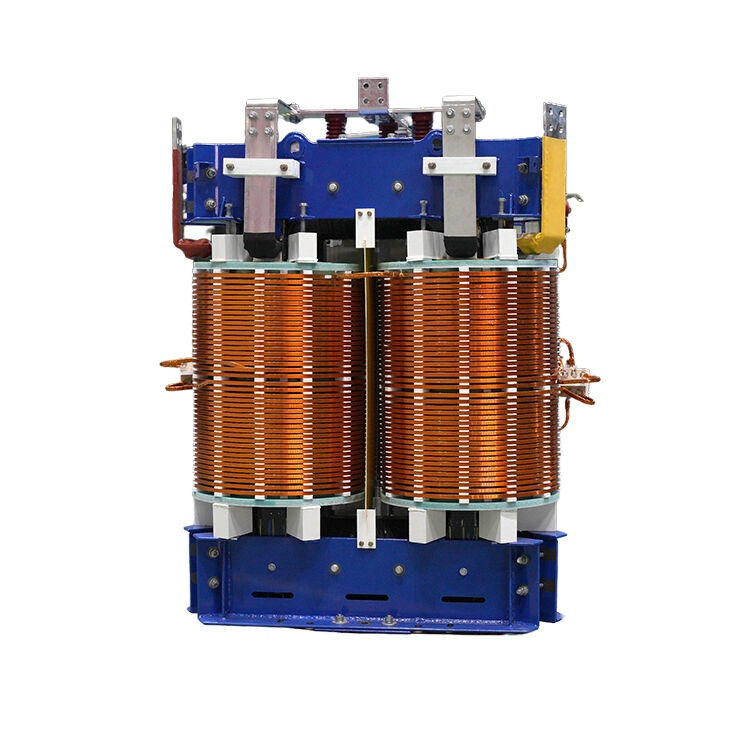
Ventilated Dry Type Transformer: Advanced Air-Cooled Power Solutions for Safe and Efficient Electrical Distribution

Get a Free Quote

Our representative will contact you soon.
Email
WhatsApp/Mobile
Name
Company Name
Message
0/1000

ventilated dry type transformer

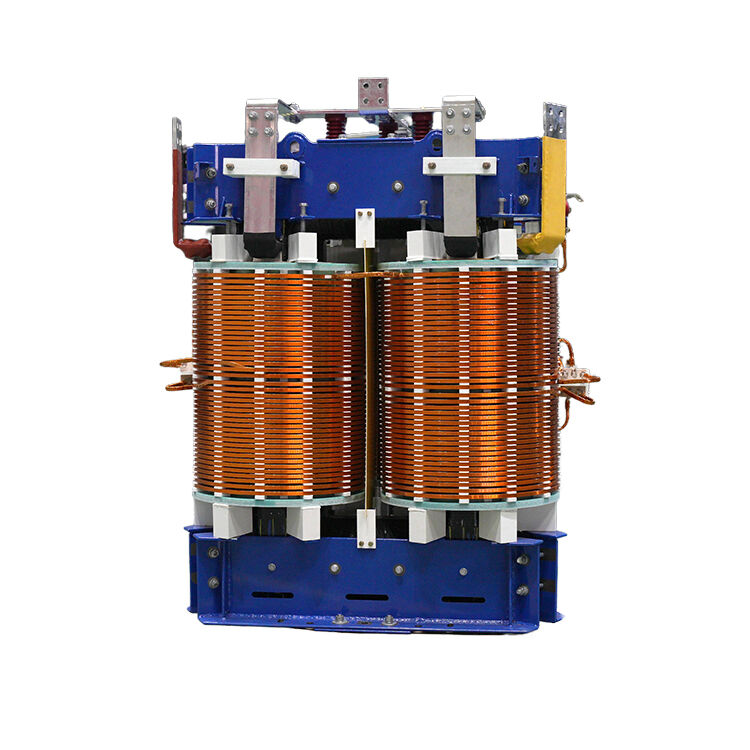
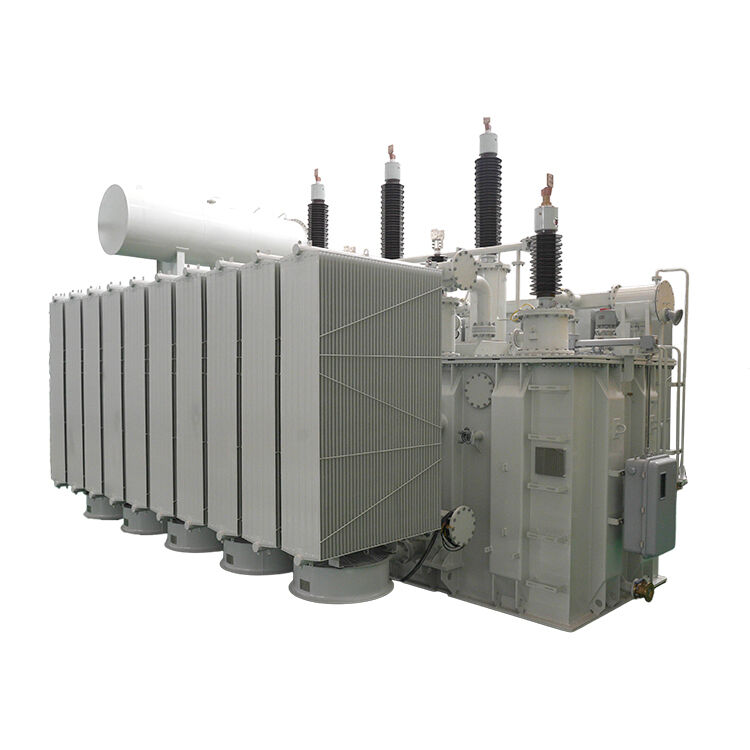
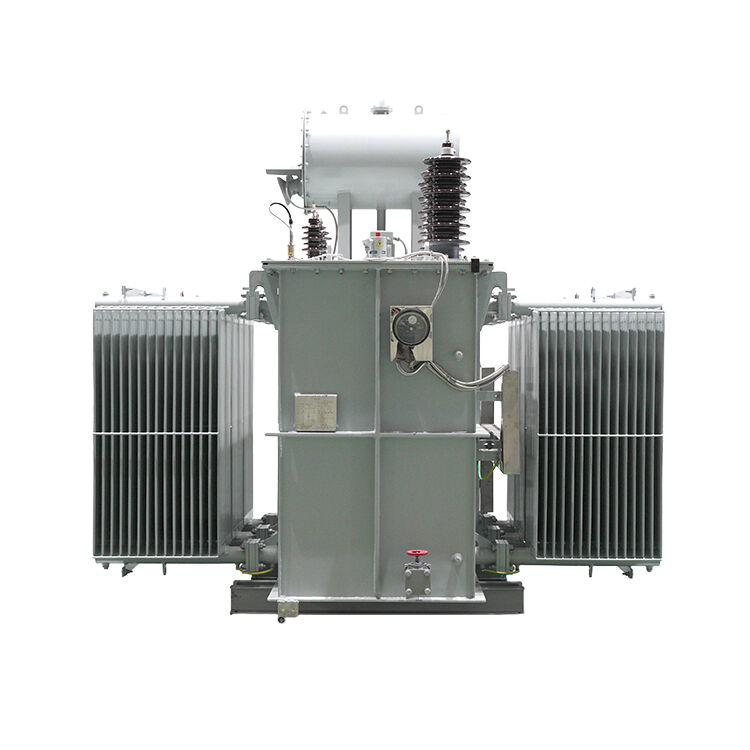
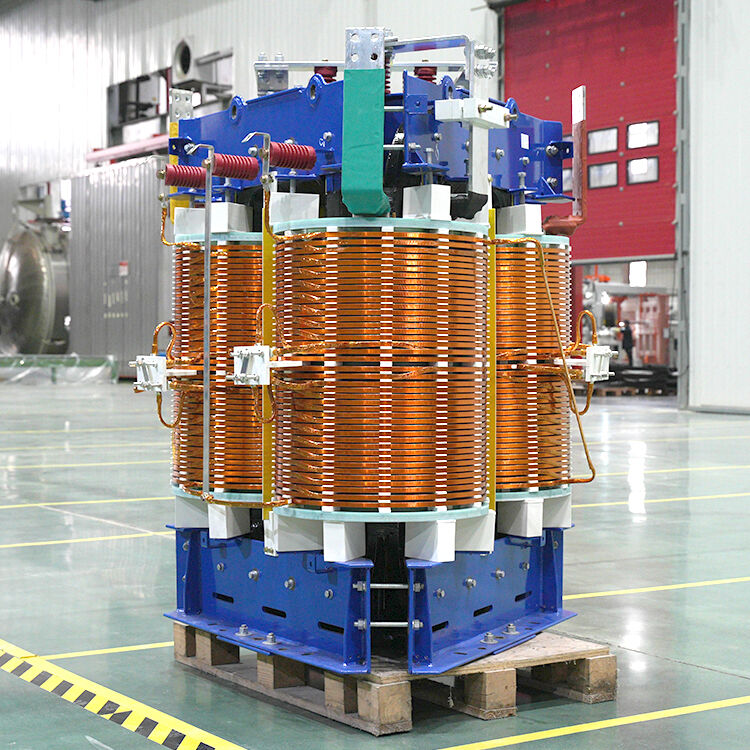
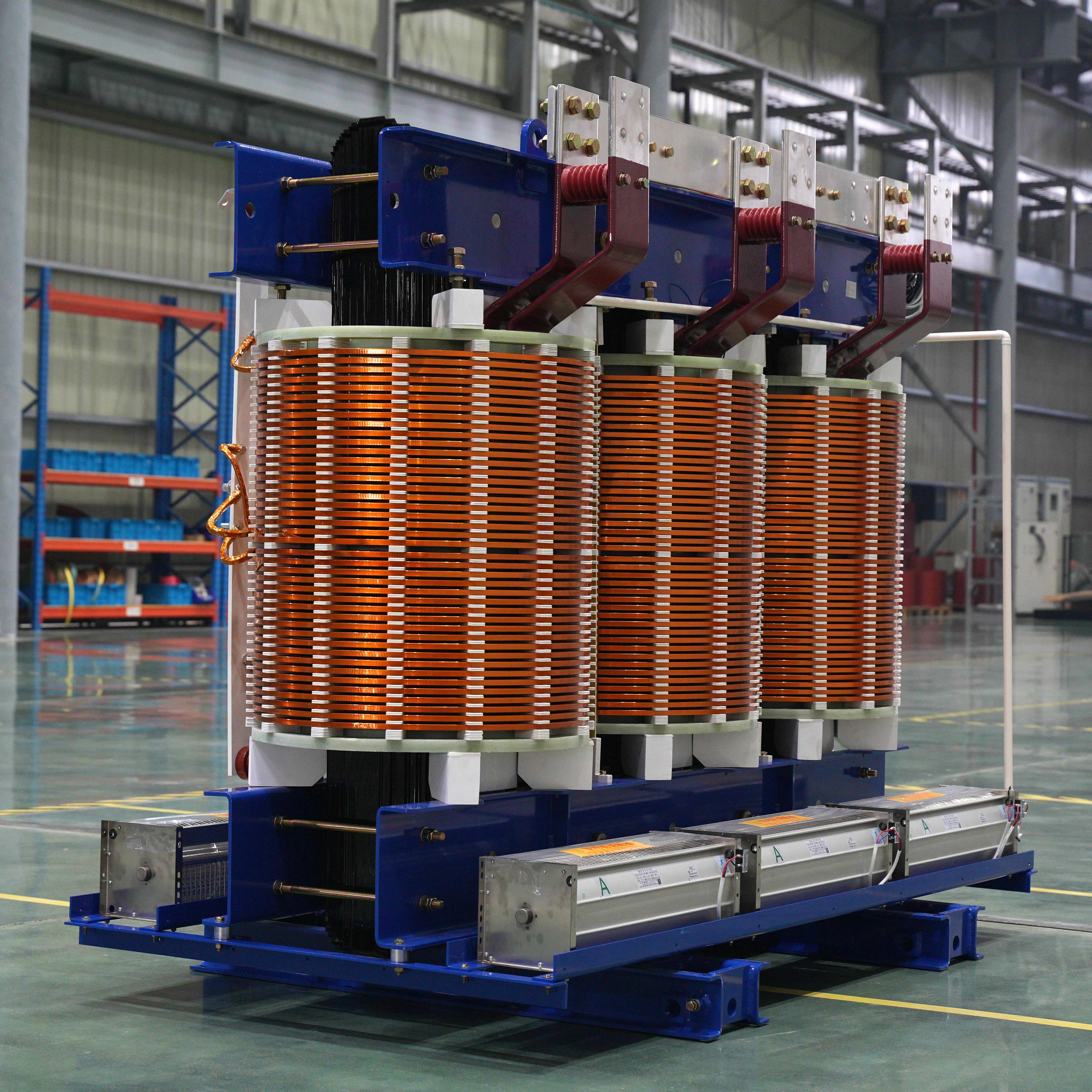
The ventilated dry type transformer represents a revolutionary advancement in electrical power distribution technology, designed to deliver reliable voltage conversion without the need for liquid cooling systems. This innovative electrical equipment utilizes air circulation as its primary cooling mechanism, making it an environmentally conscious choice for modern power infrastructure. The ventilated dry type transformer operates by employing natural or forced air ventilation to dissipate heat generated during electrical energy conversion processes. Its core construction features high-grade silicon steel laminations and copper or aluminum windings that are specially insulated with advanced polymer materials. The primary function of this transformer involves stepping voltage levels up or down according to specific electrical requirements while maintaining optimal efficiency ratings. The technological framework incorporates sophisticated temperature monitoring systems that ensure continuous operation within safe parameters. These transformers utilize epoxy resin casting or vacuum pressure impregnation techniques to provide superior insulation properties and mechanical strength. The ventilated design allows for effective heat dissipation through strategically positioned air ducts and cooling channels throughout the transformer structure. Applications for ventilated dry type transformers span across diverse industrial sectors including manufacturing facilities, commercial buildings, hospitals, data centers, and renewable energy installations. They prove particularly valuable in indoor environments where fire safety regulations restrict the use of oil-filled alternatives. The versatility of these transformers makes them suitable for both distribution and power applications, ranging from small-scale residential projects to large industrial complexes. Their robust construction enables reliable performance in challenging environmental conditions while providing consistent power quality. Modern ventilated dry type transformers incorporate smart monitoring capabilities that facilitate predictive maintenance and real-time performance analysis, ensuring extended operational lifespan and reduced downtime costs.

New Products

The ventilated dry type transformer offers numerous compelling advantages that make it an exceptional choice for contemporary electrical installations. Safety stands as the most significant benefit, as these transformers eliminate fire and explosion risks associated with oil-filled alternatives. The absence of flammable liquids means installations can proceed in sensitive environments such as hospitals, schools, and high-rise buildings without compromising occupant safety. Environmental protection represents another crucial advantage, as ventilated dry type transformers produce no oil spills or hazardous waste disposal requirements. This eco-friendly design aligns perfectly with sustainability initiatives and environmental regulations while reducing long-term environmental impact concerns. Maintenance requirements remain minimal compared to liquid-filled transformers, resulting in substantial cost savings over the equipment's operational lifetime. The absence of oil means no periodic oil testing, filtration, or replacement procedures, which translates to reduced maintenance personnel requirements and lower operational expenses. Installation flexibility proves exceptionally valuable, as these transformers can be positioned in various orientations and locations without concerns about oil leakage or specialized containment systems. This versatility allows engineers greater freedom in designing electrical systems and optimizing space utilization within facilities. The compact design of ventilated dry type transformers enables installation in smaller spaces while maintaining excellent performance characteristics. Weight advantages become apparent during transportation and installation phases, as these units typically weigh less than oil-filled counterparts of equivalent capacity. Immediate loading capability allows these transformers to handle full-rated loads immediately after energization, unlike oil-filled units that may require warm-up periods. Temperature rise characteristics remain well-controlled through efficient ventilation systems, ensuring consistent performance across varying load conditions. Overload capacity proves superior in many applications, allowing temporary overload conditions without permanent damage. The self-extinguishing insulation materials provide additional safety margins during fault conditions. Noise levels remain significantly lower than many alternative transformer designs, making them suitable for noise-sensitive installations. Diagnostic capabilities built into modern ventilated dry type transformers enable proactive maintenance strategies and help prevent unexpected failures through continuous monitoring of critical operational parameters.

Practical Tips

How Does a Transformer Work in High Voltage Power Transmission?

08

Jan

How Does a Transformer Work in High Voltage Power Transmission?

High voltage power transmission systems form the backbone of modern electrical grids, enabling electricity to travel efficiently across vast distances. At the heart of these complex networks lies the power transformer, a crucial piece of equipment th...
View More
Why Are Transformers Critical for Industrial Power Distribution Systems?

14

Jan

Why Are Transformers Critical for Industrial Power Distribution Systems?

Industrial power distribution systems form the backbone of modern manufacturing, commercial facilities, and critical infrastructure operations. At the heart of these complex networks lies a fundamental component that ensures safe, efficient, and reli...
View More
How Do Transformers Support Grid Stability in Large-Scale Power Networks?

20

Jan

How Do Transformers Support Grid Stability in Large-Scale Power Networks?

Large-scale power networks form the backbone of modern electrical infrastructure, requiring sophisticated equipment to maintain stability and reliability across vast geographical areas. Power transformers play a crucial role in these complex systems ...
View More
What Should Utilities Consider When Selecting a Transformer Supplier?

26

Jan

What Should Utilities Consider When Selecting a Transformer Supplier?

Selecting the right supplier for power infrastructure represents one of the most critical decisions utility companies face in today's rapidly evolving energy landscape. The process of choosing a power transformer supplier requires careful evaluation ...
View More

Get a Free Quote

Our representative will contact you soon.
Email
WhatsApp/Mobile
Name
Company Name
Message
0/1000

ventilated dry type transformer

Advanced Thermal Management System

Advanced Thermal Management System

The ventilated dry type transformer incorporates a sophisticated thermal management system that sets it apart from conventional transformer technologies. This innovative cooling approach utilizes carefully engineered airflow patterns to maintain optimal operating temperatures across all load conditions. The thermal management system features strategically positioned ventilation channels that create natural convection currents, effectively removing heat from critical transformer components. Advanced computational fluid dynamics modeling guides the design of these air passages, ensuring maximum cooling efficiency while minimizing noise generation. The system includes temperature sensors at multiple locations throughout the transformer structure, providing real-time monitoring of thermal conditions. These sensors connect to intelligent control systems that can adjust cooling parameters automatically based on load demands and ambient conditions. The thermal management design prevents hotspot formation that could compromise insulation integrity or reduce equipment lifespan. Specialized cooling fins and heat dissipation surfaces maximize the contact area between transformer components and cooling air, enhancing heat transfer rates significantly. The ventilated dry type transformer's thermal system operates effectively across wide temperature ranges, maintaining consistent performance in both extreme cold and hot climates. Emergency cooling protocols activate automatically during overload conditions, providing additional thermal protection when standard cooling capacity becomes insufficient. The system's modular design allows for cooling capacity upgrades or modifications without replacing the entire transformer unit. Predictive thermal modeling capabilities enable operators to anticipate cooling requirements based on projected load profiles and environmental conditions. The thermal management system contributes directly to extended transformer lifespan by preventing thermal stress on insulation materials and conductive components. Regular thermal performance assessments help identify potential issues before they impact transformer operation, supporting proactive maintenance strategies that minimize unplanned downtime and repair costs.
Superior Insulation Technology

Superior Insulation Technology

The insulation technology employed in ventilated dry type transformers represents a significant advancement in electrical equipment design, offering unparalleled protection and reliability. This cutting-edge insulation system utilizes high-performance polymer materials that provide exceptional dielectric strength while maintaining flexibility across temperature variations. The insulation design incorporates multiple barrier layers that create redundant protection against electrical stress and environmental factors. Advanced epoxy resin formulations cure under controlled conditions to eliminate voids and air pockets that could compromise insulation integrity. The ventilated dry type transformer's insulation system demonstrates superior resistance to partial discharge phenomena, which can gradually degrade conventional insulation materials over time. Specialized corona-resistant coatings protect high-voltage areas from electrical stress concentration, extending overall equipment reliability. The insulation technology includes moisture-resistant properties that prevent degradation in humid environments, making these transformers suitable for diverse climatic conditions. Thermal cycling resistance ensures the insulation maintains its properties despite repeated heating and cooling cycles during normal operation. The system's self-healing characteristics allow minor insulation damage to repair automatically without compromising overall performance. Chemical resistance properties protect against environmental contaminants that might otherwise cause insulation deterioration. The insulation design incorporates stress-relief features that distribute electrical fields uniformly, preventing localized stress concentrations that could lead to premature failure. Quality control procedures during manufacturing include rigorous testing of insulation properties at various stages of production. The insulation technology supports higher operating voltages and frequencies compared to traditional transformer designs, enabling more efficient power transmission. Long-term aging studies demonstrate that this insulation technology maintains excellent properties over extended operational periods, contributing to transformer longevity. The environmentally friendly insulation materials contain no harmful substances and support sustainable manufacturing practices while delivering superior electrical performance characteristics.
Intelligent Monitoring and Control Features

Intelligent Monitoring and Control Features

Modern ventilated dry type transformers incorporate intelligent monitoring and control features that revolutionize transformer operation and maintenance practices. These sophisticated systems provide comprehensive real-time data collection and analysis capabilities that enable optimal transformer performance optimization. The intelligent monitoring system includes multiple sensor arrays that continuously track critical operational parameters such as temperature, vibration, load current, and voltage levels. Advanced data processing algorithms analyze this information to identify trends and patterns that indicate potential issues before they develop into serious problems. The control features enable remote operation and monitoring through secure communication networks, allowing operators to manage transformer systems from centralized control rooms. Predictive maintenance capabilities use artificial intelligence algorithms to forecast maintenance requirements based on operational history and current performance indicators. The ventilated dry type transformer's intelligent system provides automated protection functions that respond instantly to fault conditions, minimizing equipment damage and ensuring personnel safety. Customizable alarm systems notify operators of abnormal conditions through multiple communication channels including email, text messages, and control room displays. Historical data logging capabilities maintain comprehensive records of transformer performance over extended periods, supporting regulatory compliance and warranty requirements. The intelligent monitoring system integrates seamlessly with existing power management systems, providing centralized oversight of multiple transformer installations. Energy efficiency optimization features automatically adjust transformer operation to minimize losses while maintaining required performance levels. Load forecasting capabilities help operators plan maintenance activities and capacity expansions based on projected electrical demand patterns. The system's user-friendly interface provides intuitive access to complex operational data through graphical displays and customizable dashboards. Cybersecurity features protect the monitoring and control systems from unauthorized access while maintaining reliable communication with authorized personnel and systems. The intelligent features support condition-based maintenance strategies that extend equipment life while reducing maintenance costs through optimized scheduling and resource allocation.

Get a Free Quote

Our representative will contact you soon.
Email
WhatsApp/Mobile
Name
Company Name
Message
0/1000