Air Ventilated Transformers: Efficient, Reliable, and Eco-Friendly Power Solutions

Get a Free Quote

Our representative will contact you soon.
Email
WhatsApp/Mobile
Name
Company Name
Message
0/1000

air ventilated transformer

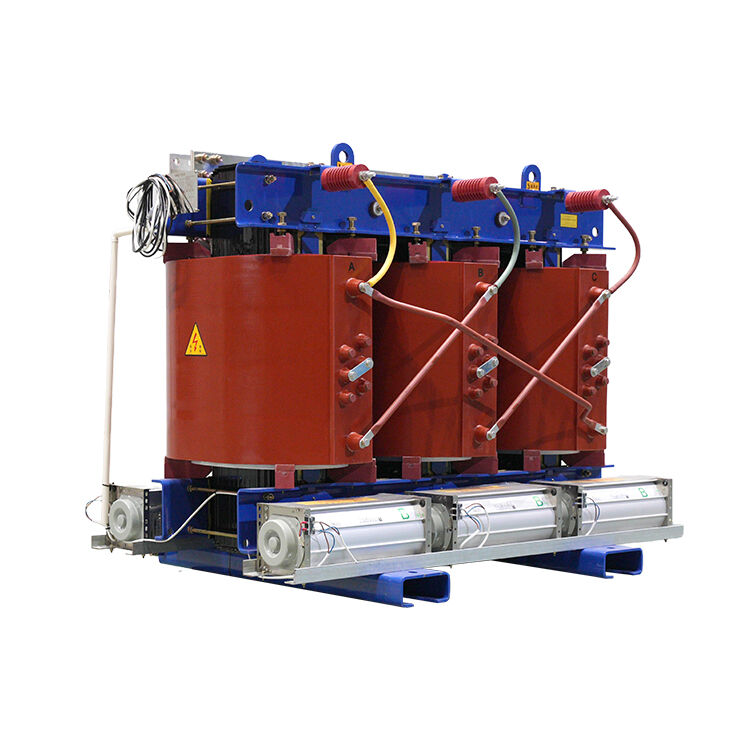
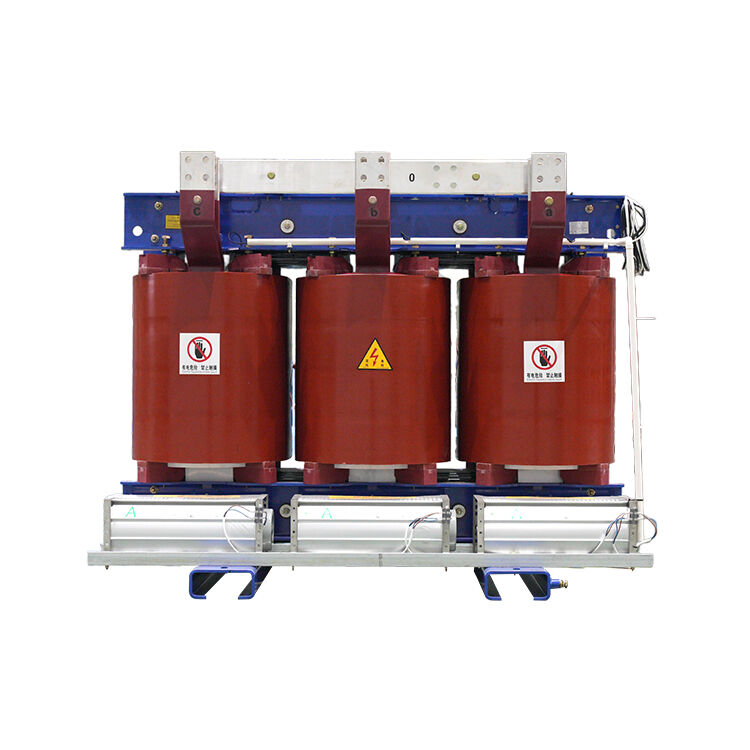
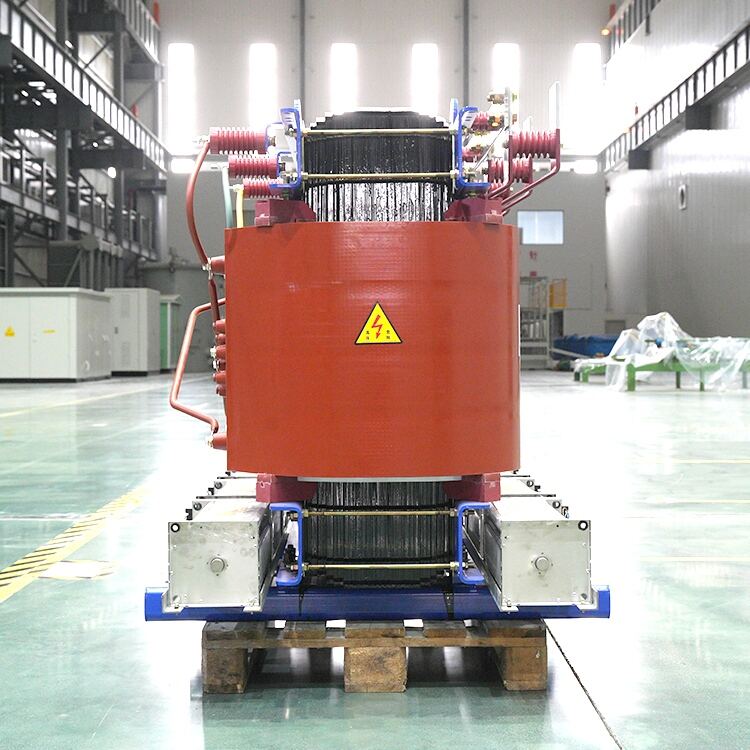
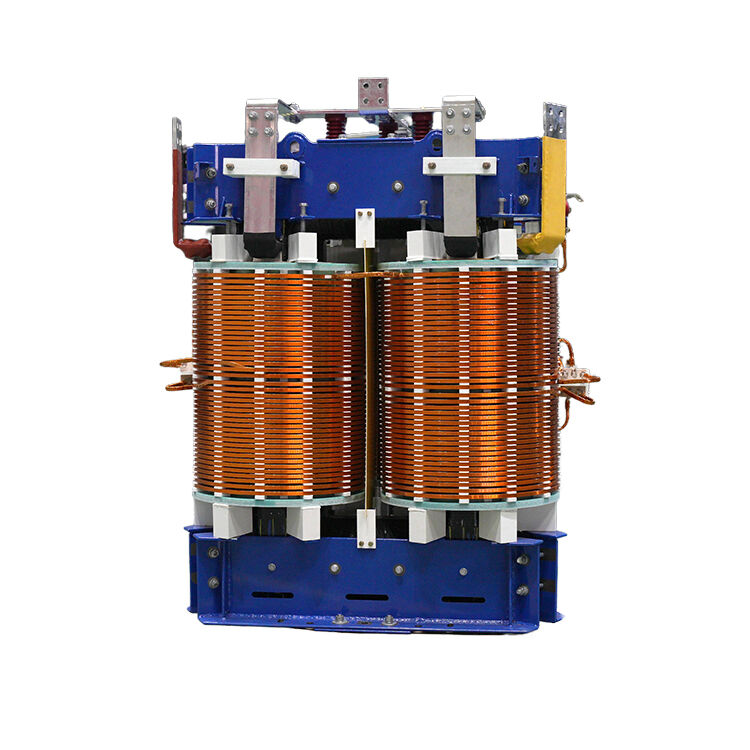
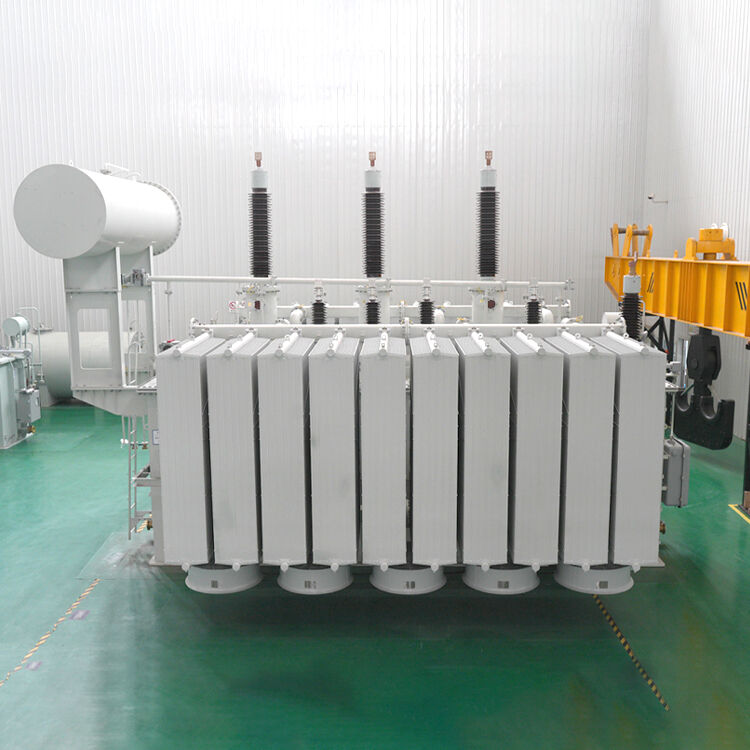
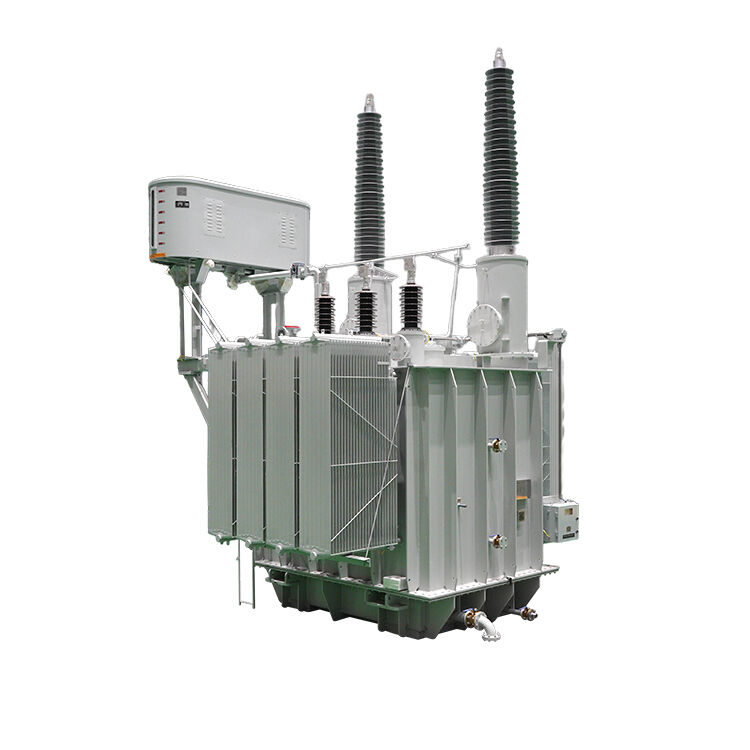
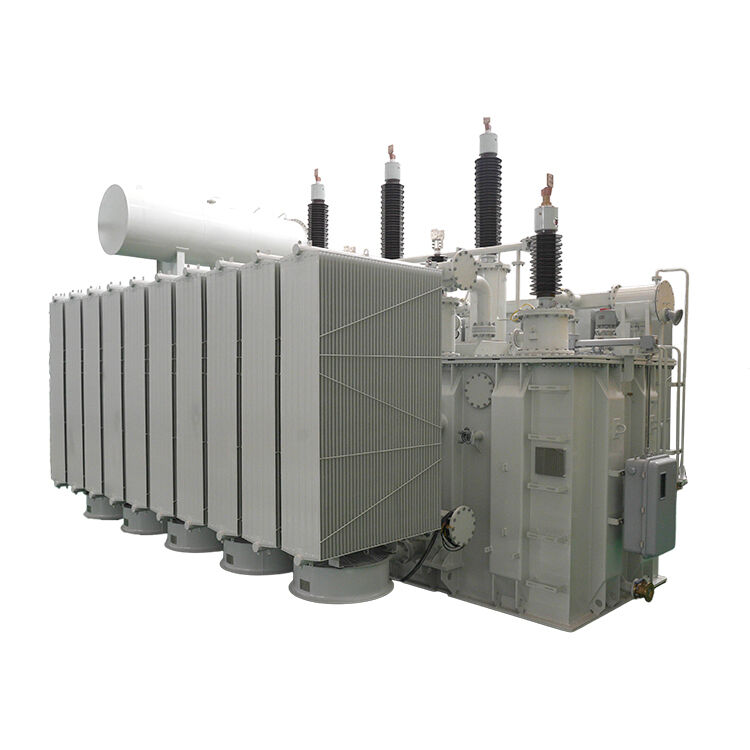
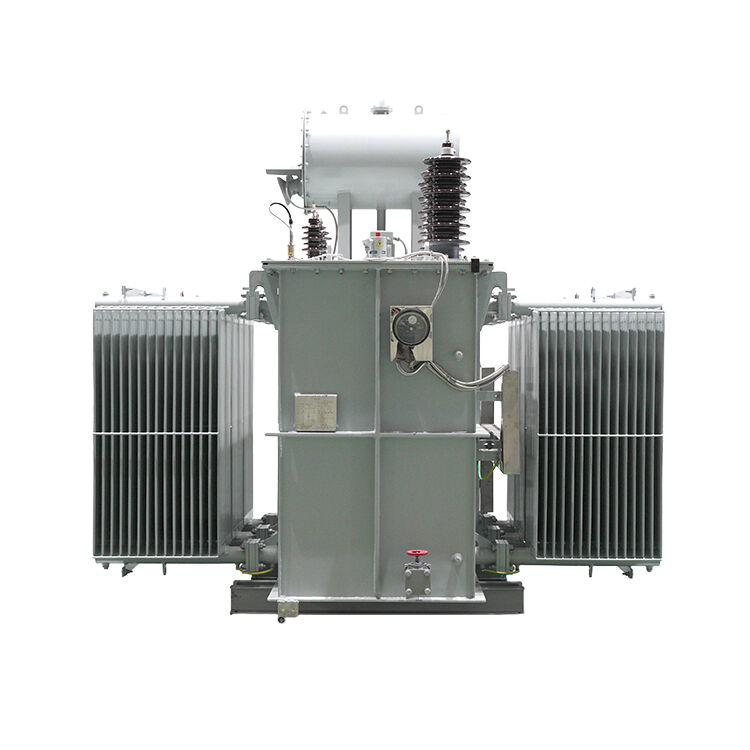
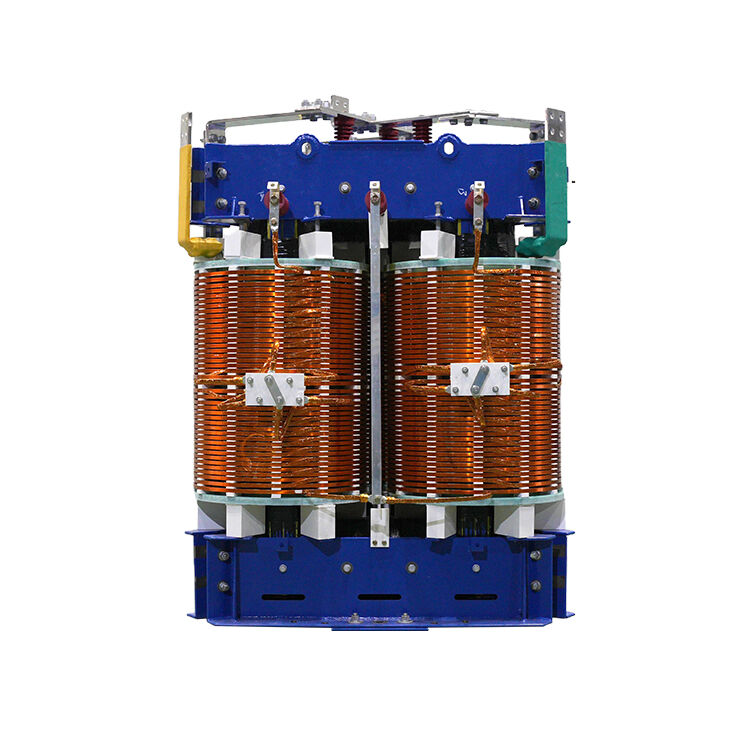
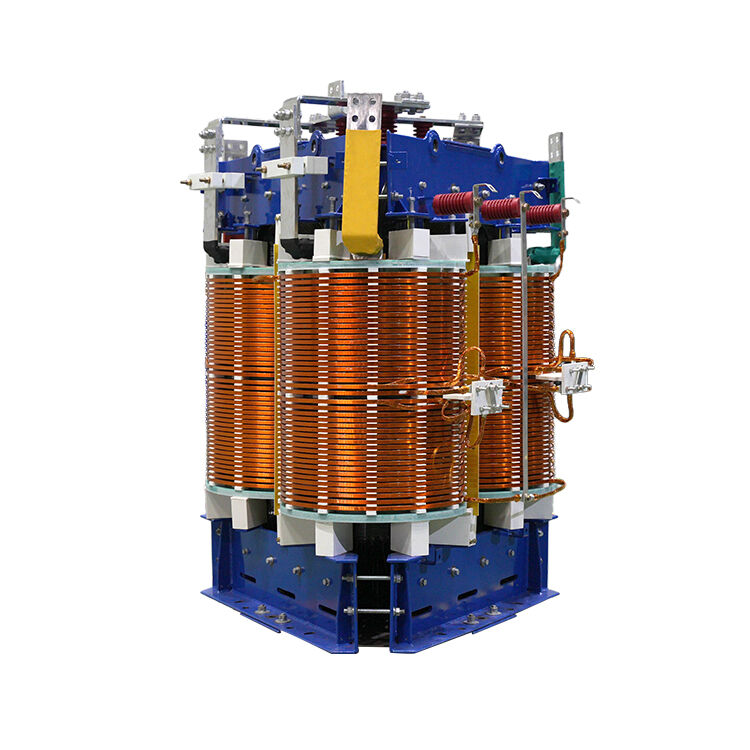
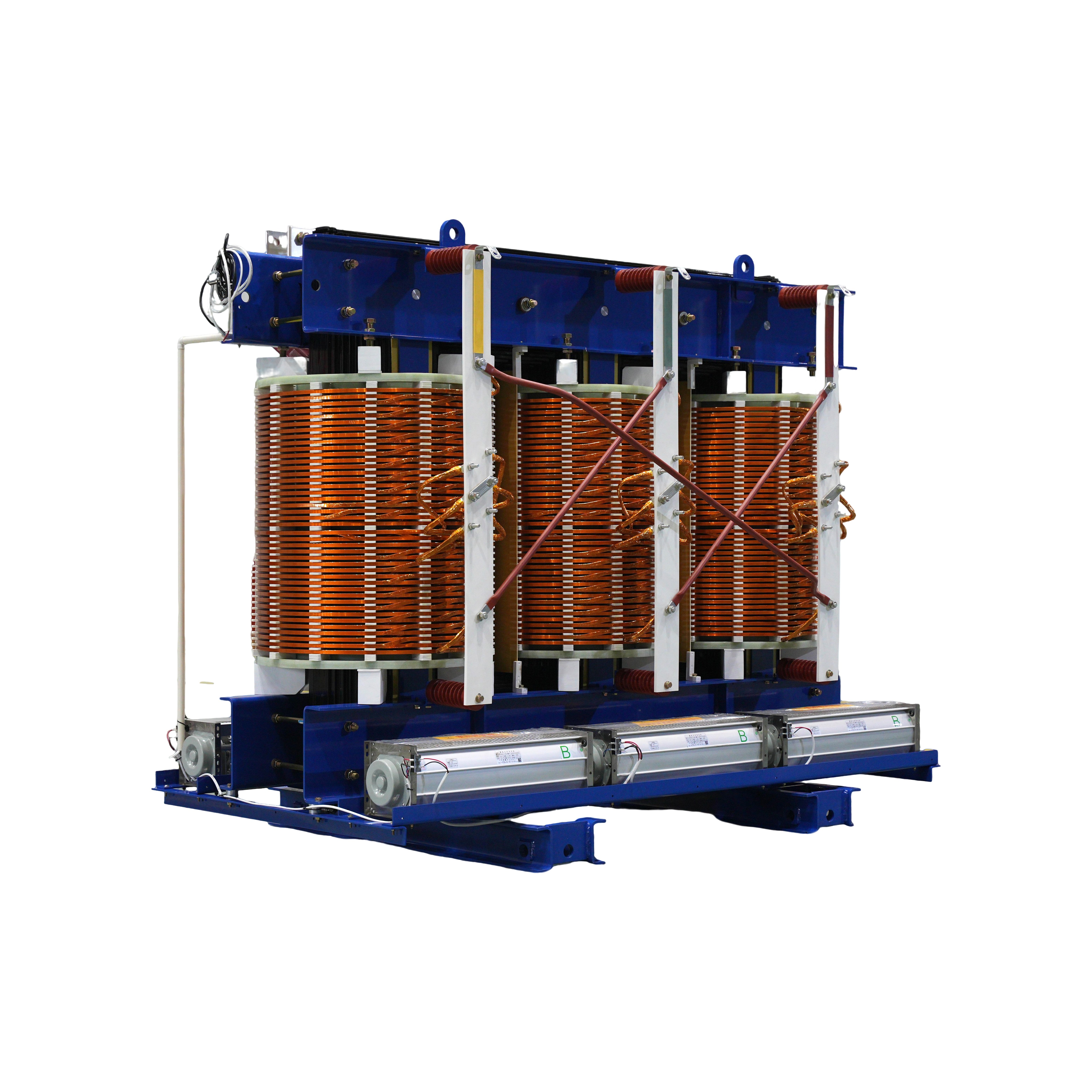
An air ventilated transformer represents a sophisticated electrical device designed to transfer electrical energy between circuits through electromagnetic induction while utilizing natural air circulation for cooling purposes. This type of transformer employs ambient air as the primary cooling medium, making it an environmentally friendly and cost-effective solution for various electrical applications. The air ventilated transformer operates by drawing cool air from the bottom and expelling heated air from the top, creating a natural convection process that maintains optimal operating temperatures. The core construction features high-grade silicon steel laminations that minimize energy losses, while the windings consist of premium copper or aluminum conductors wrapped around the core. These transformers incorporate specially designed ventilation ducts and channels that facilitate efficient airflow throughout the unit, ensuring consistent temperature distribution across all components. The insulation system utilizes advanced materials capable of withstanding temperature fluctuations while maintaining electrical integrity. Modern air ventilated transformer designs include protective enclosures that shield internal components from environmental factors while allowing unrestricted air circulation. The voltage regulation capabilities ensure stable output under varying load conditions, making these units suitable for both industrial and commercial applications. Installation flexibility allows for indoor or outdoor mounting configurations, depending on specific requirements and environmental conditions. The magnetic circuit design optimizes flux distribution, reducing losses and improving overall efficiency. These transformers feature robust construction with corrosion-resistant materials that extend service life significantly. The cooling system requires no external power source, relying entirely on natural convection principles. Advanced monitoring systems can be integrated to track performance parameters and provide early warning indicators for maintenance requirements. The air ventilated transformer delivers reliable power transformation while maintaining exceptional safety standards through comprehensive protection mechanisms and fail-safe designs.

New Products

Air ventilated transformers offer numerous compelling benefits that make them an attractive choice for diverse electrical applications. The primary advantage lies in their exceptional cost-effectiveness, as these units require no additional cooling infrastructure or ongoing coolant expenses. Unlike oil-filled alternatives, air ventilated transformers eliminate the risk of fluid leaks, reducing environmental concerns and maintenance complexities significantly. The natural cooling mechanism provides inherent reliability since it operates without mechanical components that could fail or require replacement. This passive cooling approach results in virtually silent operation, making these transformers ideal for installations in noise-sensitive environments such as residential areas, schools, and hospitals. The absence of cooling fluids simplifies installation procedures and reduces overall project costs substantially. Maintenance requirements remain minimal because there are no filters to clean, pumps to service, or coolant levels to monitor regularly. Fire safety improves dramatically with air ventilated transformers since they contain no flammable liquids that could ignite during fault conditions. Environmental compliance becomes straightforward as these units produce no hazardous waste streams or require special disposal procedures at end of life. The compact design footprint allows installation in space-constrained locations where larger cooling systems would be impractical. Energy efficiency remains high throughout the operational lifespan because the cooling system consumes no parasitic power. Temperature monitoring becomes more straightforward with direct air temperature measurements rather than complex fluid analysis. The modular construction enables easier transportation and handling during installation or relocation projects. Rapid heat dissipation occurs during varying load conditions, providing excellent thermal response characteristics. Service accessibility improves since technicians can inspect and maintain components without dealing with potentially hazardous cooling fluids. The air ventilated transformer design accommodates various mounting orientations to suit specific installation requirements. Operational flexibility increases as these units can function effectively across wide temperature ranges without cooling system adjustments. Long-term ownership costs decrease due to reduced maintenance intervals and simplified servicing procedures, making air ventilated transformers an economically sound investment for forward-thinking organizations.

Practical Tips

How Does a Transformer Work in High Voltage Power Transmission?

08

Jan

How Does a Transformer Work in High Voltage Power Transmission?

High voltage power transmission systems form the backbone of modern electrical grids, enabling electricity to travel efficiently across vast distances. At the heart of these complex networks lies the power transformer, a crucial piece of equipment th...
View More
Why Are Transformers Critical for Industrial Power Distribution Systems?

14

Jan

Why Are Transformers Critical for Industrial Power Distribution Systems?

Industrial power distribution systems form the backbone of modern manufacturing, commercial facilities, and critical infrastructure operations. At the heart of these complex networks lies a fundamental component that ensures safe, efficient, and reli...
View More
How Do Transformers Support Grid Stability in Large-Scale Power Networks?

20

Jan

How Do Transformers Support Grid Stability in Large-Scale Power Networks?

Large-scale power networks form the backbone of modern electrical infrastructure, requiring sophisticated equipment to maintain stability and reliability across vast geographical areas. Power transformers play a crucial role in these complex systems ...
View More
What Should Utilities Consider When Selecting a Transformer Supplier?

26

Jan

What Should Utilities Consider When Selecting a Transformer Supplier?

Selecting the right supplier for power infrastructure represents one of the most critical decisions utility companies face in today's rapidly evolving energy landscape. The process of choosing a power transformer supplier requires careful evaluation ...
View More

Get a Free Quote

Our representative will contact you soon.
Email
WhatsApp/Mobile
Name
Company Name
Message
0/1000

air ventilated transformer

Superior Environmental Safety and Sustainability

Superior Environmental Safety and Sustainability

The air ventilated transformer stands out as an environmentally responsible solution that addresses growing concerns about ecological impact and workplace safety. Unlike traditional oil-filled transformers that pose risks of hazardous spills and contamination, this innovative design eliminates liquid coolants entirely, creating a inherently safer operating environment. The absence of potentially harmful fluids means zero risk of ground or water contamination, making these transformers particularly suitable for installations near sensitive ecological areas, water sources, or densely populated regions. This environmental advantage extends beyond operational safety to encompass the entire product lifecycle, from manufacturing through disposal. The air ventilated transformer requires no specialized waste handling procedures when reaching end of service life, as all components consist of recyclable materials that can be processed through standard industrial recycling channels. Manufacturing processes produce fewer environmental byproducts since no coolant production or handling systems are required. The carbon footprint remains significantly lower throughout the operational period because no energy is consumed for cooling system operation, pump motors, or coolant circulation equipment. Workplace safety improves dramatically as maintenance personnel face no exposure risks to potentially toxic cooling fluids or vapors. Emergency response procedures simplify considerably since there are no liquid containment requirements or specialized cleanup protocols needed for coolant spills. Regulatory compliance becomes more straightforward as these units typically face fewer environmental reporting requirements and inspection protocols. The air ventilated transformer contributes to green building certifications and sustainability initiatives through its environmentally conscious design. Air quality impacts remain minimal since no chemical emissions occur during normal operation or maintenance activities. The sustainable design philosophy aligns with corporate environmental responsibility programs and helps organizations meet increasingly stringent environmental standards. Fire suppression systems require less complexity since there are no flammable liquids to consider in emergency planning scenarios. This environmental leadership position enhances corporate reputation while providing tangible operational benefits that extend far beyond simple transformer functionality.
Exceptional Operational Reliability and Low Maintenance

Exceptional Operational Reliability and Low Maintenance

The air ventilated transformer delivers unparalleled operational reliability through its elegantly simple design that eliminates numerous potential failure points common in more complex cooling systems. The passive cooling mechanism operates without any moving parts, pumps, fans, or circulation systems that could malfunction and compromise transformer performance. This inherent simplicity translates directly into extended service intervals and reduced maintenance costs throughout the equipment lifespan. The natural convection cooling process continues functioning even during power outages or electrical system failures, ensuring consistent thermal management under all operating conditions. Diagnostic procedures become more straightforward since technicians can visually inspect cooling pathways and identify potential issues without specialized testing equipment or fluid analysis procedures. The air ventilated transformer design incorporates robust materials and construction techniques that withstand harsh environmental conditions while maintaining optimal performance characteristics. Temperature stability remains consistent across varying ambient conditions because the cooling system automatically adjusts to environmental changes without manual intervention or system modifications. The absence of seals, gaskets, and fluid connections eliminates common leak points that often require emergency repairs in traditional transformer designs. Predictive maintenance programs benefit from simplified monitoring requirements since thermal sensors provide direct temperature readings without complex coolant temperature analysis. Service life expectancy increases significantly due to reduced component complexity and fewer potential failure modes. The air ventilated transformer continues operating effectively even when some ventilation pathways become partially obstructed, providing built-in redundancy that enhances overall system reliability. Emergency repair procedures simplify dramatically since no coolant drainage, replacement, or system purging is required for most maintenance activities. Seasonal maintenance requirements remain minimal as there are no coolant winterization or summerization procedures needed for climate adaptation. The robust design tolerates temporary overload conditions better than alternatives because heat dissipation responds immediately to temperature changes. Quality control during manufacturing becomes more consistent since no coolant compatibility issues or fluid contamination concerns exist. This reliability advantage provides significant value to critical applications where downtime costs exceed equipment costs substantially, making the air ventilated transformer an intelligent choice for mission-critical installations.
Cost-Effective Installation and Long-Term Economics

Cost-Effective Installation and Long-Term Economics

The air ventilated transformer provides exceptional economic value through dramatically reduced installation costs and simplified infrastructure requirements that benefit project budgets significantly. Initial capital expenditures decrease substantially since no coolant purchase, handling equipment, containment systems, or specialized installation procedures are required. The lightweight design compared to fluid-filled alternatives reduces foundation requirements and structural support needs, lowering civil engineering costs considerably. Transportation expenses remain minimal due to compact dimensions and absence of hazardous materials that would require special shipping procedures or permits. Installation timelines accelerate because no coolant filling, system purging, or leak testing procedures delay project completion schedules. The air ventilated transformer requires no auxiliary cooling equipment, pumps, heat exchangers, or monitoring systems that add complexity and cost to traditional installations. Site preparation simplifies significantly since no containment berms, drain systems, or spill prevention infrastructure is necessary. Electrical connections become more straightforward without coolant temperature sensors, circulation pump controls, or cooling system interlocks to coordinate. Commissioning procedures streamline dramatically as no fluid quality testing, system pressurization, or coolant circulation verification is required before energization. Operating expenses remain consistently low throughout the service life because no coolant replacement, filtration, or treatment costs occur. Insurance premiums often reflect reduced risk profiles associated with dry-type transformers, providing ongoing financial benefits. Emergency response preparedness costs decrease since no specialized spill cleanup equipment or trained hazmat personnel are required on-site. The air ventilated transformer typically qualifies for accelerated depreciation schedules due to its environmental and safety advantages. Energy costs remain optimized since no parasitic cooling system loads reduce overall electrical efficiency. Facility modifications become unnecessary as these units adapt to existing electrical rooms without ventilation system upgrades or special environmental controls. Resale value retention exceeds alternatives because buyers recognize the operational advantages and reduced liability associated with dry-type designs. Life cycle cost analysis consistently favors air ventilated transformers when accounting for installation, operation, maintenance, and disposal expenses over typical service periods. This comprehensive economic advantage makes the air ventilated transformer an intelligent investment that delivers both immediate and long-term financial benefits to discerning customers.

Get a Free Quote

Our representative will contact you soon.
Email
WhatsApp/Mobile
Name
Company Name
Message
0/1000