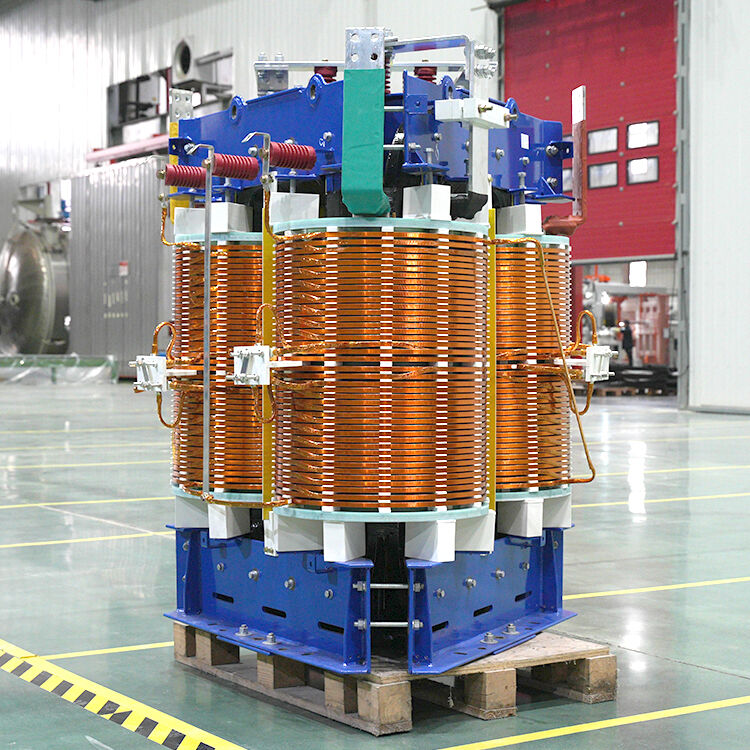
Ventilated Transformers: Advanced Cooling Technology for Efficient Power Distribution

Get a Free Quote

Our representative will contact you soon.
Email
WhatsApp/Mobile
Name
Company Name
Message
0/1000

ventilated transformer

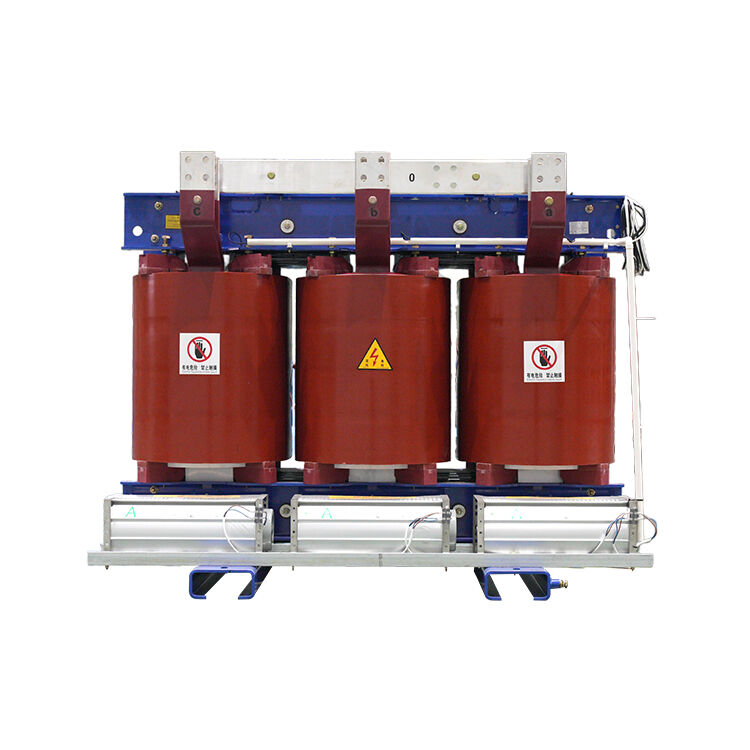
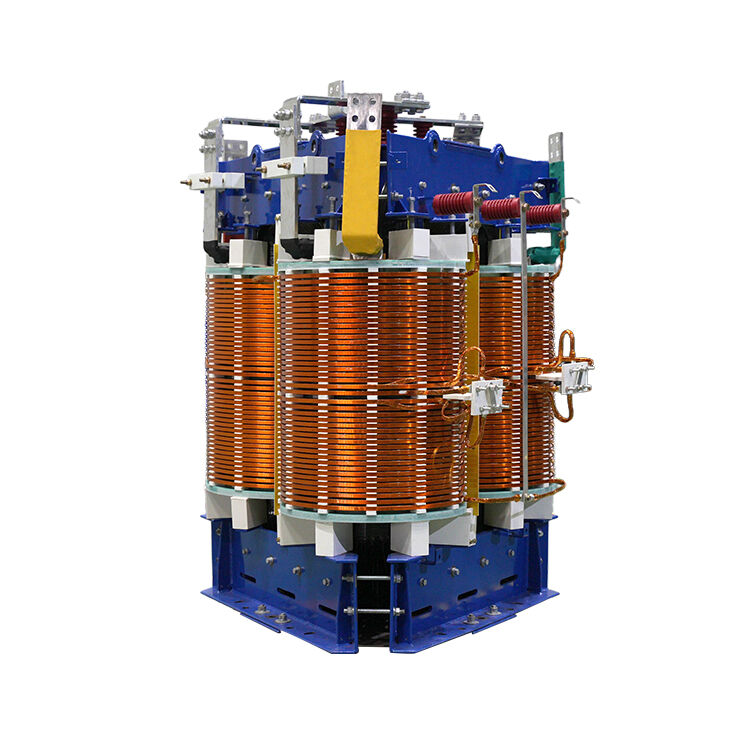
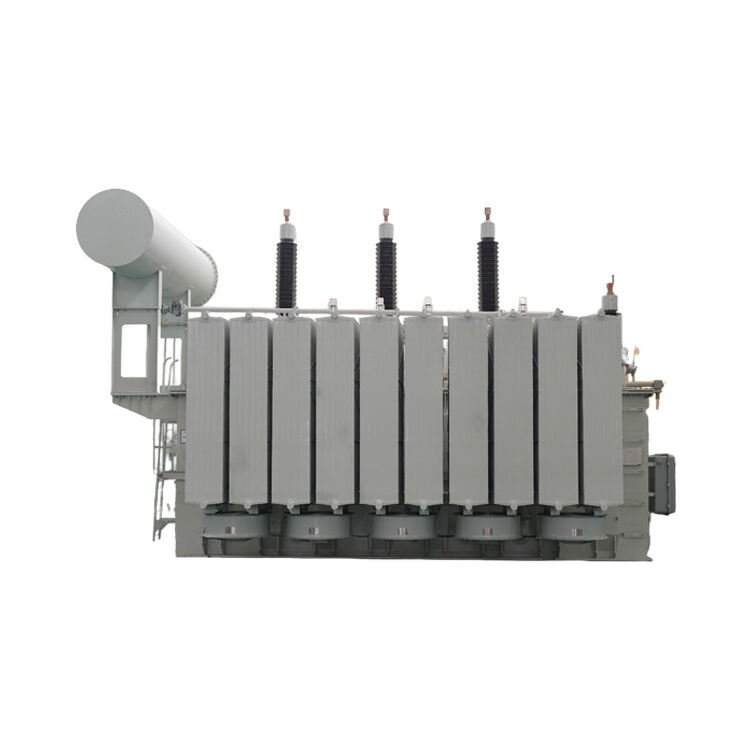
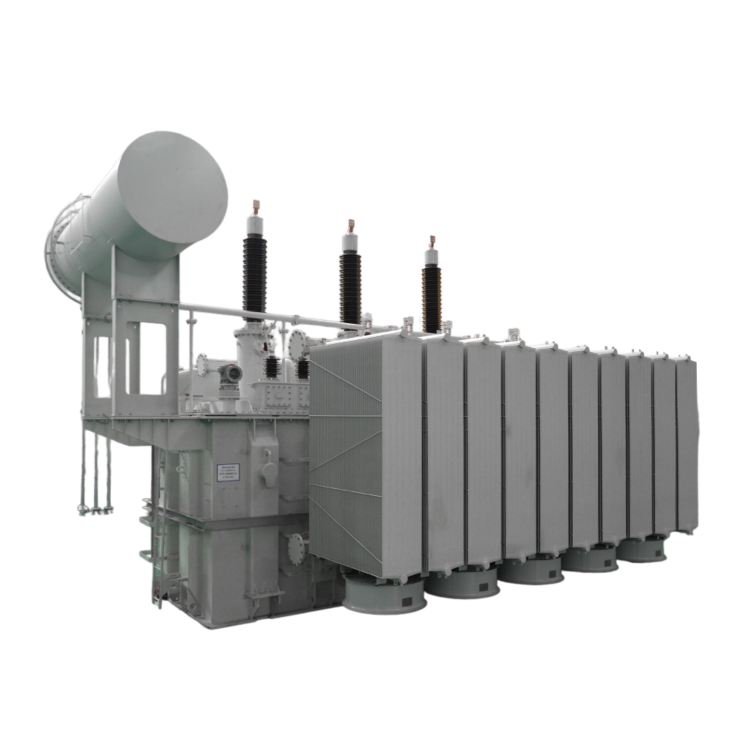
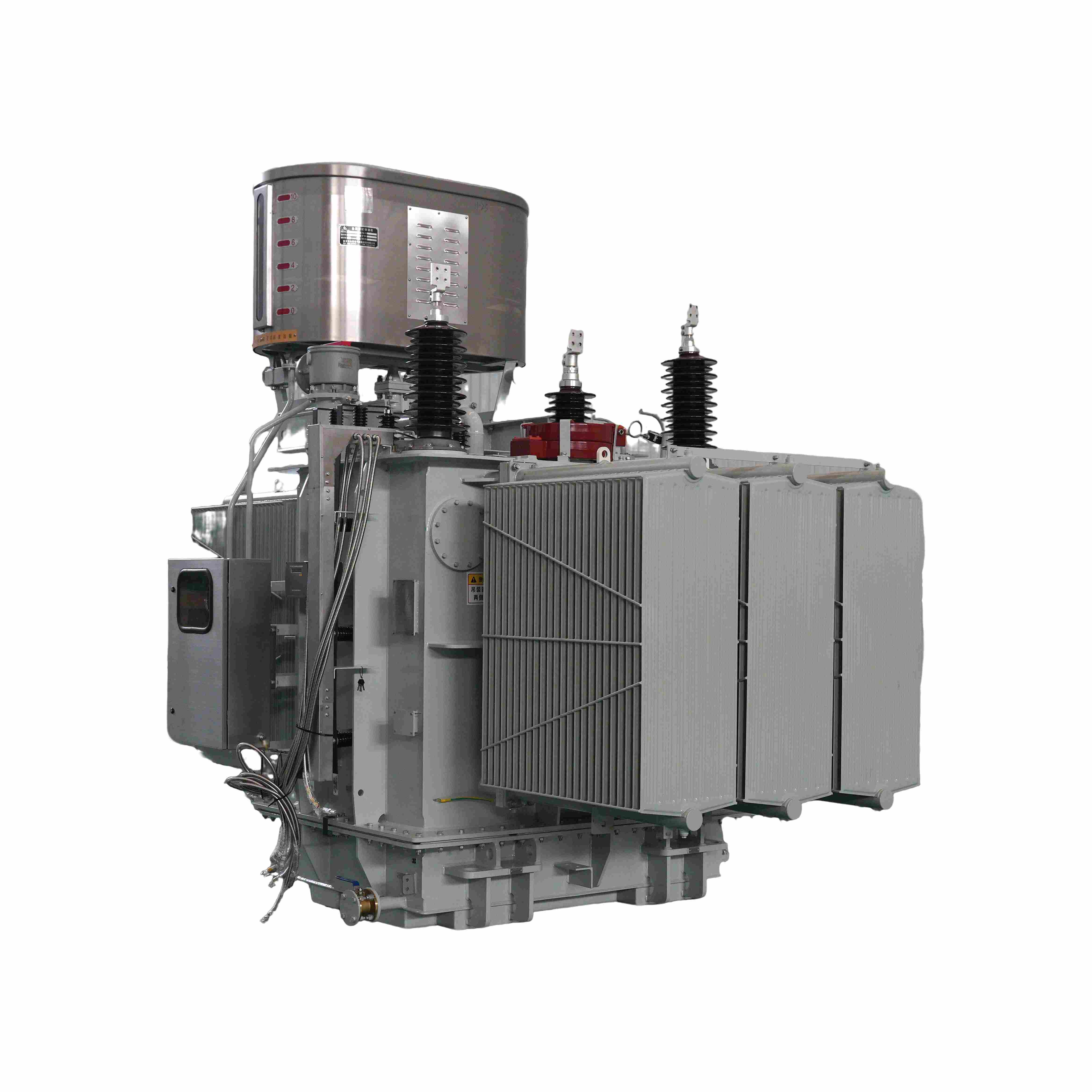
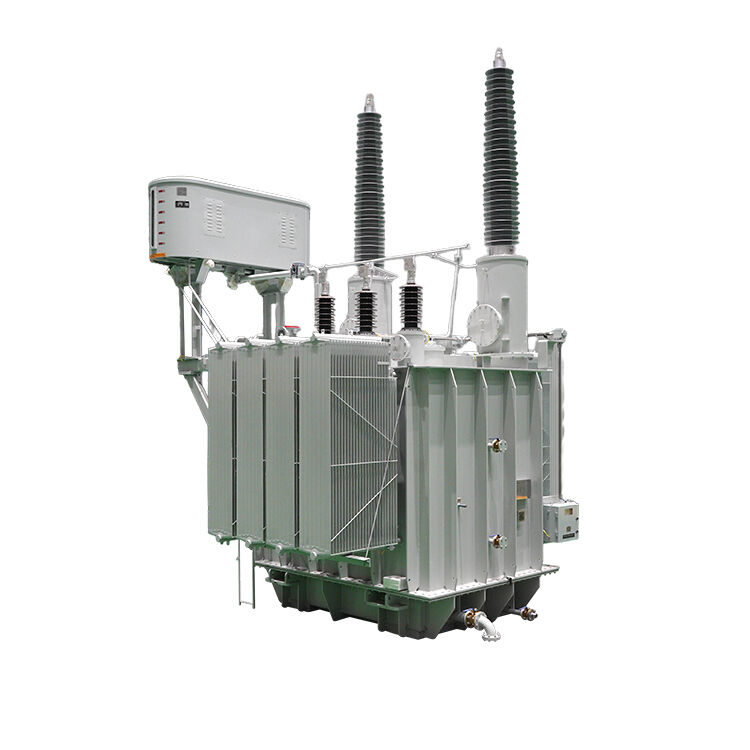
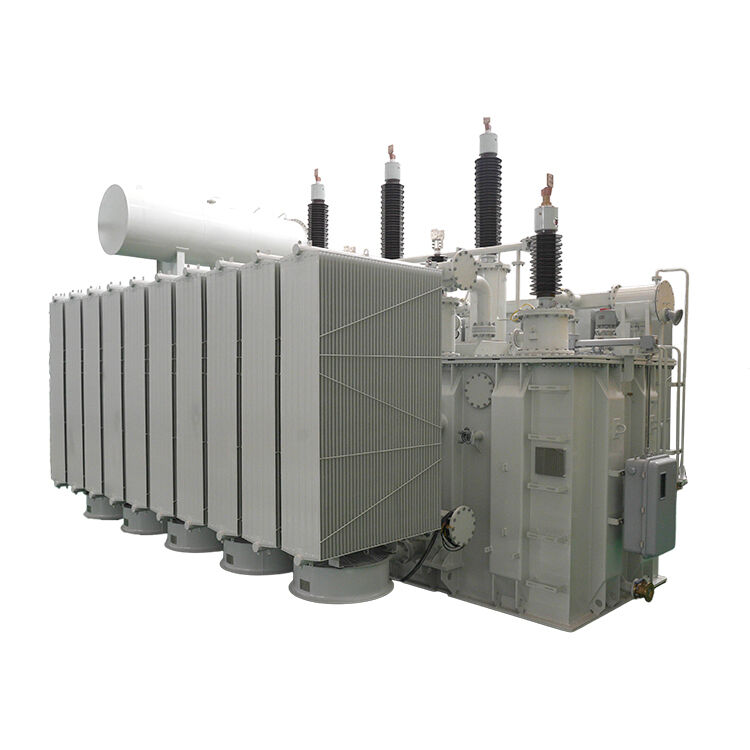
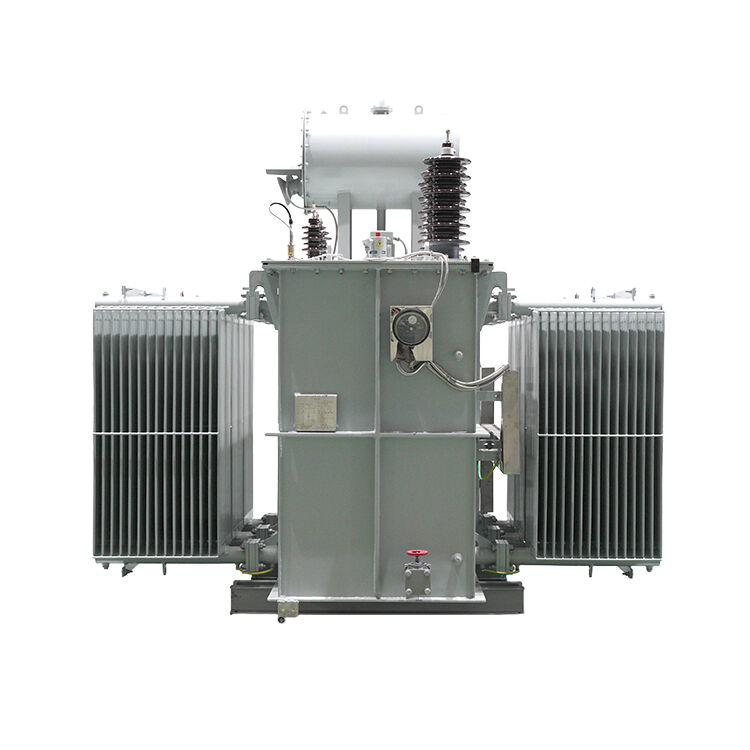
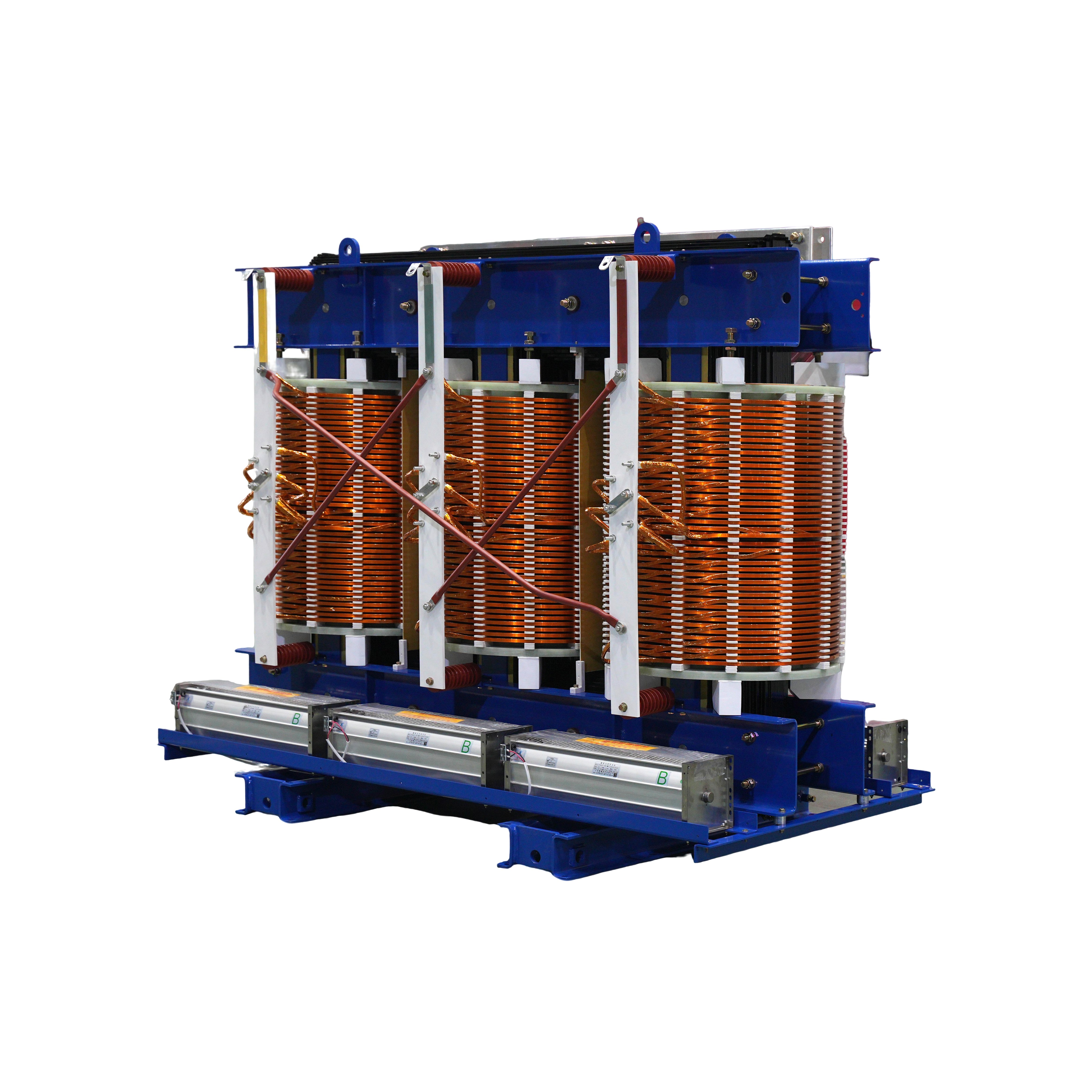
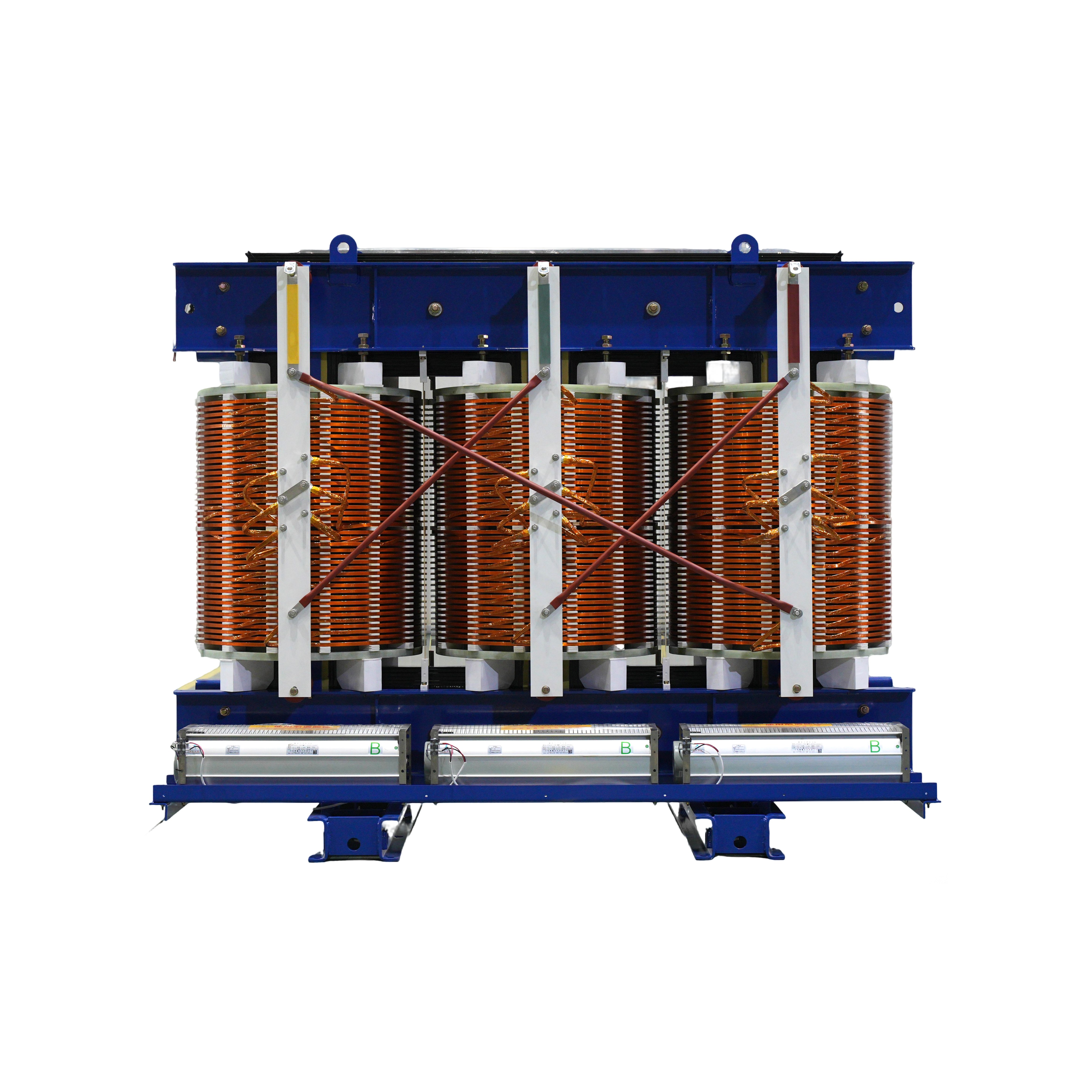
A ventilated transformer represents a sophisticated electrical device designed to step up or step down voltage levels while maintaining optimal operating temperatures through advanced cooling mechanisms. This specialized equipment incorporates natural or forced air circulation systems that effectively dissipate heat generated during electrical conversion processes. The ventilated transformer utilizes strategically placed vents, fins, and cooling channels to ensure consistent performance across various operating conditions. The primary function of a ventilated transformer involves voltage conversion while simultaneously managing thermal loads that could otherwise compromise system reliability. These units feature robust insulation systems combined with efficient heat dissipation technologies that enable continuous operation in demanding environments. The technological framework includes laminated silicon steel cores that minimize eddy current losses, while copper or aluminum windings provide excellent conductivity with reduced resistance heating. Modern ventilated transformer designs incorporate temperature monitoring systems, protective relays, and automatic voltage regulation capabilities. The cooling system typically employs natural convection principles, though forced air cooling options are available for high-capacity applications. Applications span across industrial facilities, commercial buildings, renewable energy installations, and utility distribution networks. Manufacturing plants utilize ventilated transformers for motor drives, lighting systems, and process equipment power supply. Commercial complexes rely on these devices for HVAC systems, elevator operations, and general electrical distribution. Solar and wind energy projects employ ventilated transformers to interface renewable generation with grid systems. Utility companies install these units in substations for efficient power transmission and distribution. The versatility of ventilated transformer technology makes it suitable for both indoor and outdoor installations, with weather-resistant enclosures protecting internal components from environmental factors. Advanced models feature remote monitoring capabilities, allowing operators to track performance parameters and schedule preventive maintenance activities.

New Product Releases

The ventilated transformer offers numerous practical benefits that directly impact operational efficiency and long-term cost savings for businesses and organizations. Enhanced heat dissipation stands as the primary advantage, allowing these units to operate at lower temperatures compared to conventional sealed transformers. This improved cooling capability translates to extended equipment lifespan, reduced maintenance requirements, and minimized risk of thermal failures that could disrupt critical operations. The natural ventilation design eliminates the need for external cooling systems, reducing energy consumption and operational expenses while maintaining optimal performance levels. Maintenance accessibility represents another significant benefit, as the open ventilation design allows technicians to easily inspect internal components, clean cooling passages, and perform routine servicing without complex disassembly procedures. This accessibility reduces maintenance time and associated labor costs while ensuring thorough inspection of critical components. The ventilated transformer design also facilitates better moisture control, preventing condensation buildup that could compromise insulation integrity and electrical safety. Cost effectiveness becomes evident through lower initial purchase prices compared to oil-filled alternatives, reduced installation complexity, and minimal ongoing operational expenses. The absence of cooling oil eliminates environmental concerns, disposal costs, and potential contamination risks while simplifying handling and transportation procedures. Performance reliability improves significantly due to consistent operating temperatures, reduced thermal stress on components, and enhanced electrical characteristics under varying load conditions. The ventilated transformer responds quickly to load changes, providing stable voltage regulation and improved power quality for connected equipment. Installation flexibility allows for various mounting configurations, indoor or outdoor placement options, and integration with existing electrical infrastructure without extensive modifications. Safety features include reduced fire risk due to the absence of flammable cooling fluids, improved personnel safety during maintenance activities, and compliance with environmental regulations. The modular design of many ventilated transformer units enables easy capacity expansion, component replacement, and system upgrades as operational requirements change over time.

Tips And Tricks

What Is a Transformer and How Does It Improve Power System Efficiency?

02

Jan

What Is a Transformer and How Does It Improve Power System Efficiency?

A transformer represents one of the most critical components in modern electrical power systems, serving as the backbone for efficient energy transmission and distribution across vast networks. These electromagnetic devices enable the seamless conver...
View More
Why Are Transformers Critical for Industrial Power Distribution Systems?

14

Jan

Why Are Transformers Critical for Industrial Power Distribution Systems?

Industrial power distribution systems form the backbone of modern manufacturing, commercial facilities, and critical infrastructure operations. At the heart of these complex networks lies a fundamental component that ensures safe, efficient, and reli...
View More
How Do Transformers Support Grid Stability in Large-Scale Power Networks?

20

Jan

How Do Transformers Support Grid Stability in Large-Scale Power Networks?

Large-scale power networks form the backbone of modern electrical infrastructure, requiring sophisticated equipment to maintain stability and reliability across vast geographical areas. Power transformers play a crucial role in these complex systems ...
View More
What Should Utilities Consider When Selecting a Transformer Supplier?

26

Jan

What Should Utilities Consider When Selecting a Transformer Supplier?

Selecting the right supplier for power infrastructure represents one of the most critical decisions utility companies face in today's rapidly evolving energy landscape. The process of choosing a power transformer supplier requires careful evaluation ...
View More

Get a Free Quote

Our representative will contact you soon.
Email
WhatsApp/Mobile
Name
Company Name
Message
0/1000

ventilated transformer

Superior Thermal Management and Extended Equipment Life

Superior Thermal Management and Extended Equipment Life

The ventilated transformer incorporates advanced thermal management technology that fundamentally transforms how electrical equipment handles heat dissipation challenges. This innovative cooling approach utilizes strategically engineered air circulation patterns that continuously remove heat from critical components, maintaining optimal operating temperatures even under heavy electrical loads. The sophisticated ventilation system features precisely calculated air gaps, cooling fins, and thermal pathways that maximize heat transfer efficiency while minimizing energy consumption. Unlike traditional cooling methods, this natural convection process requires no external power sources, pumps, or fans, resulting in silent operation and reduced energy costs. The thermal management system directly extends equipment lifespan by preventing overheating damage to windings, insulation materials, and core components. Studies demonstrate that ventilated transformer units operating at lower temperatures experience significantly reduced aging rates, with insulation systems maintaining their dielectric properties for extended periods. This temperature control translates to measurable cost savings through reduced replacement frequency, lower maintenance intervals, and improved system reliability. The cooling design also enables higher loading capabilities during peak demand periods without compromising safety margins or operational integrity. Temperature monitoring integration allows real-time tracking of thermal conditions, enabling predictive maintenance scheduling and preventing costly emergency repairs. The ventilated transformer cooling system adapts automatically to ambient temperature variations, maintaining consistent internal temperatures across seasonal changes and varying environmental conditions. This adaptive capability ensures reliable performance in diverse geographic locations and climate zones, making these units suitable for global deployment. The thermal management advantages become particularly evident in applications requiring continuous operation, such as hospital power systems, manufacturing facilities, and data centers where equipment downtime carries significant financial and operational consequences.

Environmental Safety and Regulatory Compliance Excellence

Environmental Safety and Regulatory Compliance Excellence

The ventilated transformer delivers exceptional environmental safety performance through its innovative design that eliminates hazardous cooling fluids while maintaining superior electrical performance standards. This environmentally conscious approach addresses growing regulatory requirements and corporate sustainability initiatives by removing potential contamination sources from electrical installations. Traditional oil-filled transformers present ongoing environmental risks through potential leaks, spills, and disposal challenges that require specialized handling procedures and costly remediation efforts. The ventilated transformer eliminates these concerns entirely, utilizing air cooling that poses no environmental contamination risks and requires no special disposal protocols at end-of-life. This environmental advantage translates to significant cost savings through reduced insurance premiums, simplified regulatory compliance procedures, and elimination of environmental monitoring requirements. The design meets or exceeds international environmental standards including RoHS compliance, REACH regulations, and various national environmental protection guidelines. Installation flexibility improves dramatically as ventilated transformer units require no secondary containment systems, soil testing, or groundwater monitoring that oil-filled alternatives demand. The absence of cooling fluids also eliminates fire suppression system complications, reducing building insurance costs and simplifying facility design requirements. Maintenance personnel benefit from improved safety conditions as they work with equipment containing no hazardous substances, reducing training requirements and safety protocol complexity. The ventilated transformer supports corporate environmental responsibility goals by reducing carbon footprint through energy-efficient operation and sustainable materials utilization. End-of-life recycling becomes straightforward as components separate easily into recyclable materials without contamination concerns. This environmental safety advantage proves particularly valuable for installations near water sources, in residential areas, or within facilities handling food products where contamination risks must remain minimal. The regulatory compliance benefits extend to simplified permitting processes, reduced environmental impact assessments, and streamlined approval procedures for new installations or facility expansions.
Cost-Effective Installation and Long-Term Value Creation

Cost-Effective Installation and Long-Term Value Creation

The ventilated transformer delivers outstanding economic value through reduced total cost of ownership that encompasses initial purchase price, installation expenses, operational costs, and long-term maintenance requirements. This comprehensive cost advantage begins with lower manufacturing costs compared to oil-filled alternatives, resulting in more competitive initial pricing without compromising performance quality or reliability standards. Installation costs decrease significantly due to simplified mounting requirements, reduced foundation specifications, and elimination of complex cooling system installations that traditional transformers often require. The lightweight design of ventilated transformer units reduces structural support requirements and enables installation in locations where heavier alternatives would prove impractical or cost-prohibitive. Transportation costs remain lower due to reduced weight and simplified handling requirements, while installation timelines accelerate through streamlined procedures that require fewer specialized personnel and equipment. Operational cost savings accumulate through energy-efficient design that minimizes losses during electrical conversion processes, resulting in reduced electricity consumption and lower utility bills over the equipment lifespan. The absence of cooling pumps, fans, or auxiliary systems eliminates ongoing energy consumption associated with active cooling methods. Maintenance costs remain minimal due to accessible design features that enable quick inspections, simplified cleaning procedures, and straightforward component replacement when necessary. The ventilated transformer design reduces scheduled maintenance frequency while improving maintenance quality through better component accessibility and visibility. Insurance costs often decrease due to reduced fire risk and environmental liability concerns associated with fluid-filled equipment. The modular construction approach enables cost-effective capacity expansion through parallel installation of additional units rather than complete system replacement. Facility integration costs remain low as ventilated transformer installations require minimal infrastructure modifications, standard electrical connections, and conventional mounting systems. The economic benefits extend to reduced business disruption during installation, faster commissioning procedures, and immediate operational capability upon completion. Long-term value creation continues through high resale values, straightforward relocation procedures, and adaptability to changing operational requirements without significant additional investment.

Get a Free Quote

Our representative will contact you soon.
Email
WhatsApp/Mobile
Name
Company Name
Message
0/1000