Ventilated Transformer for Metro - Advanced Power Solutions for Urban Transit Systems

Get a Free Quote

Our representative will contact you soon.
Email
WhatsApp/Mobile
Name
Company Name
Message
0/1000

ventilated transformer for metro

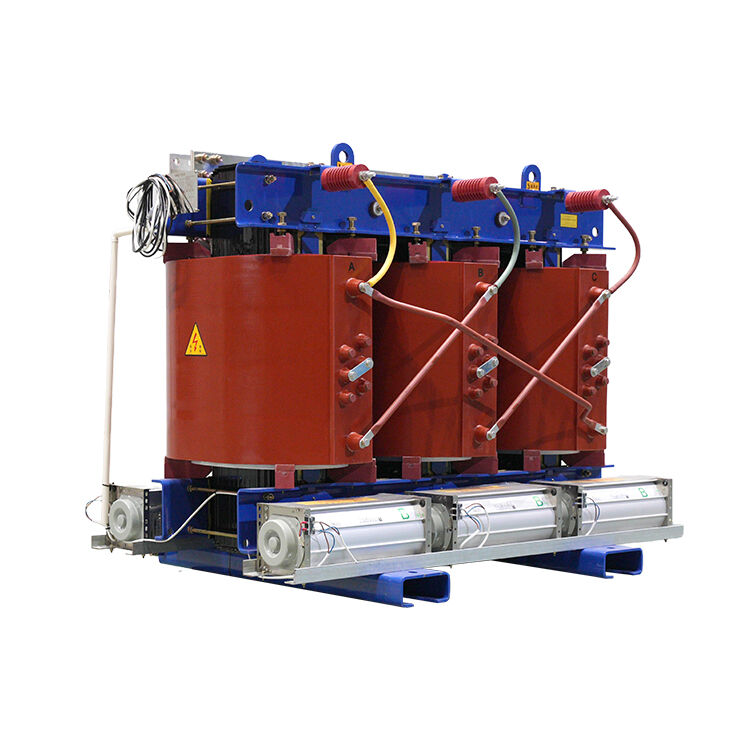
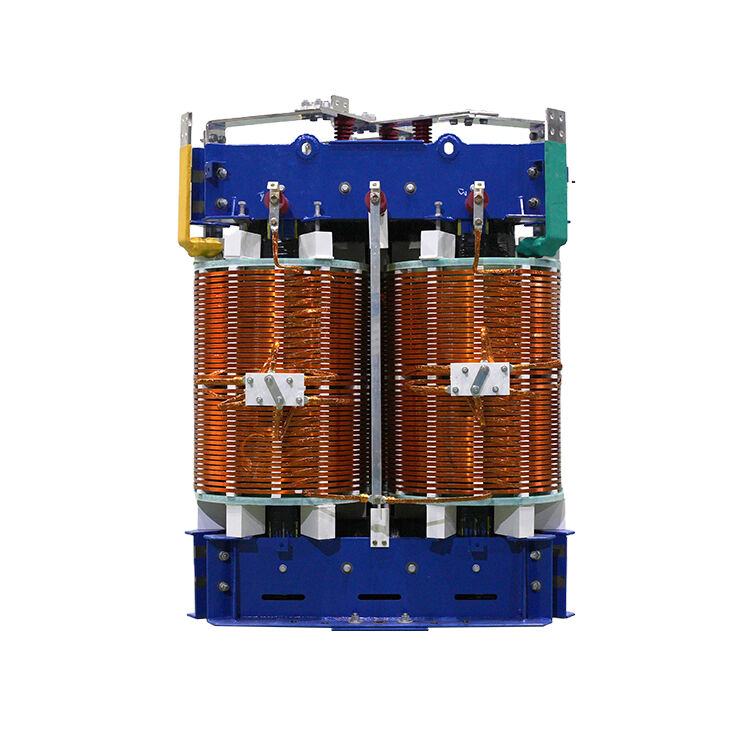
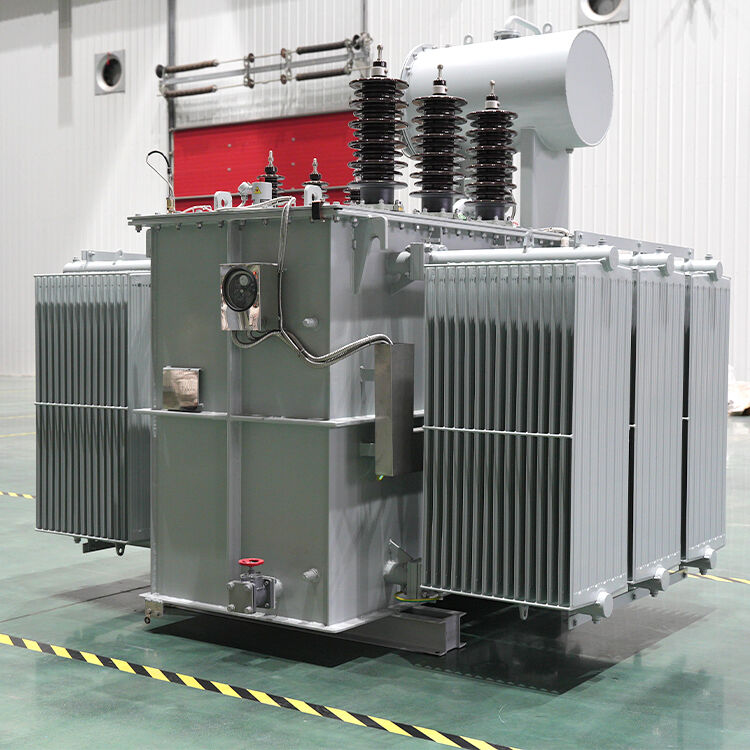
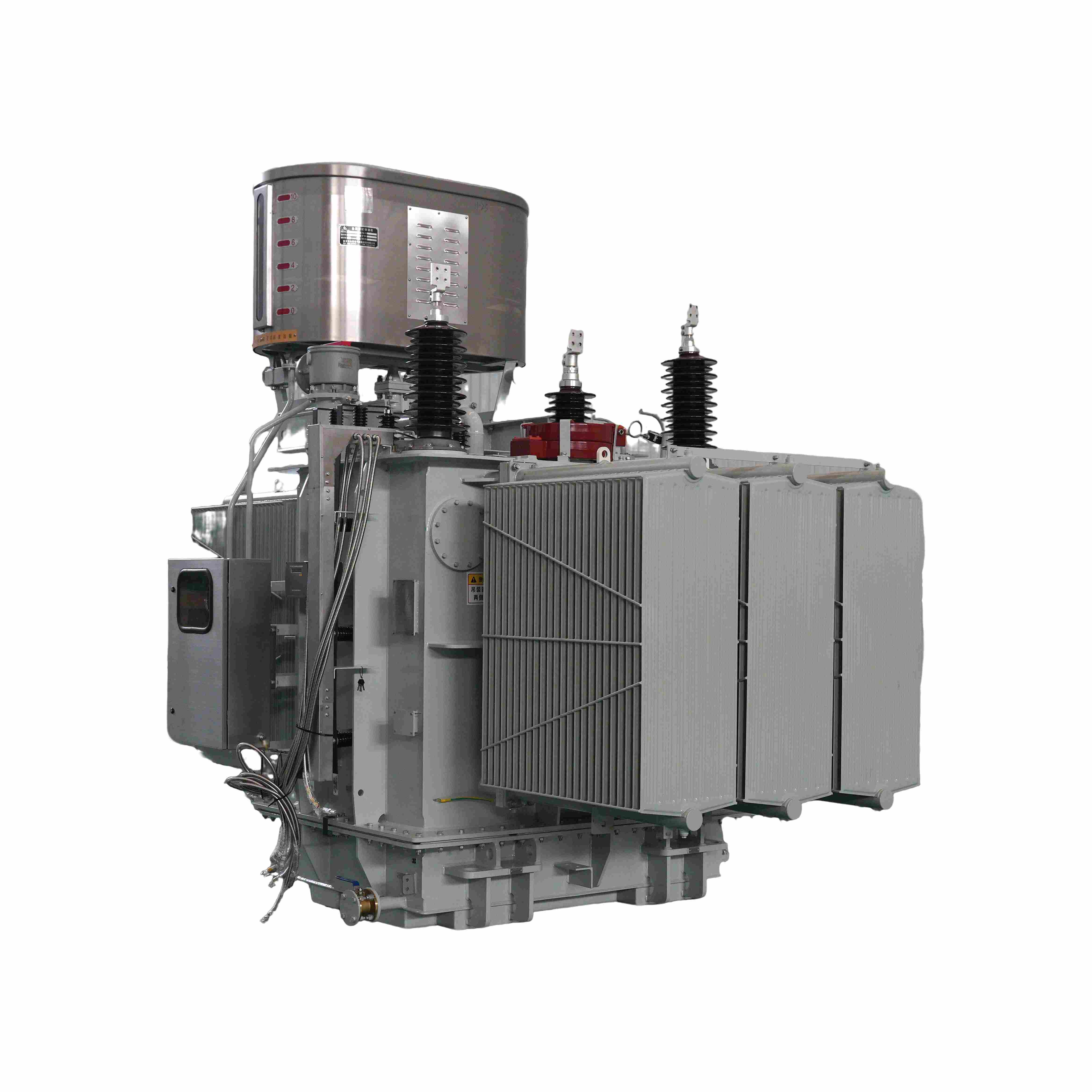
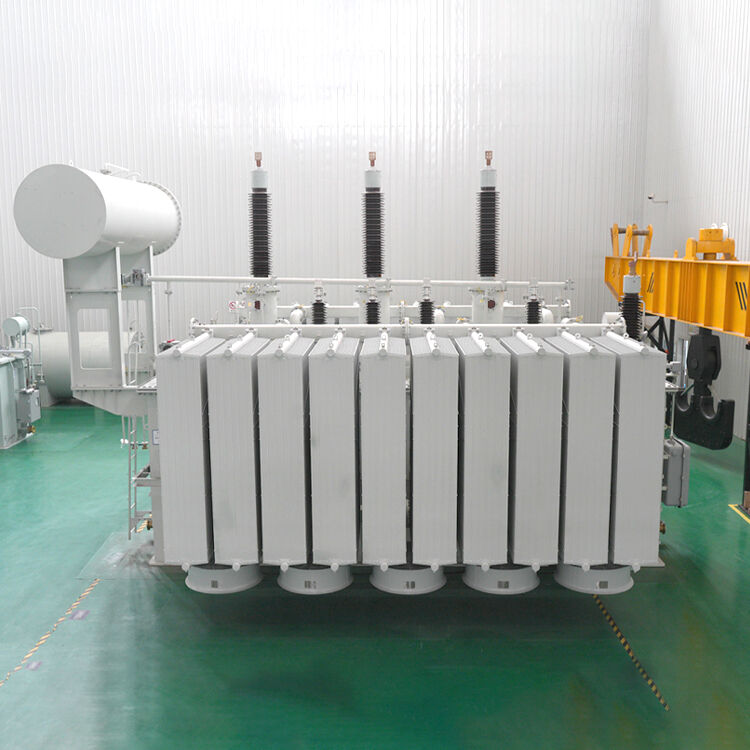
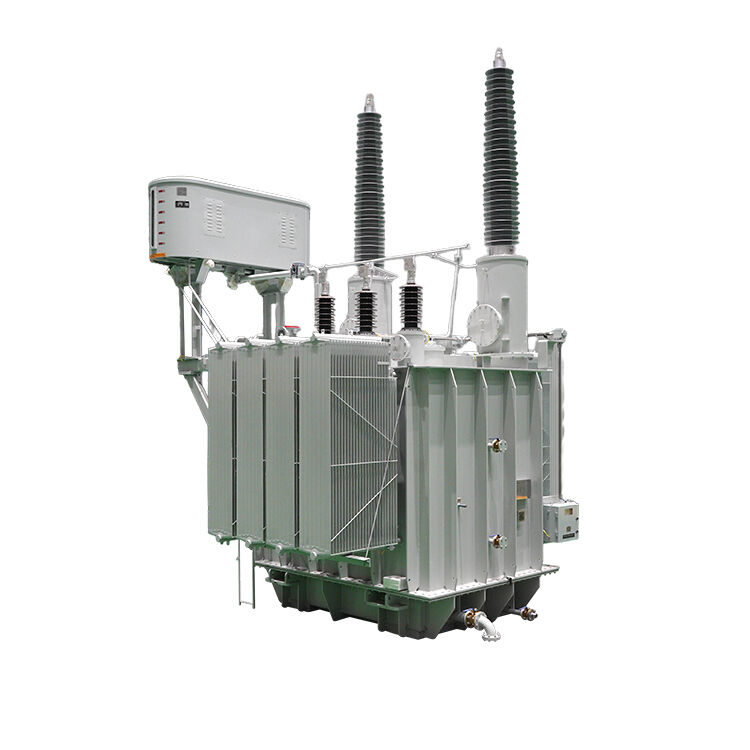
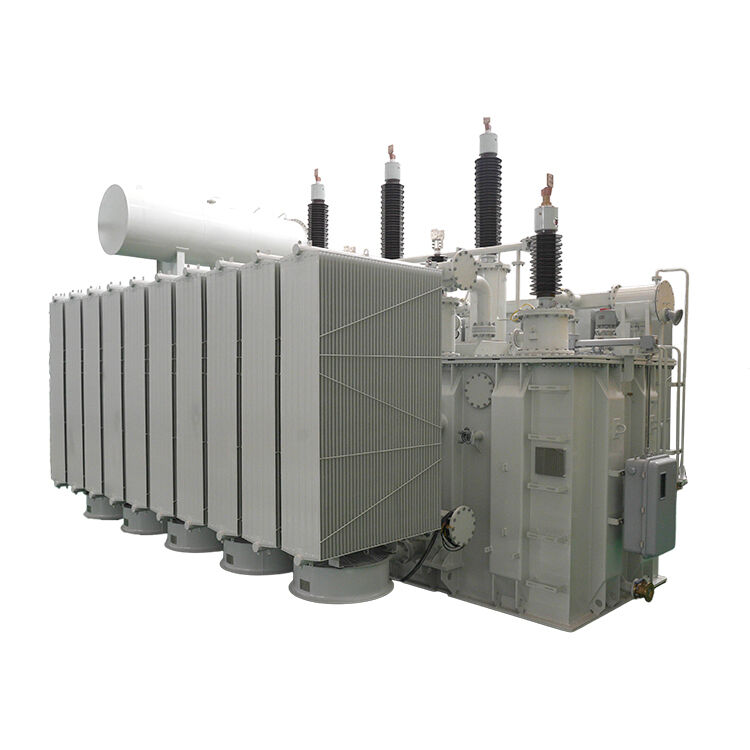
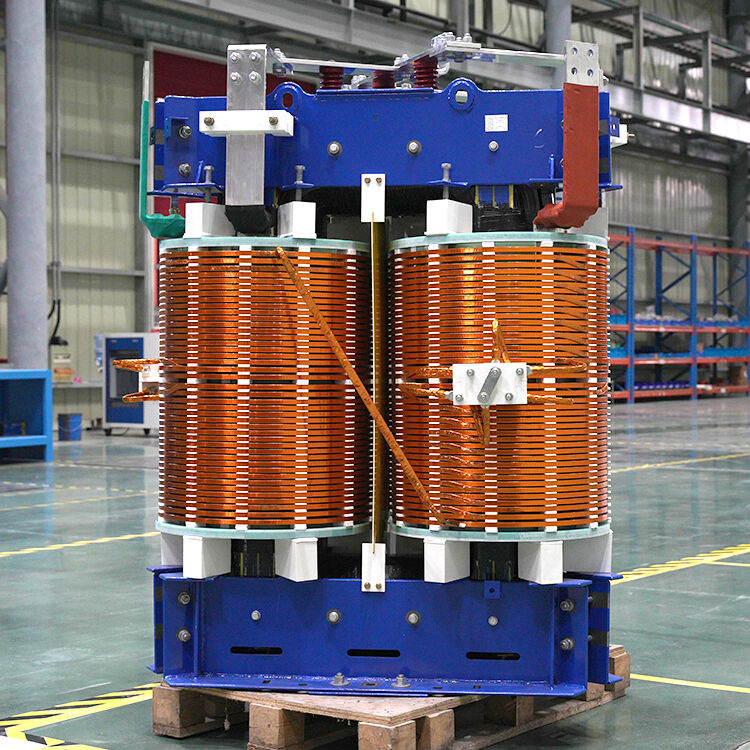
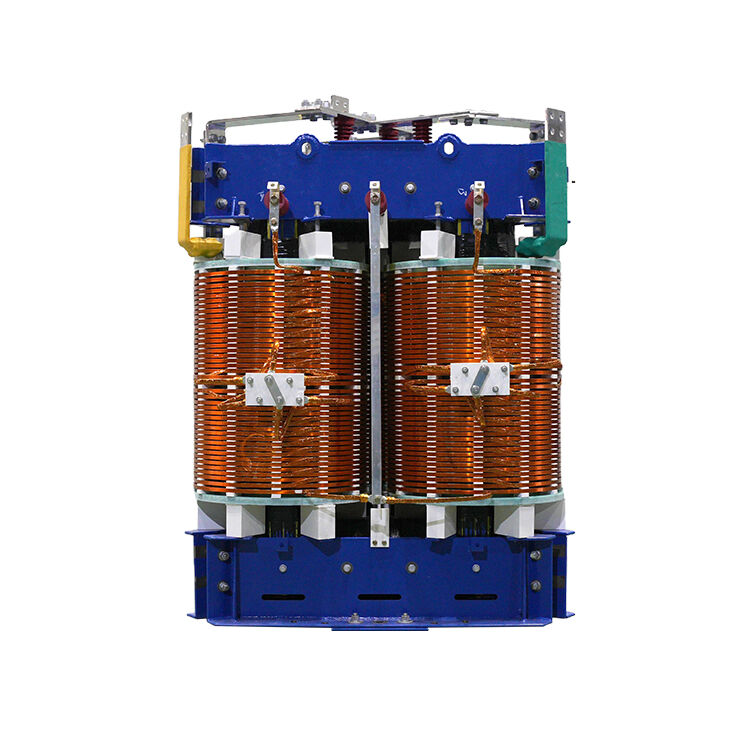
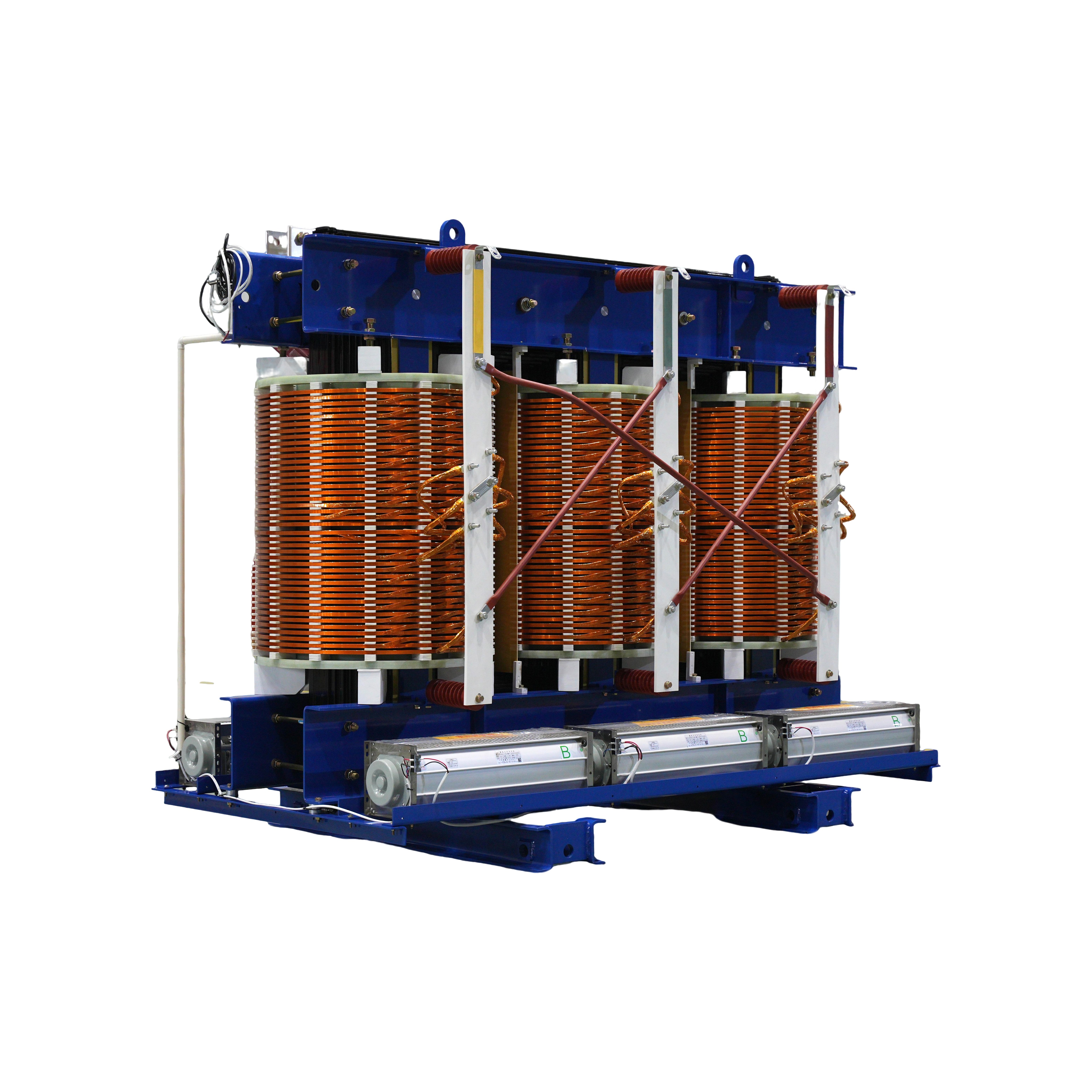
The ventilated transformer for metro represents a critical component in urban railway electrical infrastructure, designed specifically to meet the demanding requirements of metropolitan transit systems. This specialized electrical equipment serves as the essential link between high-voltage power distribution networks and the various subsystems that keep metro operations running smoothly and efficiently. The primary function of a ventilated transformer for metro applications involves stepping down high-voltage electricity from the main power grid to lower, more manageable voltage levels suitable for train operations, station lighting, escalators, ventilation systems, and other crucial metro infrastructure components. The technological features of these transformers incorporate advanced cooling mechanisms that utilize natural air circulation and forced ventilation systems to maintain optimal operating temperatures even under heavy load conditions. The ventilated design ensures superior heat dissipation compared to traditional sealed transformers, making them particularly well-suited for the continuous operation demands of metro systems. These transformers feature robust construction with high-quality insulation materials, corrosion-resistant components, and enhanced protection against environmental factors commonly found in underground metro environments. The applications of ventilated transformer for metro systems extend beyond simple voltage conversion, encompassing power distribution for traction systems, auxiliary power supplies for station facilities, emergency backup systems, and specialized equipment such as tunnel lighting and communication networks. Modern metro systems rely heavily on these transformers to ensure reliable power delivery to multiple zones simultaneously, supporting both passenger services and operational requirements. The design specifications typically include features such as temperature monitoring systems, overload protection, and maintenance-friendly configurations that allow for routine inspections without disrupting metro operations. Advanced models incorporate smart monitoring capabilities that enable remote diagnostics and predictive maintenance scheduling, contributing to overall system reliability and reducing operational downtime.

Popular Products

The ventilated transformer for metro offers numerous compelling advantages that make it the preferred choice for modern urban transportation systems. First and foremost, these transformers provide exceptional cooling efficiency through their innovative ventilation design, which allows continuous operation under demanding load conditions without overheating risks. This superior thermal management translates directly into longer equipment lifespan and reduced maintenance costs for metro operators. The natural airflow circulation combined with forced ventilation systems ensures consistent performance even during peak hours when power demands reach maximum levels. Another significant advantage lies in the enhanced reliability these transformers deliver to critical metro infrastructure. Unlike sealed alternatives, the ventilated transformer for metro allows for better heat dissipation, reducing thermal stress on internal components and minimizing the likelihood of unexpected failures that could disrupt passenger services. This reliability factor becomes particularly crucial in metro environments where downtime can affect thousands of commuters and result in substantial economic losses. The accessibility for maintenance represents another key benefit, as the ventilated design permits easier inspection and servicing of internal components without requiring complete system shutdown. Maintenance technicians can perform routine checks and minor repairs more efficiently, reducing overall maintenance costs and extending the operational life of the equipment. From an economic perspective, the ventilated transformer for metro provides excellent value through lower total cost of ownership. While the initial investment might be comparable to other transformer types, the reduced maintenance requirements, longer service life, and improved energy efficiency result in significant long-term savings. The transformers also offer superior flexibility in installation options, adapting well to various metro station configurations and space constraints commonly encountered in urban environments. Environmental considerations further enhance the appeal of these transformers, as their efficient operation reduces energy waste and contributes to more sustainable metro operations. The improved heat management also means less strain on station cooling systems, resulting in additional energy savings. Safety features built into the ventilated transformer for metro design include advanced protection systems that quickly respond to fault conditions, protecting both equipment and personnel. These safety mechanisms include overvoltage protection, short-circuit protection, and ground fault detection systems that ensure safe operation under all conditions.

Tips And Tricks

What Is a Transformer and How Does It Improve Power System Efficiency?

02

Jan

What Is a Transformer and How Does It Improve Power System Efficiency?

A transformer represents one of the most critical components in modern electrical power systems, serving as the backbone for efficient energy transmission and distribution across vast networks. These electromagnetic devices enable the seamless conver...
View More
How Does a Transformer Work in High Voltage Power Transmission?

08

Jan

How Does a Transformer Work in High Voltage Power Transmission?

High voltage power transmission systems form the backbone of modern electrical grids, enabling electricity to travel efficiently across vast distances. At the heart of these complex networks lies the power transformer, a crucial piece of equipment th...
View More
Why Are Transformers Critical for Industrial Power Distribution Systems?

14

Jan

Why Are Transformers Critical for Industrial Power Distribution Systems?

Industrial power distribution systems form the backbone of modern manufacturing, commercial facilities, and critical infrastructure operations. At the heart of these complex networks lies a fundamental component that ensures safe, efficient, and reli...
View More
How Do Transformers Support Grid Stability in Large-Scale Power Networks?

20

Jan

How Do Transformers Support Grid Stability in Large-Scale Power Networks?

Large-scale power networks form the backbone of modern electrical infrastructure, requiring sophisticated equipment to maintain stability and reliability across vast geographical areas. Power transformers play a crucial role in these complex systems ...
View More

Get a Free Quote

Our representative will contact you soon.
Email
WhatsApp/Mobile
Name
Company Name
Message
0/1000

ventilated transformer for metro

Advanced Cooling Technology for Continuous Metro Operations

Advanced Cooling Technology for Continuous Metro Operations

The ventilated transformer for metro incorporates state-of-the-art cooling technology that sets it apart from conventional transformer solutions in urban transit applications. This advanced cooling system combines natural convection principles with engineered forced air circulation to create an optimal thermal environment that ensures consistent performance under the most demanding operational conditions. The innovative design features strategically positioned ventilation openings and internal air channels that promote efficient heat transfer from the transformer core and windings to the surrounding environment. This sophisticated cooling mechanism becomes particularly crucial in metro environments where transformers must operate continuously for extended periods, often 24 hours a day, seven days a week, without interruption. The cooling system design takes into account the unique challenges of underground metro installations, where ambient temperatures can vary significantly and ventilation may be limited. By incorporating multiple cooling zones within the transformer housing, the system ensures uniform temperature distribution and prevents the formation of hot spots that could compromise transformer performance or longevity. The forced ventilation components include high-efficiency fans that automatically adjust their speed based on load conditions and internal temperature readings, providing precisely the amount of cooling required at any given moment. This intelligent cooling approach not only maintains optimal operating temperatures but also contributes to energy efficiency by avoiding unnecessary fan operation during lighter load periods. The benefits of this advanced cooling technology extend far beyond simple temperature management. The consistent thermal environment provided by the ventilated transformer for metro results in reduced thermal cycling stress on insulation materials and metallic components, significantly extending the operational lifespan of the equipment. This extended service life translates directly into cost savings for metro operators through reduced replacement frequency and lower lifecycle costs. Furthermore, the superior cooling capability enables the transformer to handle overload conditions more effectively, providing additional capacity during peak demand periods or emergency situations when metro systems experience unusual power requirements.
Enhanced Reliability Through Robust Design Engineering

Enhanced Reliability Through Robust Design Engineering

The ventilated transformer for metro demonstrates exceptional reliability through its carefully engineered design that addresses the specific challenges and requirements of metropolitan transportation systems. This reliability stems from a comprehensive approach to transformer construction that considers every aspect of metro operations, from continuous power demands to environmental stresses unique to underground and elevated railway installations. The robust design begins with the selection of premium materials specifically chosen for their durability and performance characteristics in demanding applications. High-grade electrical steel cores provide superior magnetic properties while minimizing losses, contributing to both efficiency and longevity. The winding systems utilize specially formulated insulation materials that resist degradation from temperature cycling, humidity variations, and other environmental factors commonly encountered in metro installations. The mechanical construction incorporates reinforced mounting systems and vibration-resistant components that withstand the dynamic loads and mechanical stresses associated with nearby train operations. The reliability advantages of the ventilated transformer for metro extend to its electrical protection systems, which include multiple layers of safeguards designed to prevent damage from fault conditions and ensure continuous operation even under adverse circumstances. These protection systems encompass overcurrent protection, overvoltage protection, ground fault detection, and thermal monitoring capabilities that work together to maintain safe and reliable operation. The transformer design also includes redundant systems for critical functions, ensuring that backup capabilities are available when needed most. This redundancy approach particularly benefits metro operations where power interruption can have cascading effects on train schedules, passenger safety, and overall system reliability. The enhanced reliability features translate into tangible benefits for metro operators, including reduced unplanned downtime, lower emergency repair costs, and improved passenger service consistency. The predictable performance characteristics of these transformers enable better maintenance scheduling and resource allocation, contributing to more efficient operations overall. Additionally, the reliable operation reduces the need for expensive backup power systems and emergency equipment, resulting in capital cost savings during metro system design and construction phases.
Flexible Installation and Maintenance Advantages

Flexible Installation and Maintenance Advantages

The ventilated transformer for metro offers outstanding flexibility in both installation configurations and maintenance procedures, making it an ideal choice for the diverse and often challenging environments found in metropolitan transit systems. This flexibility begins with the transformer's adaptable design that accommodates various installation scenarios, from underground stations with limited space to elevated platforms with specific structural requirements. The modular construction approach allows for customization of mounting options, connection configurations, and protective enclosures to meet the specific needs of each metro installation site. The ventilated design inherently provides better accessibility compared to sealed transformer alternatives, enabling maintenance personnel to perform inspections and routine service procedures more efficiently and safely. This accessibility advantage becomes particularly valuable in metro environments where maintenance windows are typically limited to overnight hours or brief service interruptions when passenger services are suspended. The ability to quickly access internal components for inspection, testing, and minor repairs reduces the time required for maintenance activities and minimizes the impact on metro operations. The maintenance advantages of the ventilated transformer for metro extend beyond simple accessibility to include comprehensive diagnostic capabilities that support proactive maintenance strategies. Built-in monitoring systems provide real-time data on key operational parameters including temperature, load conditions, and electrical performance metrics. This continuous monitoring capability enables maintenance teams to identify potential issues before they develop into serious problems, supporting predictive maintenance approaches that reduce both planned and unplanned downtime. The diagnostic systems also maintain historical data logs that help identify trends and patterns in transformer performance, supporting long-term asset management and replacement planning decisions. Installation flexibility encompasses various physical configurations that adapt to the spatial constraints commonly encountered in metro systems. The transformers can be configured for floor mounting, wall mounting, or suspended installation depending on available space and structural requirements. This flexibility extends to electrical connections as well, with options for top or bottom cable entry, different terminal configurations, and various protection and switching arrangements. The modular design philosophy also supports future expansion or modification requirements that may arise as metro systems evolve and grow. The combination of installation flexibility and maintenance advantages results in significant operational benefits for metro system operators, including reduced installation costs, shorter project timelines, and lower long-term maintenance expenses.

Get a Free Quote

Our representative will contact you soon.
Email
WhatsApp/Mobile
Name
Company Name
Message
0/1000