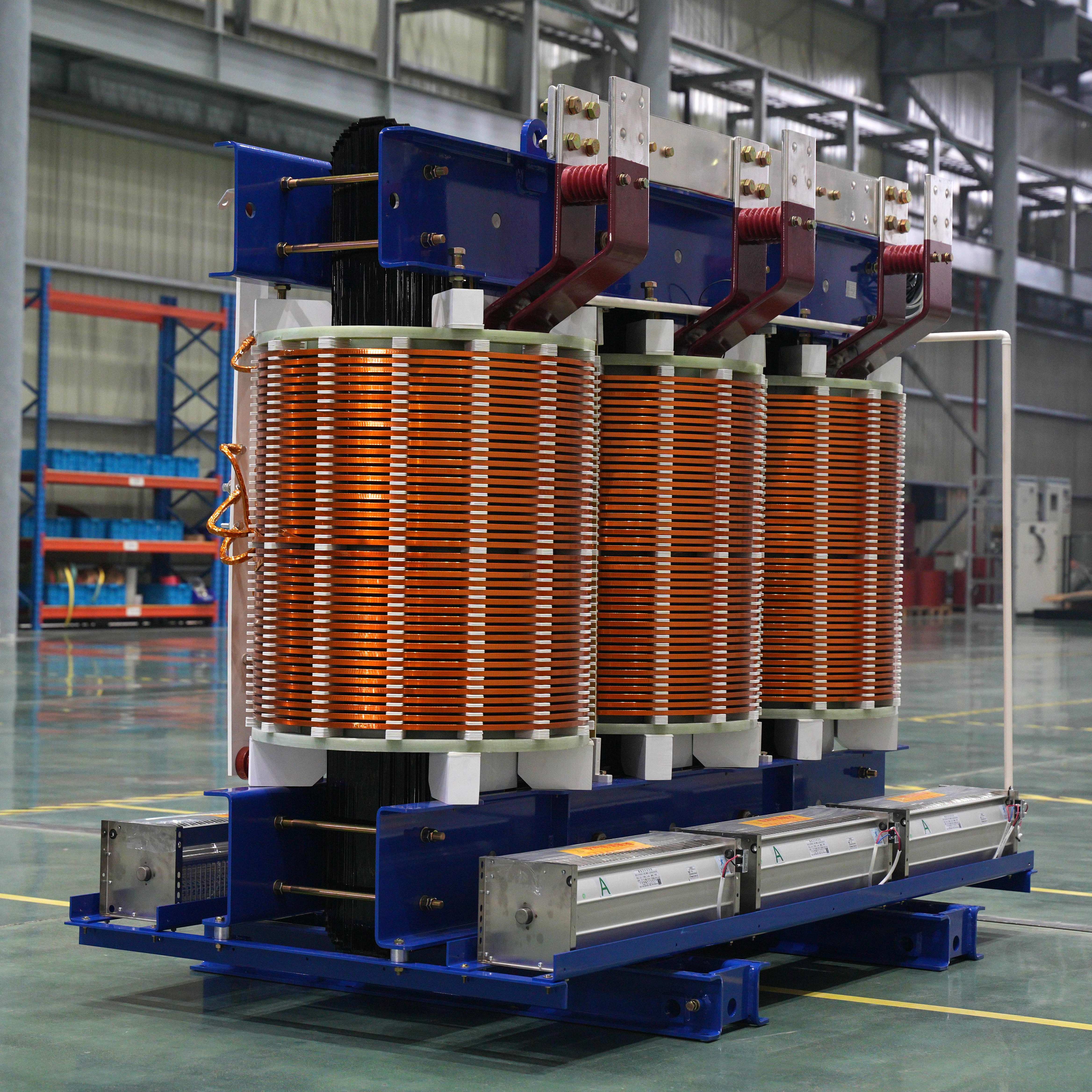
Step Up Transformer: High-Efficiency Voltage Conversion Solutions for Industrial and Power Applications

Get a Free Quote

Our representative will contact you soon.
Email
WhatsApp/Mobile
Name
Company Name
Message
0/1000

a step up transformer

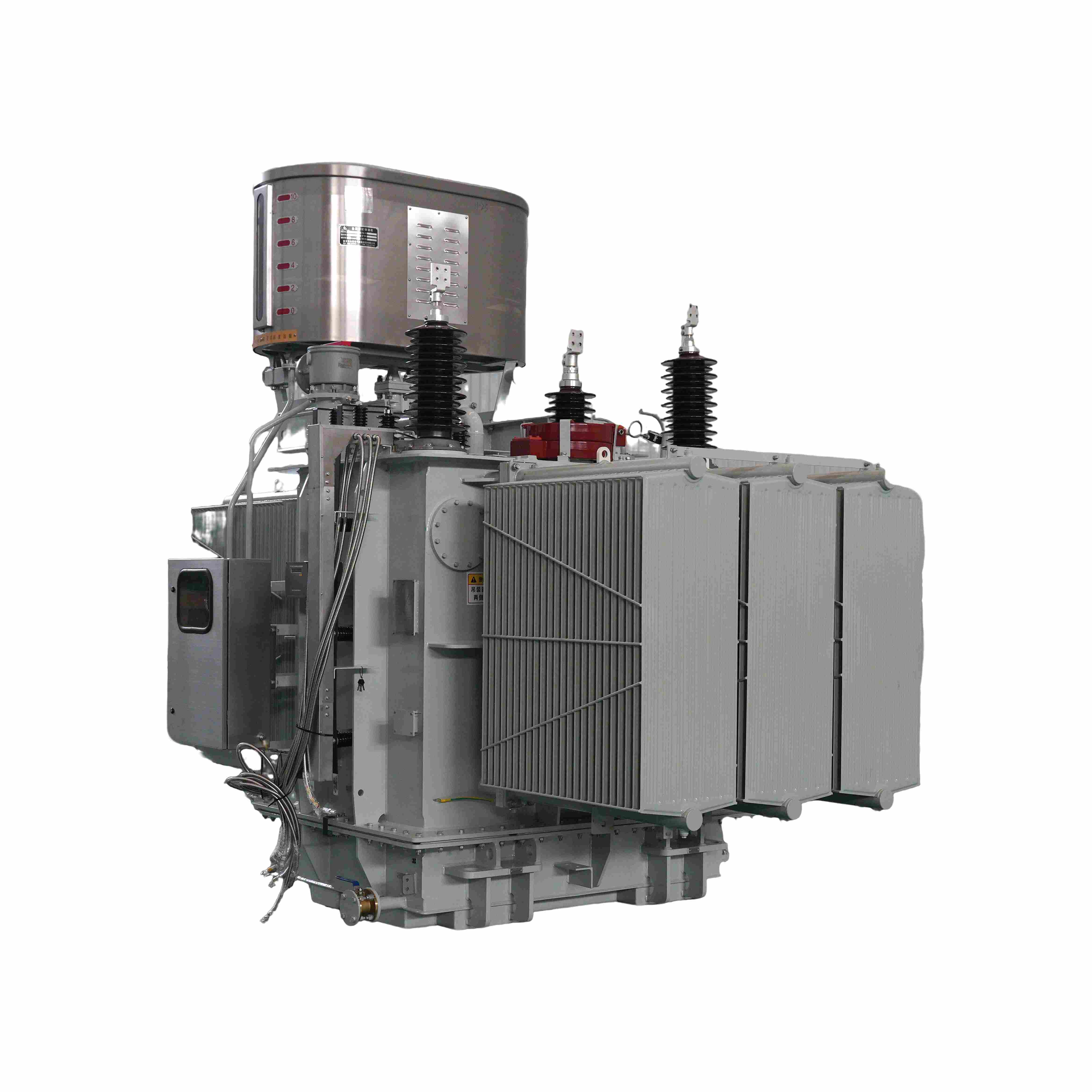
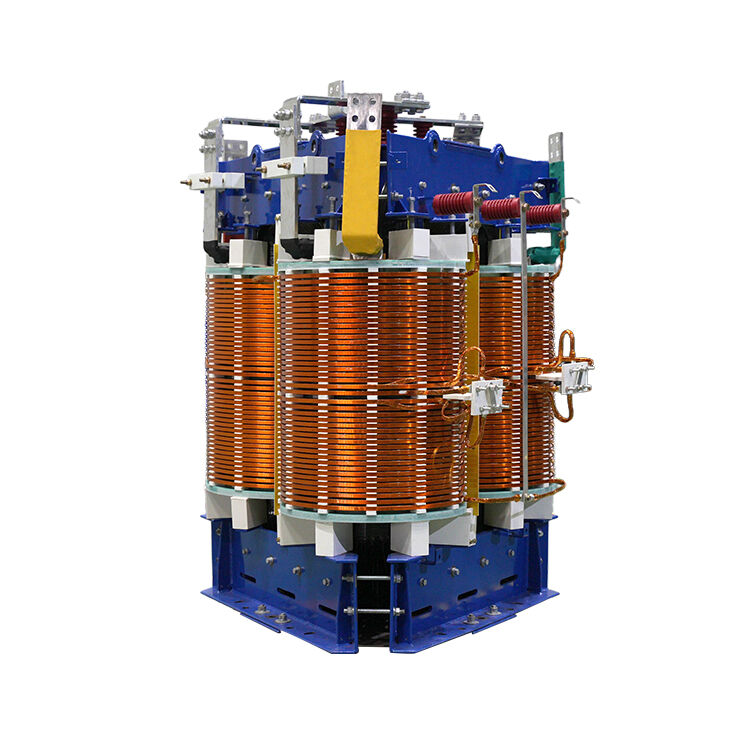
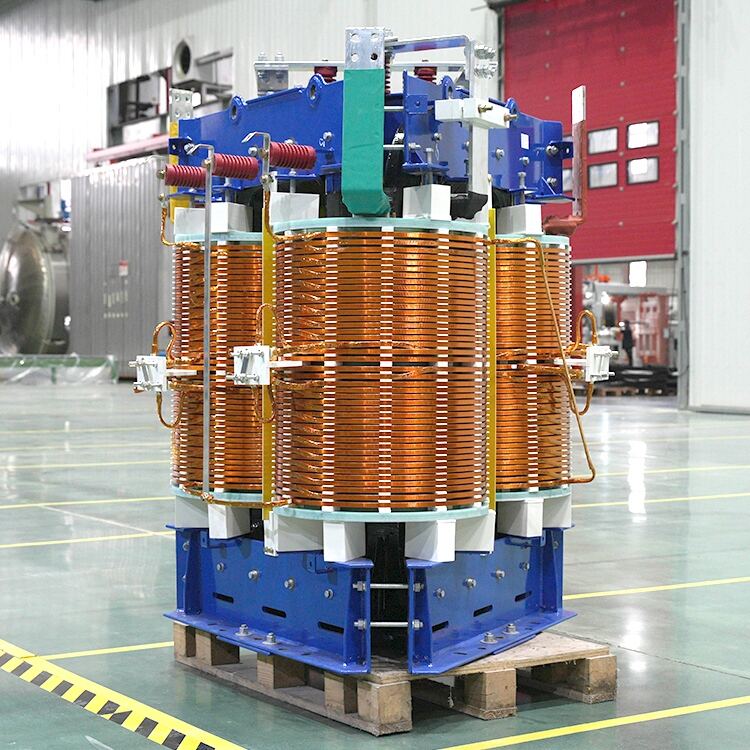
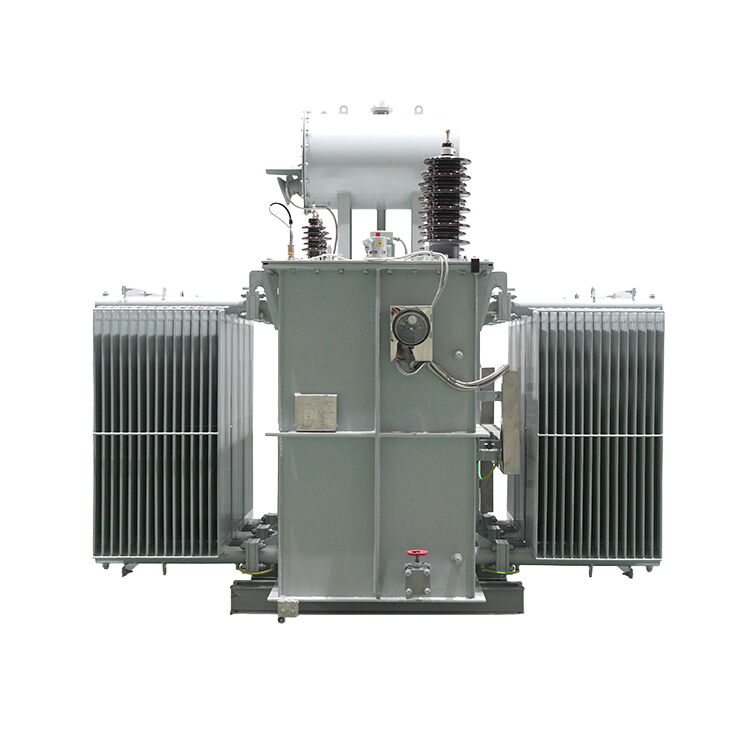
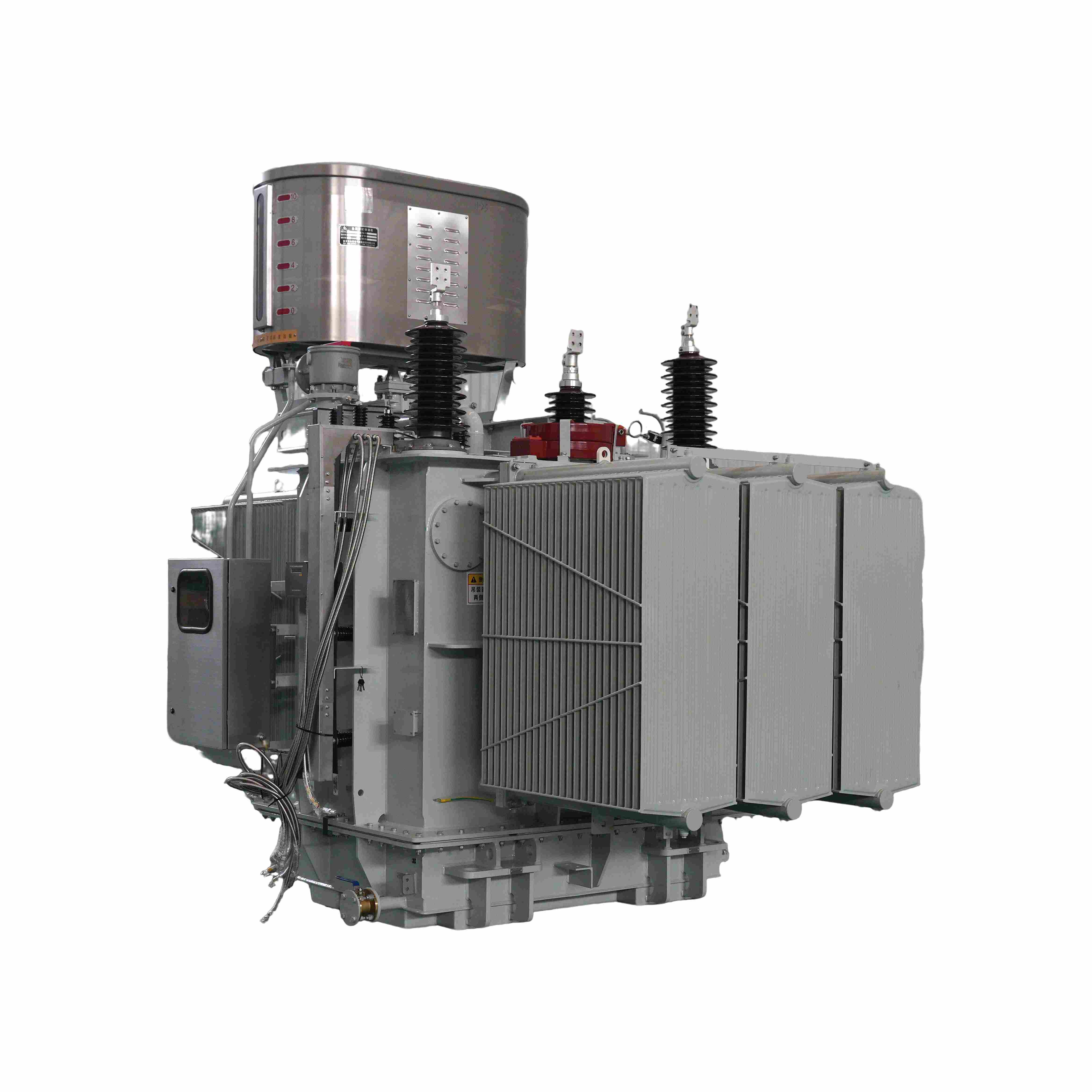
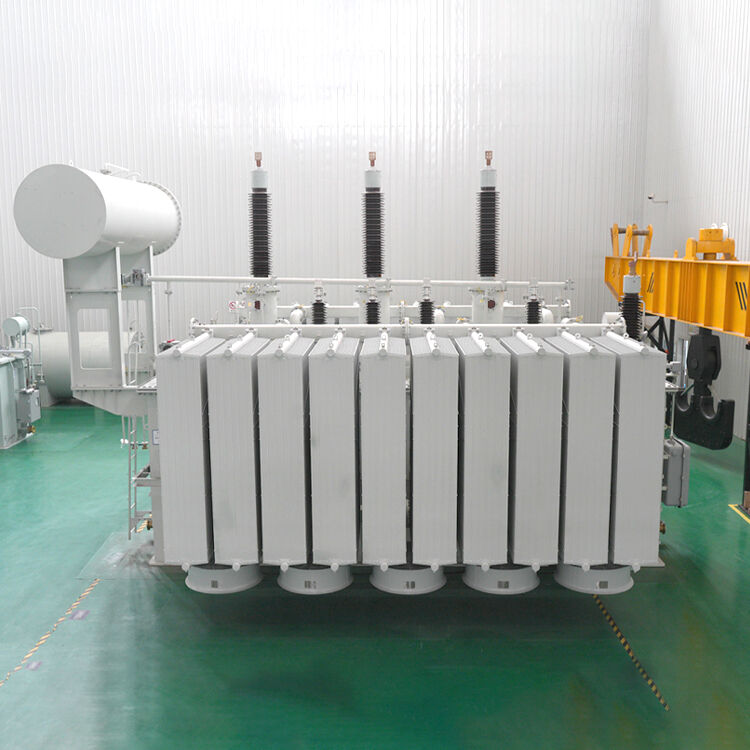
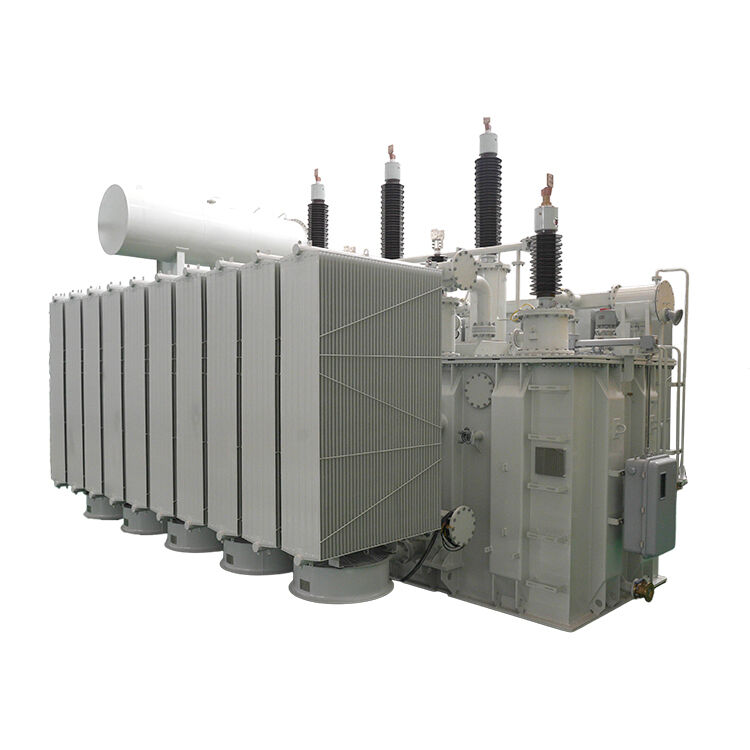
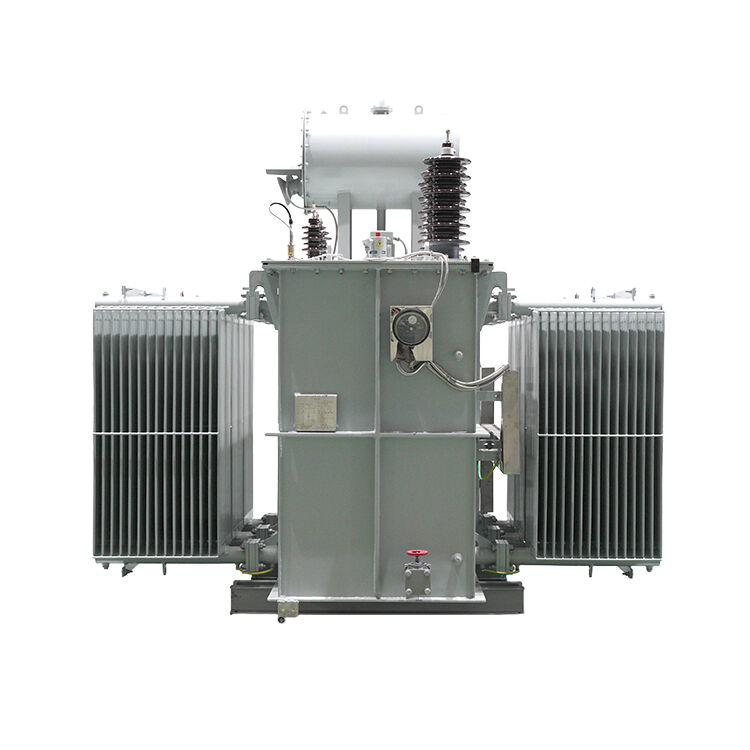
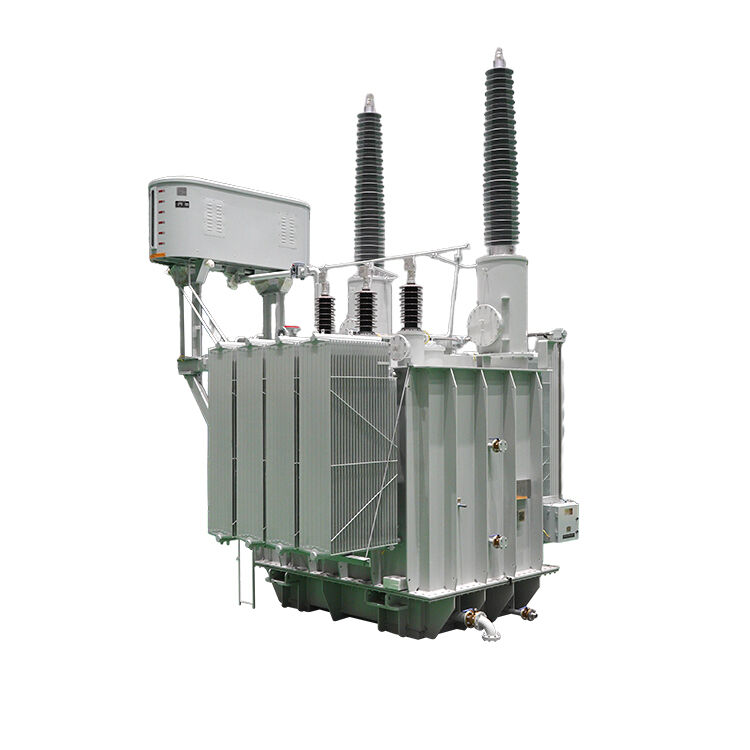
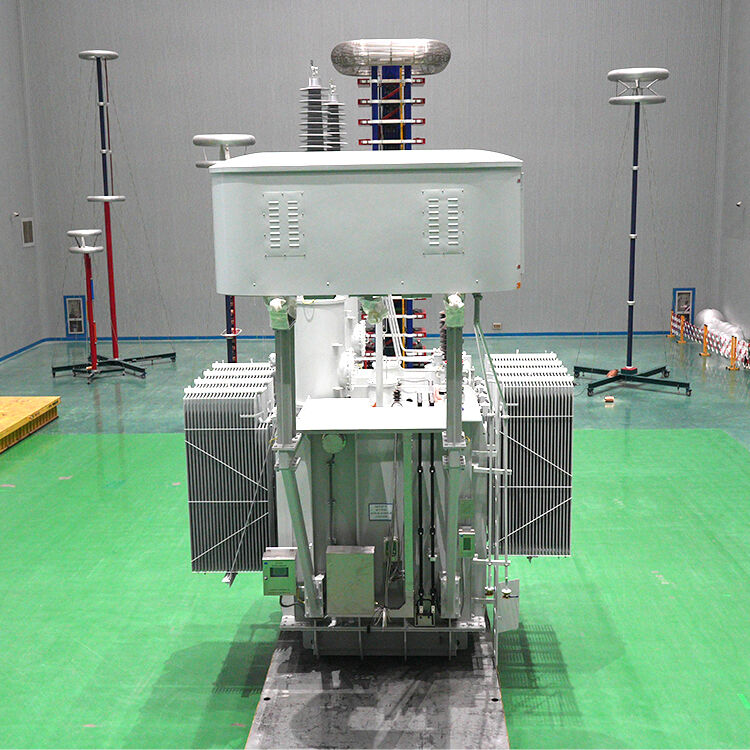
A step up transformer is an essential electrical device designed to increase voltage levels while simultaneously decreasing current proportionally, maintaining constant power transfer according to the principle of electromagnetic induction. This vital piece of equipment operates through two primary windings: the primary winding with fewer turns connected to the input voltage source, and the secondary winding with more turns that delivers the increased output voltage. The fundamental working principle relies on Faraday's law of electromagnetic induction, where alternating current flowing through the primary winding creates a changing magnetic field in the core, inducing a higher voltage in the secondary winding. The voltage transformation ratio depends directly on the turns ratio between secondary and primary windings, making a step up transformer capable of converting low voltage electricity into higher voltage levels efficiently. Modern step up transformers incorporate advanced core materials like silicon steel laminations or amorphous metal cores to minimize energy losses and maximize efficiency. These transformers feature robust insulation systems, temperature monitoring capabilities, and protective devices to ensure safe operation under various load conditions. The core design utilizes either shell-type or core-type construction, with shell-type configurations offering better mechanical strength and core-type designs providing easier maintenance access. Oil-filled step up transformers use mineral oil for cooling and insulation, while dry-type units employ air cooling systems suitable for indoor applications. Advanced step up transformer designs include tap changers for voltage regulation, surge arresters for overvoltage protection, and monitoring systems that track performance parameters. The applications span across power generation facilities, electrical substations, industrial plants, renewable energy systems, and distribution networks where voltage elevation is necessary for efficient power transmission over long distances.

New Product Recommendations

A step up transformer delivers significant cost savings by enabling efficient long-distance power transmission, reducing energy losses that would otherwise occur when transmitting electricity at lower voltages over extended networks. This efficiency translates directly into lower electricity bills and reduced operational expenses for utilities and industrial facilities. The device enhances power system reliability by providing stable voltage conversion that maintains consistent electrical supply even during fluctuating demand conditions. Users benefit from improved equipment protection since a step up transformer isolates primary and secondary circuits, preventing voltage spikes and electrical faults from damaging sensitive downstream equipment. Installation flexibility represents another major advantage, as these transformers can be configured for various voltage ratios and power ratings to match specific application requirements without requiring extensive system modifications. The compact design of modern step up transformers maximizes space utilization in substations and industrial facilities, allowing for efficient layout planning and reduced infrastructure costs. Maintenance requirements remain minimal due to robust construction and high-quality materials, resulting in extended service life that can span several decades with proper care. Environmental benefits include reduced carbon footprint through improved energy efficiency and decreased transmission losses, supporting sustainability goals while lowering overall energy consumption. Safety features built into step up transformers protect personnel and equipment through comprehensive insulation systems, temperature monitoring, and fault detection mechanisms that automatically disconnect power during abnormal conditions. The versatility of a step up transformer allows seamless integration with renewable energy systems, enabling solar and wind installations to connect efficiently to existing power grids. Economic advantages extend to reduced conductor costs in transmission lines, as higher voltages require smaller conductors for the same power capacity. Performance monitoring capabilities in modern units provide real-time data on operational parameters, enabling predictive maintenance strategies that prevent unexpected failures and extend equipment lifespan. The standardized designs ensure compatibility with existing electrical infrastructure while meeting international safety and performance standards, simplifying procurement and installation processes for end users.

Tips And Tricks

What Is a Transformer and How Does It Improve Power System Efficiency?

02

Jan

What Is a Transformer and How Does It Improve Power System Efficiency?

A transformer represents one of the most critical components in modern electrical power systems, serving as the backbone for efficient energy transmission and distribution across vast networks. These electromagnetic devices enable the seamless conver...
View More
How Does a Transformer Work in High Voltage Power Transmission?

08

Jan

How Does a Transformer Work in High Voltage Power Transmission?

High voltage power transmission systems form the backbone of modern electrical grids, enabling electricity to travel efficiently across vast distances. At the heart of these complex networks lies the power transformer, a crucial piece of equipment th...
View More
How Do Transformers Support Grid Stability in Large-Scale Power Networks?

20

Jan

How Do Transformers Support Grid Stability in Large-Scale Power Networks?

Large-scale power networks form the backbone of modern electrical infrastructure, requiring sophisticated equipment to maintain stability and reliability across vast geographical areas. Power transformers play a crucial role in these complex systems ...
View More
What Should Utilities Consider When Selecting a Transformer Supplier?

26

Jan

What Should Utilities Consider When Selecting a Transformer Supplier?

Selecting the right supplier for power infrastructure represents one of the most critical decisions utility companies face in today's rapidly evolving energy landscape. The process of choosing a power transformer supplier requires careful evaluation ...
View More

Get a Free Quote

Our representative will contact you soon.
Email
WhatsApp/Mobile
Name
Company Name
Message
0/1000

a step up transformer

Superior Energy Efficiency and Transmission Optimization

Superior Energy Efficiency and Transmission Optimization

The exceptional energy efficiency of a step up transformer stems from its ability to minimize power losses during electricity transmission, delivering substantial economic and environmental benefits to users across diverse applications. When electrical power travels through transmission lines at lower voltages, the current levels remain high, resulting in significant resistive losses that waste energy and generate heat. A step up transformer addresses this challenge by converting low voltage, high current electricity into high voltage, low current power, dramatically reducing transmission losses and improving overall system efficiency. The mathematical relationship demonstrates that power losses in transmission lines are proportional to the square of the current, meaning that doubling the voltage through a step up transformer reduces losses by approximately 75 percent. This efficiency improvement translates into measurable cost savings for utilities and industrial users, as less energy is wasted during transmission and more electrical power reaches its intended destination. Modern step up transformers achieve efficiency ratings exceeding 98 percent through advanced core materials, optimized winding configurations, and improved cooling systems that minimize internal losses. The superior efficiency extends beyond immediate energy savings to include reduced environmental impact, as lower transmission losses mean decreased demand on power generation facilities and reduced carbon emissions. Users benefit from stable voltage regulation capabilities that maintain consistent output levels despite variations in input voltage or load conditions, ensuring optimal performance of connected equipment and systems. The efficiency advantages become particularly pronounced in renewable energy applications, where a step up transformer enables solar panels and wind turbines to deliver maximum power output to the grid while minimizing conversion losses. Industrial facilities experience improved productivity through reliable power supply and reduced energy costs, allowing businesses to allocate resources more effectively toward core operations rather than excessive utility expenses.
Advanced Safety Features and Equipment Protection

Advanced Safety Features and Equipment Protection

A step up transformer incorporates comprehensive safety mechanisms and protective features that safeguard both personnel and electrical equipment while ensuring reliable operation under various conditions and potential fault scenarios. The fundamental safety advantage lies in the electrical isolation provided between primary and secondary circuits, which prevents dangerous voltage levels and electrical faults from propagating through the system and potentially causing equipment damage or safety hazards. Built-in insulation systems utilize multiple layers of high-grade materials designed to withstand extreme voltage stresses, temperature fluctuations, and environmental conditions while maintaining safe operation throughout the transformer's service life. Advanced monitoring systems continuously track critical parameters including temperature, voltage, current, and insulation resistance, providing early warning indicators of potential problems before they develop into serious safety concerns or equipment failures. Protective devices such as surge arresters shield the step up transformer and connected equipment from voltage spikes caused by lightning strikes or switching operations, preventing costly damage and ensuring continuous operation. Temperature monitoring and control systems prevent overheating through sophisticated cooling mechanisms that automatically adjust to changing load conditions, protecting internal components and extending equipment lifespan. Ground fault protection circuits detect abnormal current flows and automatically isolate the transformer when necessary, preventing electrical shock hazards and minimizing damage during fault conditions. The robust enclosure design provides protection against environmental factors including moisture, dust, and mechanical damage while ensuring safe access for maintenance personnel through properly designed barriers and warning systems. Safety interlocks prevent unauthorized access to energized components and ensure proper procedures are followed during maintenance operations, reducing the risk of accidents and injuries. Oil-filled step up transformers include pressure relief systems and gas detection monitors that automatically respond to internal faults, while dry-type units feature fire-resistant materials and ventilation systems that prevent overheating. Regular diagnostic testing capabilities enable proactive identification of potential safety issues, allowing for scheduled maintenance that prevents unexpected failures and ensures continued safe operation.
Versatile Applications and System Integration Capabilities

Versatile Applications and System Integration Capabilities

The remarkable versatility of a step up transformer enables seamless integration across diverse electrical systems and applications, from renewable energy installations to industrial power distribution networks, providing flexible solutions that adapt to changing technological requirements and operational demands. In renewable energy systems, a step up transformer serves as the critical link between variable voltage generation sources like solar panels or wind turbines and the standardized voltage levels required for grid connection, enabling efficient power injection while maintaining system stability and compliance with utility regulations. Industrial manufacturing facilities rely on step up transformers to match equipment voltage requirements with available power sources, allowing efficient operation of high-voltage motors, heating systems, and specialized machinery while optimizing energy consumption and operational costs. The modular design approach of modern step up transformers facilitates easy expansion and reconfiguration as power demands change, enabling users to scale their electrical systems without requiring complete infrastructure replacement or extensive downtime. Distribution utilities utilize step up transformers in substations to efficiently transmit electrical power over long distances, reducing line losses and improving grid reliability while maintaining the flexibility to serve diverse customer loads through subsequent voltage transformation. The compatibility with smart grid technologies positions a step up transformer as an integral component of future electrical networks, supporting bidirectional power flow, remote monitoring, and automated control systems that enhance grid stability and efficiency. Mining and extraction industries benefit from the rugged construction and reliable performance of step up transformers in harsh environments, where consistent power supply is essential for safety and productivity while operating heavy equipment and processing systems. Data centers and critical facilities depend on step up transformers to ensure reliable power supply for sensitive electronic equipment while providing the voltage levels necessary for efficient uninterruptible power supply systems and backup generators. The standardized designs and international certifications of step up transformers simplify procurement processes and ensure compatibility with existing infrastructure, reducing project complexity and implementation timeframes while maintaining high performance standards and regulatory compliance across global markets.

Get a Free Quote

Our representative will contact you soon.
Email
WhatsApp/Mobile
Name
Company Name
Message
0/1000