Air Cooled Ventilated Transformers - Efficient Natural Cooling Solutions for Electrical Power Systems

Get a Free Quote

Our representative will contact you soon.
Email
WhatsApp/Mobile
Name
Company Name
Message
0/1000

air cooled ventilated transformer

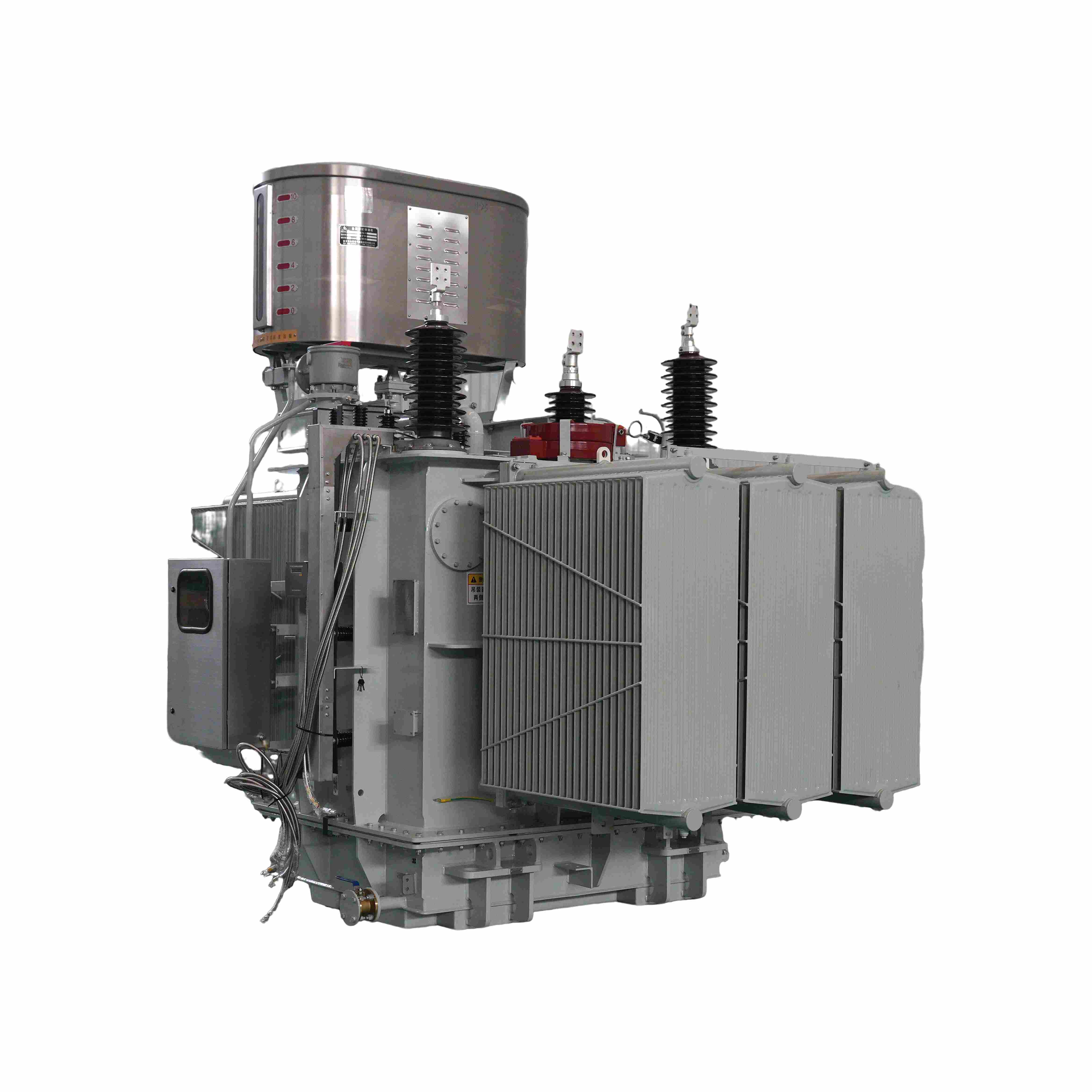
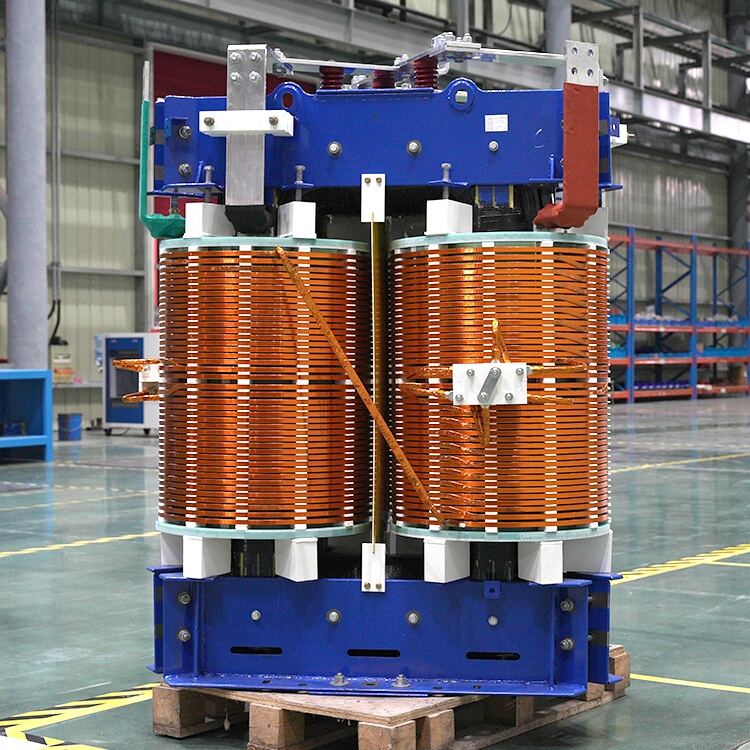
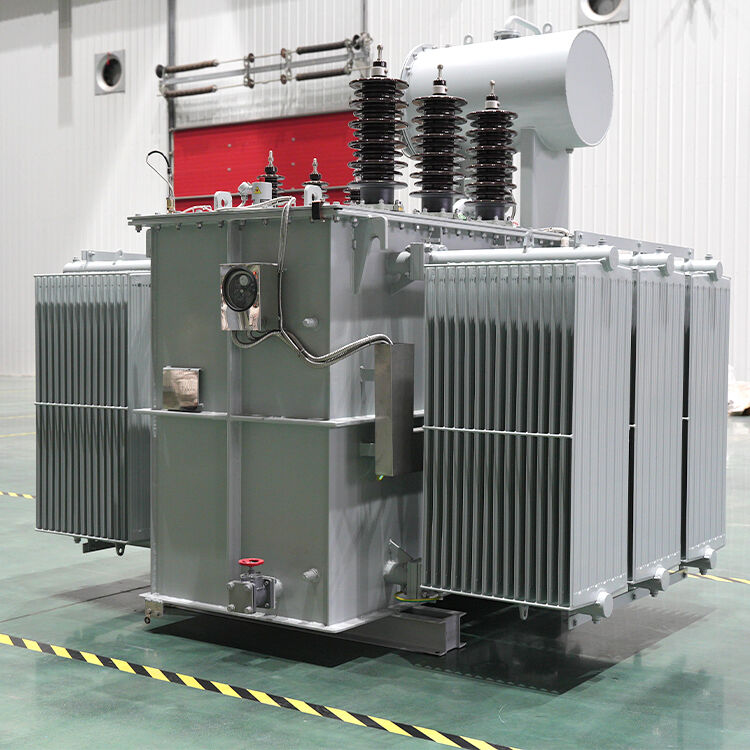
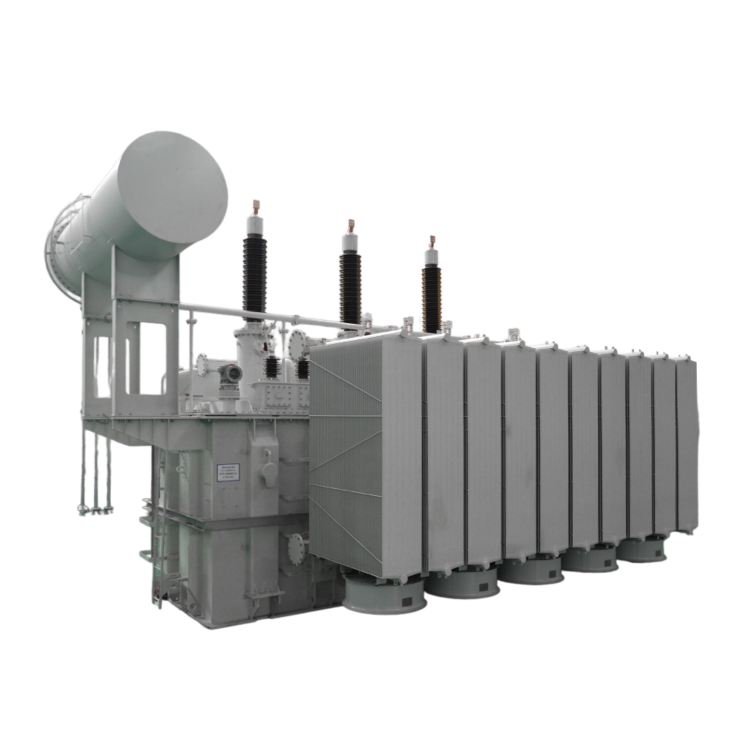
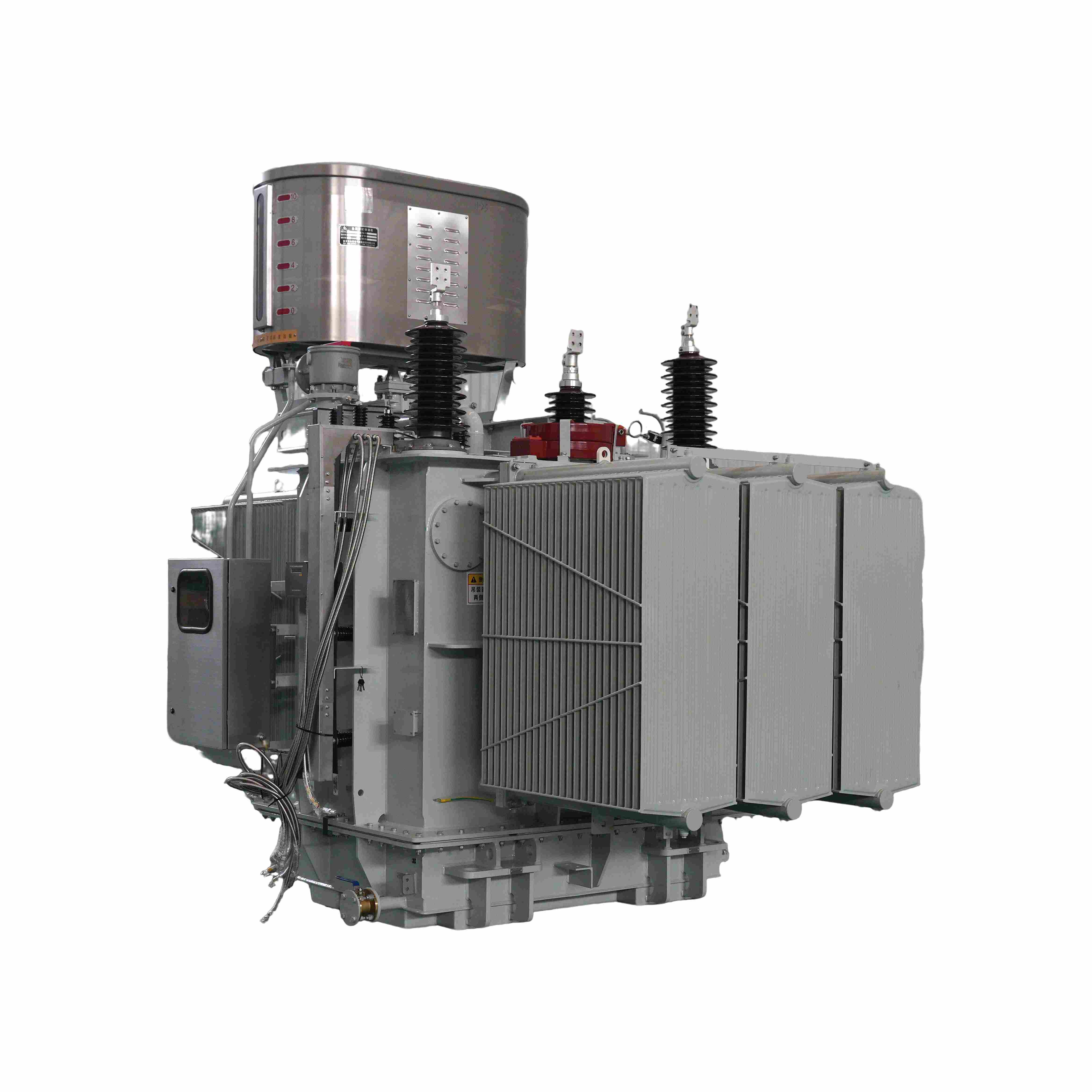
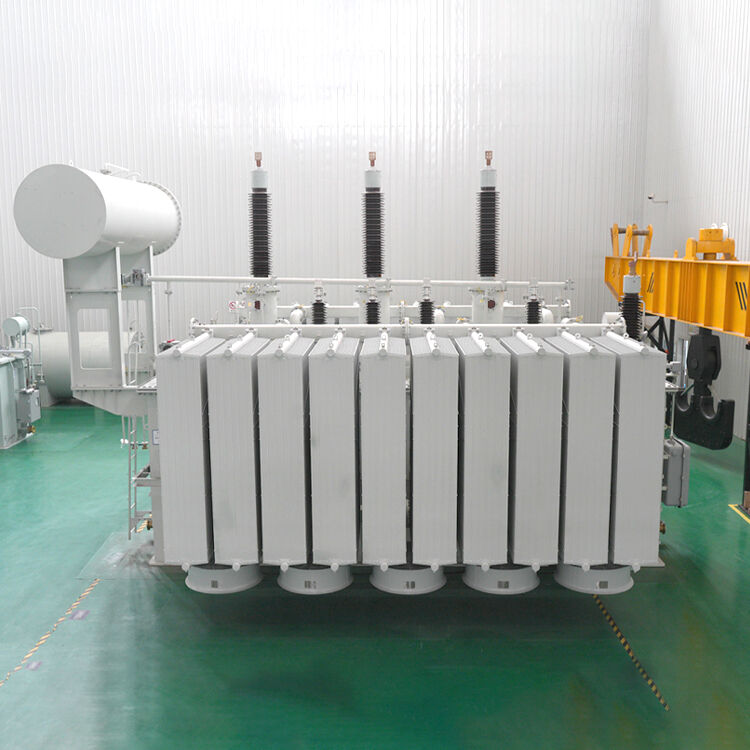
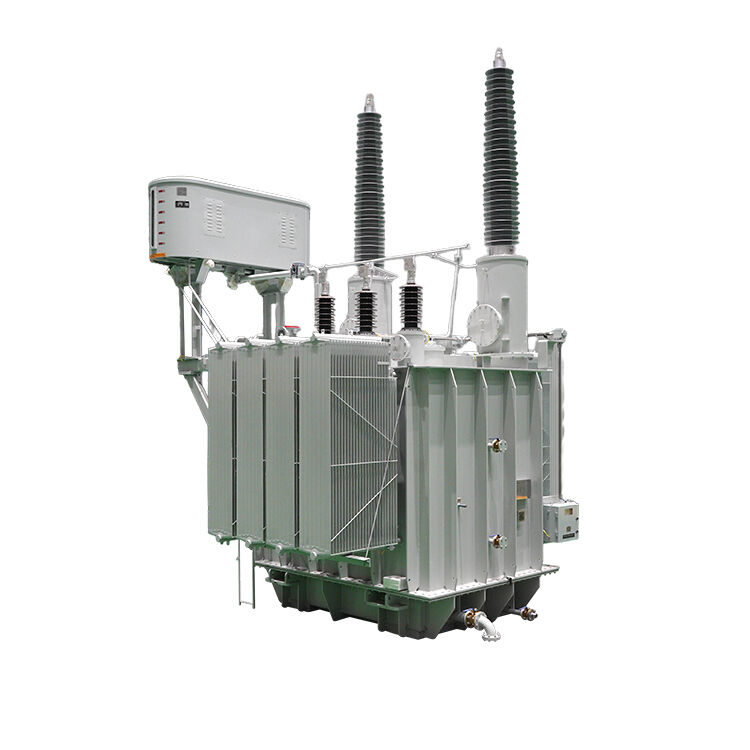
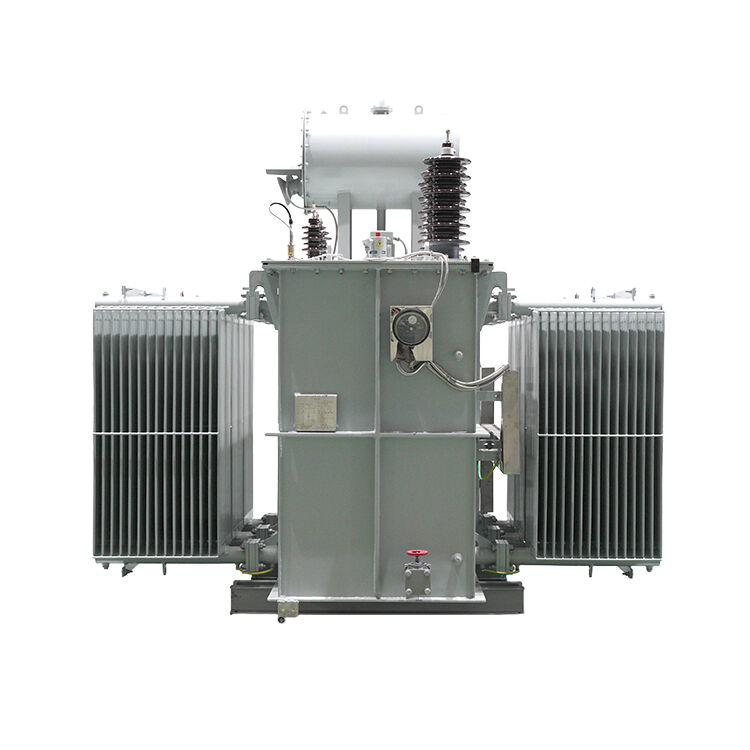
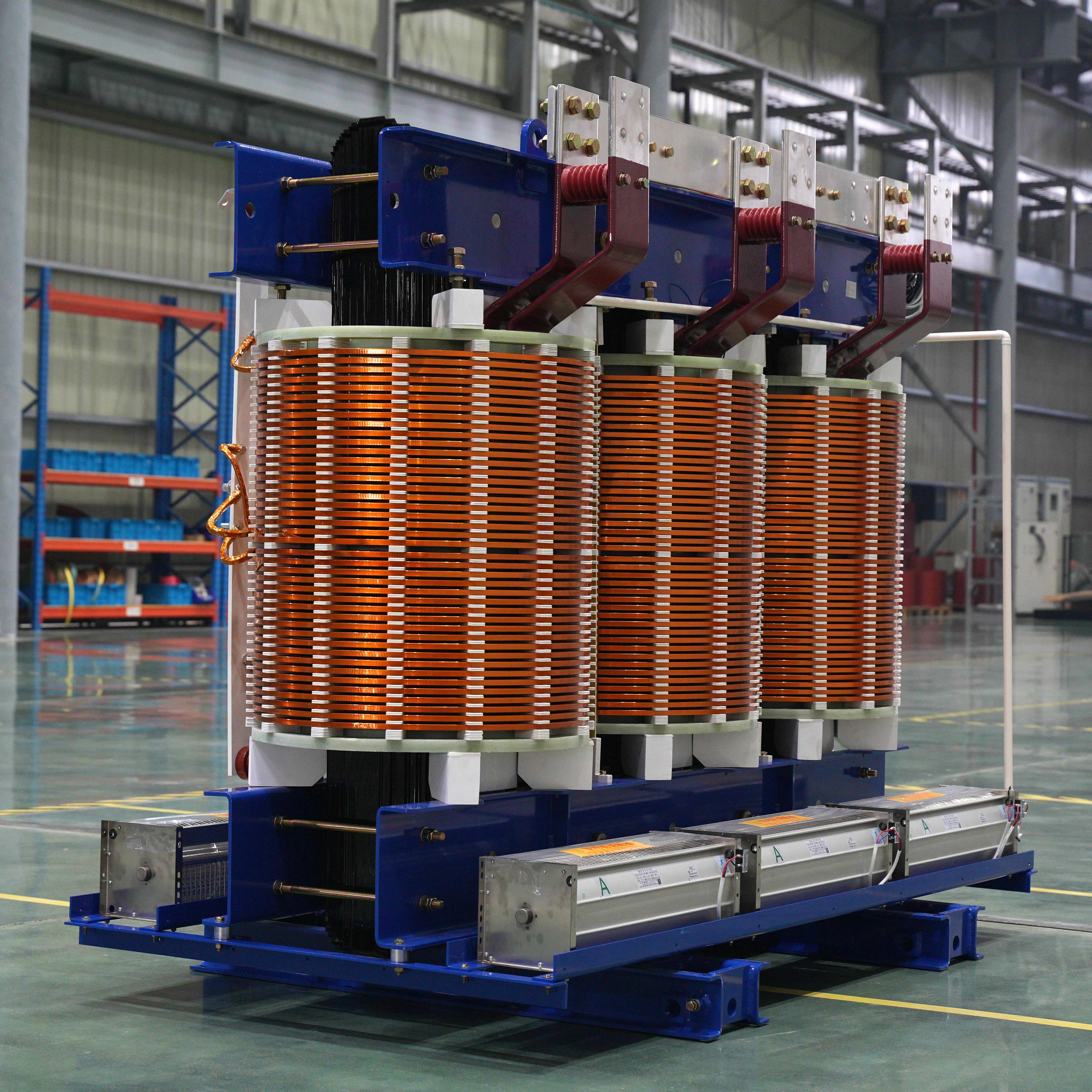
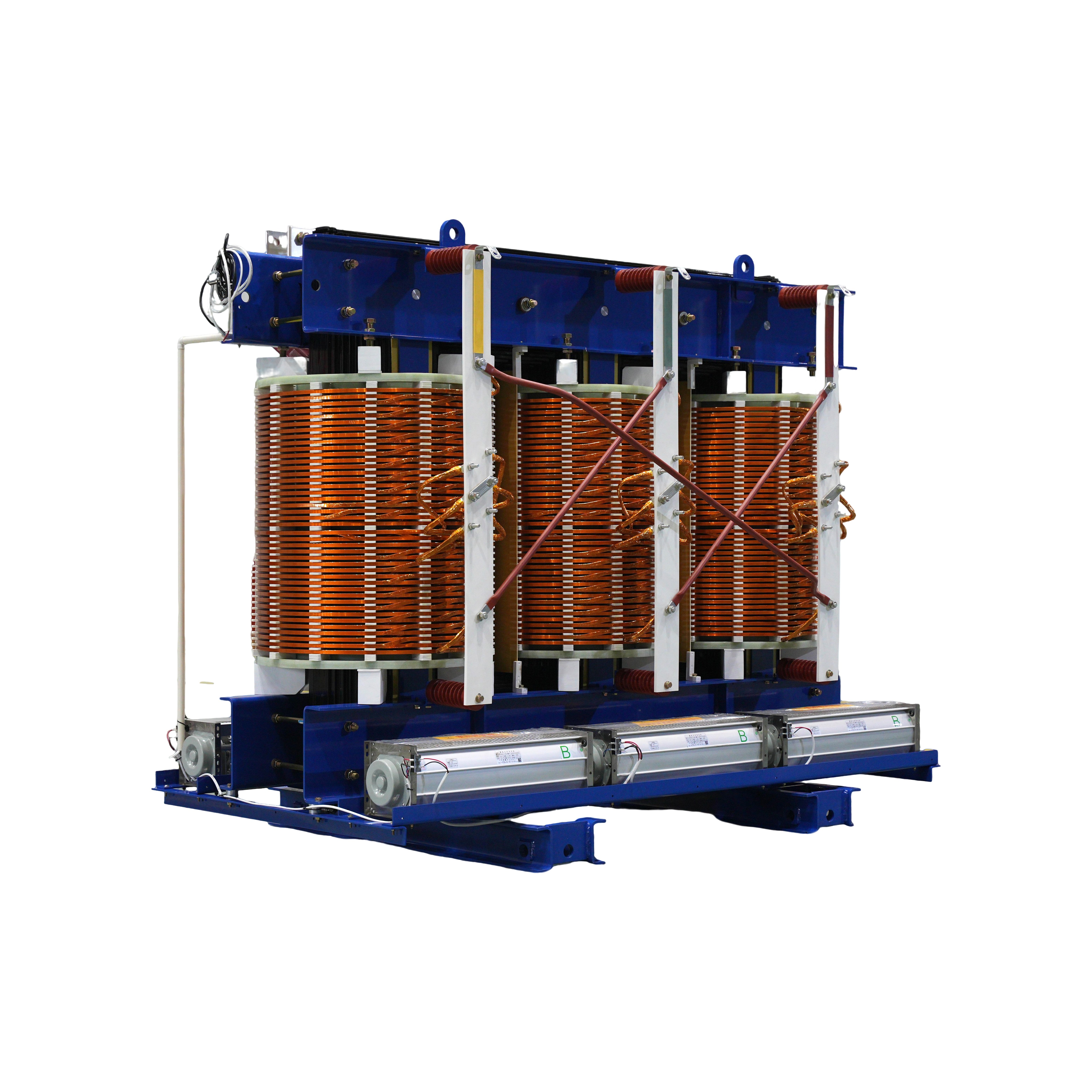
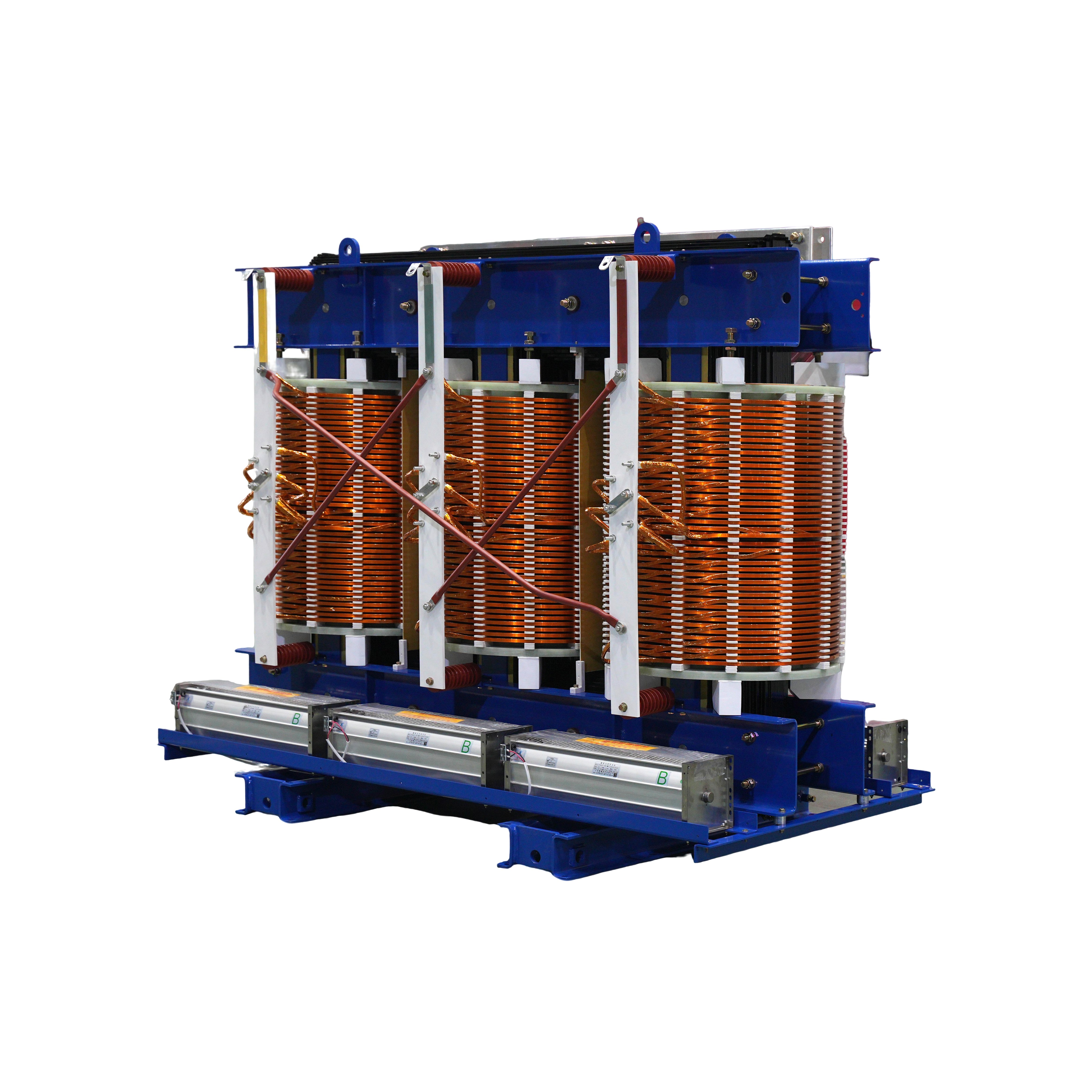
The air cooled ventilated transformer represents a crucial component in electrical power distribution systems, designed to efficiently convert voltage levels while maintaining optimal operating temperatures through natural air circulation. This sophisticated electrical device utilizes atmospheric air as its primary cooling medium, eliminating the need for complex liquid cooling systems or external cooling apparatus. The main function of an air cooled ventilated transformer involves stepping up or stepping down electrical voltages to meet specific power requirements across various industrial and commercial applications. These transformers feature strategically positioned ventilation openings that allow ambient air to flow freely around the core and windings, ensuring consistent heat dissipation during operation. The technological design incorporates specially engineered cooling ducts and ventilation channels that maximize airflow efficiency while protecting internal components from environmental contaminants. Advanced insulation materials work in conjunction with the natural cooling system to maintain electrical integrity and prevent thermal breakdown. The core construction typically employs high-grade silicon steel laminations that minimize energy losses and reduce heat generation. Winding configurations are optimized for both electrical performance and thermal management, with carefully calculated spacing to promote air circulation. Modern air cooled ventilated transformer designs integrate temperature monitoring systems that provide real-time operational data and early warning indicators for maintenance requirements. These transformers find extensive applications in power substations, industrial facilities, commercial buildings, and renewable energy installations where reliable voltage conversion is essential. Manufacturing facilities benefit from their robust construction and ability to handle varying load conditions without compromising performance. The ventilated design makes them particularly suitable for outdoor installations where natural air movement enhances cooling effectiveness. Their versatility extends to both step-up and step-down configurations, making them adaptable to diverse electrical infrastructure requirements across multiple industries and geographic locations.

New Products

Air cooled ventilated transformers offer numerous practical benefits that make them an excellent choice for electrical infrastructure projects. These transformers provide exceptional cost-effectiveness compared to liquid-cooled alternatives, eliminating expenses associated with cooling oil, pumps, and complex maintenance procedures. The natural cooling mechanism reduces operational costs significantly since no additional energy is required to power cooling systems or circulate cooling fluids. Installation becomes much simpler because air cooled ventilated transformers require minimal site preparation and no special containment systems for cooling liquids. This streamlined installation process translates to reduced project timelines and lower labor costs for customers. Maintenance requirements are substantially lower since there are no cooling fluids to monitor, replace, or dispose of according to environmental regulations. The absence of oil or other cooling liquids eliminates risks of environmental contamination and reduces insurance costs for facility operators. Safety benefits include reduced fire hazards since there are no flammable cooling fluids present, making these transformers ideal for installations near sensitive areas or populated zones. The robust construction of air cooled ventilated transformers ensures reliable operation across wide temperature ranges and varying environmental conditions. Their design allows for easy access to internal components during routine inspections and maintenance procedures, reducing downtime and service costs. Weight advantages make transportation and positioning easier compared to liquid-filled units, often eliminating the need for specialized handling equipment. The ventilated design provides excellent electrical insulation properties while maintaining optimal operating temperatures through efficient heat dissipation. These transformers demonstrate superior performance in applications where continuous operation is critical, as their simple cooling mechanism has fewer components that could potentially fail. Environmental benefits include zero risk of soil or groundwater contamination, making them particularly suitable for environmentally sensitive locations. The standardized design allows for easy replacement and upgrading without extensive modifications to existing electrical infrastructure. Long service life and proven reliability reduce total cost of ownership while providing consistent electrical performance throughout their operational lifespan.

Latest News

What Is a Transformer and How Does It Improve Power System Efficiency?

02

Jan

What Is a Transformer and How Does It Improve Power System Efficiency?

A transformer represents one of the most critical components in modern electrical power systems, serving as the backbone for efficient energy transmission and distribution across vast networks. These electromagnetic devices enable the seamless conver...
View More
How Does a Transformer Work in High Voltage Power Transmission?

08

Jan

How Does a Transformer Work in High Voltage Power Transmission?

High voltage power transmission systems form the backbone of modern electrical grids, enabling electricity to travel efficiently across vast distances. At the heart of these complex networks lies the power transformer, a crucial piece of equipment th...
View More
Why Are Transformers Critical for Industrial Power Distribution Systems?

14

Jan

Why Are Transformers Critical for Industrial Power Distribution Systems?

Industrial power distribution systems form the backbone of modern manufacturing, commercial facilities, and critical infrastructure operations. At the heart of these complex networks lies a fundamental component that ensures safe, efficient, and reli...
View More
What Should Utilities Consider When Selecting a Transformer Supplier?

26

Jan

What Should Utilities Consider When Selecting a Transformer Supplier?

Selecting the right supplier for power infrastructure represents one of the most critical decisions utility companies face in today's rapidly evolving energy landscape. The process of choosing a power transformer supplier requires careful evaluation ...
View More

Get a Free Quote

Our representative will contact you soon.
Email
WhatsApp/Mobile
Name
Company Name
Message
0/1000

air cooled ventilated transformer

Superior Natural Cooling Technology

Superior Natural Cooling Technology

The air cooled ventilated transformer incorporates advanced natural cooling technology that represents a significant leap forward in electrical equipment design and efficiency. This innovative cooling system leverages the principles of thermal dynamics and natural air convection to maintain optimal operating temperatures without requiring external cooling equipment or energy-intensive mechanical systems. The carefully engineered ventilation design features strategically positioned air intake and exhaust openings that create natural airflow patterns around critical transformer components. These ventilation channels are precisely calculated to maximize heat transfer rates while protecting sensitive electrical components from environmental debris and moisture infiltration. The cooling system works continuously and silently, drawing cool ambient air through the lower ventilation openings and expelling heated air through upper vents, creating a natural thermal chimney effect. This passive cooling mechanism ensures consistent temperature regulation even during peak load conditions, preventing thermal stress and extending equipment lifespan. The transformer core and windings are specifically designed with enhanced surface areas and optimized spacing to facilitate maximum heat dissipation through natural air circulation. Advanced materials used in the construction process contribute to improved thermal conductivity, allowing efficient heat transfer from internal components to the surrounding air. The ventilated design eliminates common cooling system failures associated with pumps, fans, or cooling fluid circulation problems, resulting in superior reliability and reduced maintenance requirements. Temperature monitoring capabilities integrated into modern air cooled ventilated transformer designs provide real-time operational data, enabling predictive maintenance and preventing thermal overload conditions. This natural cooling approach proves particularly effective in outdoor installations where ambient air movement enhances the cooling process, making these transformers ideal for substations and industrial facilities exposed to natural wind currents.
Enhanced Safety and Environmental Protection

Enhanced Safety and Environmental Protection

Air cooled ventilated transformers deliver unmatched safety benefits and environmental protection features that set them apart from conventional liquid-cooled electrical equipment. The elimination of cooling oils and other potentially hazardous fluids creates a significantly safer operating environment for personnel and surrounding communities. This design choice removes fire risks associated with flammable cooling liquids, making these transformers suitable for installation in populated areas, near residential zones, or in facilities with strict fire safety requirements. The absence of cooling fluids also eliminates the possibility of environmental contamination through spills, leaks, or disposal issues, addressing growing concerns about ecological protection and regulatory compliance. Safety protocols become simpler and more straightforward since workers do not need specialized training for handling hazardous cooling materials or implementing complex containment procedures. Emergency response procedures are streamlined because there are no toxic or flammable substances to consider during incident management or evacuation scenarios. The air cooled ventilated transformer design meets stringent environmental regulations without requiring additional protective measures or monitoring systems for liquid containment. Maintenance personnel can perform routine inspections and repairs with standard electrical safety procedures, reducing training requirements and operational complexity. The robust construction includes built-in safety features such as pressure relief systems and thermal protection devices that respond automatically to abnormal operating conditions. Installation flexibility increases significantly because these transformers do not require specialized foundations, containment berms, or drainage systems needed for liquid-cooled units. The environmentally friendly design supports corporate sustainability initiatives and helps organizations meet green building standards and environmental certification requirements. Long-term operational benefits include reduced liability exposure and insurance costs since environmental contamination risks are virtually eliminated. The transformer design incorporates arc-resistant features and electrical protection systems that enhance overall electrical safety for connected equipment and personnel working in proximity to the installation.
Cost-Effective Operation and Maintenance Excellence

Cost-Effective Operation and Maintenance Excellence

The air cooled ventilated transformer delivers exceptional cost-effectiveness and maintenance advantages that provide substantial long-term value for electrical infrastructure investments. Operating costs remain consistently low because the natural cooling system requires no additional energy consumption for cooling pumps, fans, or fluid circulation equipment. This energy-efficient design contributes to reduced utility bills and supports organizational sustainability goals while maintaining optimal electrical performance. Maintenance requirements are significantly simplified compared to liquid-cooled alternatives, eliminating routine tasks such as oil testing, fluid replacement, and cooling system component servicing. The straightforward maintenance approach reduces the need for specialized technicians and expensive testing equipment, lowering overall operational expenses. Scheduled maintenance intervals can be extended due to the robust design and absence of complex cooling system components that typically require frequent attention. Replacement parts and service components are readily available and cost-effective since the air cooled ventilated transformer utilizes standard electrical industry components rather than specialized cooling system elements. The modular design allows for targeted repairs and component replacements without requiring complete system shutdowns or extensive disassembly procedures. Diagnostic procedures become more efficient because technicians can easily access all critical components for visual inspection, electrical testing, and thermal analysis. The transparent operational characteristics of air cooling systems enable maintenance teams to quickly identify potential issues and implement corrective measures before they impact system performance. Training costs for maintenance personnel are reduced since the technology does not require specialized knowledge of cooling fluid chemistry, pump operations, or complex circulation systems. Inventory management becomes simpler because fewer specialized spare parts and consumable materials need to be maintained in stock. The proven reliability of air cooled ventilated transformer technology translates to extended service life and reduced replacement frequency, maximizing return on investment for electrical infrastructure projects. Total cost of ownership calculations consistently favor air cooled designs due to their combination of lower acquisition costs, reduced operational expenses, and simplified maintenance requirements throughout their service life.

Get a Free Quote

Our representative will contact you soon.
Email
WhatsApp/Mobile
Name
Company Name
Message
0/1000