Auxiliary Substation Solutions: Advanced Power Distribution and Backup Systems for Industrial Applications

Get a Free Quote

Our representative will contact you soon.
Email
WhatsApp/Mobile
Name
Company Name
Message
0/1000

auxiliary substation

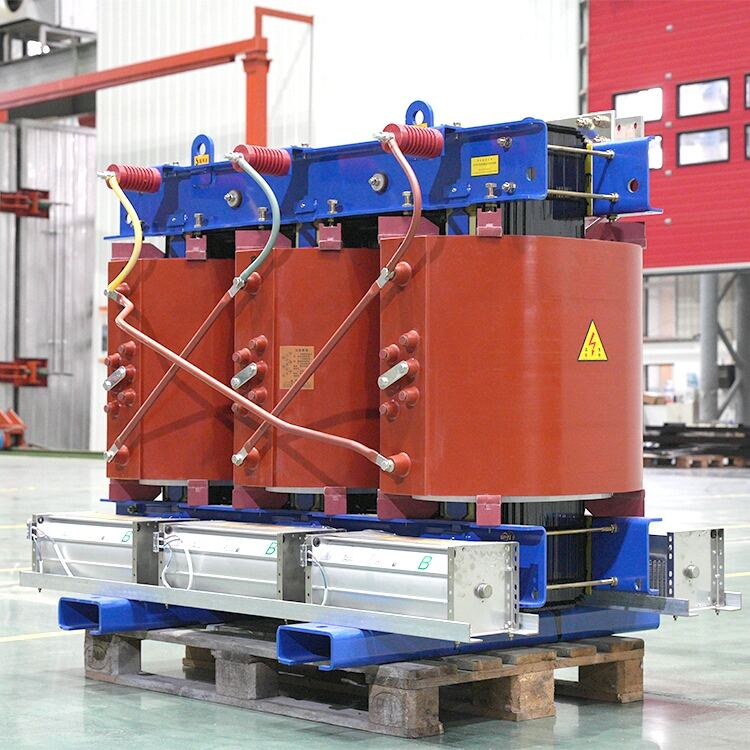
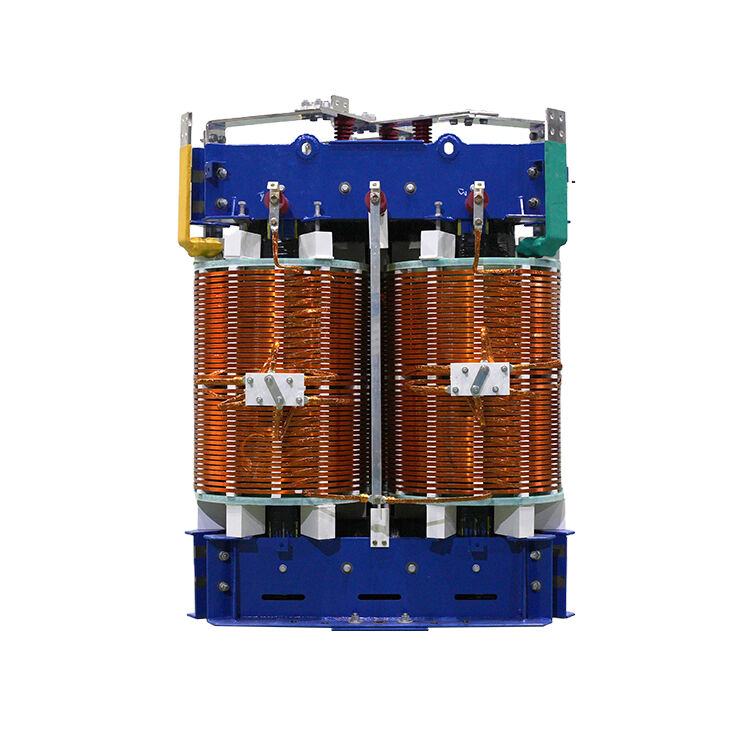
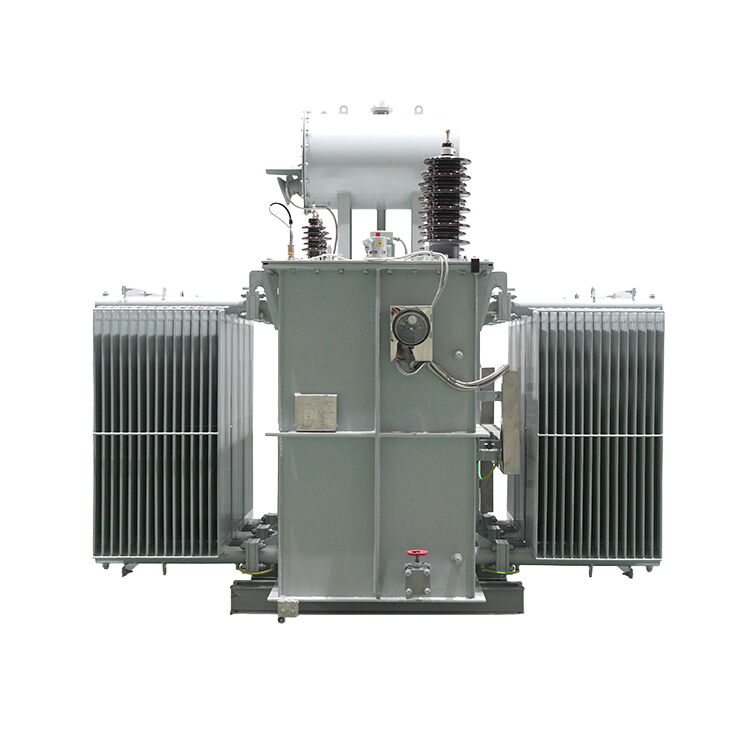
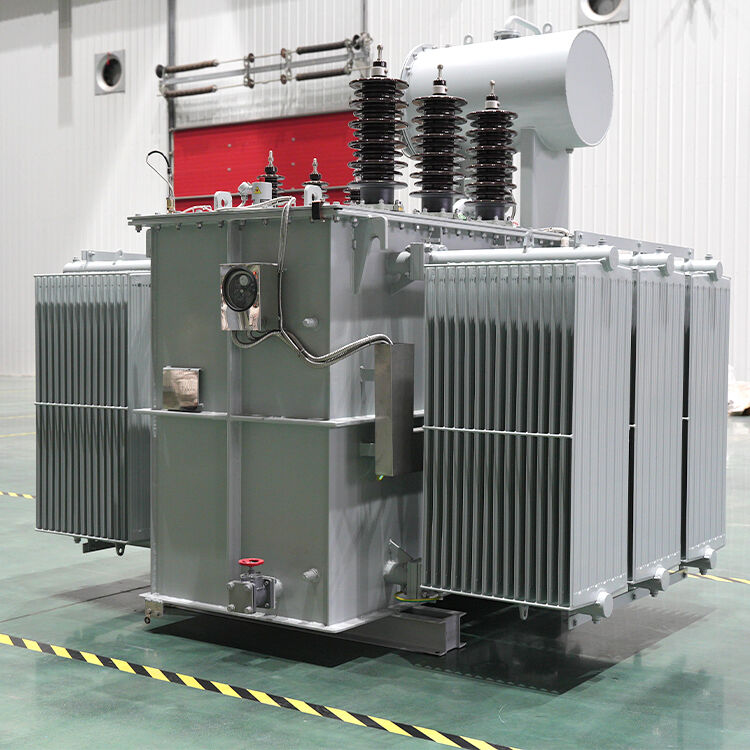
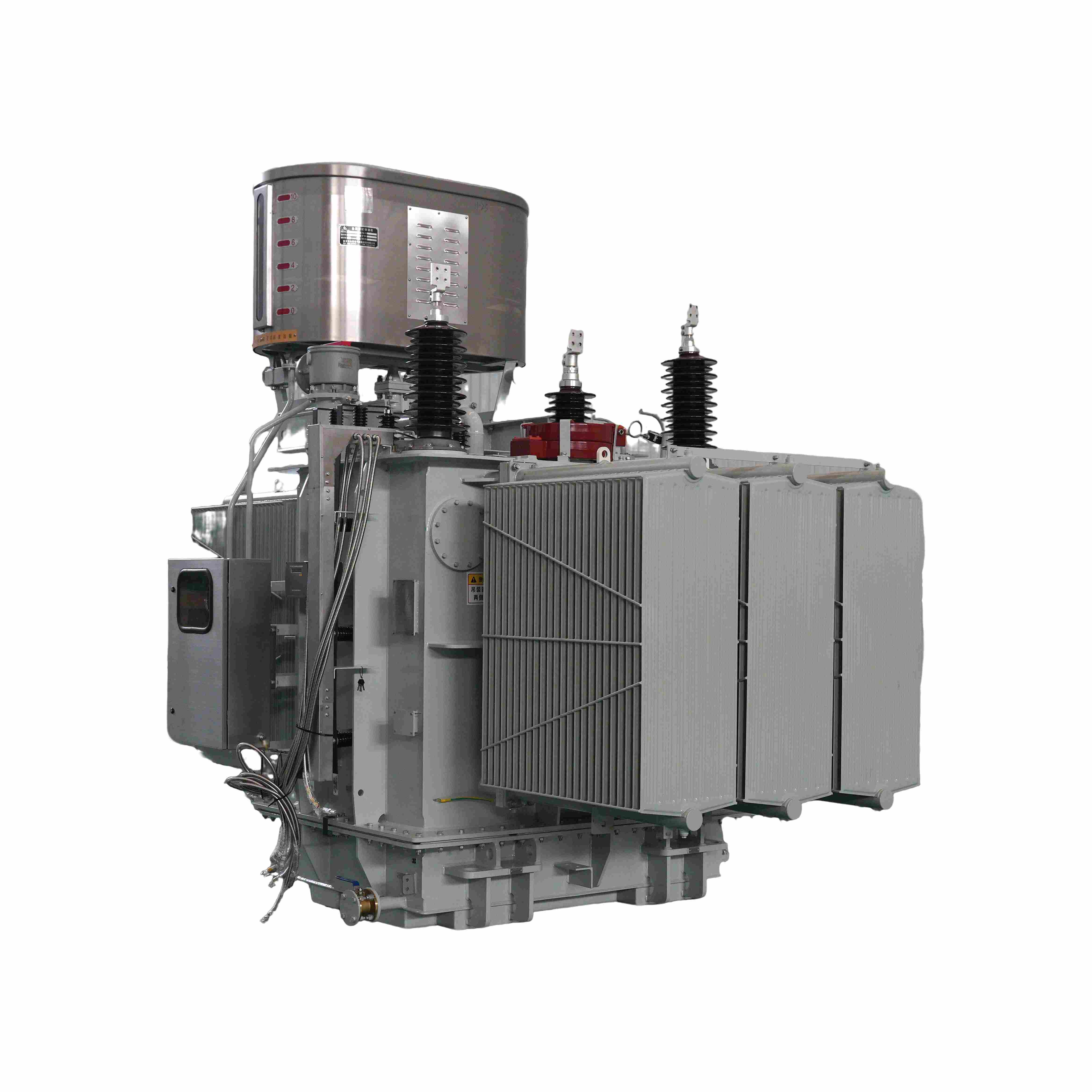
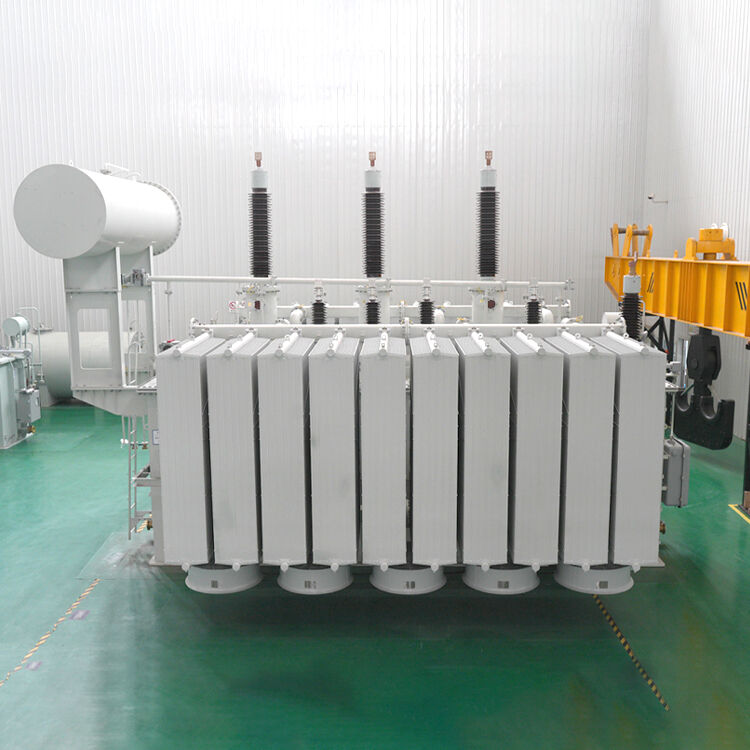
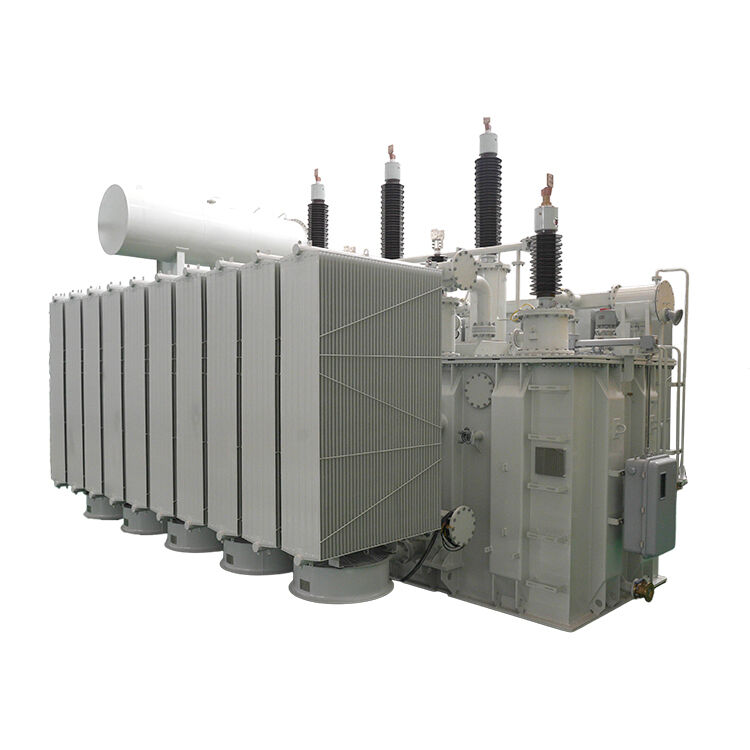
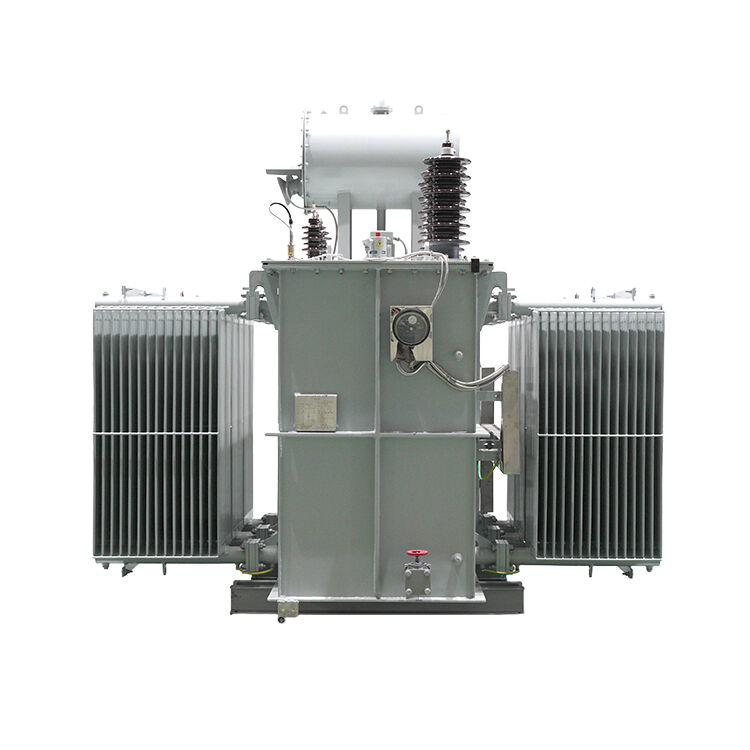
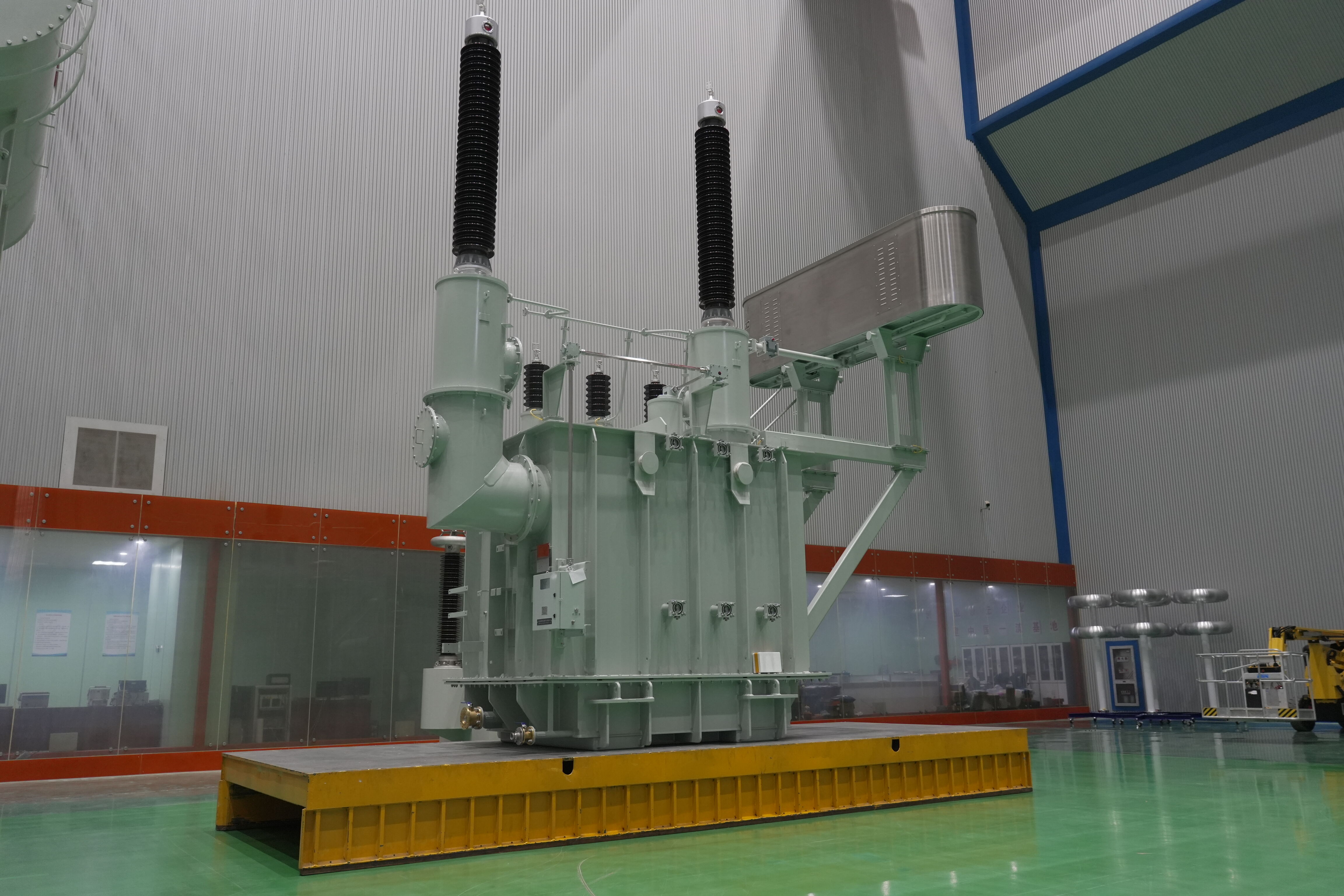
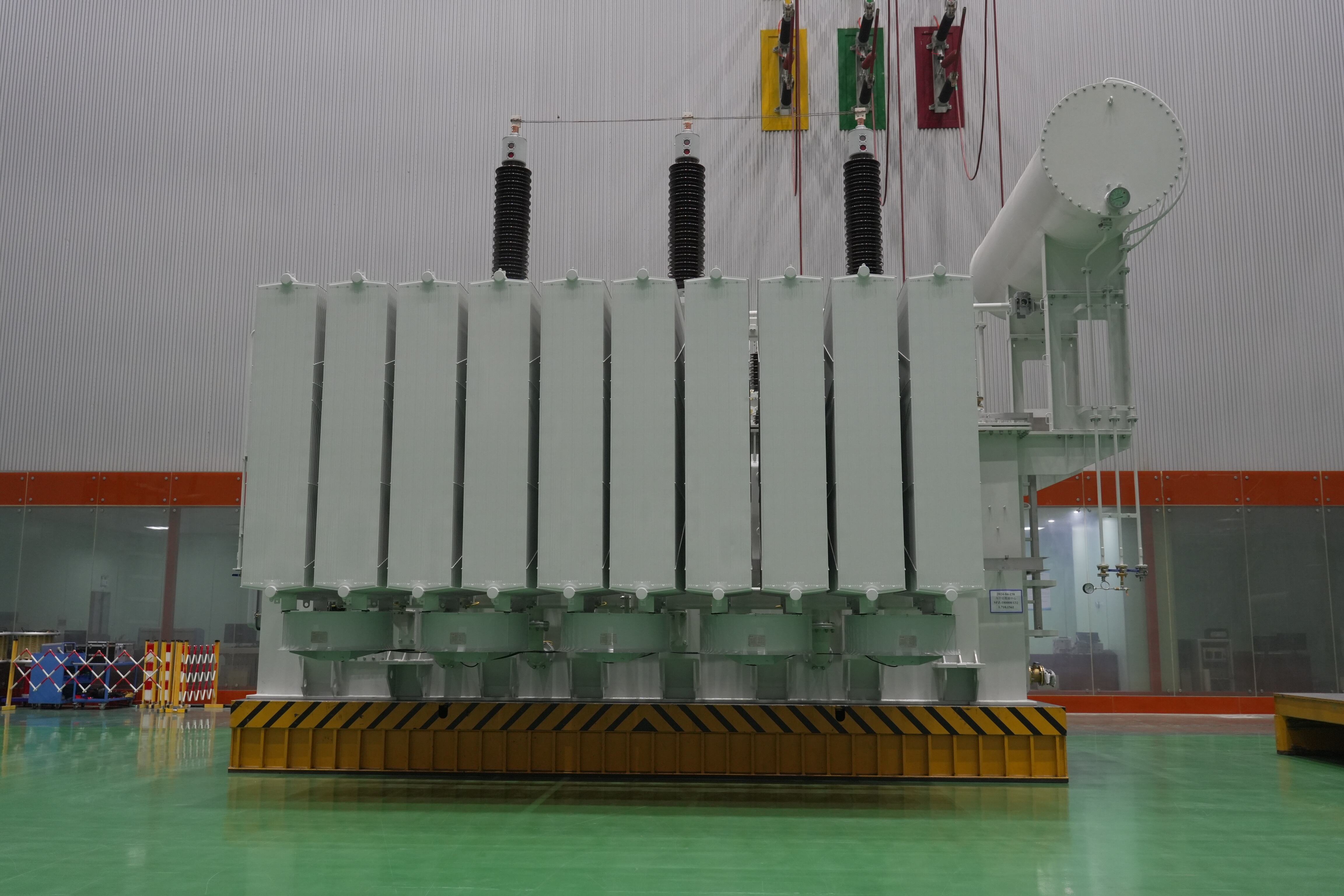
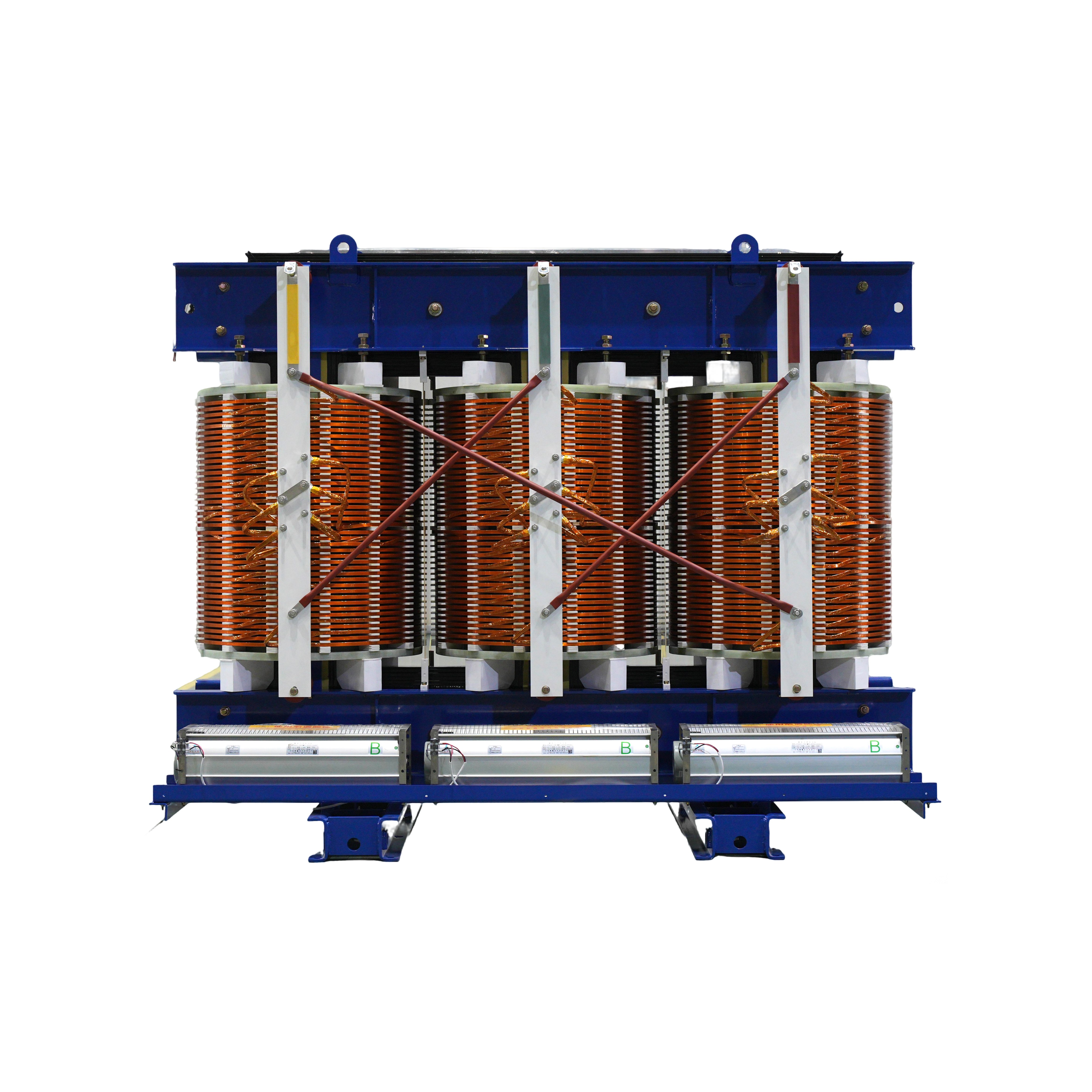
An auxiliary substation represents a critical electrical infrastructure component designed to support power distribution networks by providing essential backup power, voltage regulation, and system protection capabilities. These specialized facilities serve as secondary power sources that enhance the reliability and stability of electrical grids across industrial, commercial, and residential applications. The auxiliary substation operates through sophisticated control systems that monitor electrical parameters continuously, ensuring seamless power transfer during outages or system maintenance periods. Modern auxiliary substations incorporate advanced digital protection relays, automated switching equipment, and intelligent monitoring systems that enable remote operation and real-time diagnostics. The technological architecture typically includes step-down transformers, circuit breakers, disconnect switches, and comprehensive protection schemes that safeguard both equipment and personnel. These installations feature modular designs that allow for flexible configuration based on specific load requirements and operational conditions. The auxiliary substation integrates seamlessly with existing electrical infrastructure while providing enhanced operational flexibility through programmable logic controllers and sophisticated communication protocols. Smart grid compatibility ensures that these systems can participate in demand response programs and contribute to overall network optimization. The robust construction standards guarantee reliable performance under various environmental conditions, from extreme temperatures to seismic events. Safety features include comprehensive arc flash protection, ground fault detection, and emergency shutdown capabilities that comply with international electrical standards. Regular maintenance protocols ensure optimal performance throughout the extended operational lifespan, typically spanning several decades with proper care. The auxiliary substation represents a strategic investment in electrical infrastructure resilience, providing peace of mind through dependable backup power capabilities and enhanced system reliability for critical operations.

Popular Products

Auxiliary substations deliver remarkable cost savings by reducing downtime expenses and eliminating the need for expensive emergency power solutions during outages. Businesses save thousands of dollars annually by maintaining continuous operations instead of suffering production losses during power interruptions. The quick installation process minimizes disruption to existing operations, allowing organizations to enhance their electrical infrastructure without extensive downtime. These systems provide exceptional reliability through redundant protection mechanisms that prevent cascading failures and protect valuable equipment from damage. The modular design enables easy expansion as power requirements grow, eliminating the need for complete system replacements and reducing long-term capital expenditures. Energy efficiency improvements result from optimized voltage regulation and reduced transmission losses, translating directly into lower electricity bills for end users. The automated operation capabilities reduce the need for constant human supervision, lowering operational costs while improving response times during emergency situations. Remote monitoring features allow facility managers to track performance metrics and identify potential issues before they become costly problems, enabling proactive maintenance scheduling. The auxiliary substation enhances power quality by filtering harmonic distortions and voltage fluctuations that can damage sensitive electronic equipment and reduce productivity. Compliance with industry standards ensures insurance benefits and regulatory approval, avoiding potential fines and operational restrictions. The extended equipment lifespan results from improved electrical conditions and reduced stress on connected machinery, maximizing return on investment over time. Scalability features accommodate future growth without requiring complete infrastructure overhauls, making the auxiliary substation a smart long-term investment. Enhanced safety protocols protect personnel and property while reducing liability risks and insurance premiums. The improved power factor correction capabilities reduce demand charges and optimize energy consumption patterns, delivering measurable financial benefits month after month.

Latest News

What Is a Transformer and How Does It Improve Power System Efficiency?

02

Jan

What Is a Transformer and How Does It Improve Power System Efficiency?

A transformer represents one of the most critical components in modern electrical power systems, serving as the backbone for efficient energy transmission and distribution across vast networks. These electromagnetic devices enable the seamless conver...
View More
How Does a Transformer Work in High Voltage Power Transmission?

08

Jan

How Does a Transformer Work in High Voltage Power Transmission?

High voltage power transmission systems form the backbone of modern electrical grids, enabling electricity to travel efficiently across vast distances. At the heart of these complex networks lies the power transformer, a crucial piece of equipment th...
View More
How Do Transformers Support Grid Stability in Large-Scale Power Networks?

20

Jan

How Do Transformers Support Grid Stability in Large-Scale Power Networks?

Large-scale power networks form the backbone of modern electrical infrastructure, requiring sophisticated equipment to maintain stability and reliability across vast geographical areas. Power transformers play a crucial role in these complex systems ...
View More
What Should Utilities Consider When Selecting a Transformer Supplier?

26

Jan

What Should Utilities Consider When Selecting a Transformer Supplier?

Selecting the right supplier for power infrastructure represents one of the most critical decisions utility companies face in today's rapidly evolving energy landscape. The process of choosing a power transformer supplier requires careful evaluation ...
View More

Get a Free Quote

Our representative will contact you soon.
Email
WhatsApp/Mobile
Name
Company Name
Message
0/1000

auxiliary substation

Advanced Digital Protection and Control Systems

Advanced Digital Protection and Control Systems

The auxiliary substation incorporates cutting-edge digital protection and control systems that revolutionize electrical infrastructure management through intelligent automation and real-time monitoring capabilities. These sophisticated systems utilize microprocessor-based relays that continuously analyze electrical parameters with unprecedented precision, detecting anomalies within milliseconds and initiating protective actions before equipment damage occurs. The digital architecture enables seamless communication between various substation components through standardized protocols like IEC 61850, creating an integrated network that optimizes performance and enhances operational visibility. Advanced algorithms process vast amounts of data to identify patterns and predict potential failures, allowing maintenance teams to address issues proactively rather than reactively. The human-machine interface provides intuitive control panels that simplify complex operations, enabling operators to monitor multiple parameters simultaneously and make informed decisions quickly. Remote access capabilities allow engineers to diagnose problems and adjust settings from any location, reducing response times and minimizing the need for on-site visits during emergencies. The protection coordination features ensure that only the affected circuit segment is isolated during faults, maintaining power supply to unaffected areas and minimizing service disruptions. Self-diagnostic functions continuously verify system integrity and alert operators to potential issues before they impact operations. The data logging capabilities create comprehensive historical records that support maintenance planning, regulatory compliance, and performance optimization initiatives. Cybersecurity measures protect against unauthorized access and ensure data integrity throughout the communication network. The auxiliary substation benefits significantly from these advanced systems, which transform traditional electrical infrastructure into intelligent, responsive networks that adapt to changing conditions automatically while maintaining the highest levels of safety and reliability.
Flexible Modular Design Architecture

Flexible Modular Design Architecture

The modular design architecture of auxiliary substations represents a paradigm shift in electrical infrastructure development, offering unprecedented flexibility and scalability that adapts to evolving power requirements seamlessly. This innovative approach utilizes standardized components that can be configured in multiple arrangements, allowing engineers to customize installations based on specific site conditions and operational needs without compromising performance or safety standards. The prefabricated modules undergo rigorous factory testing before deployment, ensuring consistent quality and reducing installation time significantly compared to traditional construction methods. Each module integrates specific functions such as protection, control, or switching operations, creating a cohesive system that maintains optimal performance across all operational scenarios. The standardized interfaces between modules simplify expansion projects, enabling organizations to add capacity incrementally as demand grows rather than investing in oversized infrastructure initially. This approach reduces capital expenditure requirements while providing the flexibility to accommodate future growth without major system modifications. The auxiliary substation benefits from reduced construction timelines because modules arrive pre-tested and ready for connection, minimizing site preparation requirements and accelerating project completion schedules. Maintenance operations become more efficient through modular accessibility, allowing technicians to service individual components without affecting other system elements. The standardized design facilitates spare parts inventory management and reduces training requirements for maintenance personnel. Quality control improvements result from factory-controlled manufacturing environments that eliminate weather-related delays and ensure consistent workmanship standards. The modular approach supports rapid deployment in emergency situations, enabling quick restoration of critical electrical services following natural disasters or equipment failures. Environmental benefits include reduced construction waste and improved energy efficiency through optimized component integration and advanced insulation technologies.
Enhanced Power Quality and System Reliability

Enhanced Power Quality and System Reliability

Enhanced power quality and system reliability represent the cornerstone benefits of auxiliary substations, delivering consistent electrical performance that protects sensitive equipment while ensuring uninterrupted operations across diverse applications. The sophisticated voltage regulation capabilities maintain steady output levels despite input fluctuations, protecting connected devices from potentially damaging voltage variations that can reduce equipment lifespan and cause unexpected failures. Harmonic filtering technologies eliminate distortions caused by nonlinear loads, creating clean power waveforms that optimize the performance of motors, computers, and other sensitive electronic equipment. The power factor correction features reduce reactive power consumption, improving overall system efficiency and reducing utility demand charges for commercial and industrial customers. Automatic transfer switches ensure seamless transitions between primary and backup power sources, maintaining continuity during maintenance periods or utility outages without disrupting critical operations. The auxiliary substation incorporates multiple redundancy levels that eliminate single points of failure, creating robust electrical networks capable of withstanding equipment malfunctions or unexpected load variations. Advanced monitoring systems track power quality parameters continuously, providing early warning of potential issues and enabling proactive maintenance strategies that prevent costly downtime. The improved grounding systems enhance safety while reducing electrical noise that can interfere with sensitive communications and control equipment. Lightning protection measures safeguard against weather-related disturbances, ensuring reliable operation during severe environmental conditions. The enhanced insulation coordination prevents flashovers and maintains system integrity under various operating scenarios. Load balancing capabilities distribute electrical demands evenly across multiple circuits, preventing overloading and optimizing equipment utilization throughout the facility. Fault current limitation features protect downstream equipment from damage during short-circuit conditions, reducing repair costs and minimizing service interruptions. The comprehensive protection schemes coordinate with upstream and downstream devices to ensure selective operation and maintain service to unaffected areas during localized faults.

Get a Free Quote

Our representative will contact you soon.
Email
WhatsApp/Mobile
Name
Company Name
Message
0/1000