containerized electrical substation
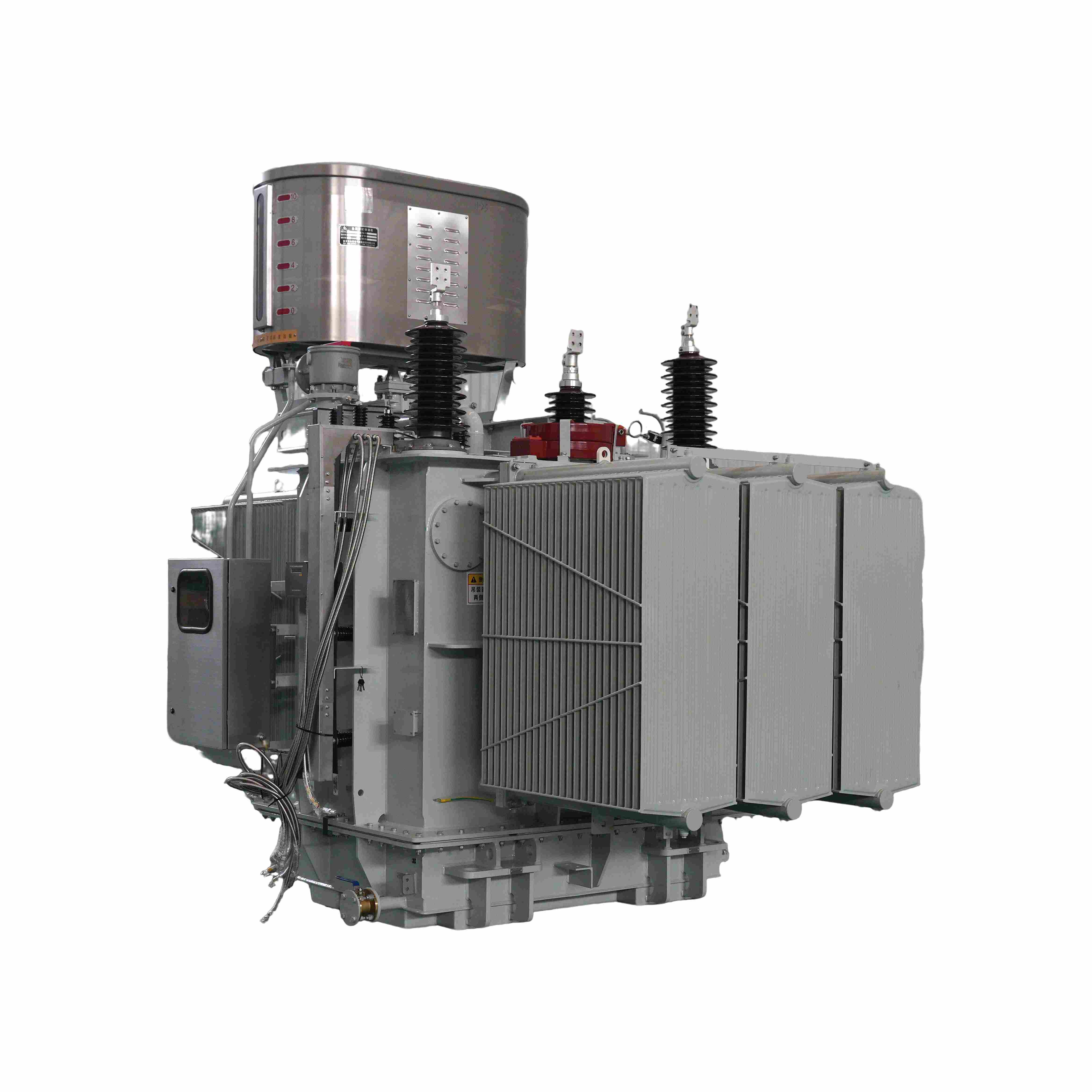
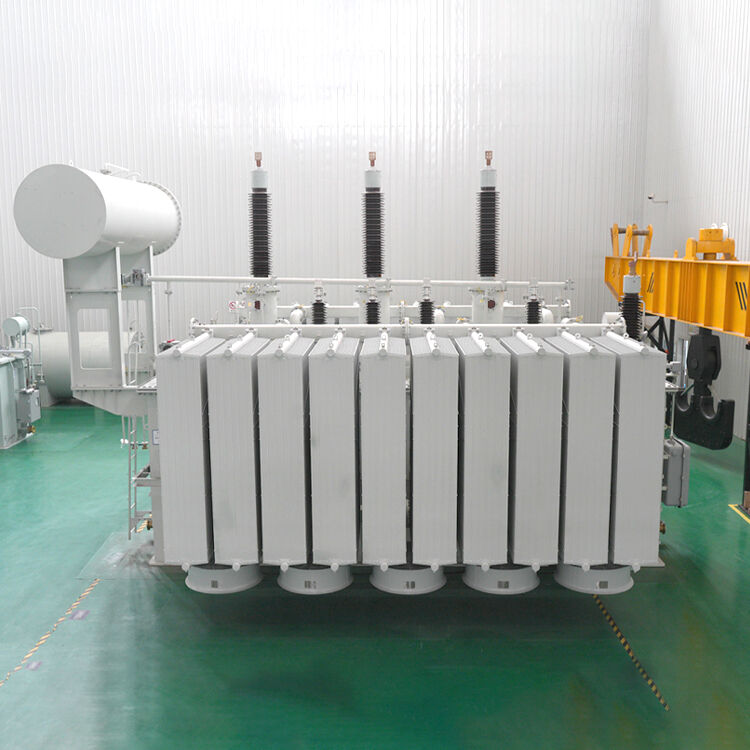
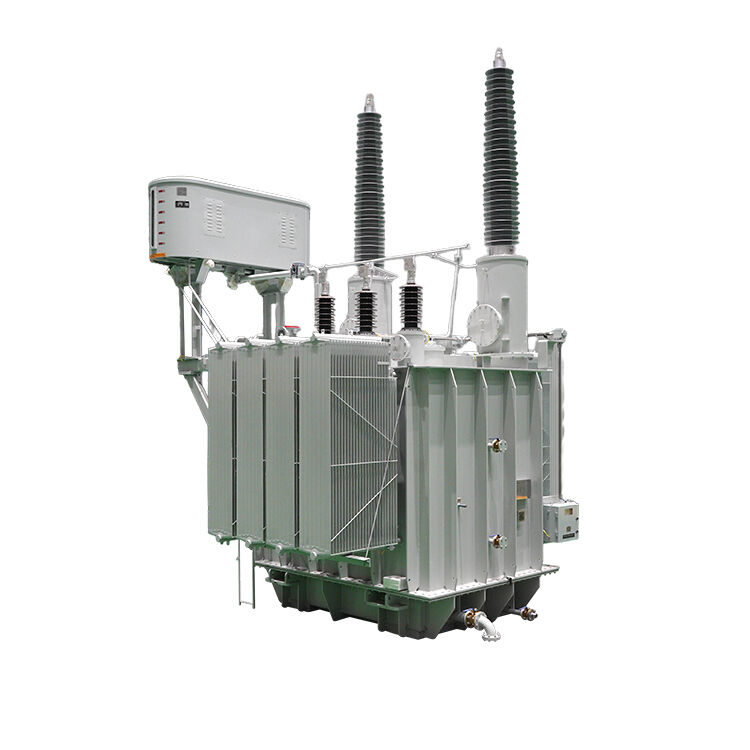
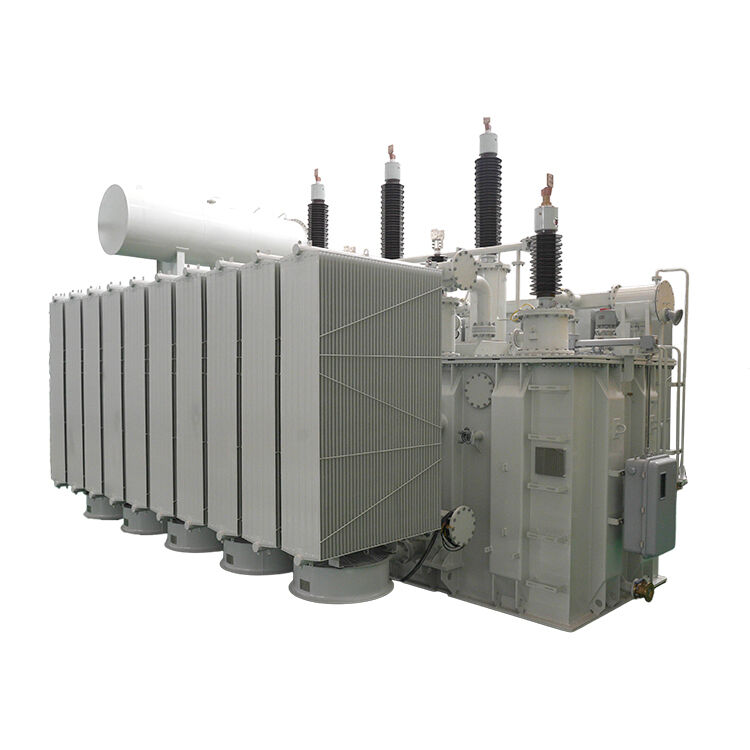
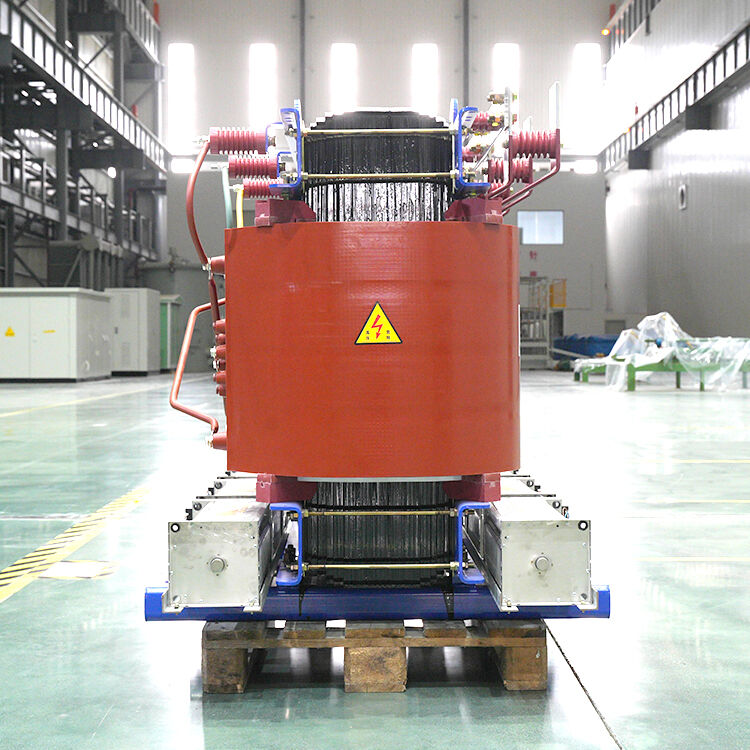
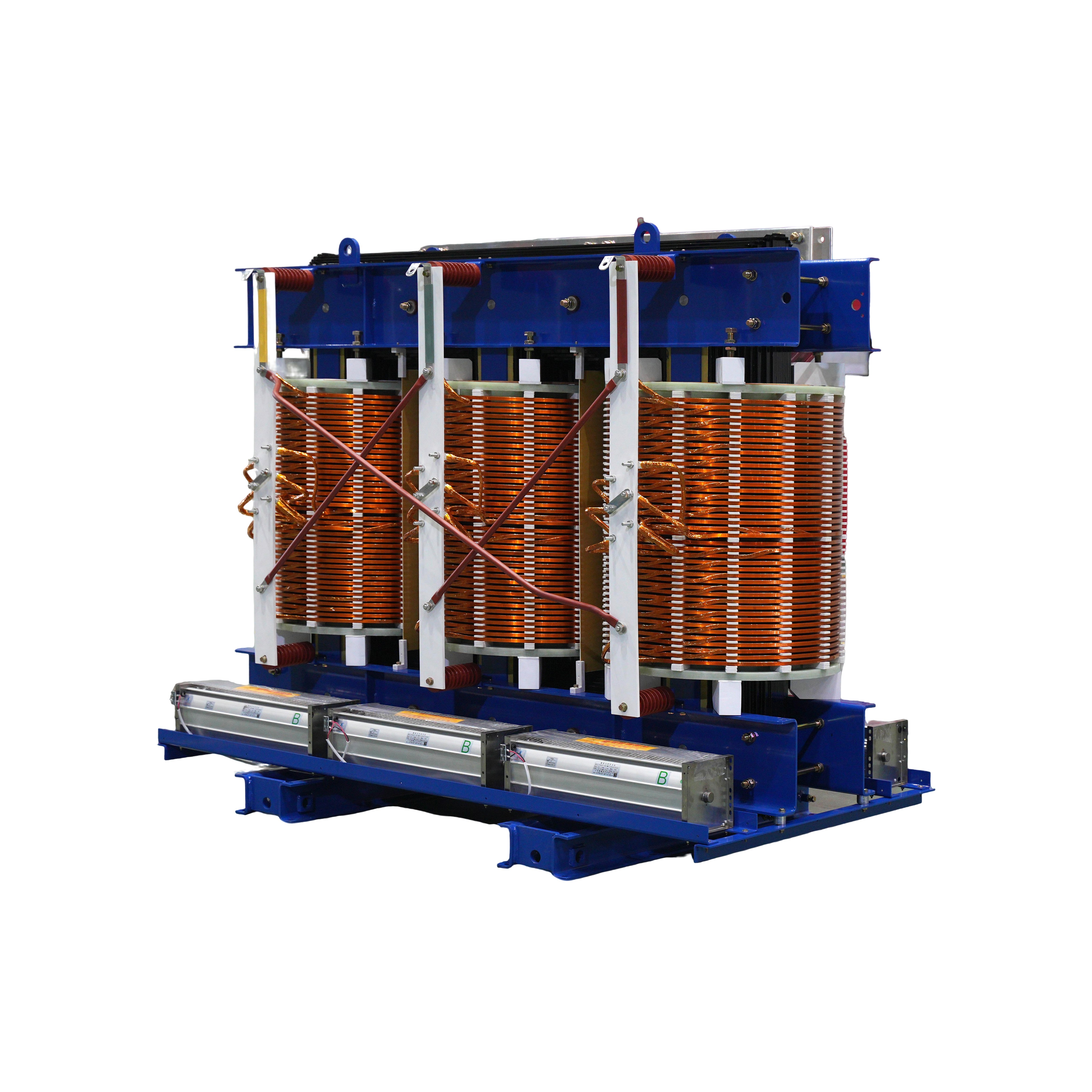
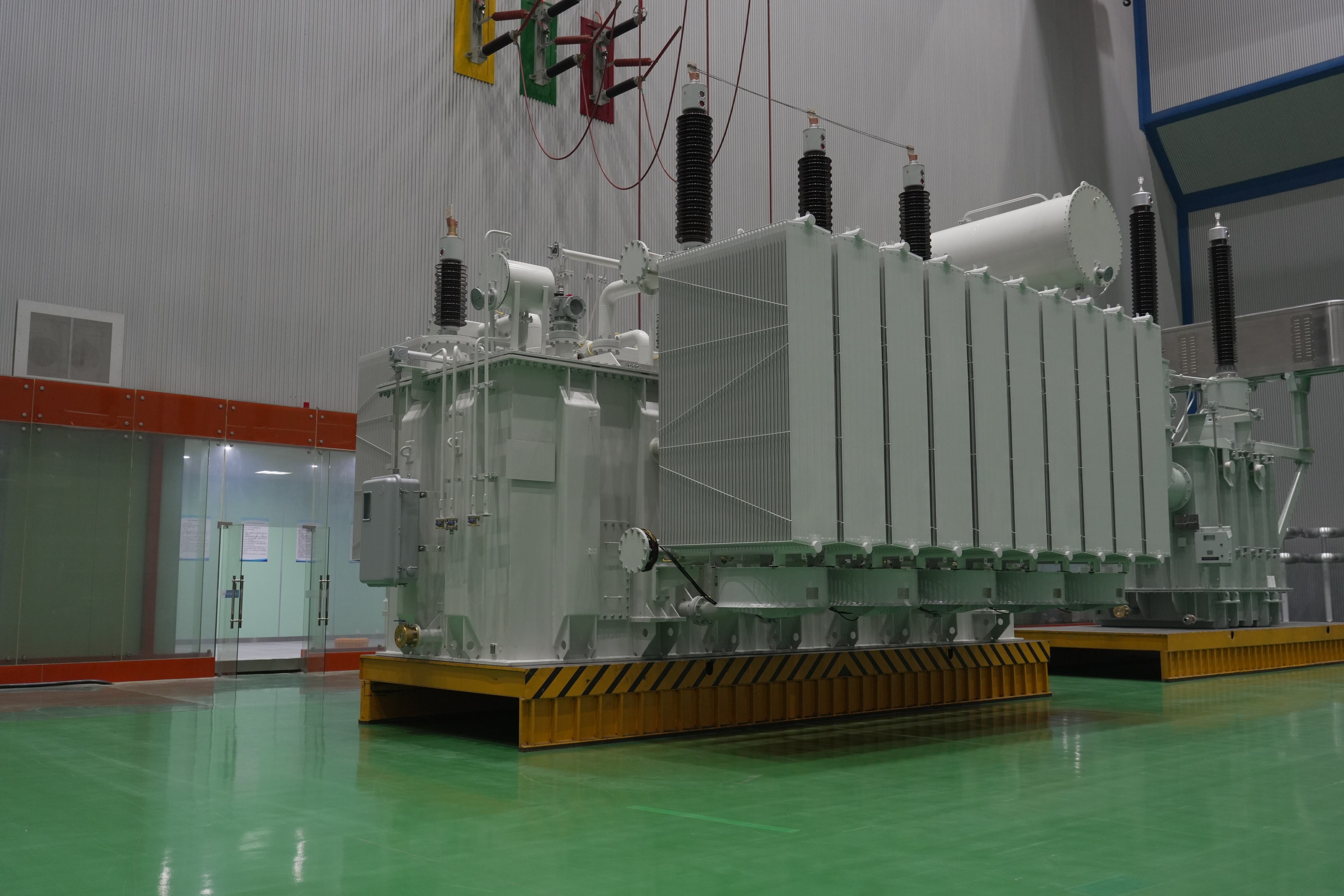
A containerized electrical substation represents a revolutionary approach to power distribution infrastructure, combining traditional substation functionality with modern portability and efficiency. This innovative solution houses complete electrical equipment within standardized shipping containers, creating a self-contained power distribution unit that can be deployed rapidly across various locations. The containerized electrical substation integrates essential components including transformers, switchgear, control systems, and protection devices within a weatherproof, secure enclosure. These units serve as critical nodes in electrical networks, stepping voltage levels up or down to meet specific distribution requirements while maintaining system reliability and safety standards. The primary functions of a containerized electrical substation encompass voltage transformation, power switching, system protection, and network control. Advanced monitoring capabilities enable real-time assessment of electrical parameters, fault detection, and remote operation through sophisticated SCADA systems. The technological features include compact design optimization, advanced cooling systems, integrated fire suppression, and comprehensive environmental protection. Modern containerized electrical substation units incorporate digital relays, intelligent switching devices, and automated control systems that enhance operational efficiency. Applications span across renewable energy projects, industrial facilities, mining operations, construction sites, emergency power restoration, and grid expansion initiatives. The modular nature of containerized electrical substation technology allows for customization based on specific voltage levels, power ratings, and operational requirements. These installations prove particularly valuable in remote locations where traditional substation construction faces logistical challenges or time constraints. The standardized container format facilitates easy transportation via truck, rail, or ship, enabling rapid deployment wherever power distribution needs arise. Environmental considerations are addressed through robust insulation, climate control systems, and compliance with international safety standards, ensuring reliable operation across diverse geographic and climatic conditions.
 EN
EN