bulk substation
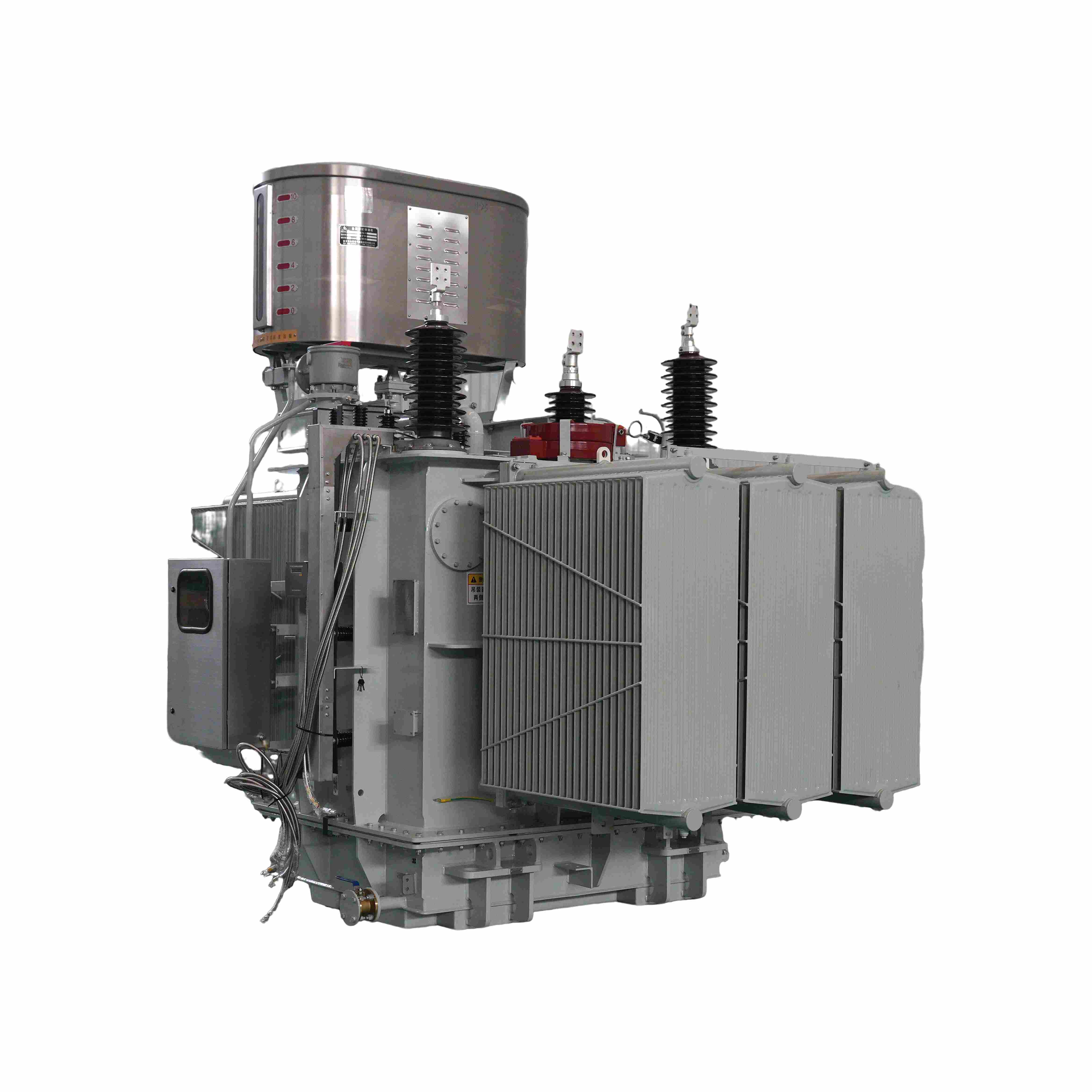
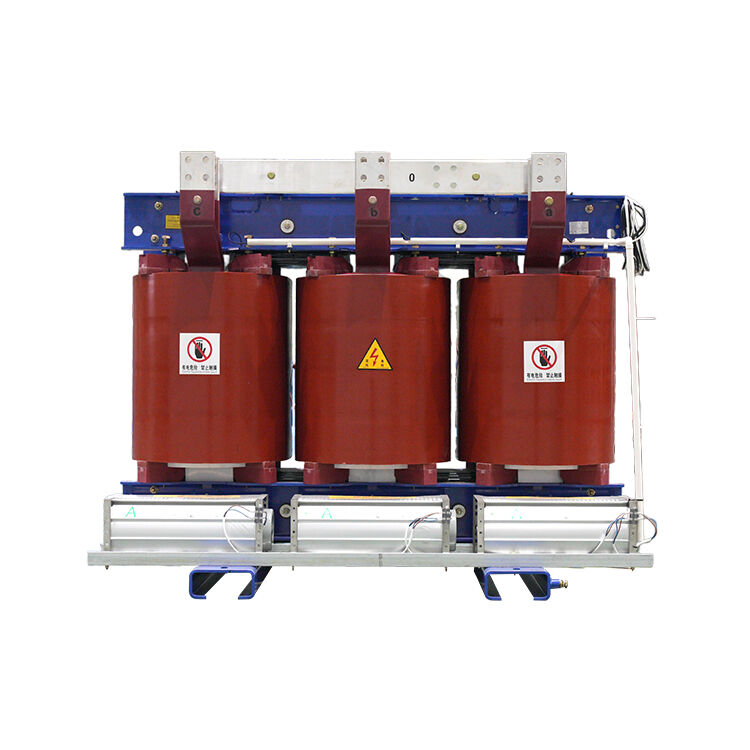
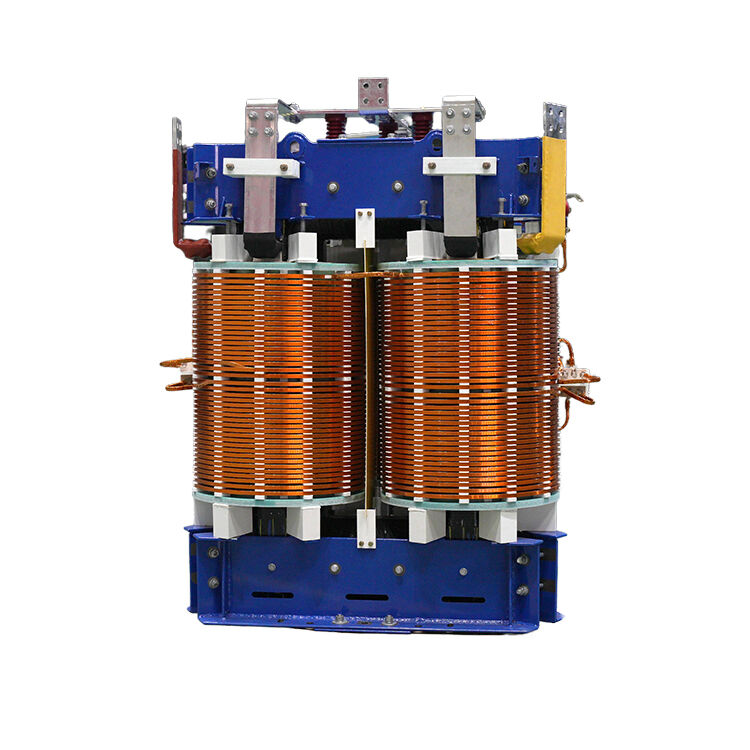
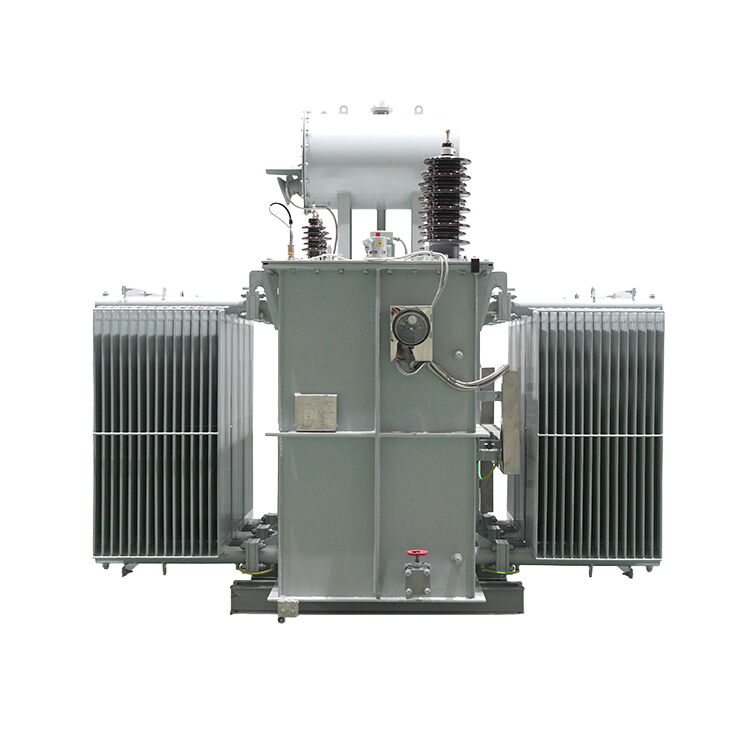
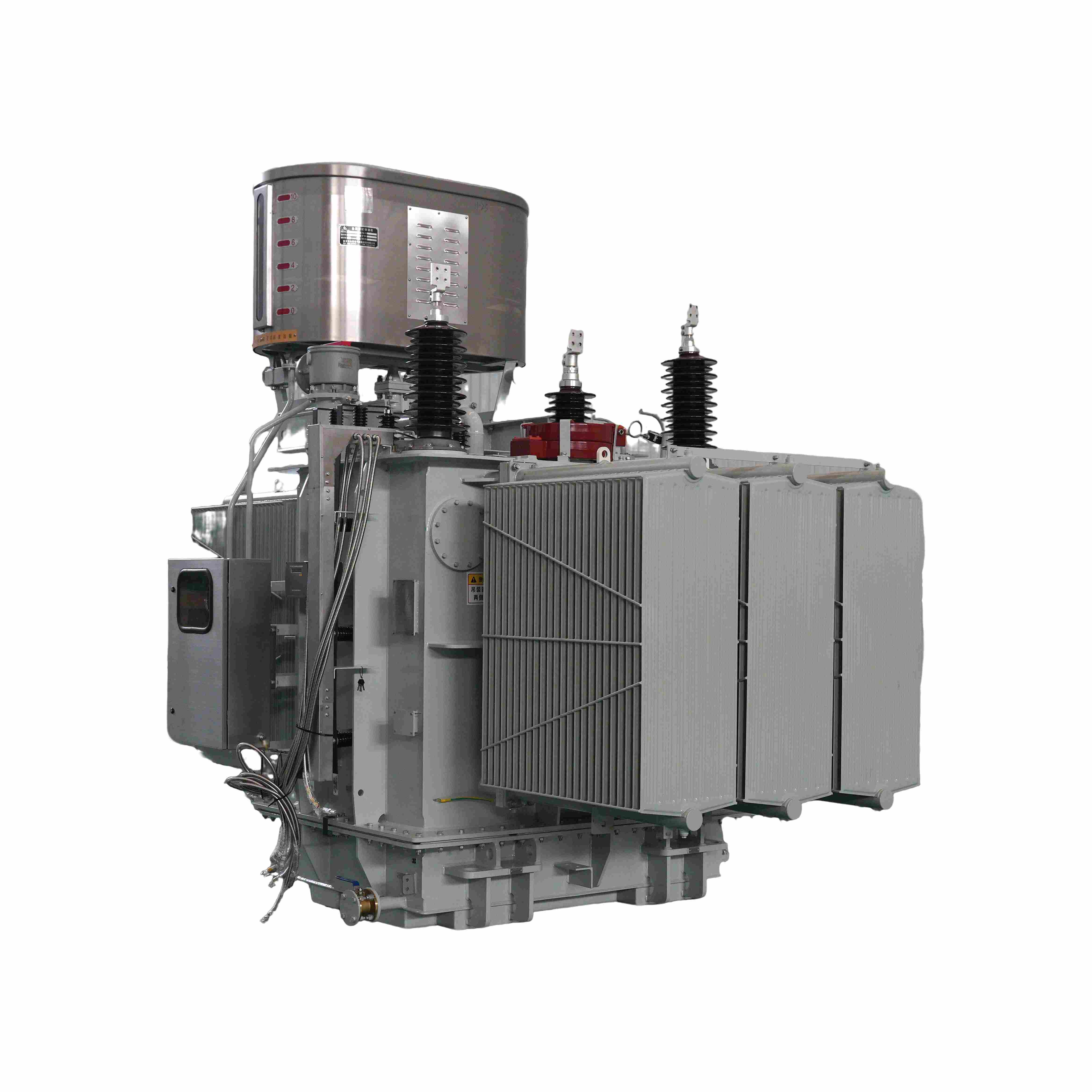
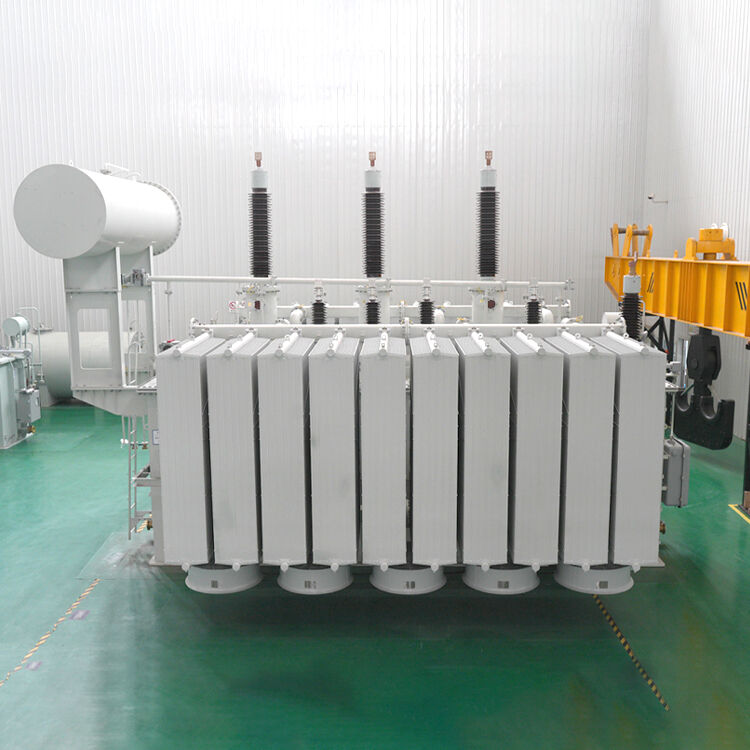
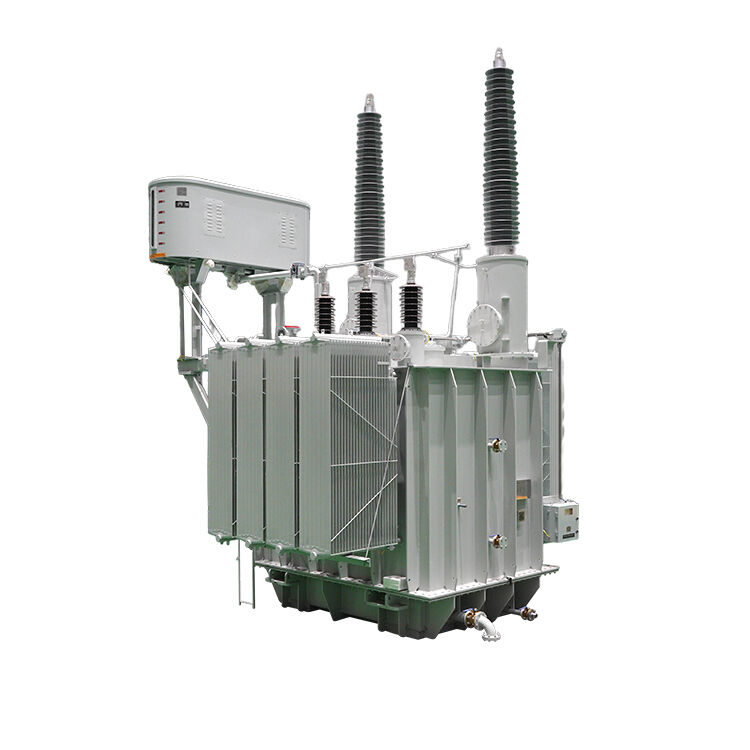
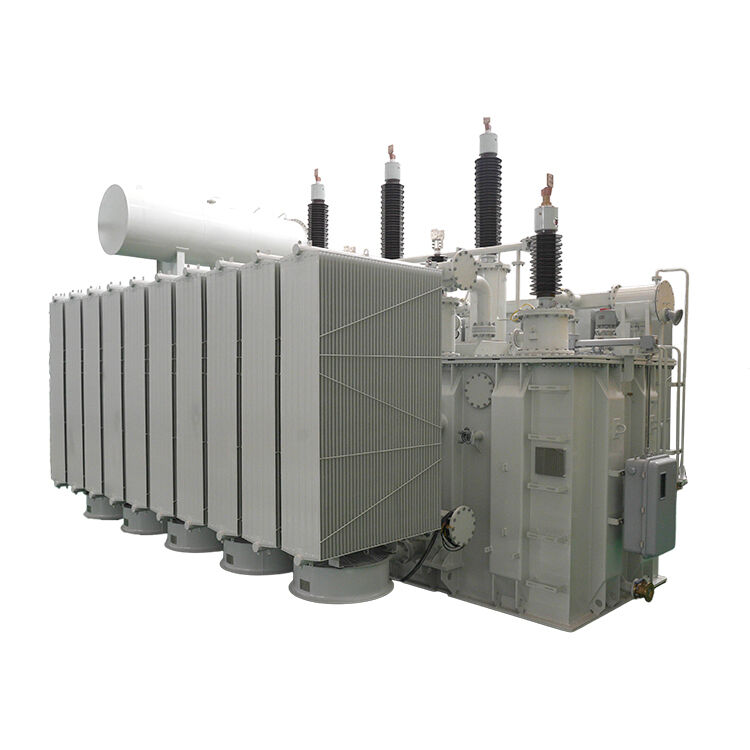
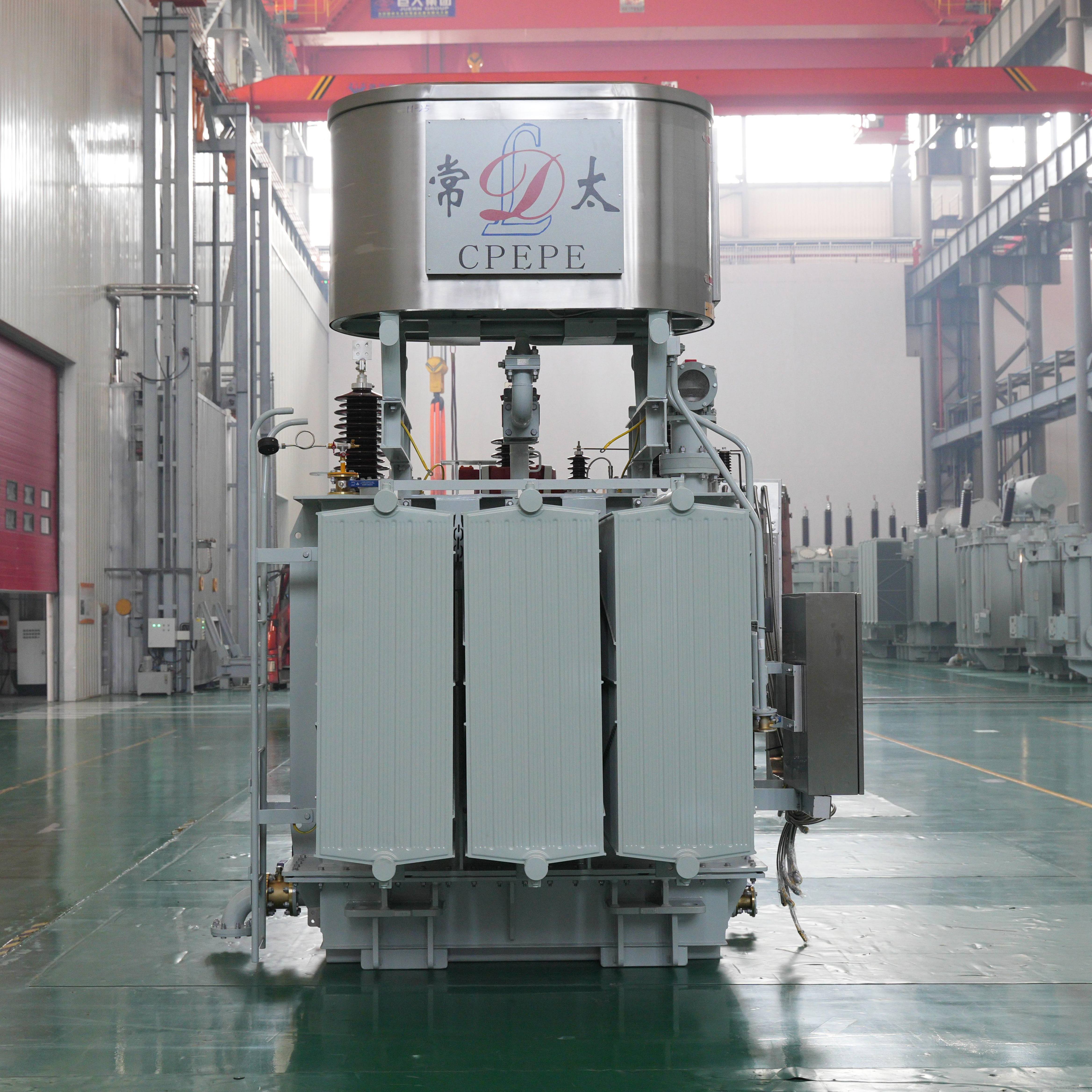
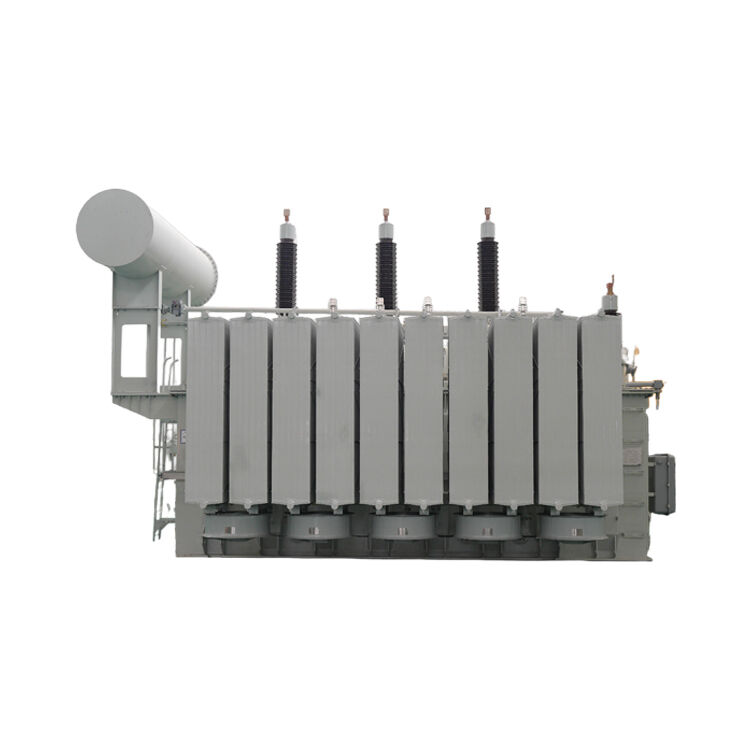
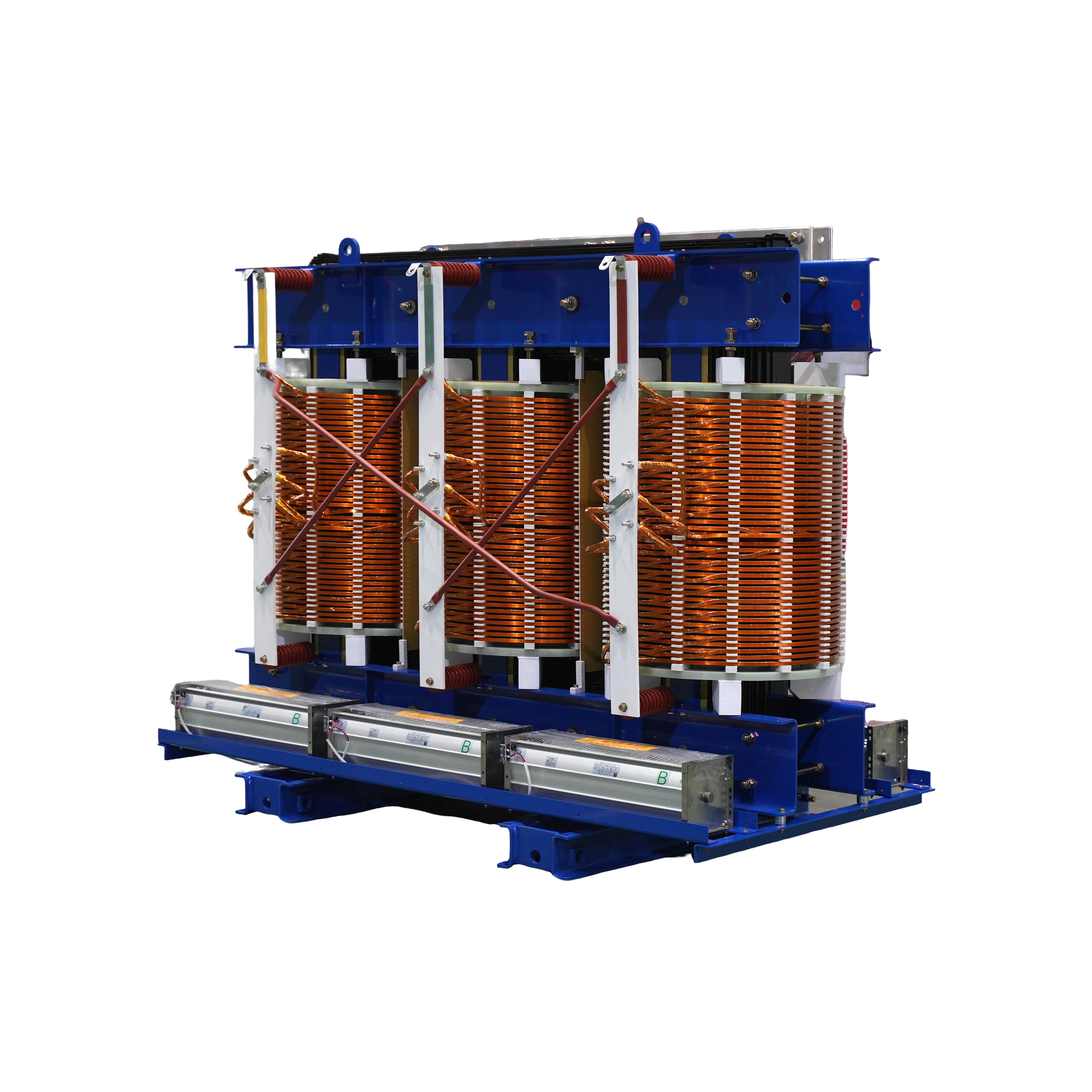
A bulk substation represents a critical component in electrical power distribution systems, serving as a centralized hub that manages high-voltage electricity transmission and distribution across extensive networks. These sophisticated facilities operate at voltage levels typically ranging from 115kV to 765kV, making them essential infrastructure for utilities, industrial complexes, and large-scale power generation facilities. The bulk substation functions as an intermediary point where electrical energy is received from transmission lines, transformed to appropriate voltage levels, and redistributed to multiple distribution networks or industrial consumers. Modern bulk substations incorporate advanced switching equipment, protective relays, and monitoring systems that ensure reliable power delivery while maintaining grid stability. The technological architecture of these installations includes primary equipment such as power transformers, circuit breakers, disconnect switches, and surge arresters, all coordinated through sophisticated control systems. Digital protection schemes and SCADA integration enable real-time monitoring and remote operation capabilities, significantly enhancing operational efficiency. These facilities also feature comprehensive safety systems including fire suppression, ground fault detection, and personnel protection measures. The bulk substation design accommodates future expansion requirements through modular construction approaches and standardized equipment interfaces. Environmental considerations are addressed through noise reduction technologies, oil containment systems, and electromagnetic field management. Geographic placement of bulk substations follows strategic planning principles to optimize load distribution and minimize transmission losses across service territories. Redundancy features ensure continuous operation even during equipment maintenance or unexpected failures, supporting critical infrastructure reliability requirements. The integration of renewable energy sources has expanded bulk substation capabilities to handle bidirectional power flows and variable generation patterns, requiring enhanced control algorithms and protective coordination schemes.
 EN
EN