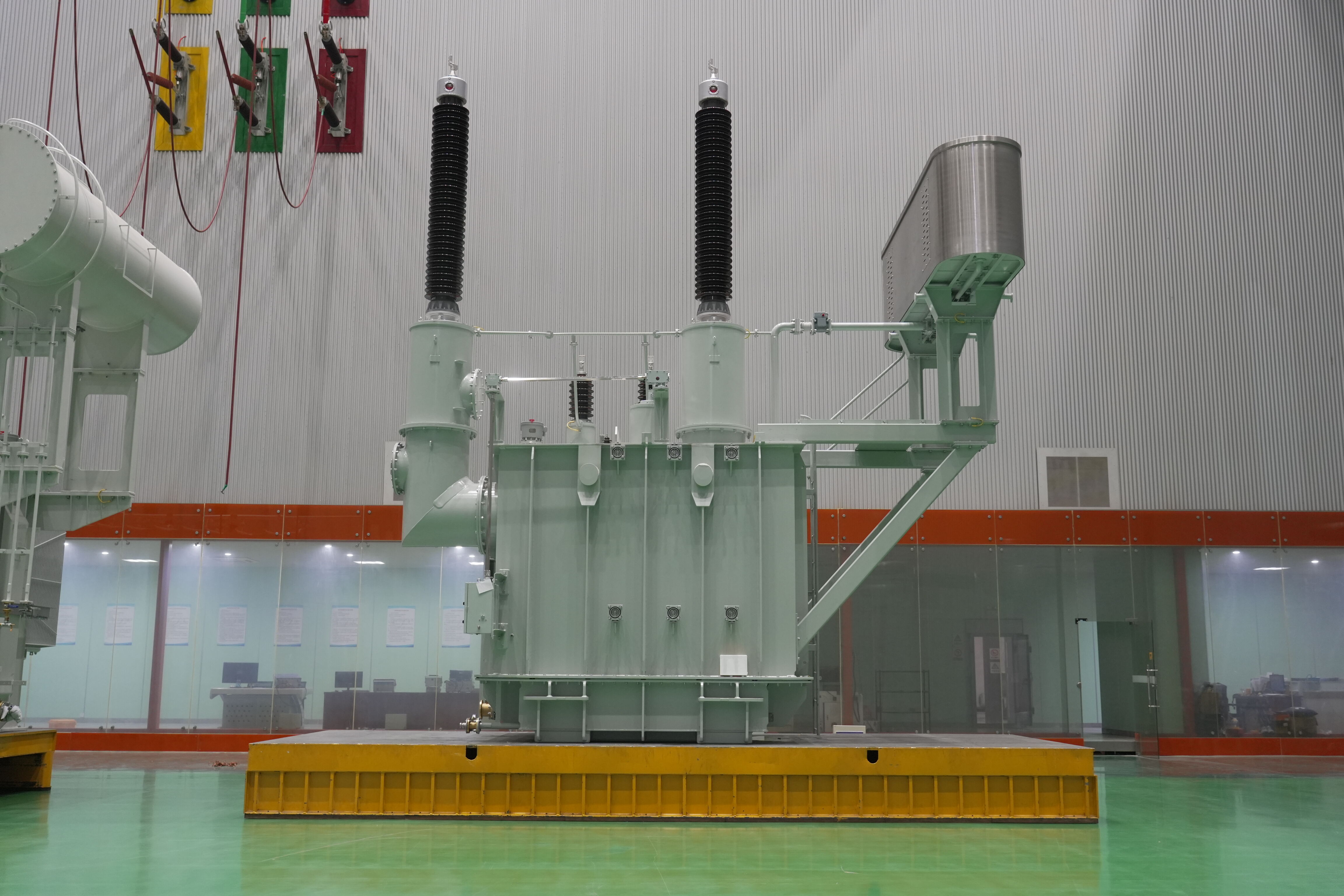
emu traction transformer
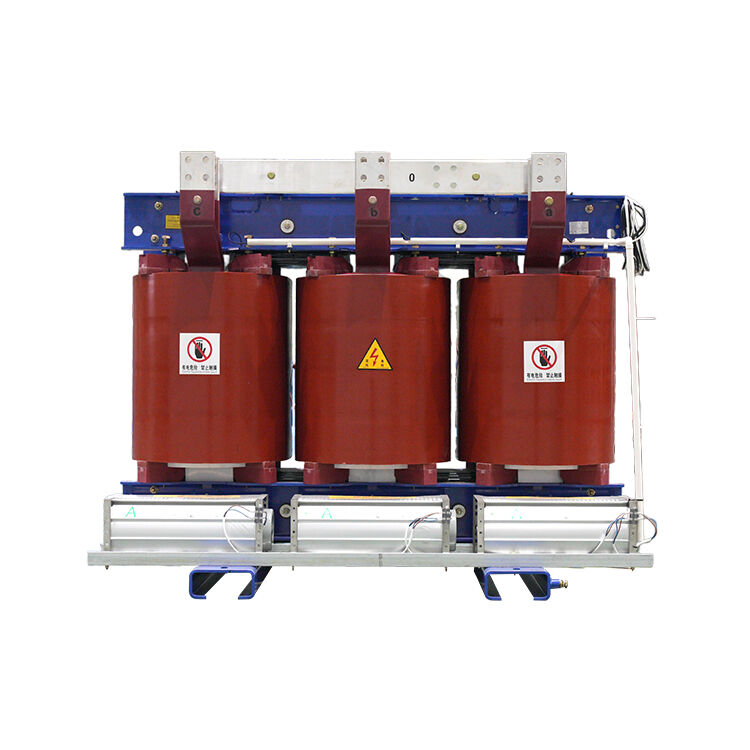
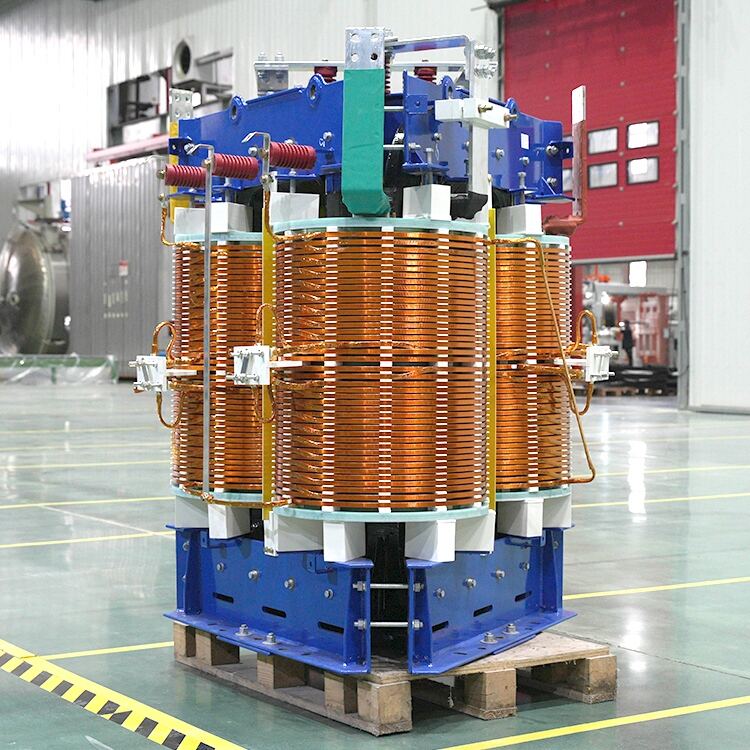
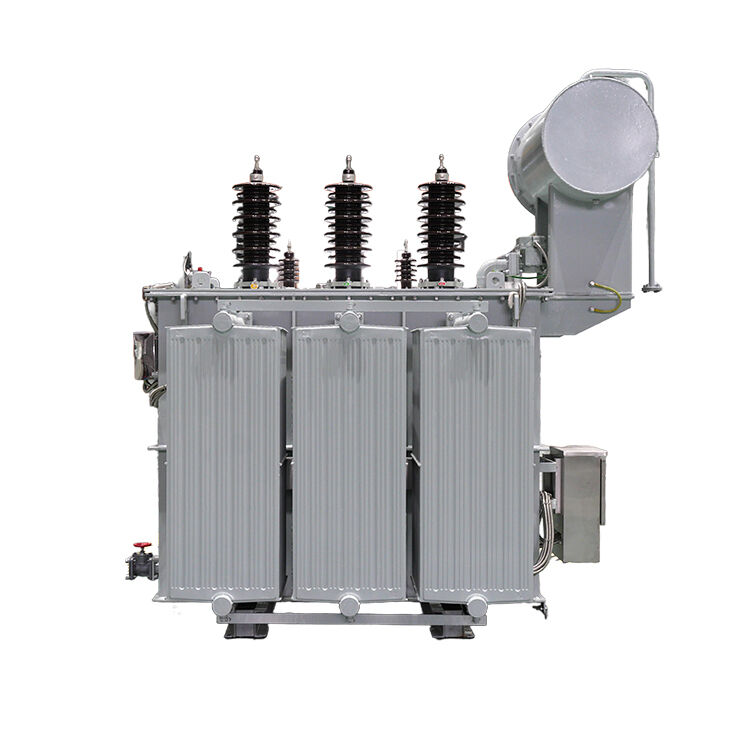
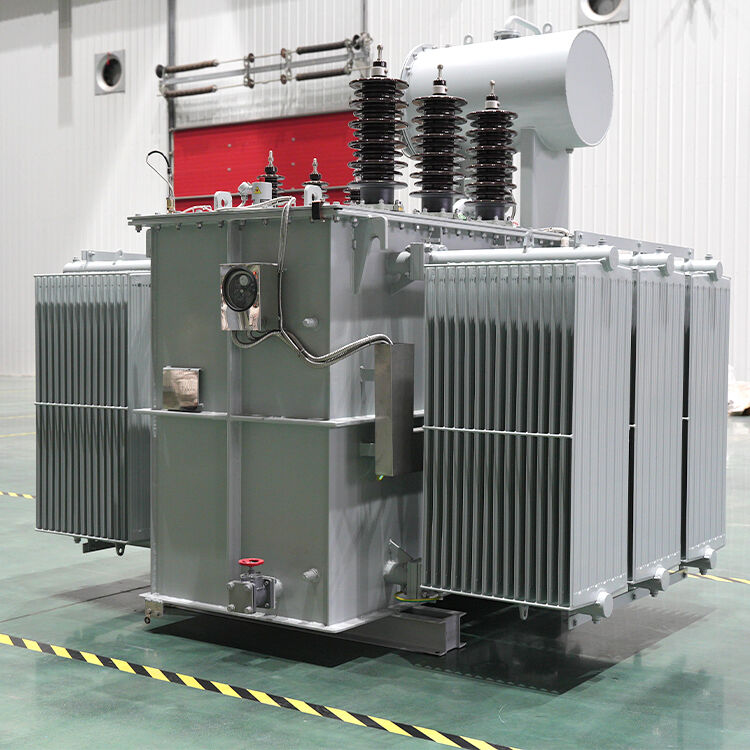
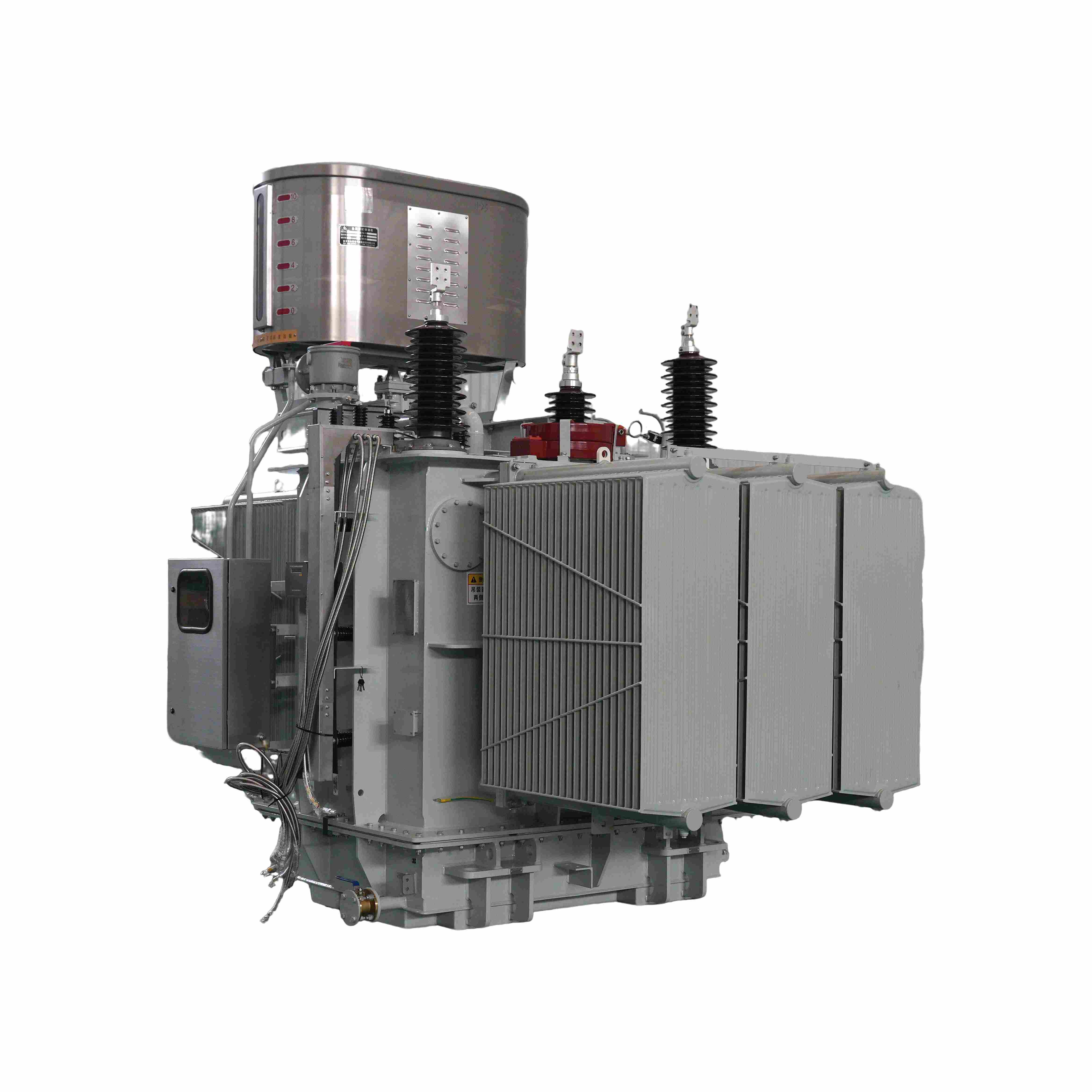
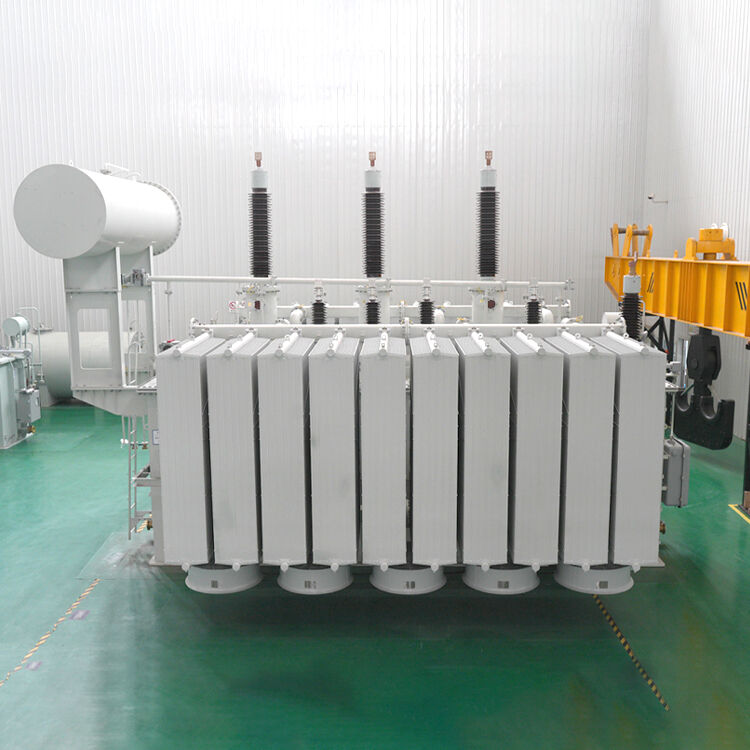
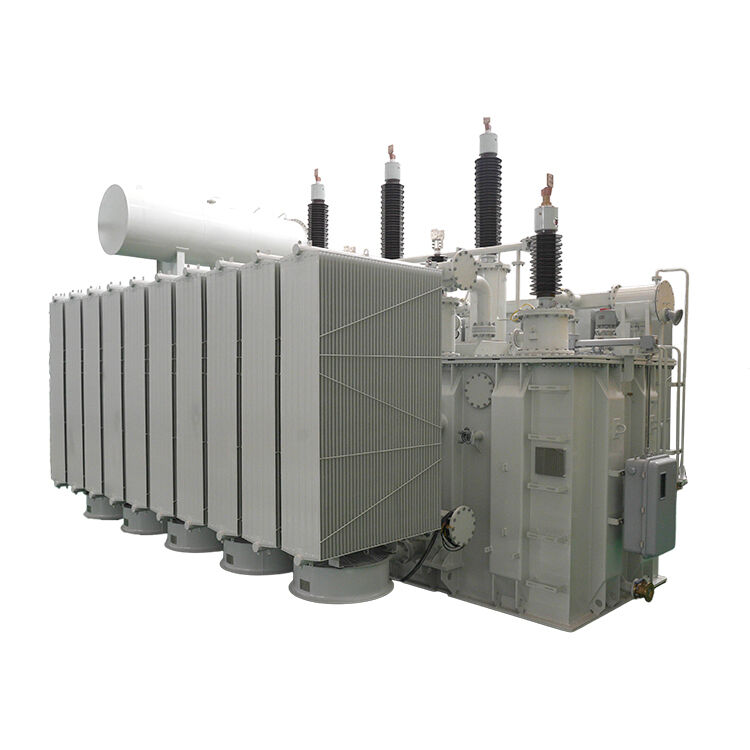
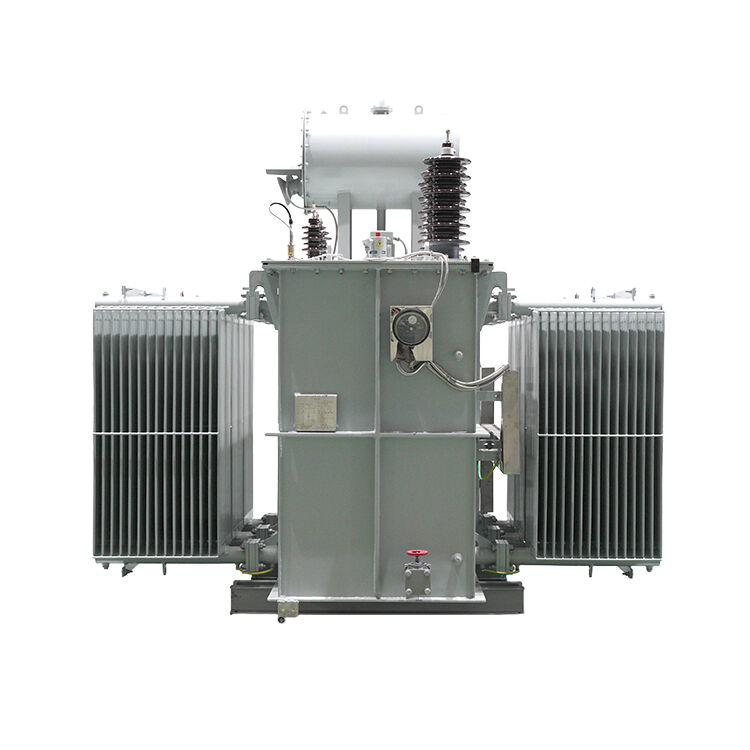
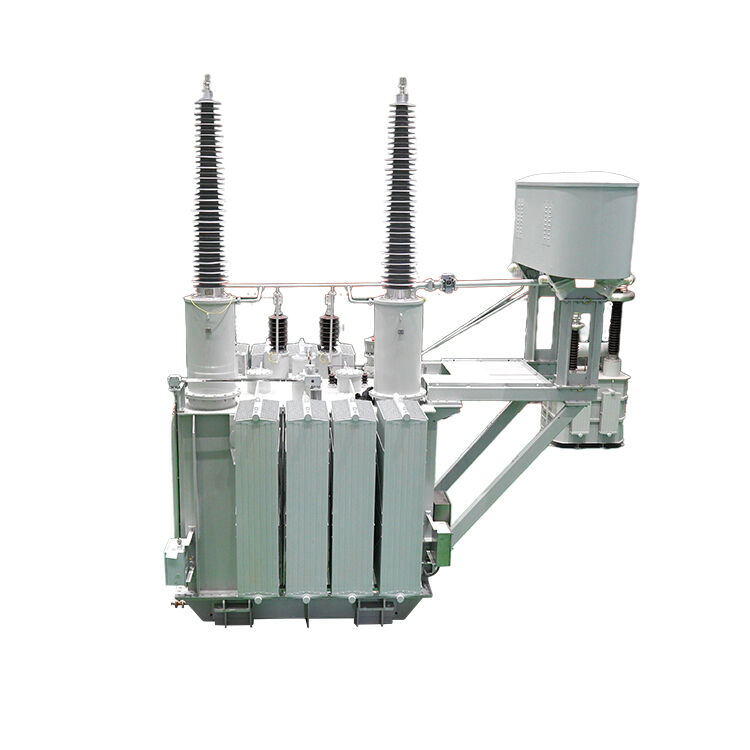
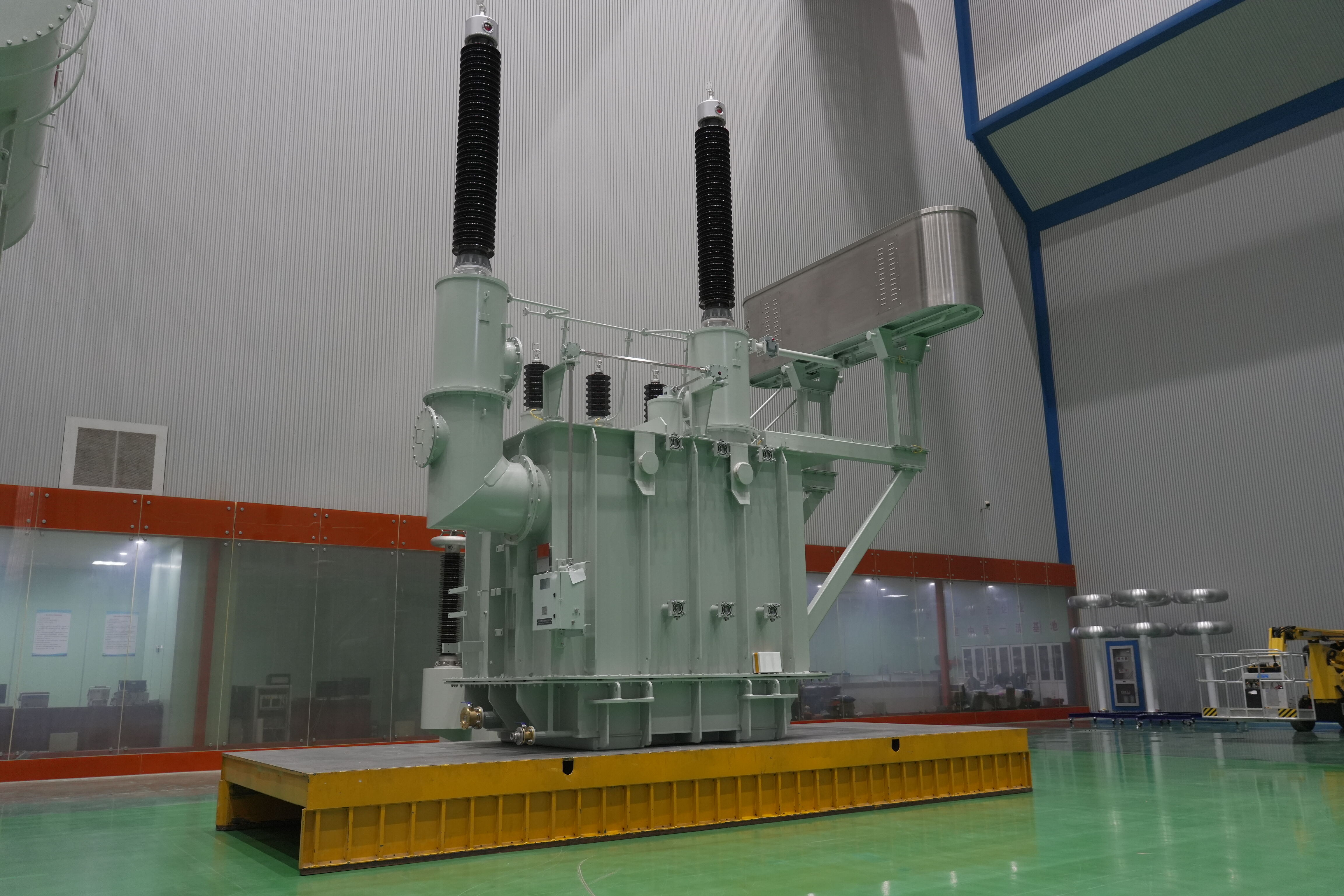
The emu traction transformer represents a revolutionary advancement in railway electrification technology, specifically designed to meet the demanding requirements of modern electric multiple unit (EMU) systems. This sophisticated electrical component serves as the critical interface between the overhead catenary system and the train's onboard electrical equipment, ensuring reliable power conversion and distribution throughout the entire rail network operation. The emu traction transformer operates by converting high-voltage alternating current from the overhead power lines into multiple voltage levels suitable for various onboard systems, including traction motors, auxiliary equipment, and passenger amenities. Its robust construction features advanced magnetic core materials and precision-wound copper conductors that deliver exceptional electrical performance while maintaining compact dimensions essential for rail vehicle integration. The transformer incorporates state-of-the-art insulation systems capable of withstanding extreme environmental conditions, including temperature fluctuations, vibration, and moisture exposure commonly encountered in railway operations. Modern emu traction transformer designs utilize innovative cooling technologies, such as forced-air circulation and specialized heat dissipation materials, to maintain optimal operating temperatures under continuous heavy-load conditions. The unit's modular architecture enables seamless integration with various EMU configurations while providing flexible voltage output options to accommodate different regional power standards and operational requirements. Advanced protection systems built into the emu traction transformer include overvoltage protection, short-circuit detection, and thermal monitoring capabilities that safeguard both the transformer and connected electrical systems. The transformer's intelligent control interface allows real-time monitoring of operational parameters, facilitating predictive maintenance schedules and minimizing unplanned service interruptions. Its lightweight yet durable construction contributes to overall energy efficiency by reducing the train's total weight while delivering consistent power quality essential for smooth acceleration, braking, and auxiliary system operation across diverse railway applications worldwide.
 EN
EN