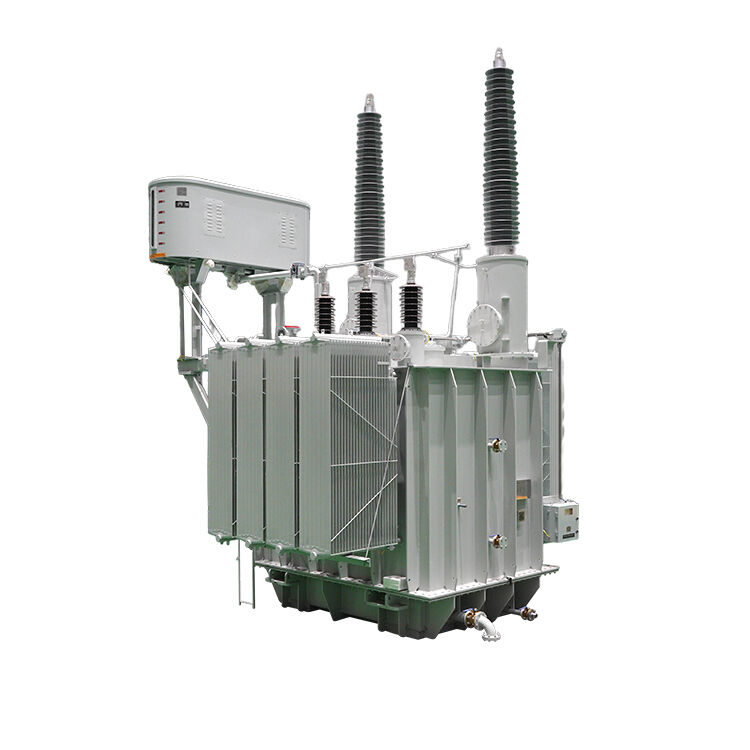
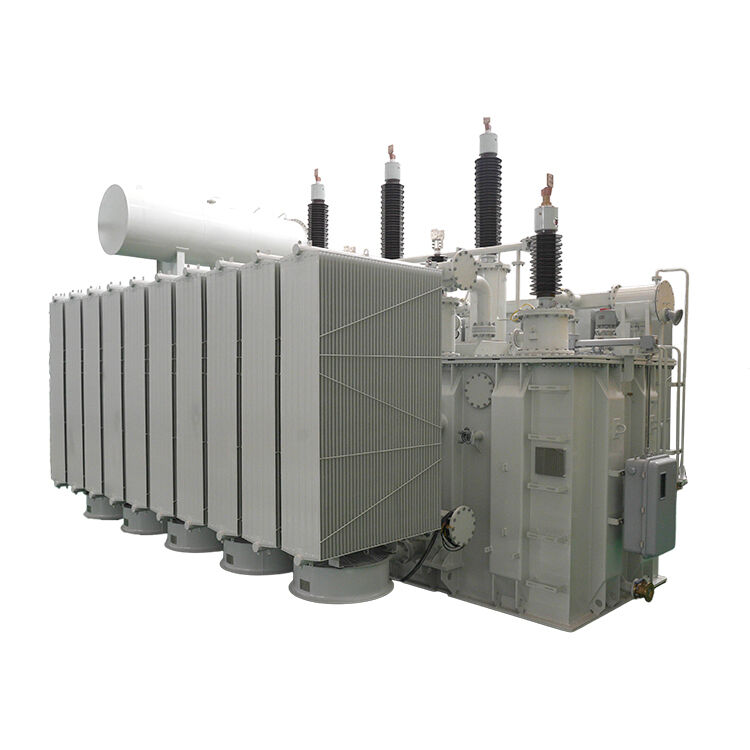
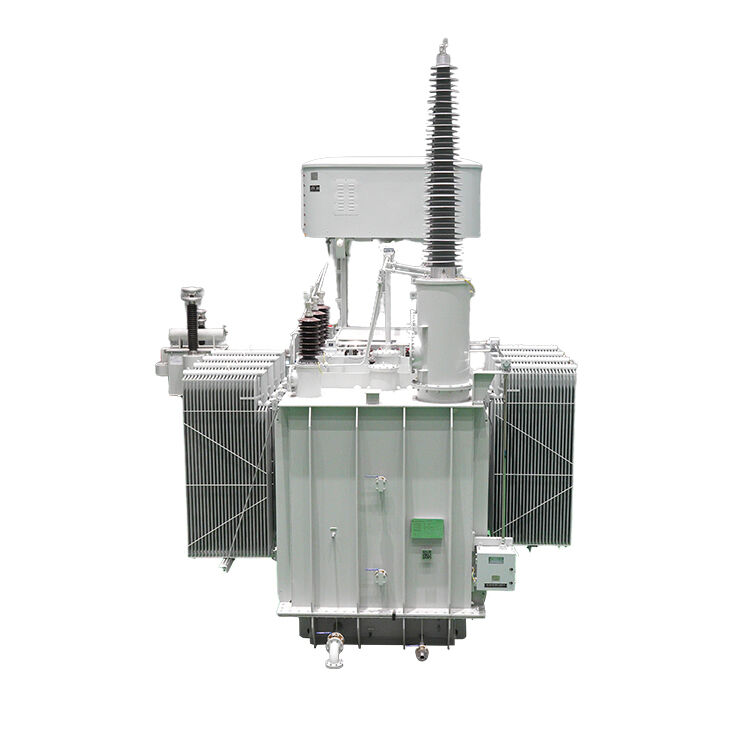
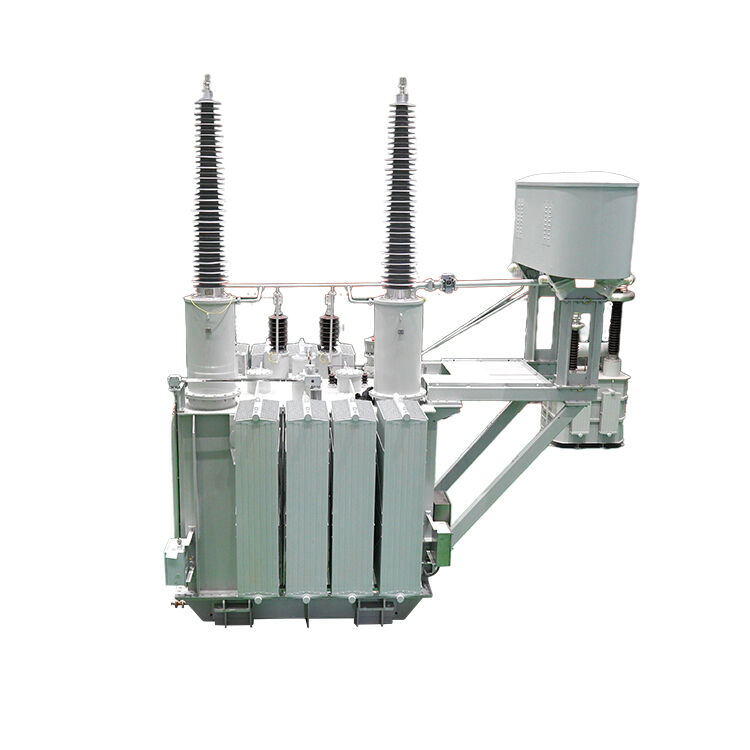
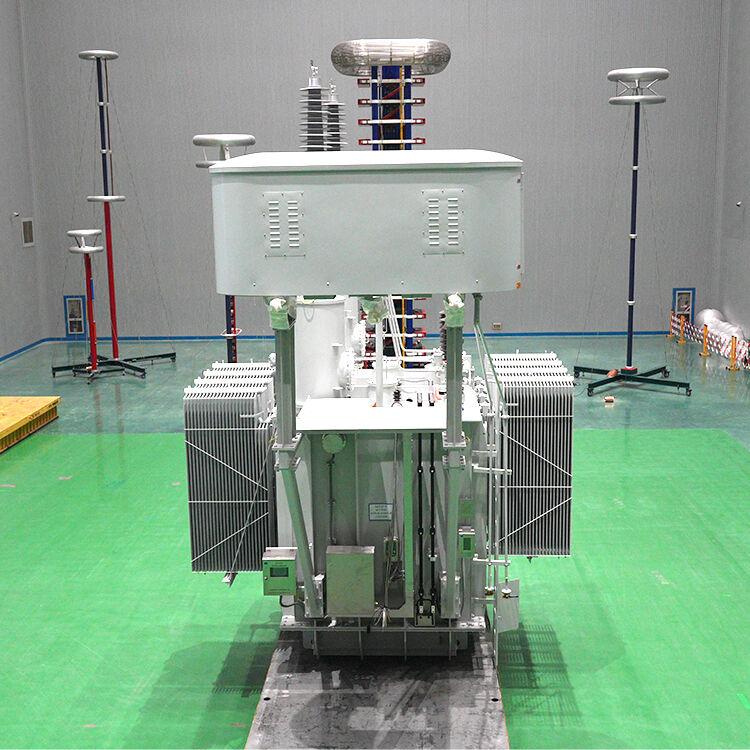
Subway Traction Transformer: Advanced Power Solutions for Modern Urban Transit Systems

Get a Free Quote

Our representative will contact you soon.
Email
WhatsApp/Mobile
Name
Company Name
Message
0/1000

subway traction transformer

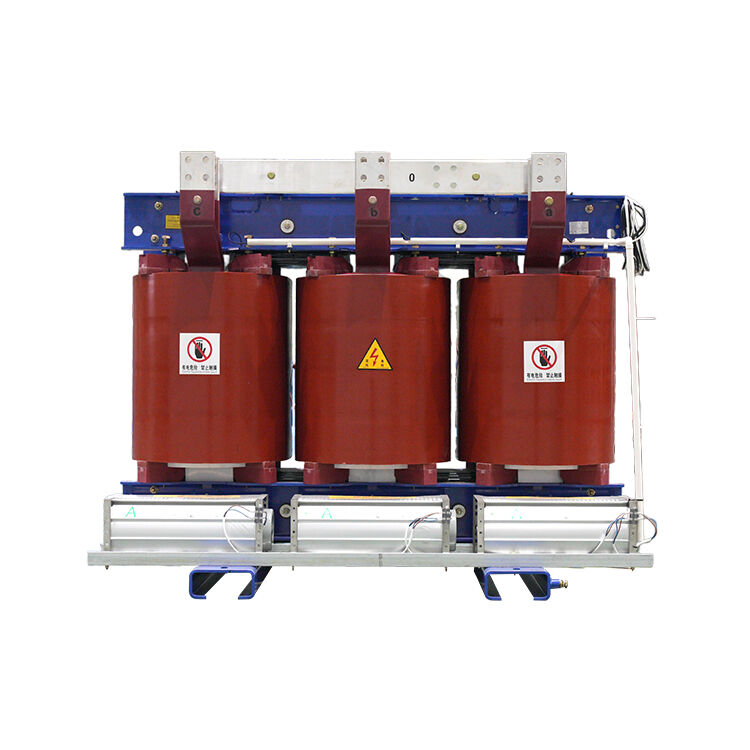
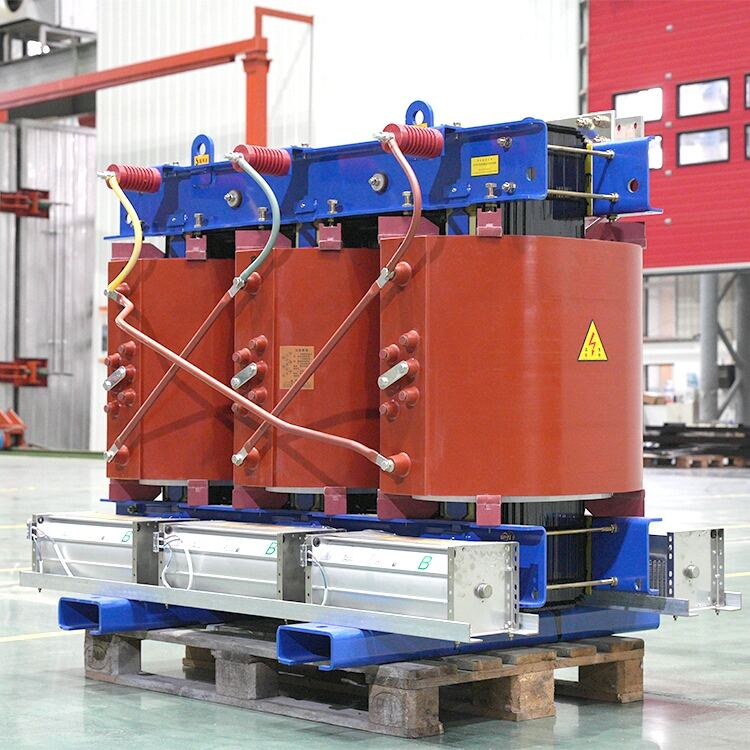
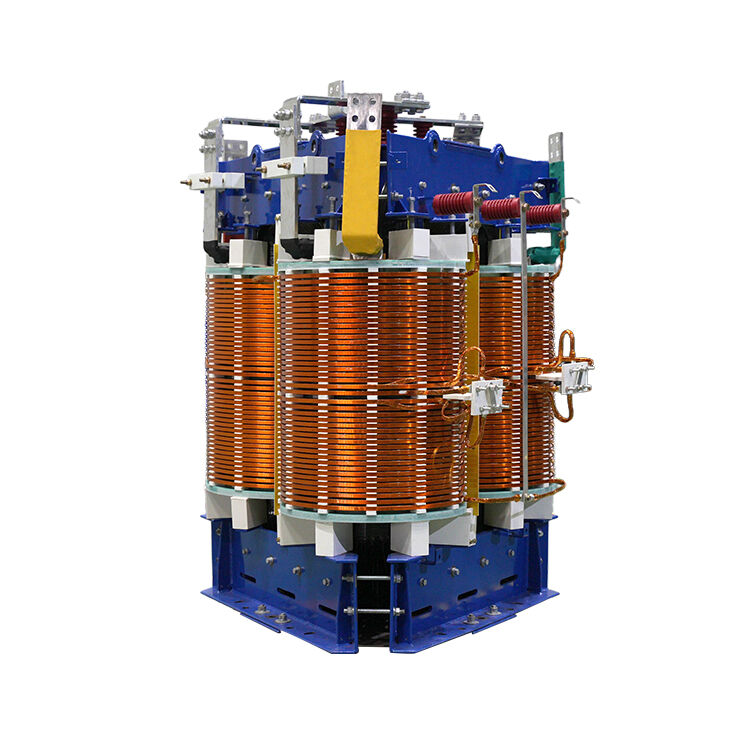
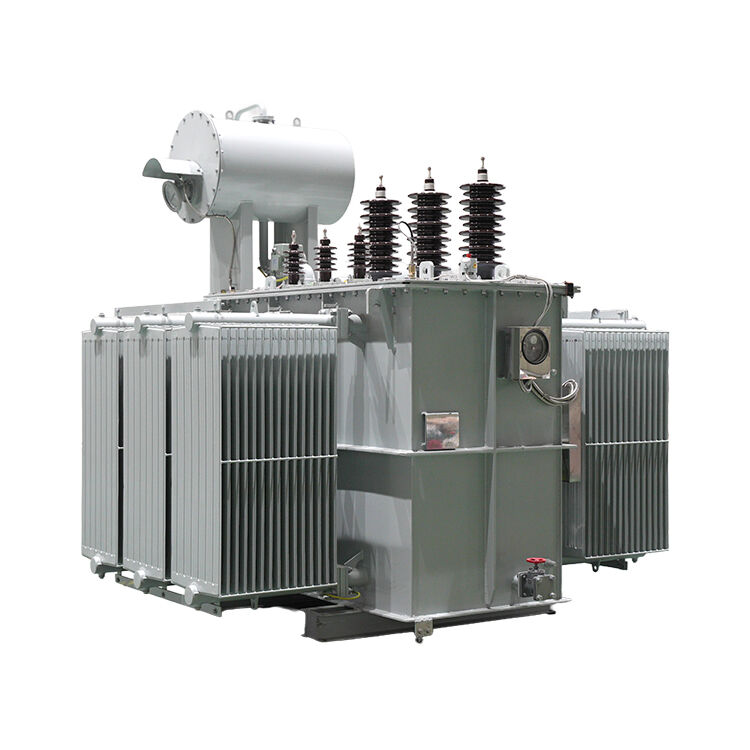
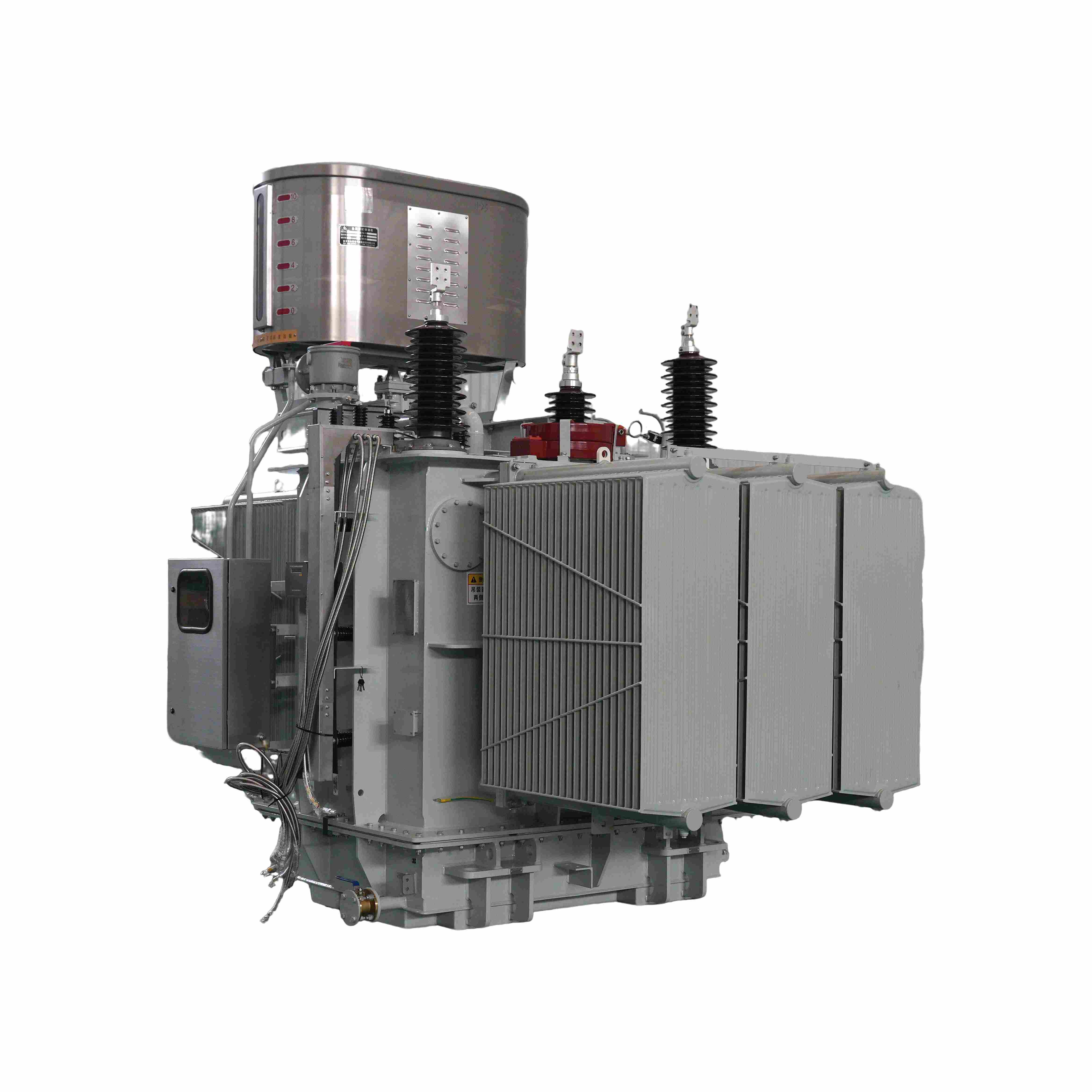
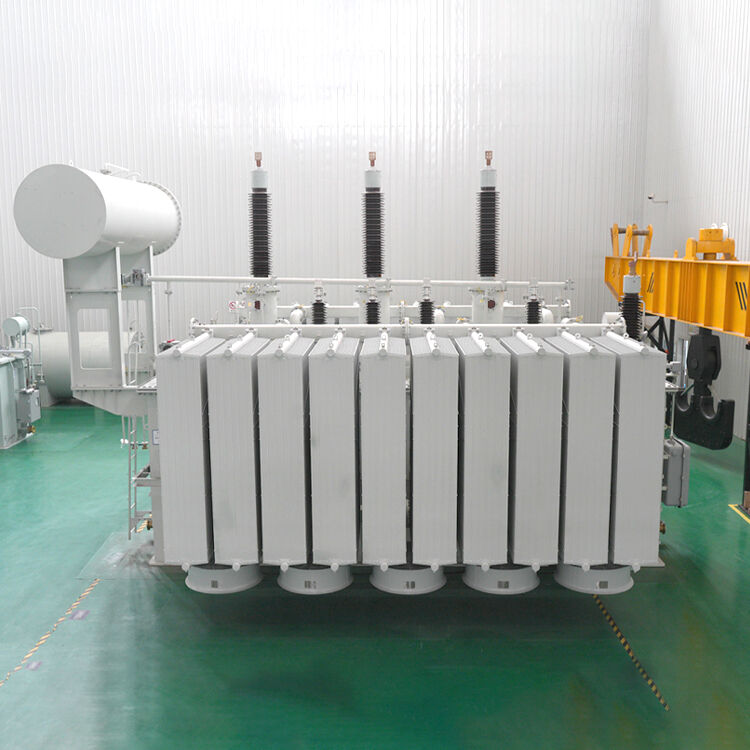
The subway traction transformer serves as a critical component in modern urban rail transit systems, converting high-voltage alternating current from overhead power lines into appropriate voltage levels for train propulsion and auxiliary systems. This sophisticated electrical device operates as the primary interface between the power supply infrastructure and the subway traction transformer motor drive systems, ensuring reliable and efficient energy conversion throughout the entire journey. The subway traction transformer typically receives input voltages ranging from 15kV to 35kV AC and steps down this power to lower voltages suitable for traction motors, typically between 1kV to 3kV DC or AC depending on the specific system requirements. Modern subway traction transformer designs incorporate advanced insulation materials, magnetic core technologies, and thermal management systems to achieve optimal performance in demanding underground environments. The transformer's robust construction withstands constant vibrations, temperature fluctuations, and electromagnetic interference commonly encountered in subway operations. Key technological features include high-efficiency silicon steel cores, advanced cooling systems using either air or liquid coolants, and sophisticated protection circuits that monitor voltage, current, and temperature parameters continuously. The subway traction transformer also integrates seamlessly with regenerative braking systems, allowing trains to feed energy back into the power grid during deceleration phases. Applications extend beyond basic propulsion power conversion to include auxiliary power supply for lighting, air conditioning, door operations, and communication systems. The compact design philosophy ensures the subway traction transformer fits within space-constrained undercar installations while maintaining accessibility for routine maintenance procedures. Advanced monitoring capabilities enable real-time performance assessment and predictive maintenance scheduling, reducing unexpected failures and extending operational lifespan significantly.

Popular Products

The subway traction transformer delivers exceptional operational efficiency through its advanced energy conversion capabilities, providing transit authorities with substantial cost savings and improved system reliability. The primary advantage lies in its superior power conversion efficiency, typically exceeding 95 percent, which translates directly into reduced energy consumption and lower operational expenses for subway systems. This high efficiency stems from innovative core materials and optimized winding configurations that minimize energy losses during the conversion process. The subway traction transformer's robust design ensures reliable operation in harsh underground environments where temperature variations, humidity, and vibrations challenge conventional electrical equipment. The enhanced durability reduces maintenance requirements and extends service intervals, allowing transit operators to achieve better asset utilization and lower lifecycle costs. Safety represents another significant advantage, as the subway traction transformer incorporates multiple protection systems including overvoltage protection, overcurrent detection, and thermal monitoring that prevent equipment damage and ensure passenger safety. The modular design approach enables easier installation and maintenance procedures, reducing system downtime during routine servicing or component replacement activities. Compatibility with regenerative braking systems allows the subway traction transformer to capture and redistribute energy generated during train braking, further improving overall system efficiency and reducing power consumption. The compact footprint maximizes space utilization in cramped undercar environments while maintaining optimal cooling and accessibility for maintenance personnel. Advanced diagnostic capabilities provide real-time performance monitoring and early fault detection, enabling proactive maintenance strategies that prevent unexpected failures and service disruptions. Environmental benefits include reduced carbon emissions due to improved energy efficiency and the elimination of hazardous materials commonly found in older transformer designs. The subway traction transformer's flexible voltage output capabilities accommodate various traction motor types and control systems, providing transit authorities with greater flexibility in vehicle design and future system upgrades. Standardized interfaces and communication protocols ensure seamless integration with existing infrastructure and modern train control systems.

Practical Tips

What Is a Transformer and How Does It Improve Power System Efficiency?

02

Jan

What Is a Transformer and How Does It Improve Power System Efficiency?

A transformer represents one of the most critical components in modern electrical power systems, serving as the backbone for efficient energy transmission and distribution across vast networks. These electromagnetic devices enable the seamless conver...
View More
How Does a Transformer Work in High Voltage Power Transmission?

08

Jan

How Does a Transformer Work in High Voltage Power Transmission?

High voltage power transmission systems form the backbone of modern electrical grids, enabling electricity to travel efficiently across vast distances. At the heart of these complex networks lies the power transformer, a crucial piece of equipment th...
View More
Why Are Transformers Critical for Industrial Power Distribution Systems?

14

Jan

Why Are Transformers Critical for Industrial Power Distribution Systems?

Industrial power distribution systems form the backbone of modern manufacturing, commercial facilities, and critical infrastructure operations. At the heart of these complex networks lies a fundamental component that ensures safe, efficient, and reli...
View More
How Do Transformers Support Grid Stability in Large-Scale Power Networks?

20

Jan

How Do Transformers Support Grid Stability in Large-Scale Power Networks?

Large-scale power networks form the backbone of modern electrical infrastructure, requiring sophisticated equipment to maintain stability and reliability across vast geographical areas. Power transformers play a crucial role in these complex systems ...
View More

Get a Free Quote

Our representative will contact you soon.
Email
WhatsApp/Mobile
Name
Company Name
Message
0/1000

subway traction transformer

Advanced Energy Efficiency and Cost Reduction

Advanced Energy Efficiency and Cost Reduction

The subway traction transformer achieves remarkable energy efficiency through cutting-edge magnetic core technology and optimized electrical design, delivering conversion efficiencies that consistently exceed 95 percent in real-world operating conditions. This exceptional performance stems from the use of high-grade silicon steel laminations with reduced core losses and advanced winding techniques that minimize resistive losses during power conversion. The superior efficiency translates into substantial cost savings for transit authorities, as reduced energy consumption directly impacts operational expenses that represent a significant portion of subway system budgets. Modern subway traction transformer designs incorporate intelligent load management systems that automatically adjust operating parameters based on real-time demand, further optimizing energy utilization throughout the entire journey cycle. The integration with regenerative braking systems amplifies these benefits by capturing kinetic energy during deceleration phases and feeding it back into the power distribution network, effectively reducing the overall energy demand from external sources. Transit operators typically observe energy cost reductions of 15 to 25 percent compared to conventional transformer technologies, with the cumulative savings often justifying the initial investment within three to five years of operation. The subway traction transformer's stable voltage regulation capabilities ensure consistent motor performance across varying load conditions, preventing energy waste associated with inefficient motor operation. Advanced thermal management systems maintain optimal operating temperatures, preserving efficiency levels throughout the transformer's service life while reducing cooling system energy requirements. The modular design approach enables selective replacement or upgrade of specific components without complete system overhaul, extending the economic benefits over extended operational periods. Environmental impact reduction represents an additional value proposition, as improved efficiency directly correlates with reduced carbon emissions and supports sustainability initiatives increasingly important to urban transportation authorities and regulatory bodies.
Exceptional Reliability and Maintenance Efficiency

Exceptional Reliability and Maintenance Efficiency

The subway traction transformer demonstrates outstanding reliability through robust construction methods and advanced protection systems designed specifically for demanding underground transit applications. The enhanced durability stems from specialized insulation materials rated for extreme temperature variations, high humidity levels, and constant mechanical vibrations encountered in subway operations. Multiple redundant protection circuits continuously monitor critical parameters including voltage levels, current flow, and internal temperatures, providing immediate fault detection and automatic shutdown capabilities that prevent catastrophic failures and protect connected equipment. The subway traction transformer's sealed enclosure design prevents contamination from dust, moisture, and other environmental contaminants that commonly cause premature equipment failure in underground environments. Advanced diagnostic systems provide continuous health monitoring and predictive maintenance capabilities, enabling maintenance teams to identify potential issues before they result in service disruptions or costly emergency repairs. The modular construction philosophy allows for component-level maintenance and replacement, significantly reducing system downtime compared to traditional monolithic designs that require complete unit replacement for minor component failures. Accessibility features include strategically positioned service panels and standardized connection interfaces that enable maintenance personnel to perform routine inspections and repairs efficiently in space-constrained undercar locations. The subway traction transformer's proven track record in demanding transit applications demonstrates mean time between failures exceeding 50,000 operating hours, substantially higher than conventional alternatives. Quality manufacturing processes including comprehensive factory testing and burn-in procedures ensure consistent performance from initial installation through end-of-life operation. The standardized spare parts inventory and widespread service network support enable rapid response to maintenance requirements and minimize inventory carrying costs for transit authorities. Remote monitoring capabilities allow maintenance teams to assess transformer performance from central control facilities, optimizing maintenance scheduling and reducing unnecessary site visits while ensuring optimal system availability for passenger service.
Flexible Integration and Future-Ready Technology

Flexible Integration and Future-Ready Technology

The subway traction transformer offers exceptional integration flexibility through standardized interfaces and advanced communication protocols that accommodate diverse vehicle designs and infrastructure configurations across different transit systems. This adaptability stems from configurable voltage output ranges and multiple connection options that support various traction motor types, control systems, and auxiliary power requirements without requiring custom engineering or specialized components. The subway traction transformer's intelligent control systems feature programmable parameters that allow transit authorities to optimize performance characteristics for specific operational requirements, including acceleration profiles, energy recovery settings, and auxiliary power distribution priorities. Future-ready technology integration includes support for emerging digital communication standards and compatibility with next-generation train control systems, ensuring long-term viability as transit technology continues to evolve. The modular architecture enables selective upgrade of individual components or subsystems without complete replacement, protecting the initial investment while providing access to technological advances and improved performance capabilities. Standardized mounting interfaces and connection protocols facilitate installation across different vehicle platforms, reducing engineering costs and simplifying fleet standardization efforts for transit authorities operating multiple vehicle types. The subway traction transformer's scalable design accommodates varying power requirements from light rail applications to heavy-duty metro systems, providing a versatile solution that adapts to diverse operational needs. Advanced software interfaces enable seamless integration with existing maintenance management systems and fleet monitoring platforms, consolidating operational data and maintenance schedules within established workflows. Compliance with international safety and performance standards ensures global applicability and simplifies procurement processes for multinational transit operators. The forward-compatible design philosophy incorporates provisions for future technology integration including smart grid connectivity, advanced energy storage systems, and enhanced cybersecurity measures that address evolving industry requirements. Open architecture communication protocols enable integration with third-party systems and support customization for specific operational requirements while maintaining standardized core functionality and reliability.

Get a Free Quote

Our representative will contact you soon.
Email
WhatsApp/Mobile
Name
Company Name
Message
0/1000