traction transformer
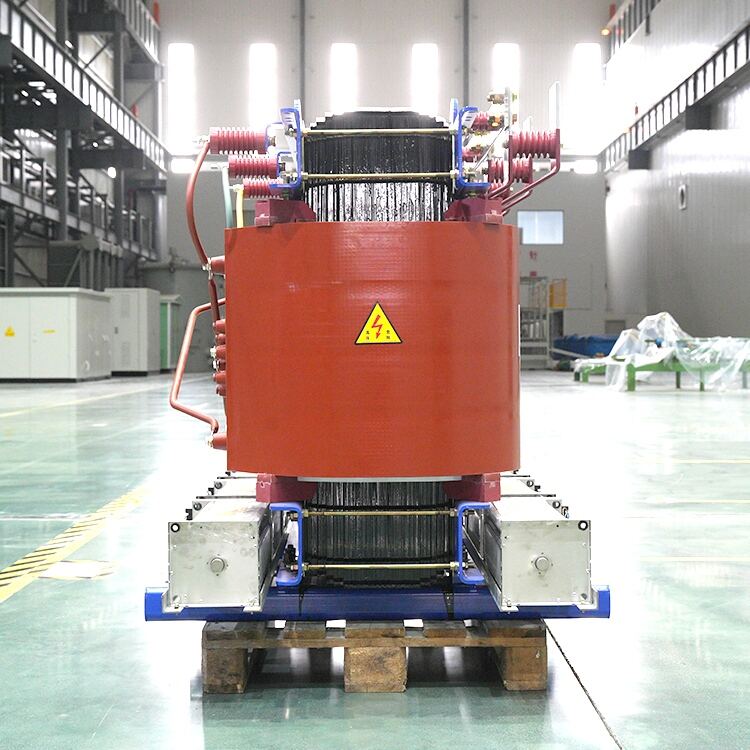
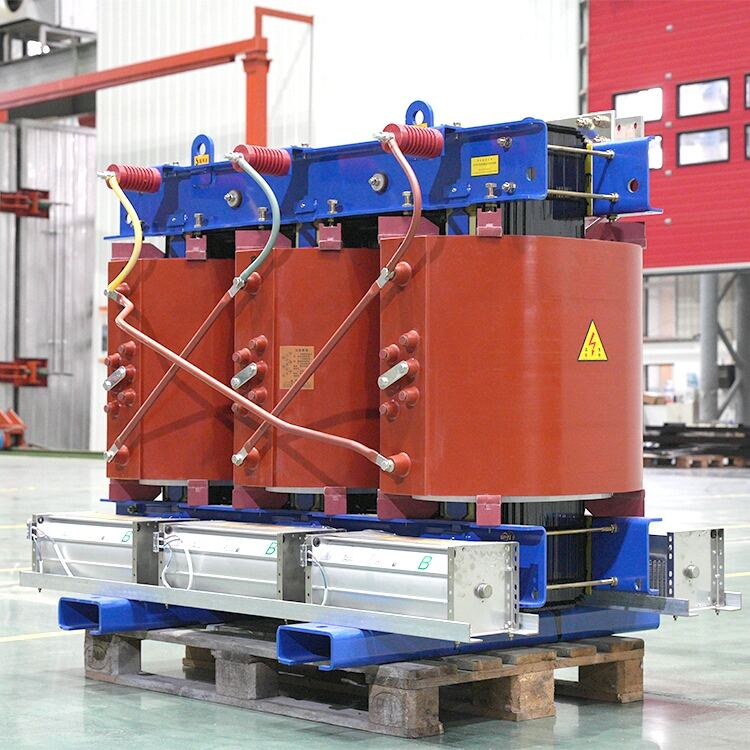
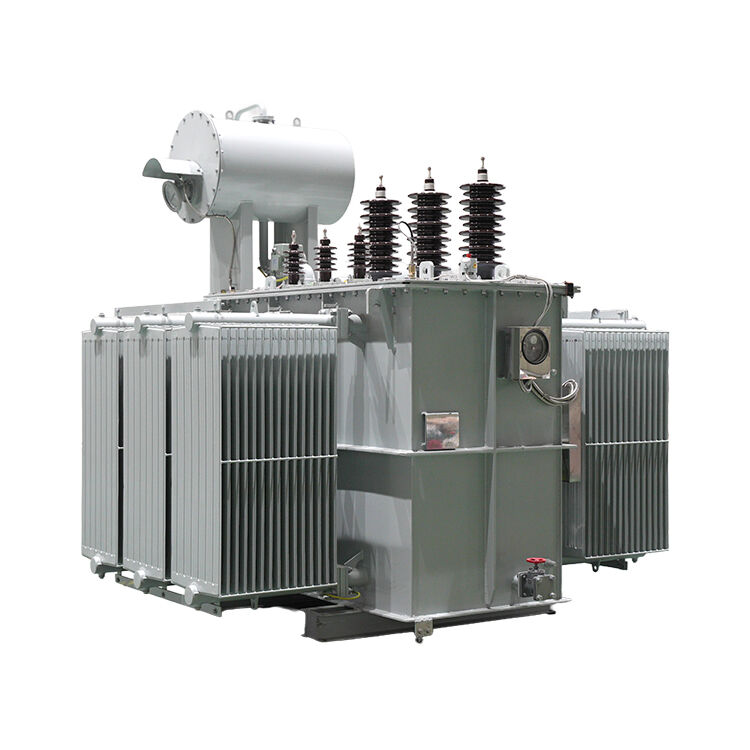
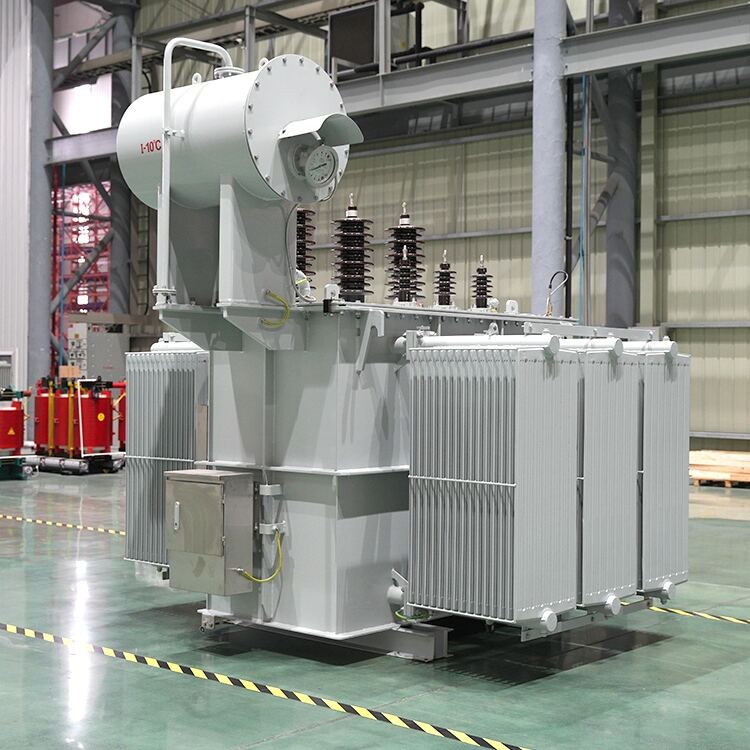
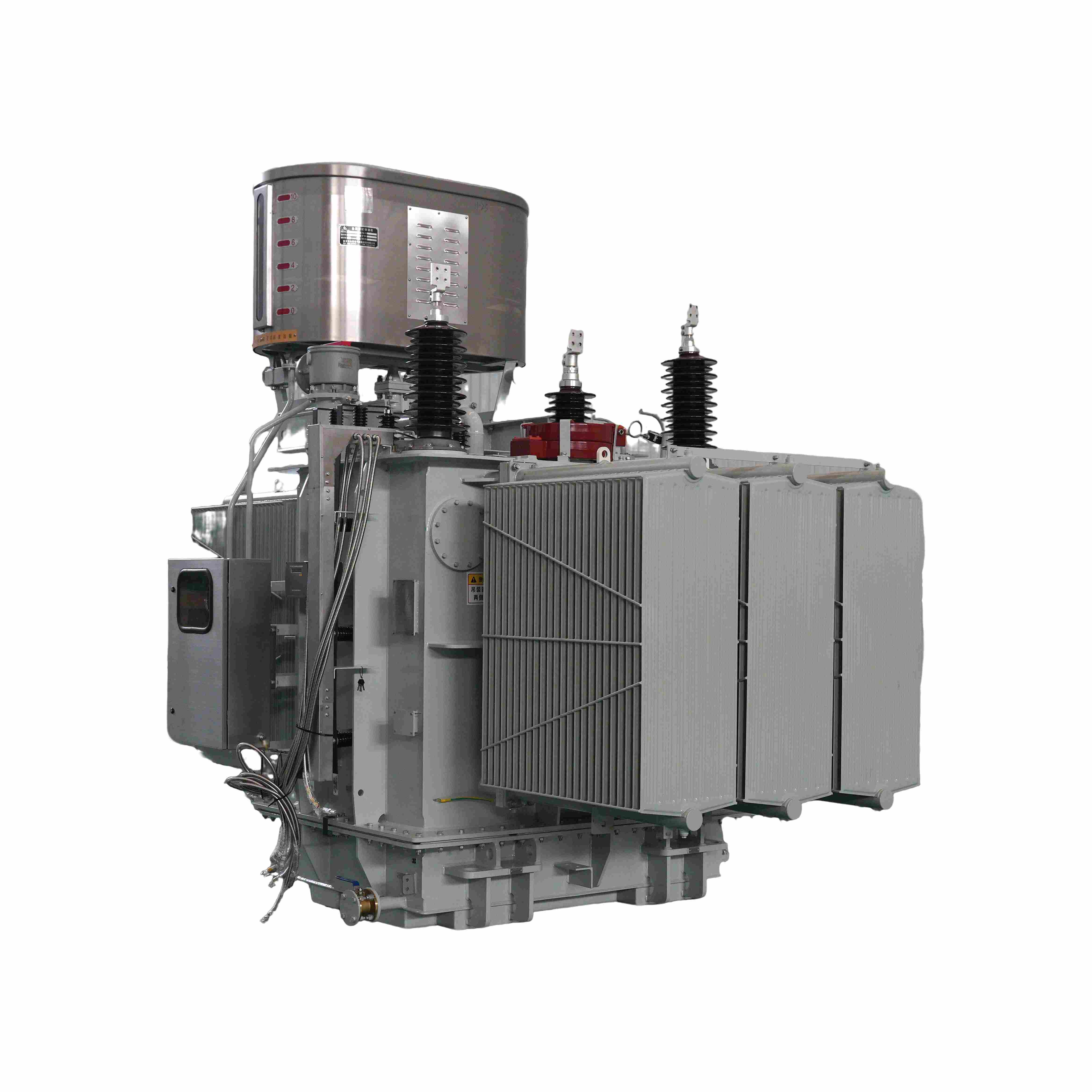
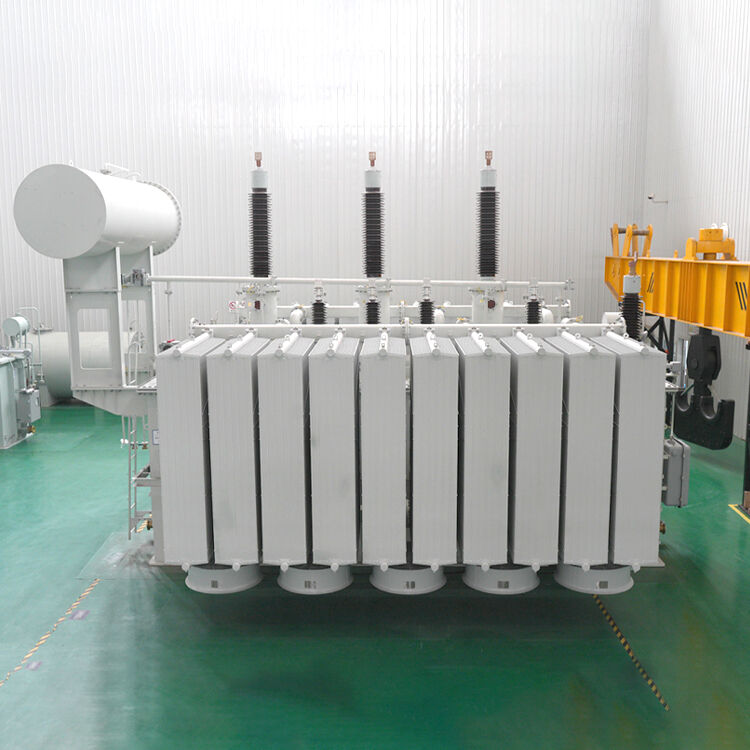
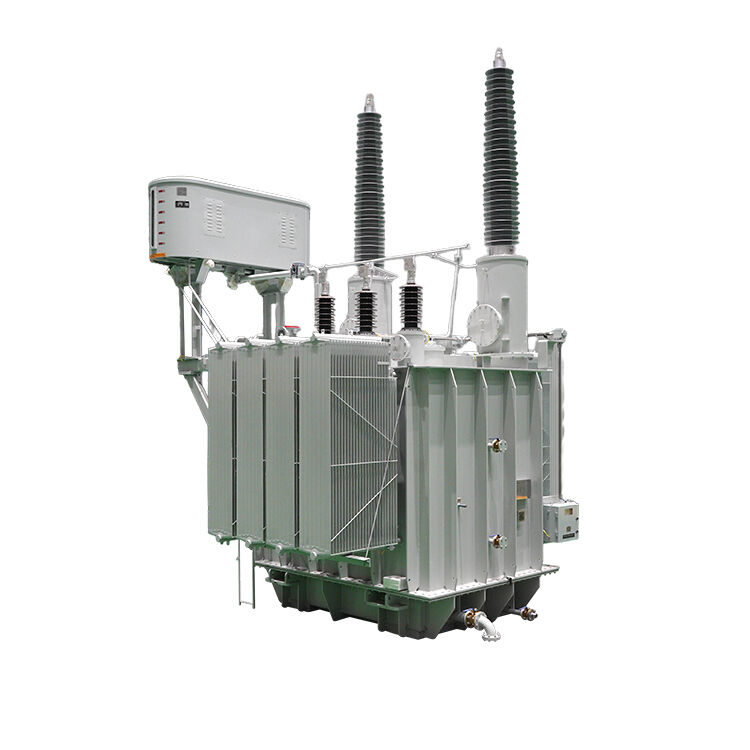
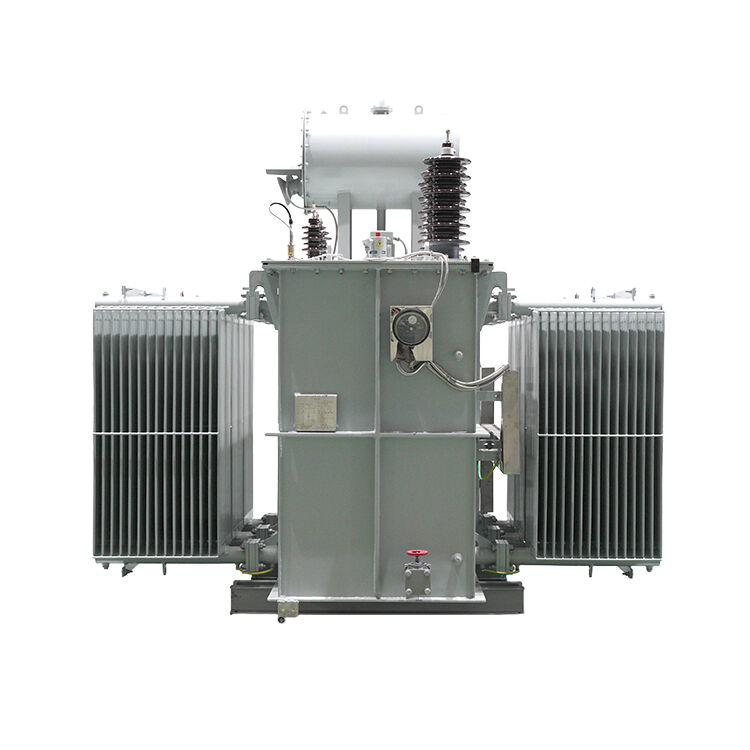
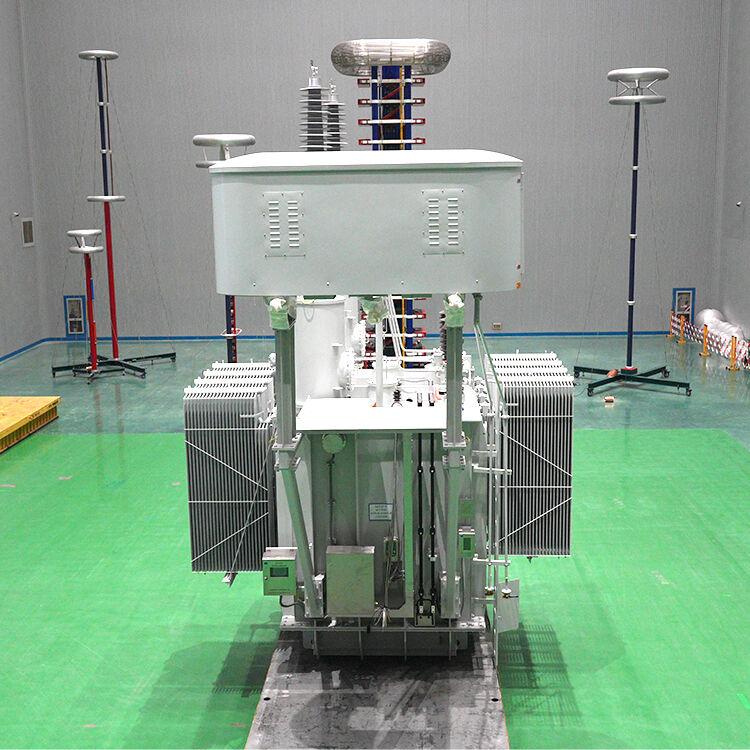
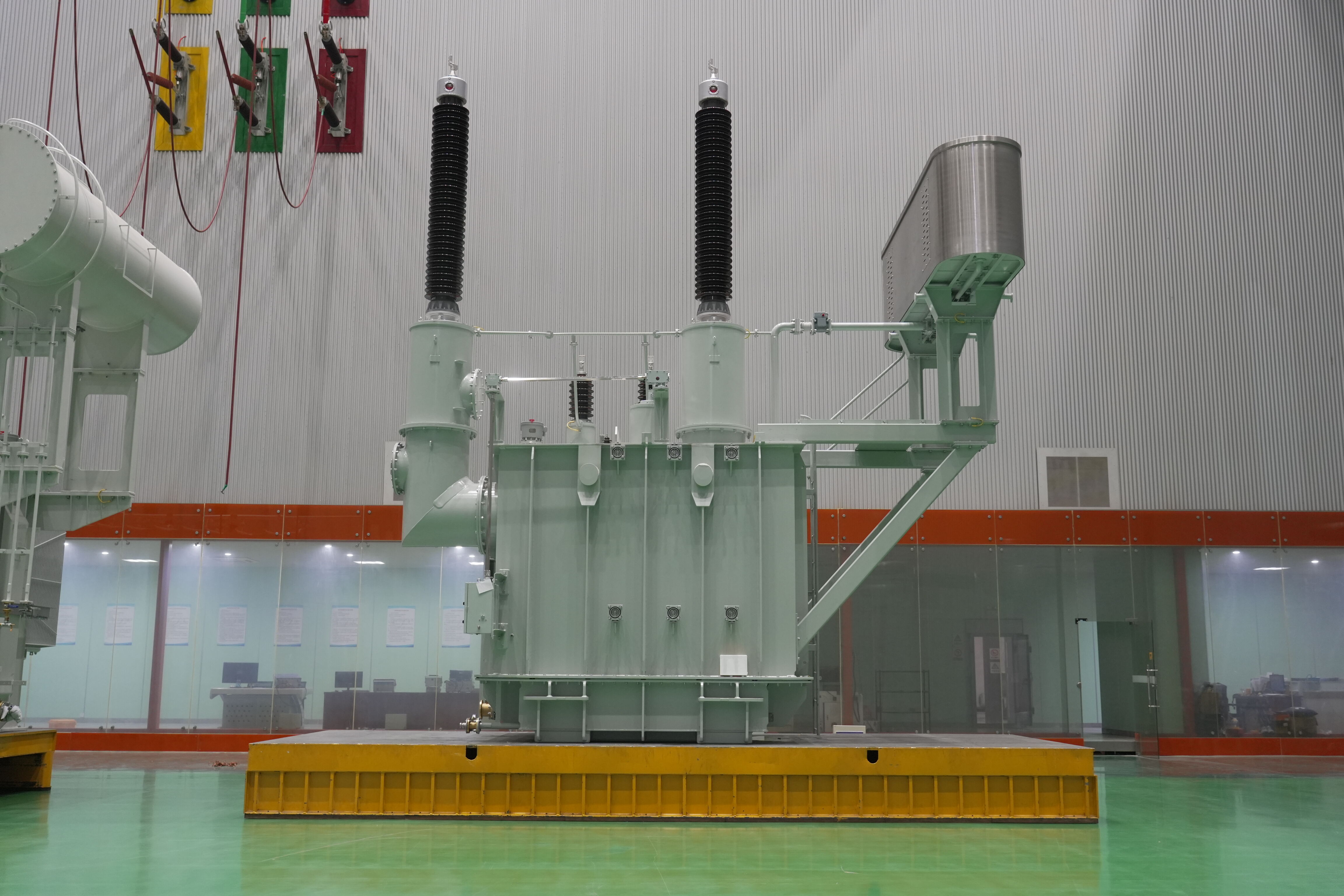
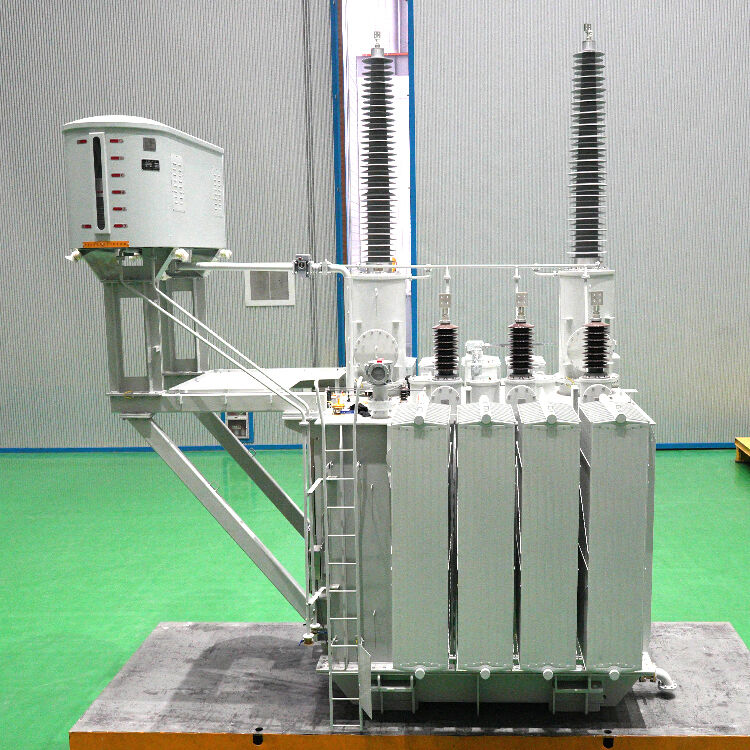
A traction transformer represents a specialized electrical device engineered specifically for railway electrification systems, serving as the critical power conversion component that enables electric trains to operate efficiently and safely. This sophisticated equipment transforms high-voltage alternating current from overhead lines or third rails into appropriate voltage levels required by train propulsion motors and auxiliary systems. The traction transformer functions as the primary interface between the electrical supply infrastructure and the locomotive's internal power distribution network, ensuring optimal energy transfer while maintaining strict safety standards. Modern traction transformers incorporate advanced magnetic core materials and precision-wound copper conductings that maximize efficiency while minimizing weight and size constraints crucial for mobile applications. The device operates under demanding environmental conditions, including extreme temperatures, vibrations, and electromagnetic interference typically encountered in railway operations. Its robust construction features specialized insulation systems, protective housings, and cooling mechanisms designed to withstand continuous duty cycles and sudden load variations. The traction transformer's intelligent design integrates multiple secondary windings that supply different voltage levels simultaneously, supporting both propulsion requirements and auxiliary functions such as lighting, air conditioning, and control systems. Advanced monitoring capabilities enable real-time performance assessment, predictive maintenance scheduling, and fault detection to prevent operational disruptions. The transformer's compact footprint optimizes space utilization within locomotive designs while delivering exceptional power density ratios. Its modular architecture facilitates maintenance procedures and component replacement during scheduled service intervals. The traction transformer plays an essential role in regenerative braking systems, allowing energy recovery during deceleration phases and improving overall system efficiency. This technology contributes significantly to sustainable transportation solutions by enabling electric trains to operate with reduced environmental impact compared to diesel-powered alternatives.
 EN
EN